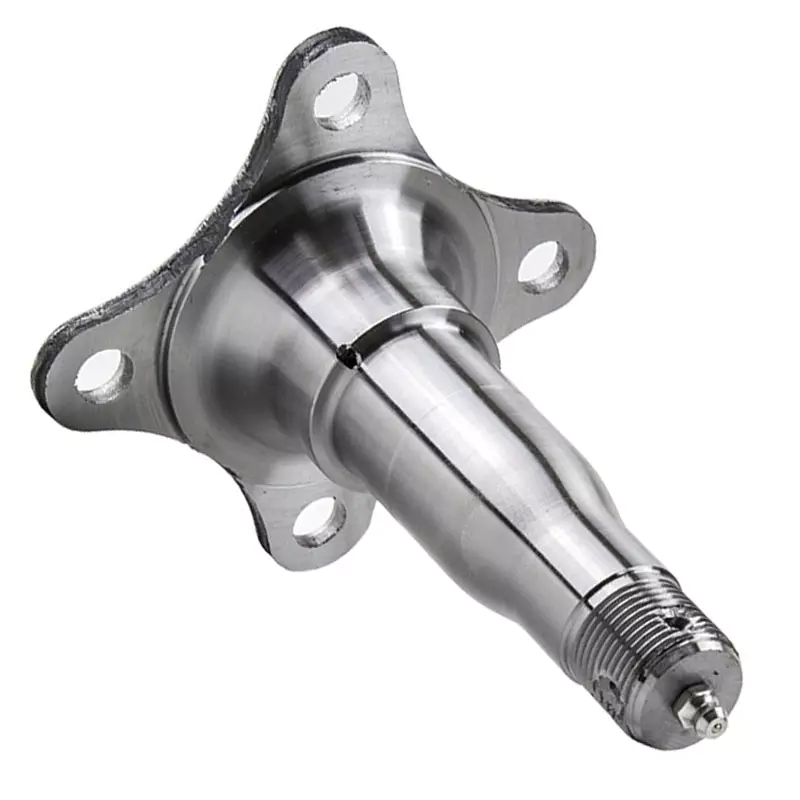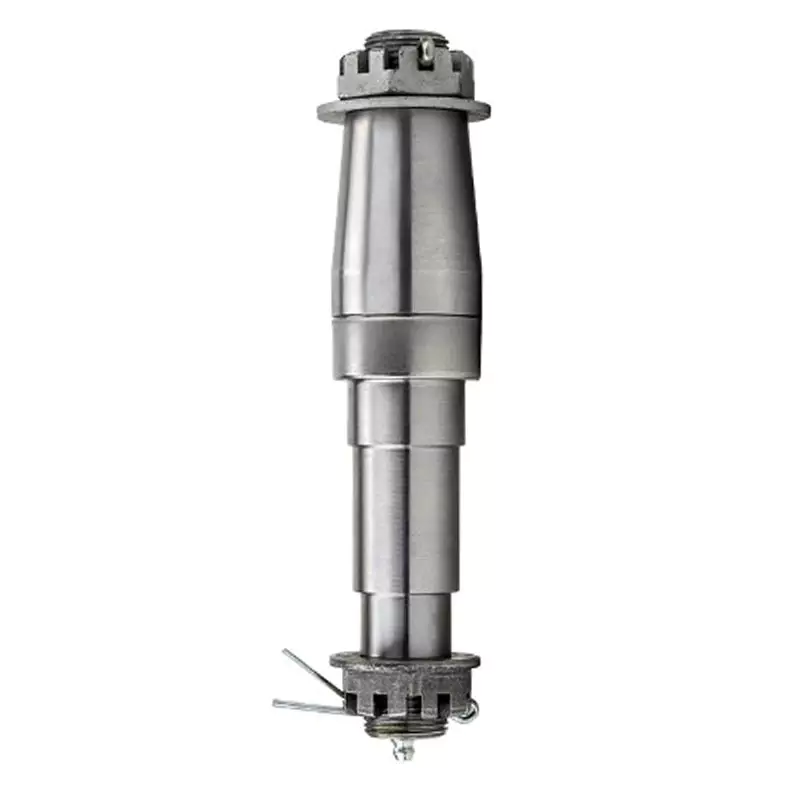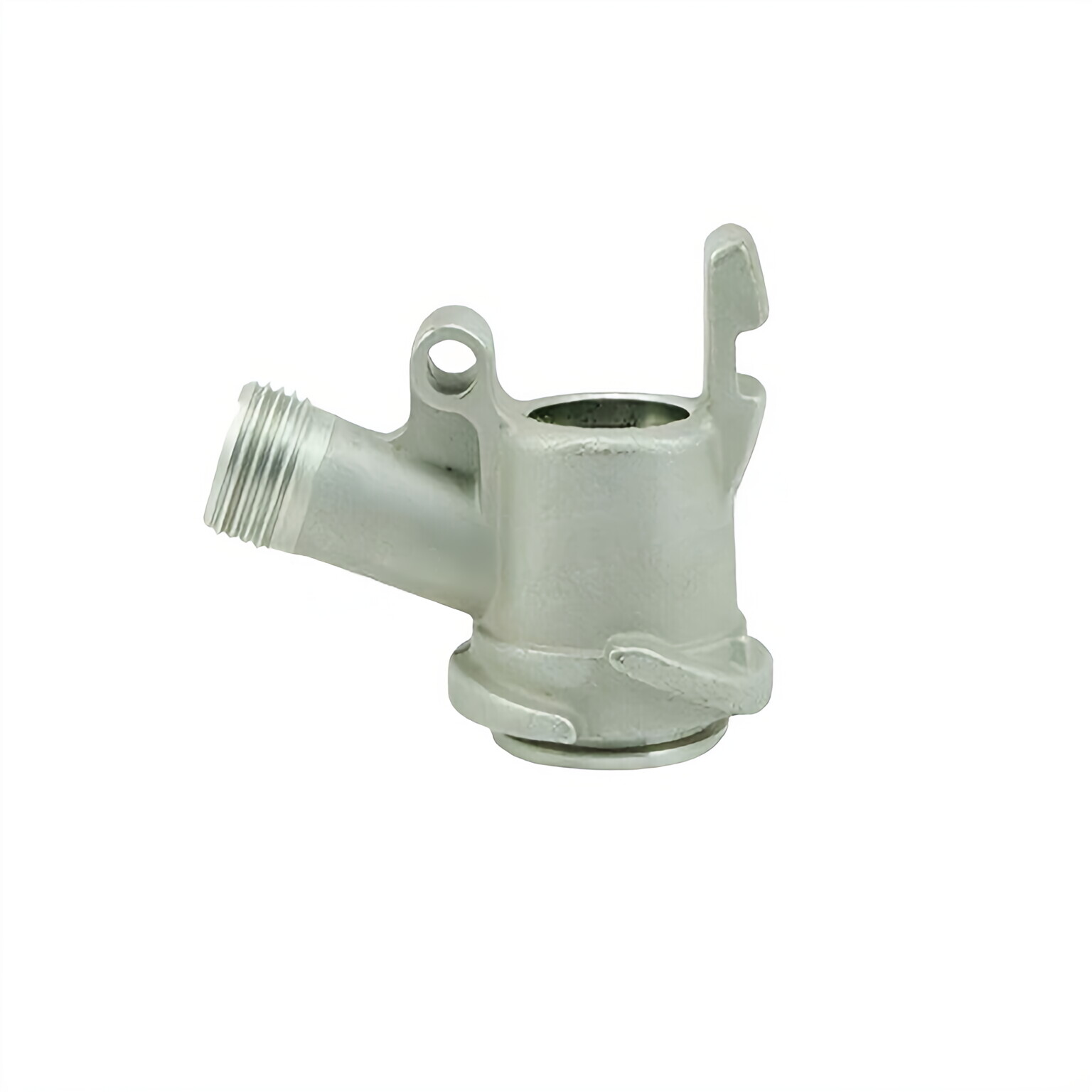
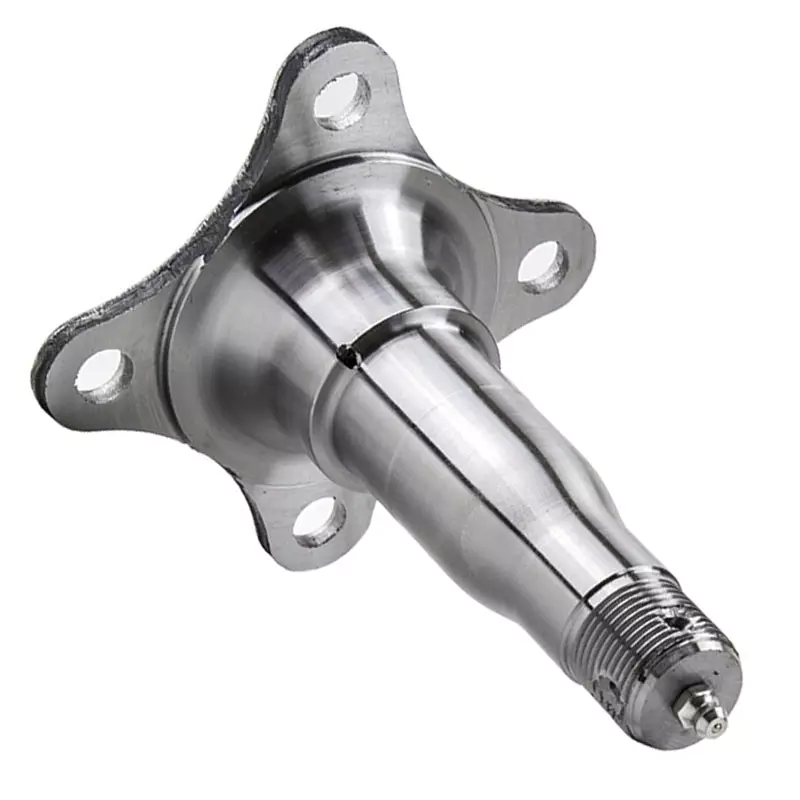
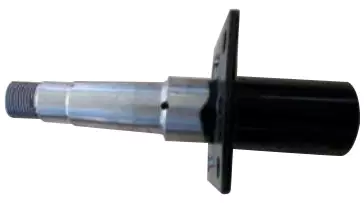
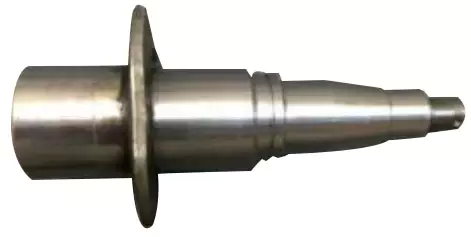
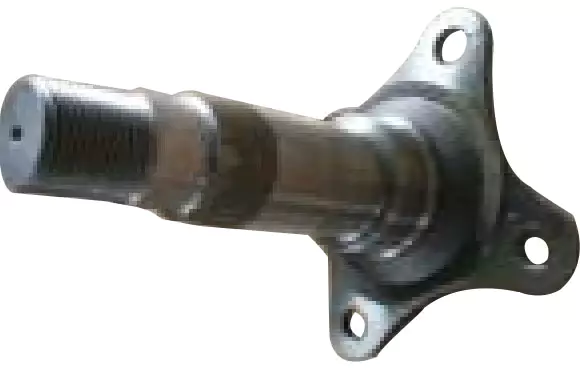
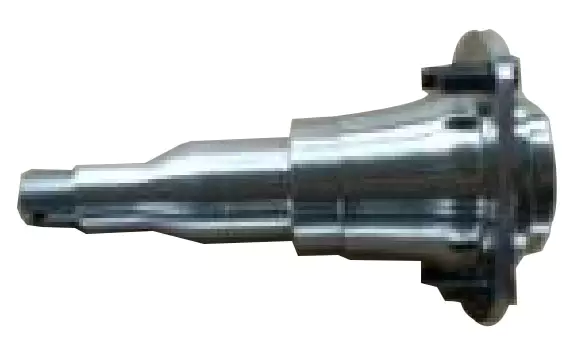
Raydafon Guoup's Straight Trailer Axle Spindle with Brake Flange is a durable, high-strength component designed for reliable trailer braking. Engineered with premium materials and precision technology, it ensures safety and smooth operation for commercial and recreational trailers. Ideal for fleet managers and RV owners, this spindle enhances performance, reduces maintenance, and provides peace of mind. Its superior design and corrosion resistance set it apart. Experience unmatched quality and dependability with every install!
Trailer axle with brake flange is a type of axle used to connect trailers and trucks. It usually consists of two main parts: the shaft head and the shaft tube. The axle head is the part that connects the trailer and truck, usually made of high-strength alloy steel, with high strength and wear resistance. The shaft tube is the part that carries the axle load, usually made of high-strength alloy steel or cast iron, with high strength and wear resistance, while also considering its flexibility and impact resistance.The main function of a trailer axle with a brake flange is to transmit power between the truck and the trailer, while also transferring the load to the truck. Due to the fact that this type of axle is usually used for transporting heavy objects and large equipment, it needs to have high strength and wear resistance, while also considering its stability and safety.When selecting a trailer axle with brake flanges, multiple factors need to be considered, such as axle head size, axle tube diameter, axle diameter, material, etc. At the same time, it is also necessary to consider its compatibility with trucks and trailers to ensure its normal operation and extend its service life.
4720F
4721F
4720
1007G
Bearing
44649/68149
15123/25580
44649/68149
6K-7K STRAIGHT SPINDLE
Tail bar diameter
2”
:2.25”
2”
Tail bar length
:4”
:4”
:4”
What is the Difference Between Trailer Axles with Brake Flanges?
Trailer axles with brake flanges and axles without flanges mainly have the following differences:
Structure difference: Trailer axles with brake flanges are connected with flanges at the connection between the axle tube and the axle head, while trailer axles without flanges are directly connected.
Function difference: Trailer axles with brake flanges are usually equipped with braking devices to achieve braking effects, while axles without flanges do not have this function.
Strength difference: Trailer axles with brake flanges require higher strength and stability to ensure stability during prolonged operation.
Different installation methods: Trailer axles with brake flanges need to be installed on trucks or trailers, while axles without flanges are directly installed on vehicles.
In summary, there are significant differences in structure, function, strength, and installation methods between trailer axles with brake flanges and axles without flanges. The type of axle chosen depends on the specific usage and needs.
How to Install My Trailer Axle?
Installing the trailer axle may require some professional tools and techniques. If you are unsure how to proceed with the installation, it is best to ask a professional to assist you with the installation.If you need to install it yourself, please follow these steps:
Determine the installation position of the trailer axle. Usually, the axle should be installed at the center of gravity of the trailer to ensure stability and minimize the sense of inclination during turns.
Prepare the necessary tools and accessories. Including wrenches, screwdrivers, wheel screw retainers, and tires.
Remove the old axle. If you have already determined the installation position, you need to remove the old axle to ensure that no components are damaged during disassembly.
Clean the axle. Clean the axle with soap and water to ensure there is no residue of grease or dirt.
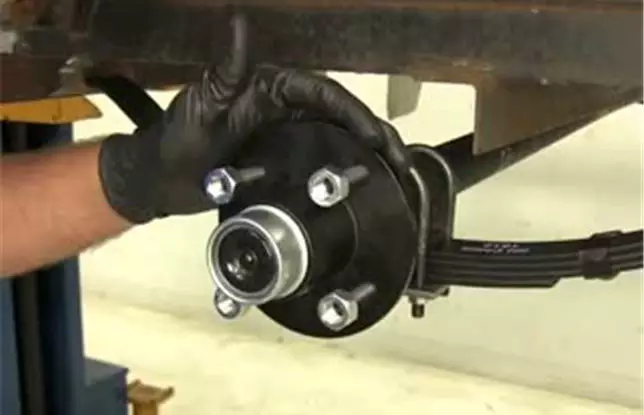
Install the wheel bearings. If your new car does not have wheel bearings on the axle, you will need to install wheel bearings. Care should be taken during installation to ensure that the wheel bearings do not fall or be damaged.
Install the axle. Install the axle onto the trailer and use a wrench to secure the screws in place. Ensure that the screws are properly tightened to avoid axle looseness or damage.
Test the wheels. After installing the new axle, it is necessary to test whether the wheels rotate smoothly, whether there is abnormal noise or looseness. Ensure that the wheels rotate smoothly without any abnormal noise or looseness.
Please note that installing the axle requires careful operation. If you have no experience or are unsure how to proceed with the installation, it is best to ask a professional to assist you with the installation.
We use cookies to offer you a better browsing experience, analyze site traffic and personalize content. By using this site, you agree to our use of cookies. Privacy Policy