Raydafon Technology Group Co.,Limited
Products
Products
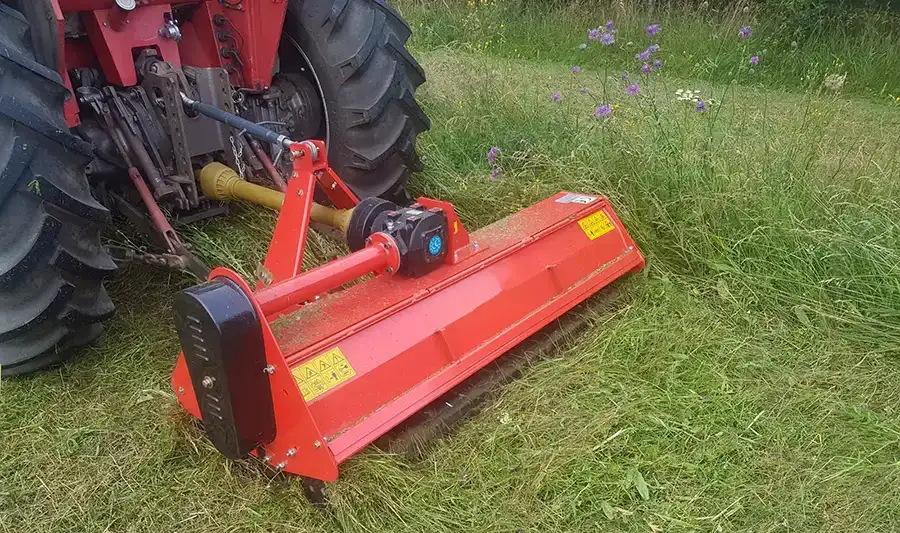
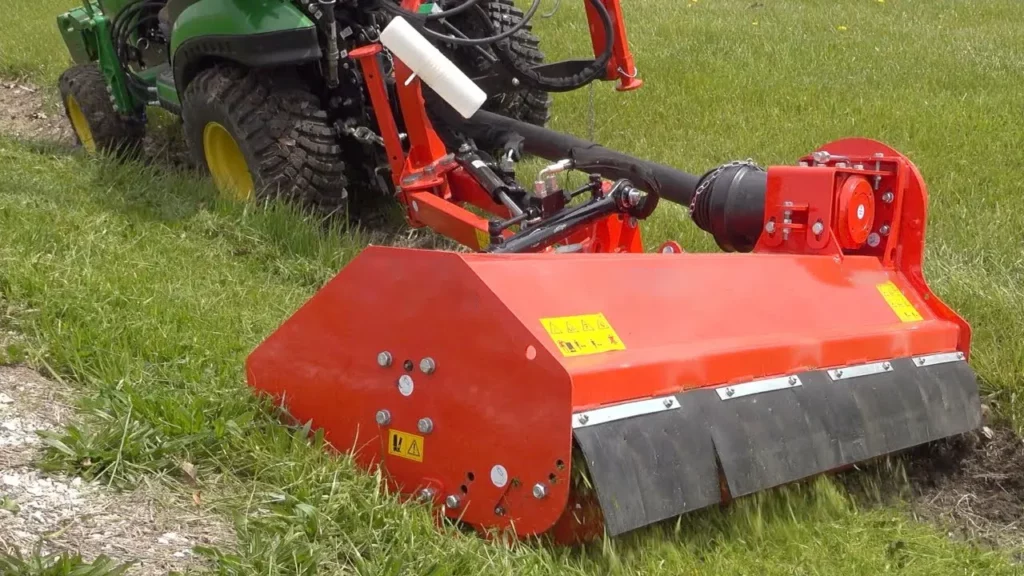
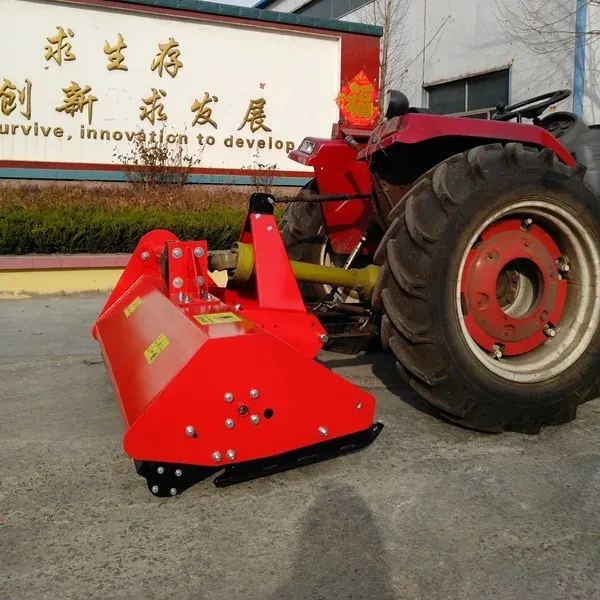
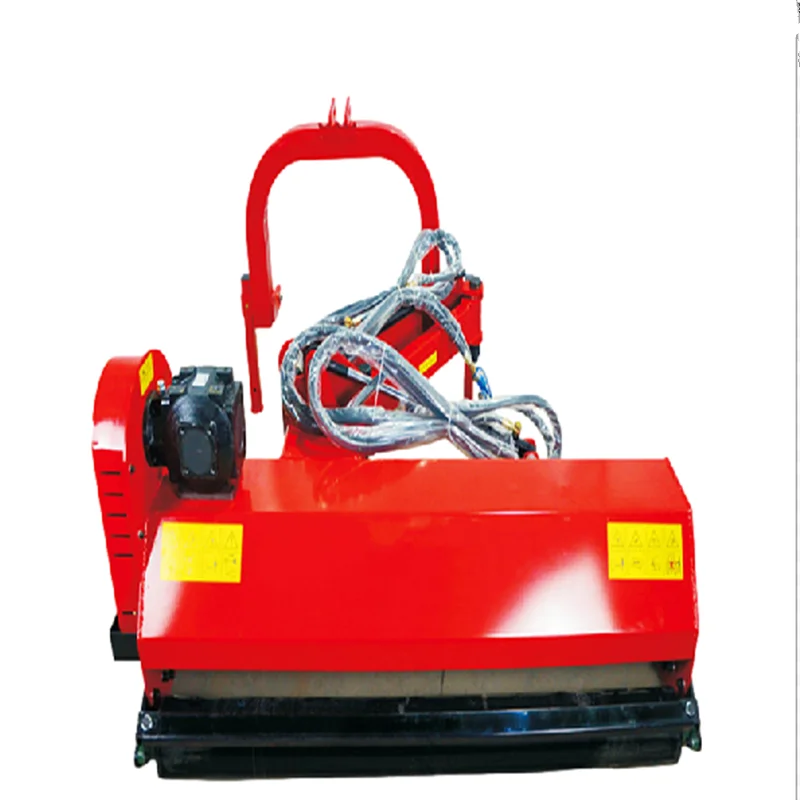
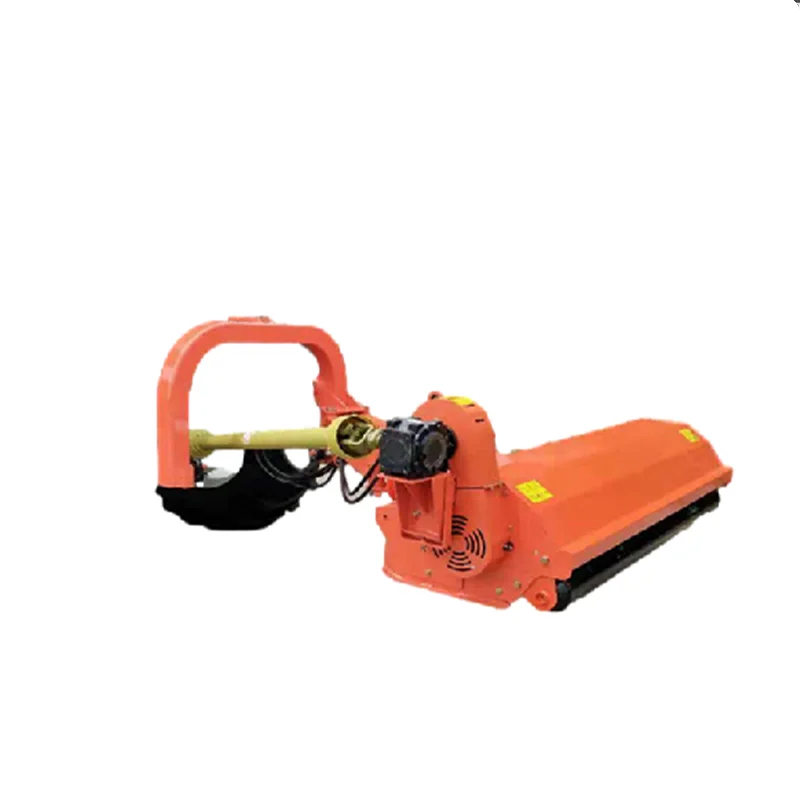
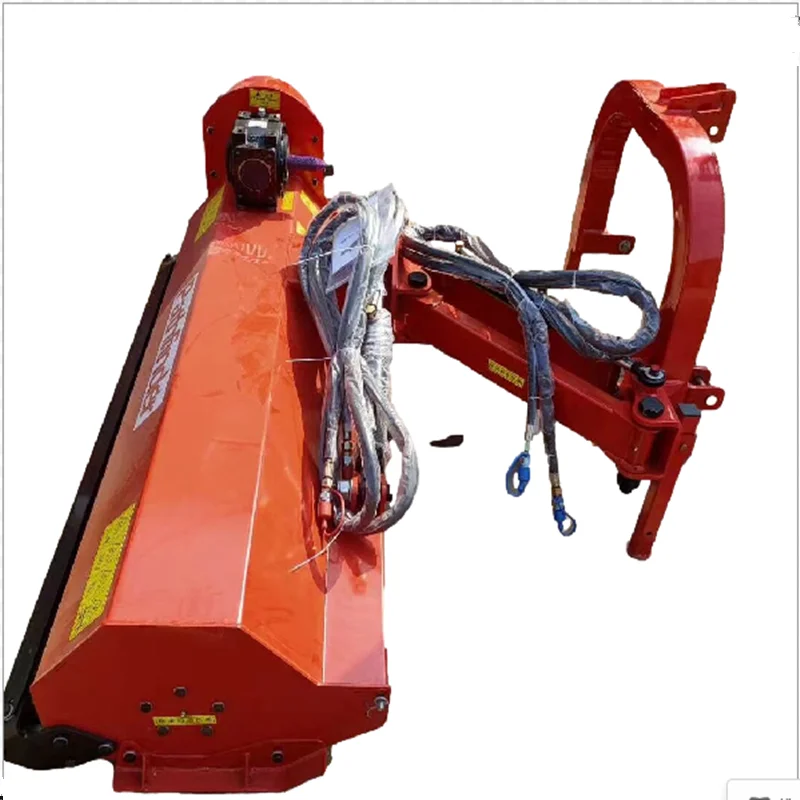
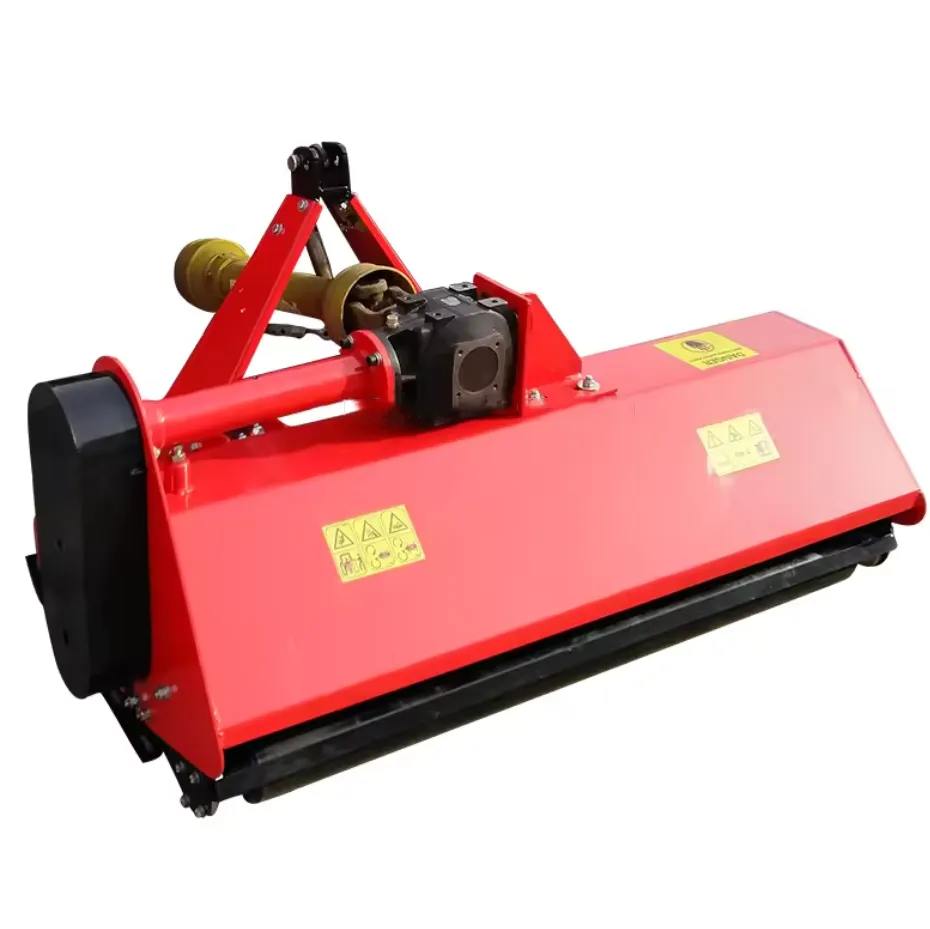
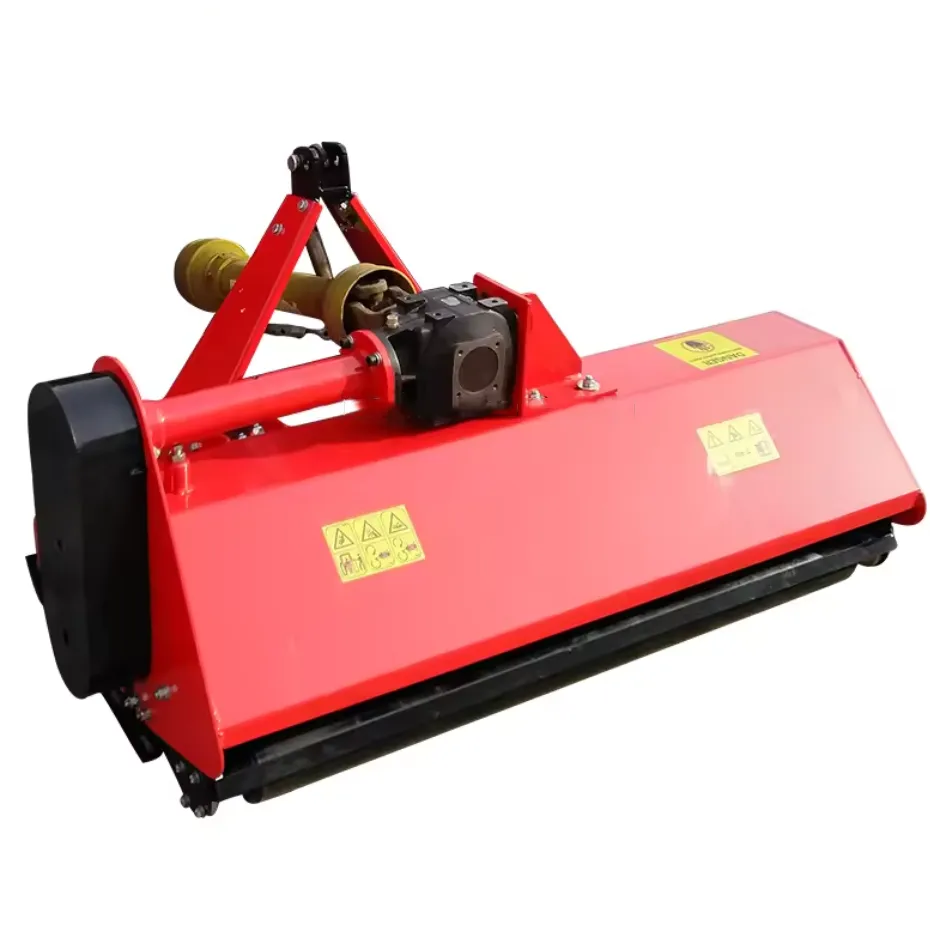
Tractor Driven Tow Behind Flail Mower for Cutting Grass
  • Tractor Driven Tow Behind Flail Mower for Cutting GrassTractor Driven Tow Behind Flail Mower for Cutting Grass

Tractor Driven Tow Behind Flail Mower for Cutting Grass

Introducing the Raydafon Guoup Tractor Driven Tow Behind Flail Mower for Cutting Grass, your ultimate solution for efficient, professional-quality lawn maintenance. This robust mower attaches easily to your tractor, delivering powerful grass-cutting performance with its durable flail design. Perfect for farmers, landscapers, and large property owners, it tackles tough terrain and overgrown areas effortlessly. Experience the satisfaction of a pristine, manicured landscape while saving time and effort. Its superior build and enhanced safety features set it apart from standard mowers. Transform your outdoor spaces today with Raydafon Guoup's reliable innovation!
[embed]https://youtu.be/uV9sIx16M9o[/embed]

Tractor Driven Tow Behind Flail Mower for Cutting Grass

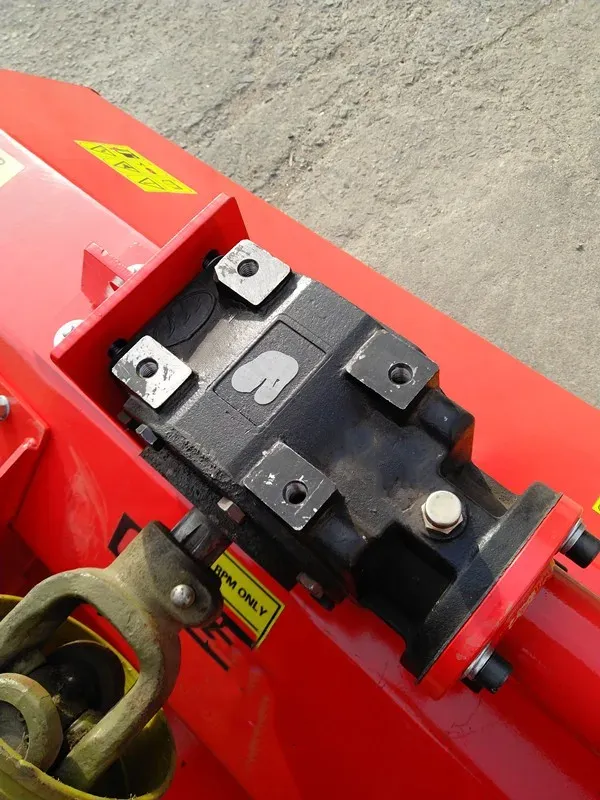
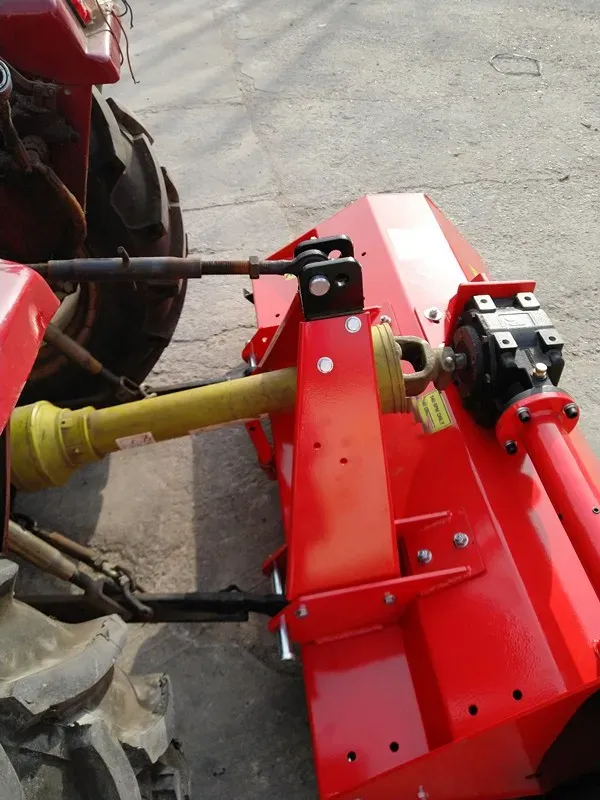
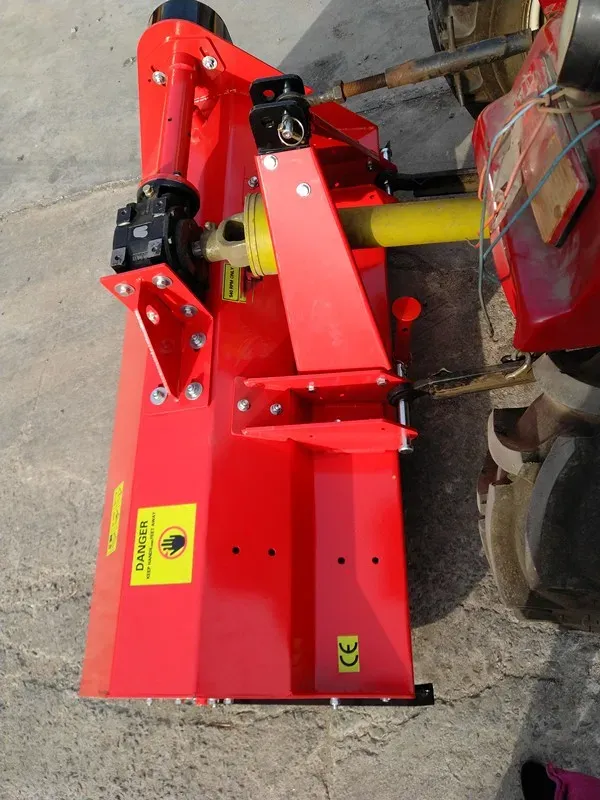
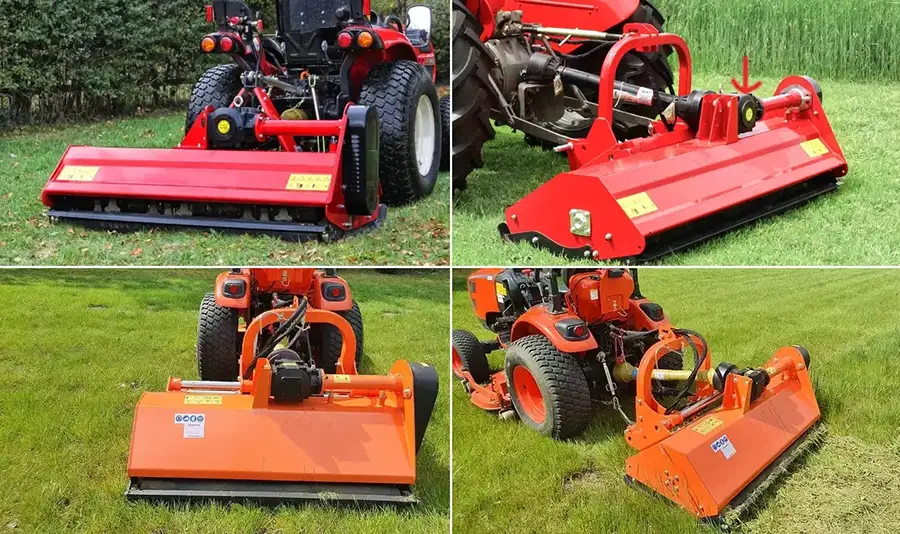
A tractor-driven tow-behind flail mower is a powerful and efficient machine used for cutting grass and vegetation in large areas. It is designed to be attached to a tractor, utilizing the tractor's power and mobility to efficiently mow large areas of land. The flail mower gets its name from the rotating blades, known as flails, which are attached to a rotating drum or shaft. Unlike traditional rotary mowers that use a single, solid blade, flail mowers have multiple small blades (flails) attached to the rotating drum or shaft. These flails spin rapidly, effectively cutting and mulching the grass and vegetation in their path. The flail design is especially effective for cutting thick, dense grass and tougher vegetation, such as brush and small saplings. Flail mowers are highly versatile and can be used in various applications. They are commonly used for mowing large fields, parks, road verges, orchards, and other areas with dense vegetation. Additionally, they can handle uneven terrain, slopes, and rough ground more effectively compared to other types of mowers. Most tow-behind flail mowers offer adjustable cutting height and cutting width settings. This allows the operator to adapt the mower to different grass lengths and terrain conditions. The adjustable height feature is particularly useful when dealing with varying grass heights or when transitioning between different areas. Tractor Driven Tow Behind Flail Mower for Cutting Grass

Specifications of EF Series Flail Mowers

Specification for EF Series Flail Mowers
Model
EF95
EF105
EF125
EF145
EF155
EF165
Matched Power
18-20HP
20-25HP
20-35HP
25-35HP
30-40HP
35-45HP
Dimensions
1040×790×850
1140x790x850
1370×790x850
1570x790x850
1670x790x850
1770x790x850
Weight
235kg
250kg
275kg
315kg
330kg
345kg
Blade Type
Y
Y
Y
Y
Y
Y
3 Point Linkage
CAT I
CAT I
CAT I
CAT I
CAT I
CAT I
Cutting width
95cm
105cm
125cm
145cm
155cm
165cm

Advantages of Using the Tractor Driven Tow Behind Flail Mower

Using a tractor-driven tow-behind flail mower offers several advantages for cutting grass and vegetation. Here are some key benefits: 1. Efficient Cutting: Flail mowers are incredibly efficient at cutting grass and vegetation, especially in large areas. The rotating flails with multiple blades deliver a powerful cutting action, effectively reducing grass, weeds, brush, and small saplings to a manageable size. This allows for faster and more efficient mowing compared to traditional mowers. 2. Versatility: Tractor-driven tow-behind flail mowers are highly versatile and can handle a wide range of cutting tasks. They are suitable for various terrains, including uneven ground, slopes, and rough terrain. Whether you need to maintain a large field, clear roadside verges, or trim vegetation in orchards, a flail mower can adapt to different applications, making it a versatile choice for landscaping and agricultural needs. 3. Superior Cutting Performance: The flail mower's design with multiple rotating blades ensures superior cutting performance, especially in challenging conditions. The flails are capable of cutting through dense grass, weeds, and even small branches with ease. This makes it an ideal choice for areas with overgrown vegetation or where traditional mowers struggle to provide satisfactory results. 4. Mulching Capabilities: One of the significant advantages of using a flail mower is its mulching capabilities. As the flails cut through the grass and vegetation, they shred the material into smaller pieces. These mulched particles are then evenly dispersed back onto the ground, acting as a natural mulch. Mulching provides several benefits, including improved soil health, moisture retention, weed suppression, and nutrient recycling. 5. Safety: Tractor-driven tow-behind flail mowers often come equipped with safety features to ensure the well-being of the operator and the surrounding environment. These features can include safety shields to prevent debris from being thrown out, emergency shut-off systems, and sturdy construction to withstand potential impacts. Additionally, the operator remains inside the tractor cab, reducing the risk of accidents associated with walking-behind or handheld mowers.
Tractor Driven Tow Behind Flail Mower for Cutting Grass Tractor Driven Tow Behind Flail Mower for Cutting Grass Tractor Driven Tow Behind Flail Mower for Cutting Grass

Typical Applications:

Flail mowers are versatile tools with a wide range of applications across agricultural, landscaping, and maintenance sectors:
  • Pasture Management: Flail mowers are indispensable for maintaining pastures by effectively cutting through dense grasses, weeds, and brush. Their robust design allows them to handle tough vegetation, promoting healthier pasture growth. The ability to finely mulch cut material back into the soil enhances soil fertility and reduces the need for additional fertilizers, making them environmentally friendly tools for sustainable agriculture.
  • Roadside Maintenance: Municipalities and highway departments rely on flail mowers to clear vegetation along roadsides and highways efficiently. Their ability to navigate rough terrain and tackle overgrown areas ensures clear visibility and safe passage for motorists. The mowers' capacity to handle various vegetation types reduces maintenance costs and enhances roadside aesthetics, contributing to overall community safety and beautification efforts.
  • Orchard and Vineyard Maintenance: Flail mowers are tailored for precision cutting around trees and vines in orchards and vineyards. Their design minimizes the risk of damage to plants while effectively controlling grass and weeds. This capability not only maintains the health and productivity of fruit-bearing trees and vines but also reduces manual labor and improves overall orchard management efficiency.
  • Park and Recreational Area Maintenance: Parks, golf courses, and recreational areas benefit from the versatility of flail mowers in maintaining large expanses of grass. Their ability to provide a clean and uniform cut enhances the aesthetics of public spaces while ensuring safe and enjoyable recreational activities for visitors. The mowers' mulching capability enriches soil health, contributing to sustainable landscaping practices.
  • Erosion Control: Flail mowers are effective tools in erosion-prone areas where maintaining vegetation cover is critical for soil stability. Their ability to mulch vegetation reduces surface runoff and soil erosion, protecting vulnerable landscapes from degradation. This application is essential for safeguarding agricultural lands, preventing sedimentation in water bodies, and promoting sustainable land use practices that prioritize soil health and conservation.
  • General Landscaping: Landscaping companies rely on flail mowers for large-scale grass cutting and maintenance tasks where a neat and professional finish is required. Their versatility in handling various terrain types and vegetation densities ensures efficient and effective landscaping operations. By mulching cut material, flail mowers contribute to nutrient cycling and soil improvement, supporting lush and healthy landscapes in residential, commercial, and institutional settings.
Tractor Driven Tow Behind Flail Mower for Cutting Grass

How Does a Tractor PTO Driven Flail Mower for Cutting Grass Work?

A tractor PTO driven flail mower operates by utilizing the tractor's PTO shaft to transfer power to the mower's rotor assembly. Here’s how it works:
  1. Power Source: A tractor PTO driven flail mower connects to the tractor through a three-point hitch, ensuring stability and alignment during operation. This hitch secures the mower to the tractor's rear and allows for easy adjustment of the cutting height and depth. The tractor's engine powers the mower through a PTO shaft, which transfers rotational energy to the mower's cutting mechanism.
  2. PTO Engagement: Engaging the PTO involves activating a lever or switch inside the tractor cab. This action connects the tractor's engine to the mower's rotor assembly via a rotating shaft. The PTO shaft spins at a consistent speed, transmitting power to the mower's cutting components.
  3. Rotor and Flails: The mower's rotor assembly is central to its cutting capability. It comprises a horizontal shaft with numerous flails attached along its length. These flails are typically made of hardened steel and are arranged in a pattern that maximizes cutting efficiency.
  4. Rotation and Cutting: Once engaged, the PTO shaft rotates the mower's rotor assembly at high speed. The flails, due to centrifugal force, swing outward and downward as they rotate. This swinging action enables them to strike and cut through vegetation with a chopping motion, effectively reducing tall grasses, weeds, and light brush.
  5. Mulching: As the flails cut through vegetation, they also mulch the material into small pieces. This mulch is then dispersed evenly behind the mower as it continues its forward motion. Mulching enhances soil health by returning organic matter to the ground, promoting nutrient cycling and moisture retention.
  6. Adjustability: Many flail mowers offer adjustable features to accommodate different cutting conditions. Operators can adjust the cutting height to control the length of the grass or vegetation being cut. Some models also allow for angle adjustments, which can be useful when contouring uneven terrain or tackling slopes.
Tractor Driven Tow Behind Flail Mower for Cutting Grass

Installation Steps:

Installing a tractor-driven tow-behind flail mower typically involves a few steps to ensure proper attachment and safe operation. Here is a general guide for installing a flail mower:
  • Choose the Right Mower: Select a tractor-driven tow-behind flail mower that is compatible with your tractor's horsepower, hitch type, and weight capacity. Refer to the manual's guidelines to ensure a suitable match.
  • Prepare the Tractor: Ensure that your tractor is in good working condition and properly maintained. Check the tire pressure, fluid levels, and inspect the hitch components for any damage or wear.
  • Position the Mower: Park the tractor on a level surface and align the tow-behind flail mower behind the tractor. Ensure that the mower is positioned straight and centered behind the tractor for proper alignment during operation.
  • Hitch Attachment: Attach the mower to the tractor's hitch using the appropriate hitch type, such as a three-point hitch or drawbar hitch. Follow the manual's instructions for securing the hitch connection and ensure that all bolts and pins are properly tightened.
  • Power Take-Off (PTO) Connection: Locate the PTO driveline on the mower and align it with the PTO shaft on the tractor. Connect the two shafts together, ensuring that they are securely engaged. Use any locking mechanisms or safety pins provided to prevent accidental disconnection during operation.
  • Adjustments and Leveling: Check the cutting height and cutting width settings on the mower. Adjust them according to your requirements or the specific conditions of the area to be mowed. Ensure that the mower is leveled to maintain a consistent cutting height across the entire width.
  • Safety Precautions: Before starting the mower, review the safety features and precautions provided by the manual. Familiarize yourself with emergency shut-off procedures, safety shields, and any other safety mechanisms. Ensure that the operator's seat and controls are adjusted for comfort and easy reach.
  • Test Run: Once the mower is properly attached and all safety measures are in place, start the tractor and engage the PTO to activate the flail mower. Observe the operation of the mower, ensuring that it rotates smoothly and the cutting blades are functioning correctly. Make any necessary adjustments to ensure optimal cutting performance.
Tractor Driven Tow Behind Flail Mower for Cutting Grass

Agricultural PTO Shaft for the Flail Mower

The Power Take-Off (PTO) shaft is a crucial component for connecting a tractor-driven tow-behind flail mower to the tractor. The PTO shaft transfers power from the tractor's engine to the mower, enabling the mower's cutting blades to rotate. Here are some key points regarding the PTO shaft for a tractor-driven tow-behind flail mower: (1) Shaft Design: The PTO shaft consists of a driveline assembly with a series of telescoping shafts that extend and retract. It typically includes an input shaft that connects to the tractor's PTO output, an intermediate shaft, and an output shaft that connects to the mower's gearbox. (2) Shaft Length: The length of the PTO shaft should be appropriate to span the distance between the tractor's PTO output and the mower's gearbox input. It should be long enough to provide sufficient clearance for turning and maneuvering the tractor without causing excessive tension or strain on the shaft. (3) Safety Features: PTO shafts often incorporate safety features to protect the operator and prevent accidents. These features may include a shear bolt or a slip clutch mechanism. In the event of an obstruction or overload, the shear bolt will break or the slip clutch will disengage, preventing damage to the driveline or other components. (4) Shielding: PTO shafts should be equipped with protective shielding along their length to prevent accidental contact with rotating components. The shielding helps to contain the driveline and reduce the risk of injury to the operator or bystanders. It is essential to ensure that the shielding is properly installed and in good condition before operating the mower. (5) Maintenance and Lubrication: Regular maintenance of the PTO shaft is crucial for its optimal performance and longevity. This includes inspecting the shaft for wear, damage, or loose components, lubricating the universal joints and other moving parts as recommended by the manual, and replacing any worn or damaged parts promptly. (6) Proper Handling: When connecting or disconnecting the PTO shaft, it is important to follow the manual's instructions and exercise caution. Always ensure that the tractor's engine is turned off, engage any safety mechanisms, and handle the shaft carefully to prevent injury. (7) Compatibility: When selecting a PTO shaft for a tractor-driven tow-behind flail mower, it is essential to ensure compatibility between the tractor's PTO output and the mower's gearbox input. This includes matching the correct shaft size, spline type, and rotational direction to ensure a proper connection. Tractor Driven Tow Behind Flail Mower for Cutting Grass

Why Choose Raydafon's Flail Mowers?

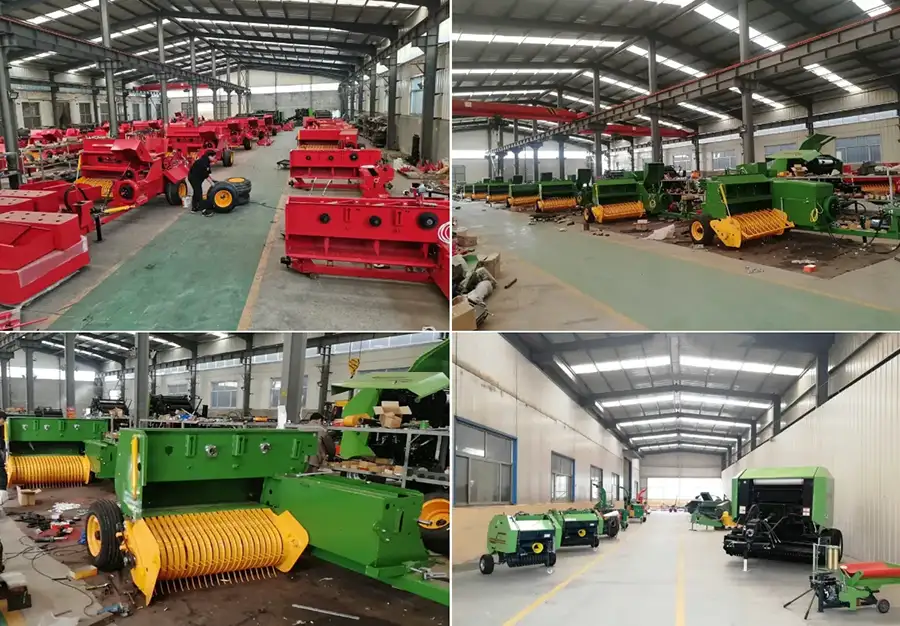
Raydafon Agricultural Machinery Co., Ltd. has been engaged in the research and development of agricultural machinery, such as PTO shafts, agricultural gearboxes, agricultural chains, agricultural pulleys, and agricultural sprockets. Our company has more than 100 employees, among which there are 20 technical technical staff and five senior R&D personnel. Besides, we have abundant financial resources and two advanced casting, forging, machining, heat treatment, and lacquering production lines, and we use CAD computer-aided design system. Our production technology is strong and the equipment is advanced, including lathing, milling, planing, stamping, cutting plate, and electric welding. We have accumulated more than ten years of experience in production, and mainly produce farming machinery, planting machinery, harvesting machinery and its accessories, and matching machines, which are set up by the main tractor manufacturers in China. Our main products are PTO shafts, agricultural gearboxes, drum mowersrotary hay rakes, flail mowers, lawn mowers, sickle bar mowers, rotary mowers, rotary tillers, land levelers, fertilizer spreaders, furrow ploughs, disc harrows, disc blades, disc ridgers, disc ploughs, potato planters, potato harvester, wheat seeder, corn seeder, vegetable seeder, post hole diggers, boom sprayers, agricultural subsoiler, agricultural trailers, disc mower, finger wheel rake, large round baler, mini round baler, PTO wood chipper, diesel wood chipper, log splitter, front end loader, backhoe, snow blower, road sweeper, etc. The above series of products are complete in specifications, excellent in performance, and reliable in quality. Our products are sold all over the country and are exported to many countries and regions in Europe, America, Africa, the Middle East, and Southeast Asia all year round. Tractor Driven Tow Behind Flail Mower for Cutting Grass

FAQs:

Q: Flail Mower vs. Brush Hog: Which is Better?

A: The debate between flail mowers and brush hogs is a common one in the farming and landscaping community. While both have their advantages, many professionals prefer flail mowers for their versatility and efficiency. Unlike brush hogs, flail mowers can handle a wider range of vegetation, from light grass to heavy brush. They also leave a cleaner, more even cut, which is particularly important for maintaining pastures or lawns. Furthermore, flail mowers are safer to use around rocks and other obstacles, as the flail blades are less likely to throw debris.

Q: Are Flail Mowers Good for Grass?

A: Yes, flail mowers are excellent for grass, especially when dealing with taller or thicker varieties. They can cut grass to a variety of heights, from a close cut for lawns to a taller cut for pastures. This makes them a versatile tool for any grass maintenance needs.

Q: How Tall of Grass Can a Flail Mower Cut?

A: The cutting height of a flail mower depends on the model and the type of blades used. However, most flail mowers can handle grass up to 20 inches tall. Some heavy-duty models, like the heavy-duty flail mower, can even handle grass and vegetation up to 30 inches tall.

Q: How Much Horsepower Does It Take to Run a Flail Mower?

A: The horsepower required to run a flail mower depends on the size and model of the mower. Smaller subcompact tractor models may require as little as 15 horsepower, while medium and large tractor models may require 40 horsepower or more. It’s important to check the specifications of the flail mower and ensure your tractor has the necessary power to operate it.

Q: Can You Cut Hay with a Flail Mower?

A: Yes, you can cut hay with a flail mower. In fact, flail mowers are often used for this purpose due to their ability to handle tall grass and their clean, even cut. However, if you’re planning to bale the hay, you might want to consider a mower-conditioner, which cuts and conditions the hay in a single pass.

Q: Can a Flail Mower Cut Trees?

A: Flail mowers are not designed to cut down large trees, but they can handle small trees and saplings with ease. The heavy-duty flail mower, for instance, can handle saplings up to 2 inches in diameter. This makes them ideal for maintaining orchards or wooded areas.

Q: Can You Cut Alfalfa with a Flail Mower?

A: Yes, flail mowers can be used to cut alfalfa. However, it’s important to note that flail mowers will chop the alfalfa into smaller pieces, which can lead to faster drying times. This can be beneficial if you’re in a hurry, but it can also lead to loss of nutritional value if the alfalfa dries out too quickly.

Q: Is a Flail Mower Better Than a Rotary?

A: Both flail mowers and rotary mowers have their advantages, but many professionals prefer flail mowers due to their versatility and efficiency. Unlike rotary mowers, flail mowers can handle a wider range of vegetation and leave a cleaner, more even cut. They are also safer to use around rocks and other obstacles, as the flail blades are less likely to throw debris.

Q: Can Flail Mowers Handle Rocks?

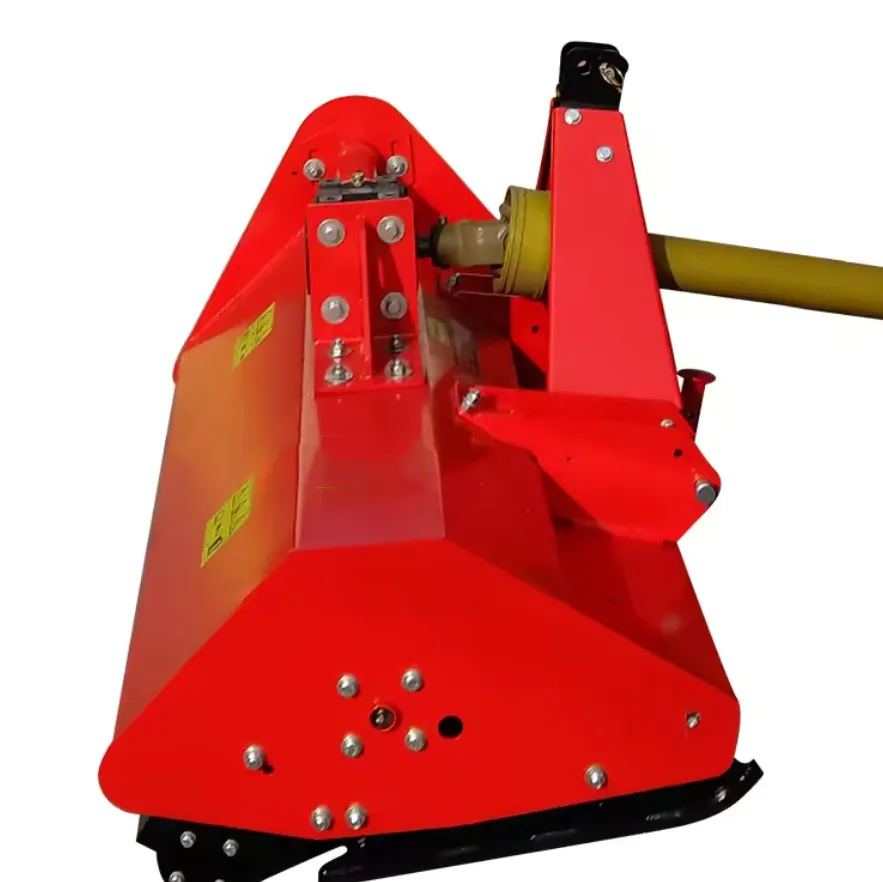
A: Yes, flail mowers are designed to handle rocks and other obstacles. The unique design of the flail blades, which are attached to the mower using hinges, allows the blades to ‘flail’ out of the way if they hit a hard object. This not only protects the blades from damage but also reduces the risk of debris being thrown. Tractor Driven Tow Behind Flail Mower for Cutting Grass
Q: What Blades is Best with a Flail Mower?

A: The best blades for a flail mower depend on the type of vegetation you’re dealing with. For light grass Y-blades are usually the best choice whereas hammer blades are better suited for heavy brush, small saplings, thick vegetation, and tall grass. Check out our guide to tractor flail mowers for more information on choosing the right blades.

Q: What is the Best Lawn Mower for Heavy Weeds?

A: For heavy weeds, a flail mower is often the best choice. Thanks to their robust design and powerful cutting action, flail mowers can easily handle thick, heavy weeds that would choke a regular lawn mower. The mower mulcher is a particularly good choice for this task.

Q: What Lawn Mower Do Professionals Use?

A: Professionals use a variety of lawn mowers, depending on the task at hand. However, for heavy-duty tasks like cutting through thick vegetation or maintaining large areas, many professionals prefer flail mowers. Check out our top 10 flail mower brands to see some of the models preferred by professionals.

Q: What is the Tip Speed of a Flail Mower?

A: The tip speed of a flail mower refers to the speed at which the flail blades move. This can vary depending on the size and model of the mower, but typically, the tip speed of a flail mower ranges from 10,000 to 18,000 feet per minute. This high speed, combined with the unique design of the flail blades, allows the mower to cut through thick vegetation with ease.

Q: Will a Flail Mower Mulch leave?

A: Yes, a flail mower can effectively mulch leaves. As the mower cuts, it chops the leaves into small pieces, which are then distributed evenly across the lawn. This not only helps to keep your lawn looking neat and tidy, but it also returns valuable nutrients to the soil, promoting healthier growth.

Q: How High Should I Mow My Pasture?

A: The ideal mowing height for your pasture depends on the type of grass and the intended use of the pasture. However, as a general rule, most pastures should be mowed to a height of 3 to 4 inches. This allows the grass to recover quickly after mowing and helps to prevent weed growth.
Hot Tags: tow behind flail mower, tractor driven grass cutter, flail mower for tractors
Send Inquiry
Contact Info
Get customized quotes for transmission components, gearboxes, and machinery. Our engineers will respond within 24 hours.
Online
X
We use cookies to offer you a better browsing experience, analyze site traffic and personalize content. By using this site, you agree to our use of cookies. Privacy Policy
Reject Accept