
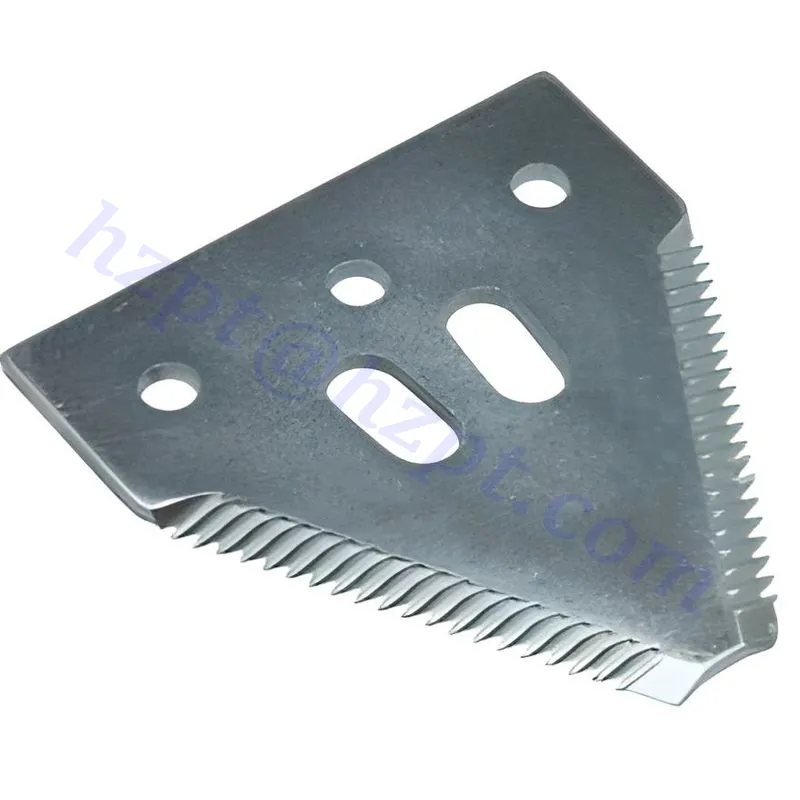
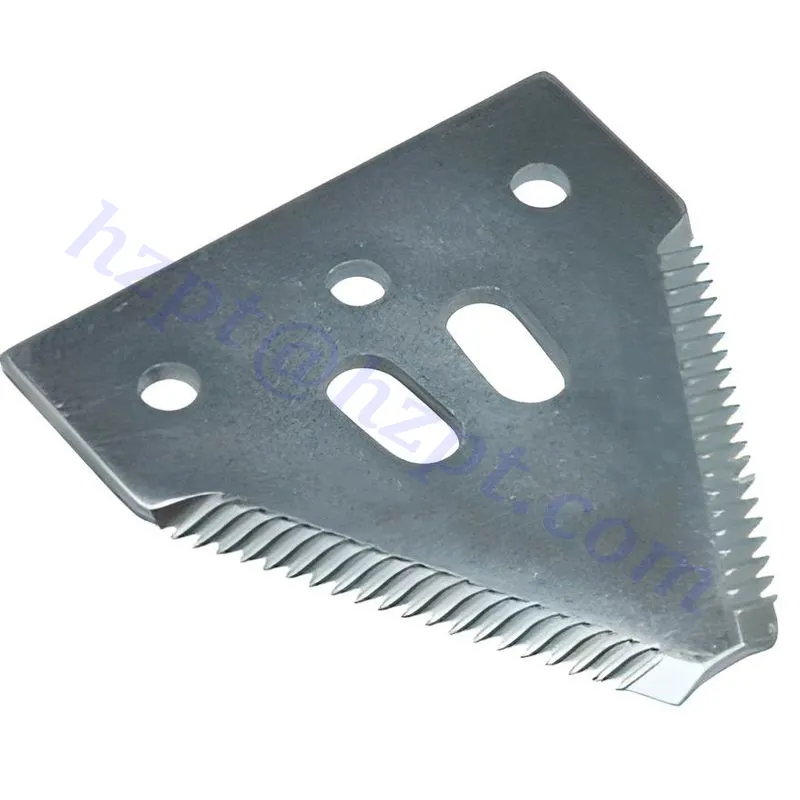
| Application | John Deere Combine harvester: 630 John Deere Header: 600, 600R&F, 614R, 615R, 618R, 620R, 622R, 625R, 630R, 635R, 810, 812, 814, 816, 818, 820, 822, 825 |
| SKU | 420100045 |
| Reference Code | 420100045 |
| Manufacturer | Raydafon Group |
| Brand | |
| Weight | 0.076KG |
| Finishing | Painting Green Color or Galvanize or Red or OEM |
| Packing | Carton or Wooden box or Iron Box |
The 420100045 Knife Section is a highly reliable and efficient accessory designed for use with John Deere Combine harvesters and compatible header models. With its exceptional features and functionality, this knife section is a valuable addition to farming equipment.
Featuring a durable construction, the 420100045 Knife Section is manufactured by Raydafon Group, a trusted name in the industry. Its high-quality design ensures longevity and performance in demanding agricultural environments.
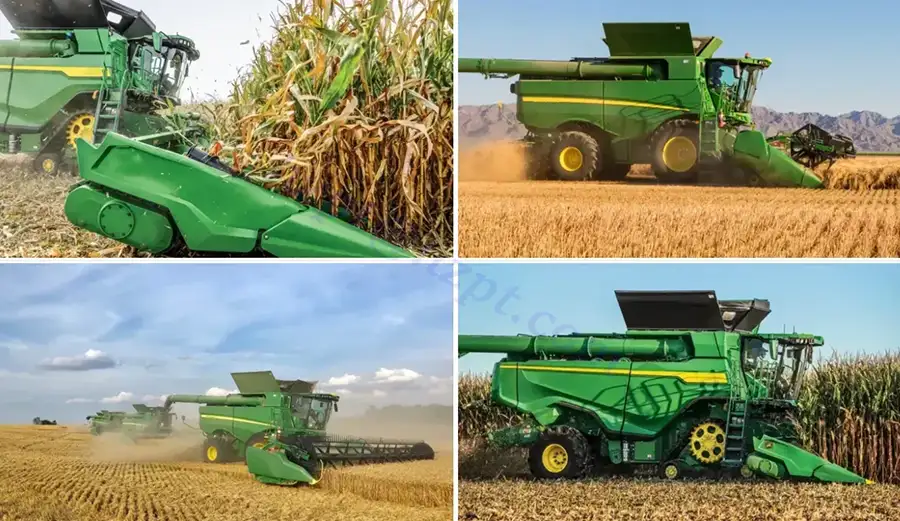
The knife section is specifically engineered to fit seamlessly with John Deere Combine harvesters including the 630 model, as well as a range of John Deere Header models such as 600, 600R&F, 614R, 615R, 618R, 620R, 622R, 625R, 630R, 635R, 810, 812, 814, 816, 818, 820, 822, and 825.
This knife section is characterized by its precise cutting capabilities, allowing for efficient harvesting of crops. Its lightweight design, weighing only 0.076KG, ensures ease of use without compromising on performance.
The 420100045 Knife Section is available in various finishing options, including Painting Green Color, Galvanize, Red, or OEM, catering to different preferences and requirements. Additionally, it can be conveniently packaged in a carton, wooden box, or iron box for safe transportation and storage.
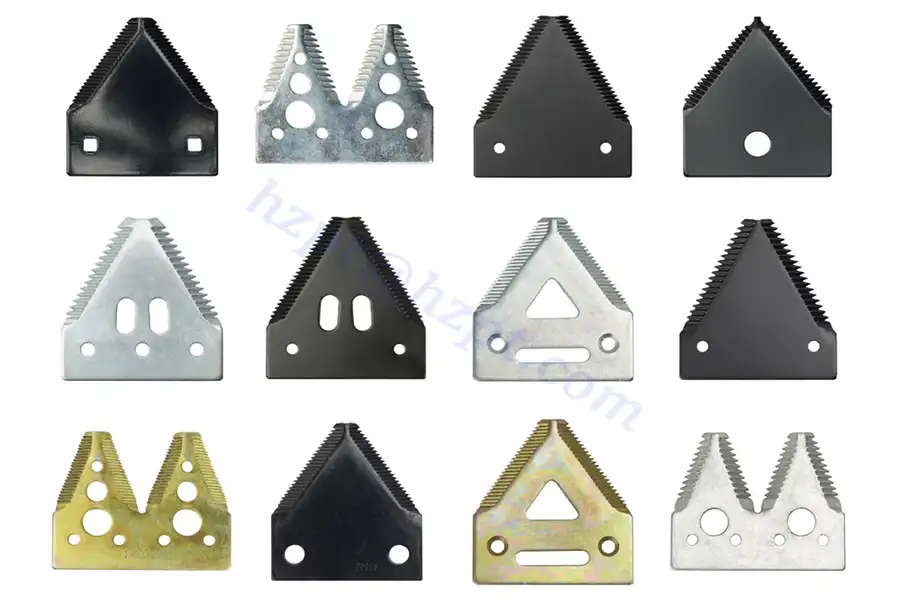
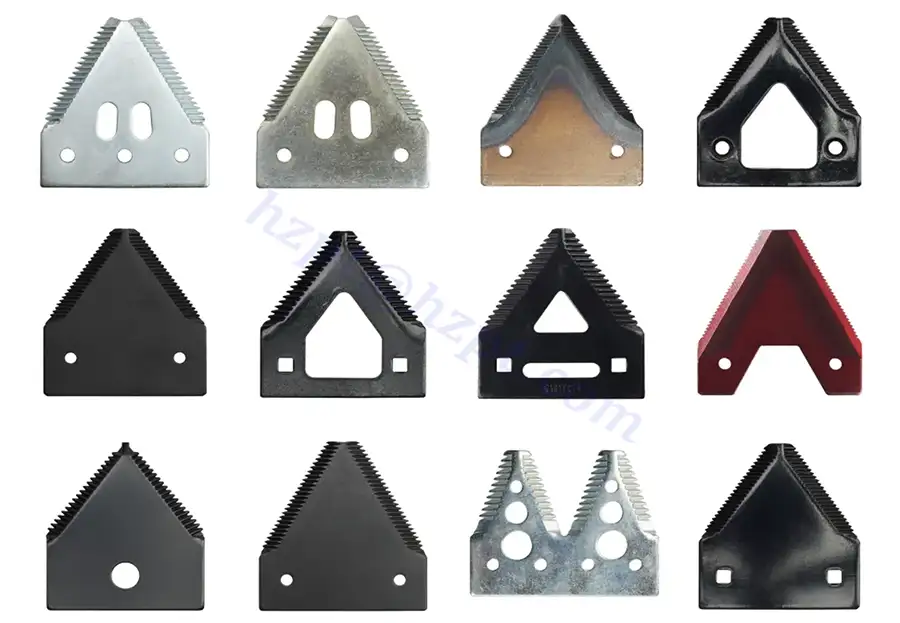
Replacing a damaged knife section in the 420100045 model for John Deere Combine Harvesters can be done by following these detailed steps:
Before starting any maintenance or repair work, ensure that the combine harvester is turned off and the engine is completely cooled down. Wear appropriate protective gear such as gloves and safety glasses.
Inspect the cutter bar to identify the specific knife section that needs to be replaced. Take note of its location and any other parts that may need attention during the replacement process.
Gather the necessary tools for the replacement, including a wrench, socket set, and a replacement knife section. Ensure that the replacement part is compatible with the 420100045 model.
Using the appropriate tools, carefully remove the damaged knife section from the cutter bar. Pay attention to any fasteners or bolts that need to be loosened or removed to detach the old section.
Thoroughly clean the cutter bar and the surrounding area from any debris or residue. This will help ensure a smooth installation of the new knife section and prevent any potential damage.
Position the replacement knife section onto the cutter bar, aligning it with the corresponding slots or holes. Secure it in place by tightening the fasteners or bolts, following the manufacturer's instructions.
Once the new knife section is properly installed, test its functionality by turning on the combine harvester and engaging the cutter bar. Observe its performance and ensure that it operates smoothly without any issues.
Finally, document the replacement process, including the date and any additional notes. Regularly inspect and maintain the knife sections to prevent further damage and ensure optimal performance.
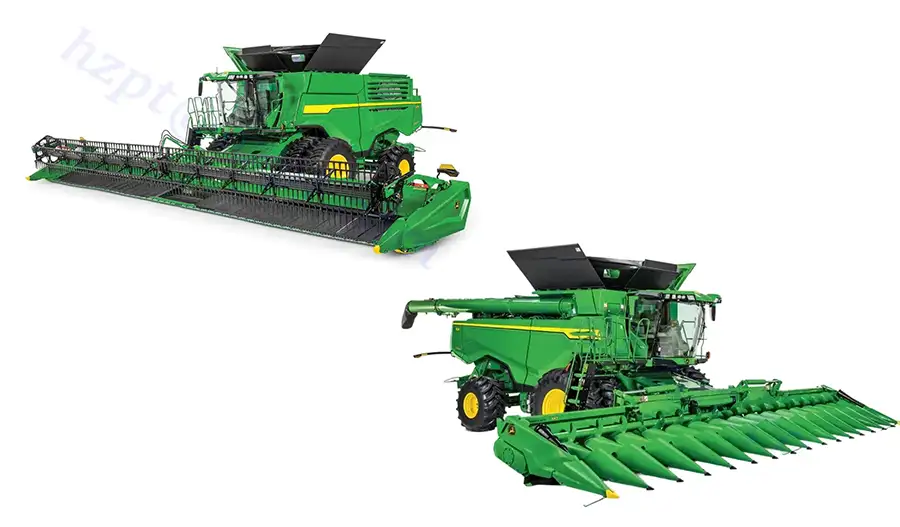
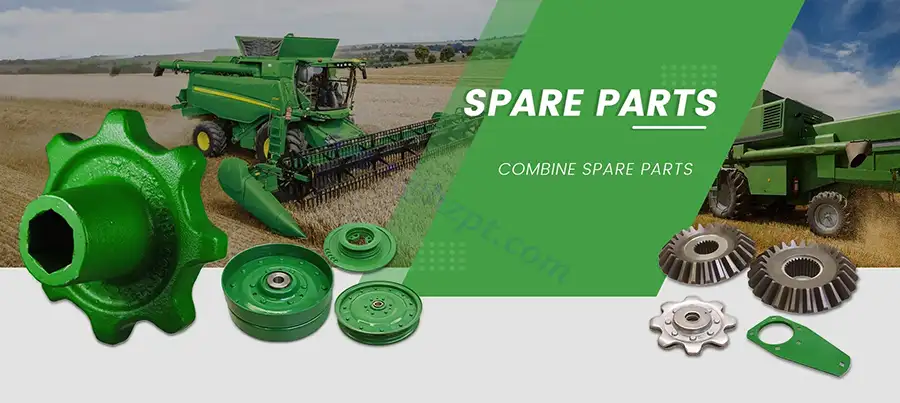
A combine harvester is a vital piece of equipment for any farmer. It helps automate the harvesting process, saving time and increasing efficiency. However, like any other machine, it requires maintenance and occasional repair. Various parts of a combine harvester need replacement to keep the machine functioning at its best. Here are some other essential replacement parts for John Deere combine harvesters:
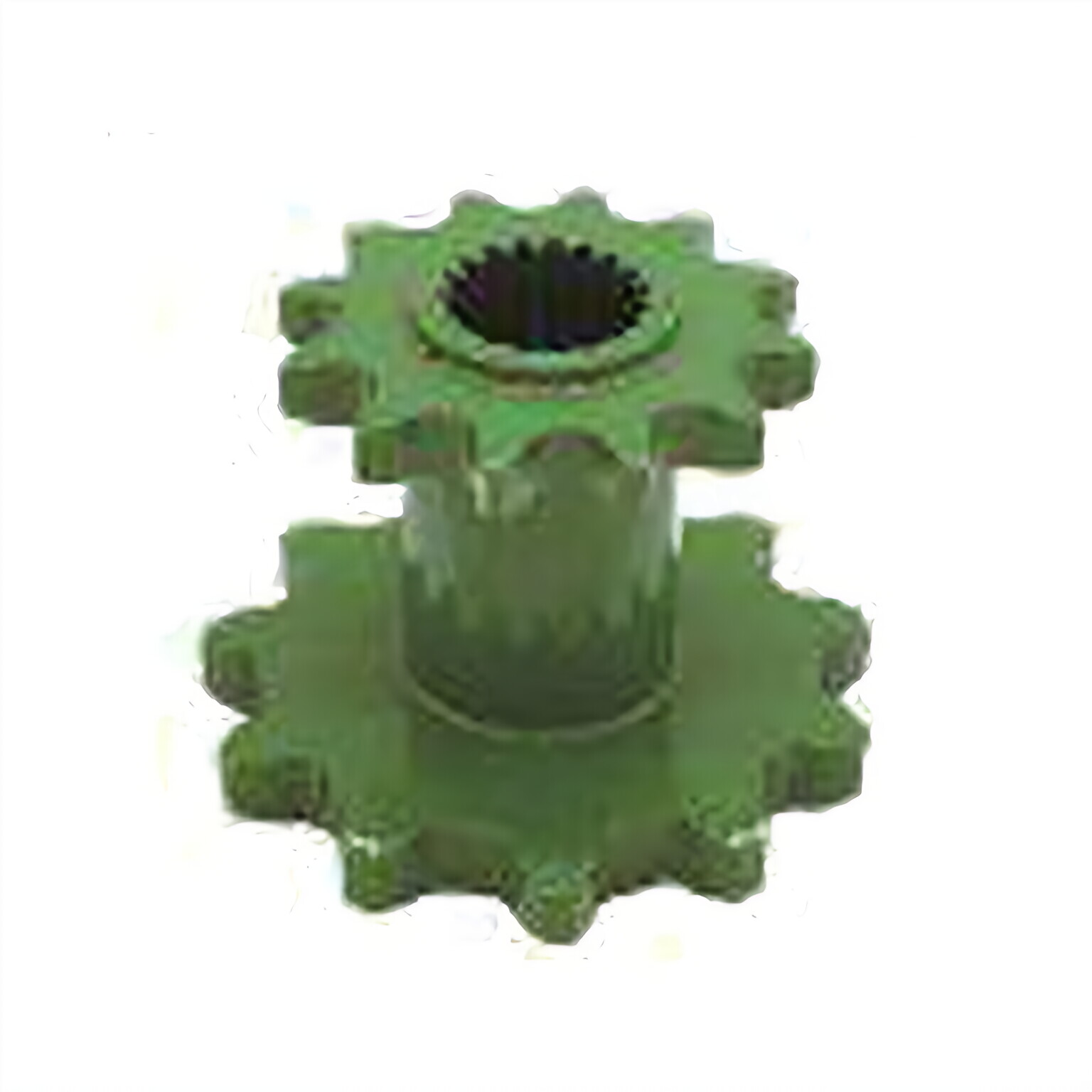
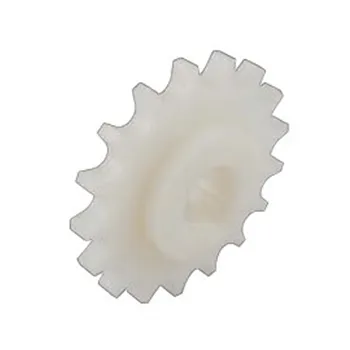
Chain sprockets are an essential component for transferring power within the combine. They engage with chains to ensure smooth operation across different components. Made from robust materials, they require regular maintenance to prevent wear and maintain efficient power transmission during harvesting.
Without chain sprockets, the combine harvester would be unable to function at optimal levels. Farmers must ensure that they are well-maintained, and any worn-out sprocket should be immediately replaced.
Idler sprockets are responsible for guiding and maintaining proper tension in chains. They don't transmit power but are crucial for preventing chain slack and misalignment. Regular inspection ensures they remain in good condition, which is vital for the longevity of the chain system.
If an idler sprocket wears out or becomes damaged, the chain will start to slip or become misaligned, causing significant damage to the combine harvester. Farmers should inspect these parts regularly and replace any that are not functioning correctly to avoid costly repairs.
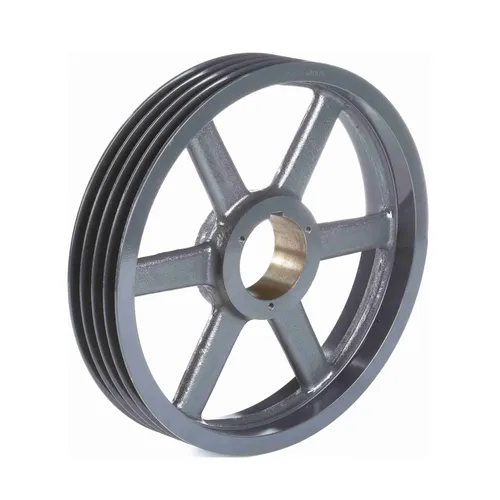
Drive pulleys play a crucial role in belt-driven systems, transferring engine power to various parts. Proper alignment and maintenance are crucial to prevent belt wear and ensure efficient operation, significantly impacting the overall performance of the combine harvester.
Drive pulleys that are not correctly aligned or well-maintained can lead to belt slippage or damage, which significantly reduces the efficiency of the machine. Farmers should inspect these parts regularly and replace any that are not functioning correctly.
Idler pulleys maintain tension and guide belts within the harvester. Though they don't drive components directly, they are crucial for preventing belt slippage and misalignment. Regular checks and maintenance ensure they function effectively, supporting the overall efficiency of belt systems.
Like drive pulleys, idler pulleys require regular inspection and maintenance to prevent costly belt damage. If an idler pulley is not functioning correctly, it can lead to belt misalignment, which can cause significant damage to the combine harvester.
Gears facilitate changes in speed and direction of power within the combine. They enable precise control over machinery functions. Regular lubrication and inspection are necessary to prevent wear, ensuring smooth and efficient operation throughout the harvest season.
Any worn-out or damaged gears can cause a breakdown in the combine harvester, leading to significant downtime. Regular inspection and replacement of damaged gears are necessary for the proper functioning of the machine.
The drive shaft transmits power from the engine to various harvester parts. It must withstand high torque and be balanced correctly to reduce vibrations. Regular maintenance, including lubrication, is vital to ensure reliable performance and prevent mechanical failures.
A drive shaft that is not correctly lubricated or maintained can lead to vibrations that damage other parts of the machine. Farmers should inspect and maintain this part regularly to prevent costly repairs.
Knives are crucial for cutting crops efficiently. They must be sharp and well-maintained to ensure clean cuts, reducing fuel consumption and increasing harvesting speed. Regular inspection and sharpening are necessary to keep them effective and prolong their lifespan.
Any damage to a knife can cause significant problems with the harvesting process. Farmers should inspect and sharpen these parts regularly to ensure the machine functions at optimal levels.
Concaves work with the threshing drum to separate grain from chaff. Their setup affects threshing efficiency and must be adjusted based on crop type. Regular checks ensure they remain free of damage and obstructions, optimizing grain separation and quality.
A damaged or obstructed concave can lead to inefficient threshing, reducing the quality and quantity of the harvested grain. Farmers should inspect and maintain these parts regularly to ensure proper functioning.
Address
Luotuo Industrial Area, Zhenhai District, Ningbo City, China
Tel

 Raydafon