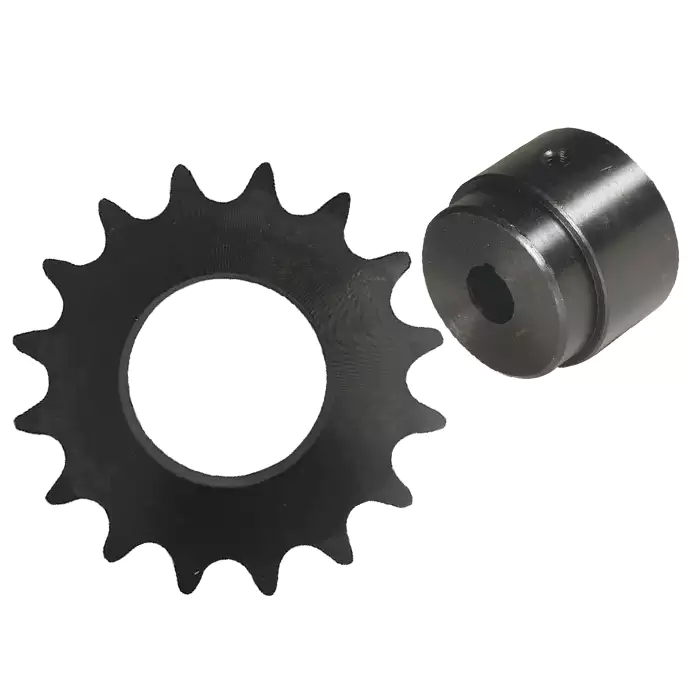
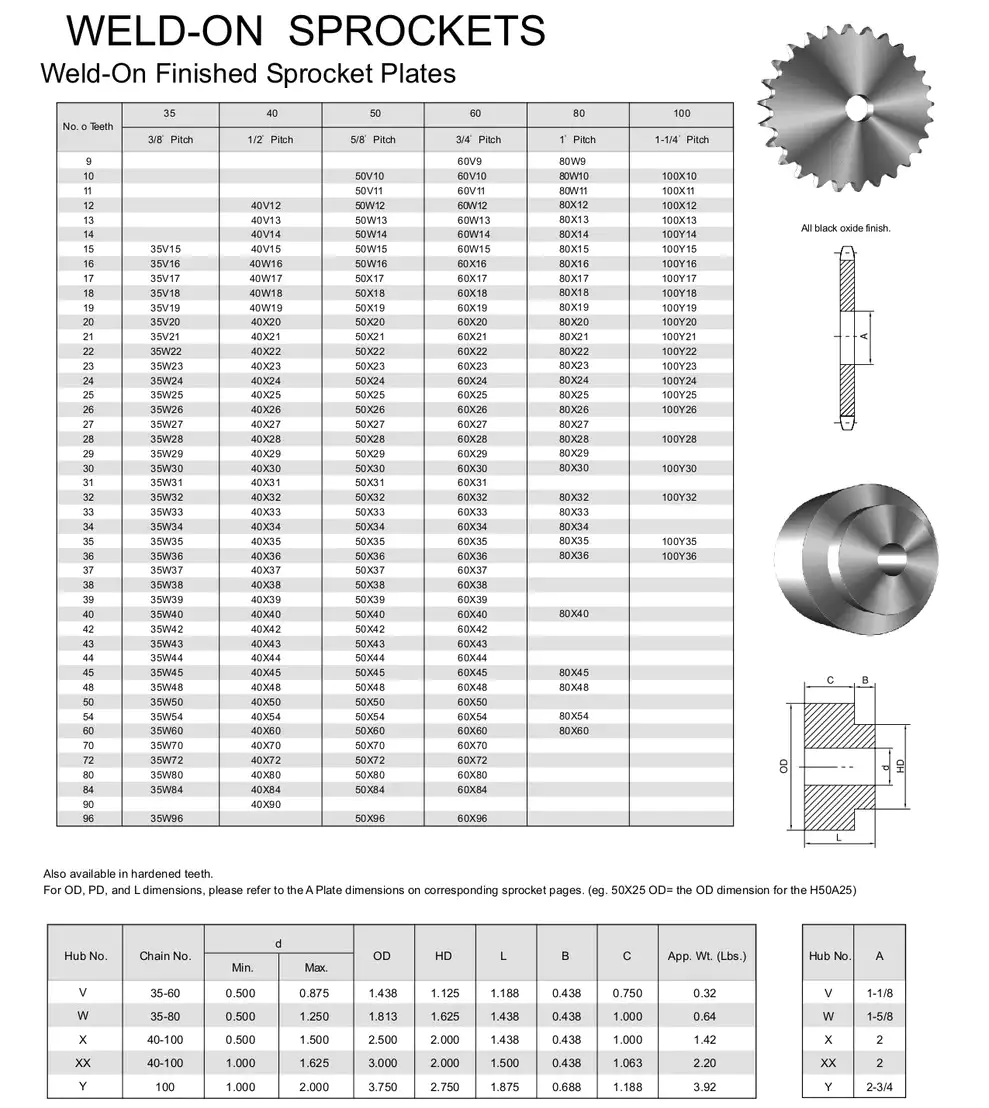
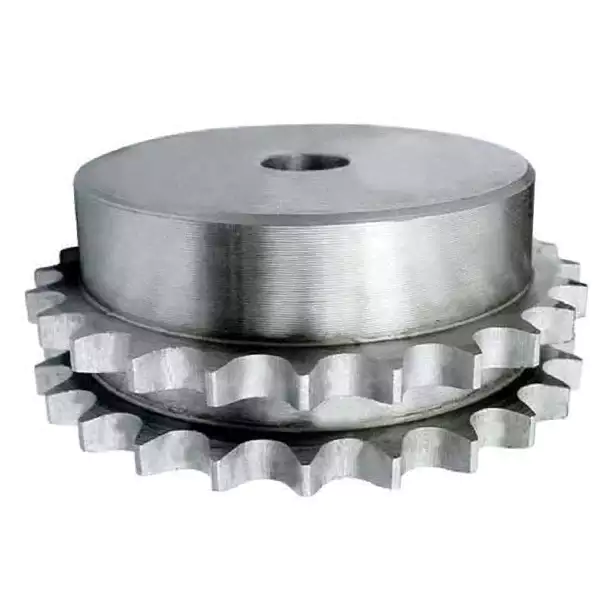
Raydafon Group proudly presents the 50X23 Weld-on Sprocket with Hub: a durable, high-performance component engineered for seamless integration and long-lasting reliability in heavy-duty machinery operations. Crafted from premium materials, it ensures optimal efficiency and reduced wear, making it ideal for engineers, mechanics, and industrial professionals seeking precision and strength. Experience enhanced productivity and peace of mind with its unique weld-on design, solving alignment issues and outperforming standard sprockets. Elevate your equipment today with this trusted solution from Raydafon Group.
Weld-on sprockets are designed to be welded directly onto a shaft or other device, providing a high-strength, reliable solution for transmitting power from a motor or engine to a system of gears or other components. The 50X23 Weld-on Sprocket with Hub is a specific type of weld-on sprocket that features a hub for additional stability and support.
Materials and Manufacturing Process
Our Weld-on sprockets are manufactured using high-quality materials such as high-carbon steel, alloy steel, or stainless steel. The manufacturing process involves careful selection of materials, cutting, stamping, forging, machining, heat treatment, surface hardening, surface treatment, and quality testing to ensure that the sprockets meet the highest standards of quality and performance.
Materials
The selection of high-quality materials is critical to the performance of our Weld-on sprockets. We use high-carbon steel, alloy steel, or stainless steel depending on the specific application and requirements of the customer.
Manufacturing process
The manufacturing process for our Weld-on sprockets involves several steps, including cutting, stamping, forging, machining, heat treatment, surface hardening, surface treatment, and quality testing. Each step is carefully controlled to ensure that the sprockets meet the highest standards of quality and performance.
Cutting
The first step in the manufacturing process is cutting the raw material to the required size and shape.
Stamping
The next step is stamping the sprocket teeth onto the material.
Forging
The third step is forging the sprocket to increase its strength and durability.
Machining
The fourth step is machining the sprocket to achieve the desired dimensions and accuracy.
Heat Treatment
The fifth step is heat treatment, including quenching and tempering, to enhance the sprocket's mechanical properties.
Surface Hardening
The sixth step is surface hardening to improve the sprocket's wear resistance.
Surface Treatment
The seventh step is surface treatment to prevent rust and corrosion.
Quality Testing
The final step is quality testing to ensure that the sprocket meets the highest standards of quality and performance.
Applications of Weld-on Sprockets
Weld-on sprockets are used in a wide range of applications, including conveyor systems, agricultural equipment, construction machinery, and industrial machinery. For applications requiring special design or size, customers can select the appropriate hub to weld onto the sprocket to fit their actual shaft size.
Advantages of Weld-on Sprockets
Compared to conventional sprockets, Weld-on sprockets have several advantages:
1. High strength and durability
Weld-on sprockets are made from high-quality materials and undergo a rigorous manufacturing process to ensure they are strong and durable. They can withstand heavy loads and high speeds, making them ideal for demanding applications.
2. Easy installation
Weld-on sprockets are easy to install and remove, making them ideal for applications where frequent maintenance is required.
3. Precise fit
Weld-on sprockets are designed to fit precisely onto the shaft, ensuring smooth and efficient power transmission.
4. Cost-effective
Weld-on sprockets offer a cost-effective solution for transmitting power compared to other types of sprockets.
Hub Options
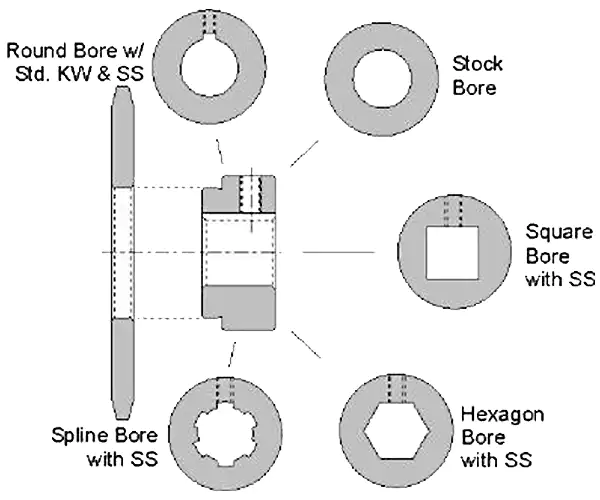
We offer several types of hubs for our Weld-on sprockets, including round bore, square bore, hex bore, and splined bore. These hubs provide additional stability and support for the Weld-on sprocket.
Maintenance and Troubleshooting
To ensure the optimal performance and lifespan of Weld-on sprockets, regular maintenance is essential. Maintenance tasks include daily inspections, cleaning, lubrication, adjustment, and calibration. Common issues with sprockets include tooth skipping, cracking, wear, excessive noise, and chain slippage.
Tooth Skipping
Tooth skipping can occur when the sprocket teeth are worn or damaged. The solution is to replace the sprocket.
Cracking
Cracking can occur when the sprocket is subjected to excessive loads or stresses. The solution is to replace the sprocket or reduce the load/stress on the sprocket.
Wear
Wear can occur when the sprocket is not lubricated or is subjected to abrasive materials. The solution is to lubricate the sprocket or replace it if it is worn beyond tolerance.
Excessive noise
Excessive noise can occur when the sprocket is worn or damaged. The solution is to replace the sprocket.
Chain slippage
Chain slippage can occur when the sprocket teeth are worn or damaged. The solution is to replace the sprocket or adjust the chain tension.
Other Types of Sprockets
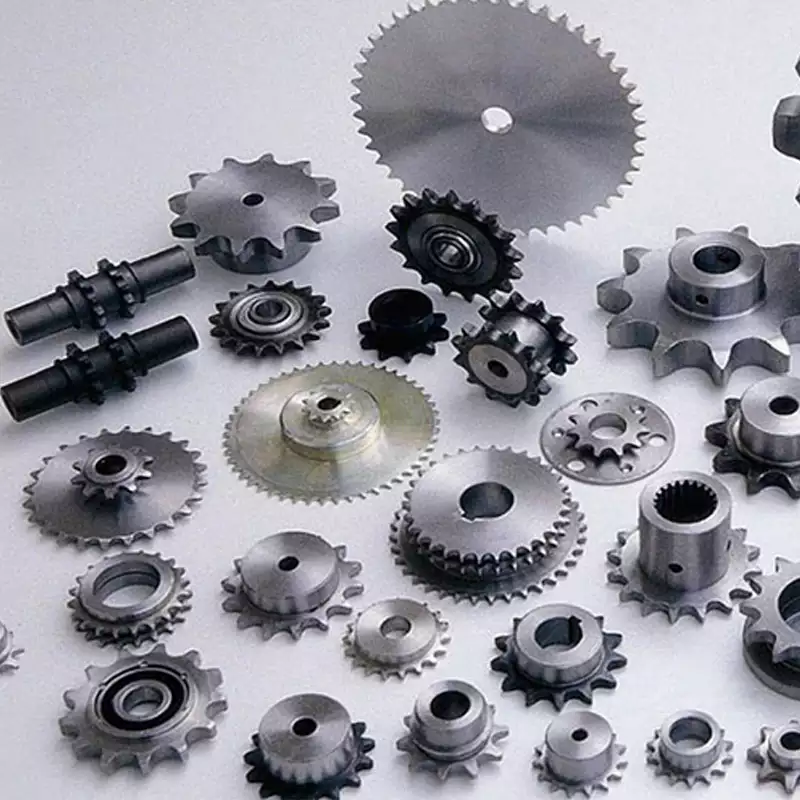
In addition to Weld-on sprockets, we offer a wide range of other types of sprockets, including platewheel sprockets, QD sprockets, taper lock sprockets, and others. We also offer matching chains to provide a complete power transmission solution.
Author: Miya
Hot Tags: 50X23 Weld-on Sprocket with Hub, Weld-on Sprocket Manufacturer, Custom Sprocket Wholesale
We use cookies to offer you a better browsing experience, analyze site traffic and personalize content. By using this site, you agree to our use of cookies.Privacy Policy


 Raydafon