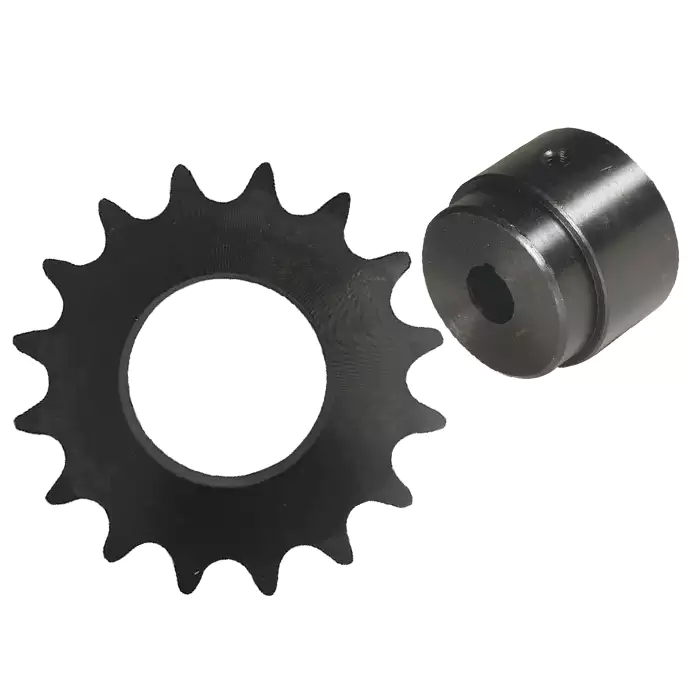
Raydafon Group presents the 60X21 Weld-on Sprocket with Hub: a durable, high-performance sprocket designed for seamless welding integration in industrial machinery. Crafted from premium materials, it ensures reliable power transmission, reduced maintenance, and extended equipment life—ideal for engineers and manufacturers seeking efficiency and longevity. Stand out with its precision engineering and trusted Raydafon quality, empowering smoother operations and peace of mind in demanding applications. Elevate your projects today!
Weld-on sprocket is a type of sprocket that can be welded directly onto a hub or shaft. It is commonly used in various industrial applications where a reliable and robust sprocket is required.
Introduction
Weld-on sprockets are made from high carbon steel, alloy steel, or stainless steel, depending on the specific requirements of the application. The manufacturing process involves material selection, cutting, punching, forging, machining (turning, milling, drilling), heat treatment (quenching and tempering), surface hardening, rust prevention, and quality testing.
Applications
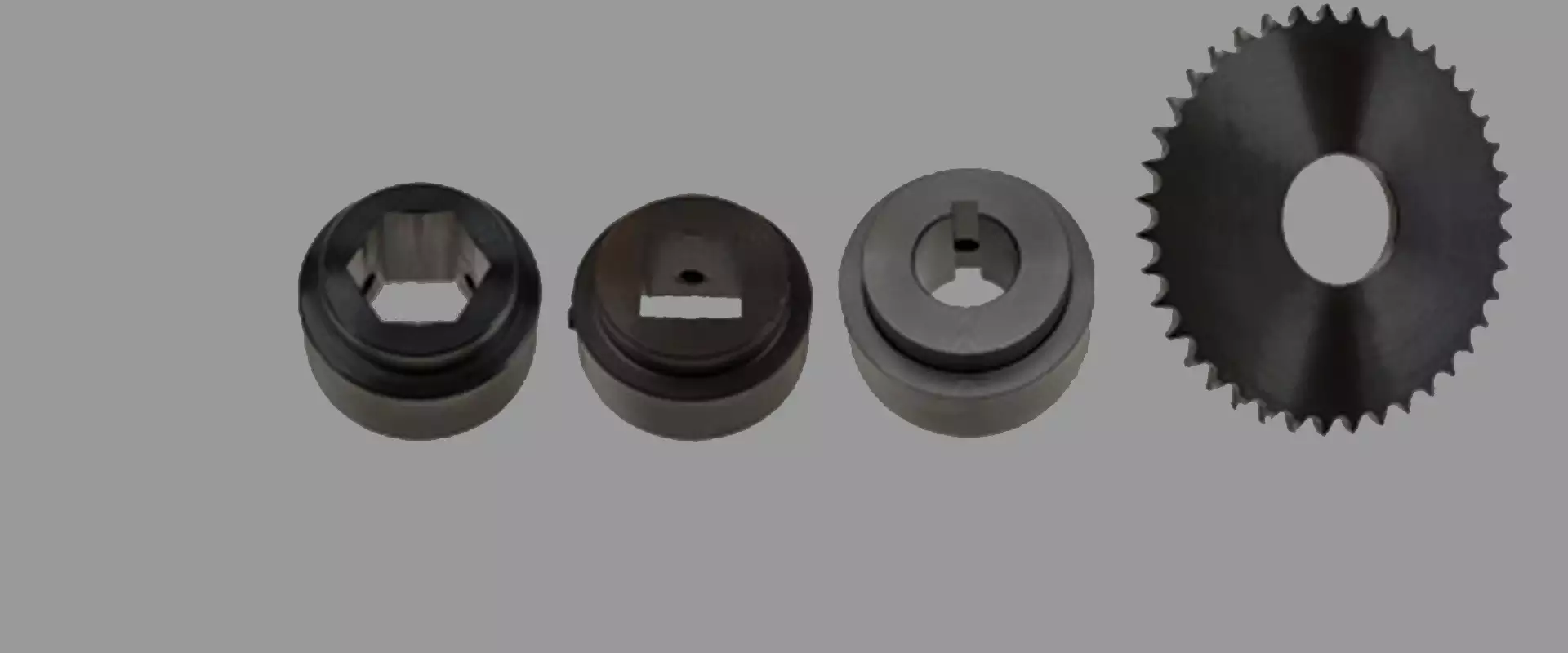
Weld-on sprockets are used in applications that require special design or dimensions. Users have the flexibility to choose the appropriate hub for welding based on the actual shaft diameter.
Advantages
High Durability: Weld-on sprockets are designed to withstand heavy loads and harsh operating conditions, ensuring long-lasting performance.
Customization: These sprockets can be customized to meet specific application requirements, such as different tooth counts or special hub designs.
Easy Installation: Weld-on sprockets can be easily welded onto a hub or shaft, providing a secure and reliable connection.
Cost-Effective: By eliminating the need for additional components like set screws or keyways, weld-on sprockets offer a cost-effective solution for power transmission systems.
Hub
Our weld-on sprockets come with a circular bore hub, which provides a precise fit and ensures optimal performance.
Maintenance and Care
Daily Inspection: Regularly inspect the sprocket for any signs of wear, damage, or misalignment.
Cleaning: Keep the sprocket clean from dirt, debris, and other contaminants to prevent premature wear.
Lubrication: Apply appropriate lubrication to ensure smooth and efficient operation of the sprocket.
Adjustment and Calibration: Periodically check and adjust the tension and alignment of the chain to maintain optimal performance.
Common Issues and Solutions
Skipping Teeth: Check for worn-out teeth and replace the sprocket if necessary. Also, ensure proper chain tension and alignment.
Breakage: Inspect the sprocket for cracks or fractures. If found, replace the sprocket immediately to avoid any potential safety hazards.
Excessive Wear: Regularly monitor the sprocket's wear pattern and replace it when the teeth become excessively worn.
Noise: Noise can indicate misalignment or insufficient lubrication. Adjust the sprocket's position and ensure proper lubrication to reduce noise levels.
Chain Slippage: Check the chain tension and adjust it accordingly. Also, inspect the sprocket for any signs of wear or damage that may cause chain slippage.
Other Sprocket Options
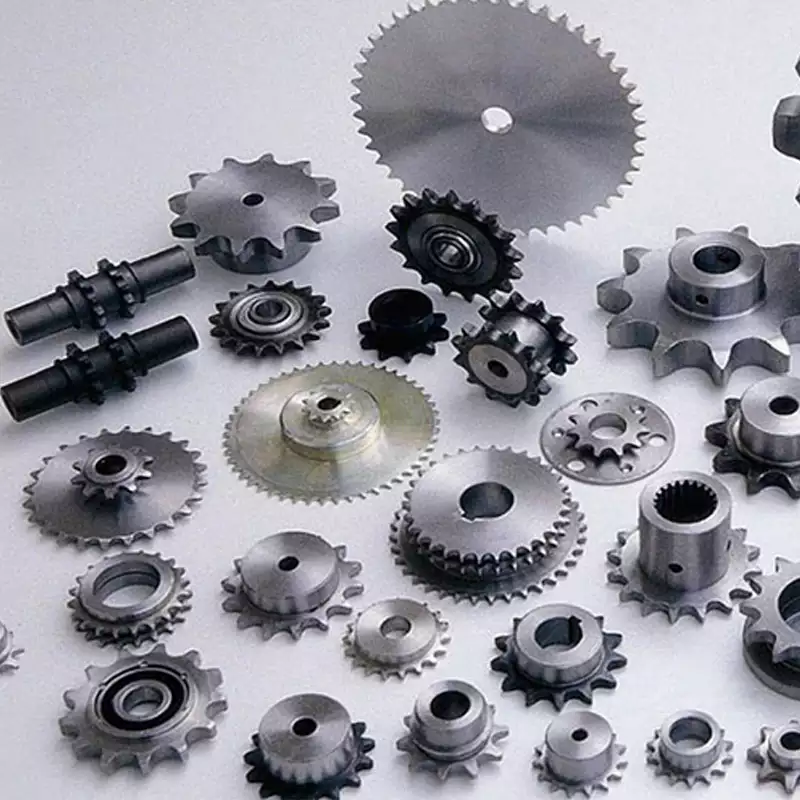
In addition to weld-on sprockets, we also offer a wide range of other sprocket types such as platewheel sprockets, qd sprockets, and taper lock sprockets. These sprockets can be paired with compatible chains for various power transmission applications.
Author: Miya
Hot Tags: Weld-on Sprocket with Hub, 60X21 Sprocket OEM, Industrial Sprockets Wholesale
We use cookies to offer you a better browsing experience, analyze site traffic and personalize content. By using this site, you agree to our use of cookies. Privacy Policy