
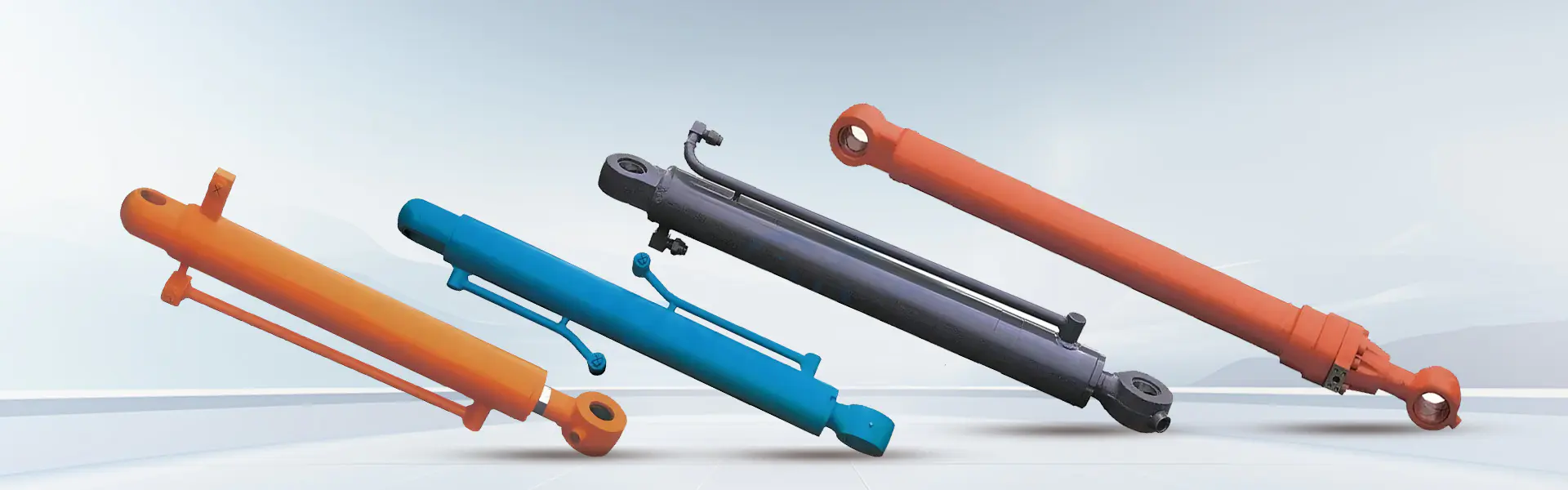
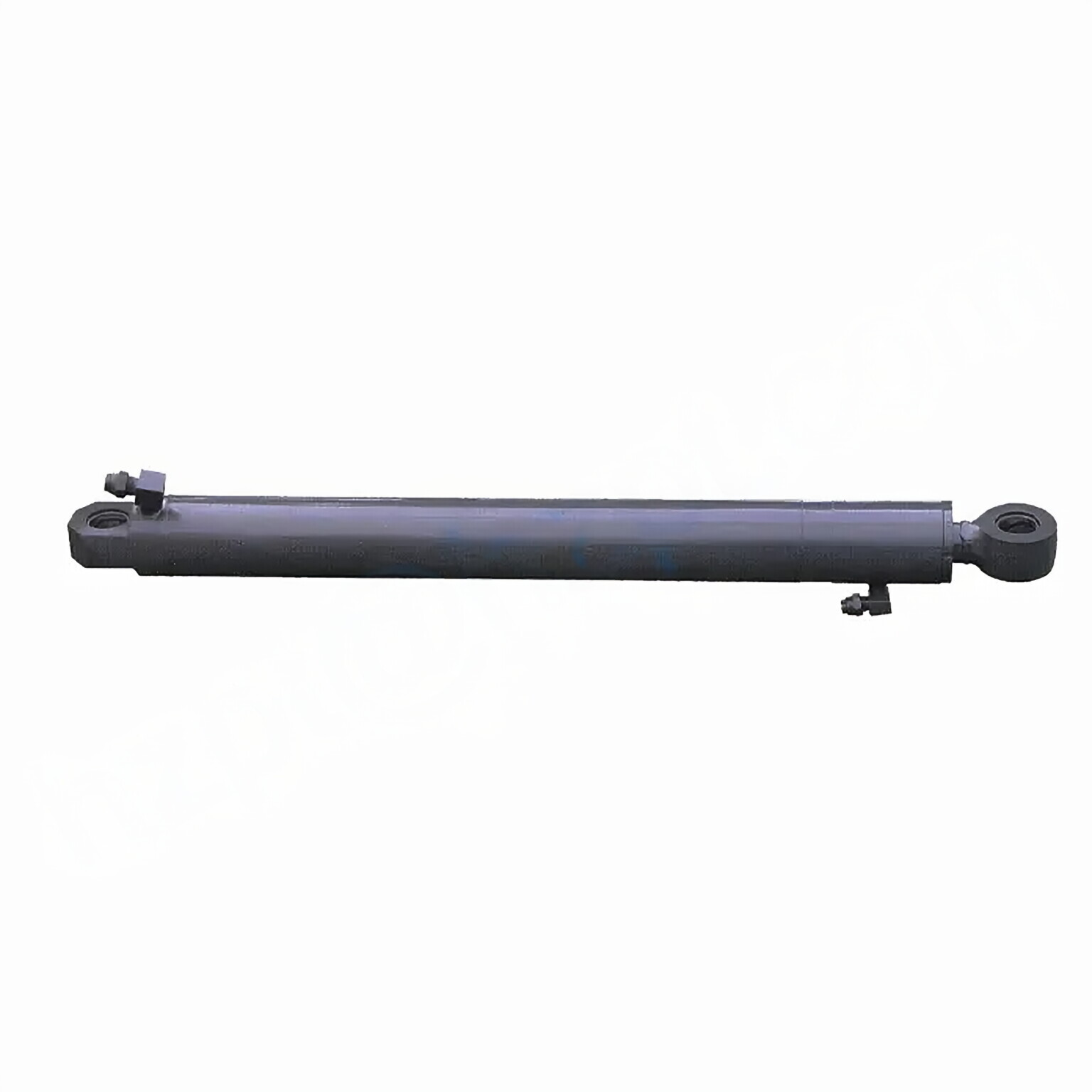
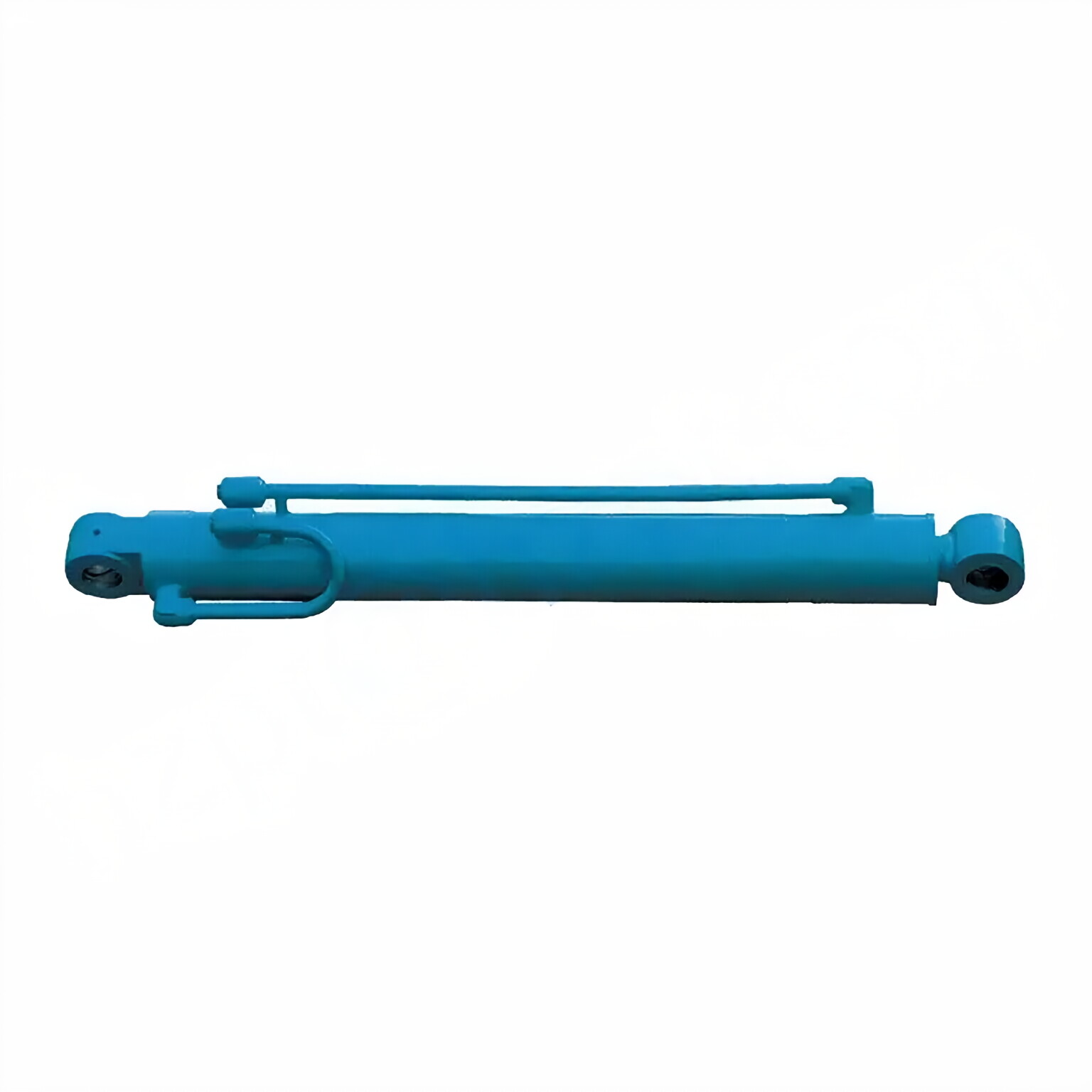
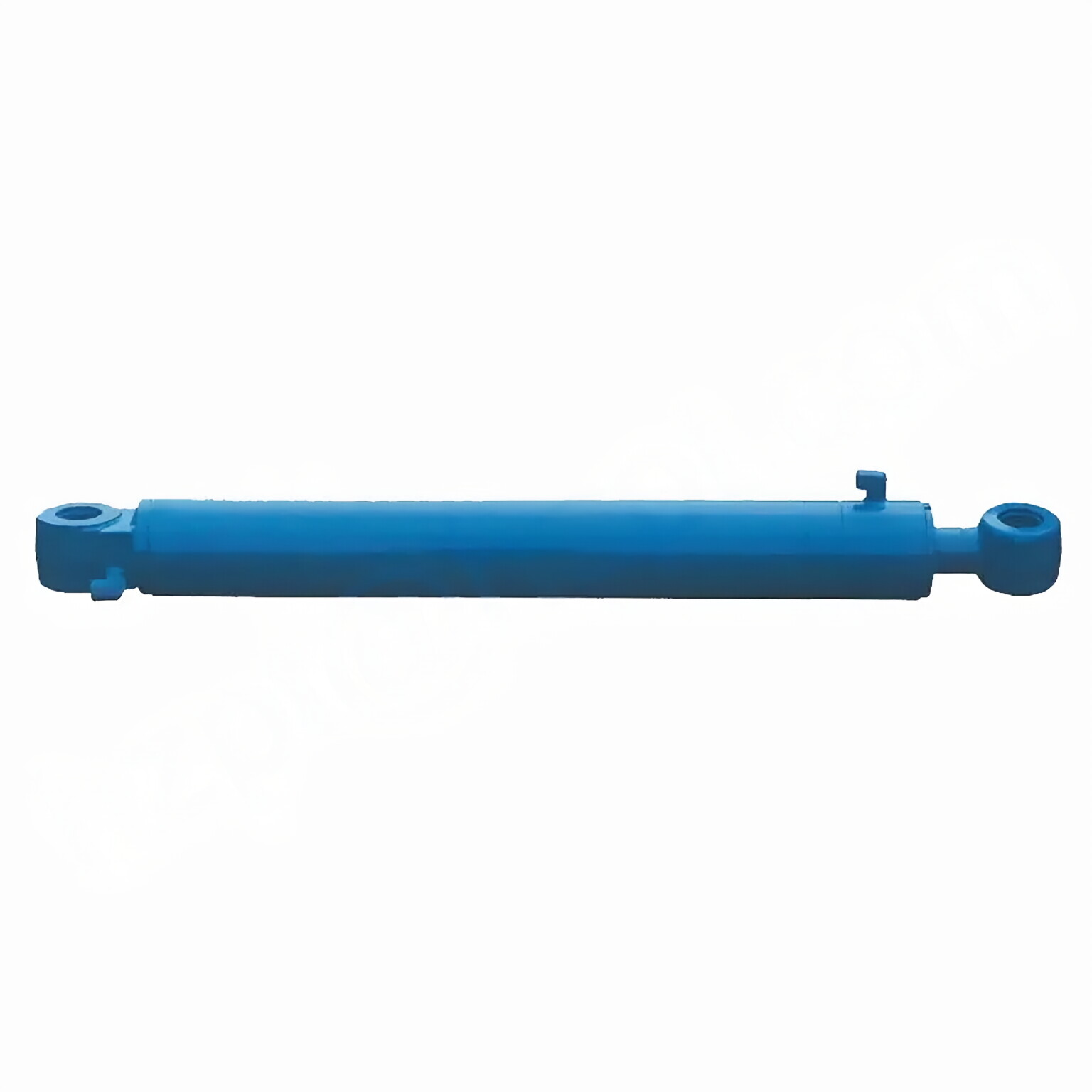
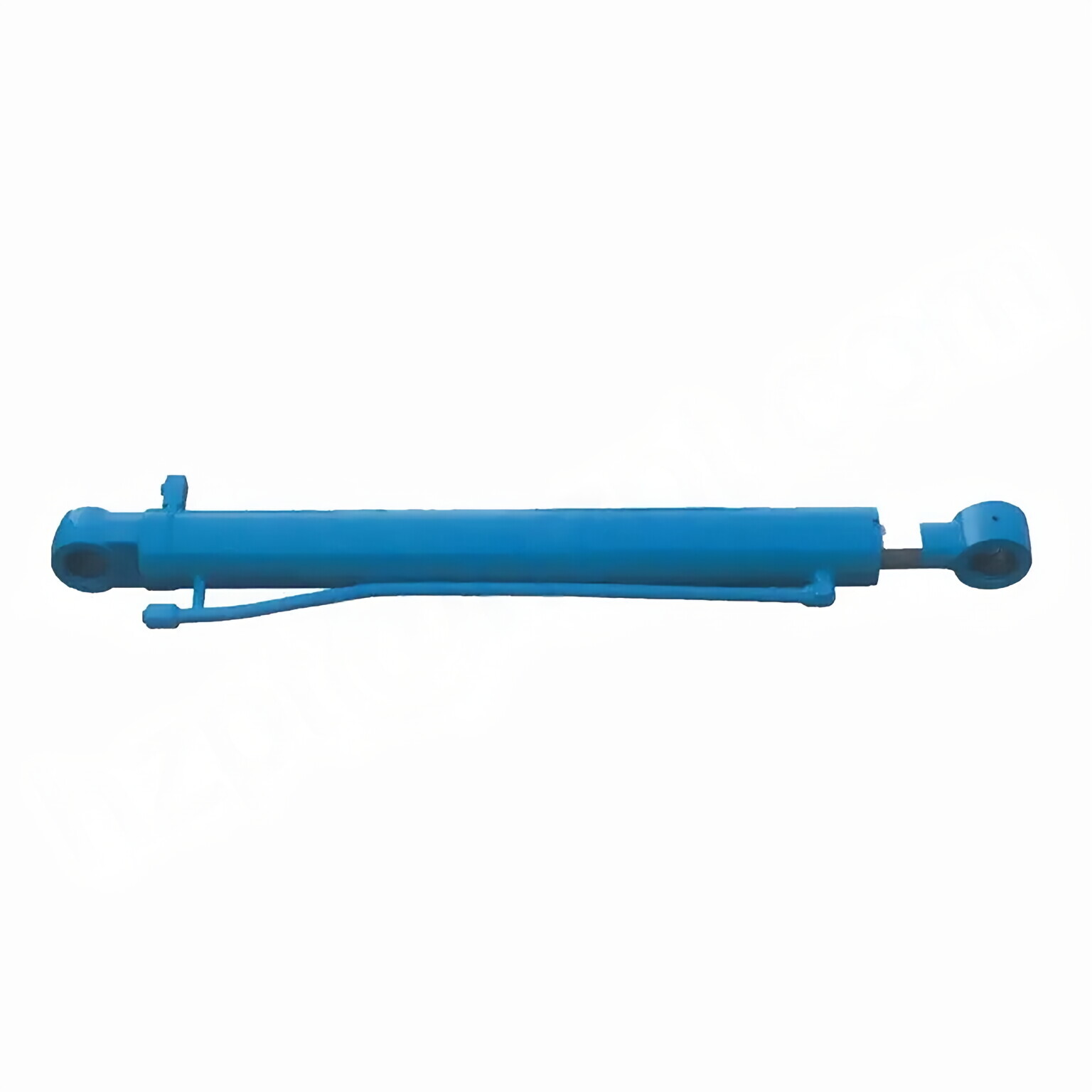
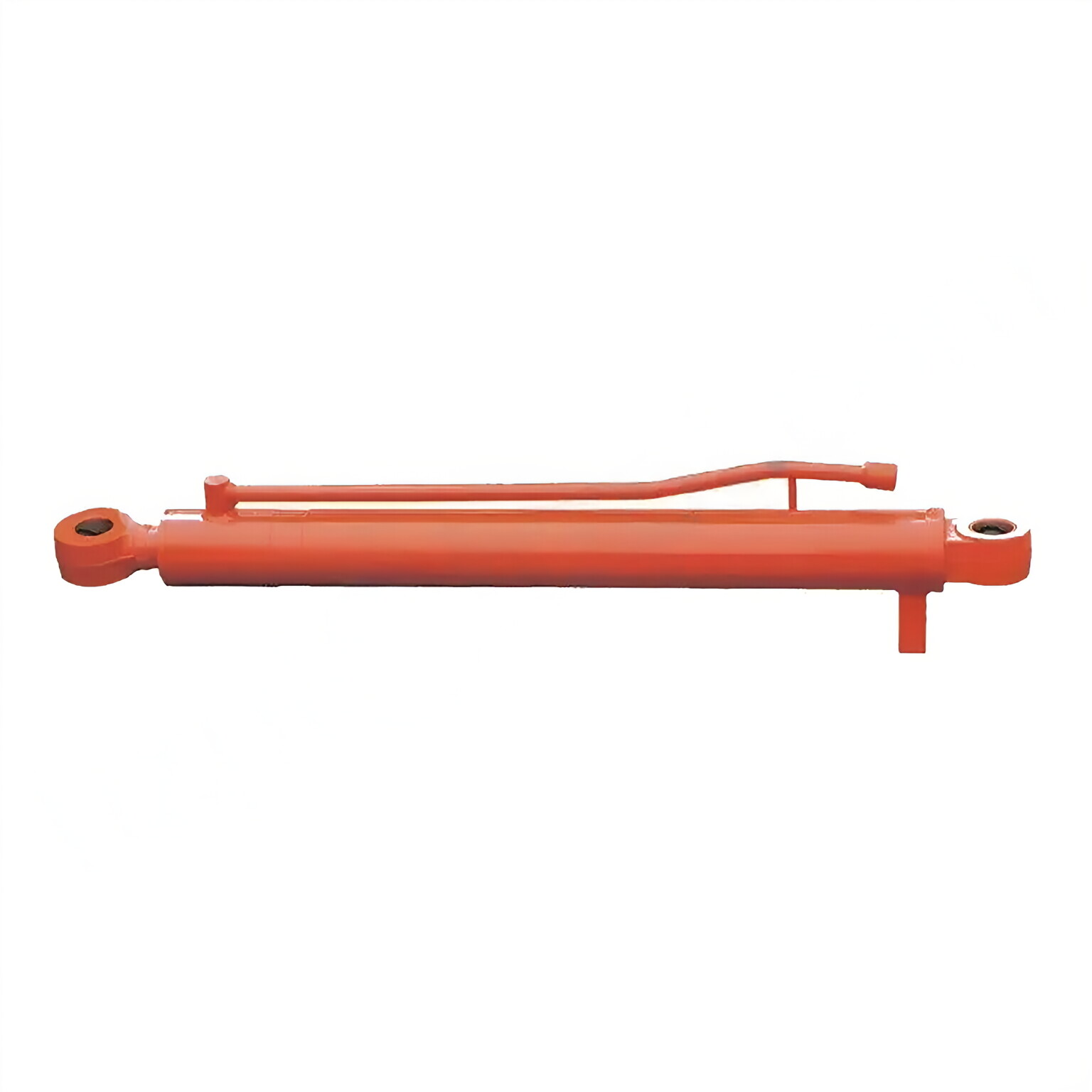
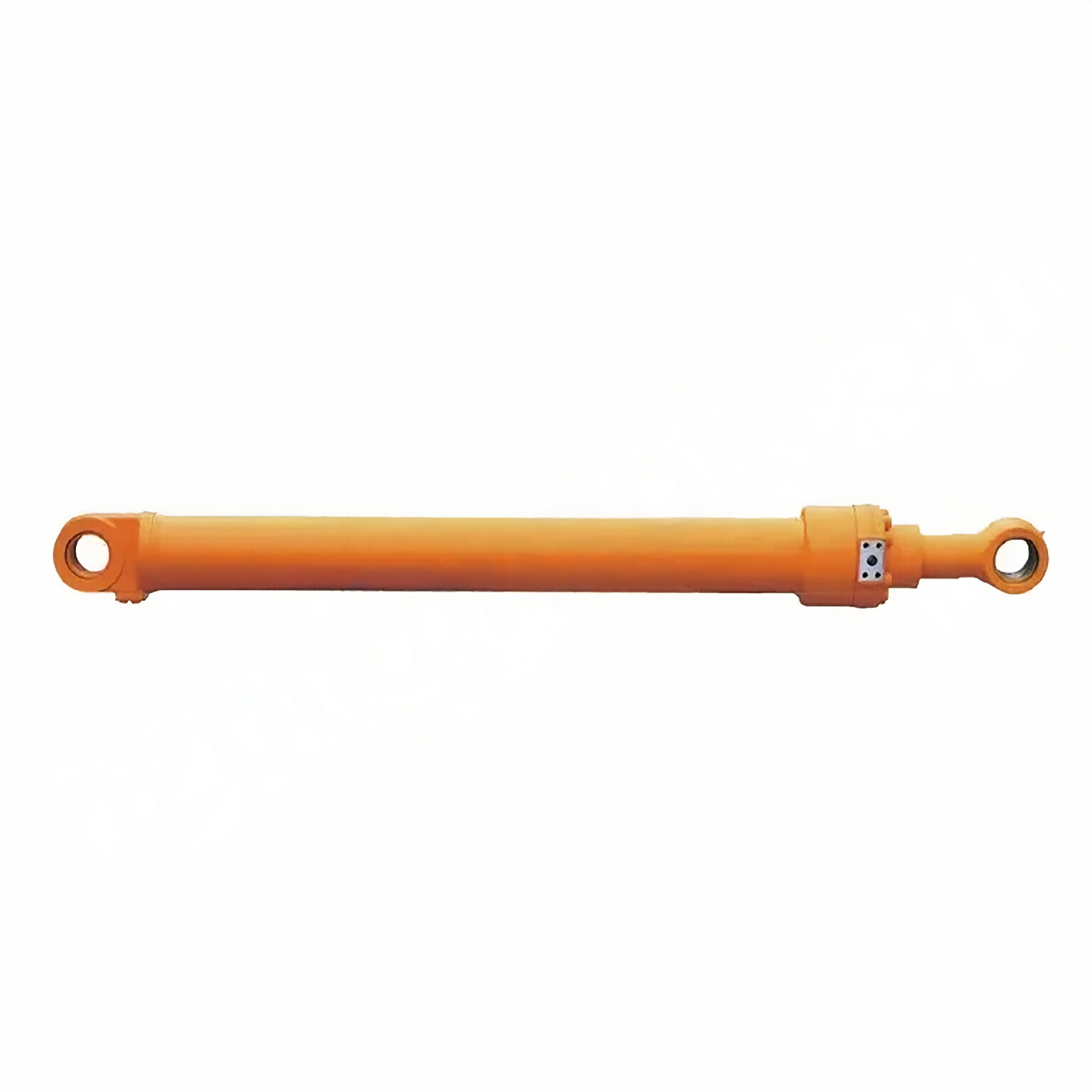
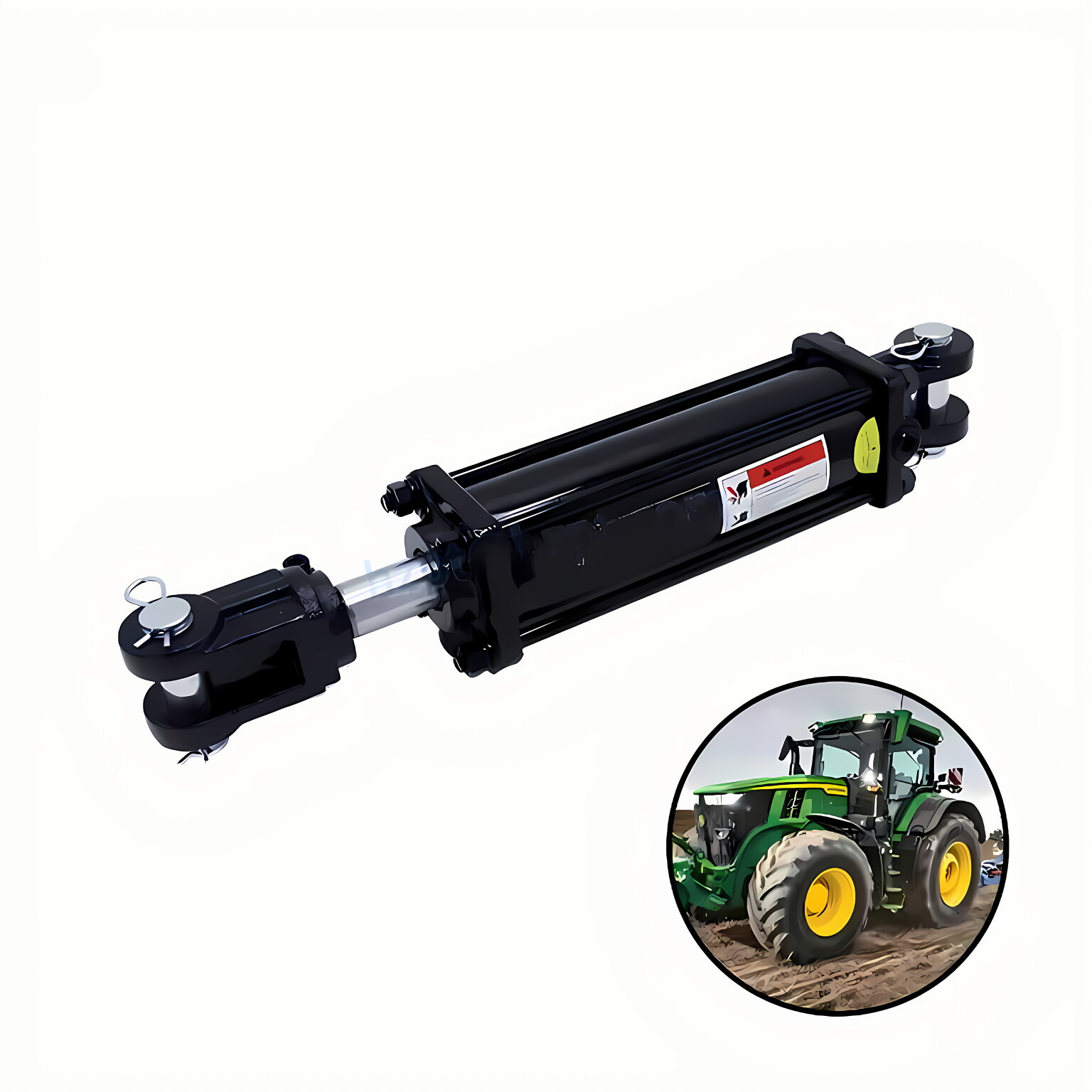
An arm cylinder is a hydraulic cylinder specifically designed to provide linear motion and force to the arm of various machinery such as excavators, cranes, and mechanical arms. These cylinders are crucial for the movement and control of additional tools or attachments.
An arm cylinder, also known as an arm hydraulic cylinder, is a type of hydraulic cylinder that is used to provide straight-line motion and force to the arm of various machinery. It plays a vital role in the hydraulic system by enabling the arm to perform lifting, digging, and other operations.
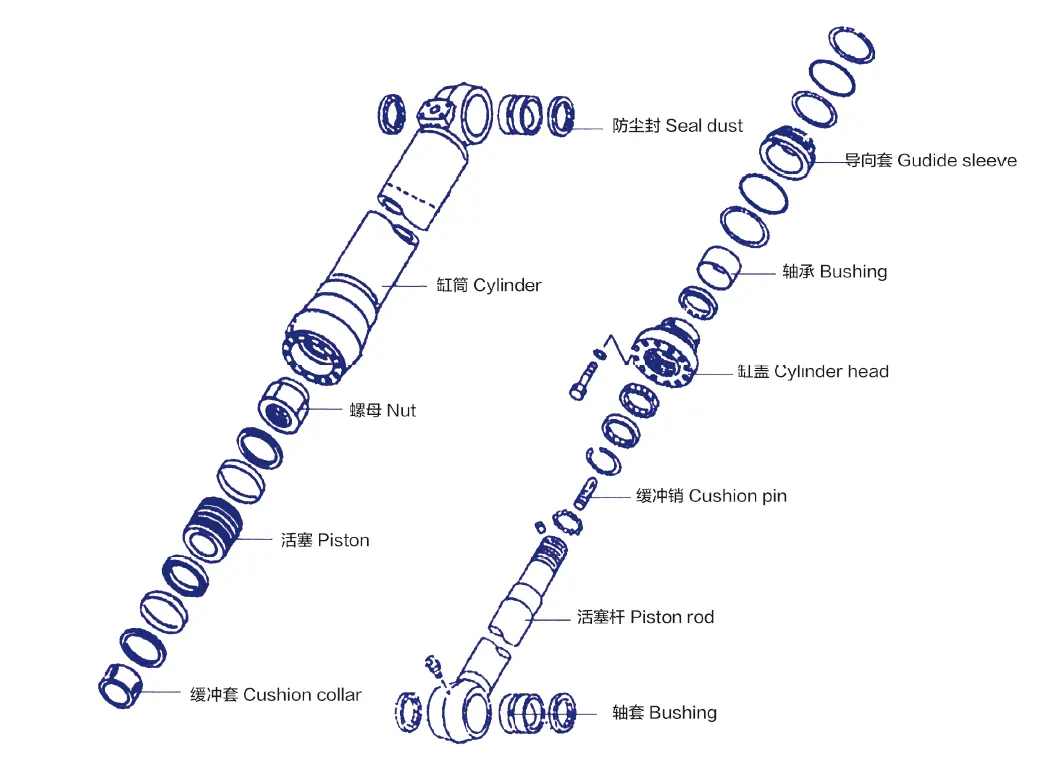
In excavators, arm cylinders play a crucial role in digging and lifting materials. In cranes, they enable precise positioning of loads.
Arm cylinders are used in loaders and harvesters to manipulate tools and efficiently collect crops.
They are utilized in mechanical arms for assembly lines, allowing precise execution of repetitive tasks.
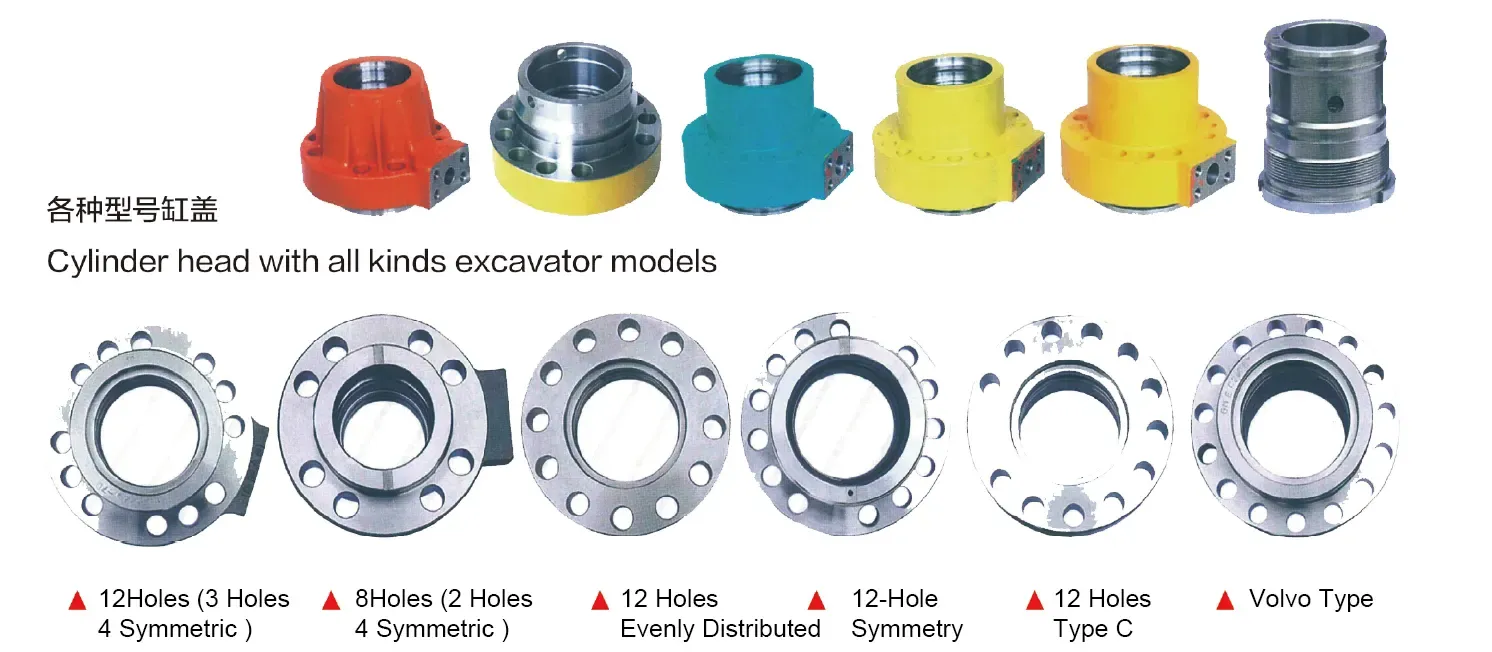
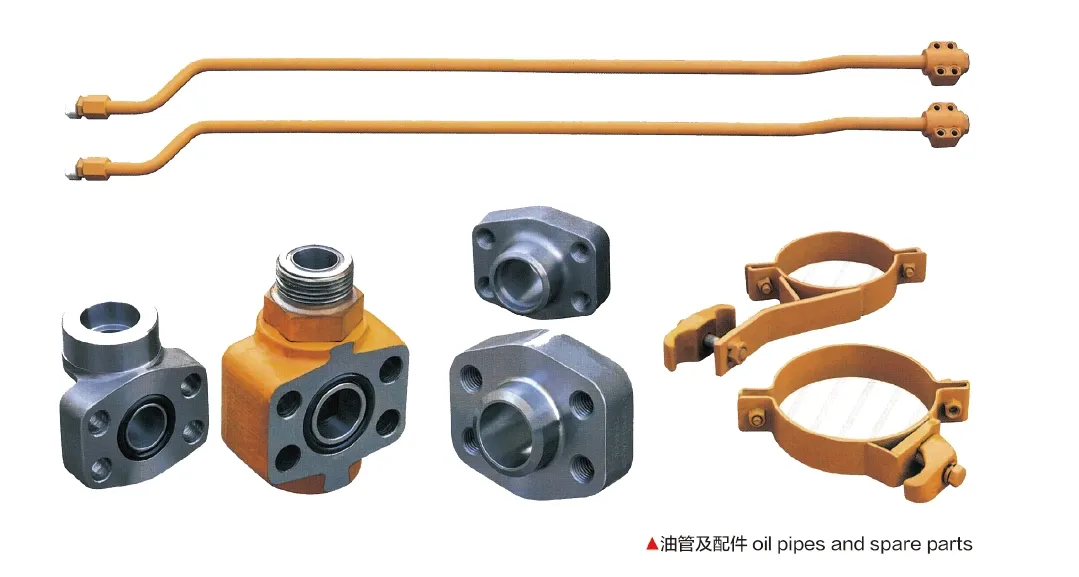
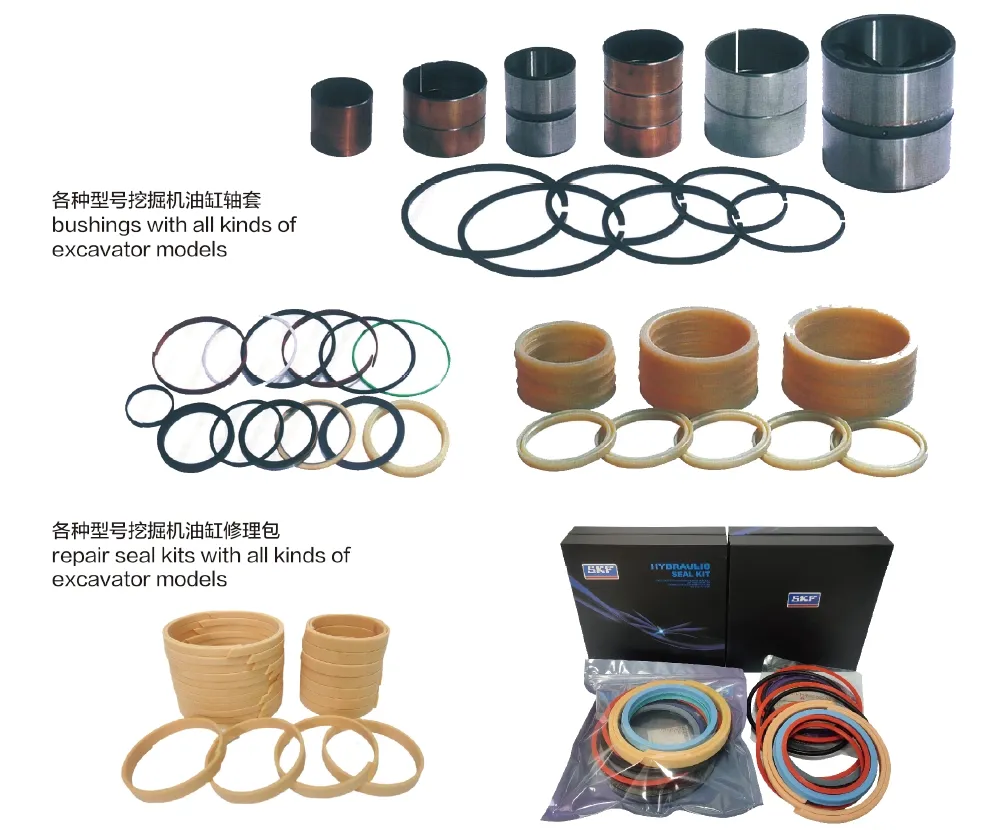
Arm cylinders utilize various sealing components, such as polyurethane and nitrile rubber seals, which are resistant to wear. The cylinder body and threaded ends undergo fine treatments to improve wear resistance. Regular lubrication with the appropriate amount of hydraulic oil is necessary to maintain smooth operation.
1. Ensure the hydraulic system is depressurized and the machinery is securely supported.
2. Remove the old cylinder, taking note of its position and orientation.
3. Install the new arm cylinder, aligning it correctly with the mounting points.
4. Securely tighten the fasteners to the manufacturer's recommended torque specifications.
5. Connect the hydraulic lines, ensuring proper alignment and tight fittings.
6. Slowly pressurize the hydraulic system and check for any leaks or abnormalities.
7. Test the functionality of the arm cylinder, ensuring smooth and precise operation.
When working with arm cylinders, it is essential to follow appropriate safety measures to prevent accidents and injuries. Safety precautions include wearing protective gear, maintaining a safe working distance, and ensuring proper training and qualification of operators. Additionally, environmental factors such as temperature and moisture should be considered to prevent damage to the hydraulic system and the cylinder.
1. Leakage: Check for damaged seals or loose connections. Replace seals if necessary and tighten connections.
2. Slow Operation: Inspect the hydraulic system for low fluid levels or clogged filters. Refill or replace as needed.
3. Erratic Movements: Check for obstructions in the arm's path or malfunctioning control valves. Clear obstructions and repair or replace faulty valves.
4. Excessive Noise: Inspect the cylinder for loose components or worn-out parts. Tighten or replace as needed.
5. Excessive Vibration: Check for misalignment or unbalanced loads. Adjust the alignment or redistribute the load accordingly.
1. Regularly inspect and maintain the hydraulic system to prevent potential issues.
2. Keep the cylinder and its components clean and free from debris to avoid damage or malfunction.
3. Follow proper operating procedures and avoid exceeding the cylinder's rated capacity.
4. Train operators on the correct usage and maintenance of the arm cylinder.
5. Implement preventive measures to minimize potential problems and extend the cylinder's lifespan.
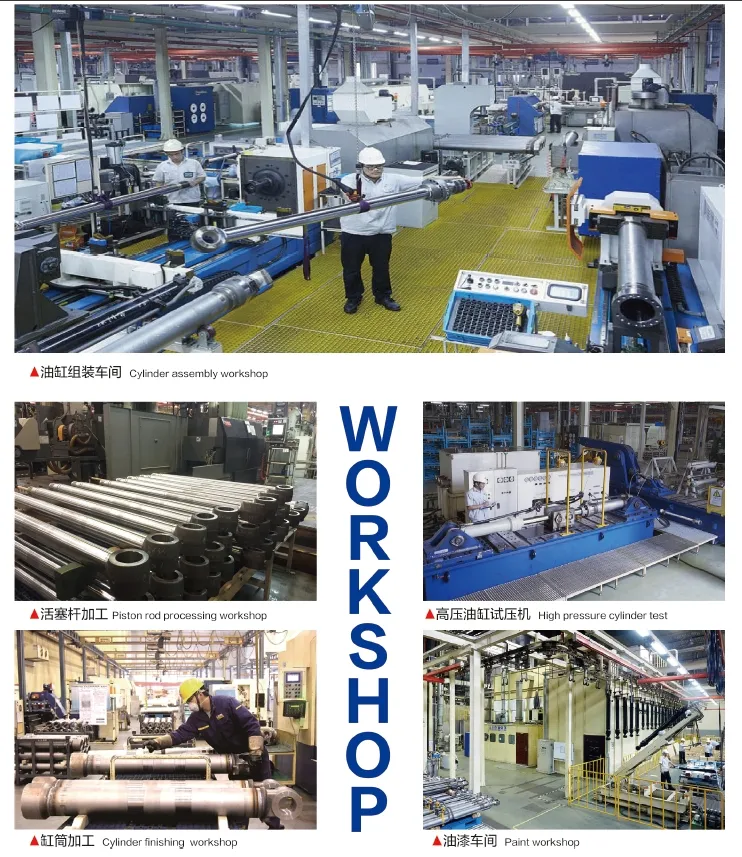
We are a leading manufacturer and wholesale distributor of hydraulic cylinders, specializing in providing high-quality replacements for a wide range of applications. With our commitment to excellence and industry-leading production management strategies, we have become a trusted name in the domestic and international markets.
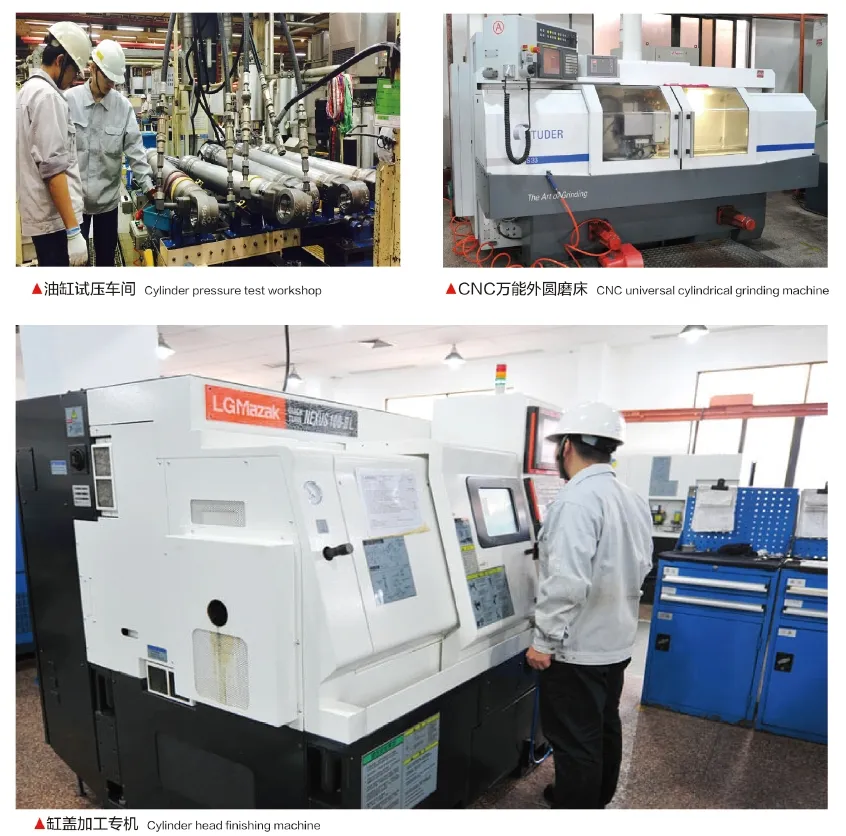
With a focus on efficiency, accuracy, and quality, we strive to meet diverse customer needs. Our company is characterized by continuous improvement, innovation, and a customer-centric approach.
Author: lyl
Address
Luotuo Industrial Area, Zhenhai District, Ningbo City, China
Tel

 Raydafon