
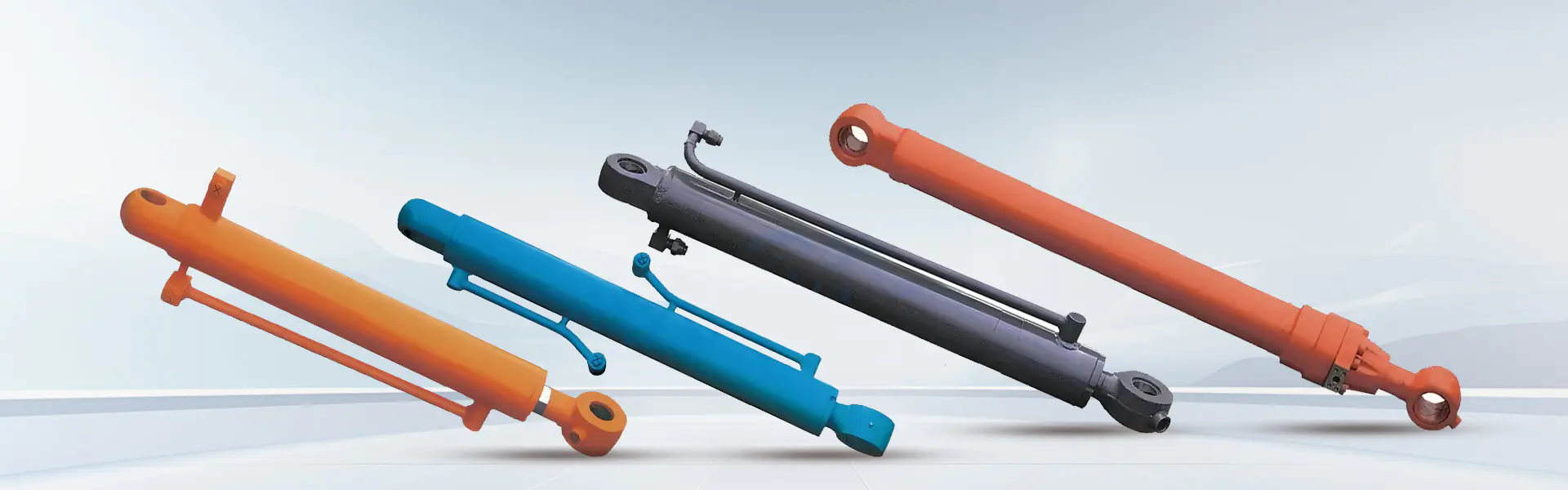
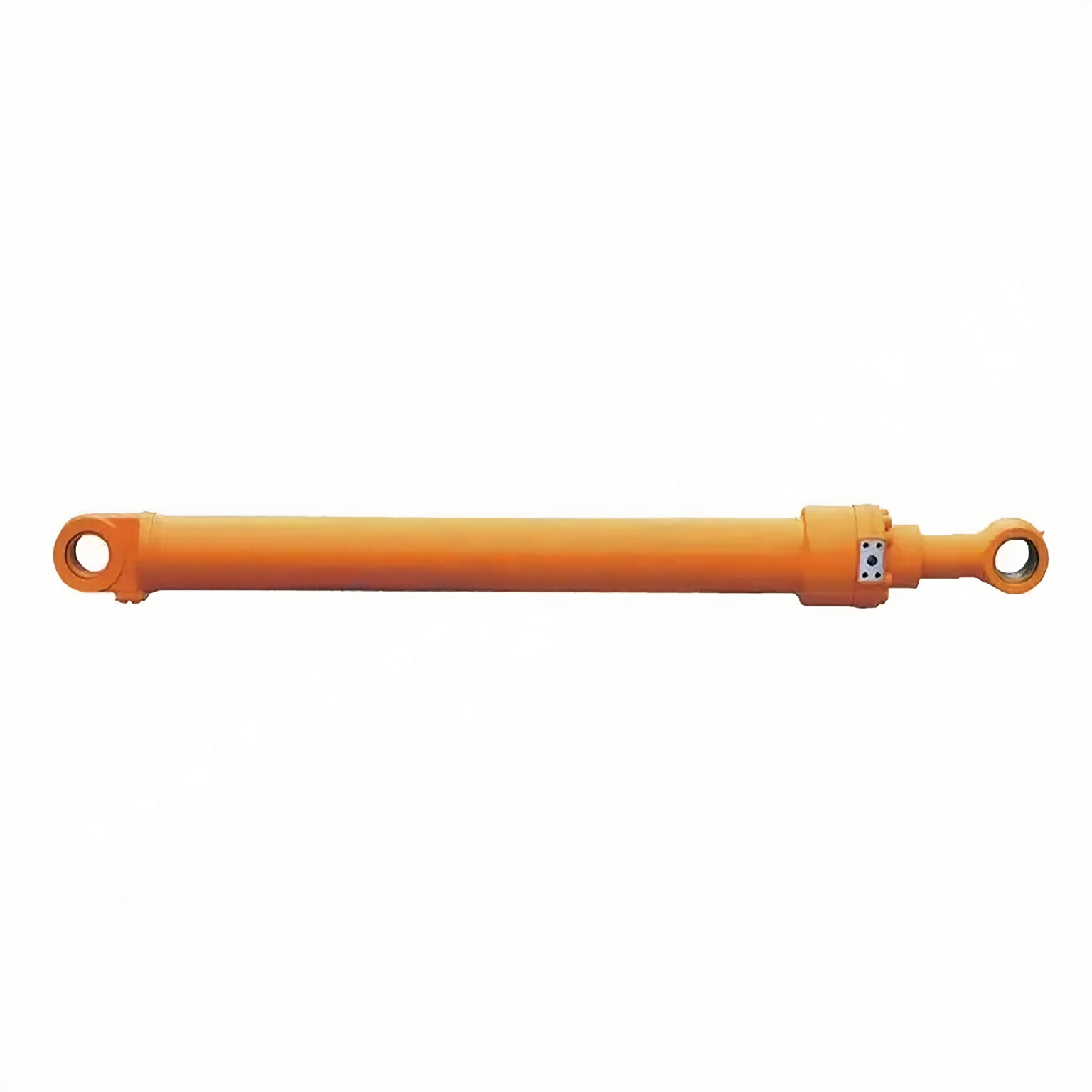
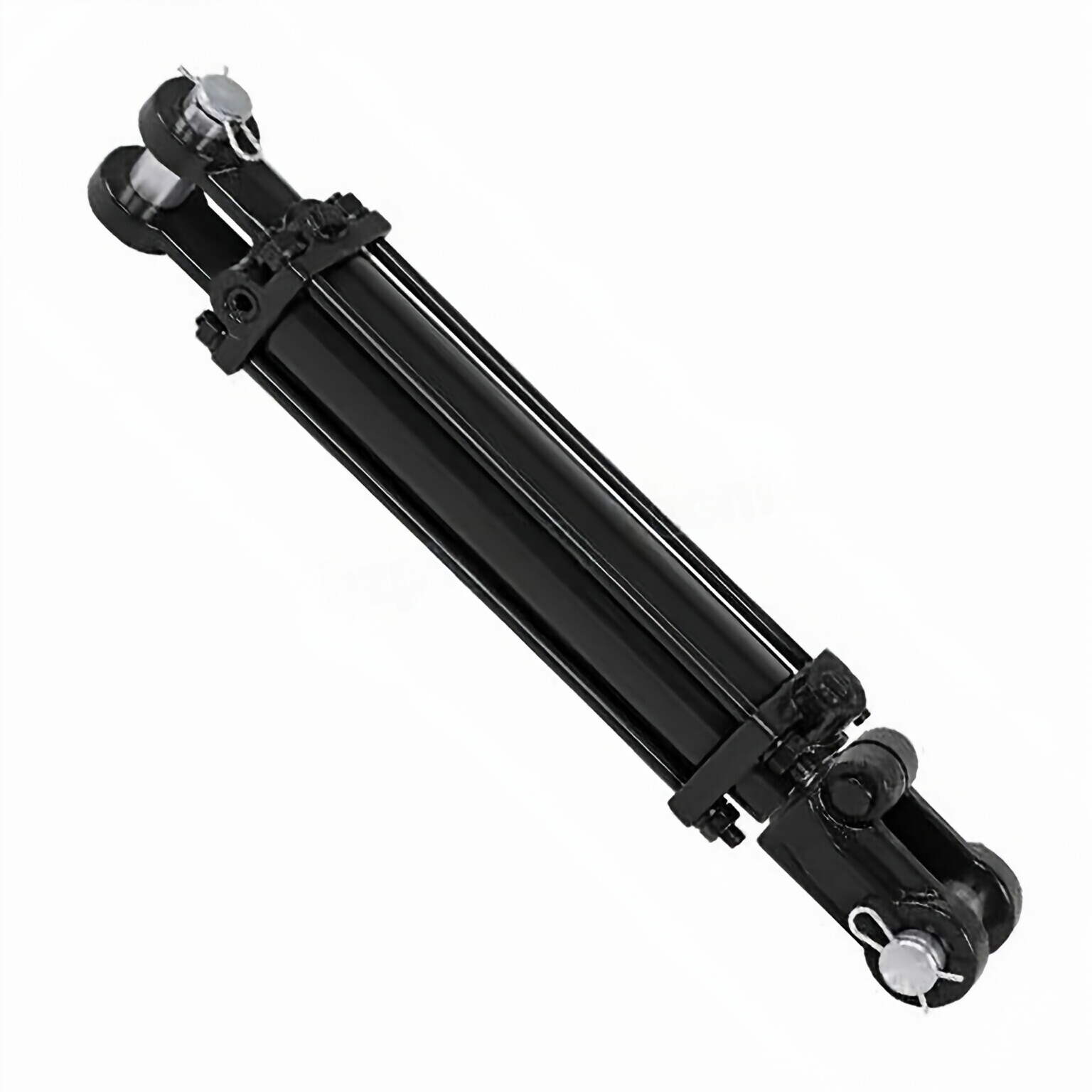
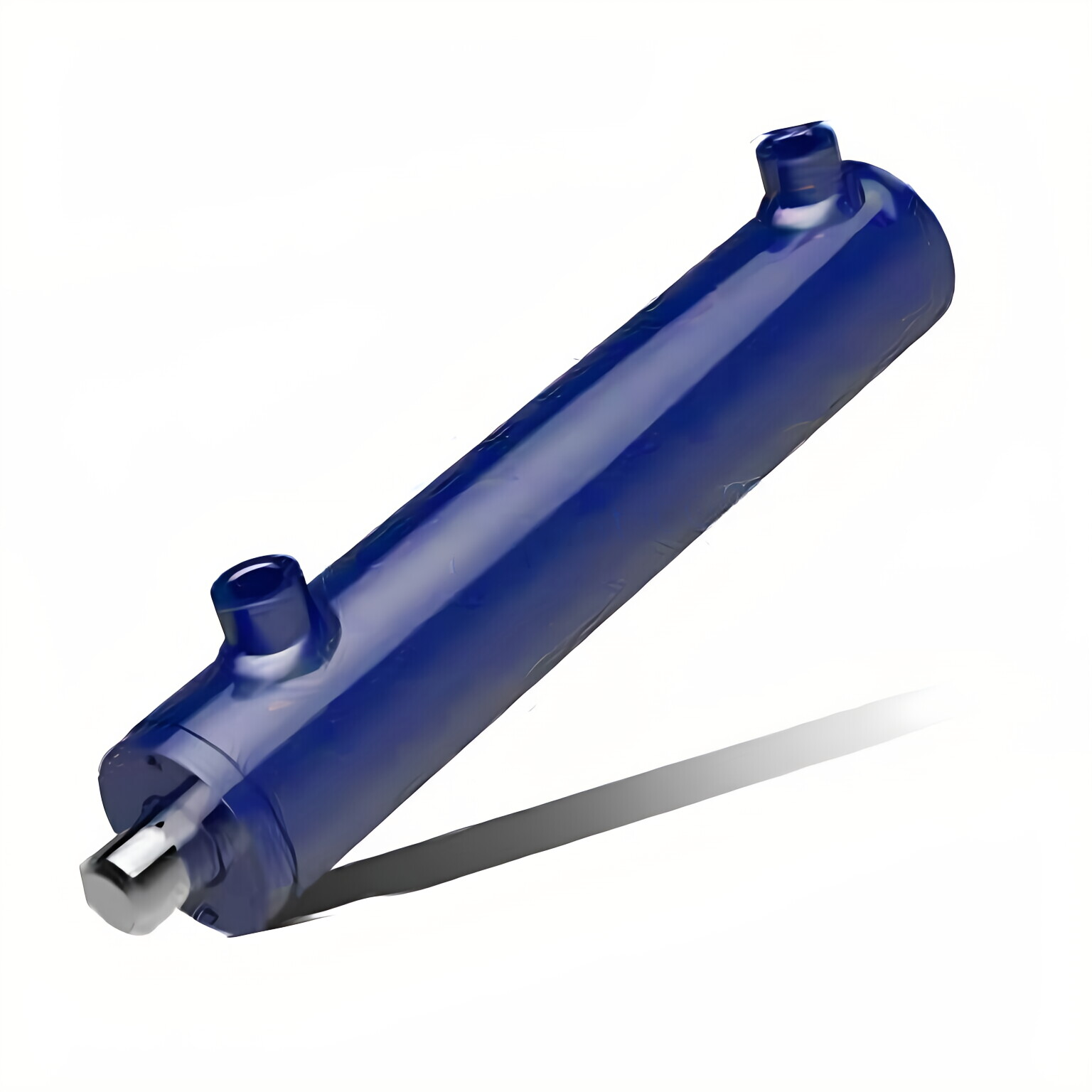
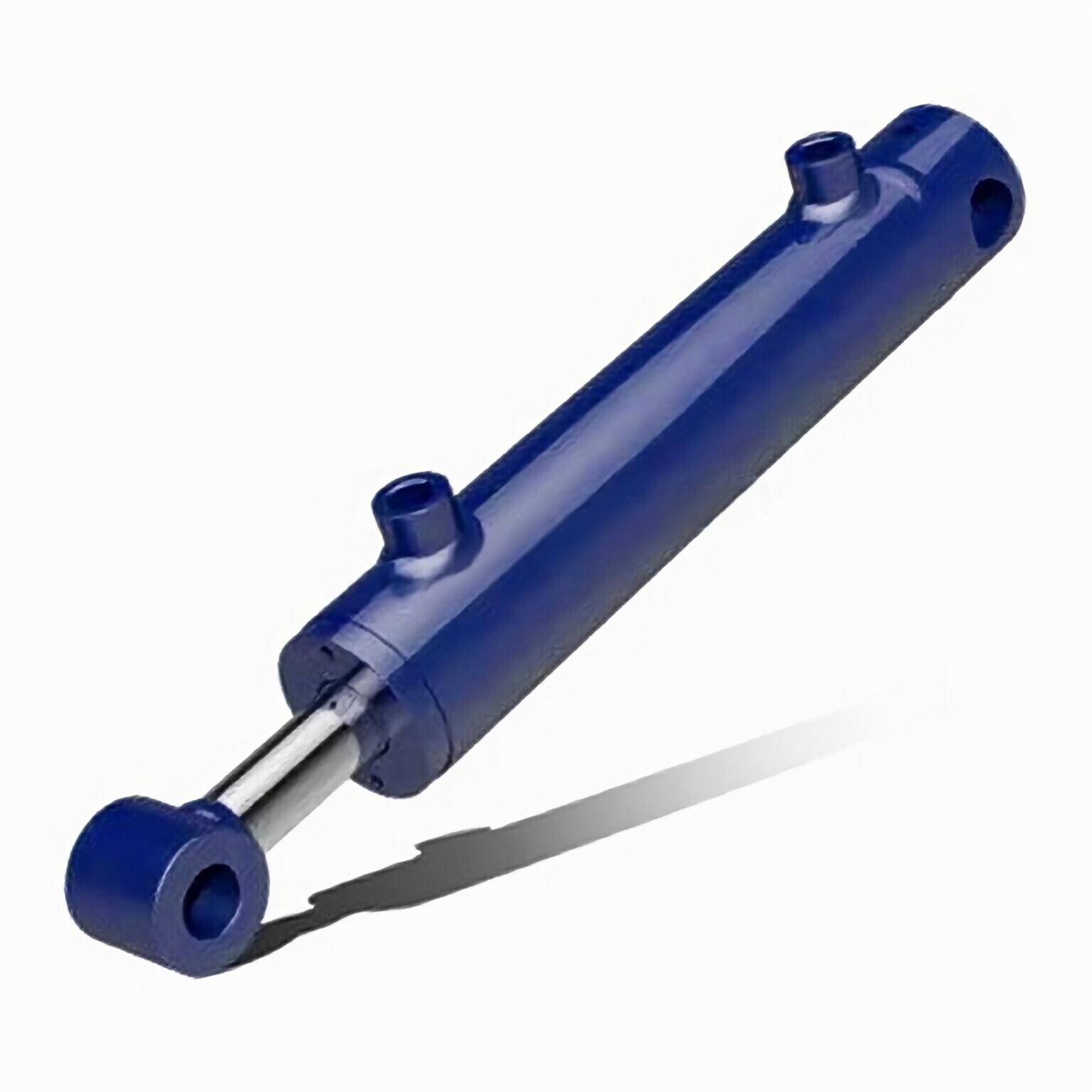
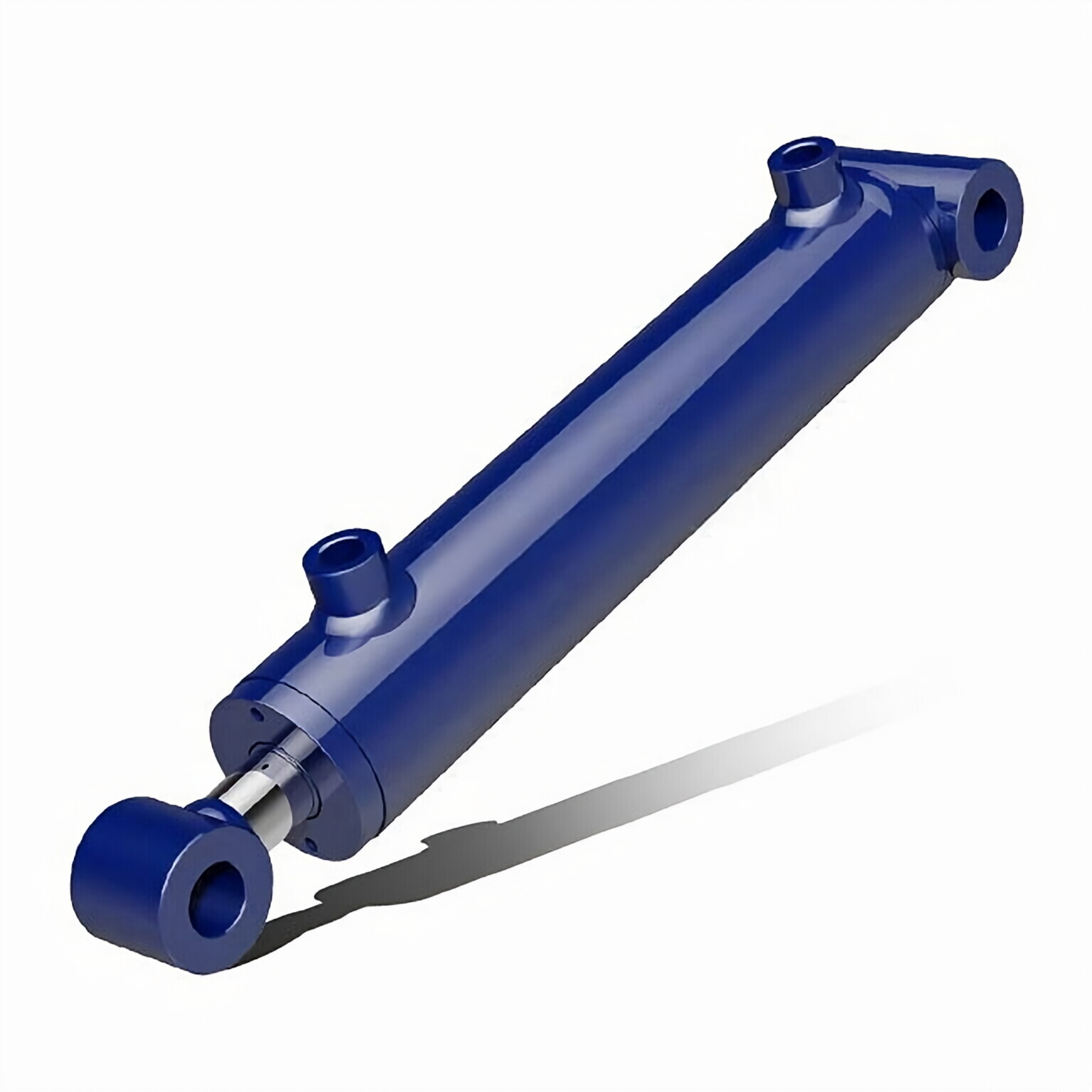
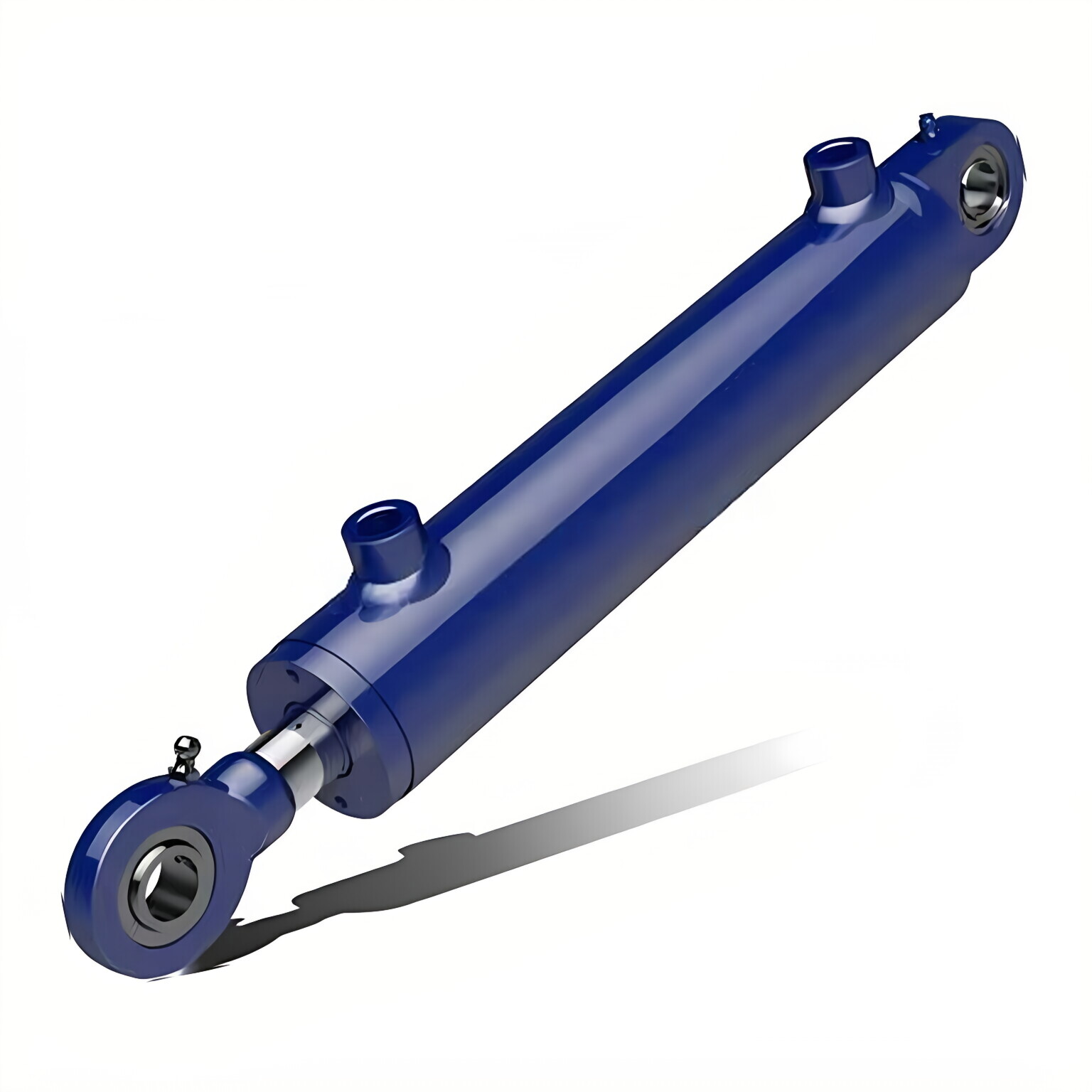
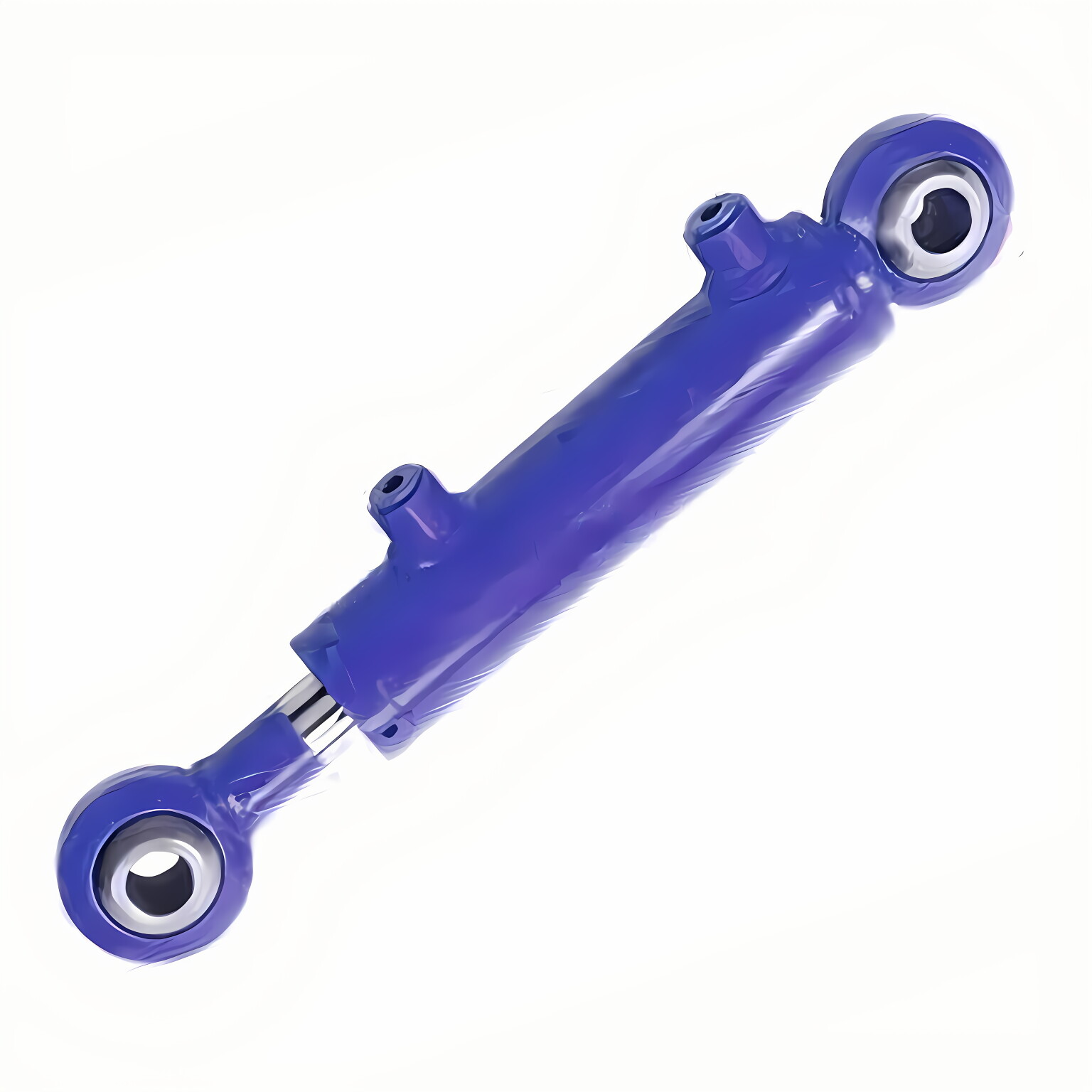
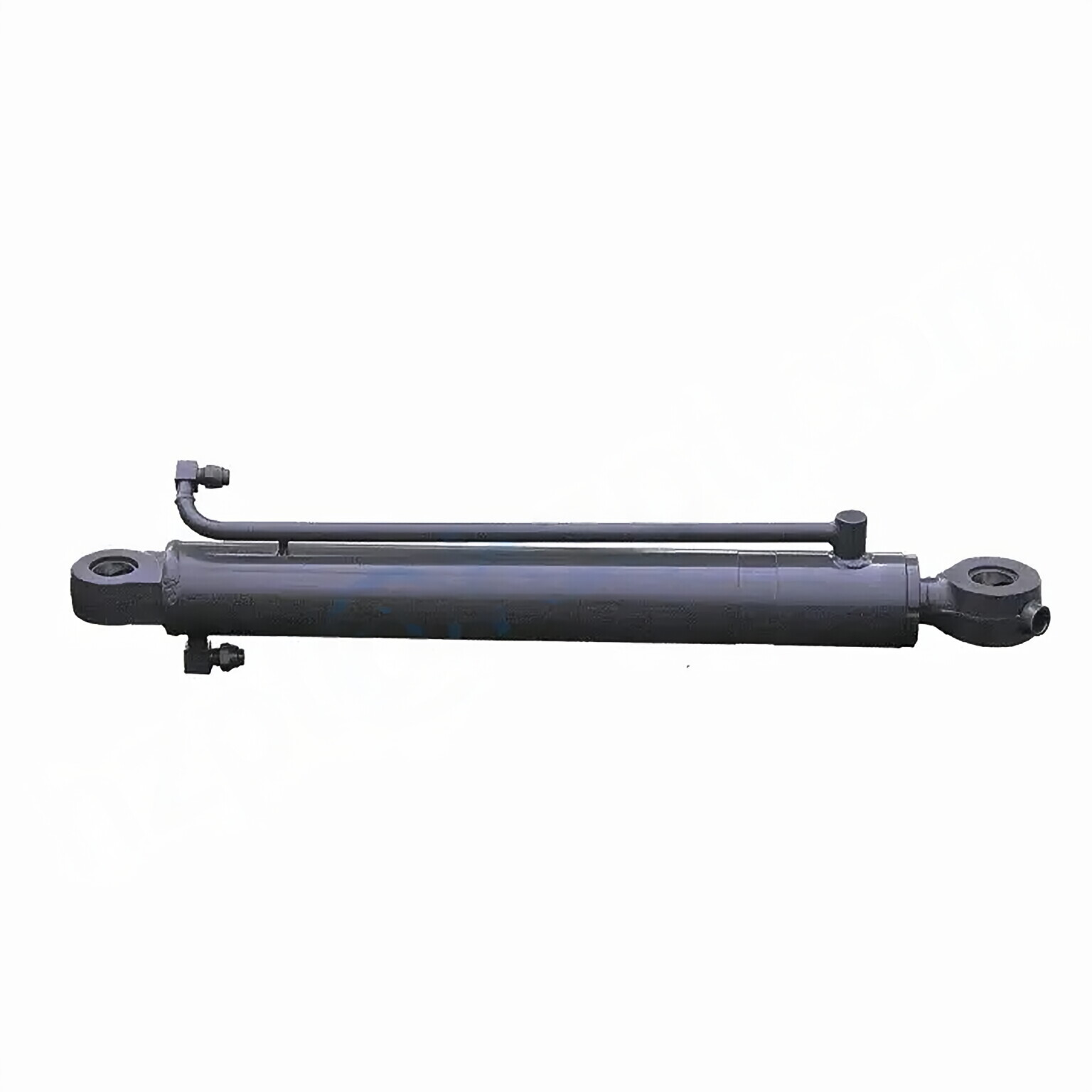
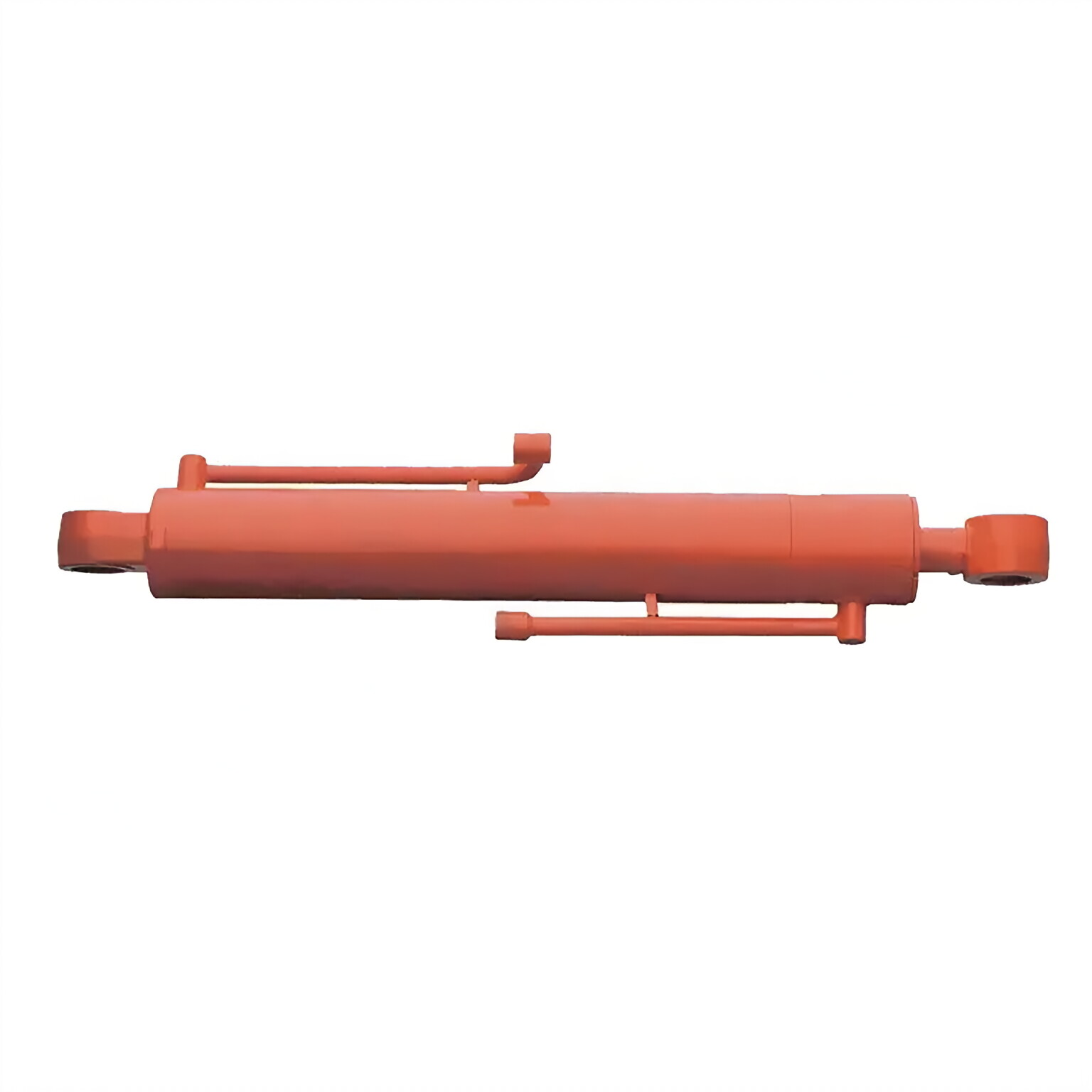
An arm cylinder is a type of hydraulic cylinder designed to provide linear motion and force to the arm of various machinery, such as excavators, cranes, and robotic arms. These cylinders are crucial for achieving the movement and control of additional tools or attachments.
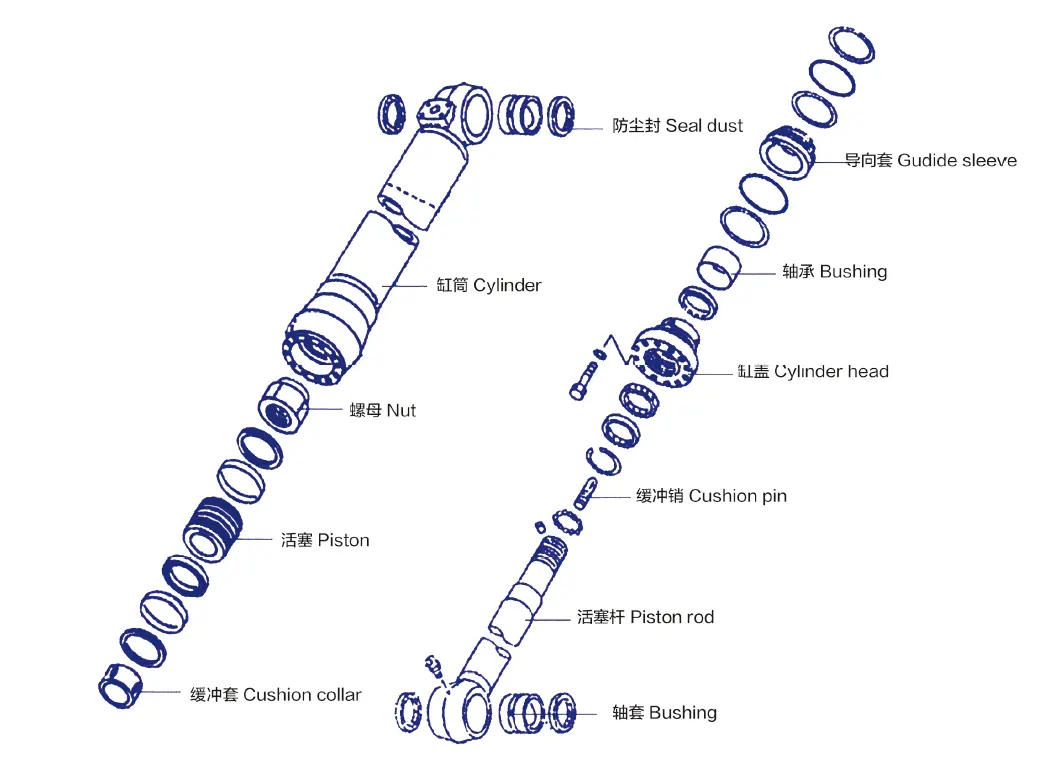
The arm cylinder is a hydraulic cylinder that is specifically designed for providing the arm of the machinery with the necessary linear motion and force. These cylinders are an essential part of the hydraulic system and perform a vital role in various applications.
The arm cylinder is used in various hydraulic systems to provide linear motion and force to the machinery's arm. These cylinders are used in construction equipment, agricultural machinery, industrial equipment, and more. The primary function of the arm cylinder is to provide precise control over the arm's angle and height, enabling the machinery to perform complex tasks efficiently.
The arm cylinders are available in various types, including single-acting (uses hydraulic force in one direction) and double-acting (uses hydraulic force in both directions) cylinders. Some models are telescopic, allowing for greater extension without increasing external dimensions, making them suitable for applications with limited space.
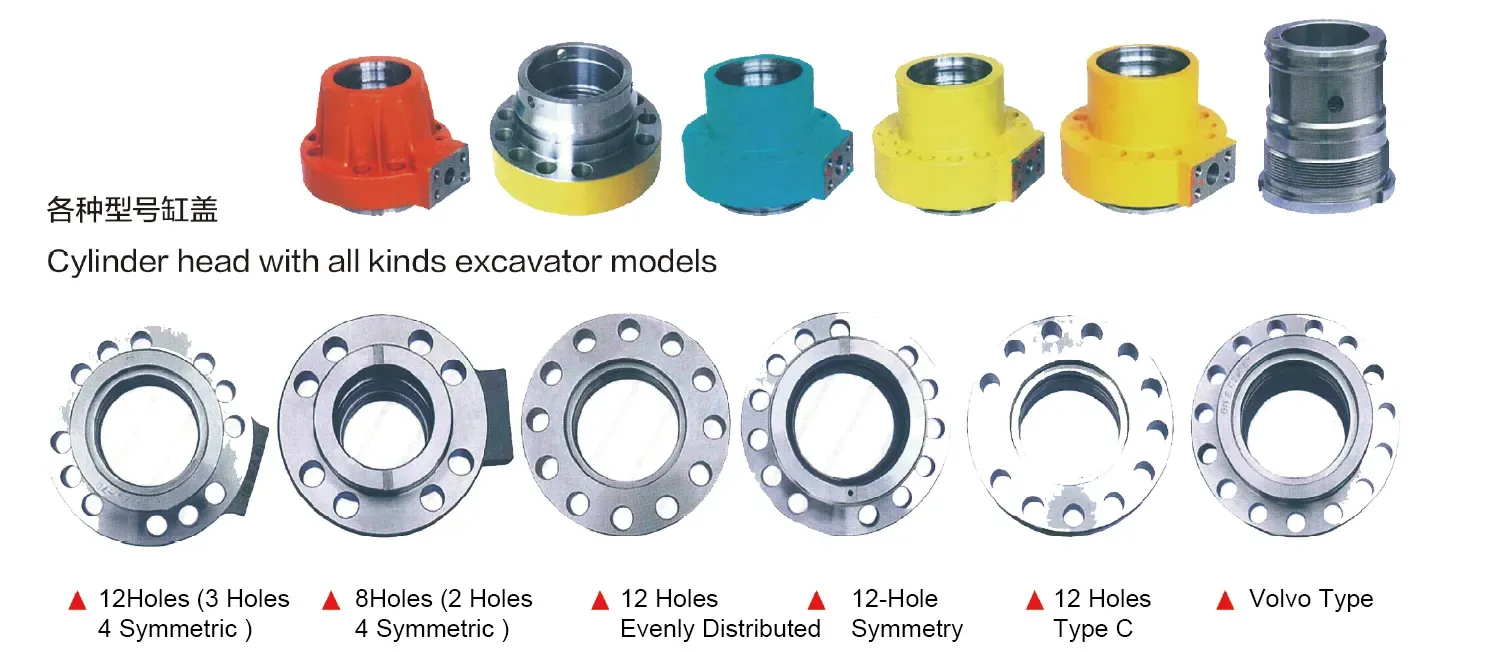
The load capacity of the arm cylinder should be carefully considered during the selection process. The cylinder's design should be capable of withstanding the maximum load that the machinery will be subjected to without compromising performance or safety.
The arm cylinder's sealing is a critical factor in its design. The cylinder should be designed to minimize the possibility of leaks, which can lead to loss of performance or damage to other system components.
The arm cylinder should be designed to withstand harsh environmental conditions and heavy usage. The cylinder's materials and design should provide resistance to wear and corrosion, extending its service life.
The arm cylinder's design should prioritize safety, ensuring that the cylinder will not fail or cause harm to personnel or equipment during operation.
The arm cylinder's design should consider ease of maintenance, enabling quick and easy repairs and replacements of components without the requirement of specialized tools or equipment.
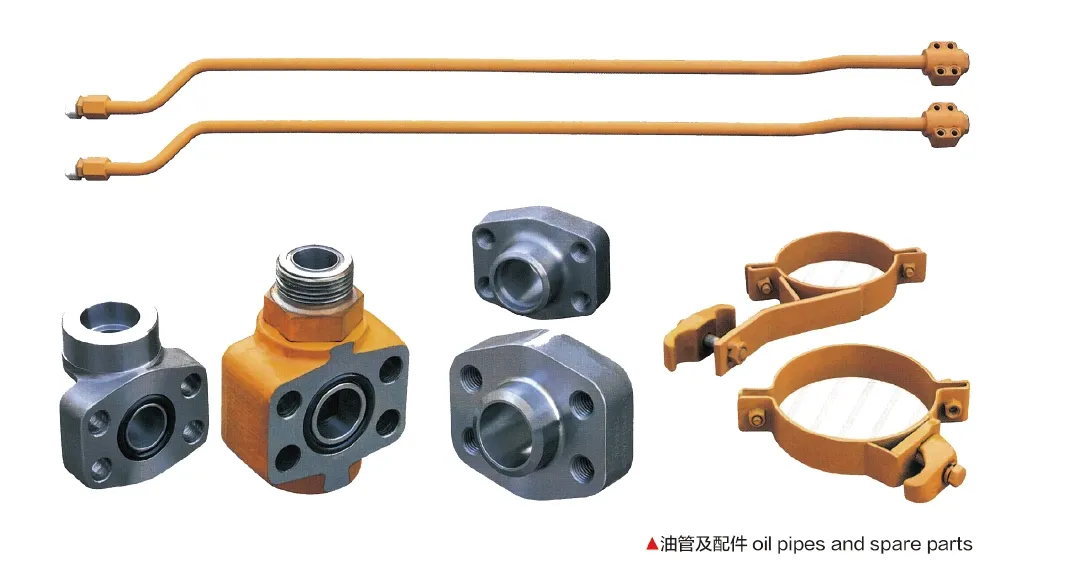
The arm cylinder utilizes various sealing components, such as piston seals, rod seals, and wiper seals, to maintain hydraulic pressure and prevent leakage. The seals are typically made from polyurethane, nitrile rubber, or similar wear-resistant materials.
The cylinder body and threaded end surfaces undergo a surface treatment process to increase wear resistance and sealing performance. The cylinder requires periodic lubrication with hydraulic oil to ensure smooth operation and prevent corrosion.
The arm cylinder should undergo regular inspection to identify any signs of damage or wear. Any visible cracks, dents, or other damage should be addressed immediately. The hydraulic hoses and fittings should also be inspected regularly for any signs of damage.
Preventive maintenance is essential to maximize the arm cylinder's lifespan and prevent unplanned downtime. This includes regular lubrication and replacement of worn or damaged components.
The arm cylinder's installation process should be carried out by trained personnel, following the manufacturer's instructions. The cylinder should be installed in a location that allows for easy access and maintenance. All hydraulic connections should be made securely, and the correct hydraulic fluid should be used.
The arm cylinder's operation should be carried out in compliance with all relevant safety regulations. Any modifications or repairs should be conducted by trained personnel only. The hydraulic fluid used in the cylinder should be disposed of appropriately, following all relevant environmental regulations.
Regular maintenance and inspection can help prevent these and other common problems from occurring.
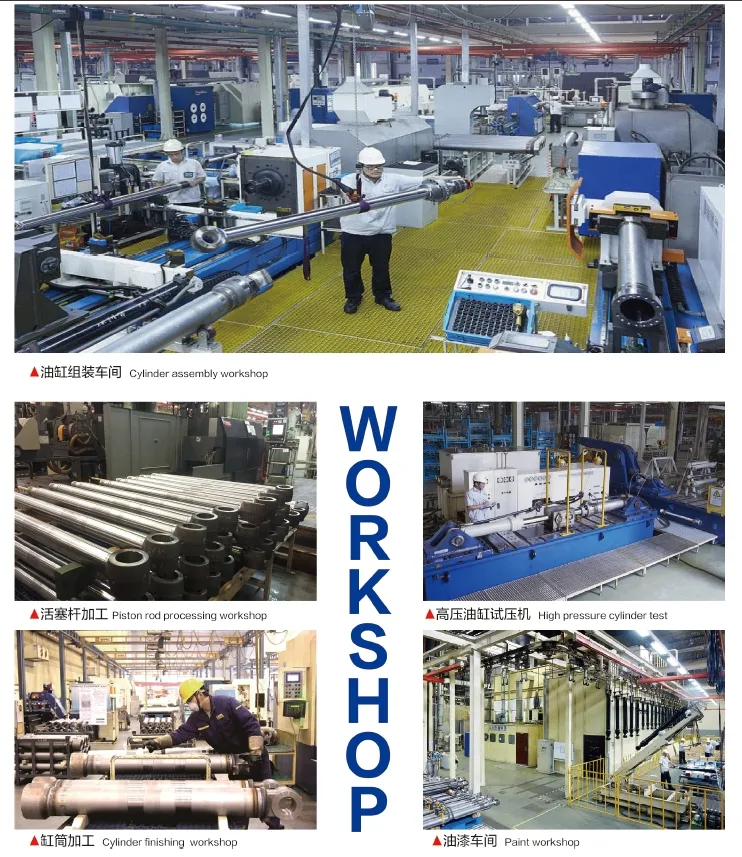
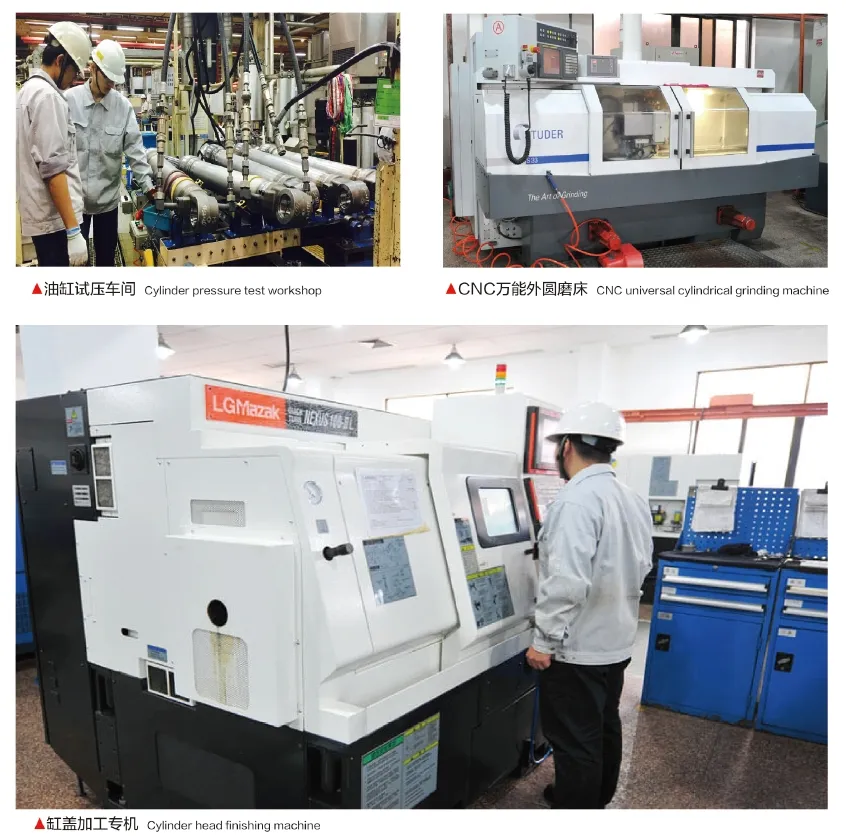
We are a leading manufacturer and wholesale distributor of hydraulic cylinders, including arm cylinders. Our products are designed to meet the highest quality standards and provide cost-effective solutions for various applications. We prioritize customer satisfaction, utilizing advanced manufacturing equipment and professional testing systems to ensure the highest quality products. Our company offers customized services to meet unique customer requirements and provides exceptional after-sales services.

Author: lyl
Address
Luotuo Industrial Area, Zhenhai District, Ningbo City, China
Tel

 Raydafon