Axial Tripod Type Metallurgical Hydraulic Cylinder
Discover Raydafon Group's Axial Tripod Type Metallurgical Hydraulic Cylinder—a robust solution engineered for demanding metallurgical operations. With advanced axial tripod design, superior durability, and precision control, it enhances efficiency and safety in industrial settings like steel mills and foundries. Say goodbye to downtime and hello to reliable performance that boosts productivity and peace of mind. Choose Raydafon for innovative engineering that stands out from the rest.
Axial Tripod Type Metallurgical Hydraulic Cylinder
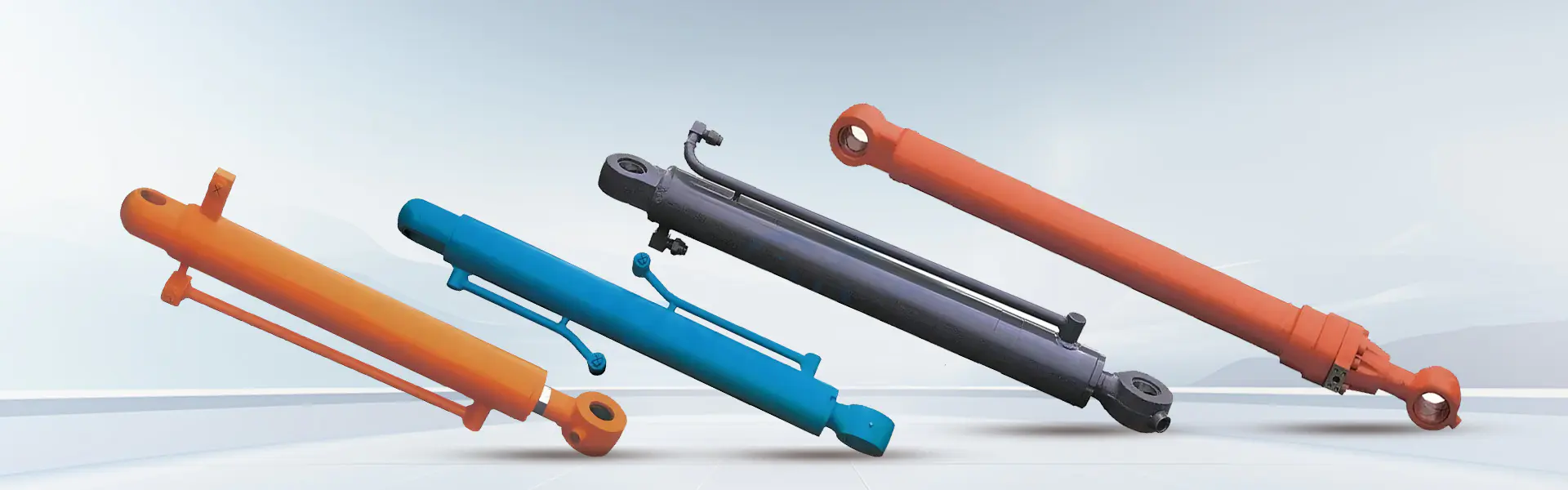
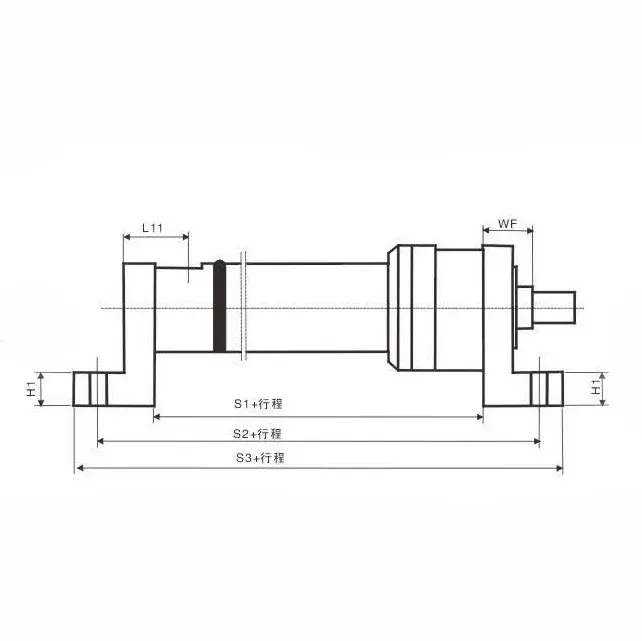
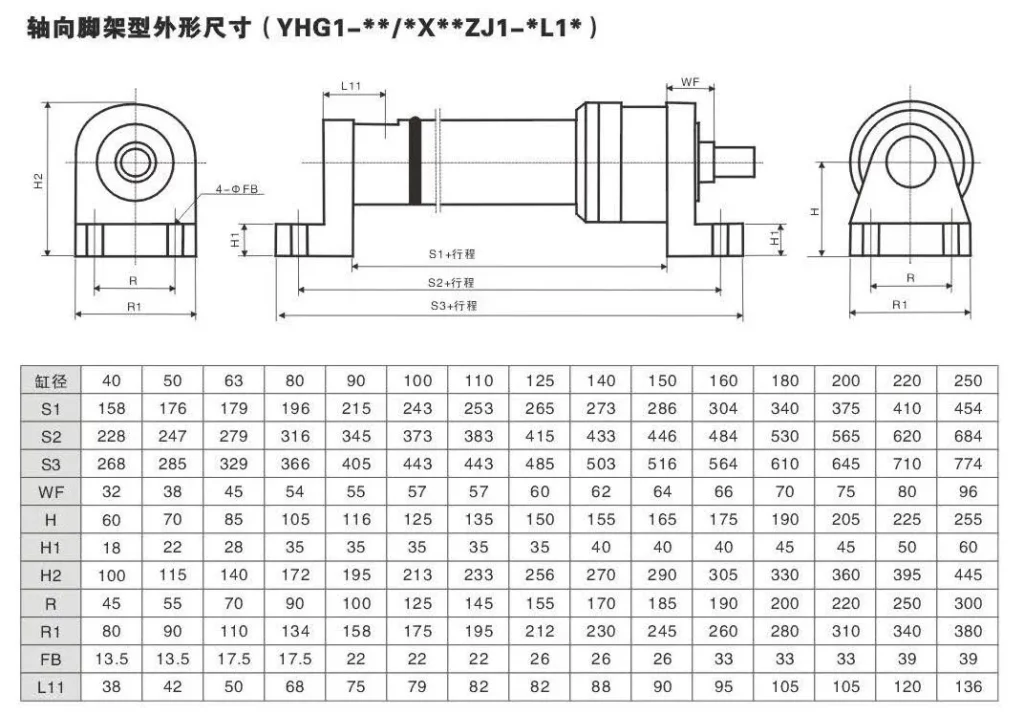
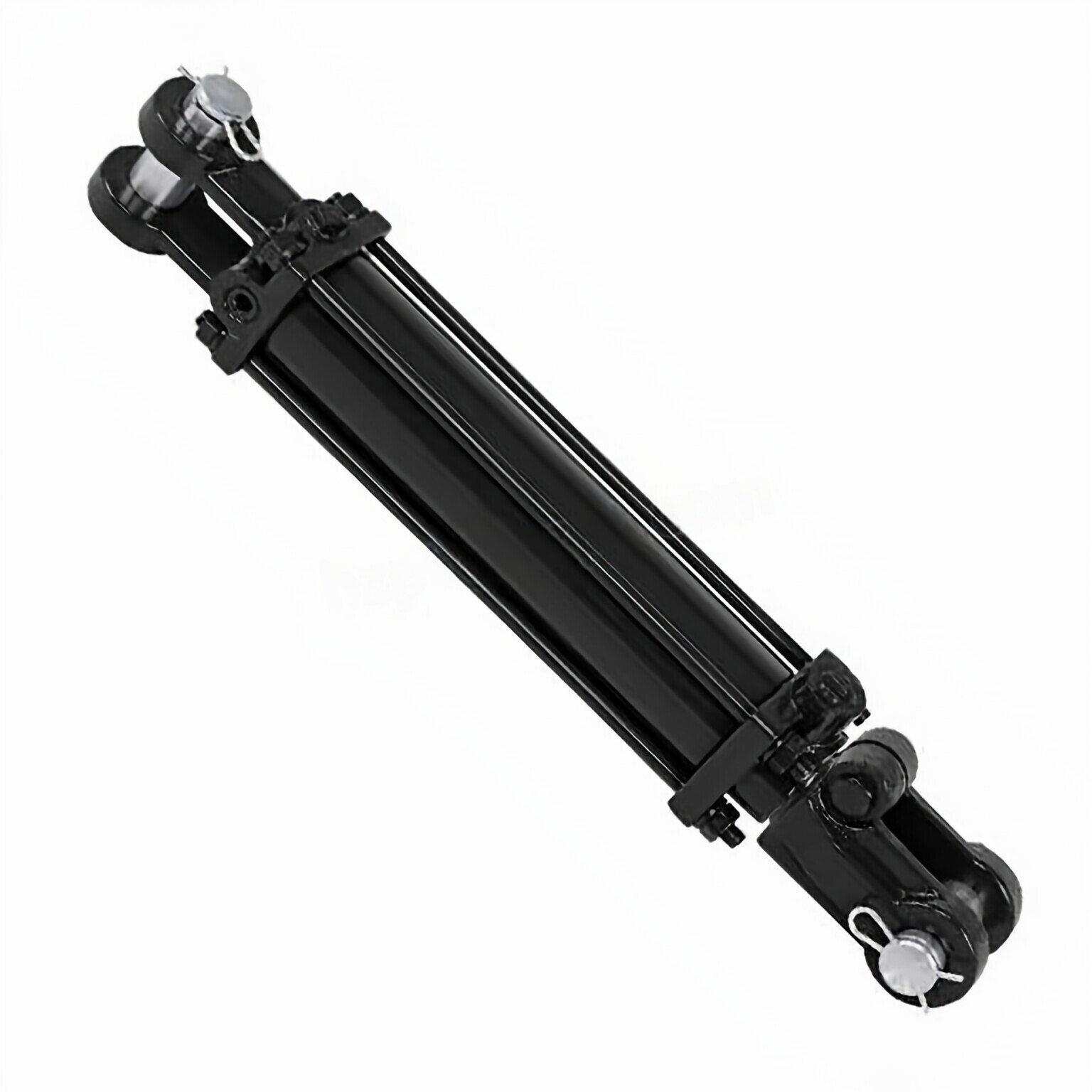
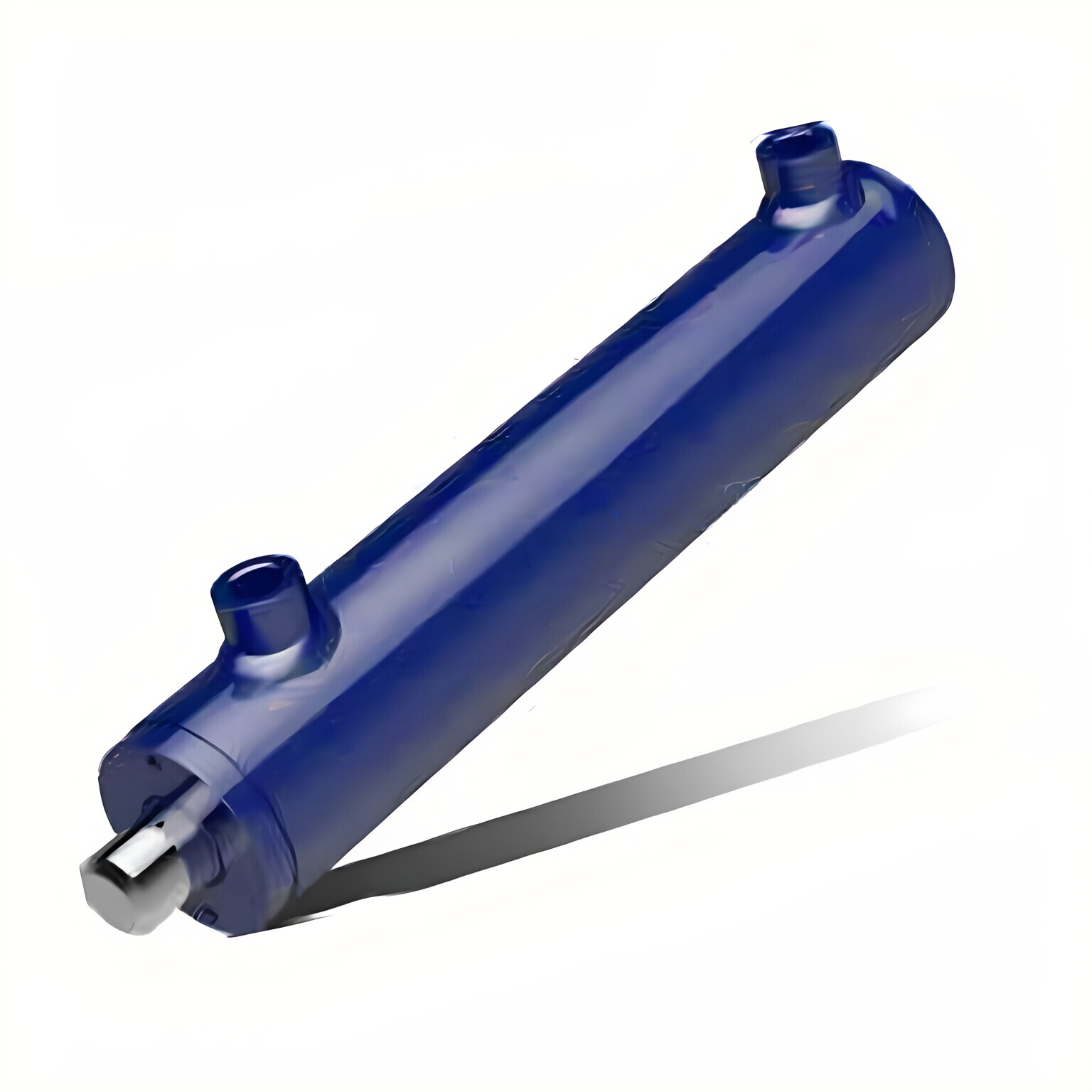
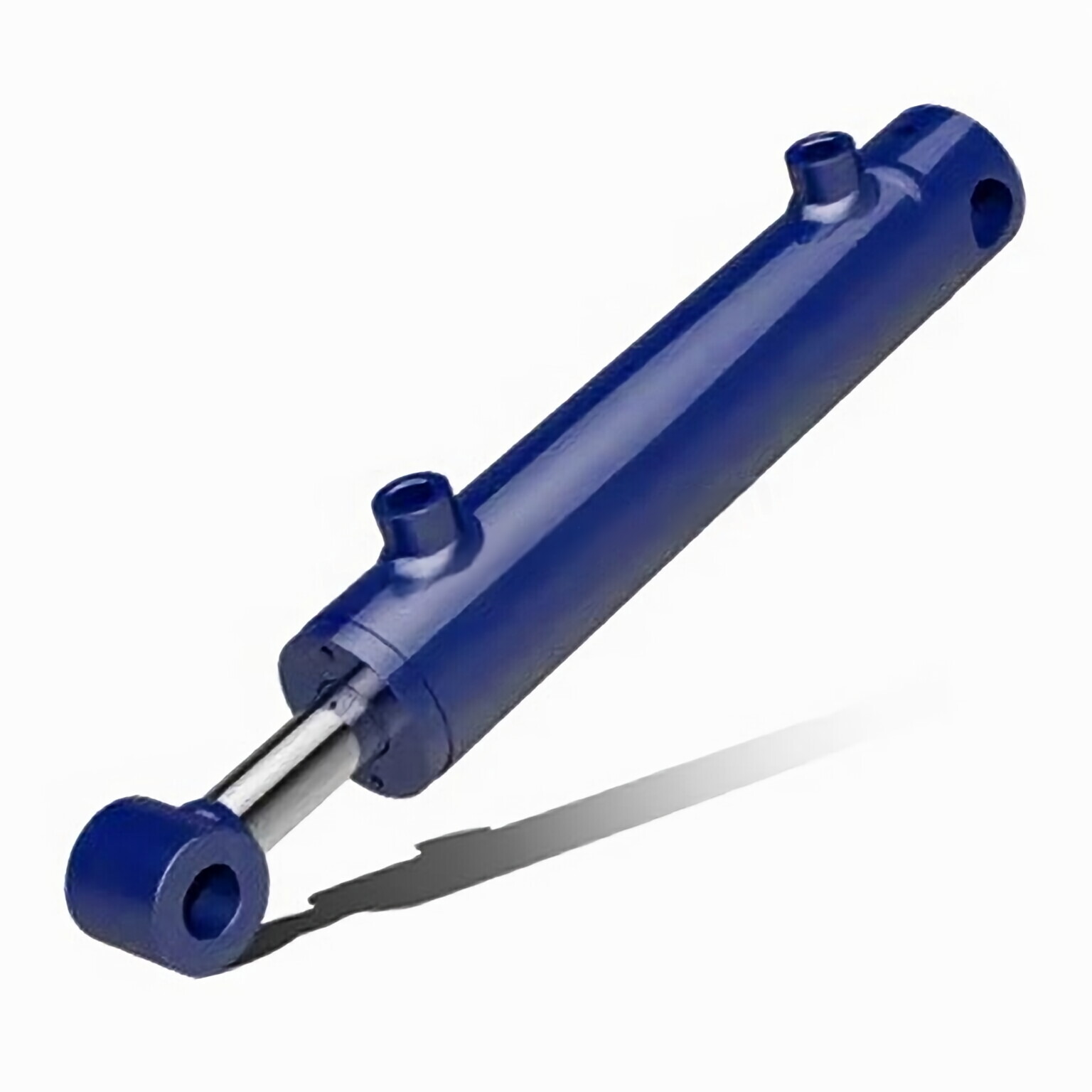
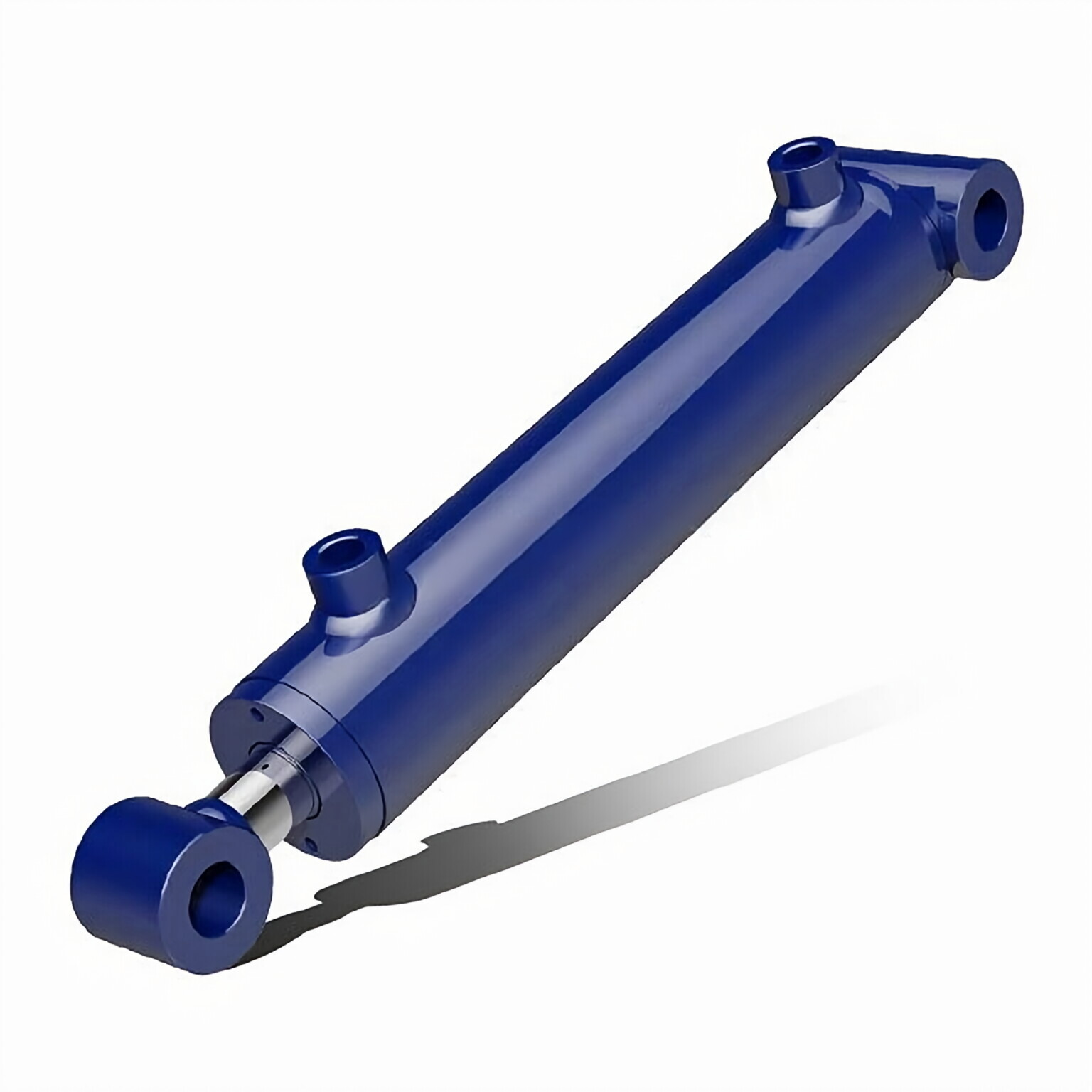
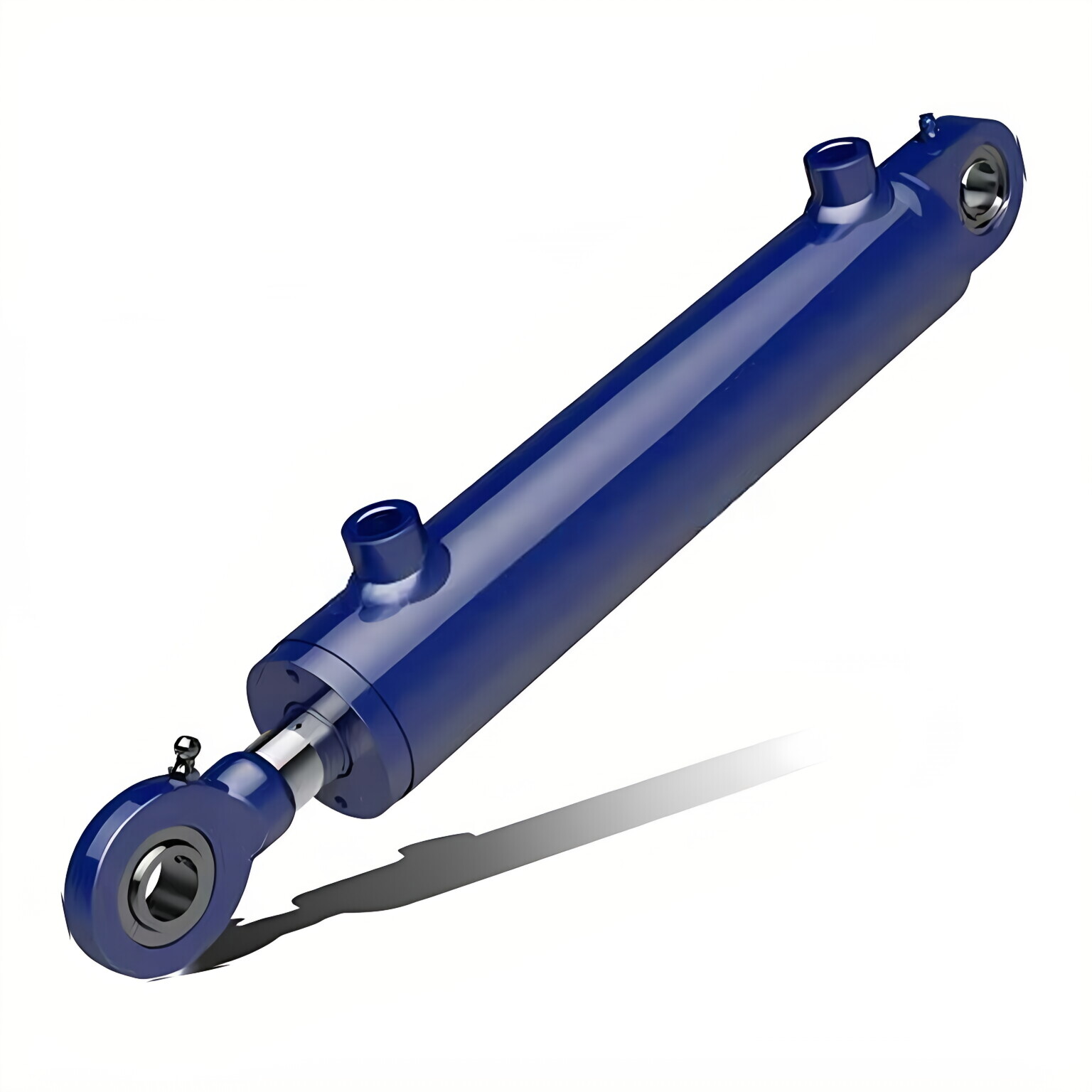
The axial tripod type metallurgical hydraulic cylinder is a highly efficient and durable component explicitly designed for metallurgical applications. This product offers superior performance, precise control, and reliable operation in demanding industrial settings. Its unique axial tripod design ensures stability, accuracy, and enhanced safety during the process.Y-HG1 series of metallurgical equipment hydraulic cylinder for the double acting piston cylinder, cylinder diameter is generally in the range of 40~320mm, the working pressure <=16MPA, the hydraulic oil mechanical system can be used to lose emulsion and other working media, the installation of flange, earrings, pins, trippers (base) and other types.High precision CNC honing machine, automatic welding machine, vertical, horizontal machining center, gantry machining center, CNC lathe and other processing equipment, product quality is stable and guaranteed.
Axial Tripod Type Metallurgical Hydraulic Cylinder Parameter:
Usage Method Of Axial Tripod Type Metallurgical Hydraulic Cylinder:
Mounting and Installation:
Identify the appropriate mounting location for the hydraulic cylinder based on the specific metallurgical application and equipment requirements.
Ensure the mounting surface is clean, flat, and capable of withstanding the cylinder's load.
Connection to Hydraulic System:
Connect the hydraulic cylinder to the hydraulic system using compatible hydraulic hoses or pipes.
Ensure proper alignment and secure connection to prevent leaks.
System Integration and Calibration:
Integrate the metallurgical hydraulic cylinder into the metallurgical equipment or system per the manufacturer's guidelines.
Calibrate the system to achieve the desired performance and operation parameters.
Operating the Cylinder:
Activate the hydraulic system to apply pressure and initiate the movement of the hydraulic cylinder.
Control the cylinder's extension, retraction, and positioning through the hydraulic control system.
Maintenance Of Axial Tripod Type Metallurgical Hydraulic Cylinder:
Regular Inspection:
Conduct routine inspections of the hydraulic cylinder to check for leaks, signs of wear, or damage.
Inspect the mounting brackets, fasteners, and connections to ensure they are secure and functioning properly.
Lubrication:
Follow the manufacturer's recommendations regarding lubrication intervals and the type of lubricant to use.
Apply lubricant to the necessary parts, such as the piston rod, seals, and bearings, to reduce friction and ensure smooth operation.
Cleaning:
Keep the hydraulic cylinder and surrounding area clean from dirt, debris, and contaminants affecting its performance.
Use appropriate cleaning methods and materials to avoid damaging the cylinder or its components.
How To Disassemble A John Deere Hydraulic Cylinder?
To disassemble a John Deere hydraulic cylinder, follow these general steps:
Preparation:
Ensure that the hydraulic system is depressurized and the cylinder is retracted.
Gather the necessary tools for disassembly, such as wrenches, pliers, and a rubber mallet.
Place a clean workspace or bench with adequate space to organize and handle the cylinder components.
Remove External Connections:
Identify the hydraulic hoses, fittings, or other external connections attached to the cylinder.
Use the appropriate tools to loosen and disconnect these connections, preventing hydraulic fluid leakage.
Cap or plug the open ends of the hydraulic lines to prevent contamination.
Secure the Cylinder:
Place the cylinder securely in a vise or similar holding fixture, not damaging the cylinder body or rod.
Remove the Rod End Cap:
Locate the rod end cap, typically at the end of the cylinder opposite the piston.
Use the appropriate wrench or socket to loosen and remove the bolts securing the rod end cap.
Tap the end cap gently with a rubber mallet to break any seal or adhesive bond.
Separate the Rod and Piston Assembly:
Once the rod end cap is removed, carefully slide the rod and piston assembly out of the cylinder body.
Support the weight of the assembly to prevent it from falling or causing damage.
Disassemble the Rod and Piston Assembly:
Examine the rod and piston assembly for retaining rings, snap rings, or other controlling devices.
Use appropriate tools such as pliers or snap ring pliers to remove these retaining devices, allowing the assembly disassembly into its components.
Take note of the order and orientation of each component for reassembly.
Inspect and Clean:
Inspect all the disassembled components for wear, damage, or signs of leakage.
Clean each component thoroughly using an appropriate solvent or cleaning agent to remove dirt, debris, and hydraulic fluid residue.
Dry the components entirely before reassembly.
Reassembly:
Reverse the disassembly steps, following the correct order and orientation of components.
Apply a thin layer of clean hydraulic fluid or recommended lubricant to the seals and moving parts during reassembly.
Ensure all components fit together correctly and are tightened to the manufacturer's specifications.
China Hydraulic Cylinder Manufacturers:
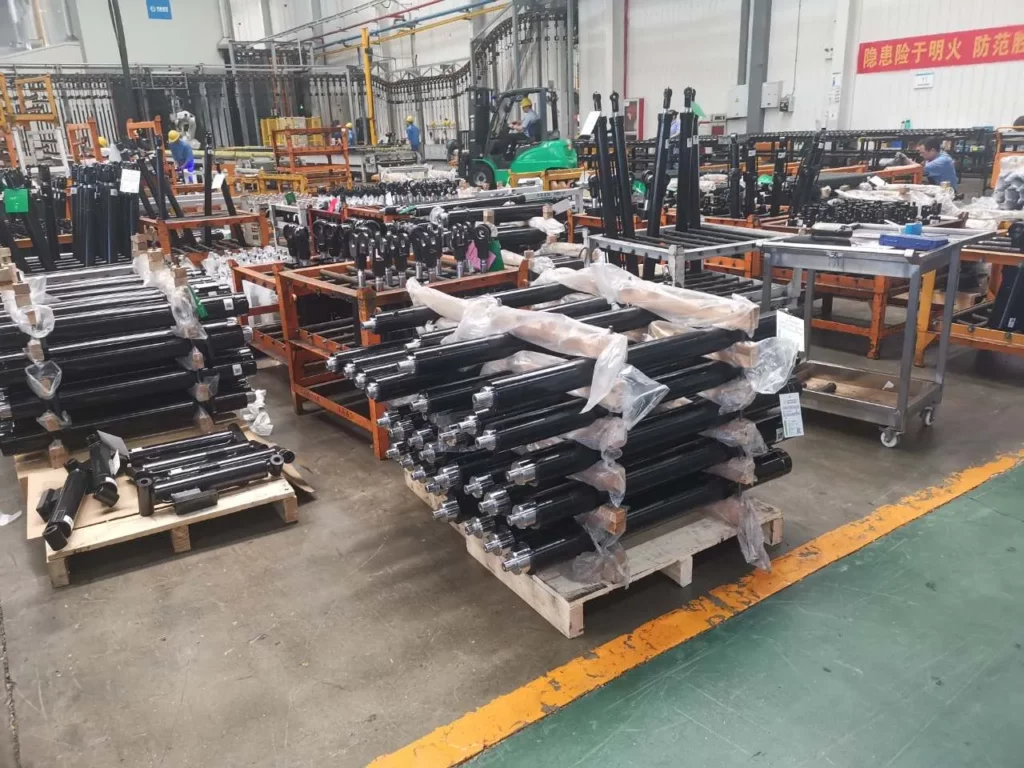
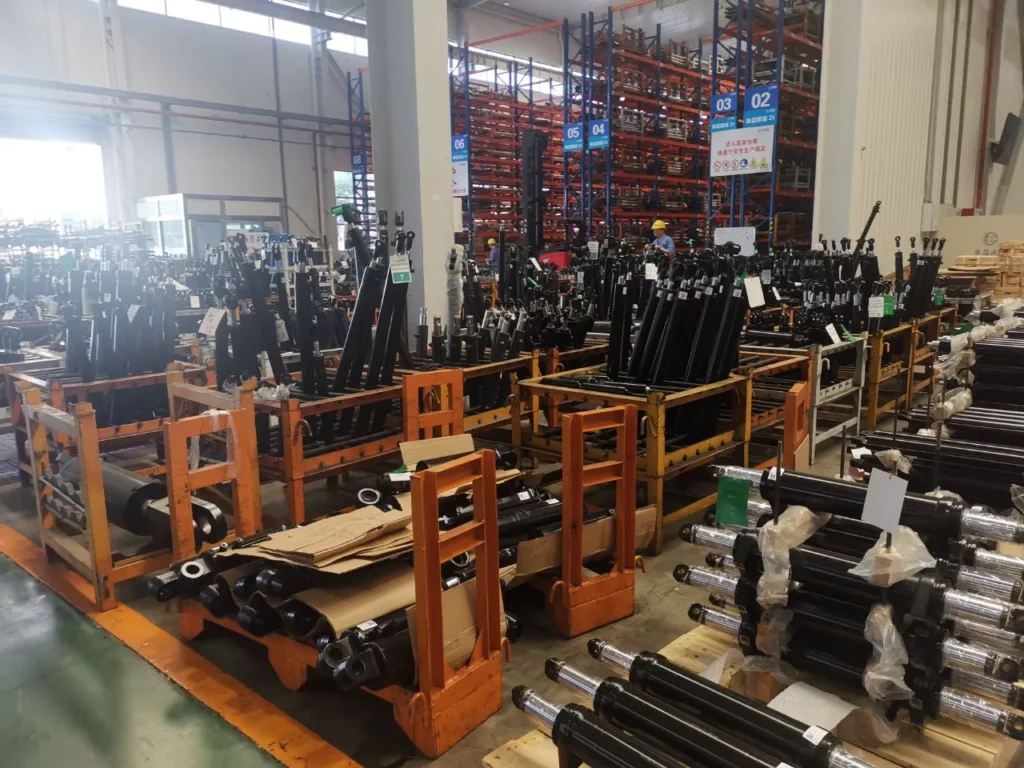
Raydafon is a company in the R&D and manufacture of metallurgical hydraulic cylinders. It maintains a leading position in China's market segment of hydraulic cylinders. In 2020, the domestic market share was around 29%. We produce Industrial vehicle metallurgical hydraulic cylinders, Aerial work vehicle metallurgical hydraulic cylinders, agricultural machinery hydraulic cylinders, and sanitation machinery hydraulic cylinders.We have a first-class independent R&D platform for assembly. The metallurgical hydraulic cylinder production workshop has four semi-automatic lifting cylinder assembly lines and one fully automatic tilting cylinder assembly line, with a designed annual production capacity of 1 million pieces; the special cylinder workshop is equipped with semi-automatic cleaning and assembly systems of various specifications, with a designed annual production capacity of 200,000 essays. It has famous CNC machining equipment, machining centers, special equipment for high-precision cylinder processing, robot welding machines, automatic cleaning machines, automatic cylinder assembly machines, and automatic paint production lines. We have more than 300 sets of critical equipment running. The optimized allocation and efficient utilization of equipment resources ensure the precision requirements of the products and meet the high standard quality requirements of the products.
We use cookies to offer you a better browsing experience, analyze site traffic and personalize content. By using this site, you agree to our use of cookies.Privacy Policy


 Raydafon