
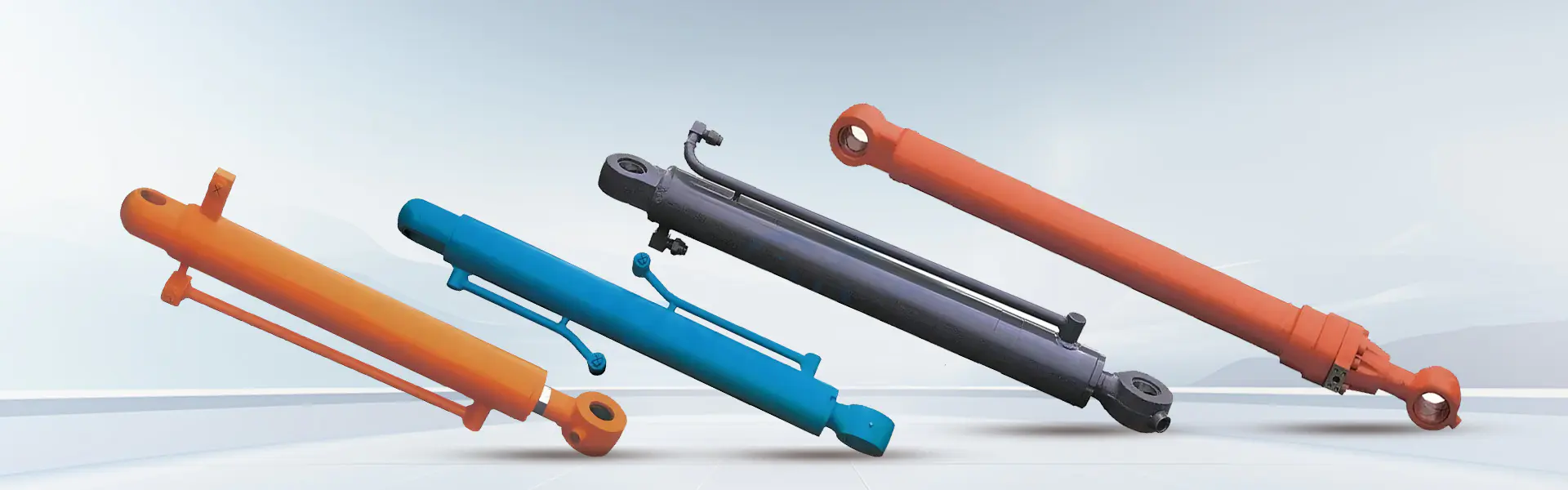
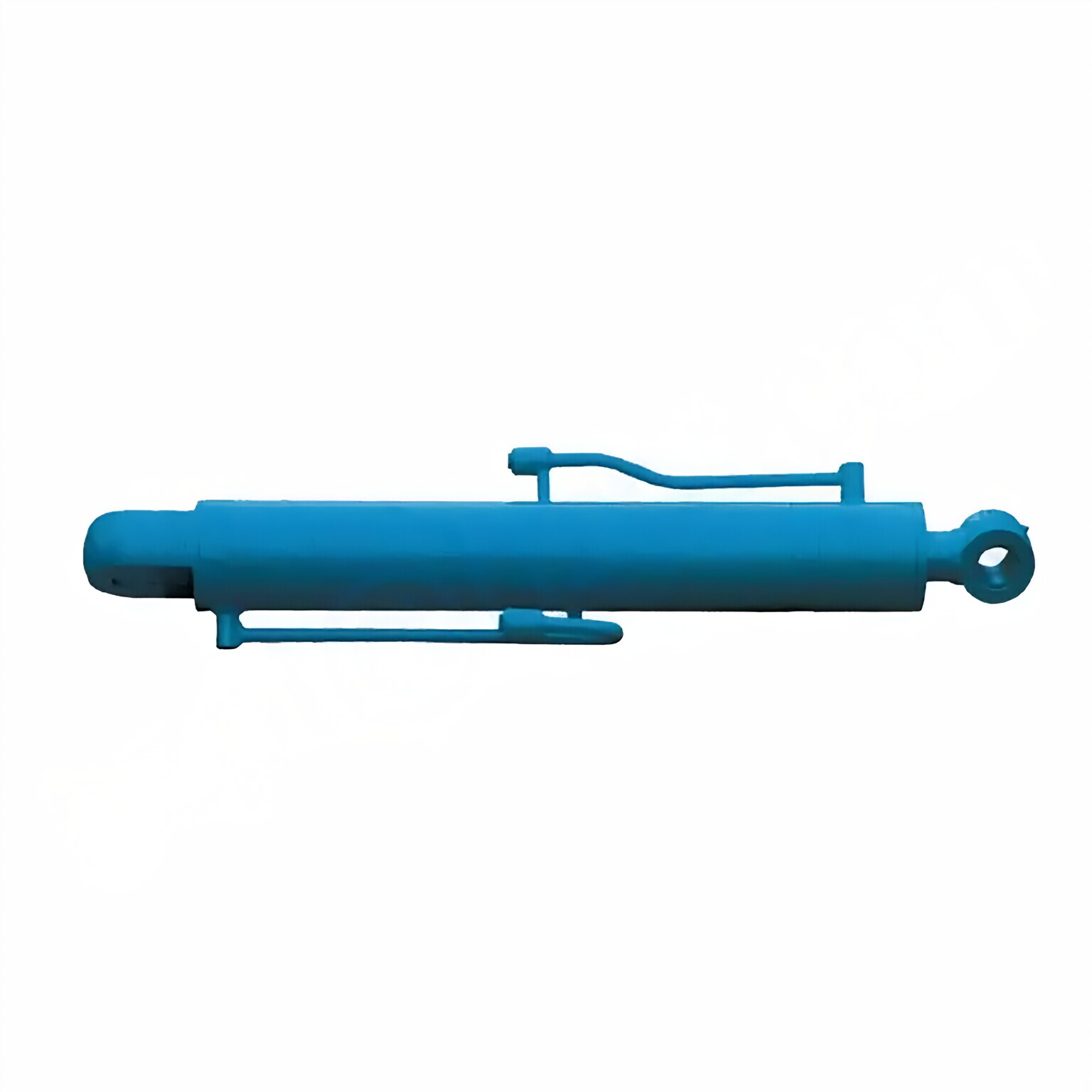
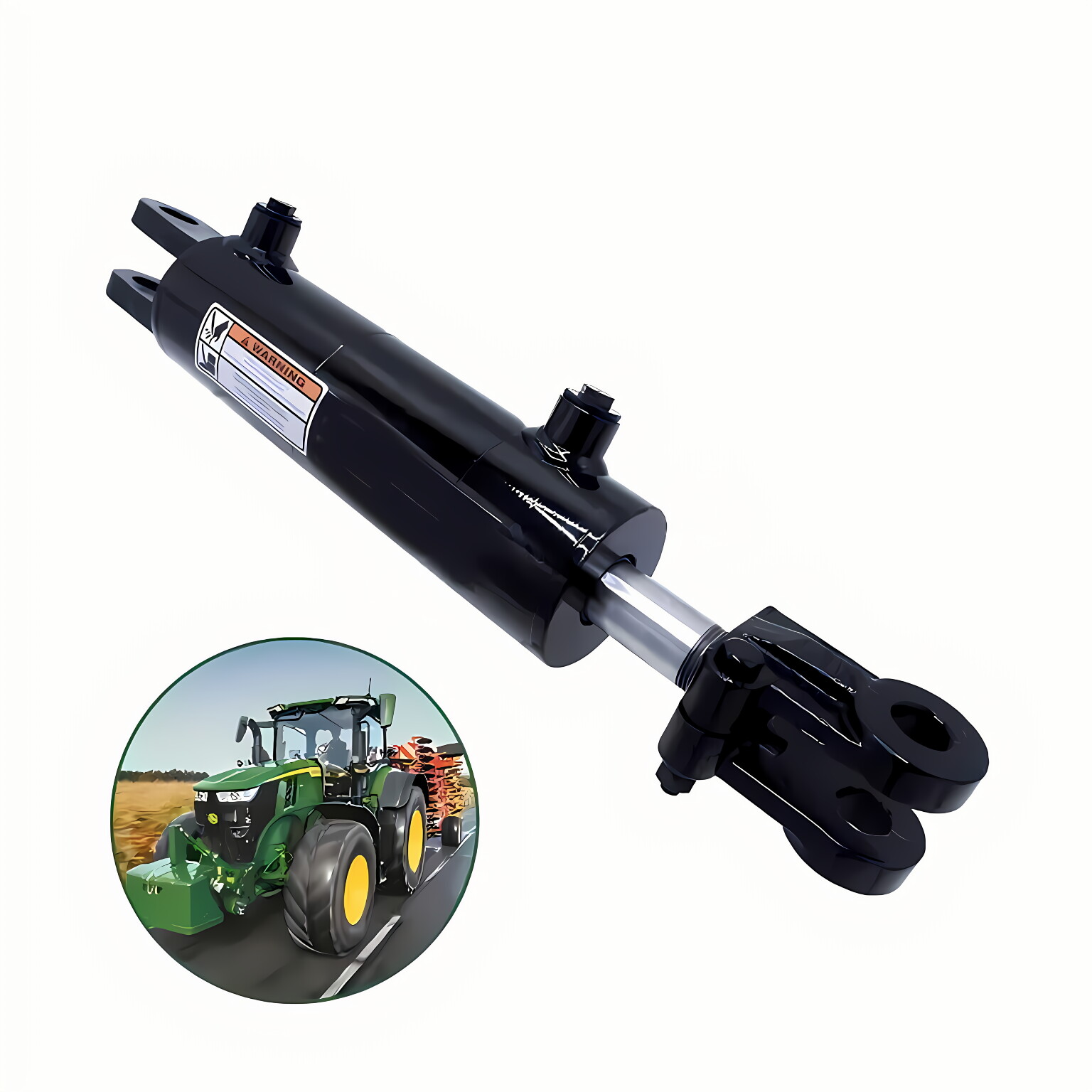
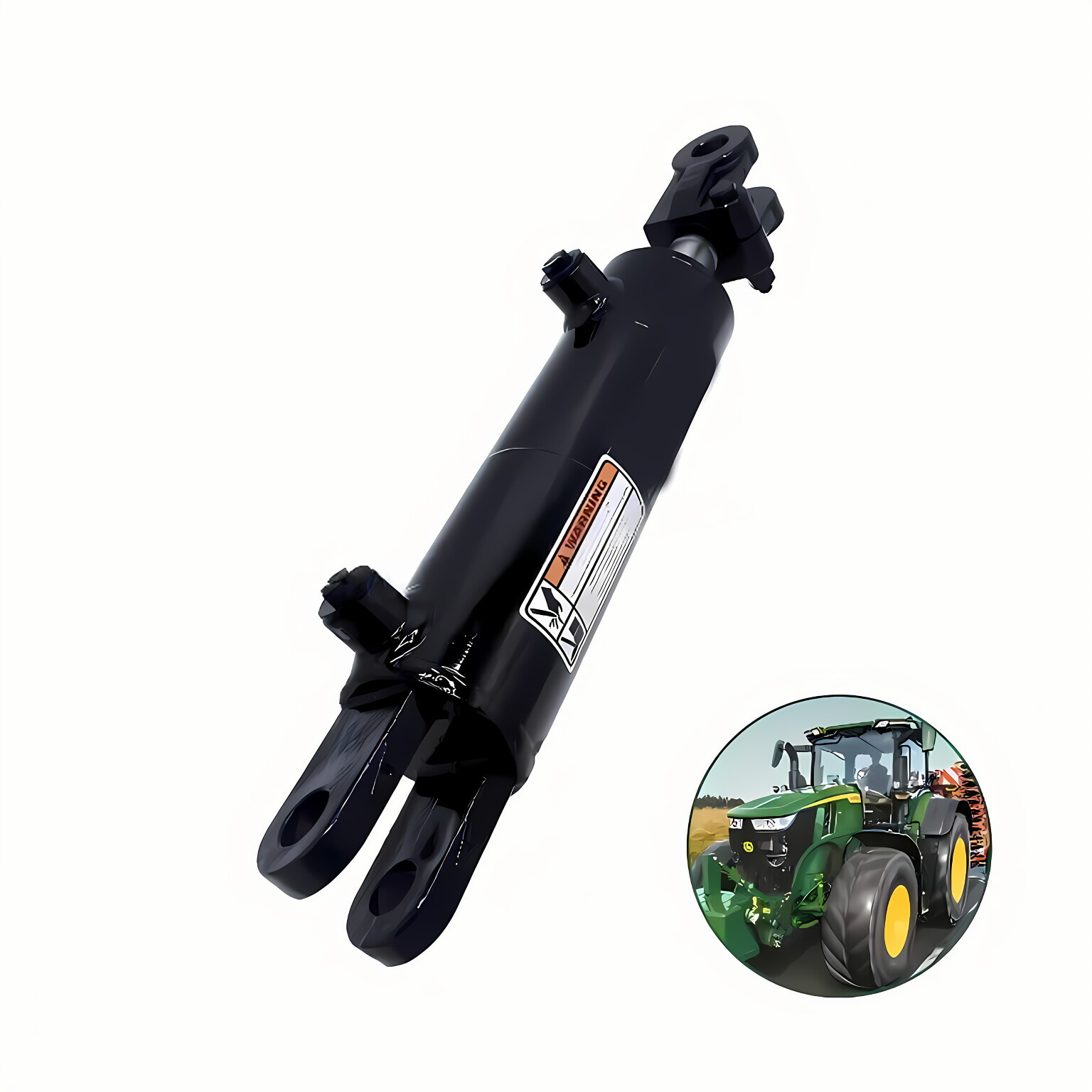
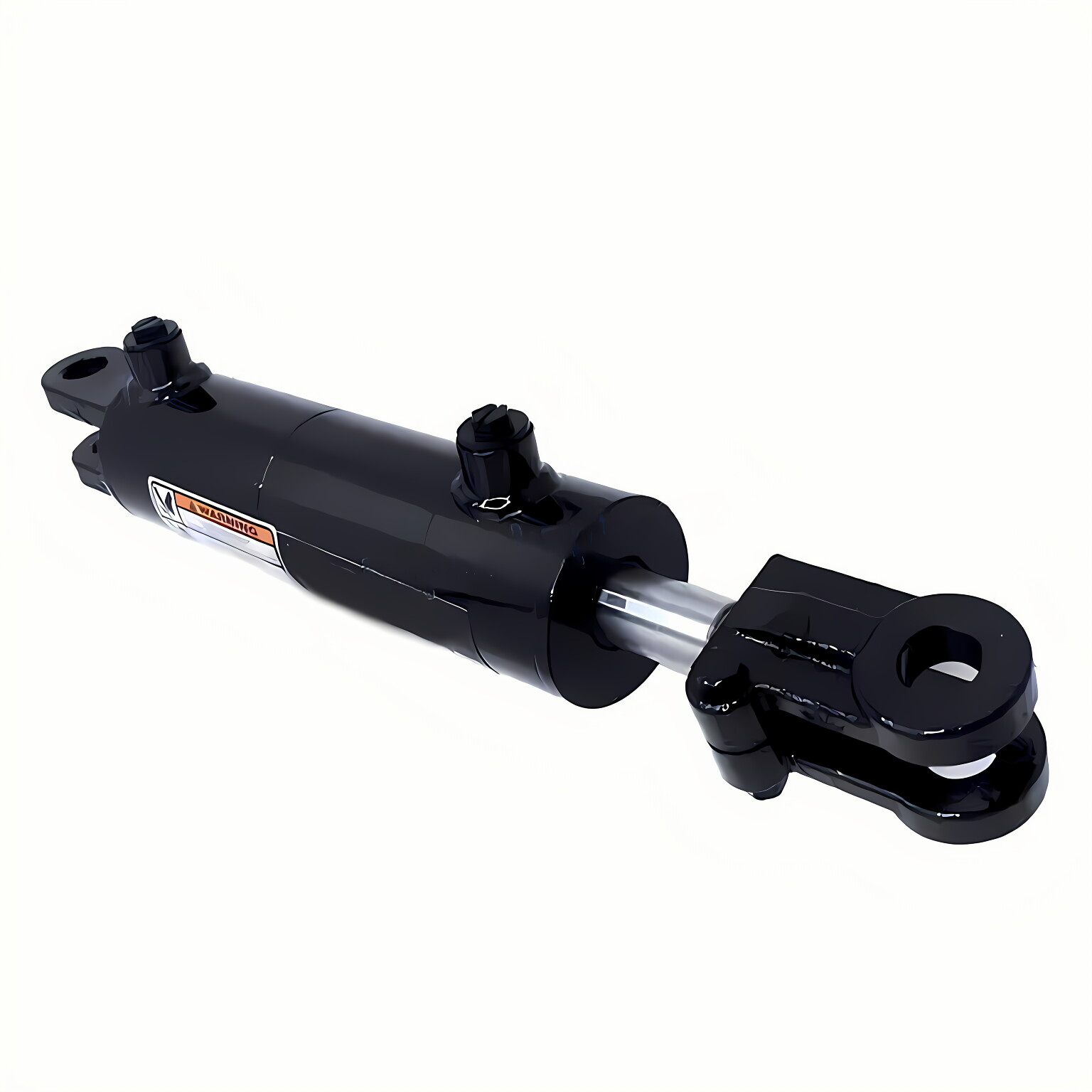
The boom cylinder is an essential component in the hydraulic system of Komatsu middle excavators, specifically the PC200-3, PC200-5, PC200-6, PC200-7, PC200-8, and PC200-8MO models. It plays a crucial role in the smooth operation of the excavator, allowing for efficient lifting and positioning of heavy materials. In this article, we will explore the various aspects and applications of the boom cylinder, highlighting its features, applications, design considerations, and maintenance requirements.
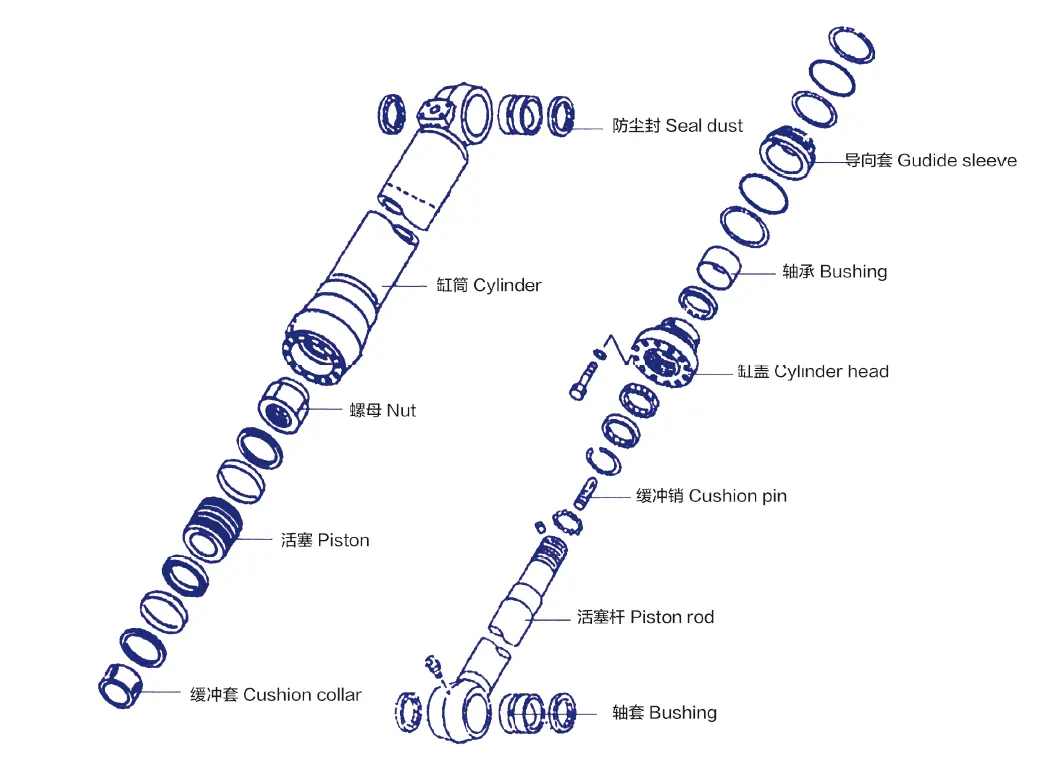
The boom cylinder finds widespread use in various industries and applications:
The boom cylinder is commonly found in cranes, excavators, and backhoe loaders for lifting and positioning materials.
In forestry applications, the boom cylinder is used in log loaders to extend the range of the boom, enabling the picking and movement of logs.
In forklifts, the boom cylinder is utilized for lifting and lowering forks or attachments, improving efficiency in warehouses and loading docks.
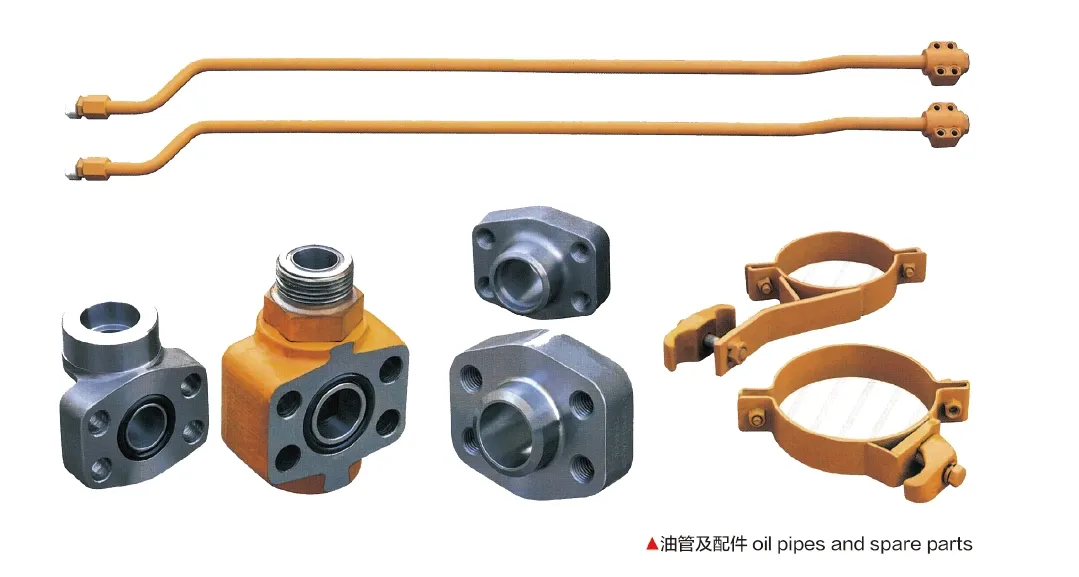
When designing and selecting boom cylinders, several key factors should be considered:
The boom cylinder should be able to withstand the maximum loads it will be subjected to during operation.
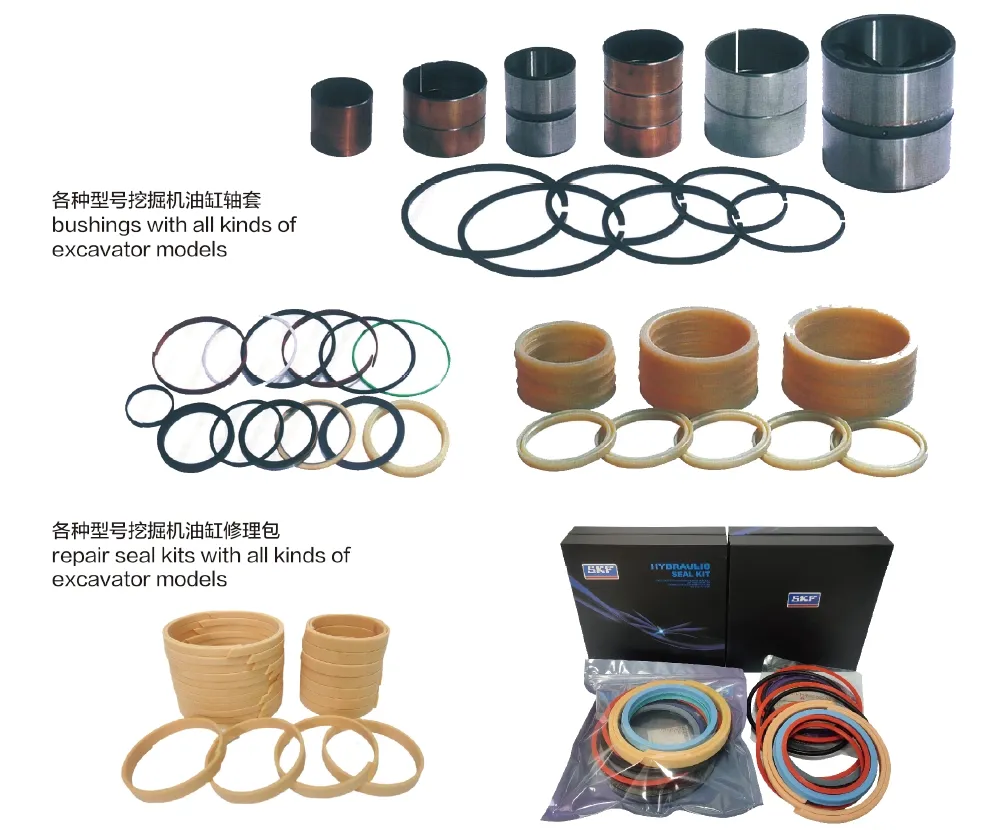
Proper sealing is crucial to prevent leakage and ensure the efficient functioning of the cylinder. Various sealing elements, such as piston seals and rod seals made from wear-resistant materials like polyurethane and nitrile rubber, should be used.
Boom cylinders should be designed to withstand the rigors of frequent use and challenging working conditions, such as exposure to abrasive materials and corrosive substances. The use of high-quality materials and surface treatments can enhance their durability.
Safety features, such as pressure relief valves and overload protection mechanisms, should be incorporated into the design of boom cylinders to prevent accidents and ensure operator safety.
Easy maintenance and repairability are essential considerations. Accessible inspection points and convenient disassembly methods can minimize downtime and reduce maintenance costs.
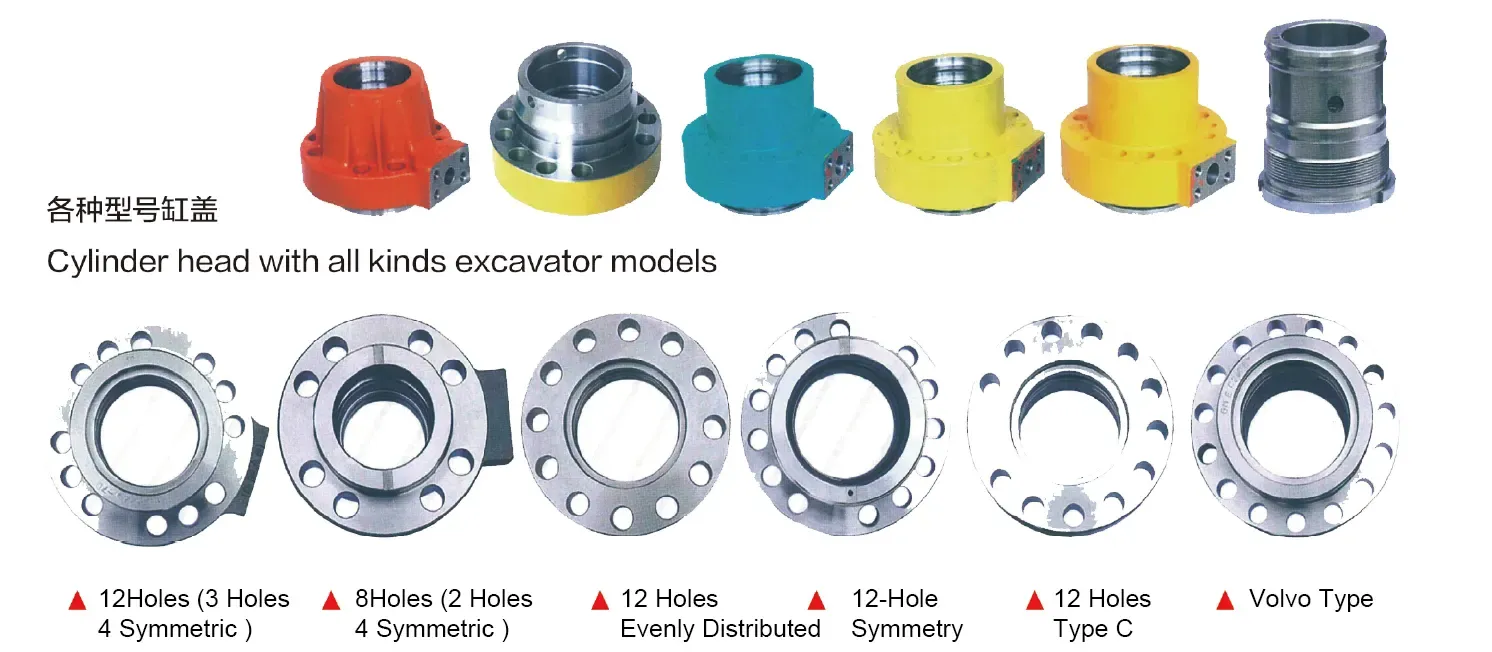
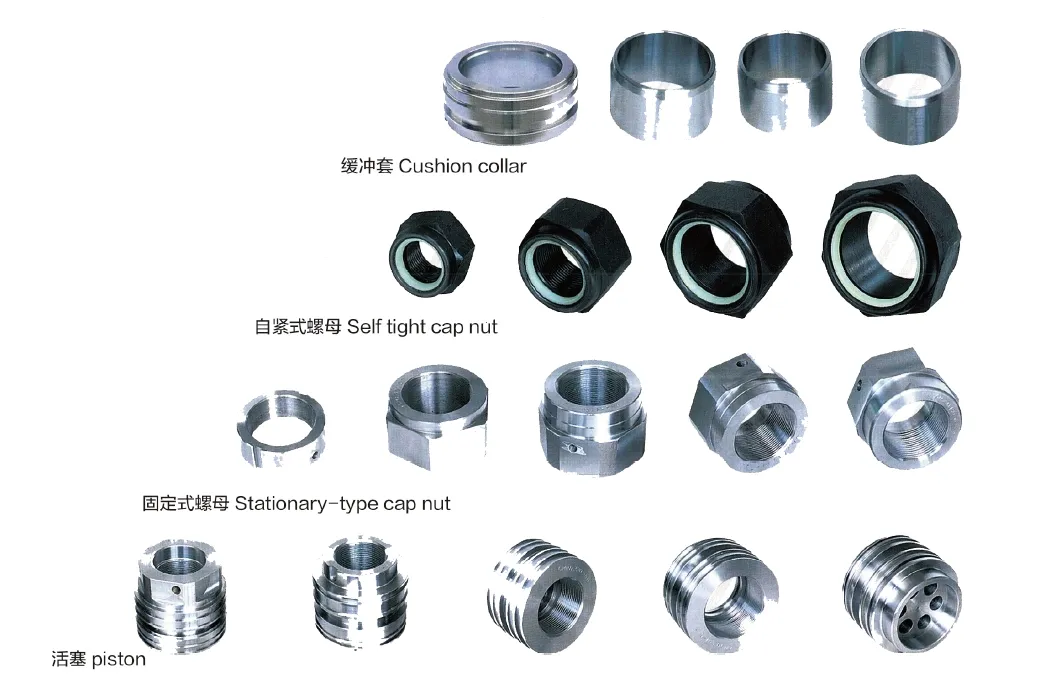
To ensure proper sealing and lubrication, boom cylinders are equipped with various sealing components, such as piston seals and rod seals. These seals are made from wear-resistant materials like polyurethane and nitrile rubber. The cylinder body and threaded ends are finely processed to enhance wear resistance. Regular lubrication with the appropriate amount of hydraulic oil is necessary to maintain smooth operation.
Regular inspection and preventive maintenance are vital for the optimal performance and longevity of boom cylinders. The following measures should be taken:
Proper installation is crucial for the effective functioning of boom cylinders. Follow these guidelines:
When working with boom cylinders, it is essential to prioritize safety measures. This includes proper training, adherence to safety protocols, and the use of personal protective equipment. Additionally, environmental factors such as temperature, humidity, and exposure to corrosive substances should be taken into account to ensure the longevity of the cylinder.
Boom cylinders may encounter certain faults or issues during operation. Here are some common problems:
To address these problems, consider the following troubleshooting tips and solutions:
Remember to organize the article logically, using subheadings for easy navigation. Incorporate relevant images or charts to enhance understanding. Ensure that the content is clear, concise, and suitable for readers with varying levels of technical knowledge.
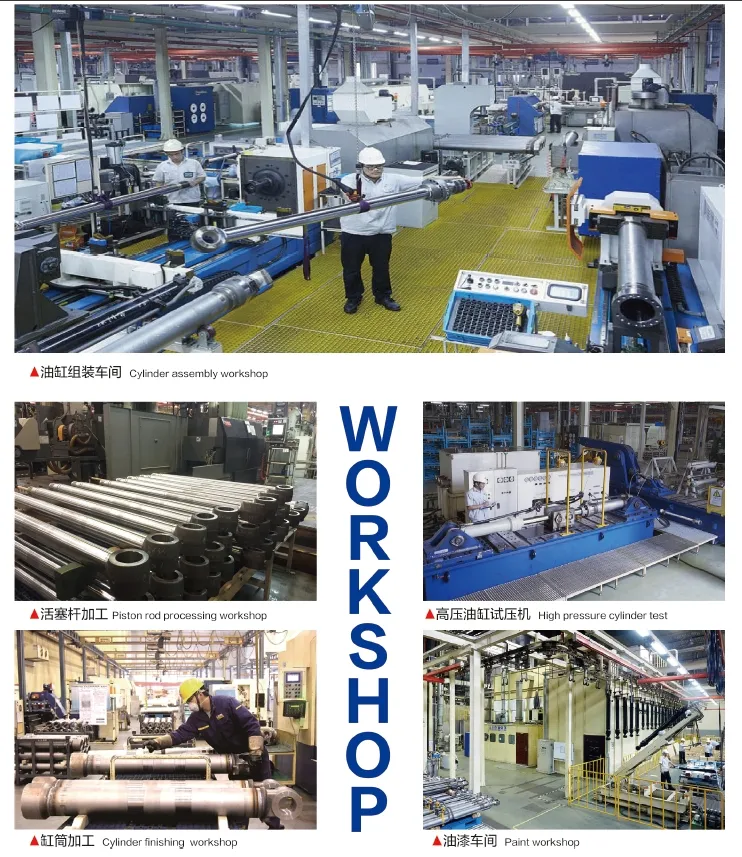
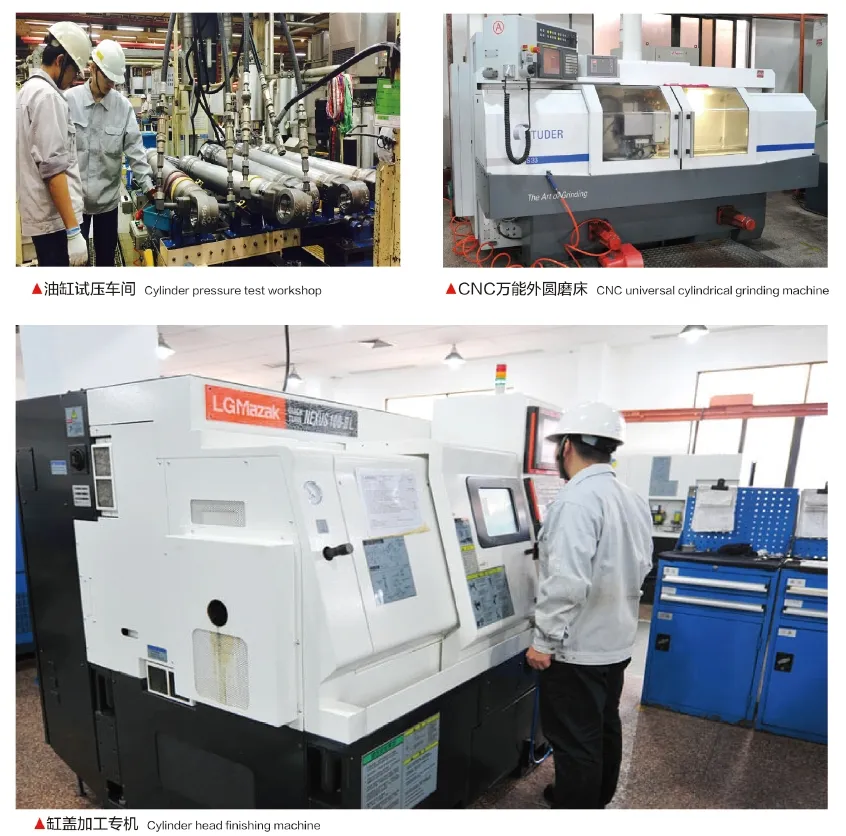
We are a leading manufacturer and wholesale distributor of replacement hydraulic cylinders. With a comprehensive range of products, we have established ourselves as one of the top manufacturers in the domestic and international markets. Our company prioritizes excellence in quality and utilizes advanced manufacturing facilities, technical expertise, and professional testing systems to meet diverse customer requirements.
Our company stands out in terms of:
Finally, we would like to emphasize that this article was written by lyl.

Address
Luotuo Industrial Area, Zhenhai District, Ningbo City, China
Tel

 Raydafon