
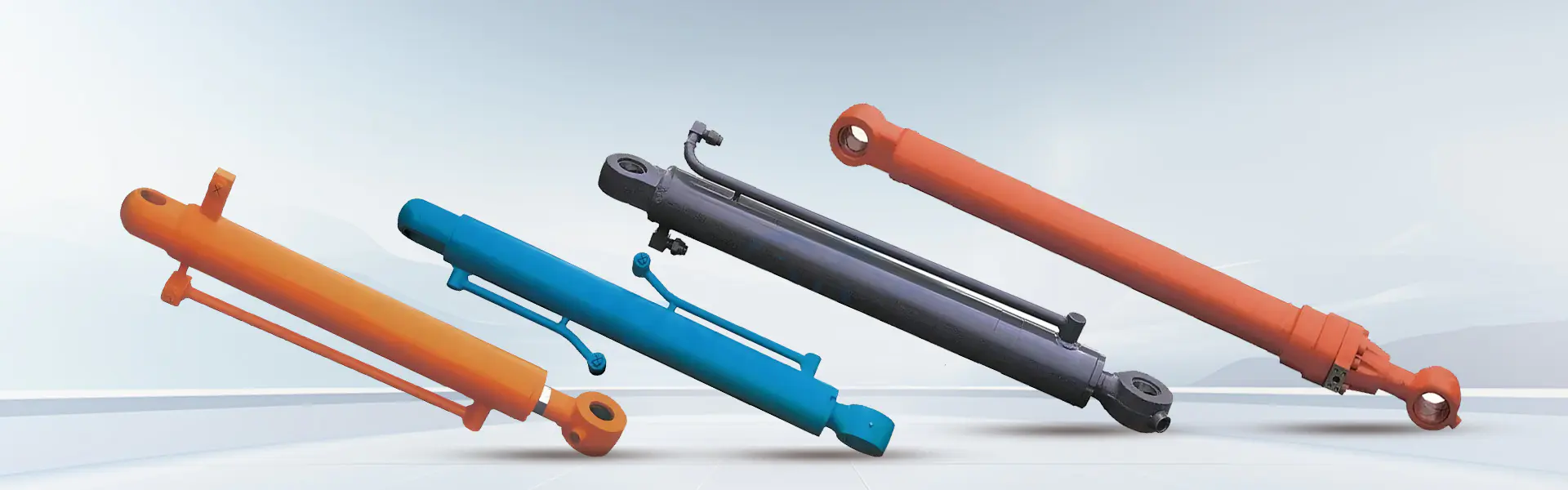
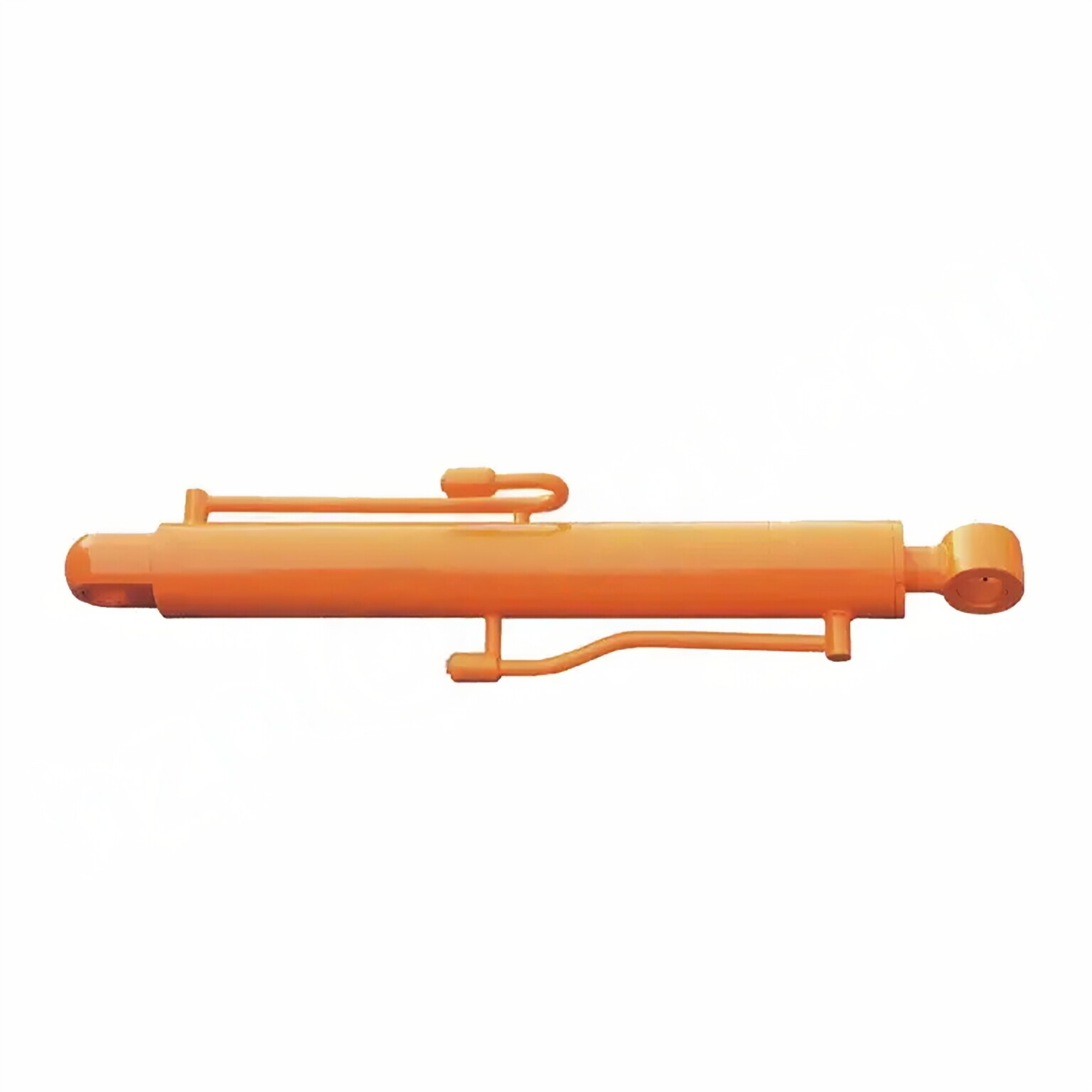
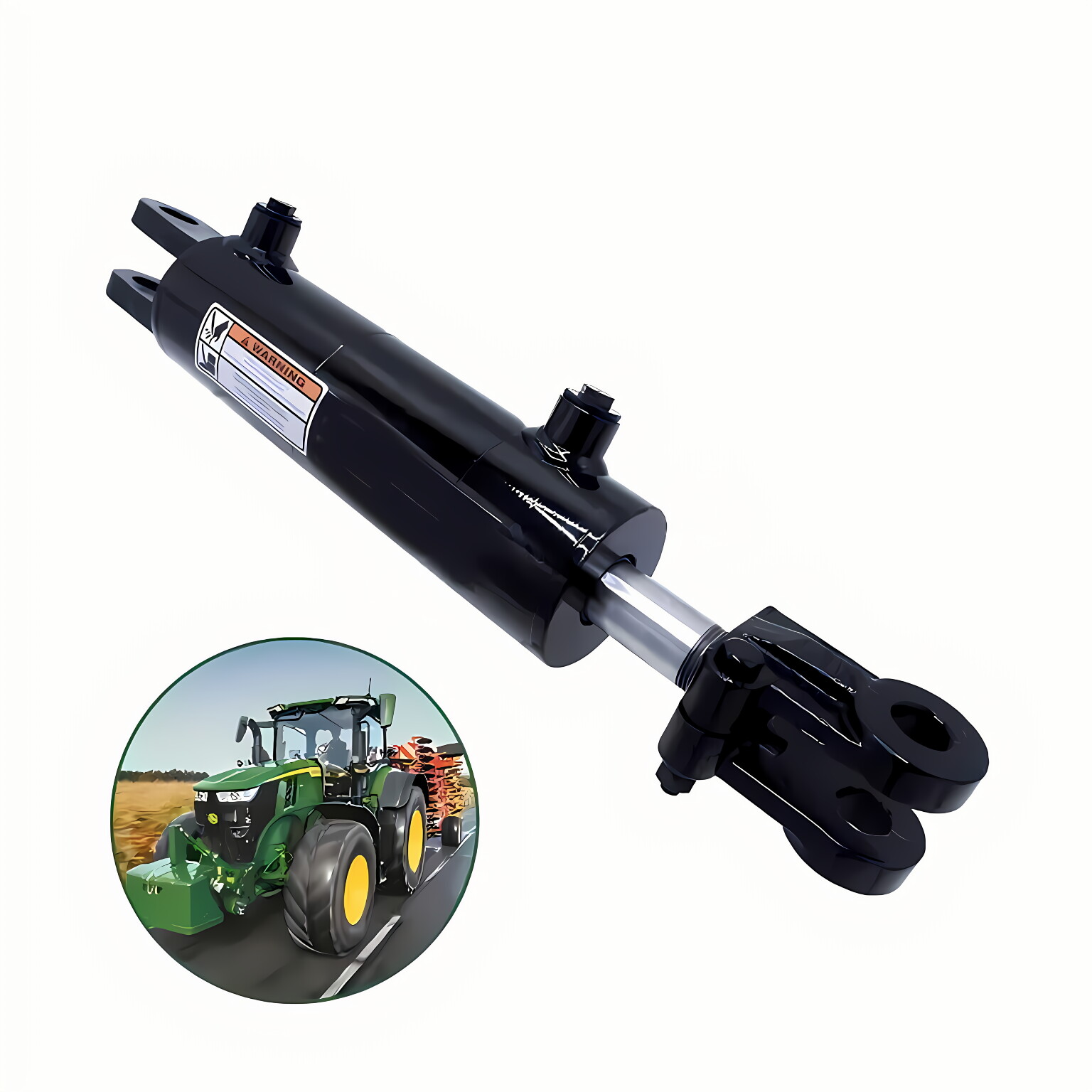
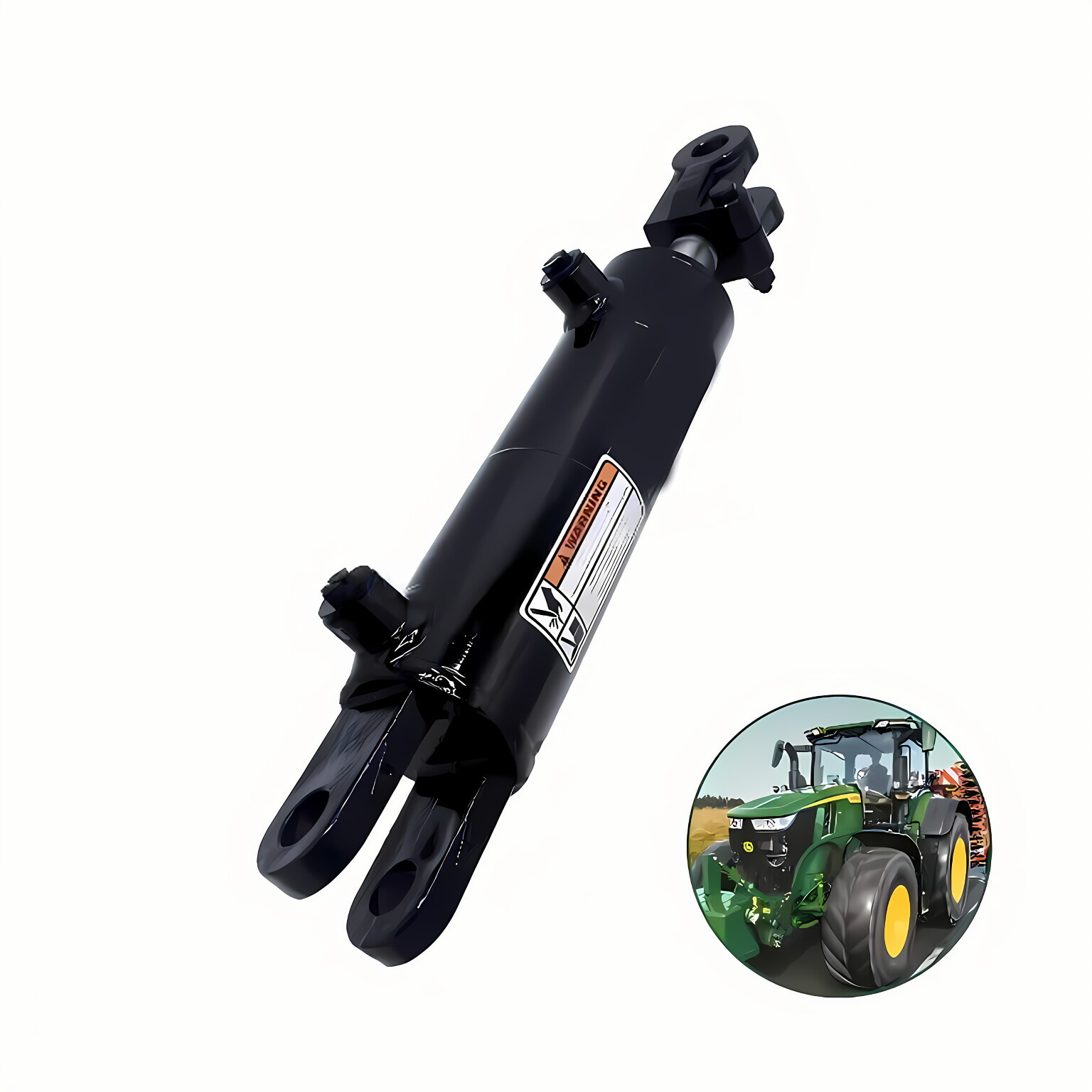
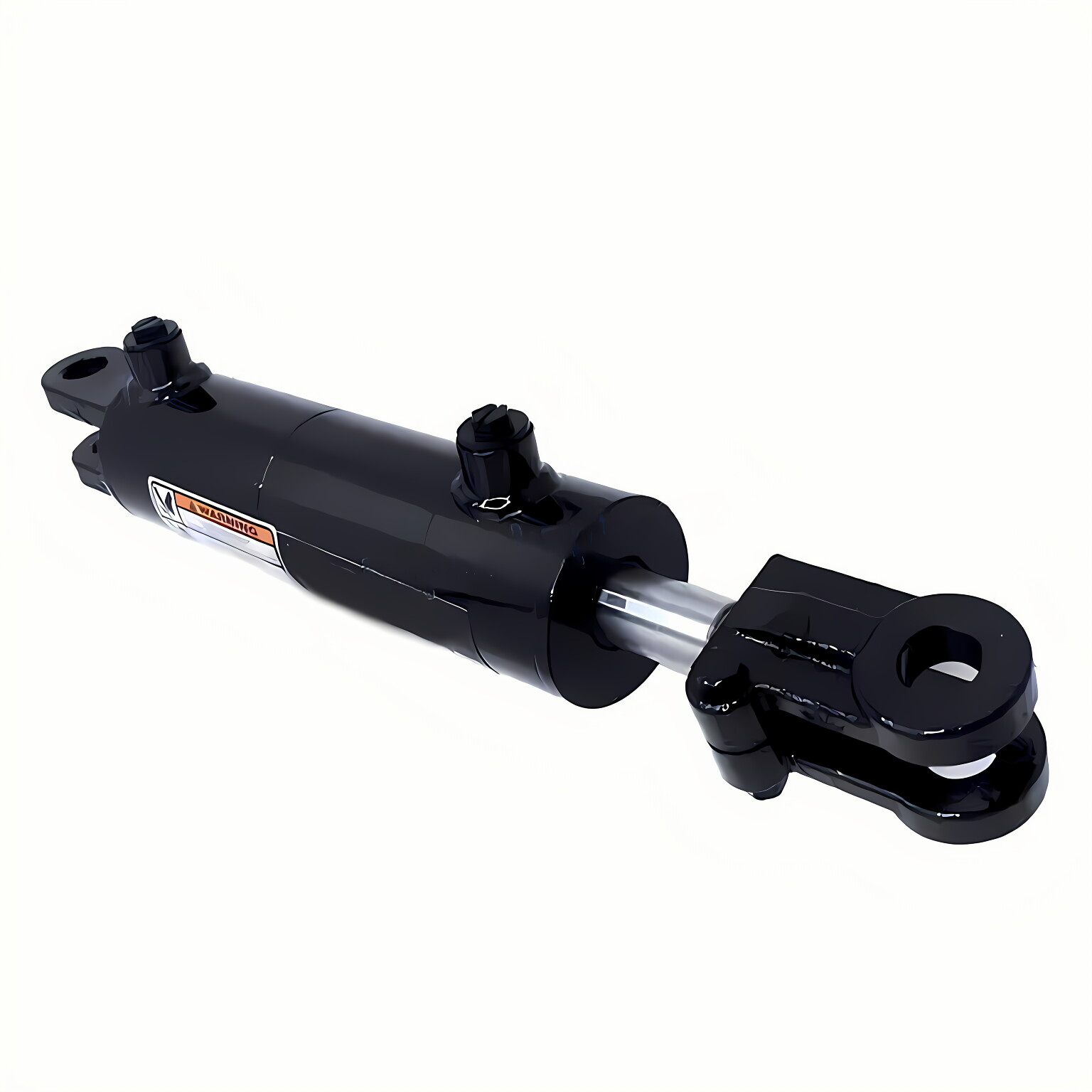
The Boom Cylinder for Sany Middle Excavator SY245CQ is an essential component in hydraulic systems. It plays a crucial role in the smooth operation and functionality of the excavator. This article aims to provide a comprehensive overview of the Boom Cylinder, its applications in hydraulic systems, and its features.
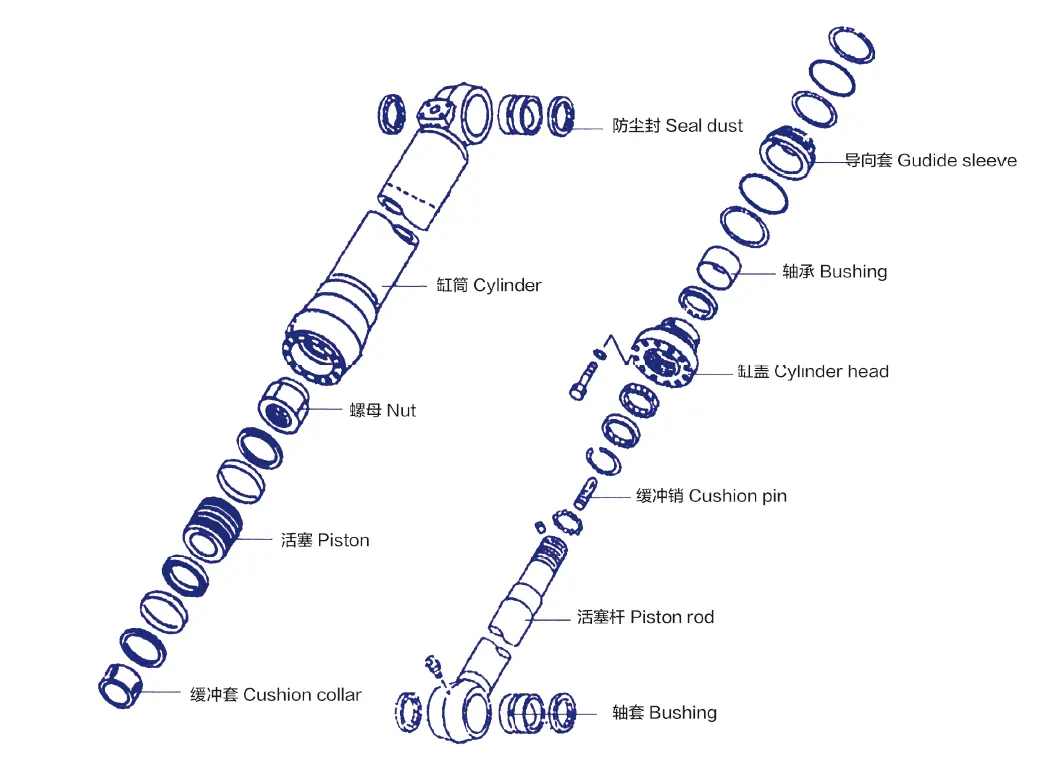
The Boom Cylinder is a hydraulic component responsible for extending and retracting the boom of the excavator. It consists of a cylinder barrel, piston, piston rod, and other essential parts. The cylinder is designed to withstand high pressure and heavy loads, ensuring durability and longevity in harsh working environments. It is a vital part of the hydraulic system, enabling efficient and precise operation of the excavator.
The Boom Cylinder finds extensive applications in various industries:
Commonly used in cranes, excavators, and backhoe loaders, the Boom Cylinder is essential for lifting and positioning materials.
Used in log loaders, the Boom Cylinder expands the range of the lifting arm to pick up and move logs efficiently.
In forklifts, the boom cylinder is used for lifting and lowering forks or attachments, improving efficiency in warehouses and loading docks.
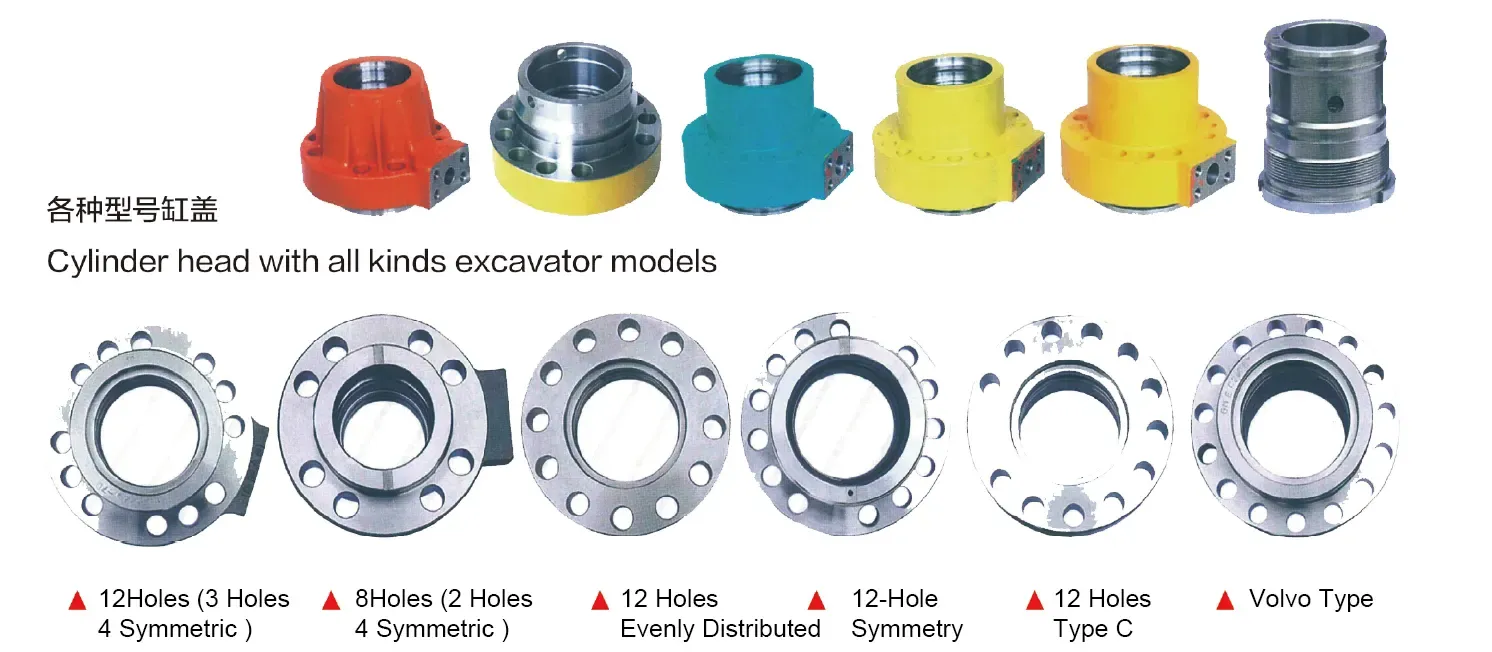
When designing and selecting a Boom Cylinder, several factors should be taken into consideration:
The Boom Cylinder must be able to withstand the maximum load it will encounter during operation. It should be designed with adequate strength to ensure safe and reliable performance.
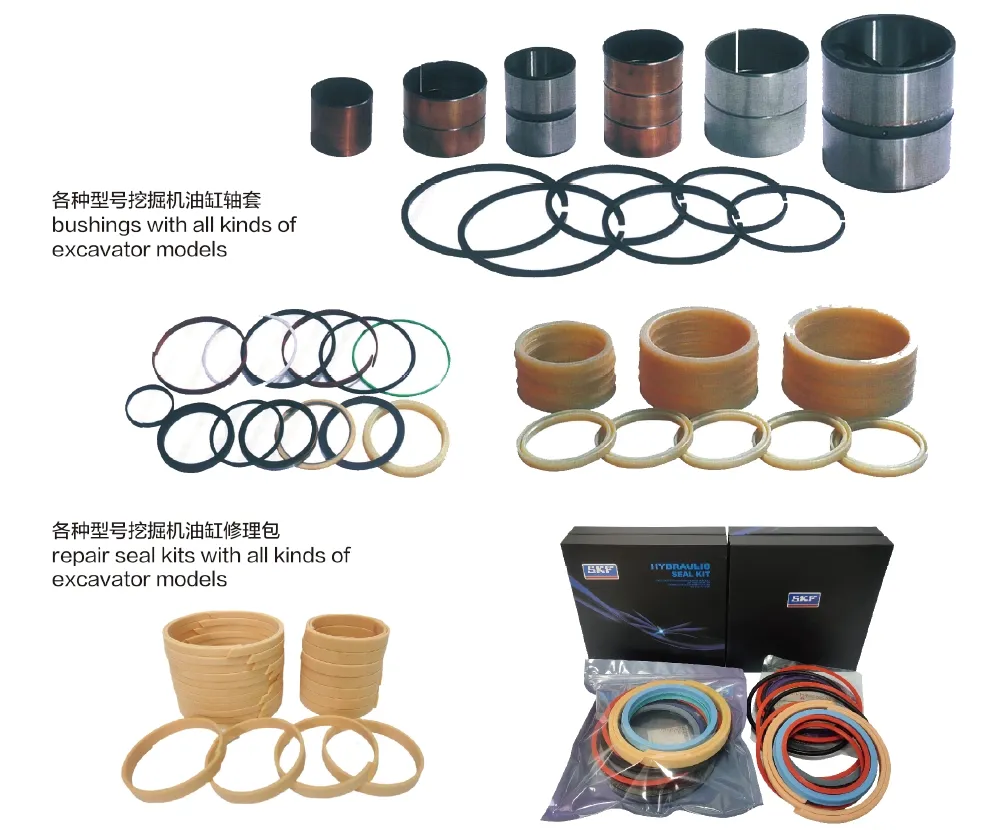
The cylinder must have effective seals to prevent any leakage of hydraulic fluid. Seals such as piston seals and rod seals, made from wear-resistant materials like polyurethane and nitrile rubber, are commonly used to ensure proper sealing.
The Boom Cylinder should be designed to withstand harsh operating conditions, such as exposure to abrasion and corrosion. The cylinder body and threaded ends should undergo precise surface treatment to enhance wear resistance.
Safety features, such as pressure relief valves and emergency stop controls, should be incorporated into the hydraulic system to ensure the safe operation of the Boom Cylinder.
The Boom Cylinder requires regular inspection and preventive maintenance to ensure optimal performance. This includes checking for any signs of wear, proper lubrication, and timely replacement of seals or other worn-out components.
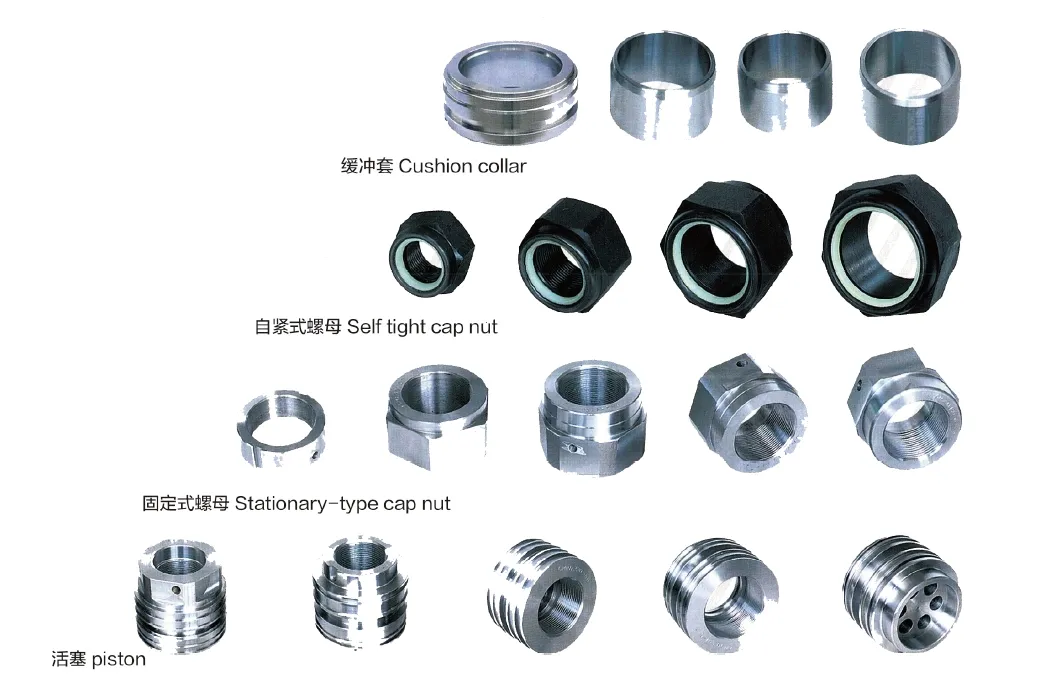
The Boom Cylinder utilizes various sealing components, such as piston seals and rod seals, to maintain hydraulic fluid integrity. These seals are made from durable materials like polyurethane and nitrile rubber, ensuring resistance to wear and tear. The cylinder body and threaded ends are finely treated to improve their wear resistance. Regular lubrication with the appropriate hydraulic oil is necessary to ensure smooth operation and extend the lifespan of the Boom Cylinder.
To ensure the longevity and optimal performance of the Boom Cylinder, the following measures should be taken:
Periodically inspect the Boom Cylinder for any signs of damage, leaks, or abnormal wear. Check the cylinder body, piston, piston rod, and seals for any issues that may affect performance.
Regularly lubricate the Boom Cylinder with the recommended hydraulic oil to ensure smooth operation and prevent excessive wear. Follow the manufacturer's guidelines for the proper lubrication procedure.
If any seals show signs of wear or leakage, they should be promptly replaced. Use high-quality seals that are compatible with the hydraulic fluid and the operating conditions.
Periodically check and calibrate the Boom Cylinder to ensure precise control of the boom's angle and height. This will help maintain optimum performance and adaptability to different operational requirements.
When using the Boom Cylinder, it is essential to prioritize safety measures to prevent accidents and ensure operator well-being. Follow these safety precautions:
The Boom Cylinder may encounter certain problems during its lifespan. Here are some common issues and their possible solutions:
If there is hydraulic fluid leakage from the Boom Cylinder, inspect the seals and replace any damaged or worn-out seals. Ensure proper installation and alignment of the seals.
If the Boom Cylinder operates slower than usual, check the hydraulic fluid levels and ensure proper lubrication. If necessary, check the hydraulic control valves for any blockages or malfunctions.
If the Boom Cylinder exhibits erratic movements or fails to respond correctly to control inputs, inspect the hydraulic control system for any malfunctions or damaged components. Consult a qualified technician for further diagnosis and repairs.
To minimize potential issues with the Boom Cylinder, follow these preventive measures:

We are a leading manufacturer and wholesale distributor of replacement hydraulic cylinders. Our company offers a wide range of hydraulic cylinders that cater to various industries and applications. We are committed to delivering excellent quality products, leveraging advanced manufacturing facilities, and employing a team of skilled professionals. With a focus on efficiency, precision, and superior quality, we strive to meet the diverse needs of our customers.
Address
Luotuo Industrial Area, Zhenhai District, Ningbo City, China
Tel

 Raydafon