
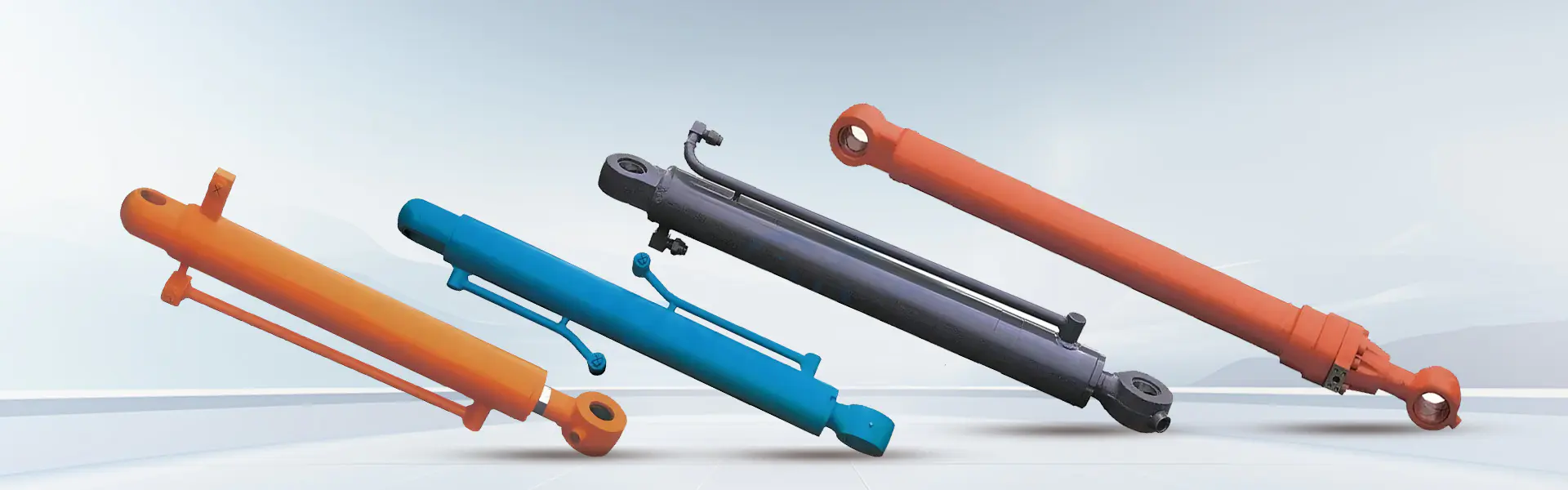
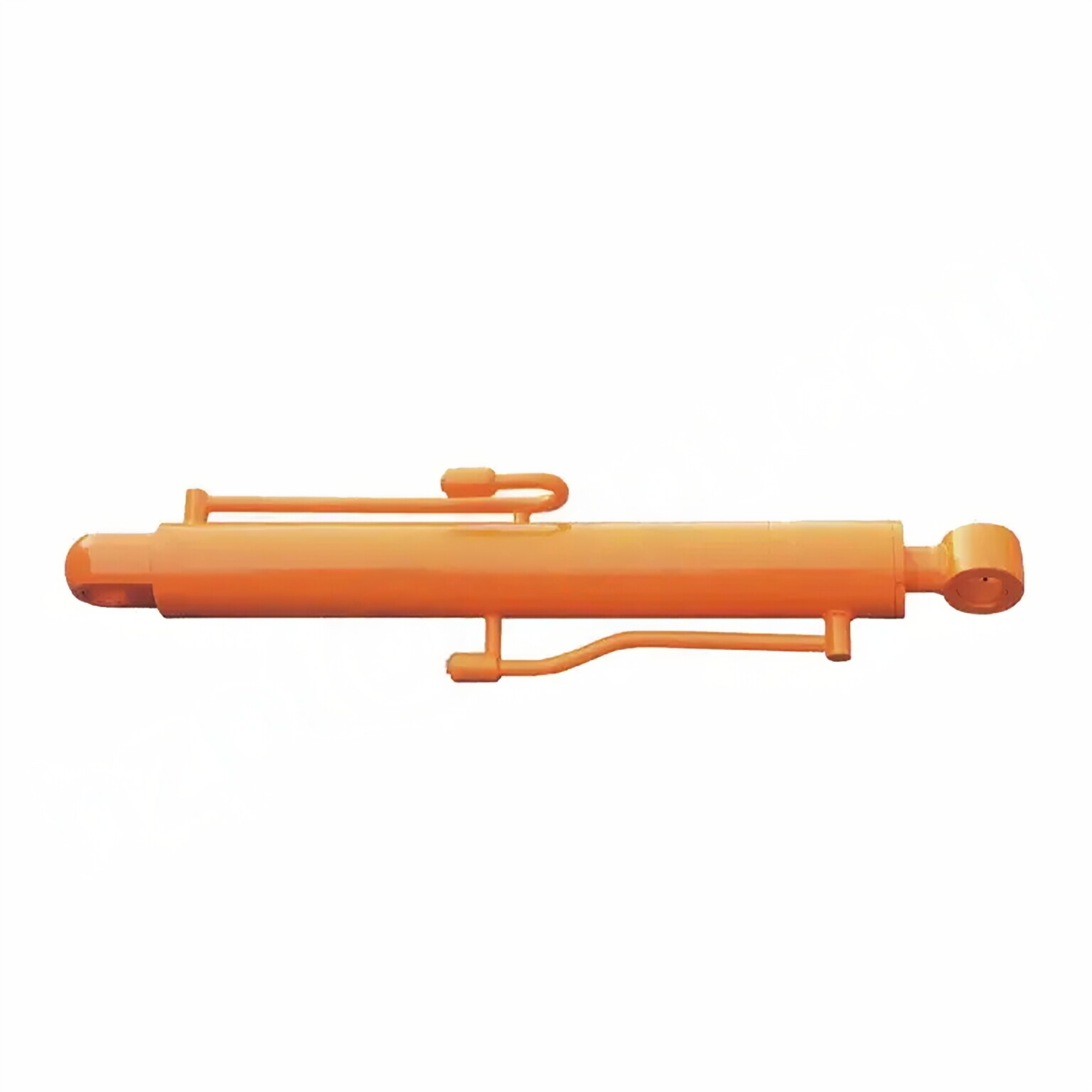
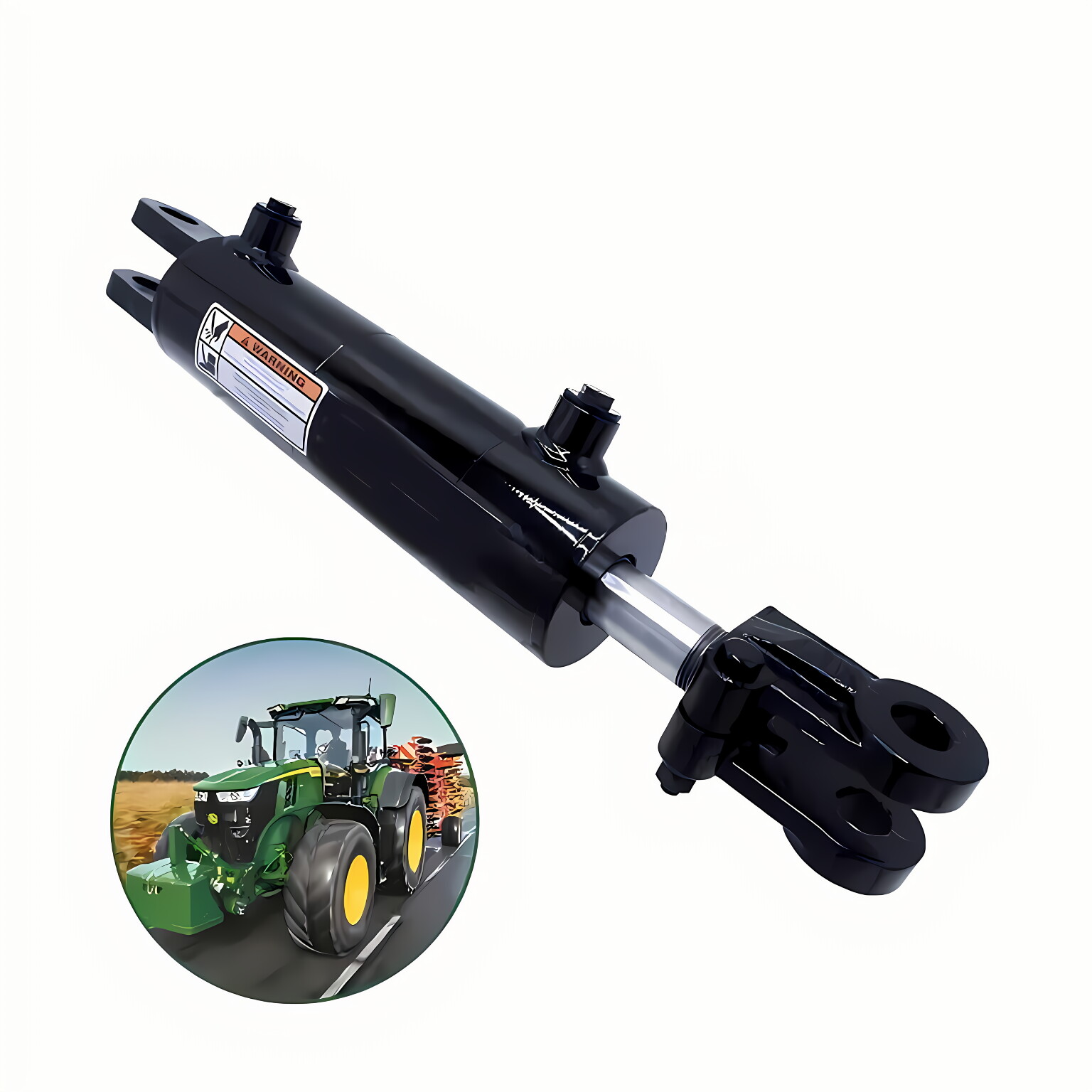
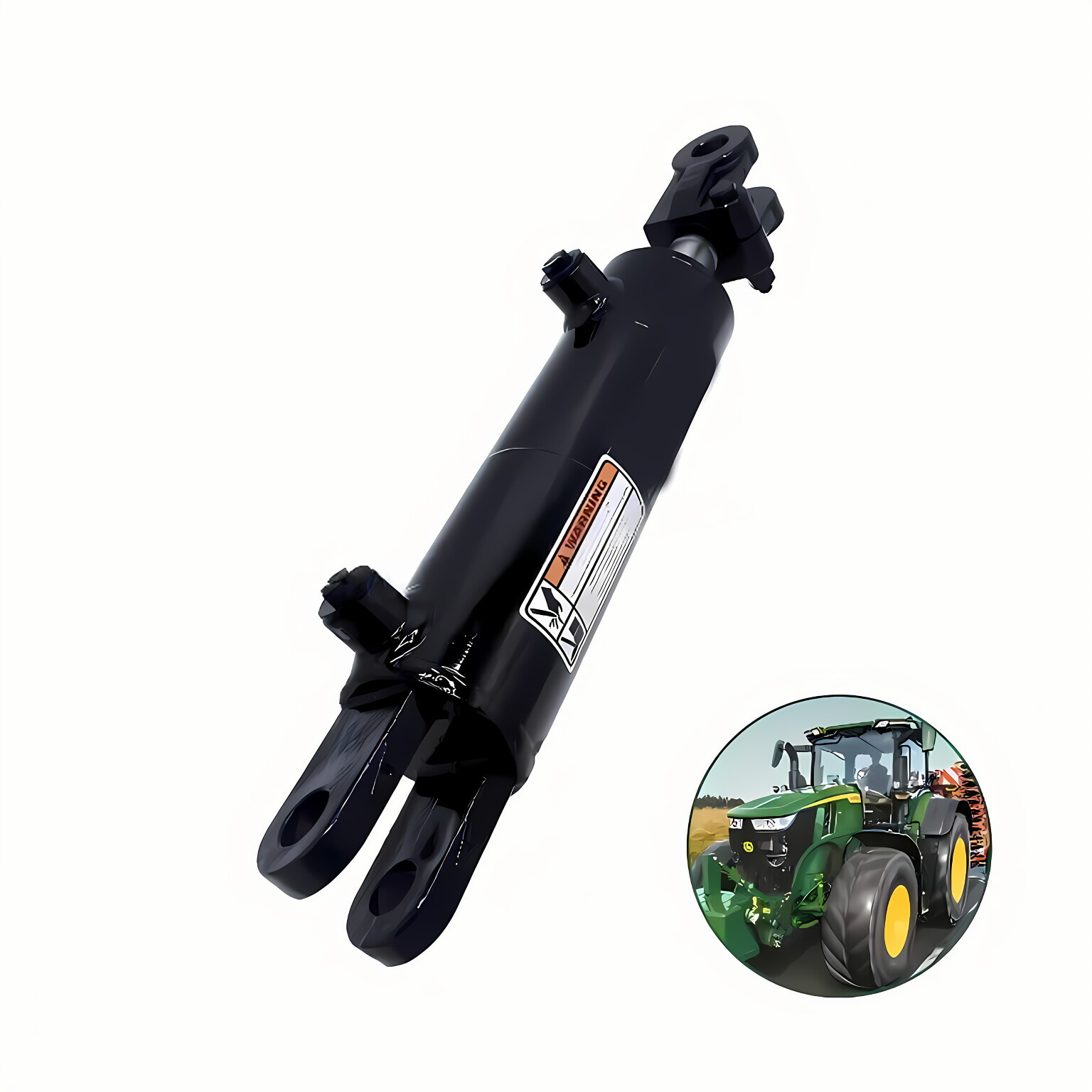
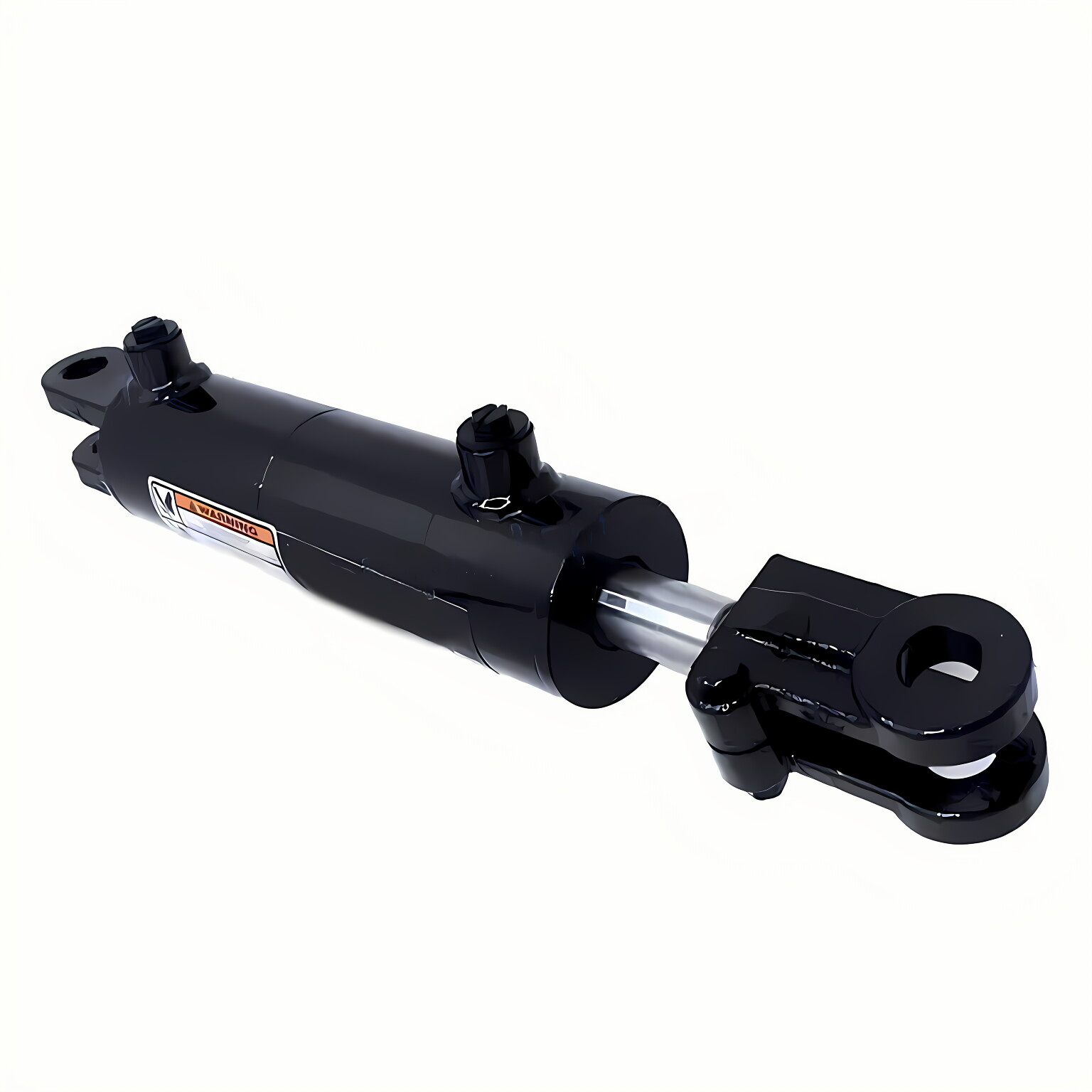
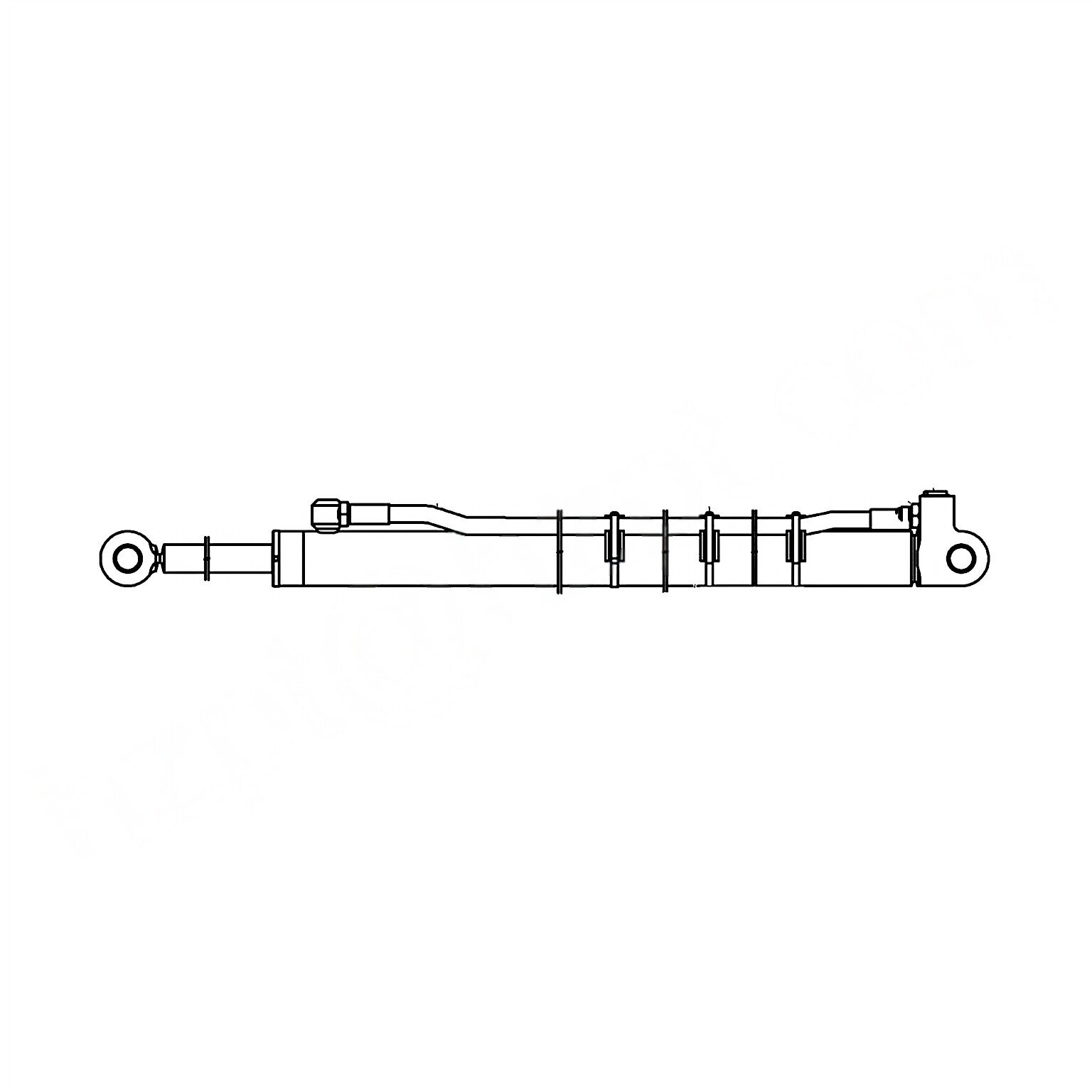
The Boom Cylinder is a crucial part of the hydraulic system in the Sany Small Excavator SY135C-9. It is responsible for providing the necessary power to lift, extend, and retract the boom arm. In this article, we will discuss the different aspects of the Boom Cylinder, including its functions, features, applications, and maintenance.
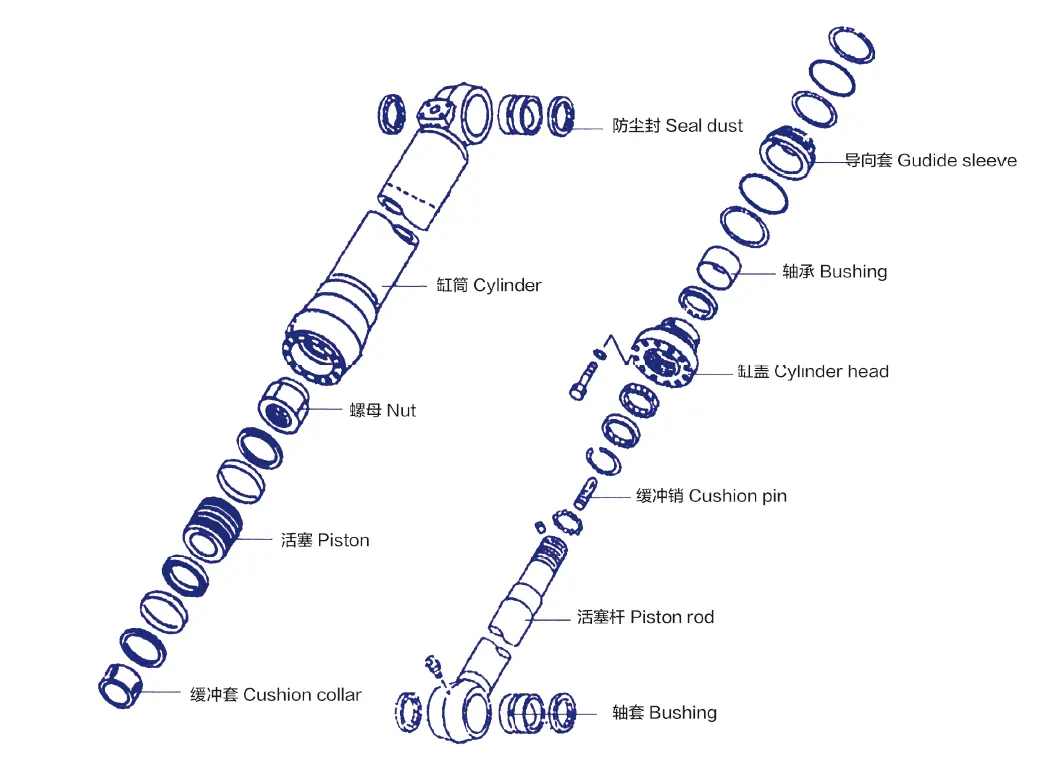
The Boom Cylinder is typically made of high-strength steel or aluminum, which can withstand tough working environments and heavy loads. It is designed to be wear-resistant and corrosion-resistant, which extends its lifespan.
The Boom Cylinder utilizes the pressure of hydraulic oil to achieve smooth and steady movements. It can respond quickly to the operator's commands, providing powerful pushing and pulling forces, making it suitable for handling heavy loads and complex tasks.
The Boom Cylinder is available in single-acting (hydraulic pressure applied in one direction) or double-acting (hydraulic pressure applied in both directions) types. Some models are telescoping, allowing for greater extension without increasing the external dimensions.
The Boom Cylinder provides precise control over the angle and height of the boom arm, adapting to different operational needs. Combined with the hydraulic control system, it can achieve more complex movements and higher operational flexibility.
Our Boom Cylinder can be perfectly replaced for these hydraulic cylinders.
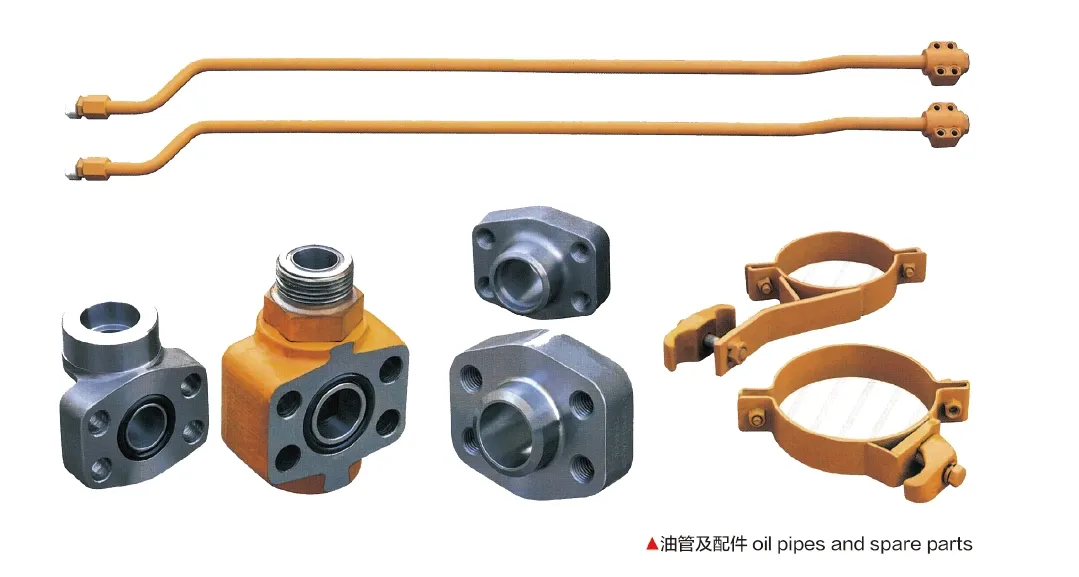
The Boom Cylinder is widely used in various industries, including construction, forestry, and material handling.
The Boom Cylinder is commonly found in cranes, excavators, and backhoes, used for lifting and positioning materials.
The Boom Cylinder is used in log loaders to extend the reach of the boom arm, enabling the picking and moving of logs.
The Boom Cylinder is used in forklifts to raise and lower the forks or attachments, improving the efficiency of warehouses and loading docks.
The design considerations of the Boom Cylinder include load-bearing capacity, sealing, durability, safety, and maintainability.
The Boom Cylinder must be able to withstand the maximum load and pressure that it will encounter during operation. The strength and thickness of the material used in its construction must be carefully chosen.
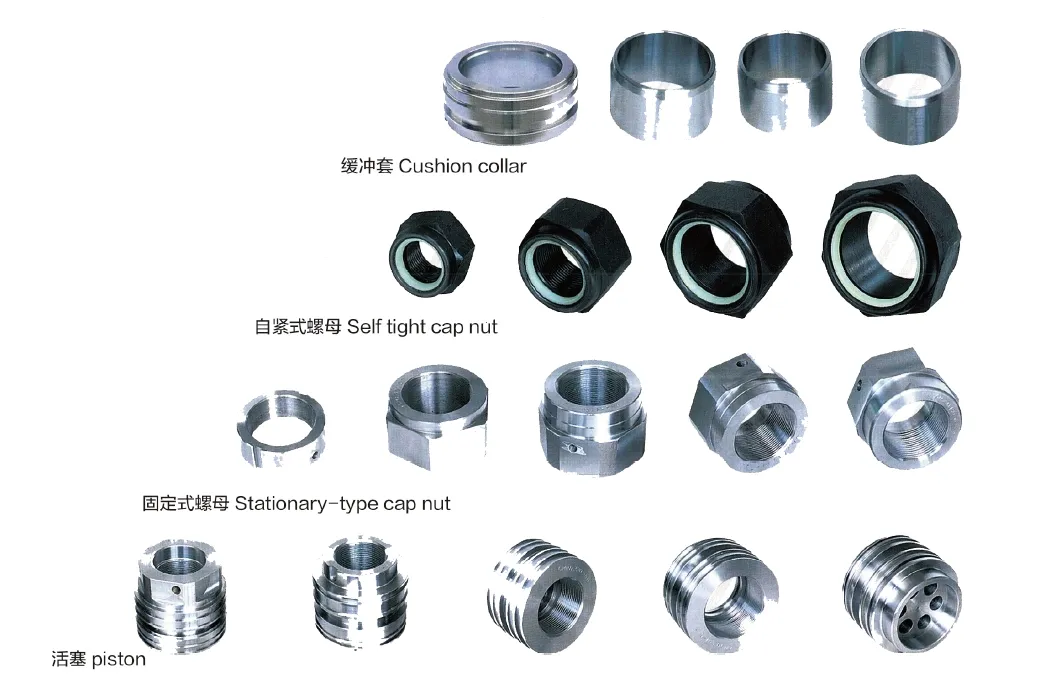
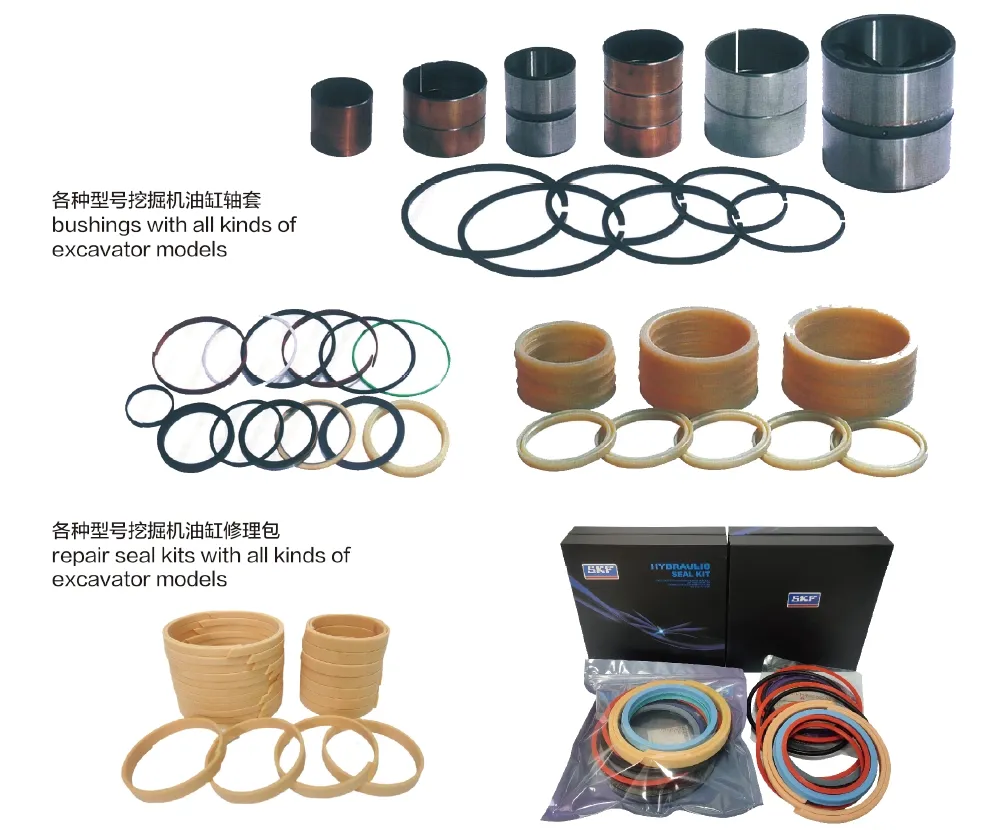
The Boom Cylinder must be sealed to prevent hydraulic fluid from leaking and contaminating the environment. It is equipped with various sealing components, such as piston seals, rod seals, and wipers, made of wear-resistant materials like polyurethane and nitrile rubber.
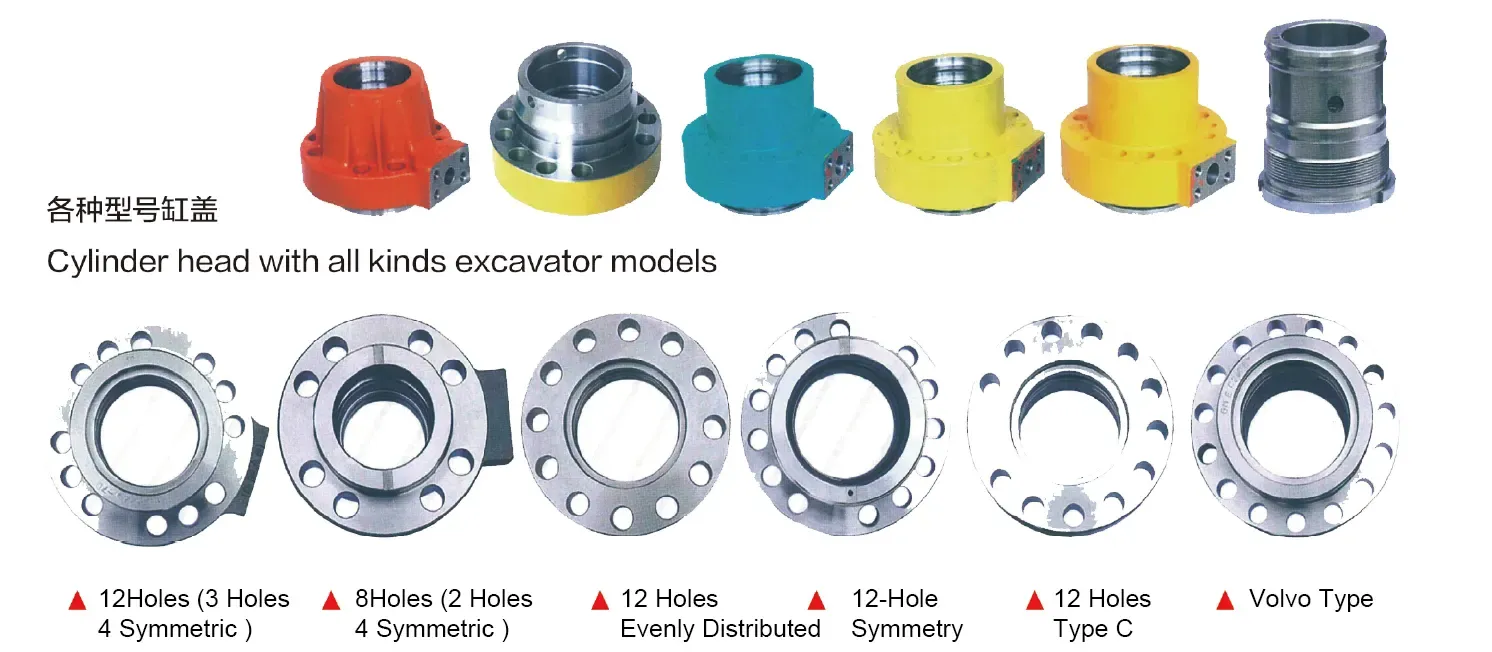
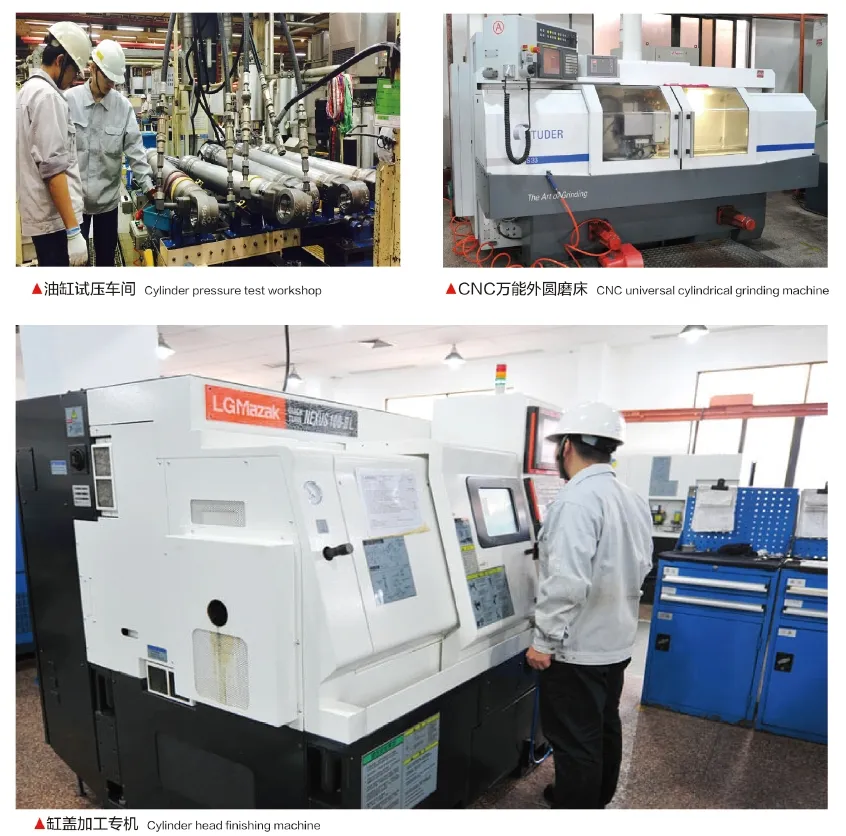
The Boom Cylinder must be designed to withstand harsh operating conditions and frequent use. The cylinder head and threaded end surfaces are precision machined to improve wear resistance.
The Boom Cylinder must be designed with safety in mind to avoid accidents during operation. It should be equipped with safety features, such as overload protection and emergency stop switches.
The Boom Cylinder must be designed for easy maintenance, with easy access to its internal components. It should also be easy to disassemble and reassemble without the need for special tools.
The Boom Cylinder uses various sealing components, such as piston seals, rod seals, and wipers, to ensure the hydraulic fluid remains contained. It requires periodic lubrication with the appropriate hydraulic oil to reduce wear and tear.
The following are common maintenance tasks for the Boom Cylinder:
Inspect the Boom Cylinder periodically for signs of damage or wear. Check for leaks, cracks, and other visible damage.
Ensure that the Boom Cylinder is lubricated properly with the appropriate oil to reduce wear and tear.
When the seals begin to wear out, replace them to prevent hydraulic fluid leaks.
The following are important guidelines for installing the Boom Cylinder:
1. Ensure that the Boom Cylinder is correctly aligned with the machine and secured in place using appropriate mounting brackets and bolts.
2. Follow the manufacturer's instructions on torque specifications for the mounting bolts.
3. Ensure that all hydraulic connections are properly tightened and leak-free.
When working with the Boom Cylinder, it is important to follow all safety guidelines provided by the manufacturer. Use appropriate personal protective equipment, such as gloves and safety glasses. Avoid overloading the cylinder or using it in ways that were not intended by the manufacturer. Proper disposal of any waste hydraulic fluid is essential to protect the environment.
The following are common problems that may occur with the Boom Cylinder:
Hydraulic fluid leaking may occur at the seals, which can cause damage to the environment and reduce the efficiency of the cylinder.
Overheating of the cylinder can cause damage to the seals and affect the overall efficiency of the hydraulic system.
Reduced performance of the Boom Cylinder may be caused by contamination of the hydraulic fluid or by wear and tear of the internal components.
To troubleshoot these problems, it is important to consult the manufacturer's instructions and seek professional assistance if required.
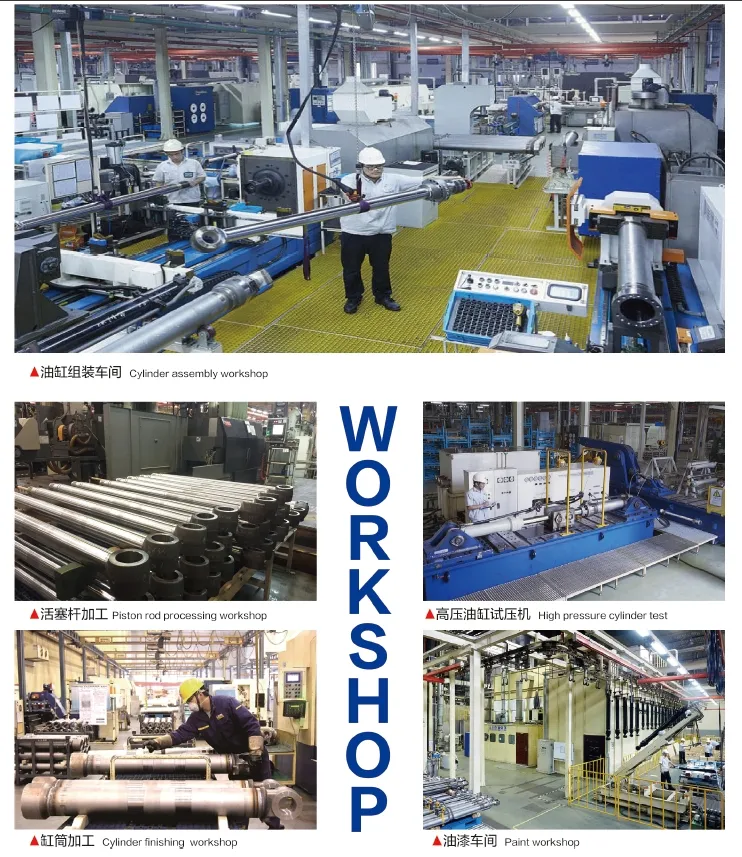
We are a leading manufacturer and wholesaler of hydraulic cylinders, providing a wide range of products that meet the needs of customers in various industries. Our production facilities are equipped with advanced technologies and a team of experienced professionals who ensure that our products meet the highest standards of quality. We offer customized services to meet the unique needs of customers, and we are committed to providing excellent customer service and support.
Our company is dedicated to achieving excellence in every aspect of our business. We have earned international certifications for our products and services, including ISO9001 and CE. We provide a wide range of production equipment to support the production of high-quality hydraulic cylinders. Our after-sales service team is committed to providing prompt and efficient support to our customers to ensure their satisfaction.
Thank you for choosing our product. We hope this article has been helpful in giving you a better understanding of the Boom Cylinder for Sany Small Excavator SY135C-9.
Author: lyl
Address
Luotuo Industrial Area, Zhenhai District, Ningbo City, China
Tel

 Raydafon