
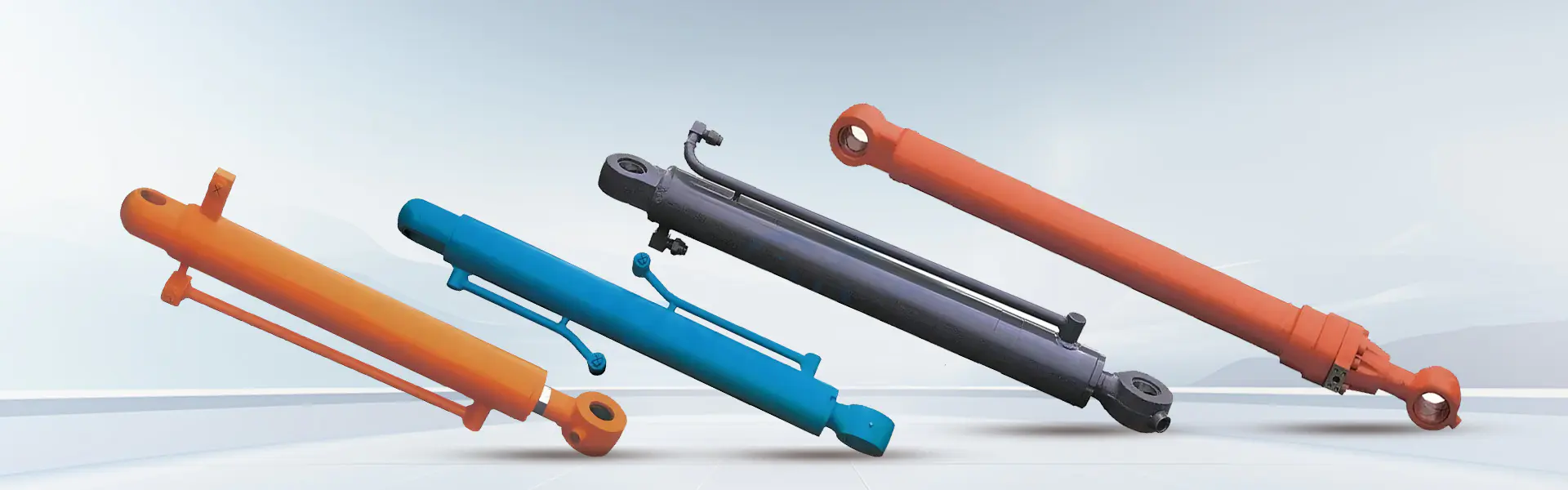
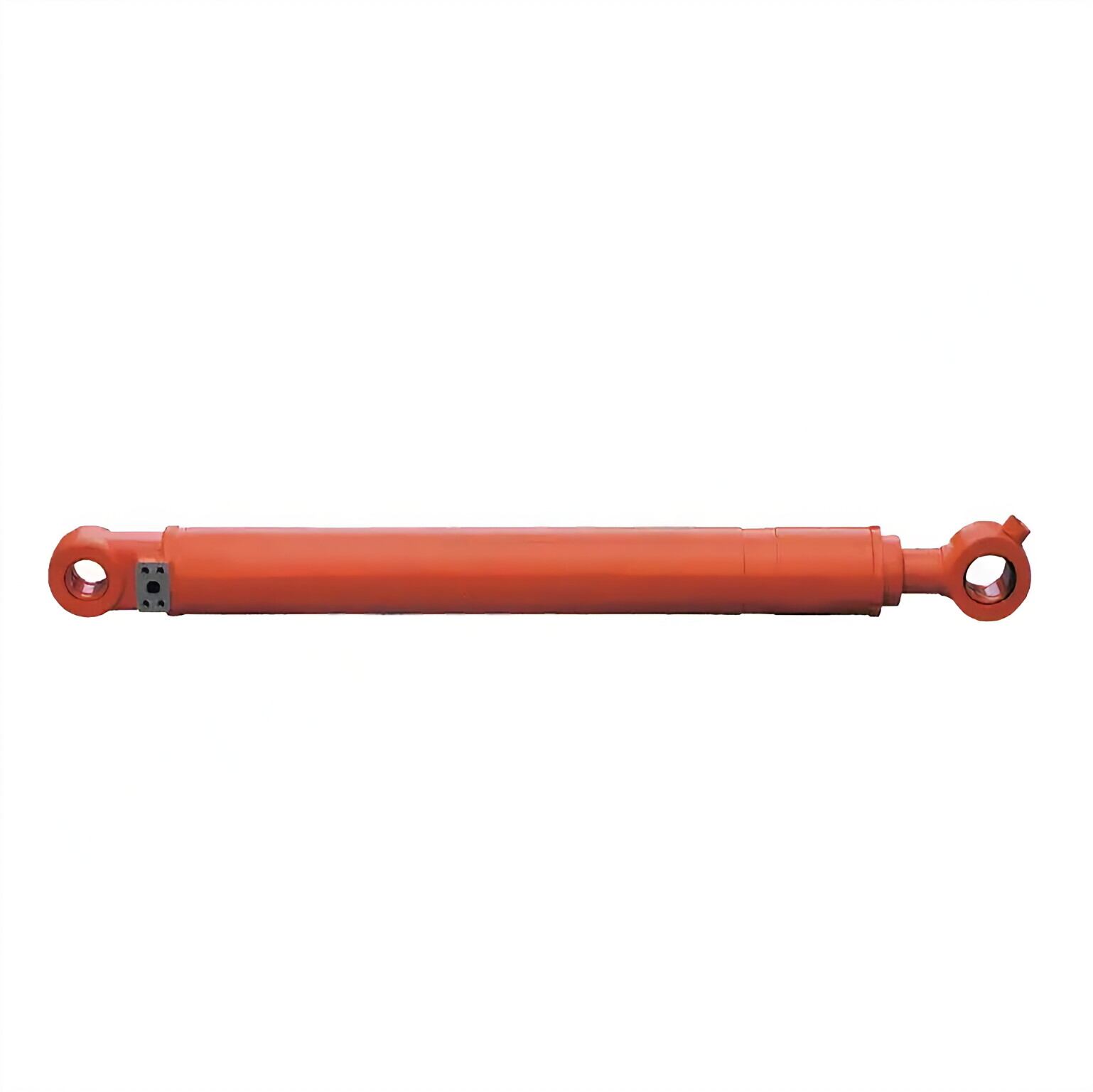
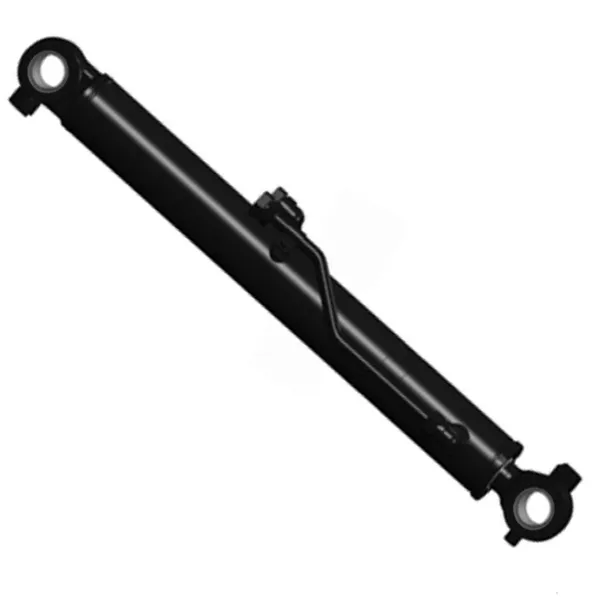
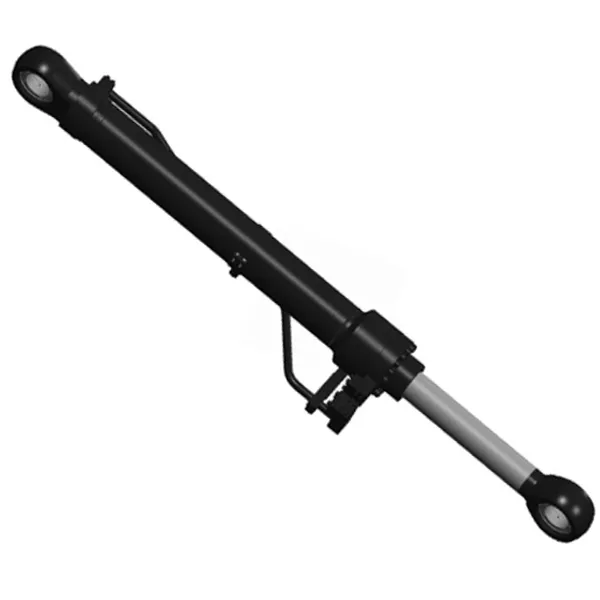
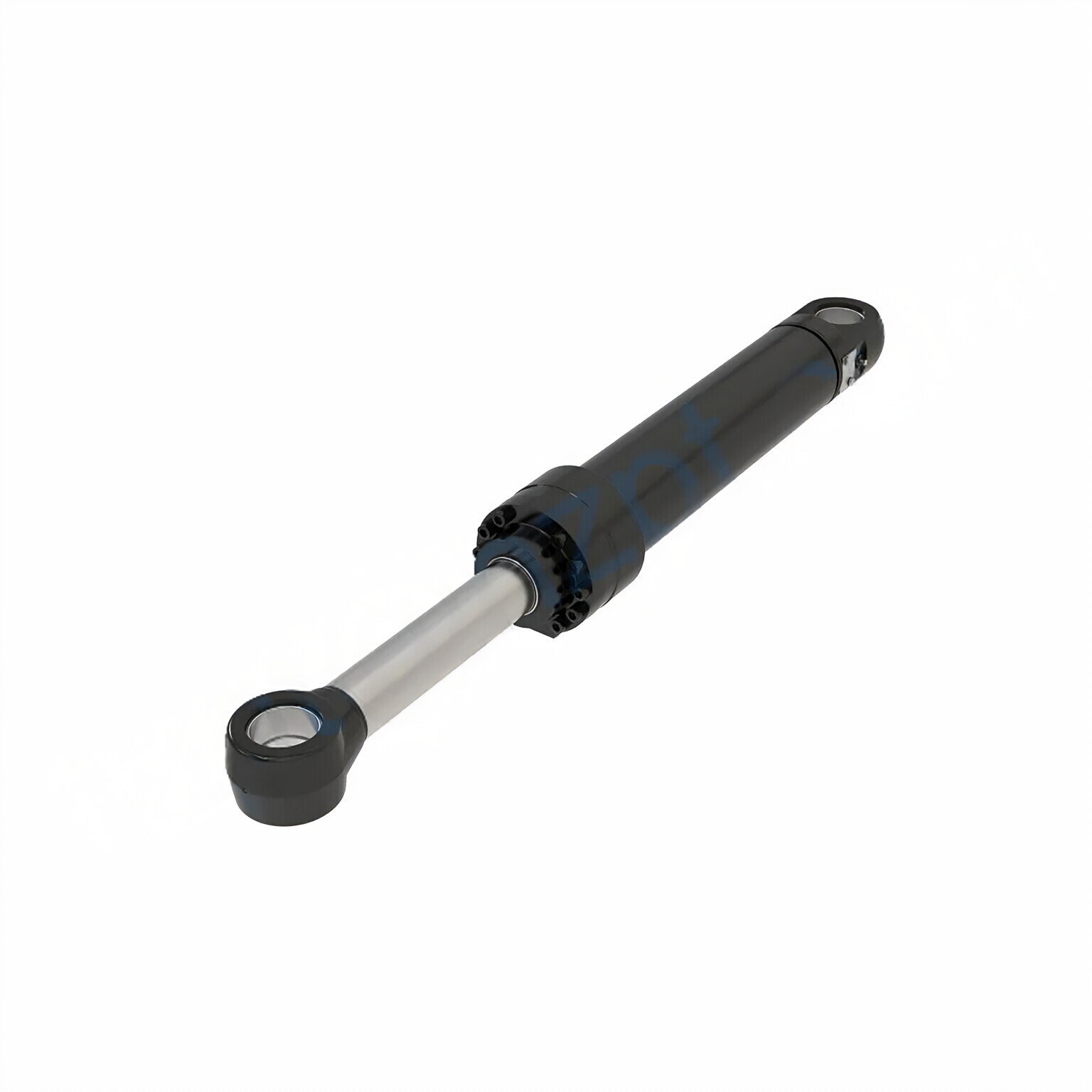
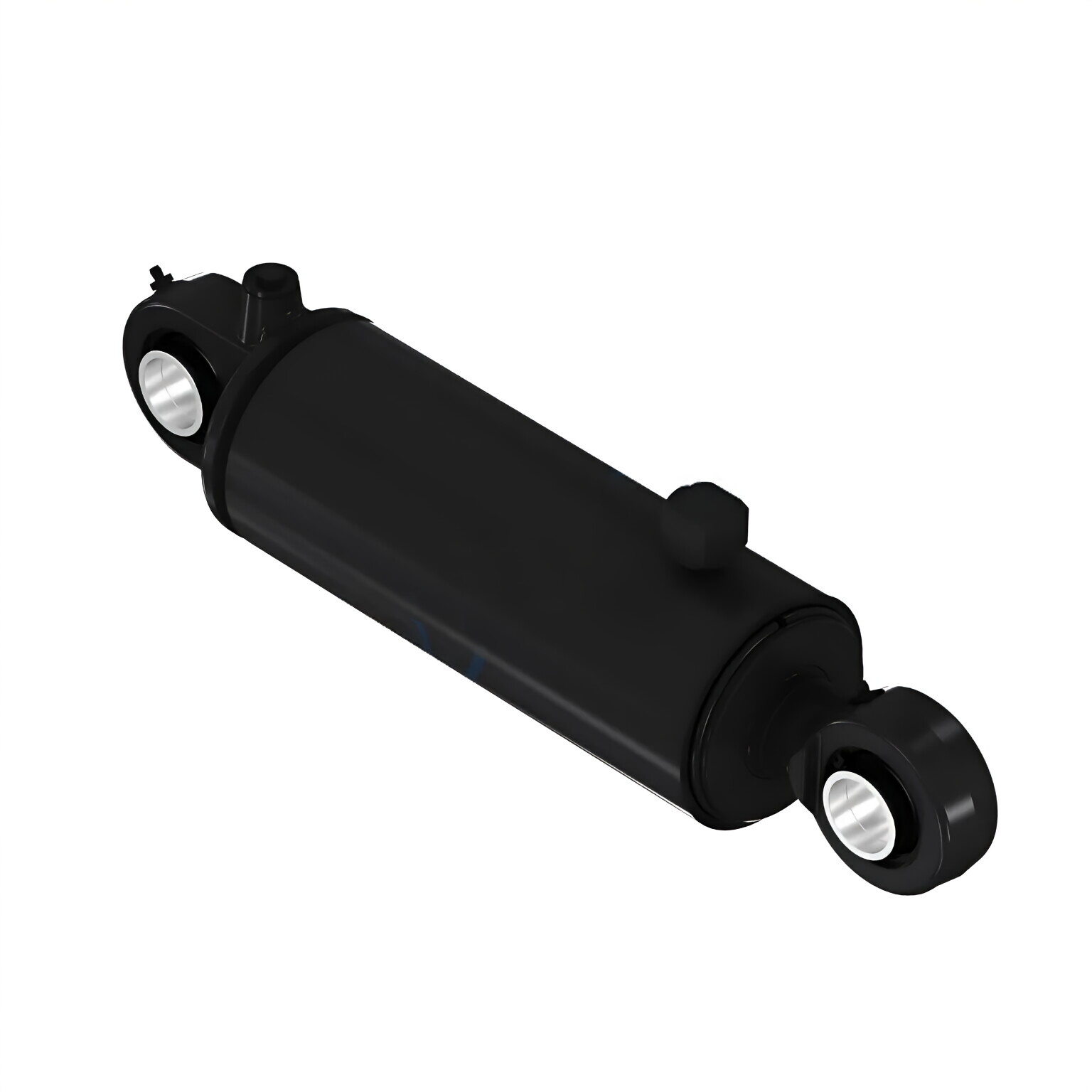
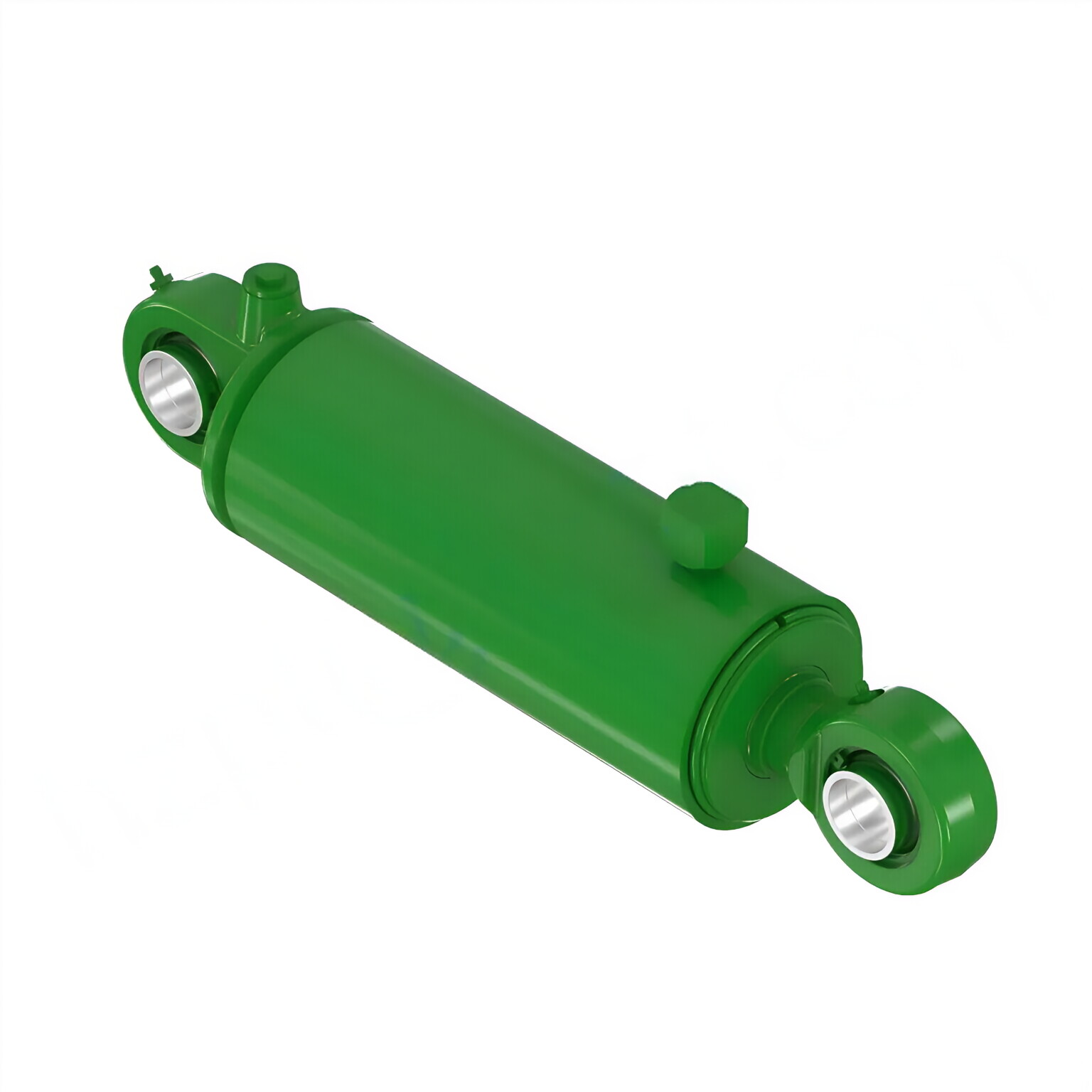
The bucket cylinder is a type of hydraulic cylinder that is specially designed to control the movement of the bucket in heavy machinery such as excavators, backhoe excavators, and front-end loaders. It allows the bucket to lift, lower, and tilt, making material handling tasks easier.
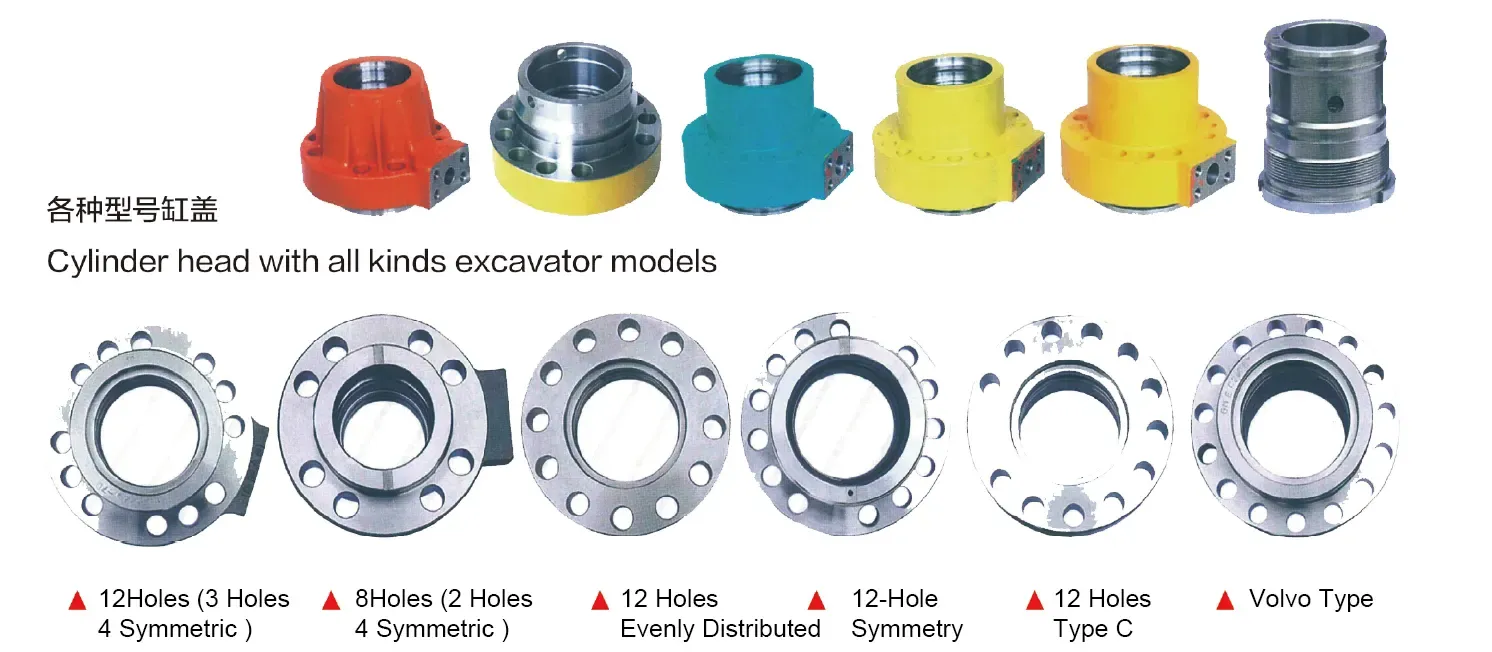
The bucket cylinder is essential for digging, loading, and moving soil or debris in construction equipment, such as excavators and backhoe excavators. In front-end loaders, they help in lifting and dumping goods effectively. In agricultural machinery, they are used for grabbing, lifting, and transporting soil, hay, and other materials. They also enable the bucket to penetrate the soil through the use of excavators.
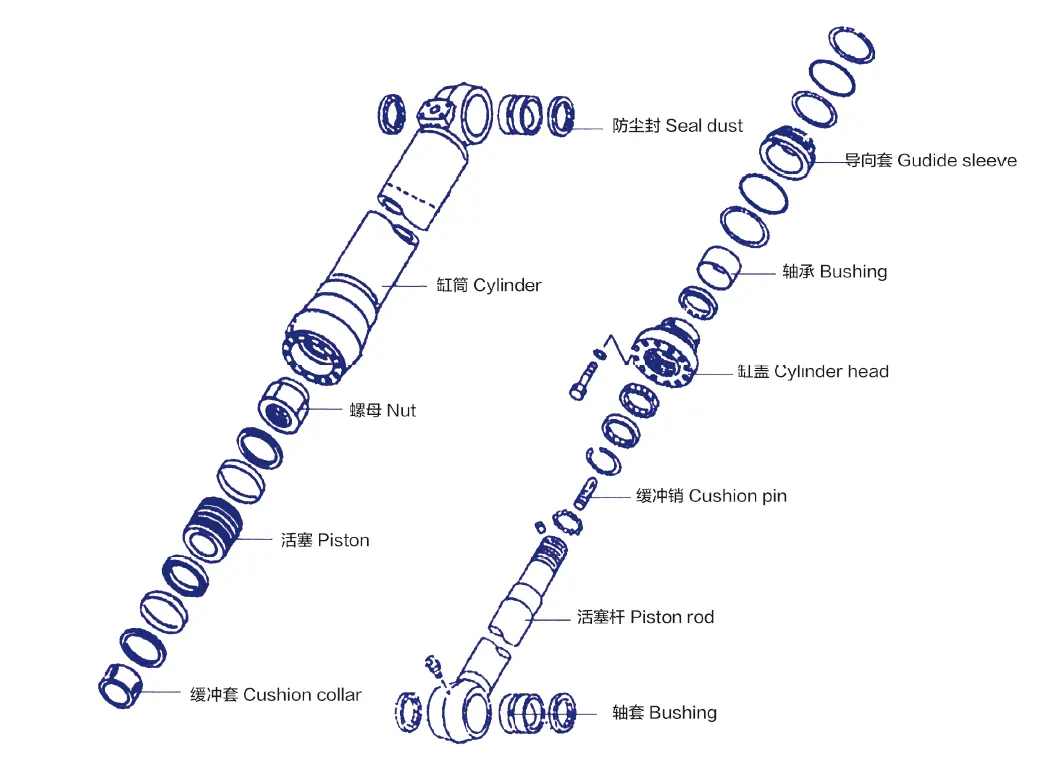
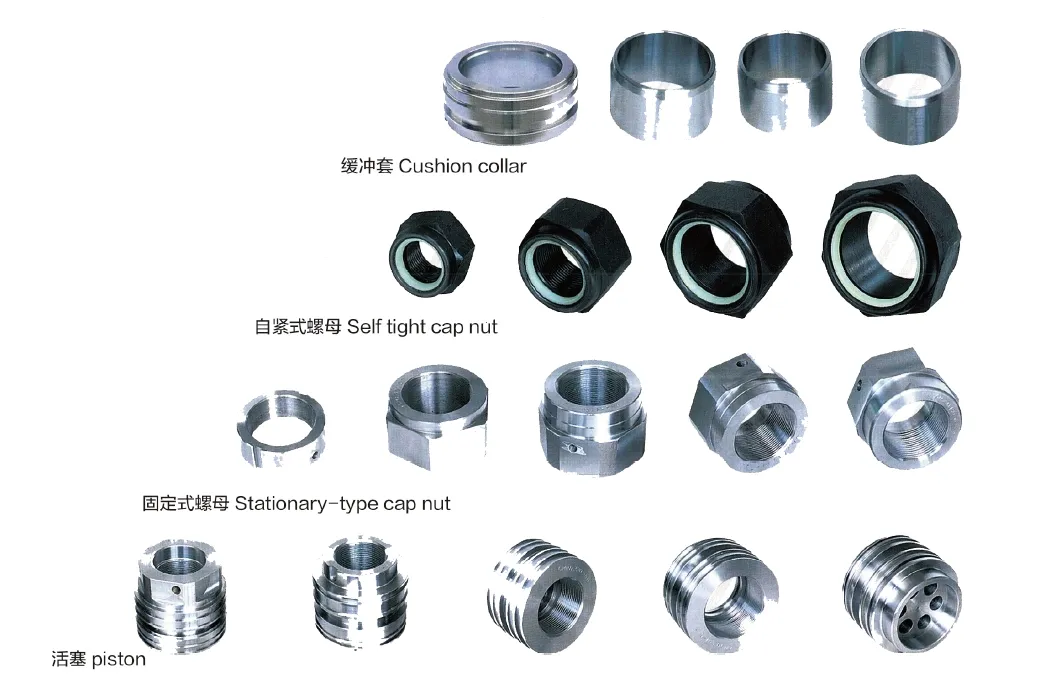
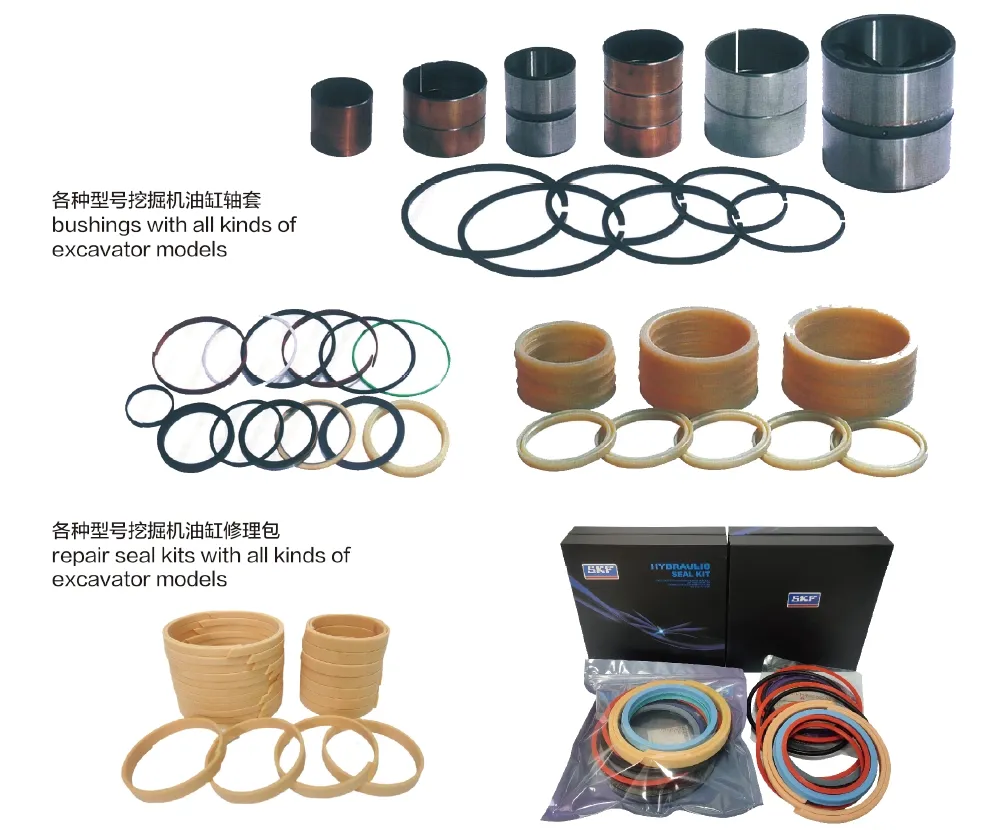
The bucket cylinder's design considerations include its load-bearing capacity, sealing, durability, safety, and maintainability. The hydraulic cylinder contains various seals such as piston seals, rod seals, etc. The seals are made up of wear-resistant materials like polyurethane and nitrile rubber. The cylinder body and threaded end surfaces undergo precision treatment to improve wear resistance and need to be lubricated with a suitable amount of hydraulic oil regularly.
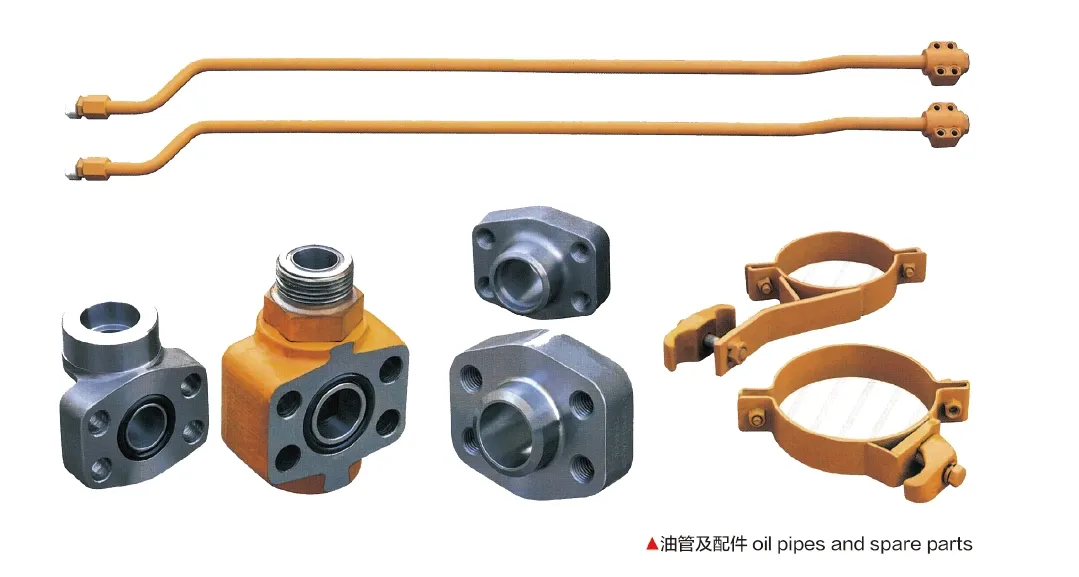
Regular maintenance and repair of the bucket cylinder can help extend its service life. Common maintenance tasks include regular inspection, appropriate lubrication, seal replacement, and calibration checks. Correct installation, lubrication, and adjustment are essential for the bucket cylinder's proper functioning. During installation, correct alignment guidance should be provided, and suitable installation brackets should be used to secure the cylinder. The recommended inspection, repair, and replacement procedures for replacement parts and rebuilding services can enhance the bucket cylinder's service life.
When using the bucket cylinder, it's essential to follow safety measures to prevent accidents. Proper safety gear, including gloves, helmets, and safety glasses, should be worn while working with the bucket cylinder. Environmental factors should also be considered when using the bucket cylinder, such as its impact on the environment, disposal of used parts, and proper handling of hydraulic oil and other fluids.
The common problems in bucket cylinders include oil leaks, damage to the hydraulic seals, and cylinder misalignment. Proper diagnosis and corrective action can help in resolving these issues. Preventive measures can be taken to minimize potential issues, including regular maintenance and inspection.
We are a manufacturer of replacement hydraulic cylinders, offering a full range of products. We have become one of the leading manufacturers and wholesale distributors of hydraulic cylinders in domestic and international markets. We follow the principle of excellence in quality, rely on the industrial production management strategy of a sophisticated manufacturing workshop, and continuously improve the manufacturing platform of the workshop from the use of technical talents, digital high-end manufacturing equipment, and professional testing systems. We provide high-efficiency, high-precision, and high-quality products to meet the diverse needs of customers.
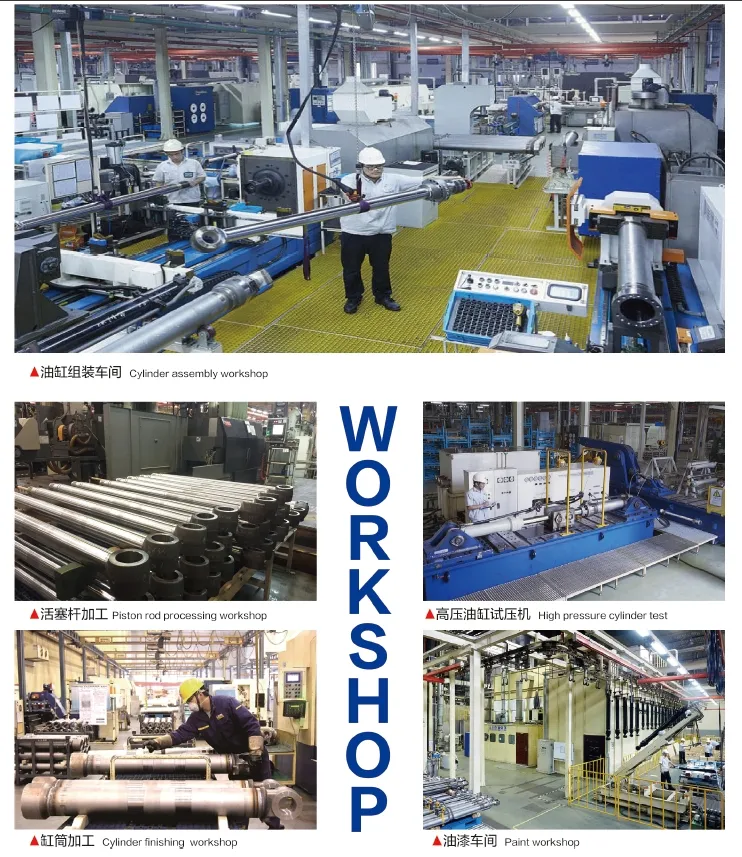
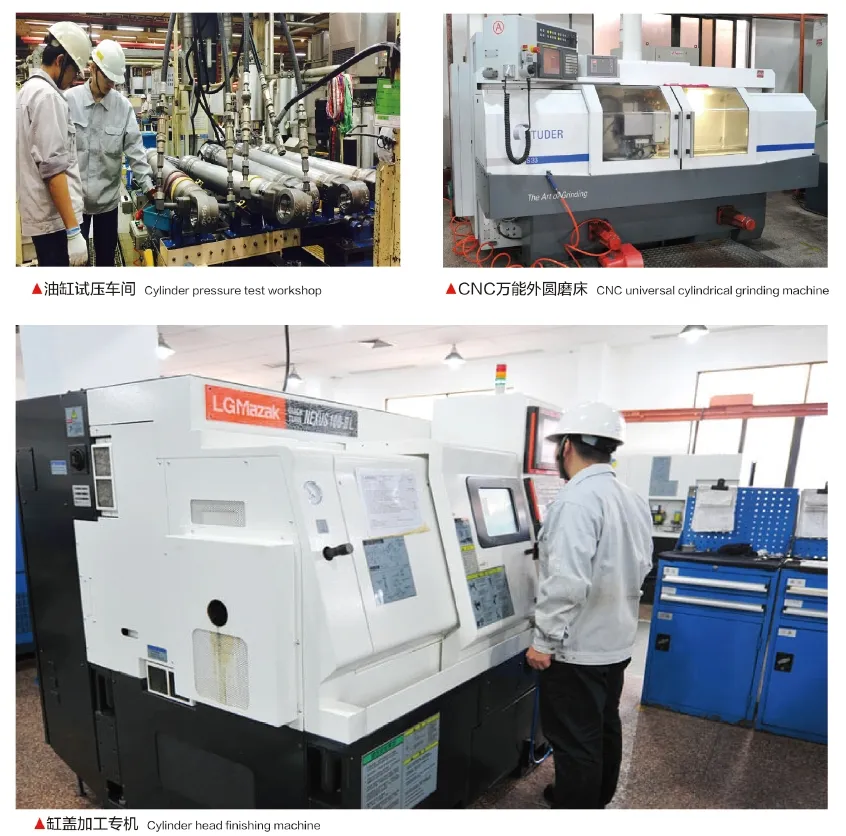
We specialize in international certification, customized services, production equipment, and after-sales services. Our goal is to provide high-quality products and services to our customers.
Author lyl.

Address
Luotuo Industrial Area, Zhenhai District, Ningbo City, China
Tel

 Raydafon