
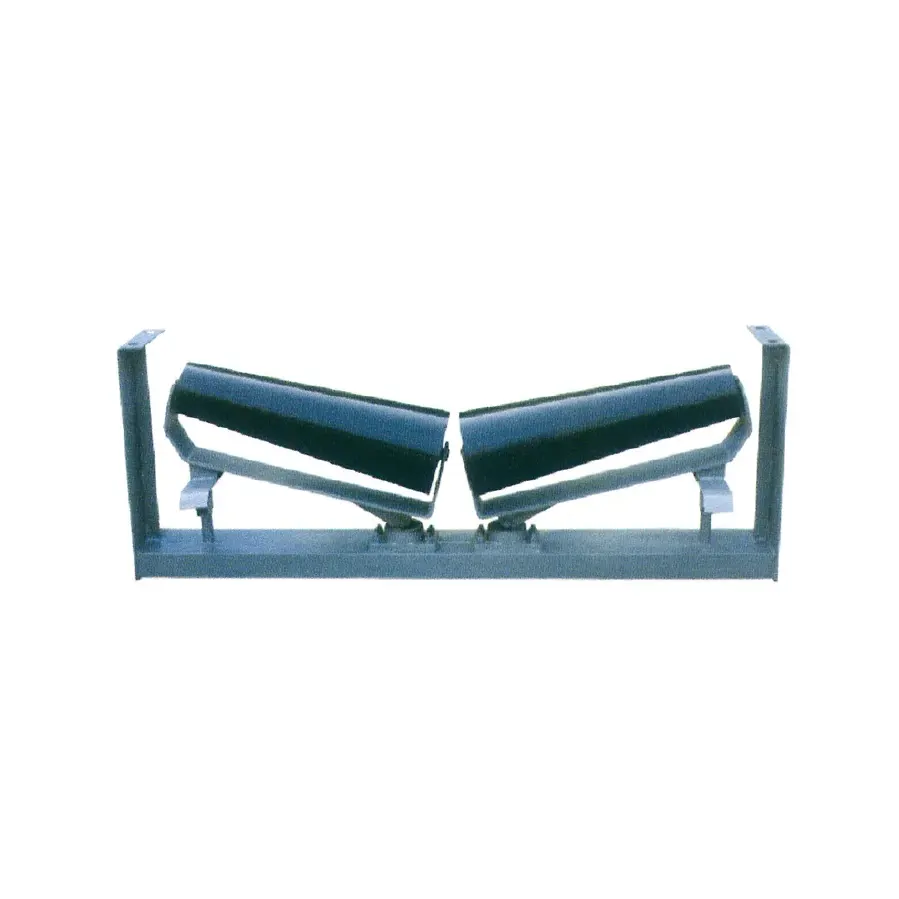

The DTII Belt Conveyor Lower Taper Self-aligning Idler is a specialized component in the DTII conveyor system, an advanced version of the TD75 standard, widely used in mining, coal, ports, and other heavy industries. These idlers are designed for the return side (underside) of the conveyor to support the empty belt and automatically correct misalignment.
Featuring tapered rollers arranged in a frame, they pivot to guide the belt back to its centerline, preventing drift and edge damage. Built to withstand harsh mining conditions, these idlers reduce belt wear, minimize maintenance, and ensure smooth operation. This page explains what lower taper self-aligning idlers do, where they’re used, how to install them, what users say, and answers common questions, all in plain language to help you decide if they’re right for your conveyor system.
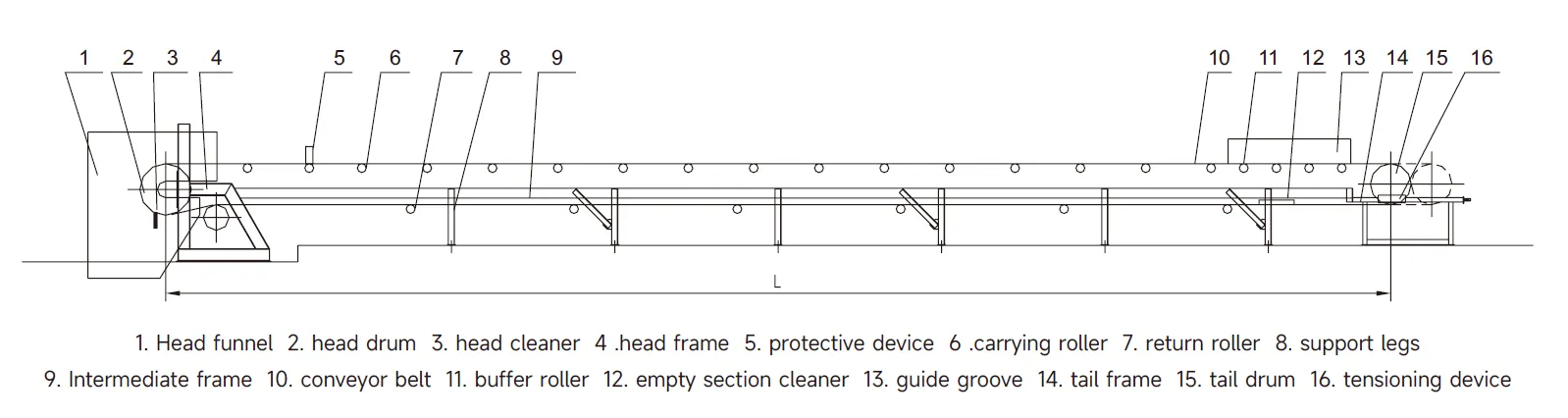
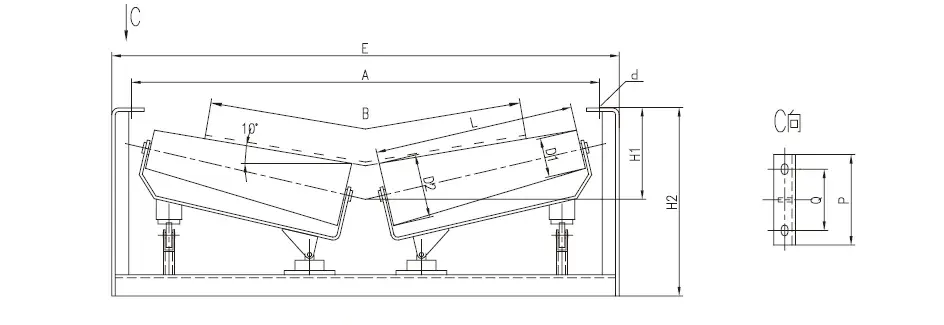 Explanation: The fasteners connected to the intermediate frame are included in this assembly drawing.Unit: mm
| Belt width B | D1 | D2 | L | H1 | H2 | E | A | P | Q | d | Bearing model | Drawing No |
| 800 | 108 | 159 | 445 | 217 | 452 | 1150 | 1090 | 160 | 90 | M12 | 4G305 | DTⅡ03C3043 |
| 1000 | 176 | 560 | 254 | 504 | 1350 | 1290 | M16 | DTⅡ04C3053 | ||||
| 1200 | 194 | 680 | 272 | 529 | 1600 | 1540 | 180 | 4G306 | DTⅡ05C3054 | |||
| 1400 | 780 | 291 | 548 | 1800 | 1740 | DTⅡ06C3054 |
The DTII Lower Taper Self-aligning Idler is designed to support the return side of the conveyor belt while automatically correcting misalignment, ensuring smooth operation in rugged mining environments. Here’s what it offers:
Tapered Roller Design
Features two tapered rollers (big end inward) in a pivoting frame, often at 5°, 10°, or 15° angles, to guide the belt back to its centerline when it drifts.
Provides quick response to misalignment, reducing belt edge wear and damage.
Durable Materials
Roller tubes made of Q235 steel (equivalent to SS400/JIS G3101/ASTM A36) for strength under tension.
Shafts crafted from 45# steel (equivalent to DIN C45/JIS S45C/ASTM A1045) for precision and durability.
Optional stainless steel, HDPE, or rubber coatings for corrosion and wear resistance in harsh environments.
High-Quality Bearings
Equipped with deep groove ball bearings (6204, 6205, 6305, etc., with C3 clearance, 2RZ/2Z seals) for smooth rotation and long life.
Triple labyrinth seals protect against dust, dirt, and moisture, ideal for mining conditions.
Low Noise and Vibration
Precision manufacturing and balance testing ensure quiet operation and minimal vibration.
Reduces wear on the belt and conveyor frame, extending system lifespan.
Corrosion Resistance
Options for zinc plating, baking paint, or epoxy coatings to resist rust in environments like coastal ports.
Stainless steel or high-polymer coatings available for added durability in abrasive or chemical conditions.
Customizable Design
Roller diameters from 63.5mm to 219mm, lengths from 120mm to 2200mm, fitting belts 400mm to 3000mm wide.
Customizable taper angles and frame designs to match specific conveyor layouts and tension requirements.
Standards Compliance
Meets DTII, DTII(A), CEMA (B, C, D, E), JIS, and ISO 9001:2015 standards for quality and safety.
Tested for radial runout (≤0.5mm), axial displacement (≤1.2mm), and rotation resistance (≤3.5N) to ensure reliability.
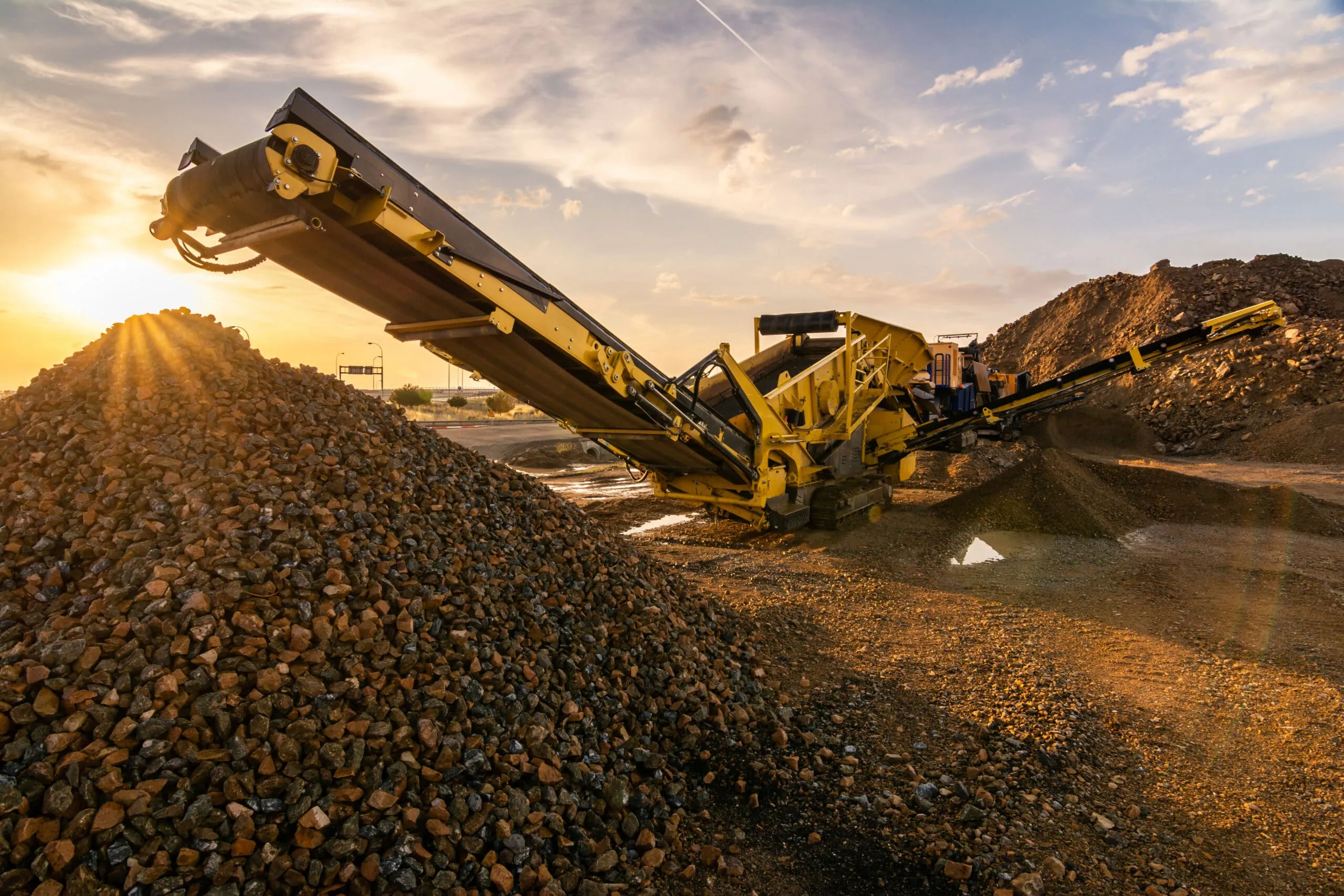
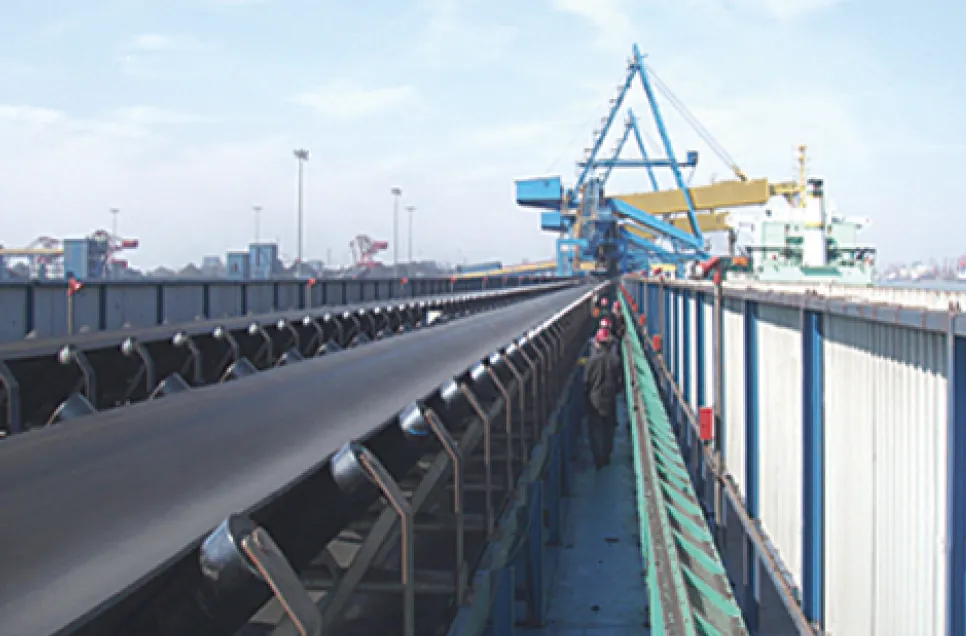
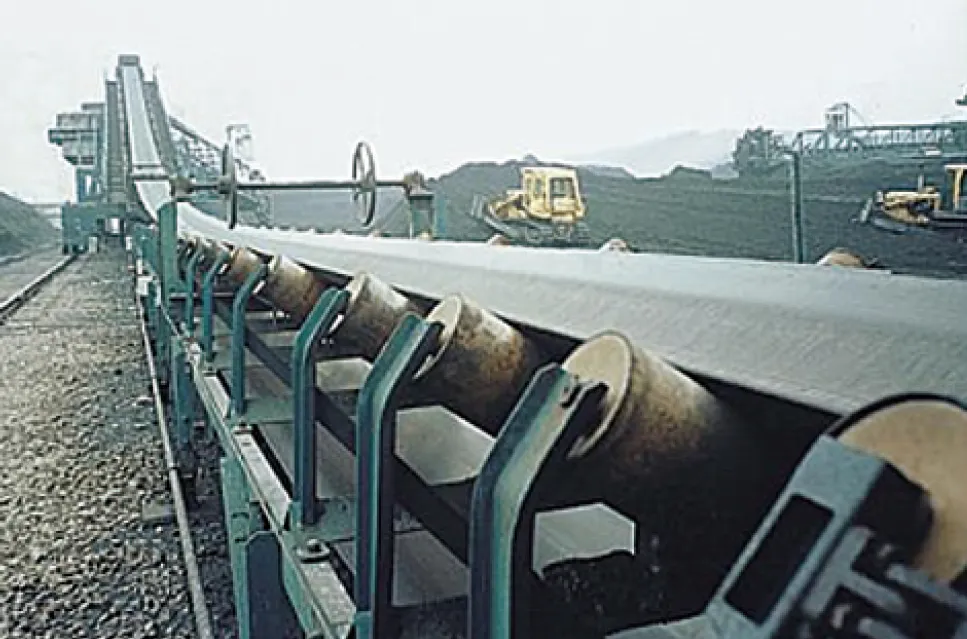
The DTII Lower Taper Self-aligning Idler is used on the return side of conveyors to support the empty belt and correct misalignment, particularly in high-tension or long-distance systems. It’s ideal for these industries:
Mining
Supports and aligns return belts in conveyors moving coal, iron ore, copper, or bauxite in underground or open-pit mines.
Suits long-distance systems, like a 7 km conveyor in Inner Mongolia, ensuring stable belt tracking.
Metallurgy
Supports return belts handling raw or processed metals in smelting plants.
Corrosion-resistant coatings withstand abrasive or high-temperature environments.
Ports and Terminals
Supports return belts during loading/unloading of coal, grain, or aggregates.
Rust-resistant options are ideal for salty coastal environments.
Construction
Supports return belts carrying gravel, sand, or aggregates on job sites.
Works with mobile or fixed conveyors for versatile setups.
Power Plants
Supports return belts handling coal or ash in fuel or waste systems.
Built for dusty, high-tension conditions.
| Belt width (mm) | 0.8 | 1.0 | 1.25 | 1.6 | 2.0 | 2.5 | 3.15 | 4 | (4.5) | 5.0 | (5.6) | 6.5 |
| 500 | 69 | 87 | 108 | 139 | 174 | 217 | ||||||
| 650 | 127 | 159 | 198 | 254 | 318 | 397 | ||||||
| 800 | 198 | 248 | 310 | 397 | 496 | 620 | 781 | |||||
| 1000 | 324 | 405 | 507 | 648 | 811 | 1014 | 1278 | 1622 | ||||
| 1200 | 593 | 742 | 951 | 1188 | 1486 | 1872 | 2377 | 2674 | 2971 | |||
| 1400 | 825 | 1032 | 1321 | 1652 | 2065 | 2602 | 3304 | 3718 | 4130 | |||
| 1600 | 2186 | 2733 | 3444 | 4373 | 4920 | 5465 | 6122 | |||||
| 1800 | 2795 | 3494 | 4403 | 5591 | 6291 | 6989 | 7829 | 9083 | ||||
| 2000 | 3470 | 4338 | 5466 | 6941 | 7808 | 8676 | 9717 | 11277 | ||||
| 2200 | 6843 | 8690 | 9776 | 10863 | 12166 | 14120 | ||||||
| 2400 | 8289 | 10526 | 11842 | 13158 | 14737 | 17104 |
Installing DTII Lower Taper Self-aligning Idlers is straightforward with these steps:
Verify Specifications
Ensure the idler’s diameter, length, taper angle (5°, 10°, 15°), and frame design match your conveyor’s belt and return side requirements.
Confirm the frame can support the idler’s weight and belt tension.
Position the Idlers
Install on the return side of the conveyor, typically spaced 6-10 feet apart, depending on the belt width and tension.
Use pivoting frames to secure the tapered rollers, ensuring they can swivel to correct misalignment.
Align the Idlers
Set idlers perpendicular to the belt to ensure even support and effective tracking.
Use a laser level or string line to align the frame with adjacent idlers for consistent tracking.
Inspect Bearings and Seals
Verify bearings are lubricated with lithium soap grease and triple labyrinth seals are intact.
Avoid disturbing seals to maintain dust and water resistance.
Adjust Belt Tension
Set tension to keep the return belt taut without overloading the idlers. Use:[ T = \frac{P_p \cdot 1000}{v} ] where (T) is tension (Newtons), (P_p) is power (kilowatts), and (v) is belt speed (meters/second).
Test the System
Run the conveyor at low speed with no load to check idler performance, belt alignment, and pivot response.
Adjust the frame or roller position if the belt drifts or shows uneven wear.
Use trained technicians to meet safety and industry standards.
Document installation details for maintenance records.
Contact us for expert setup assistance.
Regular care keeps DTII Lower Taper Self-aligning Idlers performing well:
Inspect Regularly: Check rollers, bearings, and frames every 3-6 months for wear or damage.
Lubricate Bearings: Apply lithium soap grease every 6 months to ensure smooth rotation.
Clean Rollers: Remove any material buildup to maintain alignment performance.
Check Pivot Mechanism: Verify the pivoting frame moves freely to correct misalignment.
Use OEM Parts: Replace with DTII-compliant parts to maintain performance.
Avoid Damage: Do not strike the idler tube or frame with heavy objects to prevent damage to bearings or seals.
Here’s what users of DTII Lower Taper Self-aligning Idlers say:
Australian Iron Ore Mine
“The tapered rollers respond quickly to belt drift. Our belts last longer, and downtime is minimal.” – Liam Brown, Site Engineer
South African Port Terminal
“The corrosion-resistant coatings hold up great by the coast. These idlers need almost no upkeep.” – Naledi Khumalo, Logistics Manager
Chilean Copper Mine
“Our conveyor’s uptime is up 22% thanks to these idlers. They’re reliable and keep the belt centered.” – Sofia Morales, Maintenance Supervisor
These testimonials show Raydafon delivers dependable idlers that customers trust.
Got questions? Here are clear answers with keywords to help you find us:
1. What’s a DTII Lower Taper Self-aligning Idler?
A return-side idler with tapered rollers that pivots to correct belt misalignment in mining conveyors, ensuring stable tracking.
2. How does it correct misalignment?
Tapered rollers in a pivoting frame swivel to guide the belt back to its centerline when it drifts, reducing edge wear.
3. What’s it made of?
Q235 steel for roller tubes, 45# steel for shafts, with optional stainless steel, HDPE, or rubber coatings for durability.
4. How often should I maintain it?
Inspect every 3-6 months, lubricate bearings, clean rollers, and check pivot mechanism. Don’t tamper with seals.
5. Can it be customized?
Yes, we offer various sizes, taper angles, and coatings to fit your conveyor.
6. Where’s it used?
Mining, metallurgy, ports, construction, and power plants for handling bulk materials like coal or ore.
7. How does it improve my conveyor?
It corrects misalignment, reduces belt wear, and cuts maintenance for better efficiency and safety.
Address
Luotuo Industrial Area, Zhenhai District, Ningbo City, China
Tel

 Raydafon