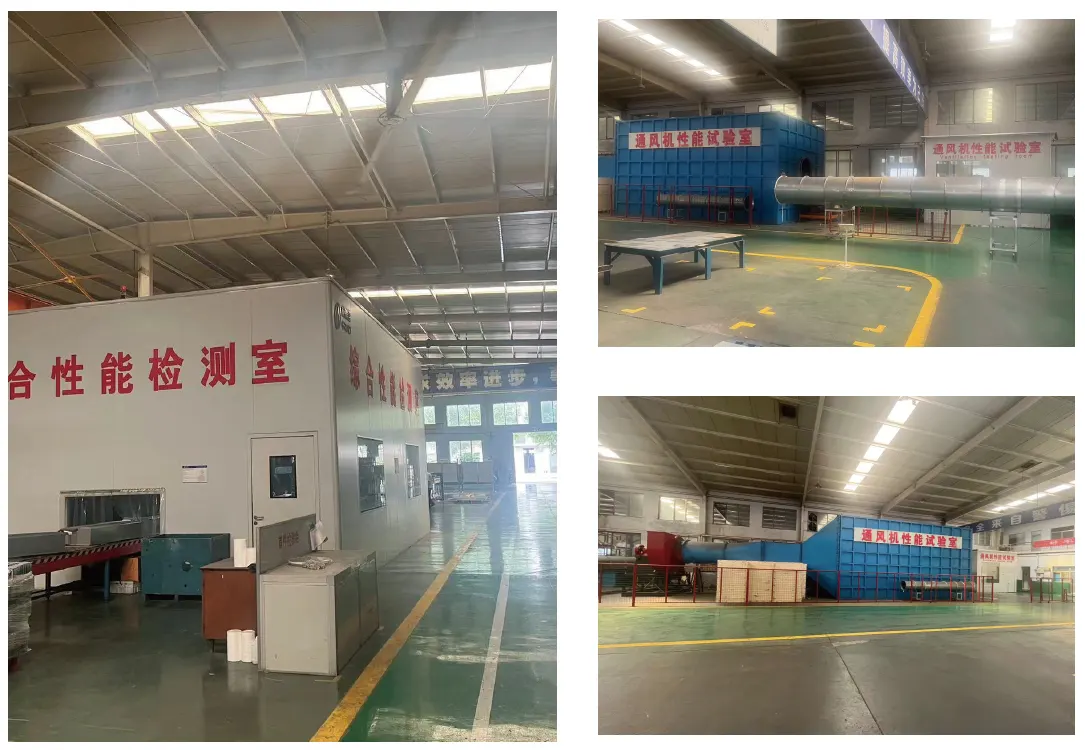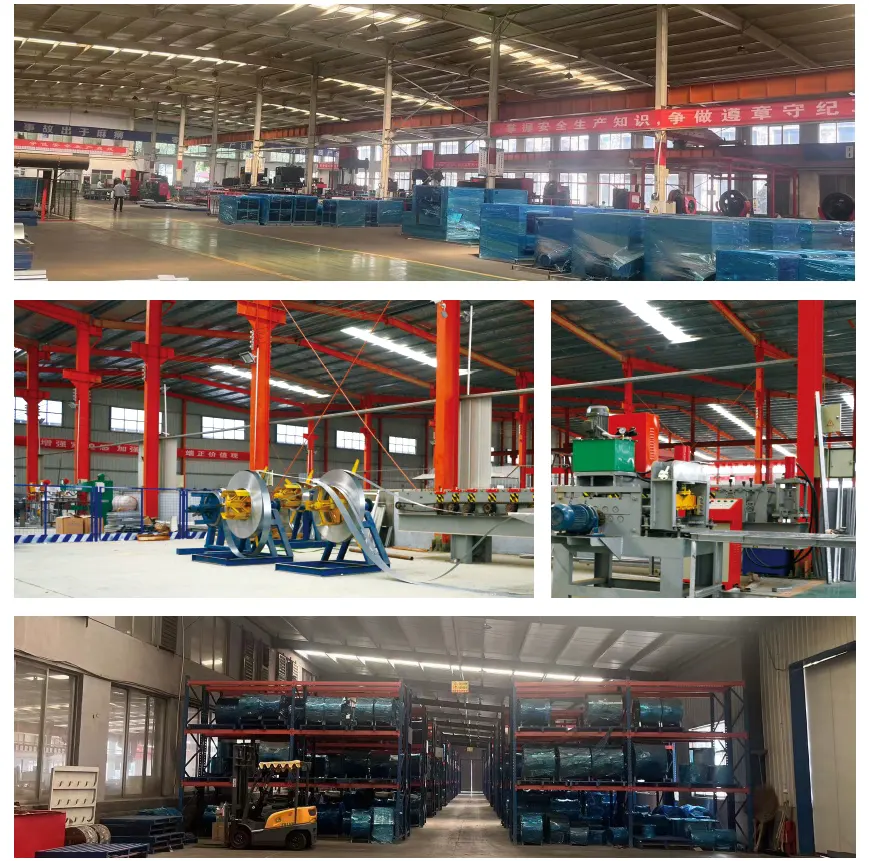
Raydafon Technology Group Co.,Limited
Products
Products
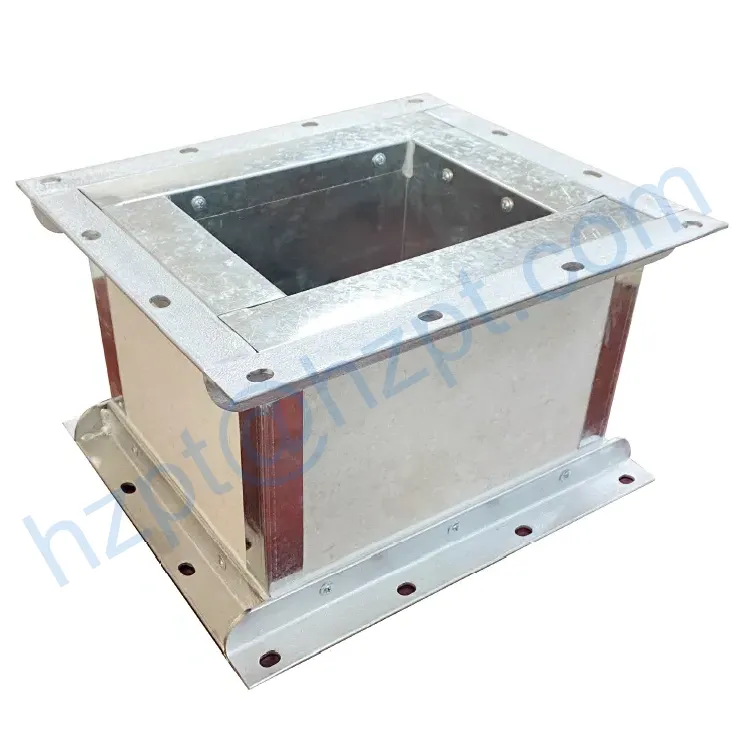
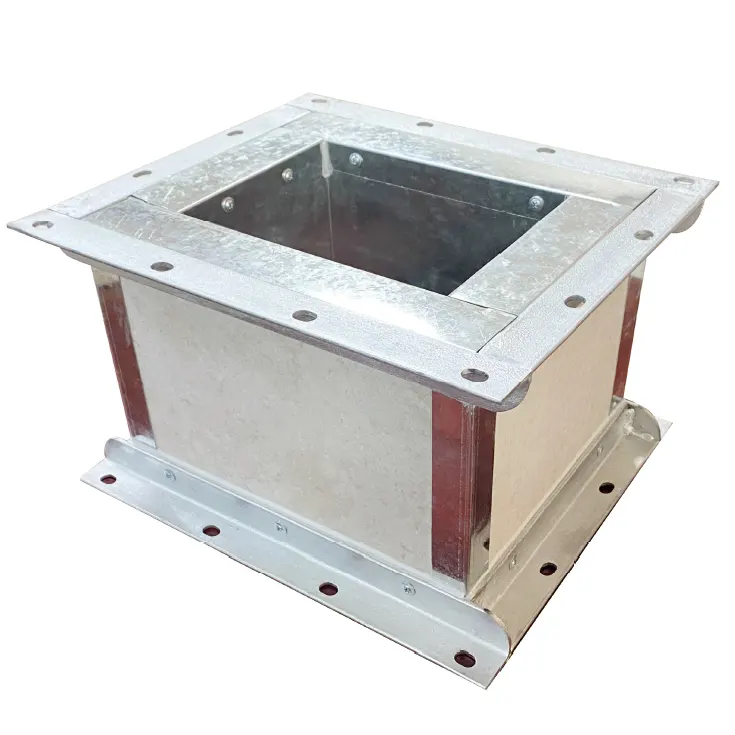
Fire-Resistive Duct
  • Fire-Resistive DuctFire-Resistive Duct

Fire-Resistive Duct

Discover Raydafon Group's innovative Fire-Resistive Duct, expertly crafted to protect buildings from fire spread with its durable, heat-resistant materials. Ideal for contractors and architects, it ensures safety and peace of mind in commercial and residential projects. Experience superior performance and compliance, setting it apart from alternatives—invest in reliable protection today.

Fire-Resistive Duct

Fire-Resistive DuctThe Fire-Resistive Duct is a crucial element in contemporary building designs, especially within commercial and industrial environments. Specifically engineered to endure high temperatures, this duct system plays a vital role in fire protection and smoke control. By efficiently channeling smoke and hot gases away from occupied areas, it significantly enhances safety and helps preserve structural integrity during fire incidents.Investing in the Fire-Resistive Duct is essential for ensuring fire safety and maintaining building integrity. Its robust construction, outstanding fire resistance, and versatile design make it suitable for a wide range of applications. By adhering to proper installation and maintenance practices, users can guarantee that their duct systems function effectively when it matters most. By choosing the Fire-Resistive Duct, you prioritize safety and efficiency in your building projects, ensuring reliable smoke and heat management.

Fire-Resistive Duct Parameter:

Contact Us For Detailed Dimensions

Key Characteristics of Fire-Resistive Duct:

1. Corrosion Resistance

The zinc coating acts as a formidable shield against rust and environmental degradation, significantly extending the lifespan of the valve. This protective layer not only enhances durability but also reduces maintenance costs over time, making it an ideal choice for both residential and industrial applications. Users can trust that this valve will perform reliably, even in the harshest conditions, ensuring peace of mind and dependable operation.

2. Integrated Design

The innovative integrated design of the Zinc-Coated Integrated Valve combines multiple functions into a single unit. This streamlined approach eliminates the need for additional components, which can complicate installation and increase the risk of failure. By reducing the number of parts, this valve simplifies the entire setup, allowing for faster installations and less downtime. Engineers and contractors will appreciate the efficiency this design brings to their projects.

3. Versatile Applications

With its adaptable nature, the Zinc-Coated Integrated Valve is suitable for a wide range of applications. Whether it's in plumbing systems, HVAC installations, or industrial processes, this valve can handle various fluid types and pressures with ease. Its versatility makes it a go-to solution for engineers looking to optimize fluid management in diverse environments, from residential buildings to large industrial facilities.

4. High Flow Capacity

Designed for efficient flow management, the Zinc-Coated Integrated Valve minimizes pressure loss while maximizing fluid throughput. This high flow capacity enhances overall system performance, ensuring that processes run smoothly and effectively. Whether in a high-demand industrial setting or a residential application, this valve ensures that fluid delivery is both reliable and efficient.

5. User-Friendly Operation

Operating the Zinc-Coated Integrated Valve is a breeze, thanks to its straightforward mechanism. Users of all skill levels can easily open and close the valve without the need for specialized training or tools. This user-friendly design not only enhances accessibility but also promotes safety, allowing even novices to engage with the valve confidently. Whether you’re a seasoned professional or a DIY enthusiast, you’ll find this valve easy to operate.

Usage Method of Fire-Resistive Duct:

Installation

Preparation

  • Site Assessment: Begin by evaluating the installation area to identify any potential obstacles or structural issues. Ensure the space is clear and free from debris to facilitate a smooth installation process.
  • Compliance Check: Familiarize yourself with local building codes and guidelines specific to fire-resistive duct systems. This ensures that your installation meets all safety regulations and standards, providing peace of mind.

Mounting

  • Secure Attachment: Use appropriate brackets or supports to firmly secure the duct to the building structure. Ensure that the duct is properly aligned with the existing ventilation system to maintain efficient airflow.
  • Level Positioning: Check the level of the duct during installation to prevent any sagging or misalignment that could hinder performance.

Sealing

  • Joint and Connection Sealing: Apply fire-resistant sealants at all joints and connections. This step is crucial to prevent smoke and hot gases from leaking through gaps, ensuring the duct maintains its fire-resistive integrity.
  • Inspection: After sealing, perform a thorough inspection to confirm that all connections are secure and that there are no visible leaks or weaknesses.

Operation

The Fire-Resistive Duct functions by directing smoke and gases to designated exhaust points during a fire incident. Its design allows for effective smoke control, which is critical for protecting occupants and minimizing damage. Here’s how it operates:
  • Smoke and Gas Management: During a fire, the duct system channels smoke and hot gases away from occupied spaces, facilitating safer evacuation and reducing the risk of smoke inhalation.
  • Integration with Safety Systems: The duct integrates seamlessly with the building’s fire alarm and suppression systems. When smoke is detected, the system activates automatically, ensuring that the duct performs its function promptly and effectively.
  • Continuous Monitoring: Some advanced systems may include sensors that monitor airflow and temperature, providing real-time data to enhance safety and system performance.
By following these installation and operational guidelines, users can maximize the effectiveness of the Fire-Resistive Duct, ensuring it performs reliably in critical moments and contributes to overall building safety.

Fire-Resistive Duct Application:

The Fire-Resistive Duct serves as a critical component in fire protection systems across various industries. Its ability to withstand high temperatures and prevent the spread of smoke makes it indispensable in numerous applications. Here’s a deeper exploration of its applications and the benefits it offers in each sector.

1. Commercial Buildings

  • Office Complexes: In environments with high foot traffic, such as office buildings, fire-resistive ducts are strategically installed to ensure that smoke is directed safely to exits. This minimizes the risk of smoke inhalation, allowing for quicker and safer evacuations.
  • Shopping Malls: The open design of malls can facilitate the rapid spread of smoke. Fire-resistive ducts help contain and direct smoke to ventilation systems, protecting shoppers and employees while maintaining visibility for safe exit routes.

2. Industrial Facilities

  • Manufacturing Plants: In factories where flammable substances are common, fire-resistive ducts are vital. They provide a controlled path for smoke and heat to escape, reducing the risk of explosions and allowing emergency responders to manage situations effectively.
  • Warehouses: Large warehouses often store various materials, some of which may be hazardous. The implementation of fire-resistive ducts ensures that smoke is contained, which not only protects employees but also preserves valuable inventory.

3. Healthcare Settings

  • Hospitals: Smoke control is crucial in healthcare facilities, where patients may be unable to evacuate quickly. Fire-resistive ducts channel smoke away from critical areas, such as emergency rooms and patient wards, enhancing safety for both patients and staff.
  • Nursing Homes: Vulnerable populations require special consideration during emergencies. Fire-resistive ducts help manage smoke effectively, ensuring that residents have safe egress routes.

4. Educational Institutions

Fire-Resistive Duct
  • Schools and Universities: Fire-resistive ducts protect students and staff by managing smoke in classrooms, hallways, and auditoriums. These ducts are designed to minimize smoke travel, allowing for safe evacuations and efficient emergency response.

5. High-Rise Buildings

  • Residential Towers: The vertical design of high-rises presents unique challenges in smoke control. Fire-resistive ducts are crucial in preventing smoke from migrating between floors, thereby safeguarding residents and helping first responders during emergencies.

6. Transportation Hubs

  • Airports and Train Stations: In such crowded environments, effective smoke management is essential. Fire-resistive ducts help direct smoke away from passenger areas, ensuring that travelers can exit safely and that emergency services can operate effectively.

7. Data Centers

  • Technology Facilities: Data centers house critical infrastructure that requires protection from fire and smoke. Fire-resistive ducts help maintain optimal airflow while preventing smoke from damaging sensitive equipment, thereby safeguarding vital operations.

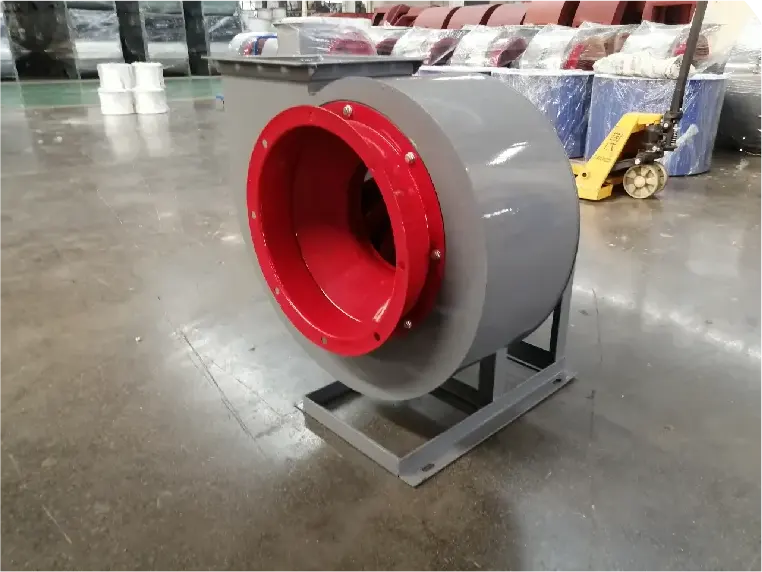
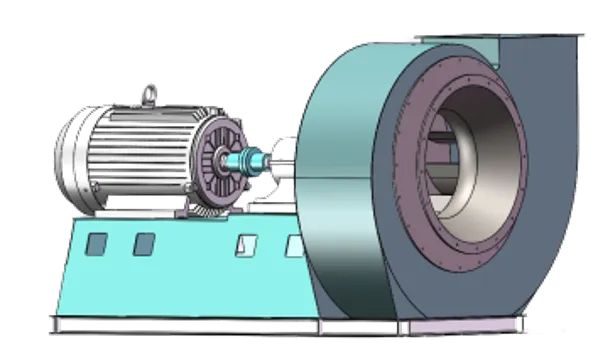
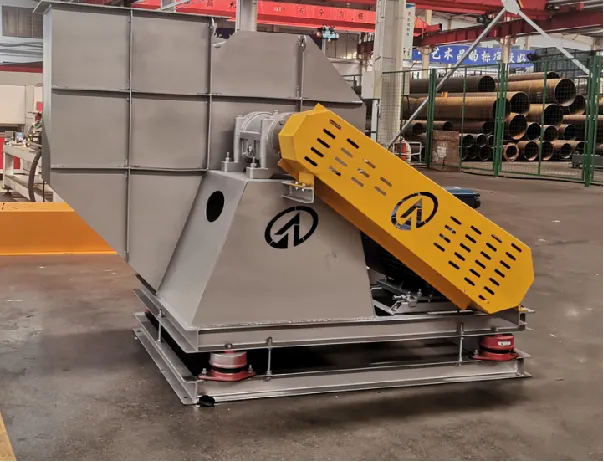
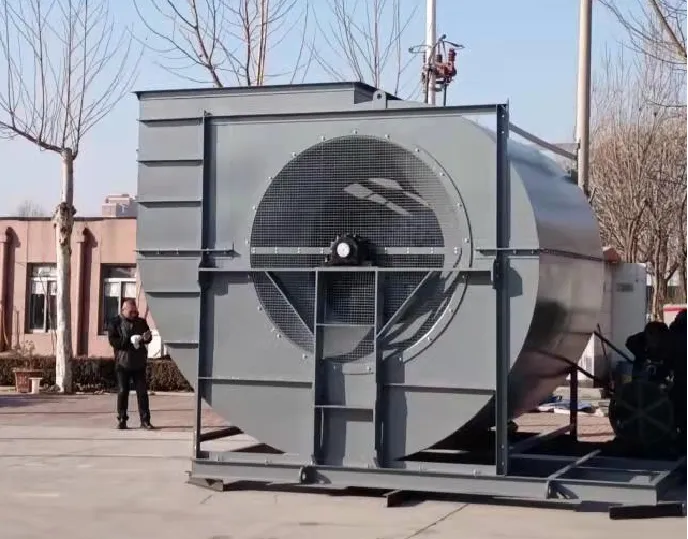
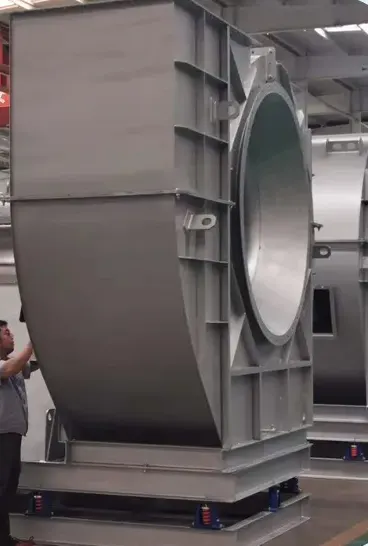
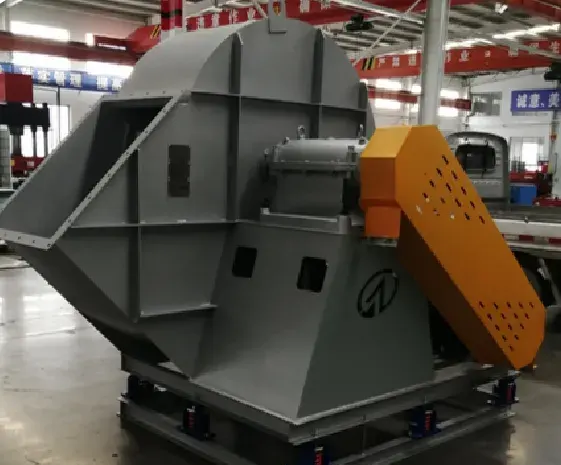
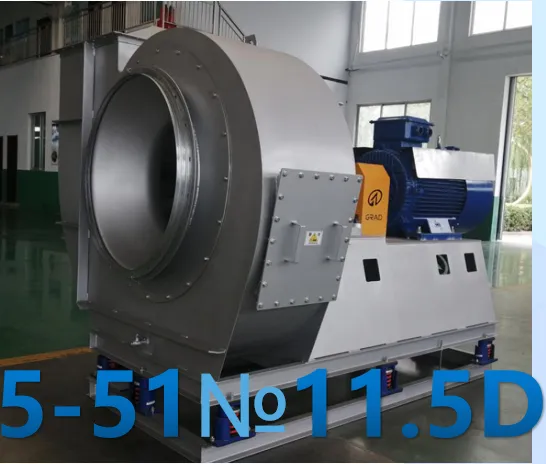
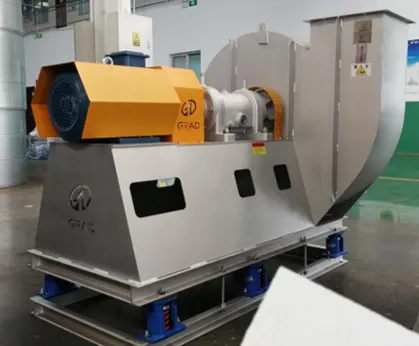
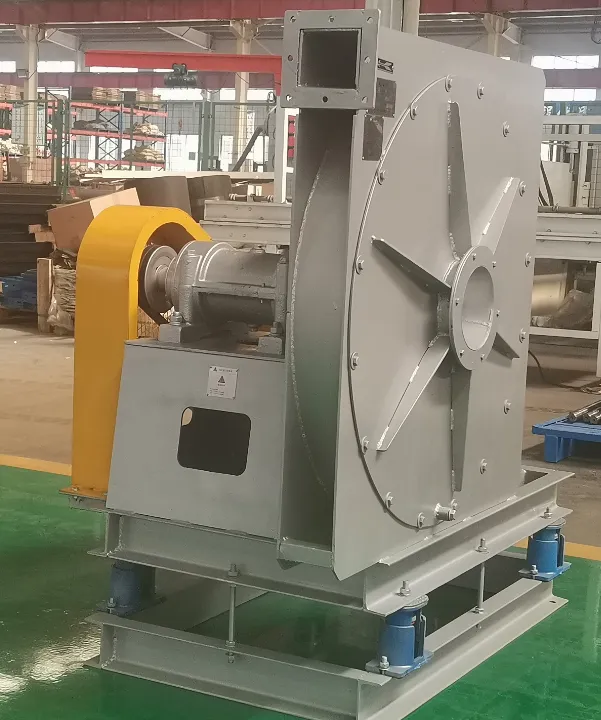
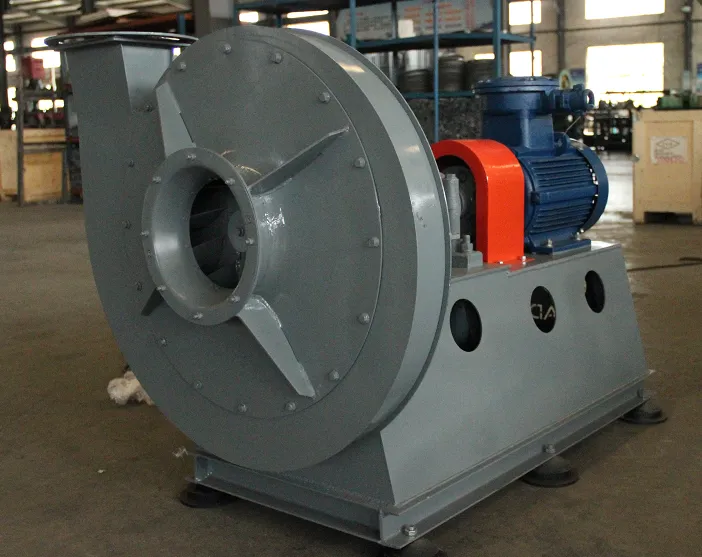
Fans Type:

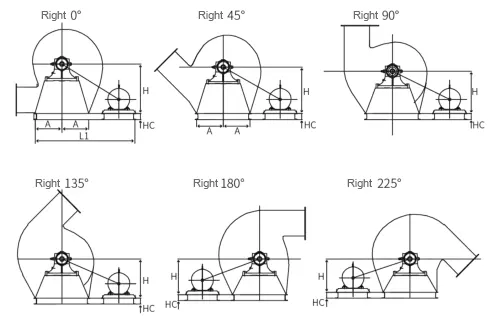
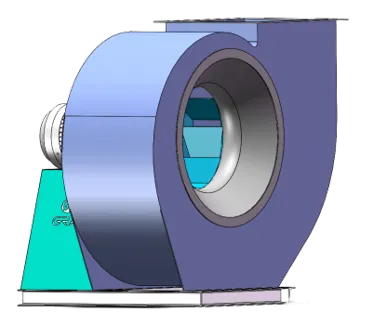
General centrifugal fans can be divided into low pressure (P≤1000Pa), medium pressure (P=1000-5000Pa), and high pressure (P=5000-30000Pa) according to the pressure. Low-pressure fans are generally 4-72, 4-73, 4-68, 4-79, and other backward blade series. Medium pressure fans are generally 5-51, 6-30, 6-41, 6-51, and other series; High pressure is generally 9-19, 9-26, 9-12, and 8-09 series. The low-pressure fan blades are mostly backward inclined blades, generally about 45 degrees. The outlet Angle of medium pressure fan is larger than that of low pressure fan. It is generally about 50 degrees, and the blades of the high-pressure fan are generally tilted forward less than 90 degrees. The advantages of medium and low-pressure fans are large flow, low noise value, not easy to overload, relatively stable operation, and use in general ventilation. High-pressure fans are used to supply forced air.From the direction of the drive side (motor), the counterclockwise rotation is left, and the clockwise rotation is right.The Angle is generally divided into 0 degrees, 45 degrees, 90 degrees, 135 degrees, 180 degrees, 225 degrees, and 270 degrees.Fire-Resistive Duct

Type A Direct Transmission:

Fire-Resistive DuctFire-Resistive Duct

Type D Direct Transmission:

Fire-Resistive DuctFire-Resistive Duct

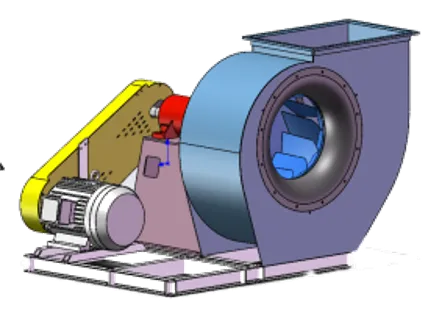
Type C Belt Transmission:

Fire-Resistive DuctFire-Resistive Duct

Type E Belt Transmission:

Fire-Resistive Duct

Type E Direct Transmission:

Fire-Resistive Duct

Low Pressure Fans:

Low-pressure fan series are 4-72 series, 4-73 series, and 4-79 series. Generally used for indoor ventilation in general factories and large buildings, it can be used as input gas, it can also be used as output gas, it can also be used as output gas, it can also be used for forced ventilation of boilers, forging furnaces, etc.It is characterized by smooth operation, tight structure, low noise, flexible use, small footprint, high efficiency, and good performance in conveying air and other unnatural, harmless to the human body and non-corrosive gases.Low-pressure fans are mostly used in garage air supply and exhaust systems, civil air defense ventilation systems, textile exhausts, grain warehouse dry exhausts, and other total air supply and exhaust systems.
Fire-Resistive DuctFire-Resistive Duct

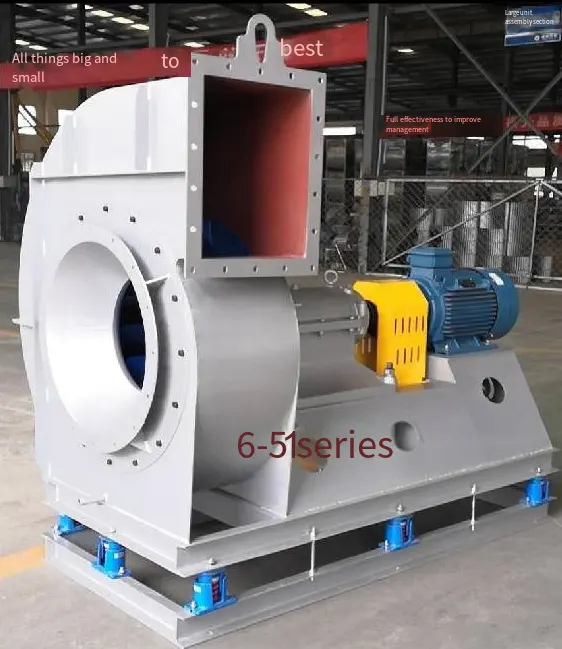
Medium Pressure Fans:

The basic models of medium-pressure fans are 5-51 series, 6-51 series, 5-47/5-48 series, and 6-41 series. These models' air volume and pressure are lower than those of the low-pressure series. Good aerodynamic performance, high efficiency, low noise, smooth operation.G, Y6-51 type boiler feed fan is mainly used for 2~670t/h steam in thermal power plants.The air supply system of the boiler also meets the requirements of the performance parameters of the high-pressure head of the fluidized bed furnace. changeSeries fans can also be used for dust removal, mine ventilation, and general ventilation systems.The blower transports air, and the induced draft fan transports gas containing impurity particles.When the impurity concentration is less than 200mg/m³, it can be used for over 4 years. If the dust content is too large, the blade should be treated with wear-resistant treatment to extend its service life. G series fans are generally normal temperature; The maximum temperature of Y series induced draft fan shall not exceed 250℃. If more than 250℃. The impeller material should be changed.
Fire-Resistive DuctFire-Resistive Duct

High Pressure Fans:

Fire-Resistive DuctFire-Resistive Duct
 

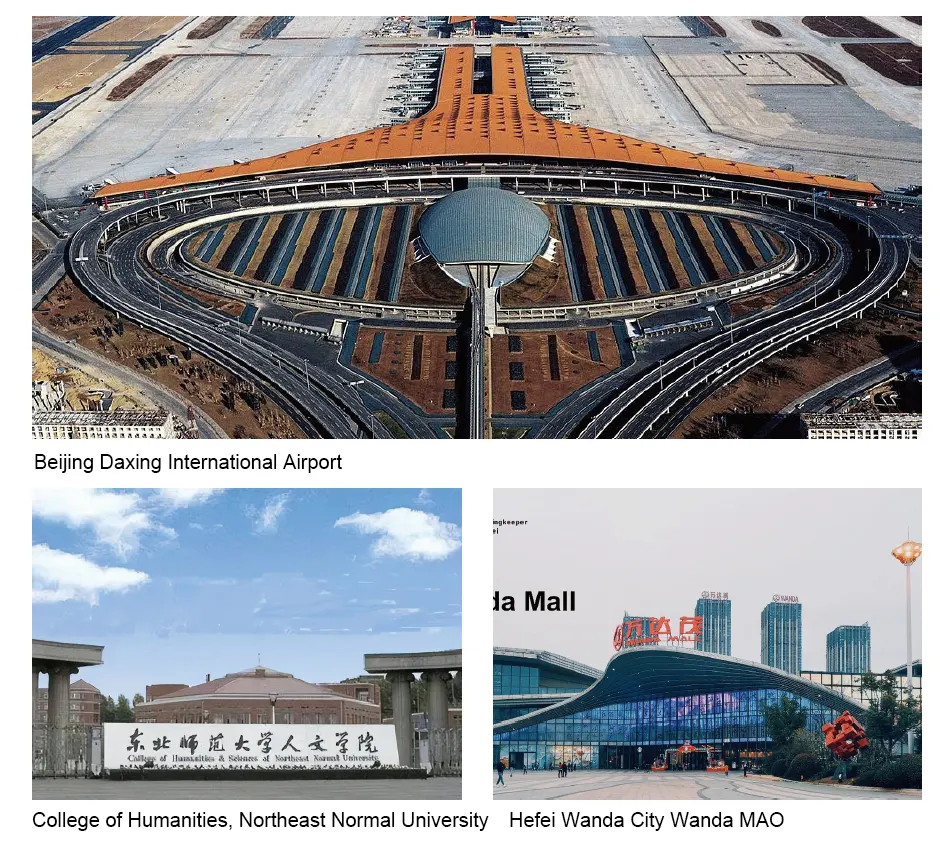
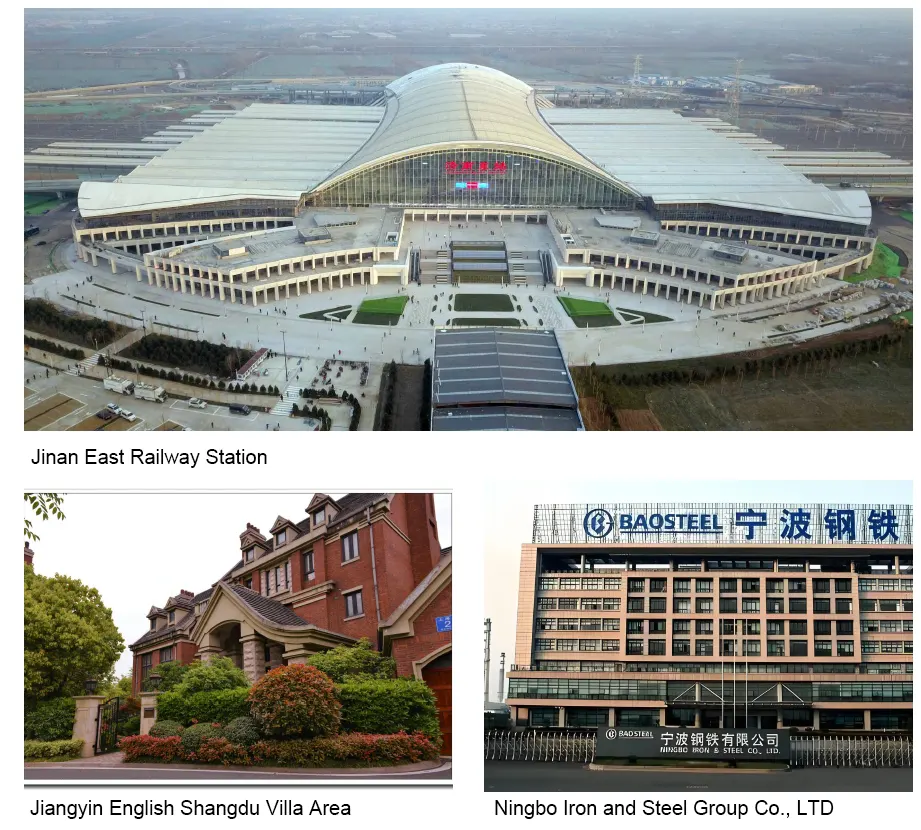
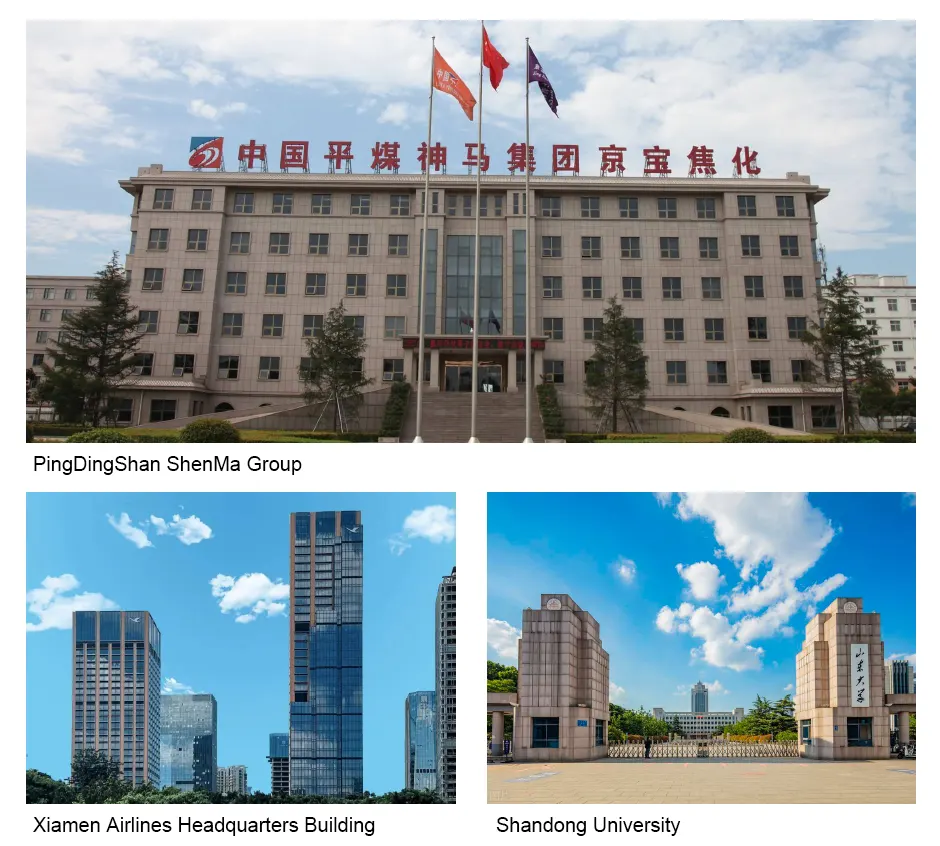
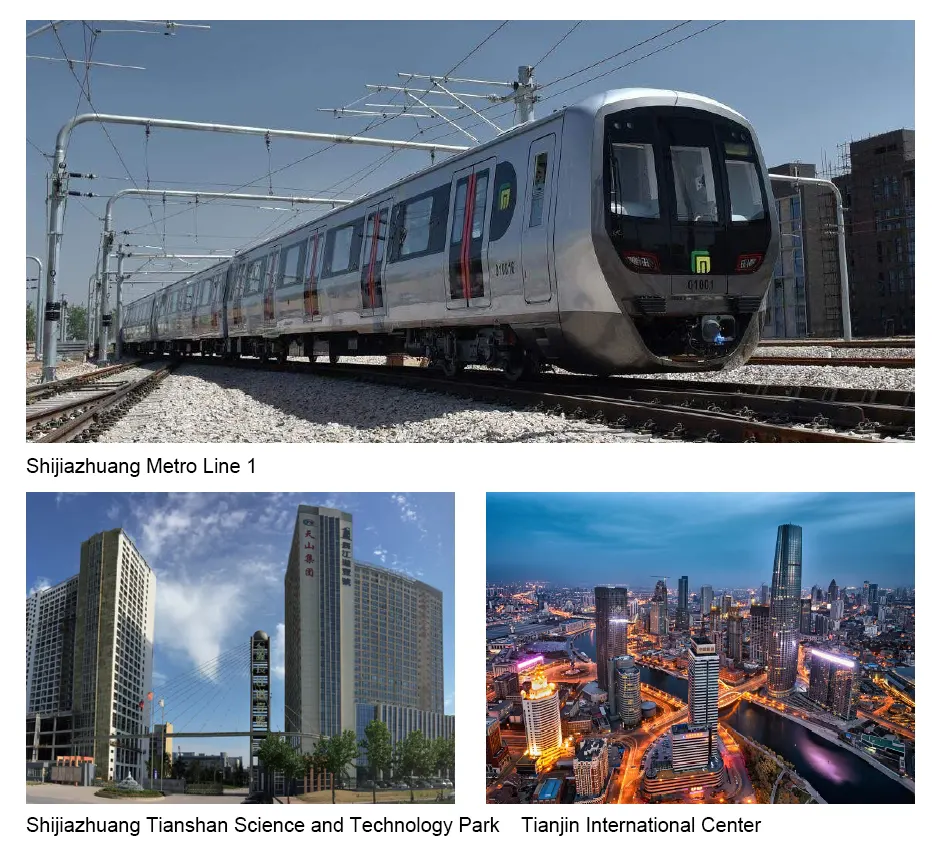
Some Engineering Performance Of The Company:

Fire-Resistive Duct Fire-Resistive Duct Fire-Resistive Duct Fire-Resistive Duct Fire-Resistive Duct

About Us:

Fire-Resistive Duct Fire-Resistive DuctWe proudly offer a comprehensive suite of professional services designed to meet the diverse needs of our clients and elevate operational performance. Here’s a closer look at what we provide:
  • Technical Consulting
Our Technical Consulting services deliver personalized advice tailored to your specific requirements. Our team of experts assesses your unique challenges and develops strategic solutions that align with your goals, ensuring you receive the guidance necessary for success.
  • Innovative Solutions
We specialize in Innovative Solutions that introduce strategic approaches to enhance system performance. By leveraging cutting-edge technology and industry best practices, we help you optimize your operations, reduce downtime, and significantly improve overall efficiency.
  • System Operation Support
Our System Operation Support offers expert guidance to ensure seamless operation. Our knowledgeable professionals can assist with troubleshooting, training, and operational best practices, enabling your team to maximize productivity and maintain high-performance levels.
  • Economic Analysis
Our Economic Analysis services provide in-depth assessments aimed at maximizing cost-effectiveness. We analyze your systems to identify areas for potential savings and improved return on investment, ensuring that your resources are utilized efficiently.
  • Design Optimization
Our Design Optimization services enhance existing designs for improved efficiency and performance. Our team works closely with you to refine processes, increase reliability, and implement innovative solutions that drive results.
  • Commitment to Excellence
Our commitment to excellence shines through our 24-hour on-site service. We understand that operational challenges can arise anytime, so we provide top-notch maintenance support whenever you need it. Our dedicated team is just a call away, ready to resolve issues promptly and effectively.
  • Proactive Support
We take a proactive approach by establishing detailed user profiles and conducting regular site visits. This allows us to identify potential operational challenges before they become significant, ensuring your systems run smoothly and efficiently.
  • Experience Peace of Mind
With our dedicated support, you can experience true peace of mind. We prioritize your success and work tirelessly to ensure that your operations are functional and thriving. Partner with us to unlock the full potential of your systems and drive your business forward. Your success is our mission!  
Hot Tags: Fire-Resistive Duct Manufacturer, Fire-Resistive Duct for Sale, Custom Fire-Resistive Duct
Send Inquiry
Contact Info
Get customized quotes for transmission components, gearboxes, and machinery. Our engineers will respond within 24 hours.
Online
X
We use cookies to offer you a better browsing experience, analyze site traffic and personalize content. By using this site, you agree to our use of cookies. Privacy Policy
Reject Accept