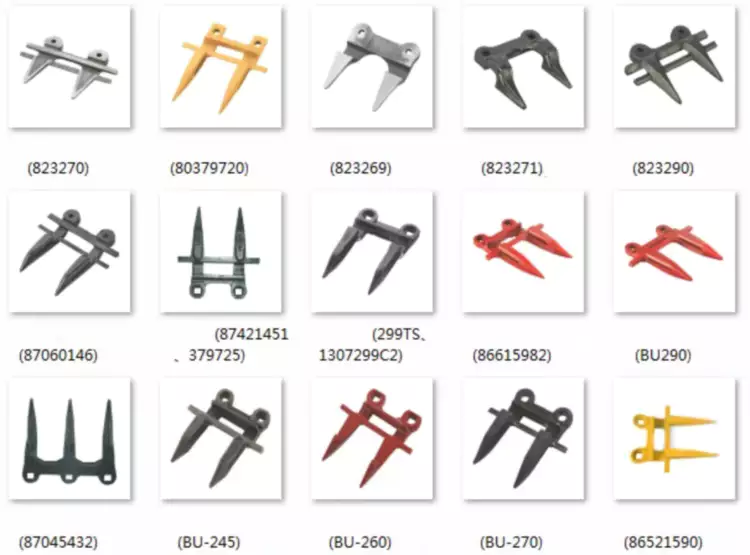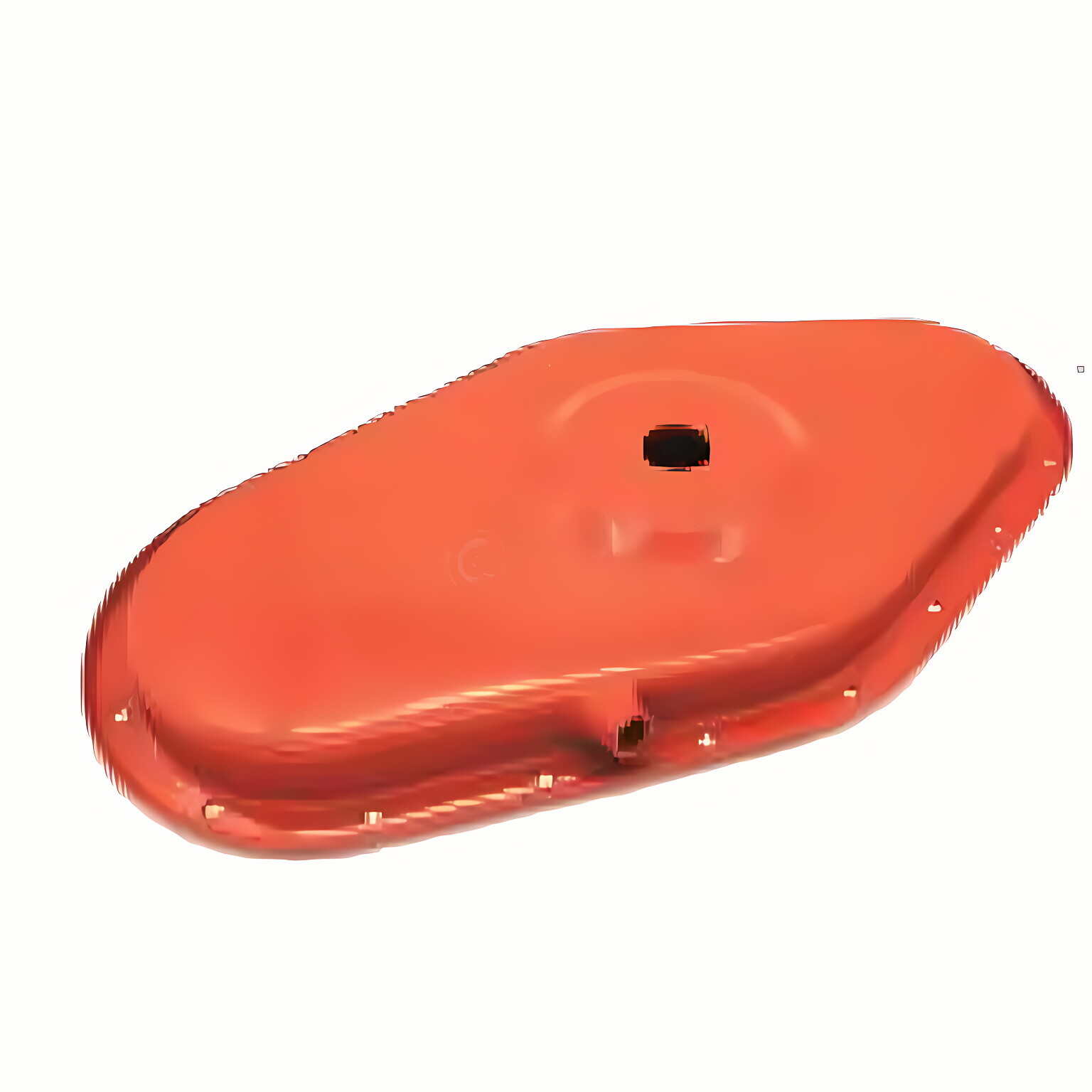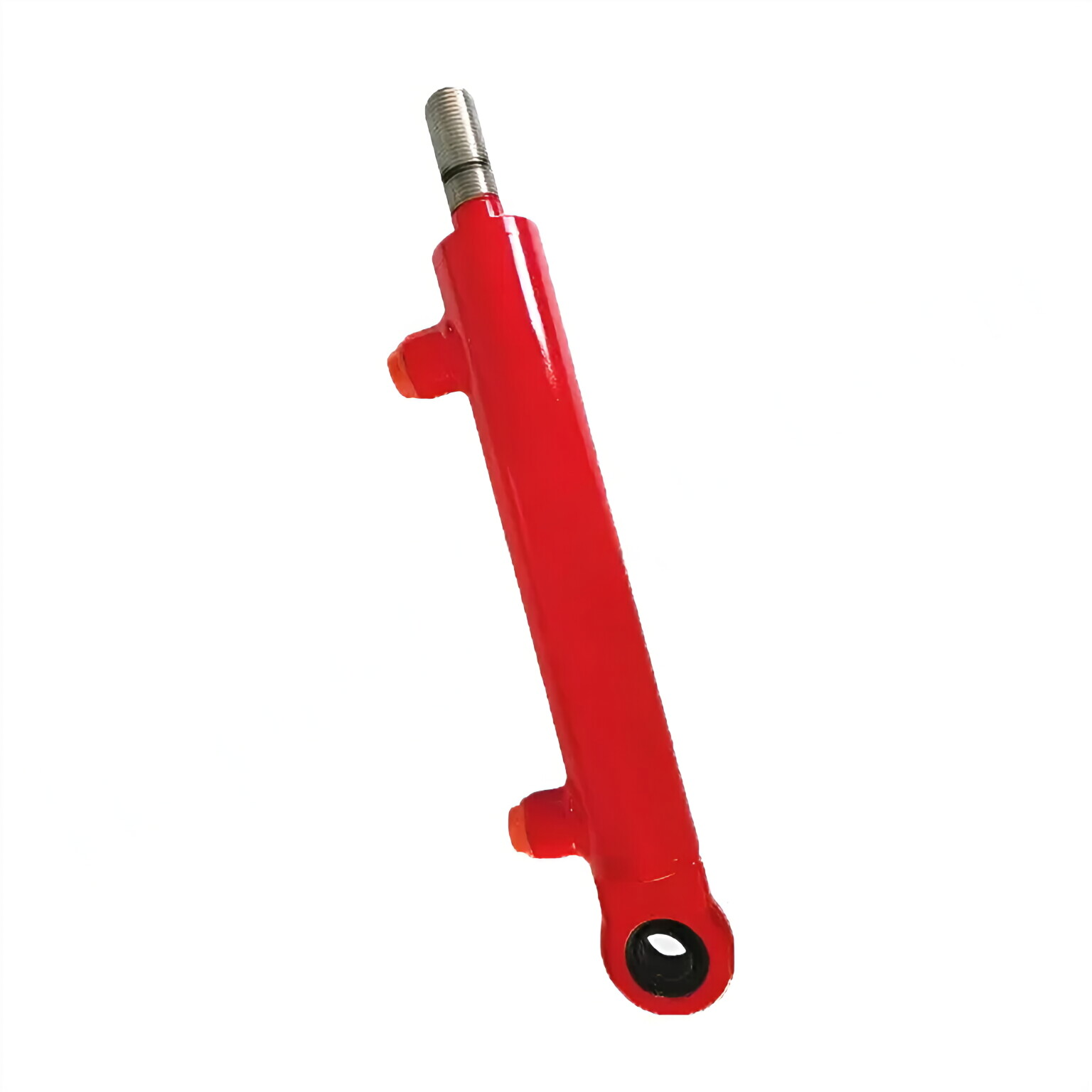
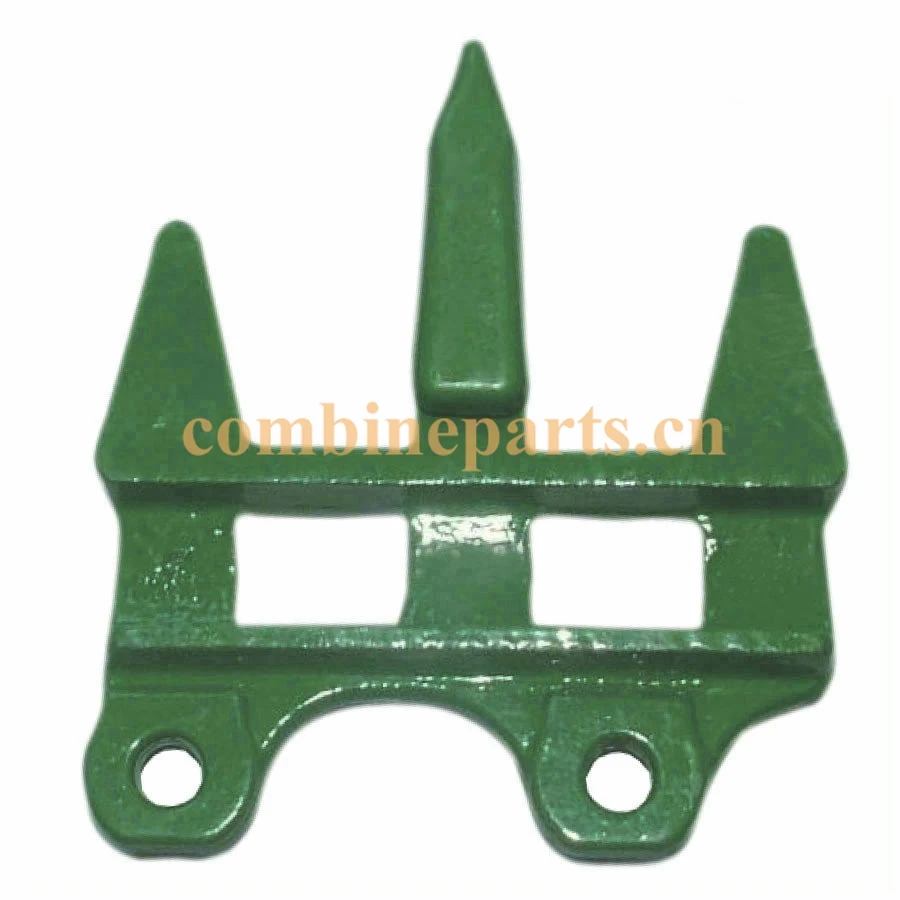
Mower Triple Blade Guard H229538 replacement for John Deere, CLAAS, CNH
Upgrade your mowing efficiency with Raydafon Group's Mower Triple Blade Guard H229538, a premium replacement part designed for John Deere, CLAAS, and CNH models. This durable guard ensures precise cutting and enhanced safety, making it perfect for farmers and landscapers seeking reliable performance. Experience smoother operation and reduced downtime—trust Raydafon Group for quality that cultivates excellence.
Mower Triple Blade Guard 4B4021 (H229538) Replacement for John Deere, CLAAS, CNH
What is Sickle Guard?
Sickle Guard is a protective shield that covers the sickle bar of the mower or harvester. It is designed to protect the cutting edge of the blade and reduce the risk of injury to the operator. Our Mower Triple Blade Guard 4B4021 (H229538) replacement for John Deere, CLAAS, CNH offers the following advantages:
Manufactured with high-quality materials to ensure durability and longevity.
Compatible with various brands and models of agricultural machinery.
Customizable upon request.
Easy to install and maintain.
[ninja_tables id="408263"]
Our Advantages
We specialize in producing and supplying replacement parts for agricultural machinery. Our Mower Triple Blade Guard 4B4021 (H229538) is just one of many products we offer. Our advantages include:
High-quality products at competitive prices.
Fast and reliable delivery.
Expert technical support.
Compatible Brands and Models
Please refer to the table below for the list of agricultural machinery brands and models that are compatible with our Mower Triple Blade Guard 4B4021 (H229538) replacement for John Deere, CLAAS, CNH:
We also offer other agricultural machinery parts, including agricultural chains, agricultural gearbox, pulley, sprocket, coupling, PTO shaft, concave, and more.
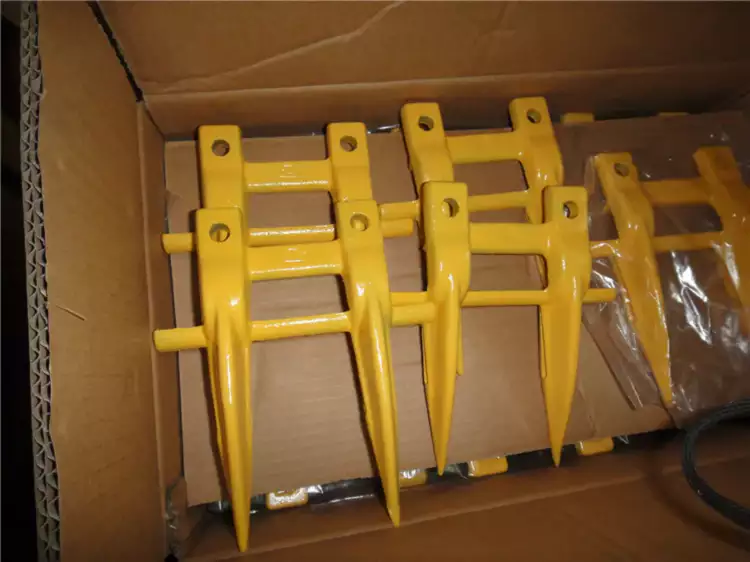
When to Replace the Sickle Guard?
The sickle guard is visibly worn or damaged: Check for cracks, deformation, severe wear, or even partial loss of sickle guard. These signs indicate that the sickle guard has lost its original protective function, and continuing to use it may cause damage to the tool or personal injury.
Frequent cutting obstacles: If crop blockages or tool entanglements occur frequently during harvesting operations, it may be because the sickle guard is worn, causing the tool to be too close to the crop. Check and replace it in a timely manner.
Accelerated tool wear: If you notice that the tool wear rate has increased significantly, even with normal maintenance, it may be due to the sickle guard losing its effective protection, making it more vulnerable to external impact or wear.
Increased noise during machine operation: When the sickle guard is damaged or loose, it may increase the noise of the machine during operation. This is because it has lost its original damping and stabilizing effect. It should be checked and replaced in time.
Decreased efficiency of the machine: If you find that the efficiency of harvesting operations has significantly decreased, after eliminating other factors, it may be due to the sickle guard's failure, causing the tool to cut abnormally. In this case, it needs to be replaced.
How to Choose the Right Sickle Guard?
Size matching: First, confirm whether the size of the sickle guard matches the cutting head or blade assembly on the agricultural machinery, including the length, width, and thickness of the sickle guard, as well as the position and size of the mounting holes.
Material: The material of the sickle guard has a great impact on its durability. Common materials include steel, cast iron, wear-resistant plastics, etc. Users should choose the corresponding wear-resistant and impact-resistant material according to factors such as the working environment and the hardness of the cutting object.
Shape design: The design of the sickle guard must match the type of tool being protected. For example, the design of the sickle guard for disc tools and the sickle guard for reciprocating cutting blades will differ. In addition, the shape of the sickle guard should also help reduce crop entanglement and improve cutting efficiency.
Installation method: Understand how the sickle guard is fixed to the agricultural machinery, such as whether there are buckles, bolt fixation, welding, or other installation methods, and ensure that the newly purchased sickle guard is consistent with the installation method on the original agricultural machinery.
Protection level: Evaluate the degree of protection provided by the sickle guard to the tool, such as the size of the protective margin, whether there is an anti-entanglement design, and whether it can effectively prevent direct impact from hard objects on the tool.
Compatibility: Confirm the compatibility of the sickle guard with the brand and model of agricultural machinery, ensuring seamless integration with your combine, mower, or other agricultural machinery.
Regulatory standards: Certain regions may have specific standards and certification requirements for agricultural machinery parts. When purchasing, be sure to ensure that the selected sickle guard complies with local laws, regulations, and safety standards.
Author: Miya
Hot Tags: Mower Blade Guard Replacement, H229538 Triple Blade Guard, OEM Agricultural Parts Wholesale
We use cookies to offer you a better browsing experience, analyze site traffic and personalize content. By using this site, you agree to our use of cookies. Privacy Policy