Raydafon Technology Group Co.,Limited
Products
Products
Offset Square Hay Baler for Agricultural Hay Baling
  • Offset Square Hay Baler for Agricultural Hay BalingOffset Square Hay Baler for Agricultural Hay Baling

Offset Square Hay Baler for Agricultural Hay Baling

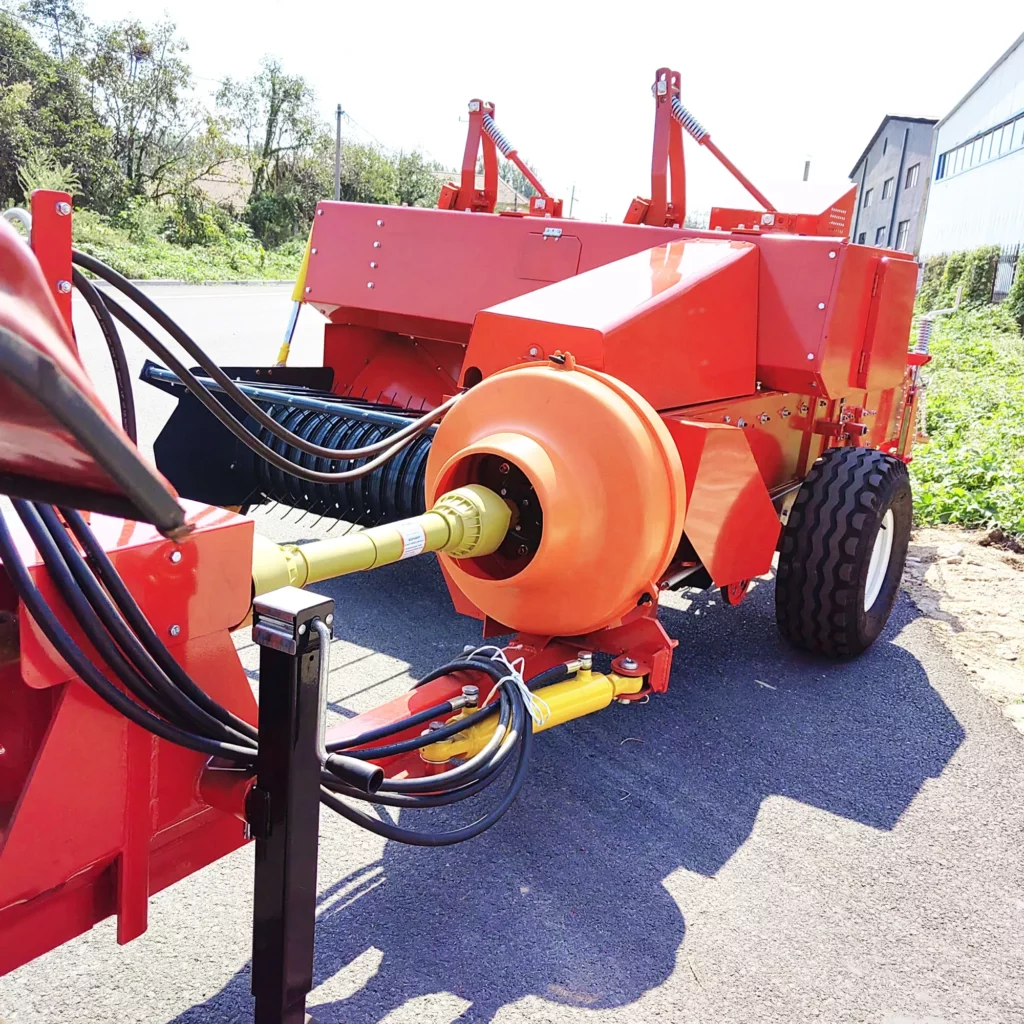
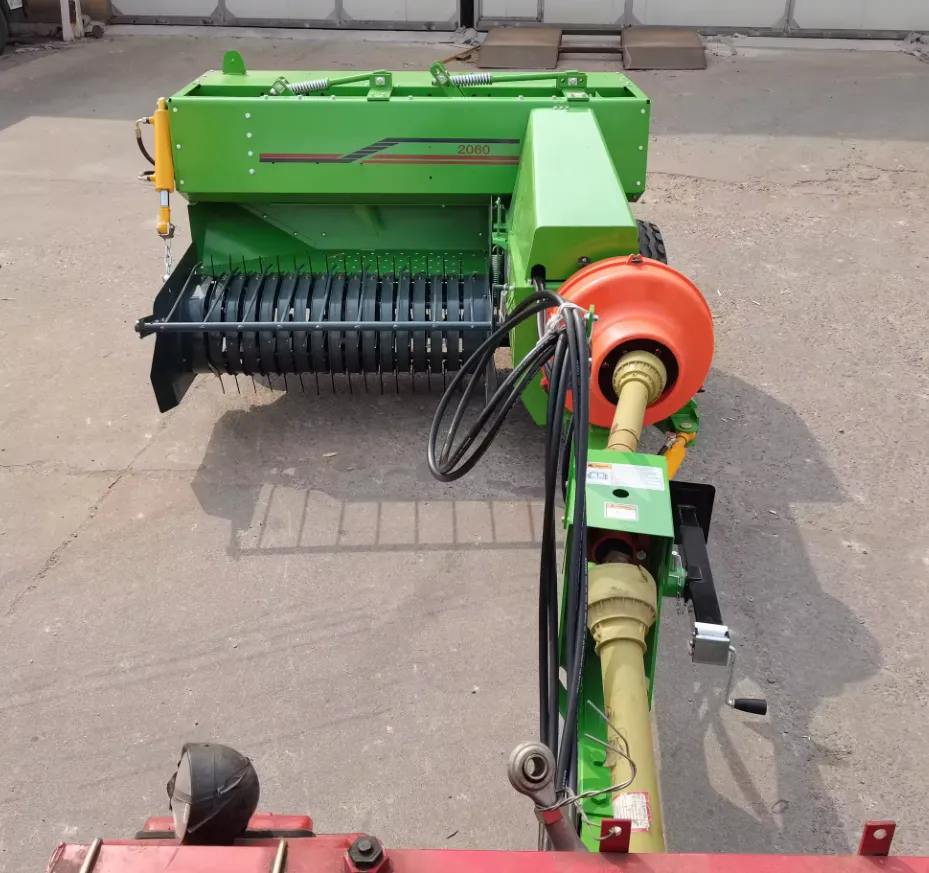
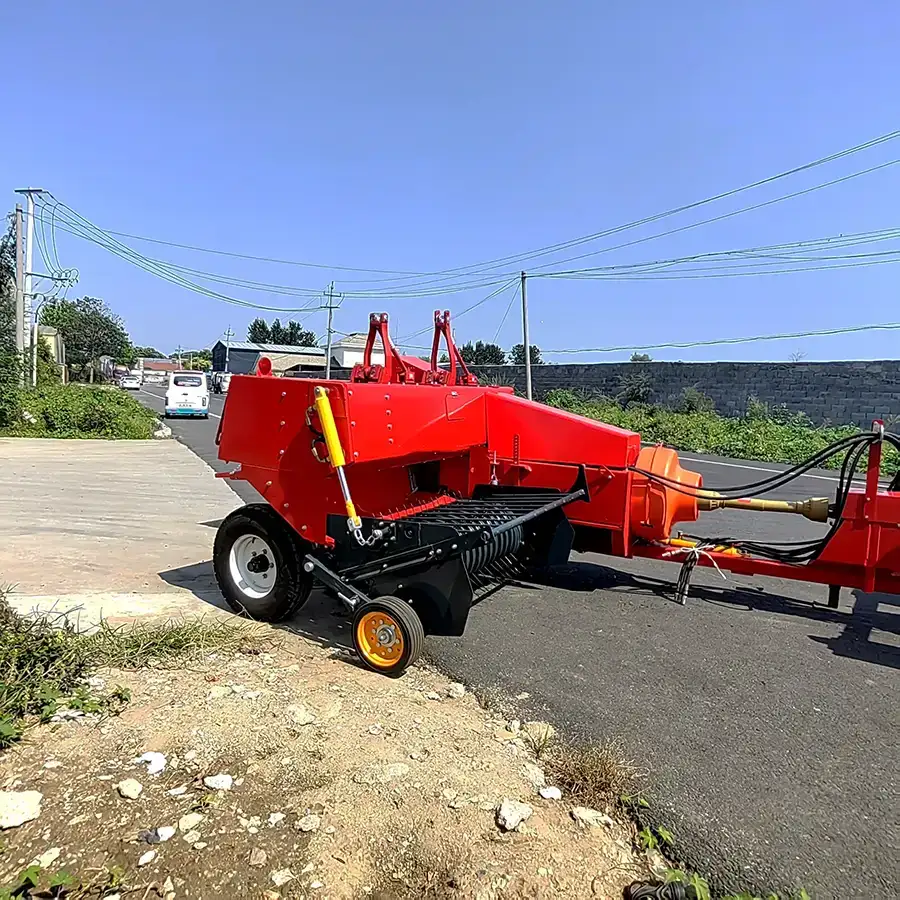
Raydafon Guoup's Offset Square Hay Baler for Agricultural Hay Baling revolutionizes baling with its innovative offset design, delivering superior efficiency and durability. Perfect for farmers and agricultural workers, this baler streamlines hay processing in varied terrains, saving time and effort. Experience the satisfaction of effortless operation and consistent, high-quality bales that enhance productivity and reliability. Distinguish your farm with this uniquely designed baler, offering unmatched performance in the field.
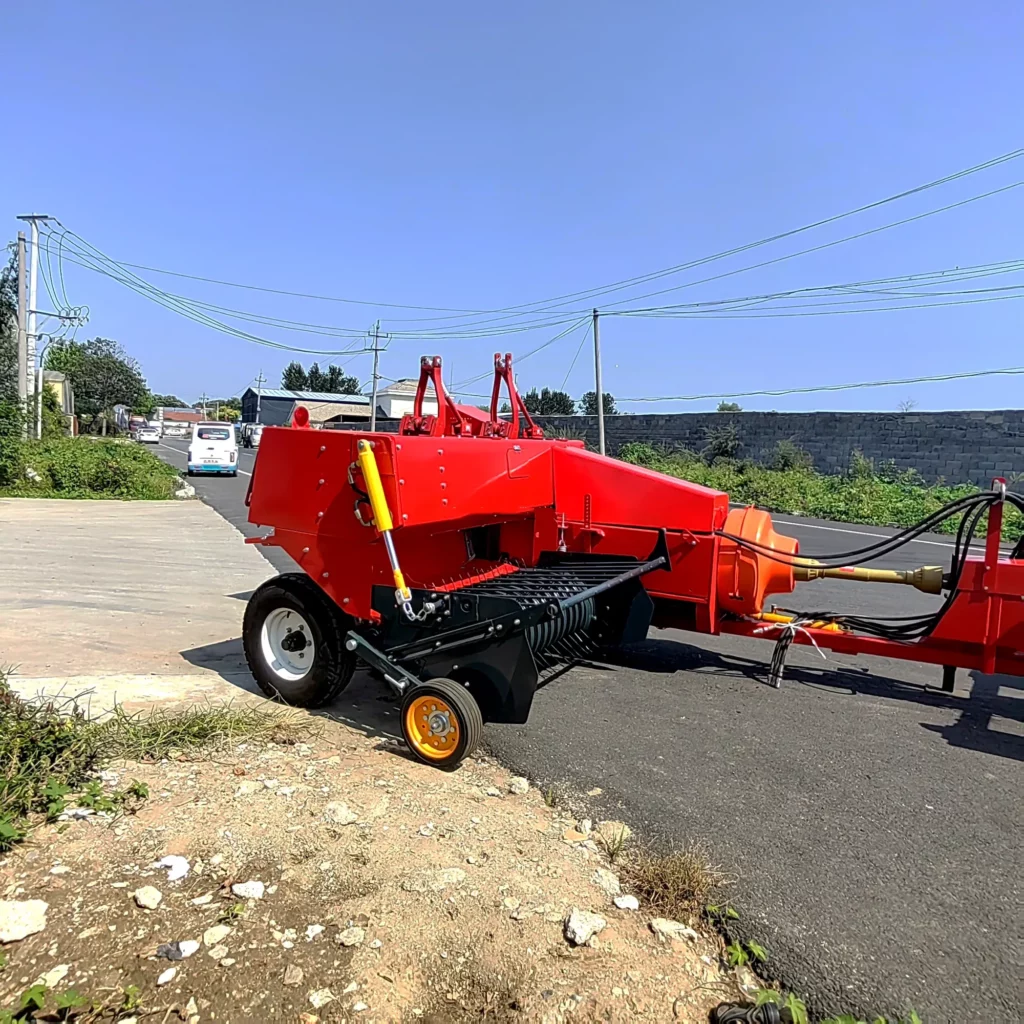
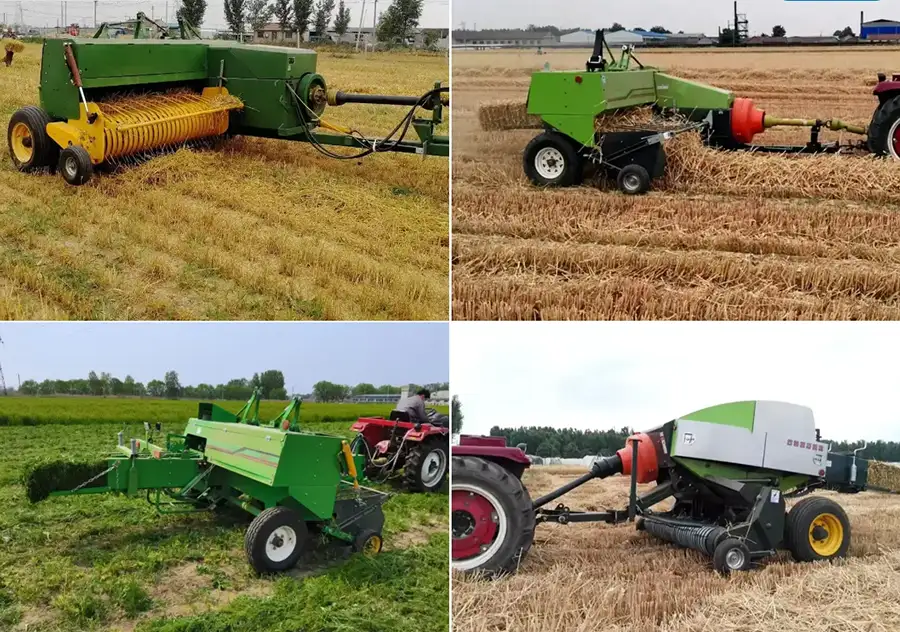
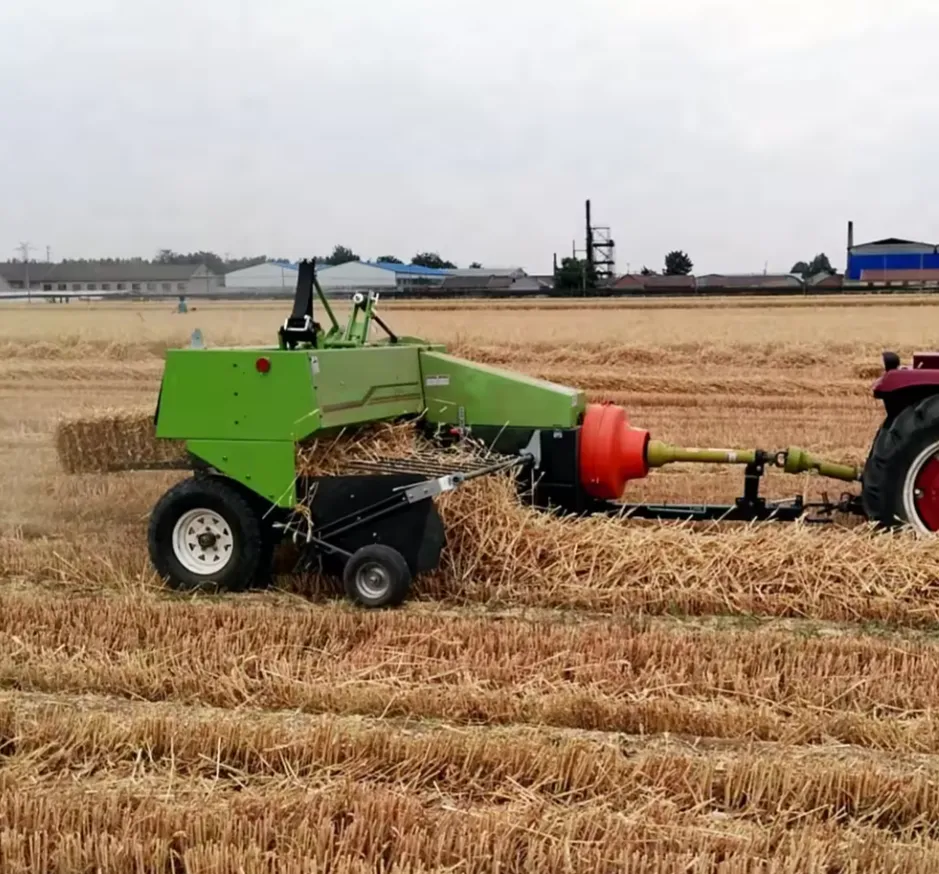
[embed]https://youtu.be/8UUrZLRNuDg[/embed] The offset square hay baler is a robust piece of machinery designed to streamline the process of baling hay, grass, silage, rice, wheat straw, and corn stalk. This square baler, which boasts of dimensions of 4200x2490x1600 and weighs around 1030 KG, is perfect for farming applications. The machinery comes with a 2-year warranty and is equipped with core components like bearing and gear. It is designed to offer a long service life and can be conveniently connected with a tractor using a 2-point hitch system. The key feature of an offset square baler lies in its ability to form bales that are not directly in line with the direction of travel, allowing the operator to maintain a smooth path through the field without needing to turn the tractor as frequently. This offset configuration maximizes productivity by reducing the time spent turning and maneuvering, particularly in tight or irregularly shaped fields. The baling process begins with the feeder mechanism, which continuously draws in the loose forage material. The material is then compressed by a series of powerful rollers or plungers, reducing its volume and increasing its density. As the material is compressed, it is shaped into a uniform rectangular bale by a series of steel wires or belts that bind the bale tightly around its circumference. The tightly compressed and bound bale is then ejected from the back of the machine, either to the side or onto a conveyor belt attached to the baler or a separate tractor-mounted pickup system. This ensures that the bale is placed neatly in the field for later collection, allowing the operator to continue baling without interruption. Offset Square Hay Baler for Agricultural Hay Baling

Offset Square Hay Baler RXFK2060 Specifications

model
RXFK2060
Dimensions
4200x2490x1600mm
Structural weight
1030kgs
Working width
1300mm
Spring teeth No.s
32
Plunger stroke
600mm
Plunger frequency
92 times/min
Working capability
80-240bales/hour
Cross section of bales
320x420mm
Length of bales
30-1000mm adjustable
Matching power
Above 25HP
PTO RPM
300-1200mm adjustable

Advantages of Using an Offset Square Hay Baler

An offset square hay baler offers several advantages compared to other types of hay balers. Here are some of the key advantages:
  1. Increased Efficiency: Offset square hay balers are designed to increase the efficiency of the baling process. They have a higher throughput compared to other balers, allowing you to bale more hay in less time. This can be especially beneficial during periods of peak hay production when time is crucial.
  2. Reduced Labor Requirements: The offset design of these balers simplifies the baling process and reduces the need for manual labor. They often feature automated systems for bale tying and ejecting, minimizing the amount of physical work required. This can lead to significant labor savings, especially for larger operations.
  3. Improved Maneuverability: Offset square hay balers are designed to be more maneuverable than other balers. Their offset configuration allows for tighter turns and better maneuvering around obstacles in the field. This can be particularly advantageous in smaller fields or fields with irregular shapes.
  4. Enhanced Bale Density: These balers are known for producing dense, tightly packed bales. The offset design allows for better compression of the hay, resulting in higher bale weights and improved storage efficiency. Dense bales are easier to handle, transport, and store, reducing storage space requirements and overall handling costs.
  5. Versatility: Offset square balers can handle a wide range of hay types and conditions. They are capable of baling both dry and wet hay, making them suitable for various weather conditions and moisture levels. This versatility allows farmers to adapt to changing weather patterns and optimize hay production.
  6. Compatibility with Modern Tractors: Offset square balers are designed to be compatible with modern tractors and can be easily hitched to the power take-off (PTO) system. They often integrate advanced control systems that allow for precise adjustments and monitoring of the baling process, maximizing operational efficiency.
Offset Square Hay Baler for Agricultural Hay Baling

Common Applications of the Offset Square Baler

The offset square baler is a specialized type of square baler that is designed to handle specific tasks efficiently in the agricultural field. Some common applications where offset square balers excel include:
  • Baling Hay: The offset square baler is widely used for hay baling, where it efficiently collects and compresses dried grass into dense, manageable bales. This process preserves the nutritional value of the hay, making it easier to transport and store. The offset design allows for better field coverage, ensuring that all areas are baled efficiently, even in irregular fields.
  • Baling Forage: Forage baling involves compressing a variety of grasses and legumes that are used as animal feed. The offset square baler helps in maintaining the quality of the forage by minimizing leaf shatter and nutrient loss. Its ability to produce uniform bales ensures easy stacking and storage, optimizing space and reducing spoilage during the storage period.
  • Baling Silage: When baling silage, the offset square baler compacts the moist forage crops to facilitate anaerobic fermentation. This method is crucial for preserving the high moisture content, which is beneficial for livestock feed. The offset design aids in efficient pickup and baling of silage, even on fields with obstacles or uneven terrain, enhancing productivity.
  • Baling Corn Stalk: Corn stalk baling involves collecting and compressing the stalks left after harvesting corn. The offset square baler helps in creating dense bales that are easier to handle and transport. These bales can be used for livestock bedding or as biomass for energy production. The machine’s design allows for effective navigation around the remaining crop residue.
  • Baling Rice Straw: After rice harvesting, the remaining straw can be baled using an offset square baler. This process reduces waste and provides a valuable resource for animal feed or soil amendment. The baler efficiently gathers the straw, minimizing field passes and soil disturbance. Its offset design ensures thorough collection, even in fields with varying contours.
  • Baling Wheat Straw: Wheat straw baling is another common application, where the baler compresses the leftover straw after grain harvest. These bales serve various purposes, including livestock bedding and erosion control. The offset square baler’s efficient pickup system ensures high productivity and reduces time spent in the field while maintaining the integrity of the straw bales.
Offset Square Hay Baler for Agricultural Hay Baling

Working Principle of Tractor Mounted PTO Driven Offset Square Baler for Baling Hay

The working principle of a tractor mounted PTO driven offset square baler for baling hay involves several key steps that transform loose forage materials into dense, rectangular bales. Here's a detailed breakdown of the process:
  1. Power Take-Off (PTO) Connection: The baler is powered by the tractor's PTO, which transfers mechanical energy from the tractor to the baler. This setup allows the baler to operate efficiently without needing its own engine. The PTO connection ensures that the baler can manage the power requirements necessary for compressing hay into dense bales.
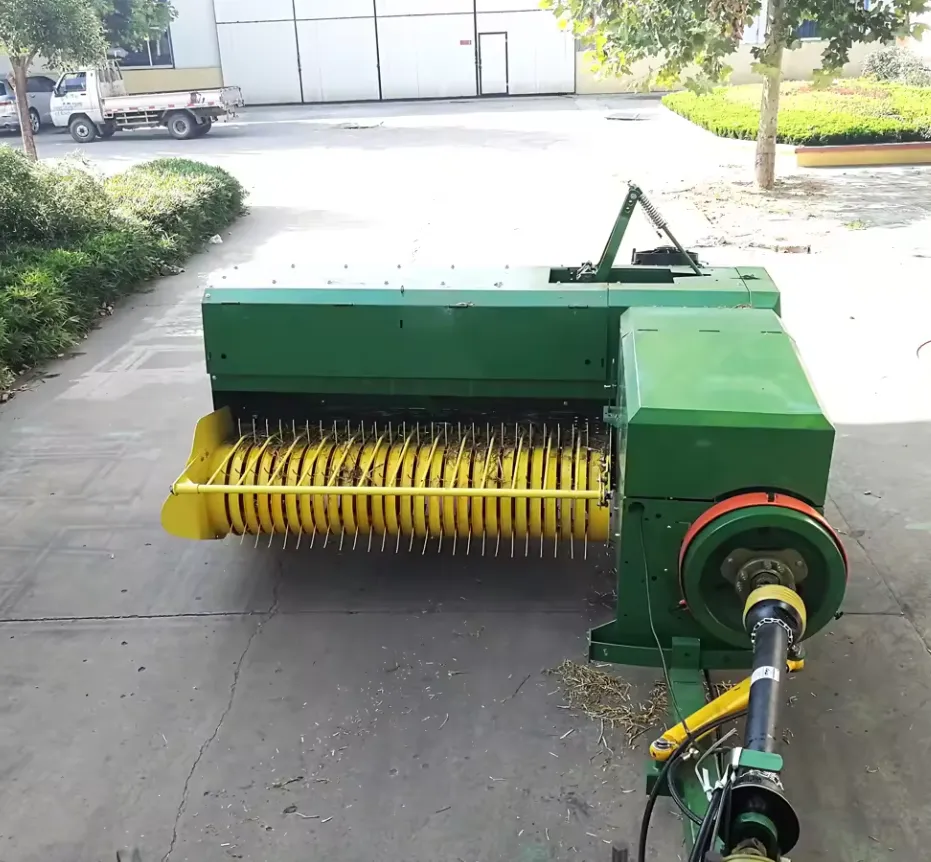
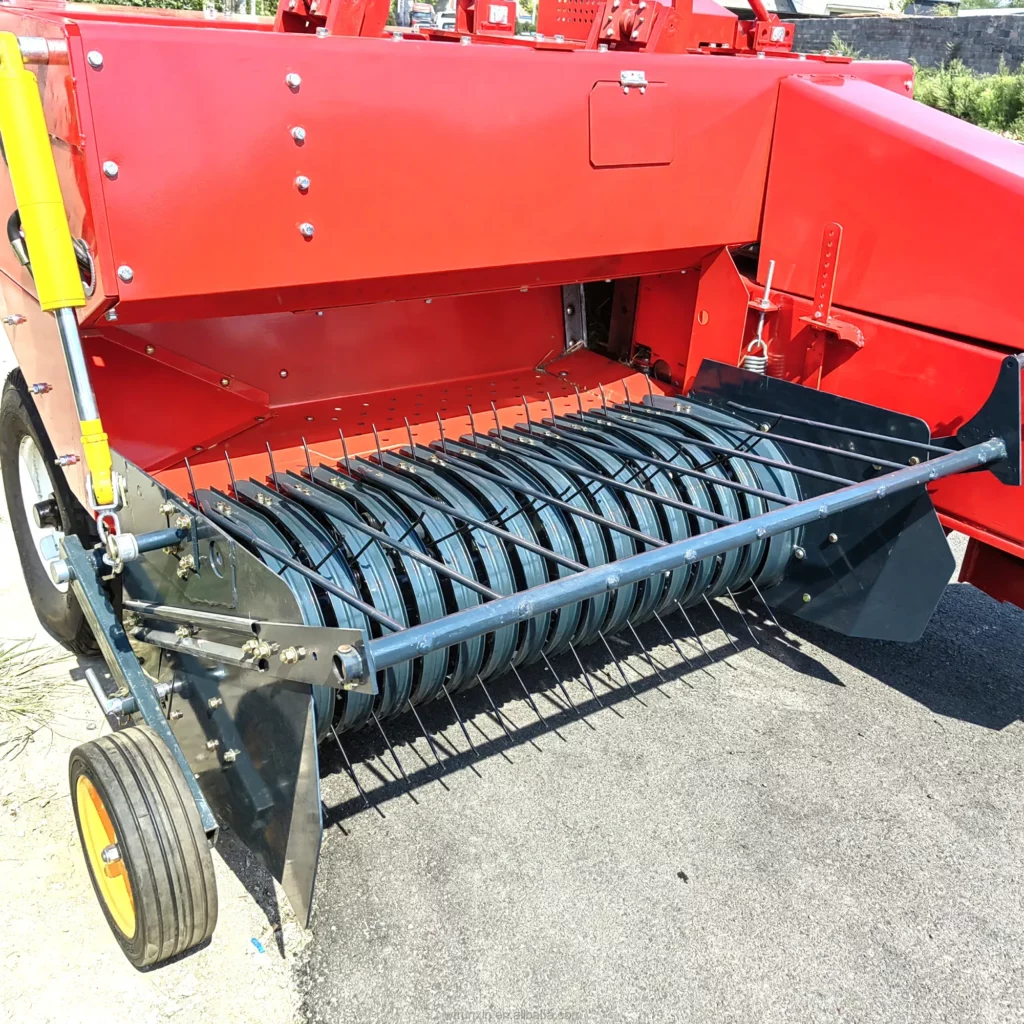
  2. Pickup Mechanism: The baler features a pickup reel that gathers the hay from the windrow as the tractor moves through the field. This mechanism lifts the hay and feeds it into the baler chamber. The offset design ensures that the pickup can effectively gather hay even from the edges of the field, maximizing collection efficiency.
  3. Compression Chamber: Once inside the baler, the hay is fed into a compression chamber where it is compacted into a dense, uniform shape. The chamber uses a series of plunger movements to apply pressure, forming the hay into tightly packed bales. This compression process is crucial for creating bales that are easy to handle and store.
  4. Binding and Tying: After the hay is compressed, the baler uses twine or wire to bind the bale securely. This step is essential to maintain the bale’s shape and integrity during handling and storage. The tying mechanism automatically wraps and knots the binding material around the bale, ensuring consistency and reliability in each bale produced.
  5. Ejection of Bales: Once tied, the completed bale is ejected from the chamber onto the field. The ejection process is designed to be smooth and efficient, allowing for continuous operation. The offset design aids in the strategic placement of bales, reducing the need for additional handling and making it easier to collect and transport them later.
Offset Square Hay Baler for Agricultural Hay Baling

Installation Operation:

The installation steps of a PTO drive offset square baler to a tractor typically involve a series of precise procedures to ensure safe and efficient operation. Here are the general installation steps:
  • Position the Tractor and Baler: Begin by parking the tractor on a flat, stable surface and ensuring that the baler is positioned directly behind it. This alignment is crucial for a smooth connection. Make sure the tractor is turned off and the parking brake is engaged to prevent any accidental movement during the installation process.
  • Attach the Three-Point Hitch: Connect the baler to the tractor using the three-point hitch system. Start with the lower lift arms, ensuring they are properly aligned with the hitch points on the baler. Secure them by inserting the locking pins. Adjust the top link to the appropriate length, ensuring the baler sits level with the ground.
  • Connect the PTO Shaft: Align the PTO shaft of the baler with the tractor's PTO output. Carefully slide the shaft onto the tractor's PTO spline, ensuring it locks into place with the retaining pin or collar. It’s essential to check that the PTO shaft is the correct length to avoid any strain or damage when in operation.
  • Adjust the Baler Height and Alignment: Use the tractor's hydraulic controls to adjust the height of the baler, ensuring it is properly aligned with the field surface for optimal pickup. Check that the offset position is correct and that the baler will operate smoothly without causing excessive wear on the components or the tractor.
  • Inspect Safety Shields and Guards: Before operating, inspect all safety shields and guards on both the tractor and baler. Ensure they are in place and secure to protect against moving parts. This step is critical for operator safety and to prevent debris from causing damage during the baling process.
  • Lubricate Moving Parts: Apply lubrication to all moving parts of the baler, including the PTO shaft, pickup reel, and any other components specified by the manufacturer. Proper lubrication helps reduce friction, prevent wear, and ensure smooth operation. Regular maintenance checks are essential to extend the life of the equipment.
  • Test the Connection: Finally, start the tractor and engage the PTO at a low speed to test the connection. Observe the baler’s components to ensure everything is functioning properly. Listen for unusual noises and check for vibrations. Once satisfied, gradually increase PTO speed to operational levels before beginning the baling process.
Offset Square Hay Baler for Agricultural Hay Baling

Common Troubleshooting of Offset Hay Square Baler

Troubleshooting common issues with an offset hay square baler can help keep your baling operations running smoothly. Here are some frequent problems encountered with offset hay square balers and how to address them:

1. Bales Not Forming Properly

  • Causes: Incorrect tension settings, uneven or insufficient hay feed, or worn plunger knives or chamber liners.
  • Solutions: Adjust the tension settings according to the manufacturer’s recommendations. Ensure even feeding of the hay into the baler. Inspect and replace worn plunger knives or chamber liners as needed.

2. Twine Not Tying

  • Causes: Twine tension too low, worn or improperly adjusted knotter, or problems with the twine delivery system.
  • Solutions: Adjust the twine tension. Clean and lubricate the knotter mechanism, and replace any worn parts. Check the twine spools for smooth delivery and correct any issues.

3. Baler Jamming

  • Causes: Overfeeding, debris in the baler, or mechanical failure.
  • Solutions: Feed the baler at a consistent rate to prevent overloading. Regularly inspect and clean the baler to remove any debris or accumulated material. Check for and address any mechanical issues causing the jam.

4. Uneven Bales

  • Causes: Uneven hay distribution, incorrect baler settings, or issues with the pickup mechanism.
  • Solutions: Ensure hay is fed evenly into the baler. Adjust baler settings for consistent bale density and size. Inspect the pickup mechanism for wear or damage and adjust or replace components as necessary.

5. Excessive Twine Breakage

  • Causes: Sharp edges around the knotter, incorrect twine type or quality, or high twine tension.
  • Solutions: Inspect and file down any sharp edges around the knotter area. Use the correct type and quality of twine recommended by the manufacturer. Adjust twine tension to the appropriate level.

6. Abnormal Noise or Vibration

  • Causes: Loose or worn parts, misalignment, or mechanical issues within the baler.
  • Solutions: Inspect the baler for loose or worn parts and tighten or replace as needed. Check for and correct any misalignments. Conduct a thorough inspection to identify and repair any internal mechanical issues.
Offset Square Hay Baler for Agricultural Hay Baling

Agricultural PTO Shaft for Mini Square Baler

Agricultural PTO shafts and mini square balers are crucial components in efficient farm operations. A PTO shaft is a mechanical device that transfers power from a tractor to various implements, including mini square balers. This power transfer is essential for operating equipment that doesn't have its own engine, allowing the tractor's engine to drive the baler's mechanisms. The PTO shaft connects to the tractor’s PTO stub and the baler’s input shaft, facilitating a seamless flow of power. This connection enables the mini square baler to perform key tasks such as picking up, compressing, and tying crop material into compact square bales. These bales are easier to handle, stack, and store, making them ideal for small to medium-sized farms. The relationship between the PTO shaft and the mini square baler is significant for several reasons. First, the PTO-driven system ensures consistent power delivery, crucial for handling various materials like hay, straw, or silage. This reliability minimizes downtime due to mechanical issues, allowing farmers to complete baling tasks efficiently. Moreover, the mini square baler benefits from the PTO shaft’s steady power supply, which is essential for producing uniform bales. Consistent bale size and density are important for optimizing storage and transport, as well as preserving the quality of the baled material for livestock feed. Additionally, using a PTO-driven baler reduces the need for additional engines, lowering maintenance costs and simplifying farm operations. This setup allows farmers to maximize their tractor’s utility, making the process more economical and environmentally friendly. The connection between the agricultural PTO shaft and the mini square baler is foundational for effective farming. The PTO shaft provides the necessary power, while the baler’s design optimizes the baling process. Together, they enhance productivity, ensuring that tasks are performed with precision and reliability, which is crucial for successful agricultural management. Offset Square Hay Baler for Agricultural Hay Baling

Why Choose Raydafon's Square Hay Baler?

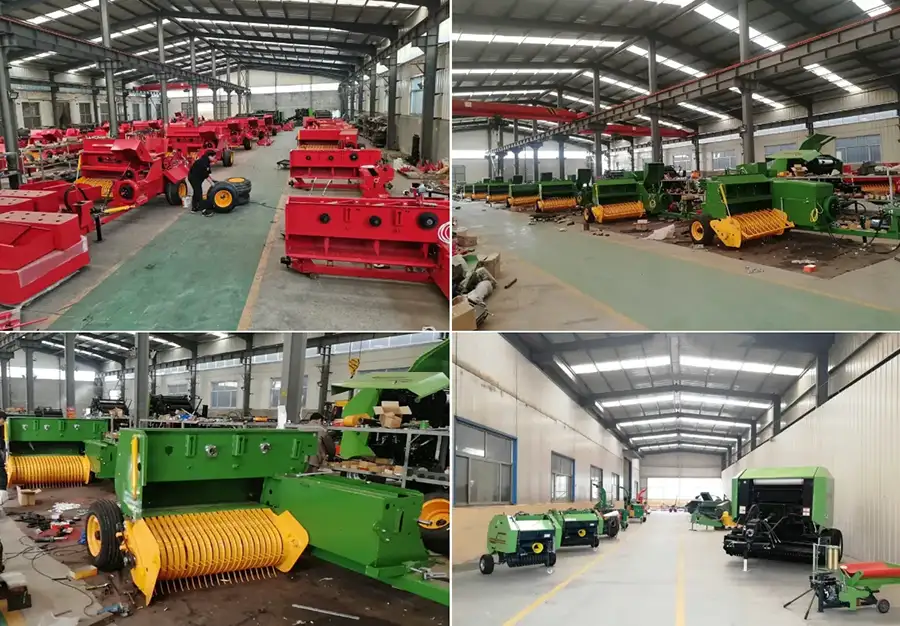
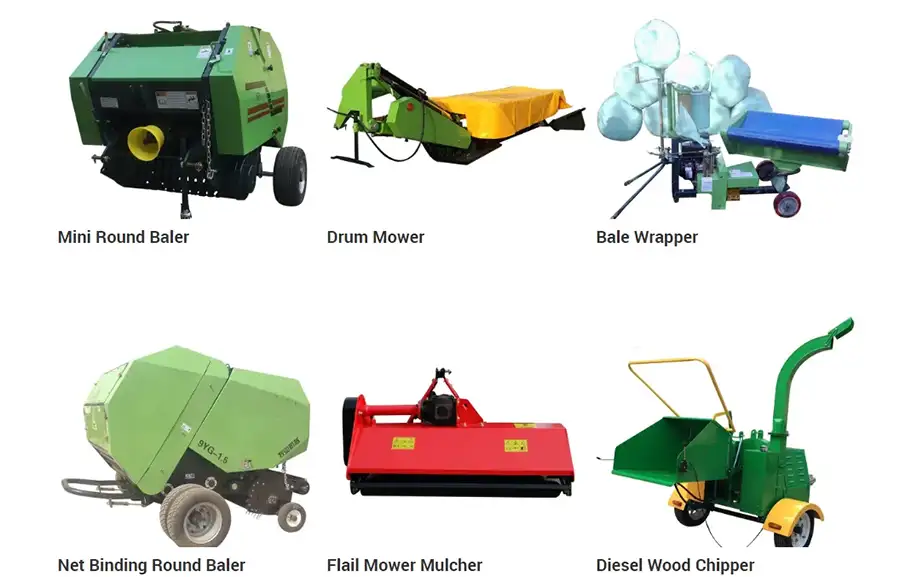
Raydafon is a leading manufacturer and supplier specializing in the production and sale of square balers. Our company boasts a robust technical prowess and a large-scale operation, with advanced production facilities and a highly skilled workforce. We pride ourselves on delivering high-quality square balers that are perfect replacements for renowned brands such as John Deere, New Holland, Massey Ferguson, Case IH, Krone, Claas, Kuhn, Vermeer, Hesston, Kubota, AGCO, Challenger, and Welger. Our square balers are designed with superior features including high-density compression, uniform bale formation, and efficient knotting systems. These advantages ensure excellent performance in collecting, compressing, and baling crops such as hay, straw, and grass. Our balers are widely used in various agricultural settings, from small farms to large-scale agricultural enterprises, enhancing productivity and reducing labor costs. As a specialist in the square baler field, Raydafon has established a strong reputation for expertise and influence. Our commitment to professional excellence is reflected in our international certifications, customized service offerings, and state-of-the-art manufacturing facilities. We provide comprehensive after-sales service to ensure customer satisfaction and the long-term reliability of our products. Offset Square Hay Baler for Agricultural Hay Baling In addition to square balers, we also offer a wide range of agricultural machinery, including PTO shafts, agricultural gearboxes, large round balers, mini round balers, PTO wood chippers, diesel wood chippers, drum mowers, disc mowers, rotary hay rakes, fertilizer spreaders, lawn mowers, sickle bar mowers, rotary mowers, flail mowers, rotary tillers, land levelers, furrow ploughs, disc harrows, disc blades, disc ridgers, disc ploughs, potato planters, potato harvesters, corn seeders, wheat seeders, vegetable seeders, boom sprayers, subsoiler, trailers, finger wheel rake, snow blower, road sweeper, and more. Our diverse product range and commitment to quality make Raydafon a trusted partner in the agricultural industry. Offset Square Hay Baler for Agricultural Hay Baling
Professionalism and Expertise

With over 100 employees, including 20 technical staff and five senior R&D personnel, Raydafon has a strong team to drive their product innovation and quality control. Their professional approach and technical expertise ensure that their products meet the highest quality standards.

International Certifications

Raydafon's commitment to quality and safety is reflected in their international certifications. They comply with rigorous industry standards, ensuring that their products are safe, reliable, and durable.

Customized Services

Understanding the unique needs of each customer, Raydafon offers customized services. They work closely with their clients to understand their requirements and deliver products that meet those needs perfectly.

Production Facilities

Raydafon boasts advanced production facilities with top-of-the-line machinery for casting, forging, machining, heat treatment, and lacquering. Their state-of-the-art facilities ensure that their products are manufactured with precision and quality.

After-Sales Services

Along with offering high-quality products, Raydafon also provides comprehensive after-sales services. Their dedicated customer service team is always ready to assist clients with their queries and concerns, ensuring complete satisfaction. Author: Yjx
Hot Tags: Offset Square Hay Baler, Square Baler for Hay, Agricultural Baler Supplier
Send Inquiry
Contact Info
Get customized quotes for transmission components, gearboxes, and machinery. Our engineers will respond within 24 hours.
Online
X
We use cookies to offer you a better browsing experience, analyze site traffic and personalize content. By using this site, you agree to our use of cookies. Privacy Policy
Reject Accept