
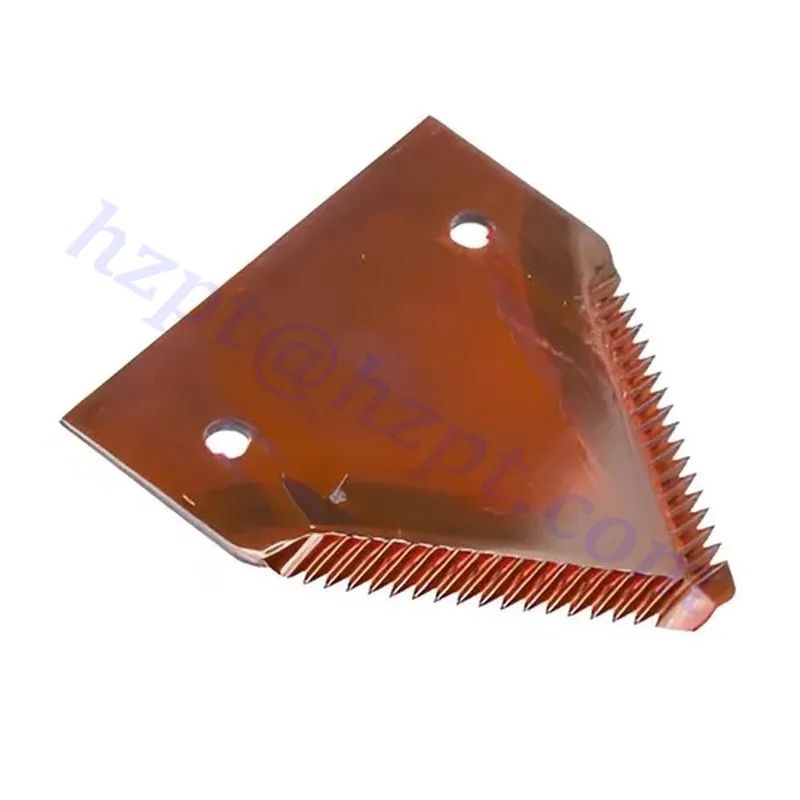
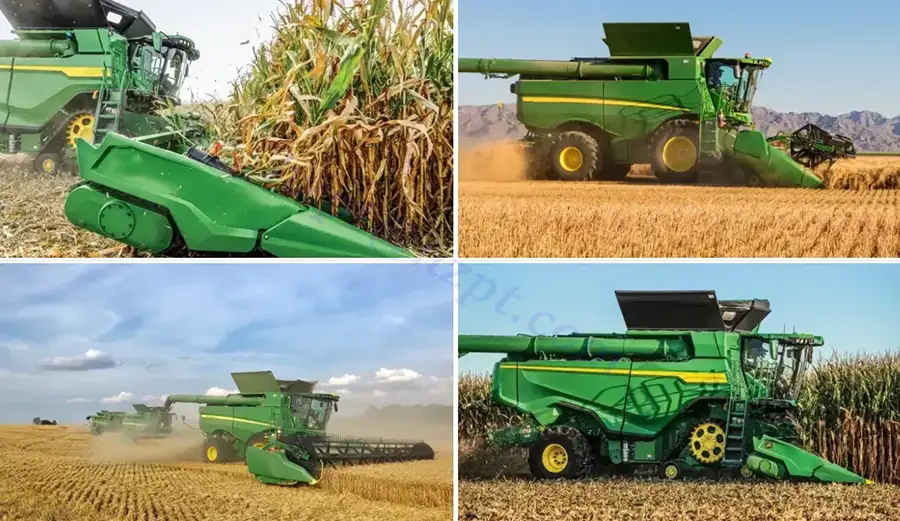
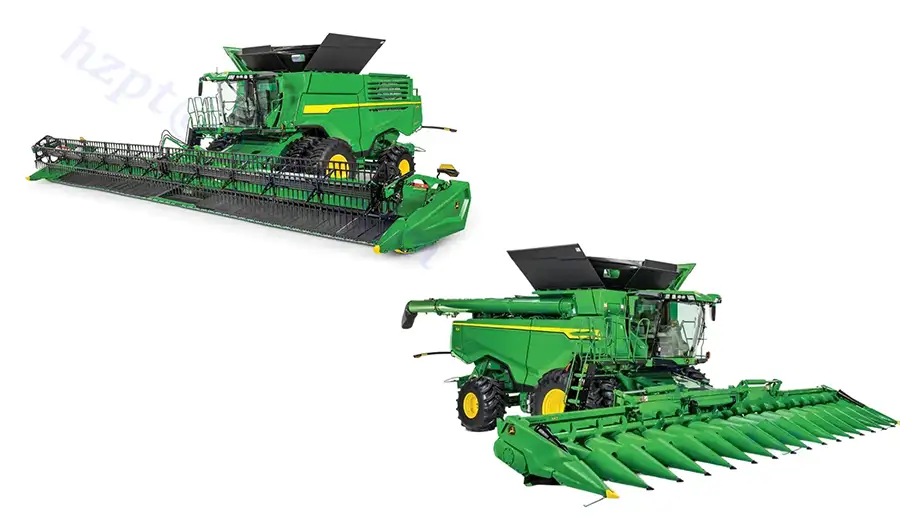
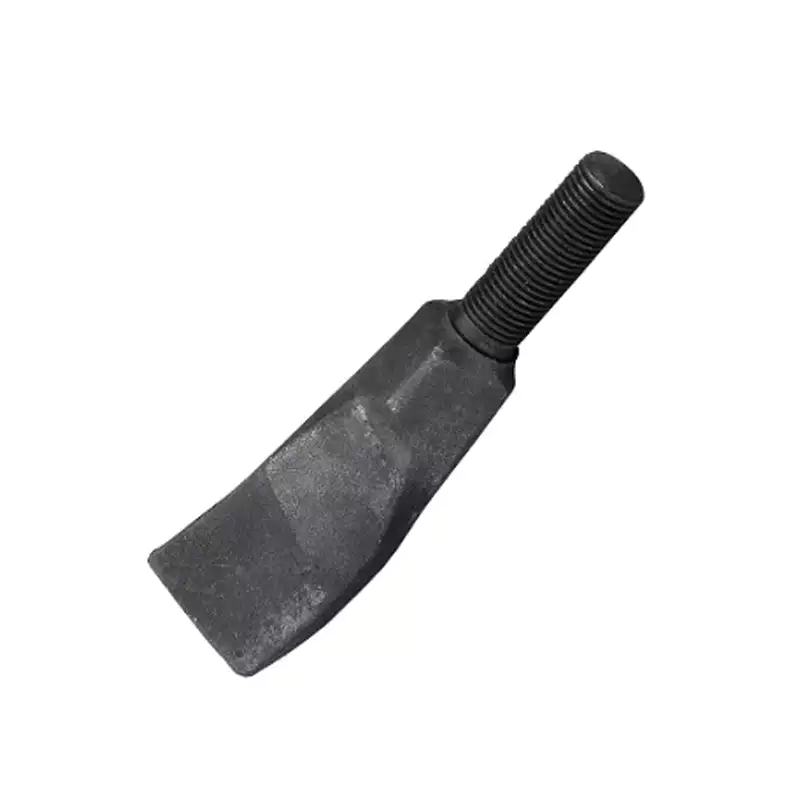
| Application | JOHN DEERE COMBINE:1032,925,932 JOHNDEERE CUTTING FLATFORM:1000,900 |
| SKU | JD5397 |
| Reference Code | AZ32298 P49650 |
| Manufacturer | Raydafon Group |
| Brand | |
| Weight | 0.08KG |
| Finishing | Painting Green Color or Galvanize or OEM |
| Packing | Carton or Wooden box or Iron Box |
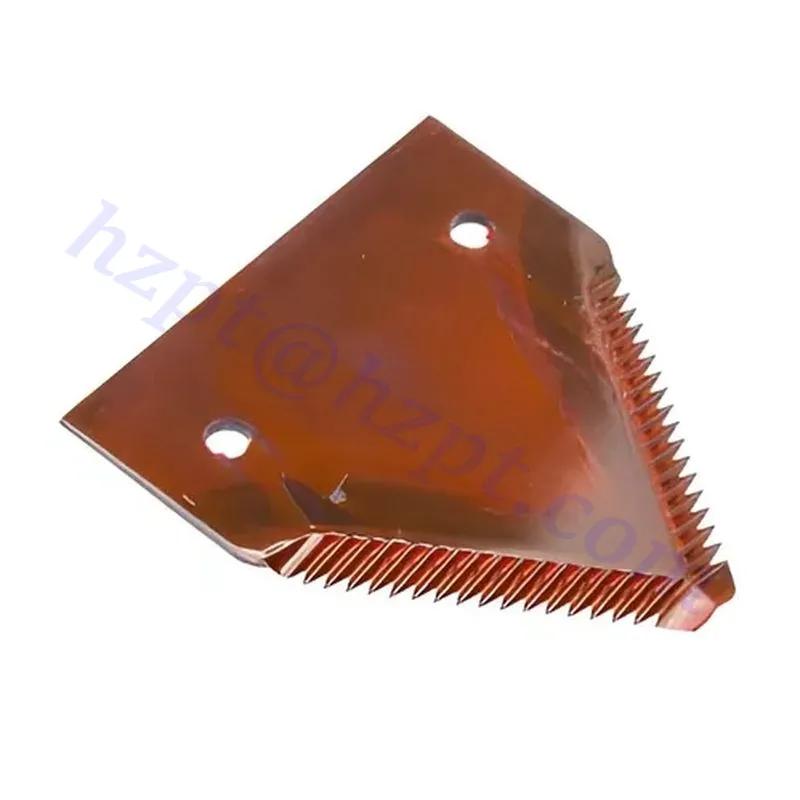
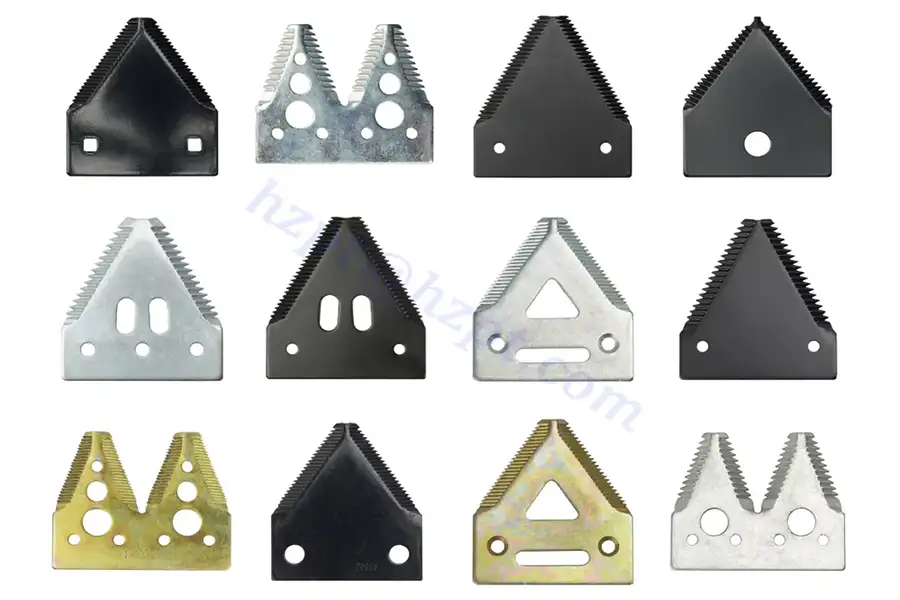
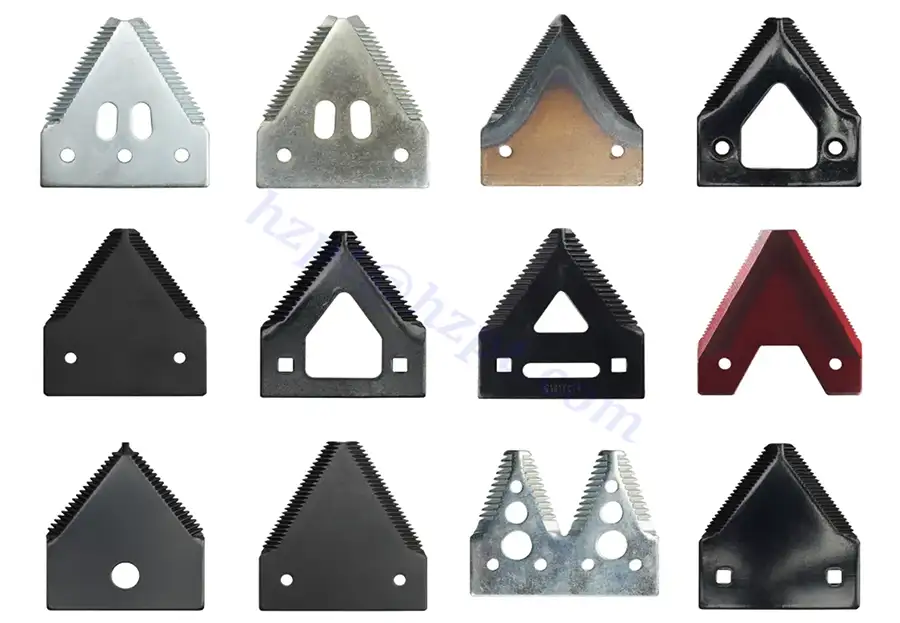
In this guide, we will walk you through the step-by-step process of replacing a damaged knife section (P49650) for John Deere Combine Harvesters. Follow these eight detailed steps to ensure a successful replacement.
Step 1: Safety Precautions
Before starting any repair work, ensure that the harvester is turned off and the engine is completely cooled down. Wear appropriate safety gear, including gloves and eye protection.
Step 2: Assess the Damage
Inspect the knife section to determine the extent of the damage. Look for any cracks, breaks, or signs of wear. It is essential to accurately identify the damaged area to ensure a proper replacement.
Step 3: Gather the Required Tools
Collect all the necessary tools for the replacement process. This may include a socket wrench, pliers, a hammer, and a replacement knife section.
Step 4: Remove the Old Knife Section
Using the appropriate tools, carefully remove the bolts securing the damaged knife section to the harvester. Take note of the positioning and orientation of the old knife section for an accurate replacement.
Step 5: Clean the Area
Thoroughly clean the area where the old knife section was removed. Remove any debris or residue that may hinder the proper installation of the new knife section.
Step 6: Install the New Knife Section
Position the new knife section in the same orientation as the old one. Align the holes on the knife section with the mounting points on the harvester. Secure it in place with the appropriate bolts, ensuring a tight fit.
Step 7: Test the Replacement
Turn on the harvester and test the new knife section. Ensure that it operates smoothly and efficiently. If any issues are detected, recheck the installation and make necessary adjustments.
Step 8: Final Inspection
Once the replacement is complete and the knife section is functioning properly, perform a final inspection of the harvester. Confirm that all components are securely in place and that there are no loose connections or potential hazards.
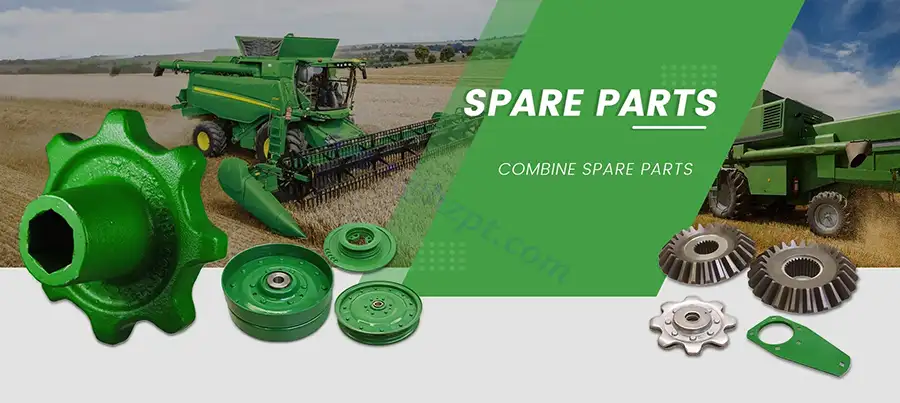
Modern combine harvesters are complex machines that rely on a variety of components to function efficiently. In addition to the Knife Section for John Deere Combine Harvesters, there are several other crucial replacement parts needed to keep these machines operating at peak performance. Below we will explore some of the other key components required for optimal combine harvester harvesting efficiency.
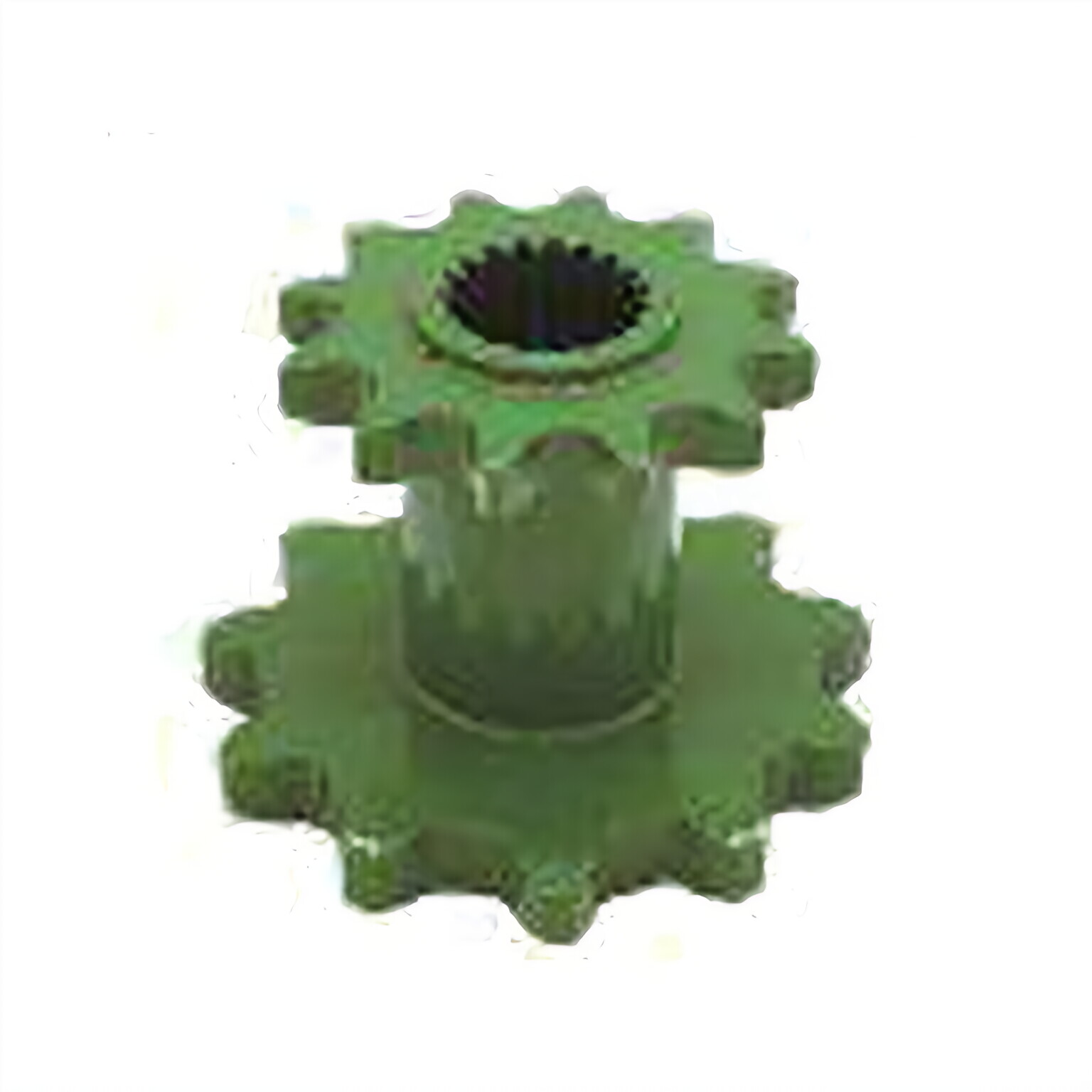
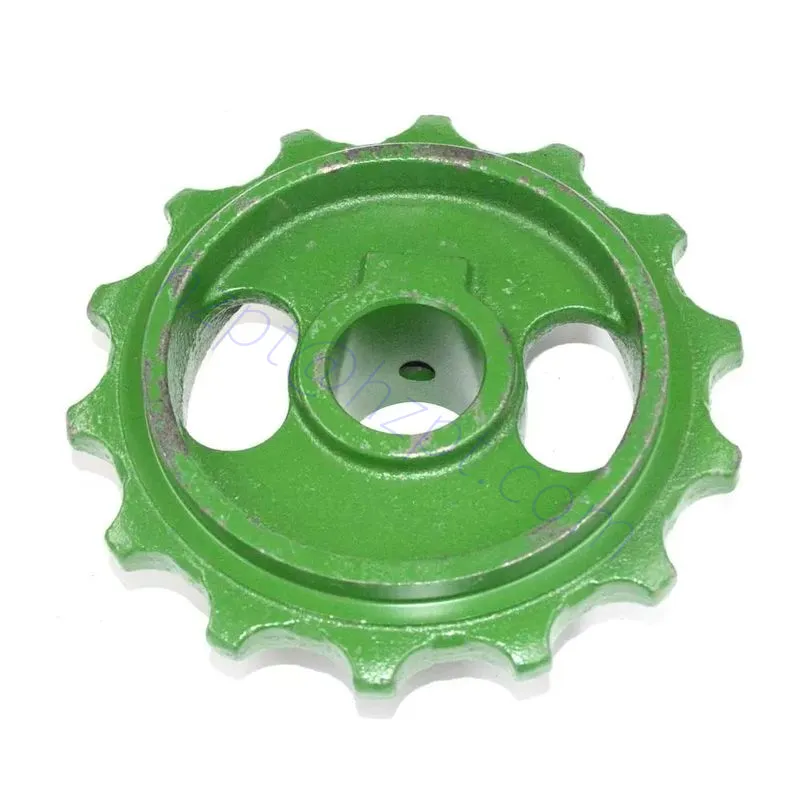
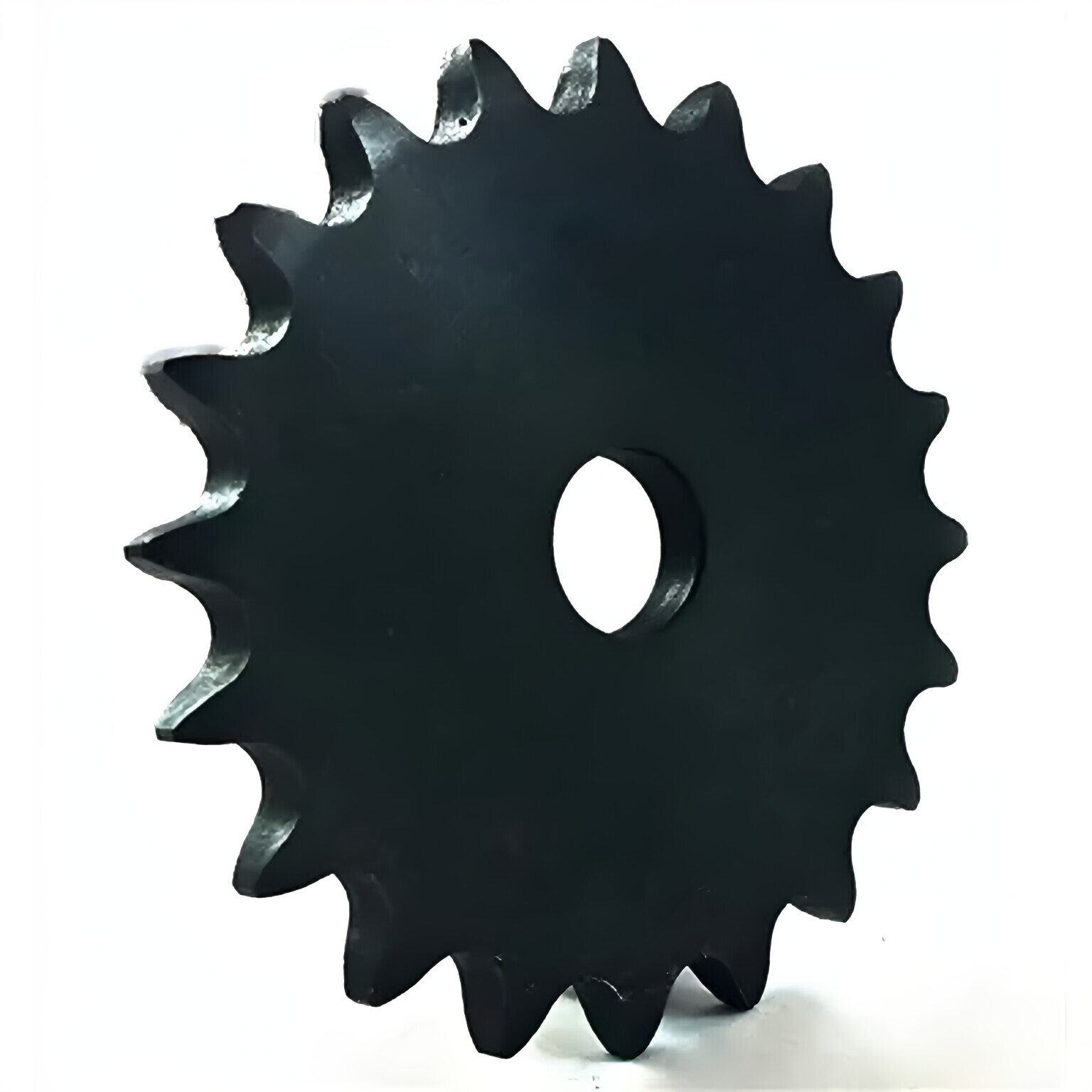
Chain sprockets are an essential component for transferring power within the combine. When chains engage with chain sprockets, they ensure smooth operation across different components. Made from robust materials, chain sprockets require regular maintenance to prevent wear and maintain efficient power transmission during harvesting. Without properly maintained chain sprockets, the combine harvester can experience a drop in performance and efficiency, leading to increased wear on other components and a reduction in the lifespan of the machine overall.
Idler sprockets play a crucial role in guiding and maintaining proper tension in chains. Although they do not transmit power, they are essential in preventing chain slack and misalignment. Regular inspection ensures that idler sprockets remain in good condition, which is vital for the longevity of the chain system. A poorly maintained idler sprocket can lead to decreased performance as well as damage to the chains, which can lead to even more significant issues with the combine harvester.
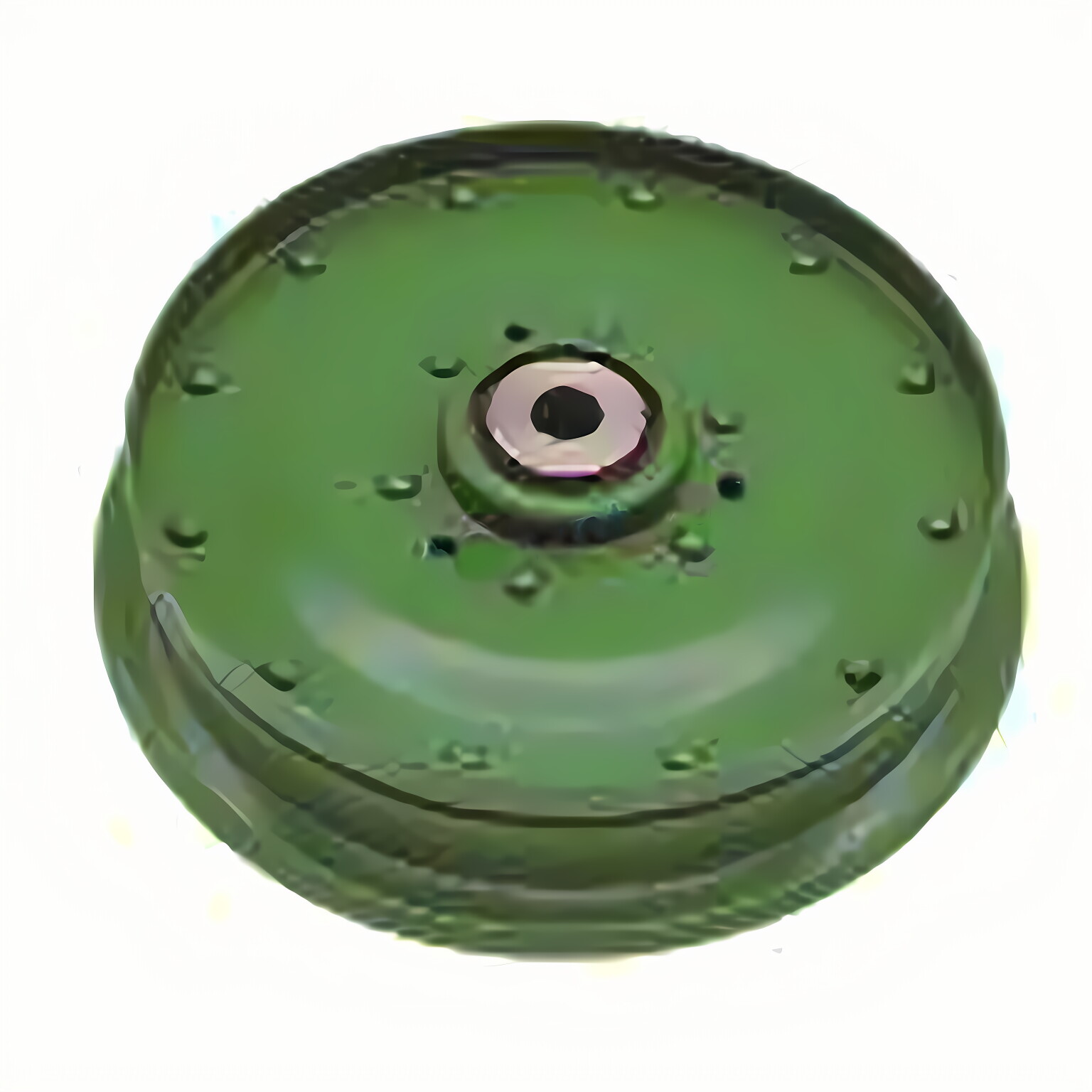
Drive pulleys are key in belt-driven systems, transferring engine power to various parts. Their proper alignment and maintenance are crucial to prevent belt wear and ensure efficient operation, significantly impacting the overall performance of the combine harvester. Regular maintenance, including cleaning and proper lubrication, is necessary to prevent wear and keep drive pulleys functioning correctly.
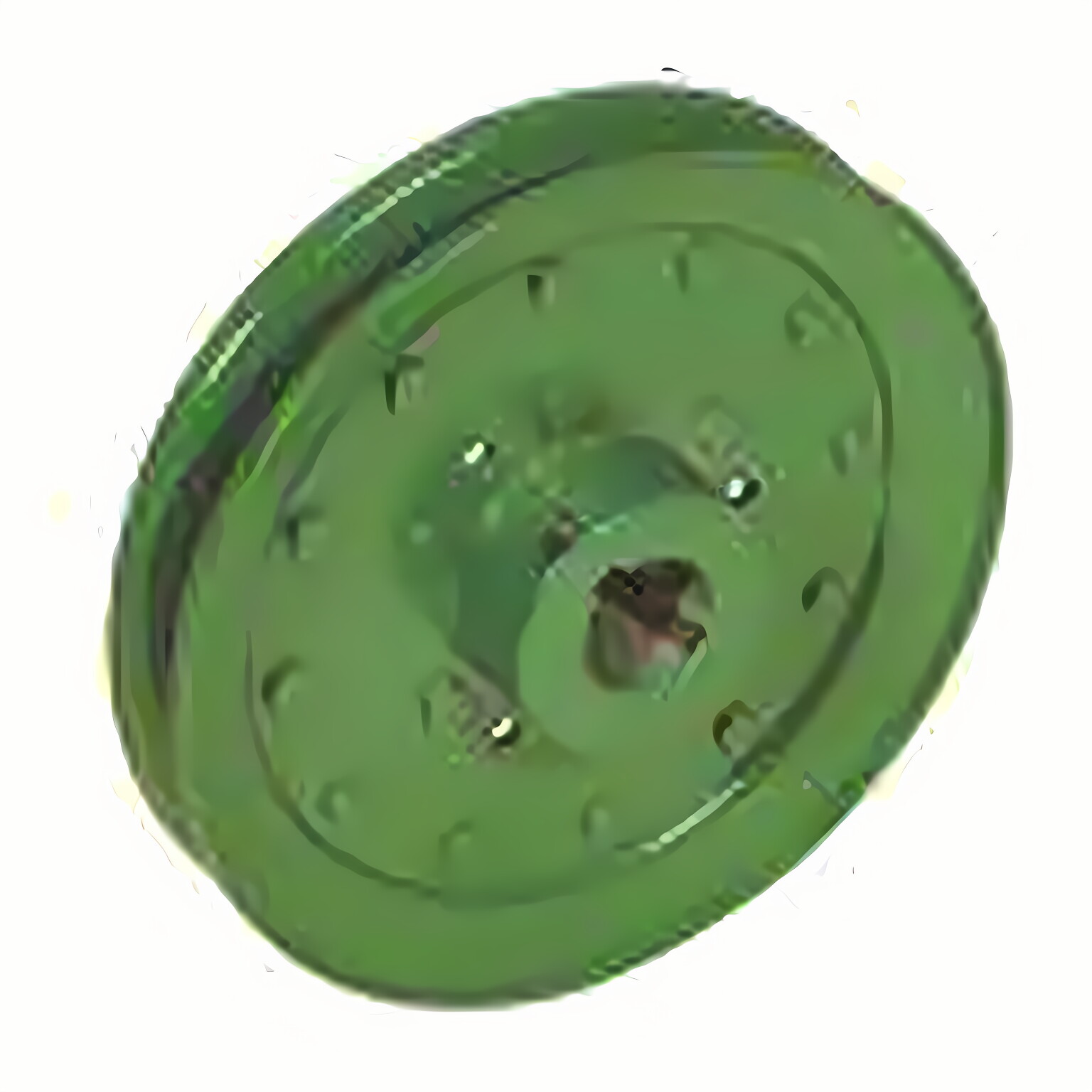
Idler pulleys are another essential component in maintaining tension and guiding belts within the combine harvester. Though they do not drive components directly, they are crucial for preventing belt slippage and misalignment. Regular checks and maintenance ensure they function effectively, supporting the overall efficiency of belt systems. Without proper care and maintenance, idler pulleys can lead to decreased efficiency, increased wear, and even complete belt failure in some cases.
Gears play a crucial role in facilitating changes in speed and direction of power within the combine. They enable precise control over machinery functions. Regular lubrication and inspection are necessary to prevent wear, ensuring smooth and efficient operation throughout the harvest season. Properly maintained gears can help prevent damage to other components of the combine harvester, reducing overall maintenance costs and downtime.
The drive shaft transmits power from the engine to various harvester parts. It must withstand high torque and be balanced correctly to reduce vibrations. Regular maintenance, including lubrication, is vital to ensure reliable performance and prevent mechanical failures. A poorly maintained drive shaft can lead to decreased efficiency, increased wear on other components, and even catastrophic failure of the combine harvester.
Knives are crucial for cutting crops efficiently. They must be sharp and well-maintained to ensure clean cuts, reducing fuel consumption and increasing harvesting speed. Regular inspection and sharpening are necessary to keep them effective and prolong their lifespan. Dull or damaged knives can lead to decreased efficiency, increased fuel consumption, and even damage to the crop.
Concaves work with the threshing drum to separate grain from chaff. Their setup affects threshing efficiency and must be adjusted based on crop type. Regular checks ensure they remain free of damage and obstructions, optimizing grain separation and quality. Without proper care and maintenance, concaves can lead to decreased efficiency, increased wear on other components, and lower quality grain output.
Address
Luotuo Industrial Area, Zhenhai District, Ningbo City, China
Tel

 Raydafon