
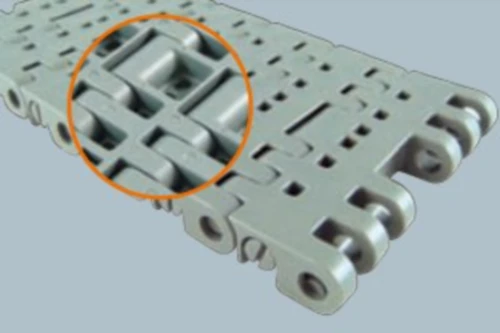
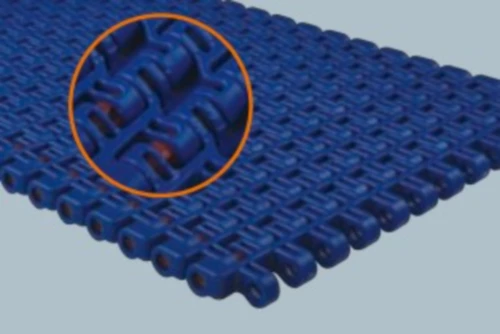
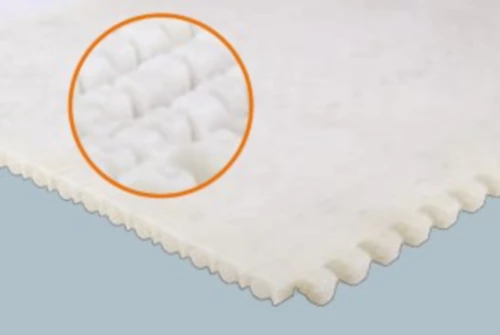
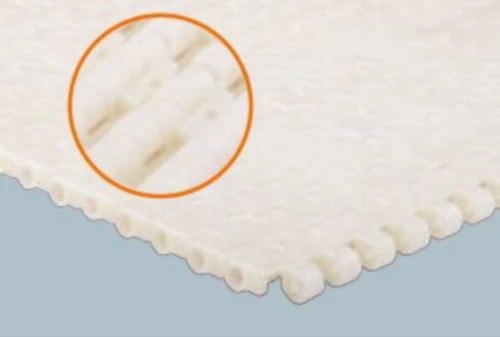
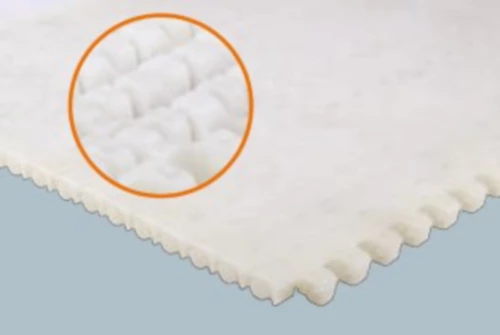
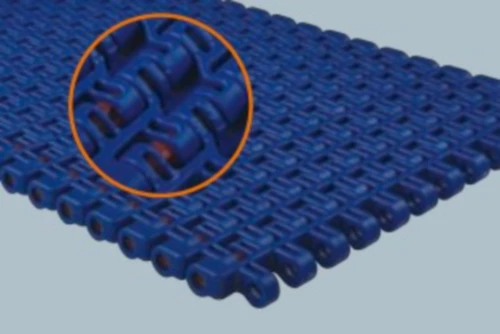
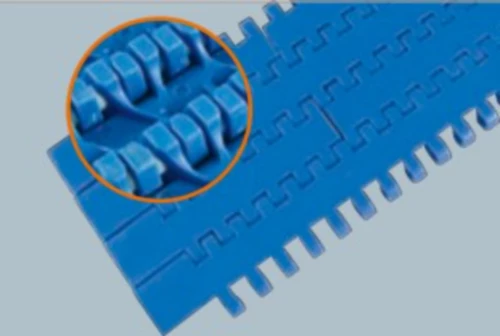
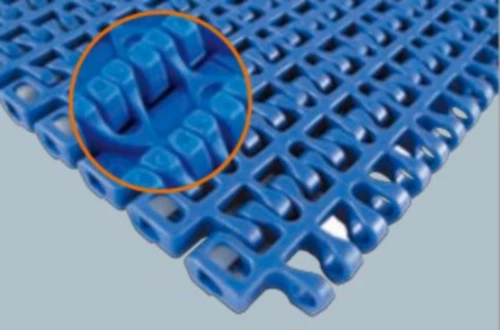
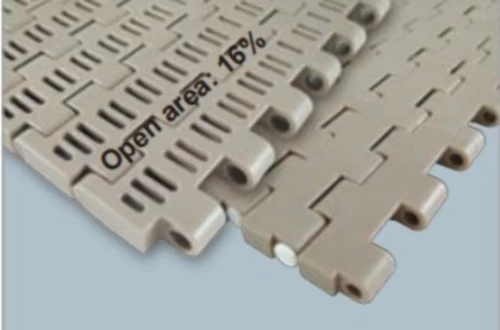
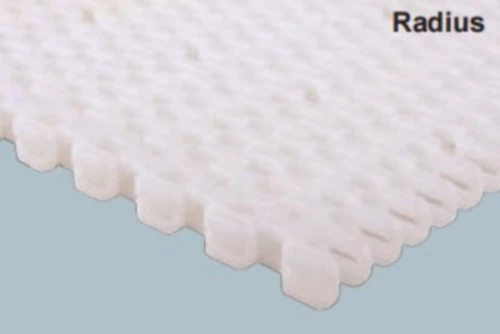
Plastic modular belts are a type of conveyor belt system composed of interlocking plastic modules or links that form a continuous, flexible belt. These belts are designed to be highly customizable, easily assembled, and adaptable to various applications.
Plastic modular belts offer a high level of modularity, allowing for easy customization to suit specific conveyor system requirements. The interlocking modules can be easily replaced or reconfigured to accommodate changes in the production process.
Plastic modular belts are highly flexible and can navigate curves, inclines, and declines effortlessly. They can be adapted to various conveyor system configurations, making them suitable for a wide range of applications.
These belts are made of durable thermoplastic materials such as polypropylene or polyethylene, which provide excellent resistance to wear, abrasion, and corrosion. They are capable of withstanding harsh environments and heavy loads.
Plastic modular belts are ideal for industries with strict hygiene requirements, such as food and beverage processing. They are easy to clean, resistant to contamination, and comply with relevant industry standards.
Due to their modular design, plastic belts require less maintenance compared to traditional conveyor belts. Individual modules can be easily replaced, reducing downtime and maintenance costs.
Plastic modular belts offer low friction and smooth operation, resulting in energy savings. The reduced friction also contributes to quieter operation and less wear on the belt and other system components.
In case of damage or wear, individual modules can be replaced instead of replacing the entire belt, resulting in cost savings and reduced downtime.
Plastic modular belts are widely used in the food and beverage industry for conveying various products, including bottles, cans, packaged foods, and raw ingredients.
In pharmaceutical and medical device manufacturing, plastic modular belts provide a sanitary and reliable solution for transporting delicate products through different stages of production.
Plastic modular belts are commonly used in logistics and warehousing operations to transport goods efficiently and safely, handling tasks such as sorting, merging, and accumulation.
In the automotive industry, plastic modular belts are utilized for conveying parts and components during assembly processes, offering flexibility, durability, and precision.
Electronics and consumer goods manufacturers rely on plastic modular belts to move delicate products through production lines, ensuring a smooth and damage-free process.
Plastic modular belts are suitable for recycling and waste management applications, effectively moving materials such as plastic bottles, cardboard, and other recyclable waste.
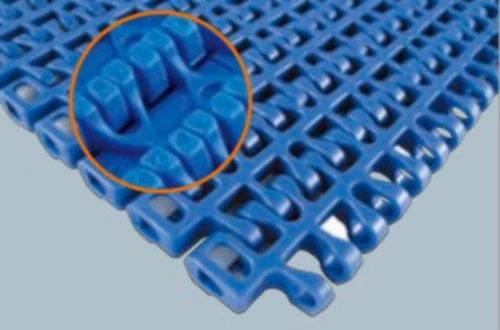
Plastic modular belts consist of individual plastic modules or links that are designed to interlock with each other, forming a continuous, flexible conveyor belt. These modules are typically made of durable thermoplastic materials, such as polypropylene or polyethylene.
The belts are supported by a series of rollers or sprockets that drive the belt's movement. As the rollers or sprockets rotate, the interlocking modules align and move in a synchronized manner, propelling the belt forward. The modular design allows the belt to navigate curves, inclines, and declines, making it adaptable to various conveyor system configurations.
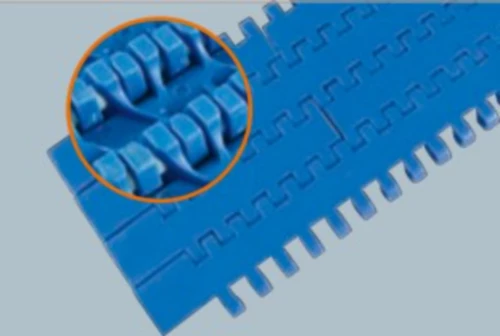
Consider the specific requirements of the application, such as load capacity, speed, temperature, and product characteristics, to select the appropriate plastic modular belts.
Choose the material that offers the required properties for the application, such as wear resistance, chemical resistance, and FDA compliance for food-related applications.
The module design should align with the application's needs, such as smooth transfer, easy cleaning, or specialized features like sidewalls or flights for vertical or inclined conveyance.
Consider the required grip or slip characteristics of the belt's surface to ensure proper product handling and prevent slippage or jams.
Explore different accessories and options available, such as side guards, wear strips, and tracking guides, to enhance the belt's performance and adaptability to the system.
Choose a reputable manufacturer with a track record of delivering high-quality products and reliable customer support for any troubleshooting or customization needs.
Consider the overall cost of the belts, including initial investment, maintenance costs, and lead time for production and delivery, to make an informed decision.
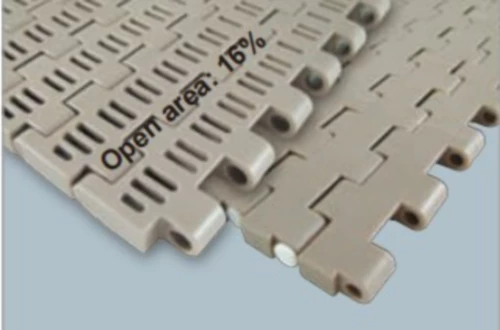
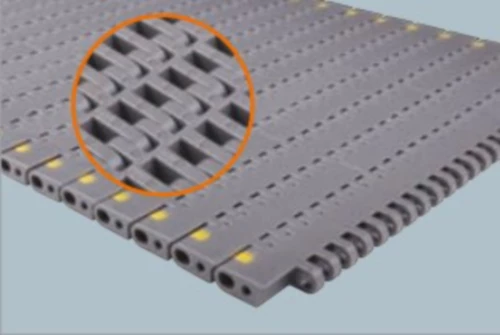
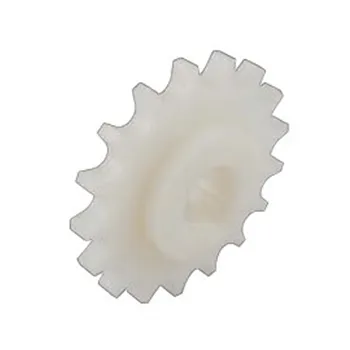
Additionally, we provide corresponding sprockets to complement our plastic modular belts. Sprockets play a crucial role in the smooth operation and longevity of the belt. They ensure proper engagement and movement of the modular links, maintaining the efficiency and reliability of the conveyor system.
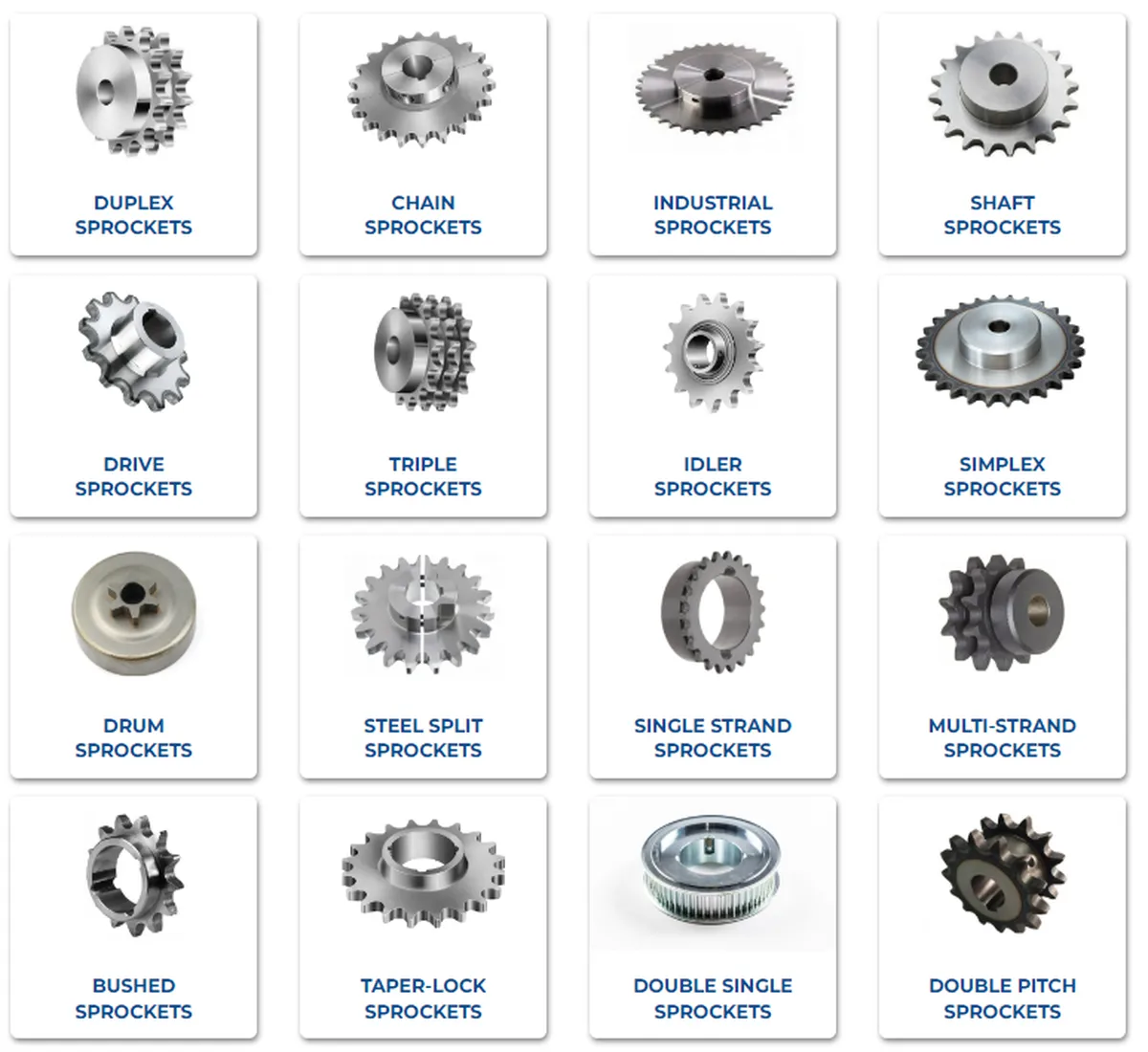
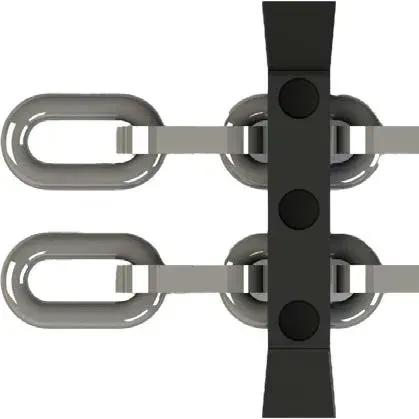
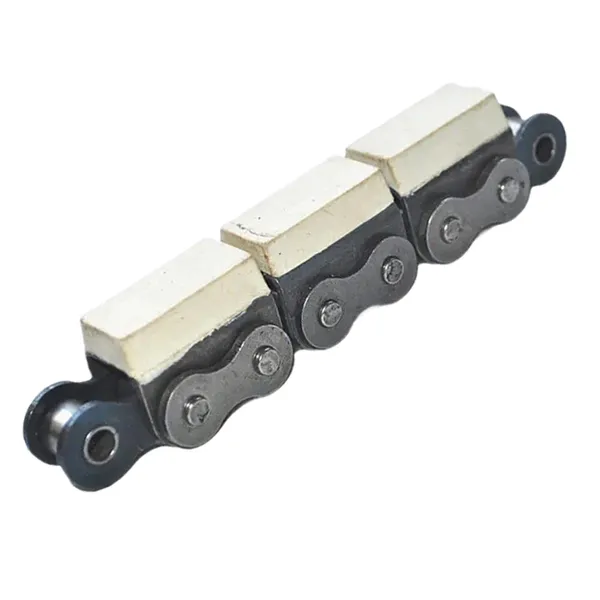
In addition to plastic modular belts, we offer a wide range of other chain products, including Plastic Chain, Stainless Steel Chains, Agricultural Chains, Leaf Chains, and more. These chains are designed to meet various industry needs and applications, providing reliable and efficient material handling solutions.
Let us introduce ourselves - Raydafon. Established in 2003, Raydafon is a professional company specializing in power transmission components. We pride ourselves on our advanced production and inspection equipment, including CNC Gear grinding machines, gear measuring machines, CNC gear shapers, machine centers, CMMS, and torque test systems.
We differentiate ourselves with our:
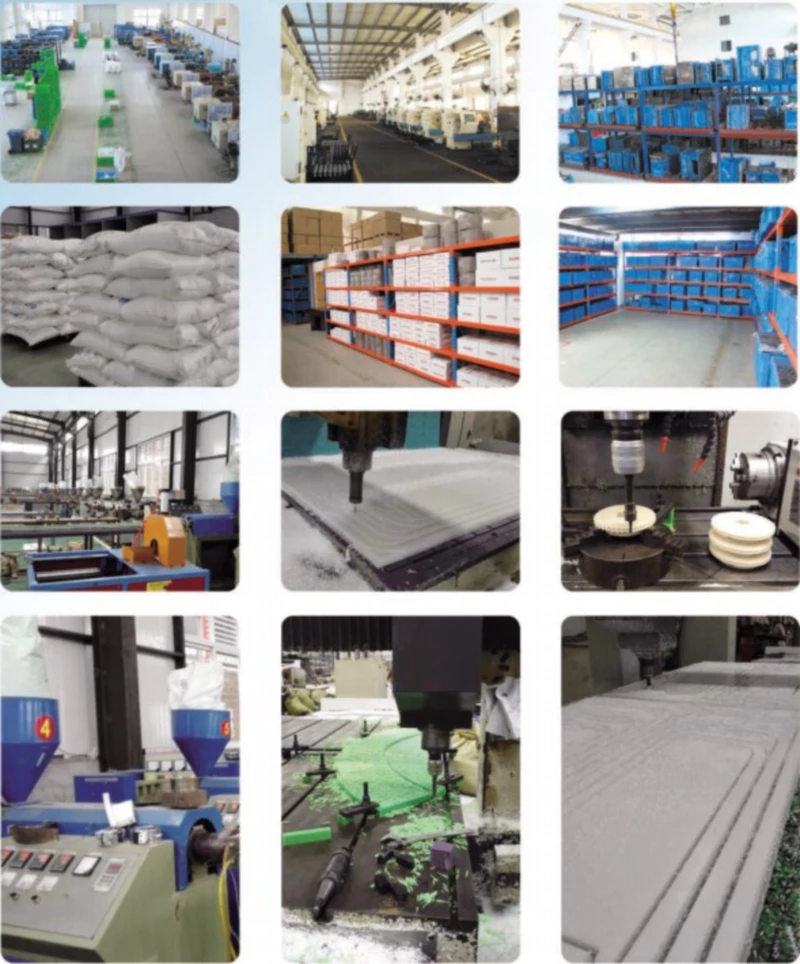
Raydafon welcomes all customers to inquire or customize our products according to their specific requirements. We strive to provide high-quality solutions and build long-term partnerships with our clients.
Address
Luotuo Industrial Area, Zhenhai District, Ningbo City, China
Tel

 Raydafon