
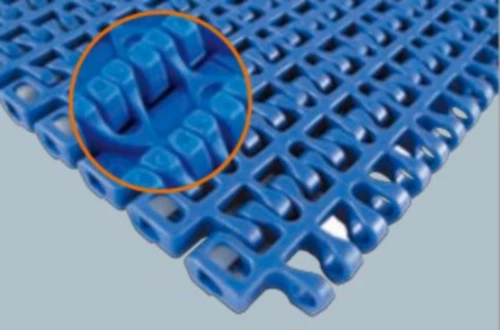
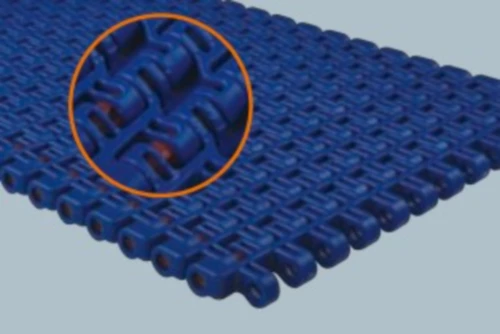
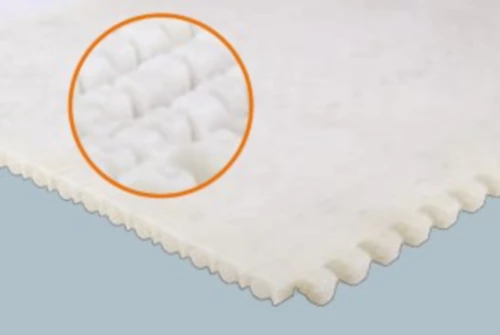
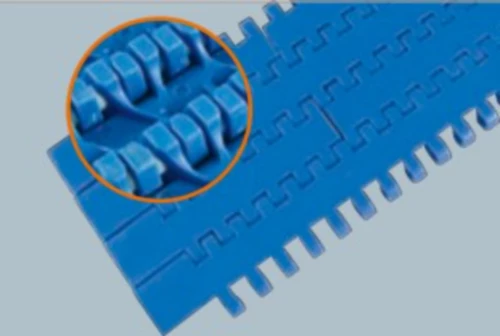
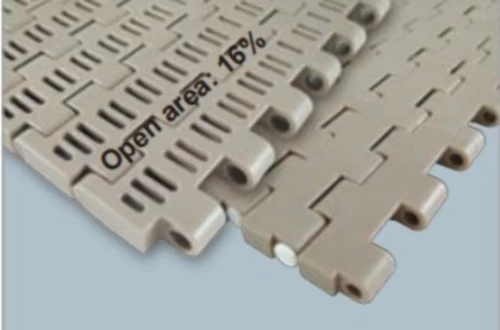
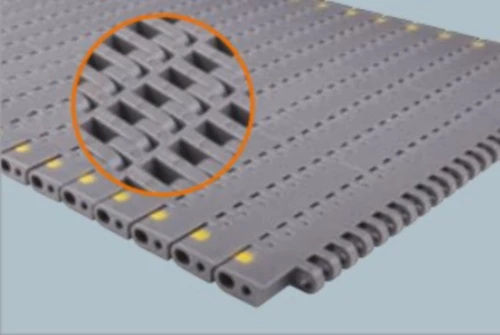
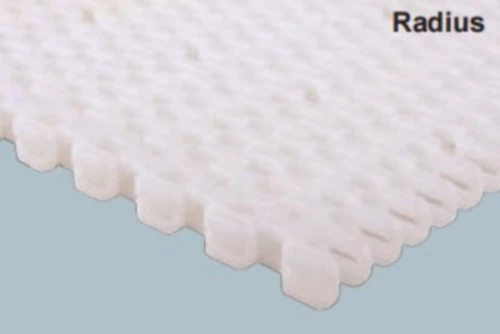
Plastic modular belts are a type of conveyor belt system composed of interlocking plastic modules or links that form a continuous, flexible belt. These belts are designed to be highly customizable, easily assembled, and adaptable to various applications.
Plastic modular belts offer the advantage of modularity, allowing for easy customization to meet specific conveyor system requirements. Each module can be easily replaced or reconfigured, providing flexibility in system design.
Plastic modular belts are flexible and can navigate curves, inclines, and declines, making them suitable for a wide range of conveyor system configurations.
These belts are made of durable thermoplastic materials, such as polypropylene or polyethylene, which provide excellent resistance to wear, corrosion, and impact.
Plastic modular belts are easy to clean, making them suitable for applications in food and pharmaceutical industries where hygiene is crucial.
With their modular design, these belts require less maintenance compared to traditional conveyor belts. Individual modules can be replaced as needed, minimizing downtime and maintenance costs.
Plastic modular belts have low friction properties, resulting in energy savings and reduced power consumption.
When a section of the belt gets damaged or worn out, only the affected modules need to be replaced, saving time and cost compared to replacing the entire belt.
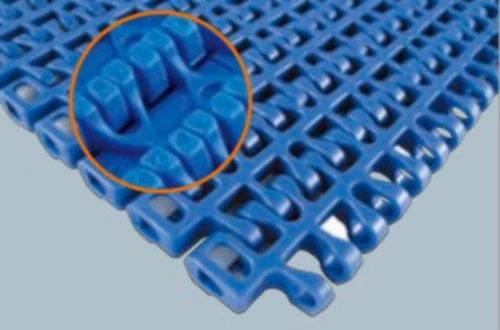
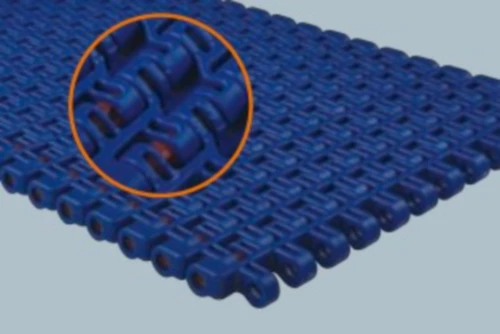
Plastic modular belts consist of individual plastic modules or links that are designed to interlock with each other, forming a continuous, flexible conveyor belt. These modules are typically made of durable thermoplastic materials, such as polypropylene or polyethylene.
The belts are supported by a series of rollers or sprockets that drive the belt's movement. As the rollers or sprockets rotate, the interlocking modules align and move in a synchronized manner, propelling the belt forward. The modular design allows the belt to navigate curves, inclines, and declines, making it adaptable to various conveyor system configurations.
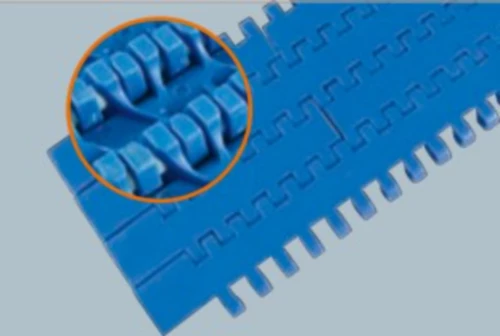
Consider the specific requirements of the application, such as load capacity, speed, and environmental conditions, to choose the appropriate plastic modular belt.
Select the belt material based on factors like product type, temperature, and chemical resistance.
Choose the module design that best suits the application requirements, considering factors like grip, transfer, and product orientation.
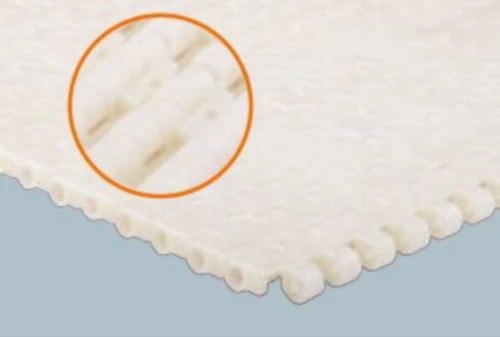
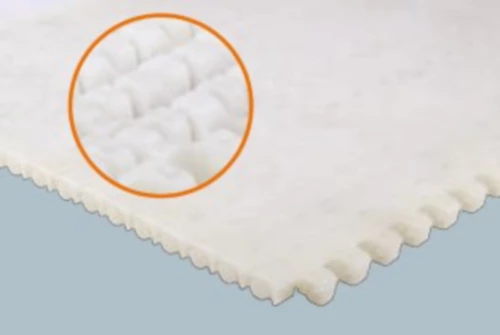
Consider the surface texture of the belt for applications requiring product stability or release.
Explore the available accessories and options, such as side guards, flights, and cleats, to enhance the belt's functionality.
Choose a reputable manufacturer known for producing high-quality plastic modular belts and providing reliable technical support.
Consider the cost and lead time of the belt to ensure it aligns with the project budget and timeline.
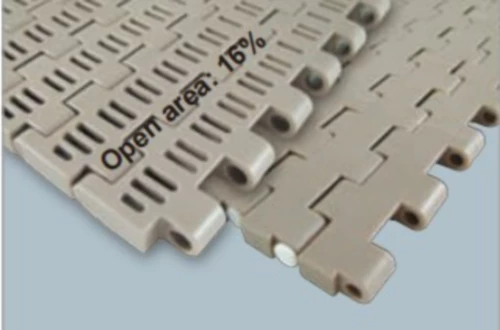
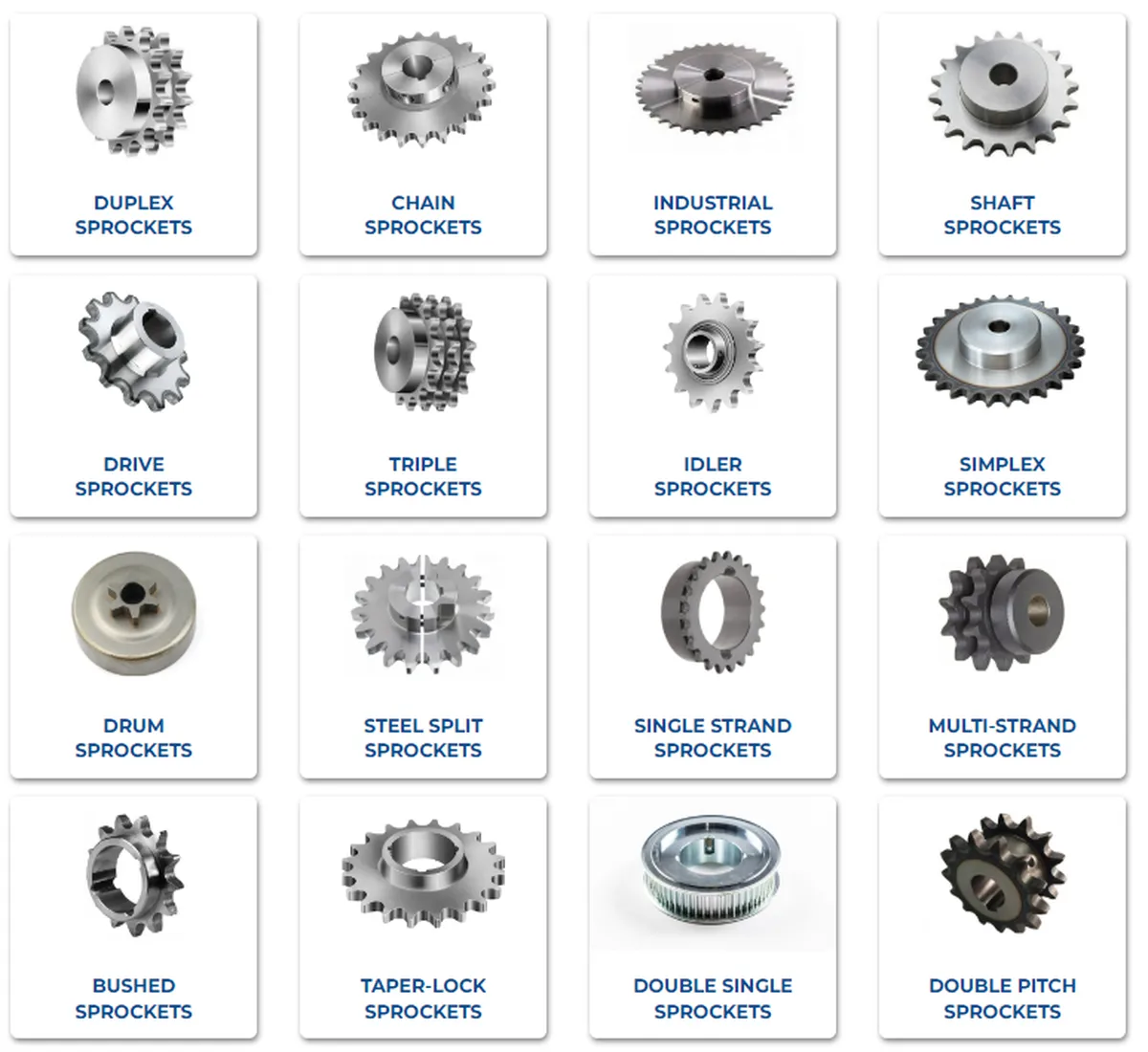
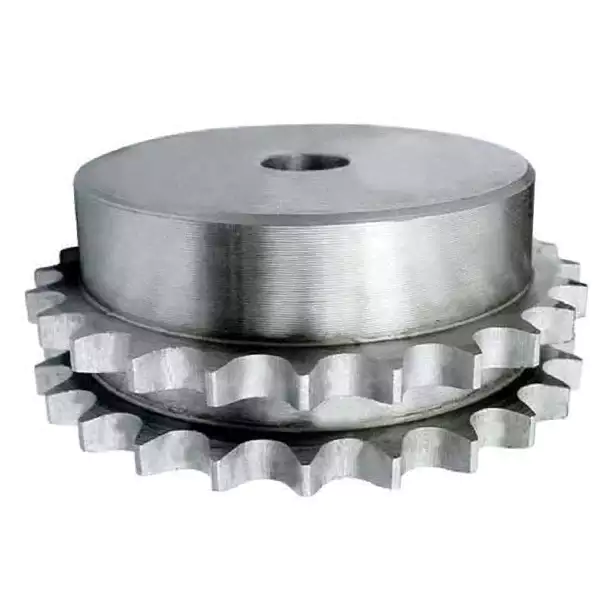
Chains and sprockets play a crucial role in the operation of plastic modular belts. The sprockets engage with the interlocking modules, providing the driving force that moves the belt along the conveyor system.
In addition to plastic modular belts, we also provide other chain products, including Plastic Chain, Stainless Steel Chains, Agricultural Chains, and Leaf Chains. These chains are designed for various industrial applications, offering durability and reliability.
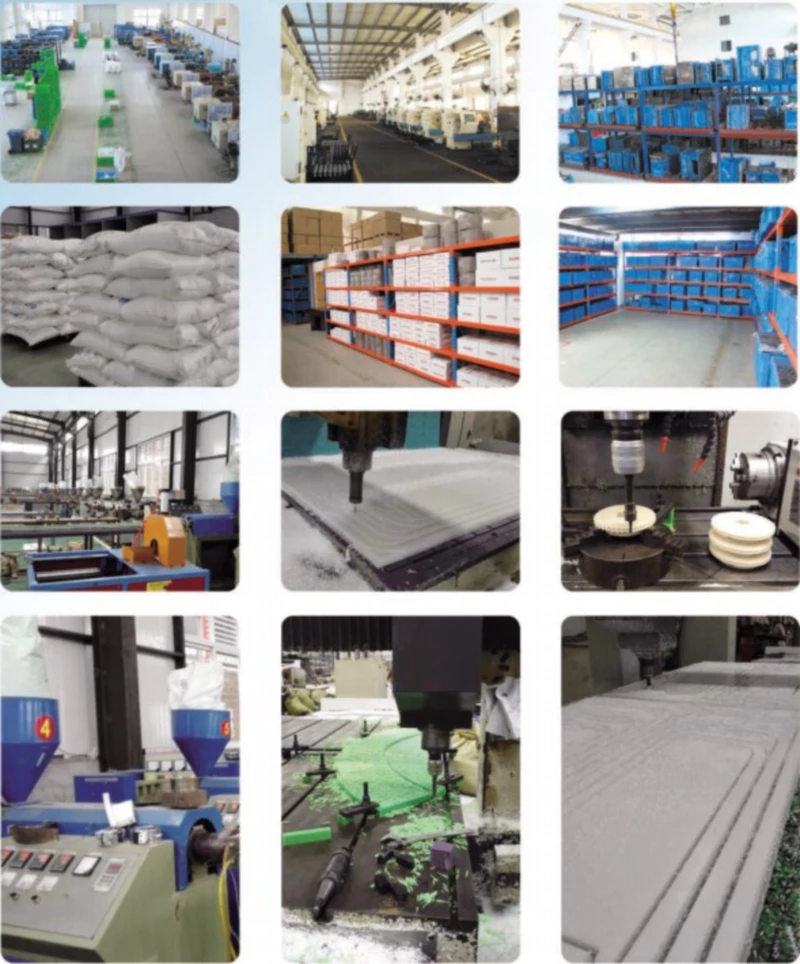
Established in 2003, Raydafon is a professional company specializing in power transmission products. We have advanced production and inspection equipment, including CNC Gear Grinding Machine, Gear Measuring Machine, CNC Gear Shaper, Machine Center, CMMS, and Torque Test System. We pride ourselves on our professionalism, international certifications, custom services, state-of-the-art production equipment, and excellent after-sales support.
At Raydafon, we welcome inquiries and custom product orders from customers worldwide.
Address
Luotuo Industrial Area, Zhenhai District, Ningbo City, China
Tel

 Raydafon