
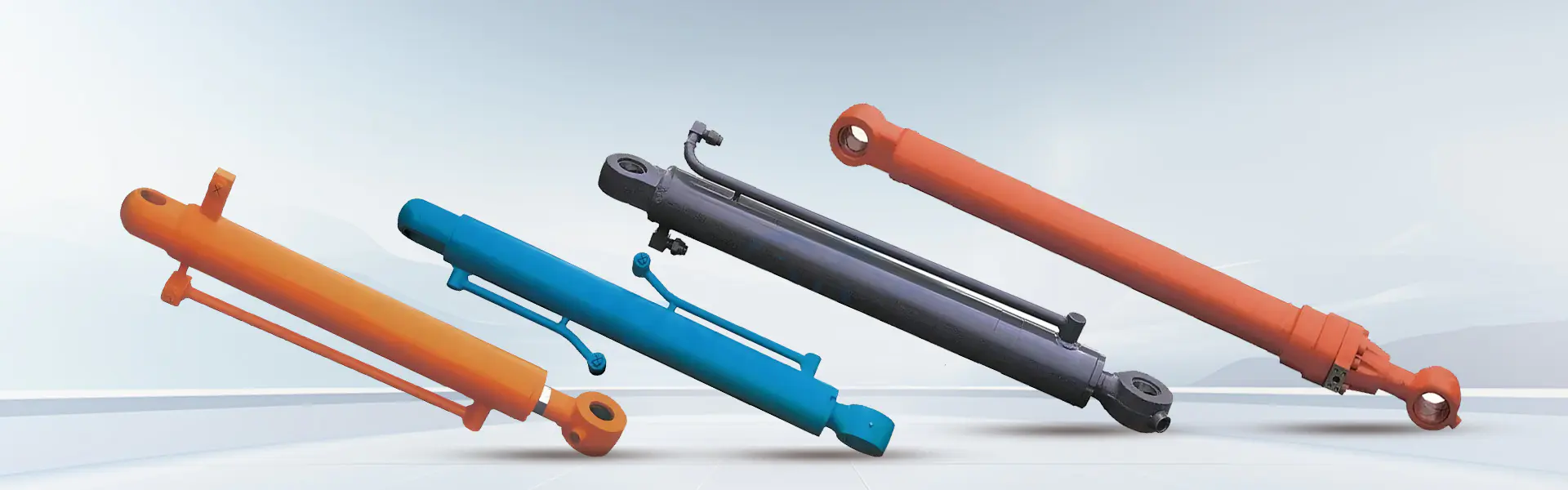
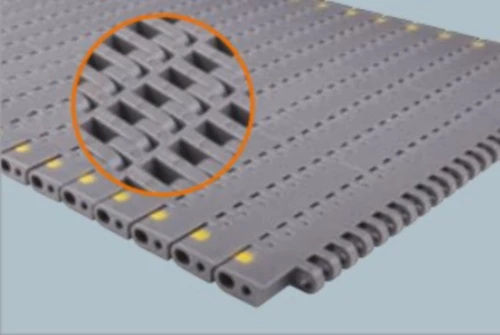
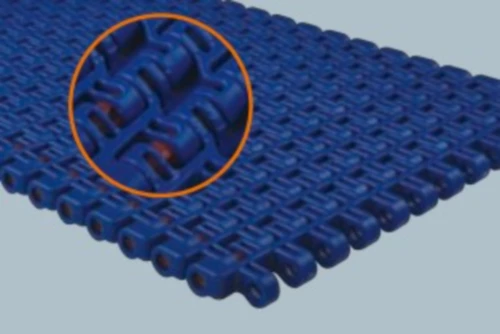
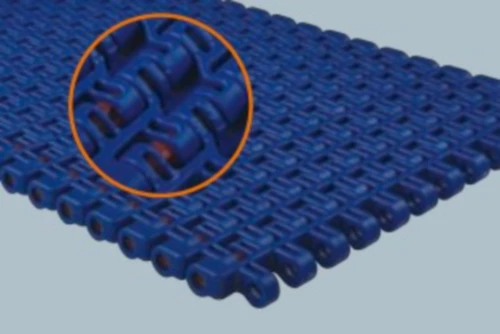
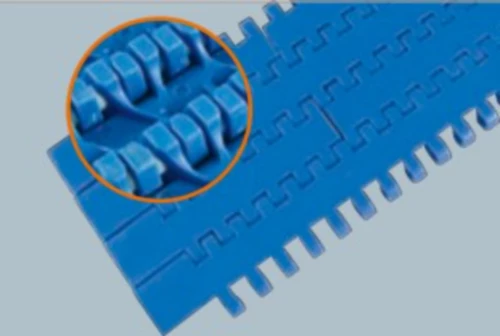
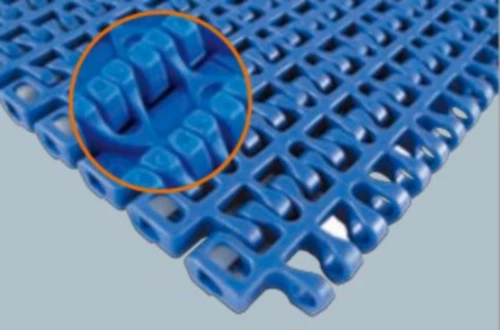
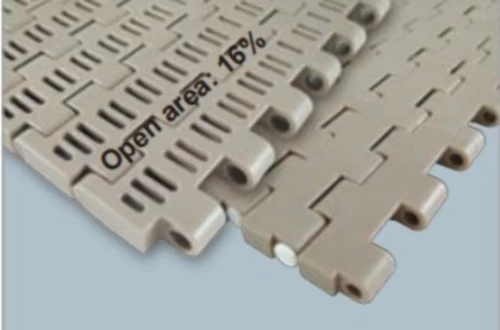
Plastic modular belts are a type of conveyor belt system composed of interlocking plastic modules or links that form a continuous, flexible belt. These belts are designed to be highly customizable, easily assembled, and adaptable to various applications.
Plastic modular belts offer the advantage of modularity, allowing for easy customization and adaptability to specific conveyor system requirements. The interlocking modules can be easily replaced or reconfigured to accommodate changes in production needs.
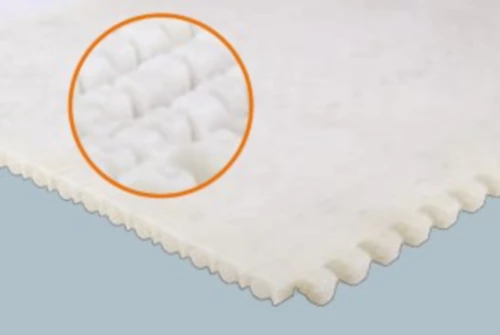
Plastic modular belts are known for their flexibility and adaptability to various conveyor configurations. They can navigate curves, inclines, and declines, making them suitable for different production layouts and space limitations.
Plastic modular belts are made of durable thermoplastic materials, such as polypropylene or polyethylene, which provide excellent wear resistance and corrosion resistance. This ensures a longer lifespan and reduces the need for frequent replacements.
Plastic modular belts are highly suitable for industries with strict hygiene requirements, such as food and beverage processing. They can be easily cleaned and sanitized, preventing the accumulation of contaminants and ensuring product safety.
Due to their modular design and durable materials, plastic modular belts require minimal maintenance. This reduces downtime and increases overall productivity and efficiency.
Plastic modular belts have low friction, resulting in reduced energy consumption during operation. This contributes to cost savings and environmental sustainability.
In case of damage or wear, individual modules of plastic modular belts can be easily replaced, eliminating the need for replacing the entire belt. This saves time and cost in maintenance.
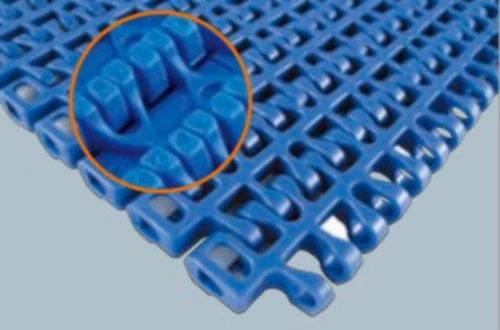
Plastic modular belts are widely used in food and beverage processing industries, where hygiene, flexibility, and fast-paced production are crucial.
In pharmaceutical and medical device manufacturing, plastic modular belts are preferred for their cleanability, precision, and ability to withstand harsh chemical environments.
Logistics and warehousing operations benefit from the adaptability and efficiency provided by plastic modular belts for sorting, packaging, and transportation of goods.
Automotive manufacturing plants utilize plastic modular belts for assembly lines, conveying components, and facilitating the movement of vehicles throughout the production process.
Plastic modular belts are suitable for electronics and consumer goods industries as they offer gentle product handling, precise positioning, and efficient material flow.
In recycling and waste management facilities, plastic modular belts are utilized for sorting, separation, and transportation of recyclable materials.
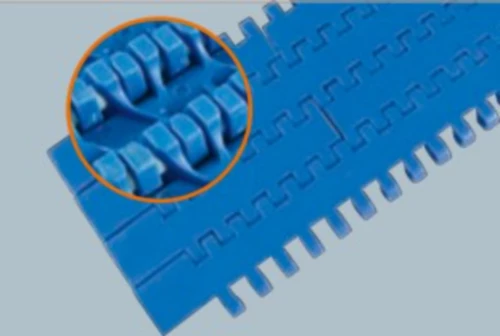
Plastic modular belts consist of individual plastic modules or links that are designed to interlock with each other, forming a continuous, flexible conveyor belt. These modules are typically made of durable thermoplastic materials, such as polypropylene or polyethylene.
The belts are supported by a series of rollers or sprockets that drive the belt's movement. As the rollers or sprockets rotate, the interlocking modules align and move in a synchronized manner, propelling the belt forward. The modular design allows the belt to navigate curves, inclines, and declines, making it adaptable to various conveyor system configurations.
When selecting plastic modular belts, several factors should be considered:
Understanding the specific requirements of the application, such as load capacity, speed, and product characteristics, is crucial in selecting the right plastic modular belts.
The choice of material depends on the application environment, including factors such as temperature, chemicals, and moisture. Different materials offer varying levels of resistance and suitability.
Module design affects belt strength, flexibility, and tracking. Considering the desired belt performance and the production process requirements helps in choosing the appropriate module design.
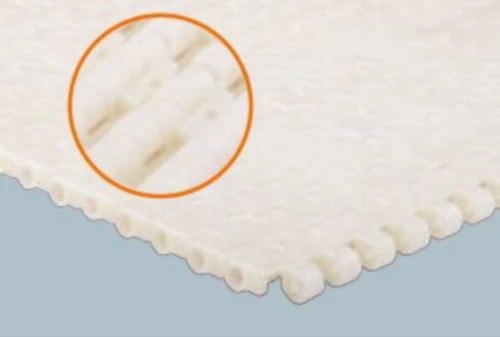
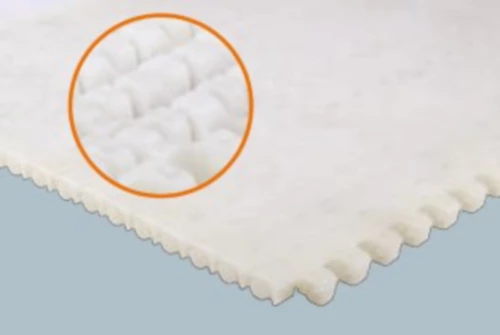
The surface texture of the belt impacts product handling, grip, and transfer. Smooth or textured surfaces can be chosen based on the specific application needs.
Various accessories and options, such as side guards, cleats, guides, and flights, can enhance the functionality and performance of plastic modular belts in specific applications.
Selecting a reputable manufacturer known for quality products and excellent customer support ensures reliable performance and assistance when needed.
Budget constraints and project timelines are factors to consider when choosing plastic modular belts, balancing quality, performance, and cost-effectiveness.
1. Determine the Conveyor Path
2. Prepare the Conveyor Frame
3. Assemble the Belt
4. Add Modules Progressively
5. Install Sprockets or Rollers
6. Secure the Belt Ends
7. Adjust Tension and Alignment
1. Regular Cleaning
2. Tension Monitoring
3. Sprocket and Roller Inspection
4. Module Replacement
5. Lubrication
6. Visual Inspections
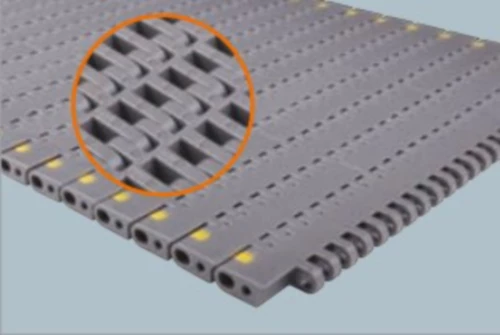
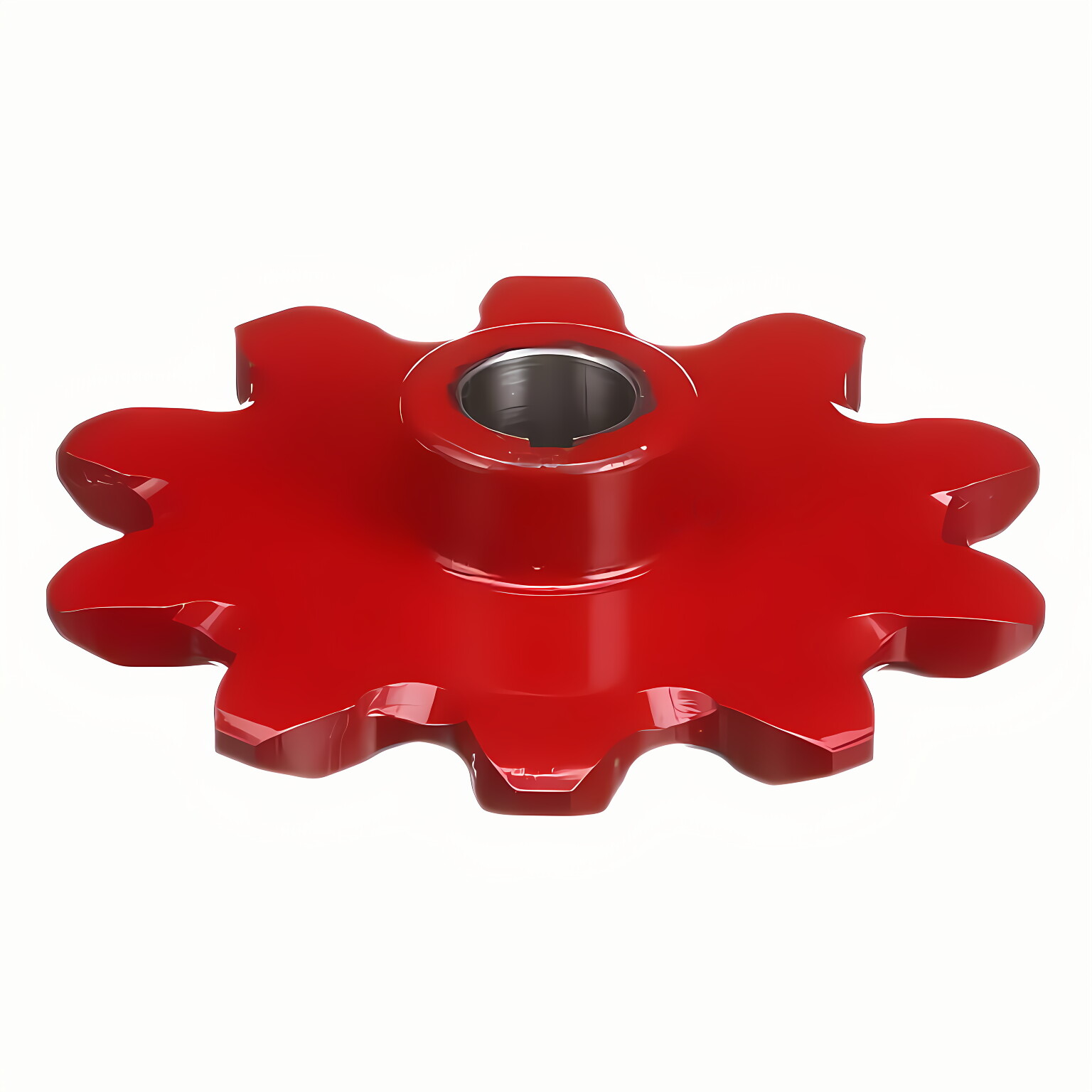
In addition to plastic modular belts, we also offer corresponding sprockets that are essential for the proper functioning of the conveyor system. The chain and sprocket relationship is crucial in ensuring smooth and efficient movement of the belt.
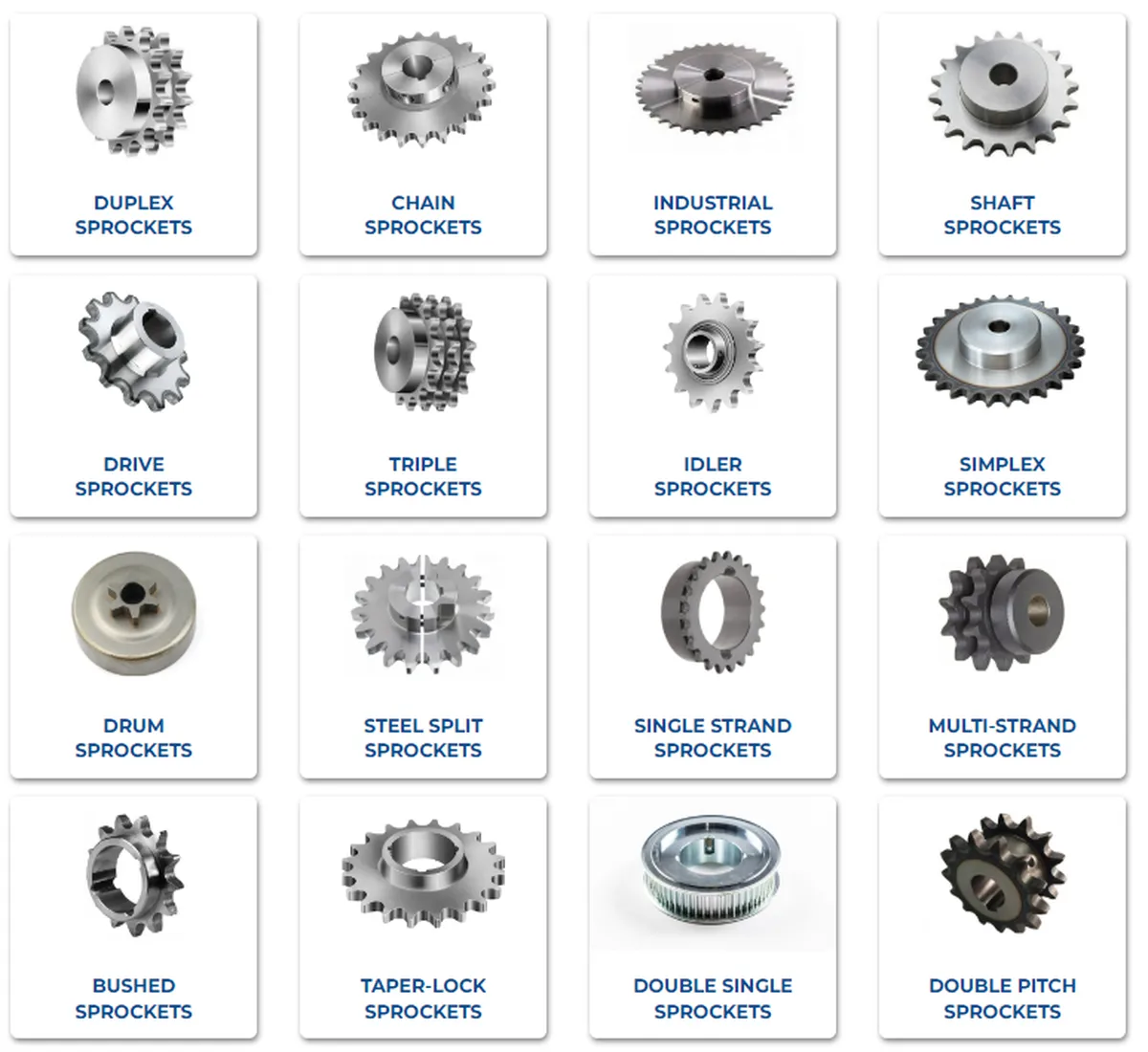
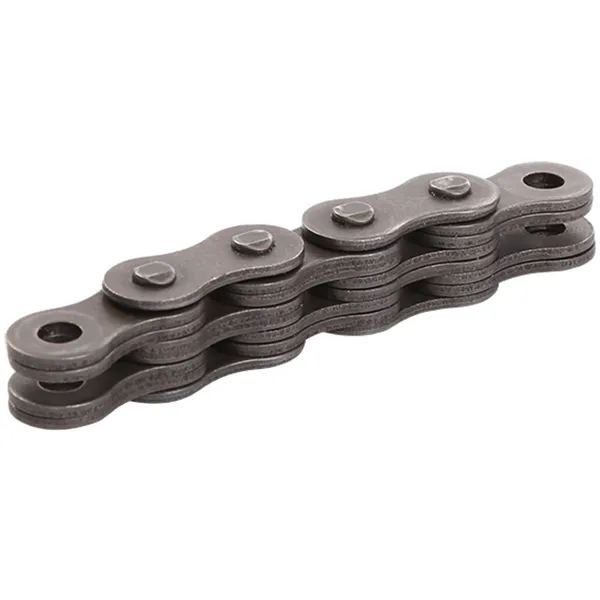
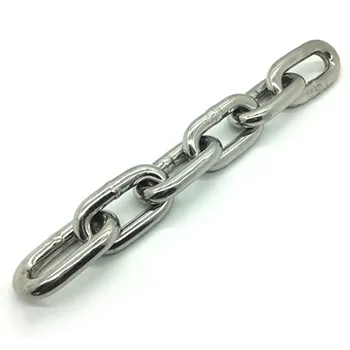
Aside from plastic modular belts, we provide various other chain products to cater to different industry needs. Our range includes Plastic Chain, Stainless Steel Chains, Agricultural Chains, Leaf Chains, and more.
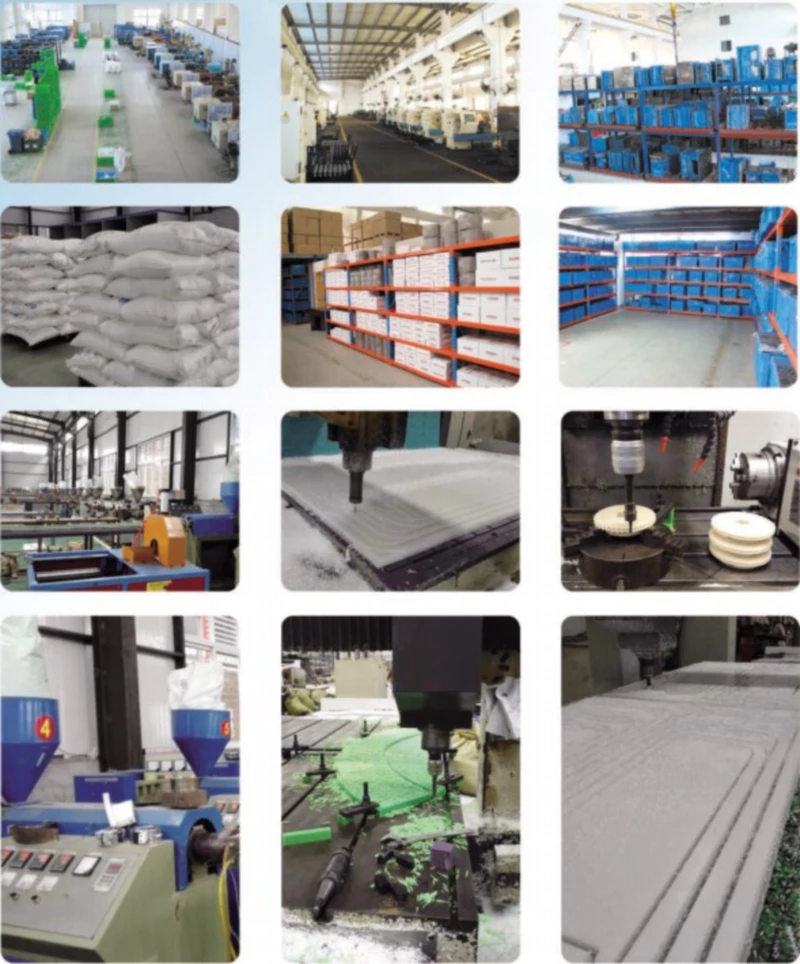
Established in 2003, Raydafon is a professional transmission parts company. We possess advanced production and inspection equipment, including CNC Gear grinding machine, gear measuring machine, CNC gear shaper, machine center, CMMS, and Torque test system.
With our focus on professionalism, international certifications, customized services, production equipment, and after-sales support, Raydafon strives to provide top-quality products and comprehensive solutions to our customers.
We welcome inquiries and custom requests from our esteemed clients.
Address
Luotuo Industrial Area, Zhenhai District, Ningbo City, China
Tel

 Raydafon