
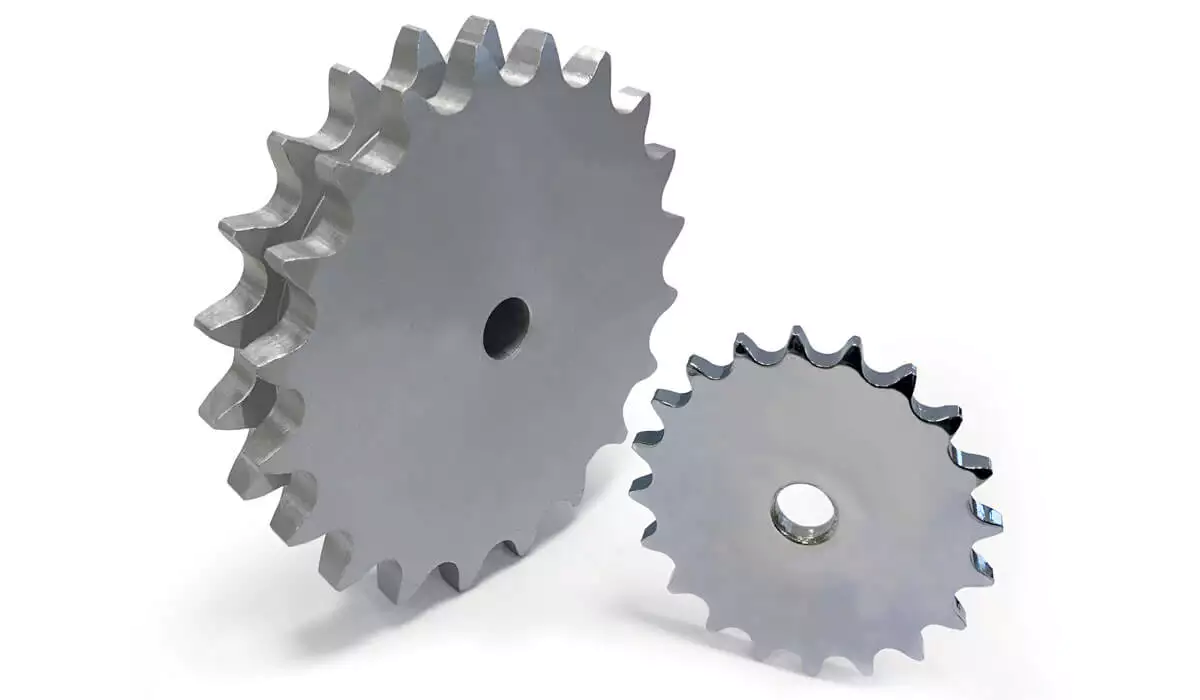
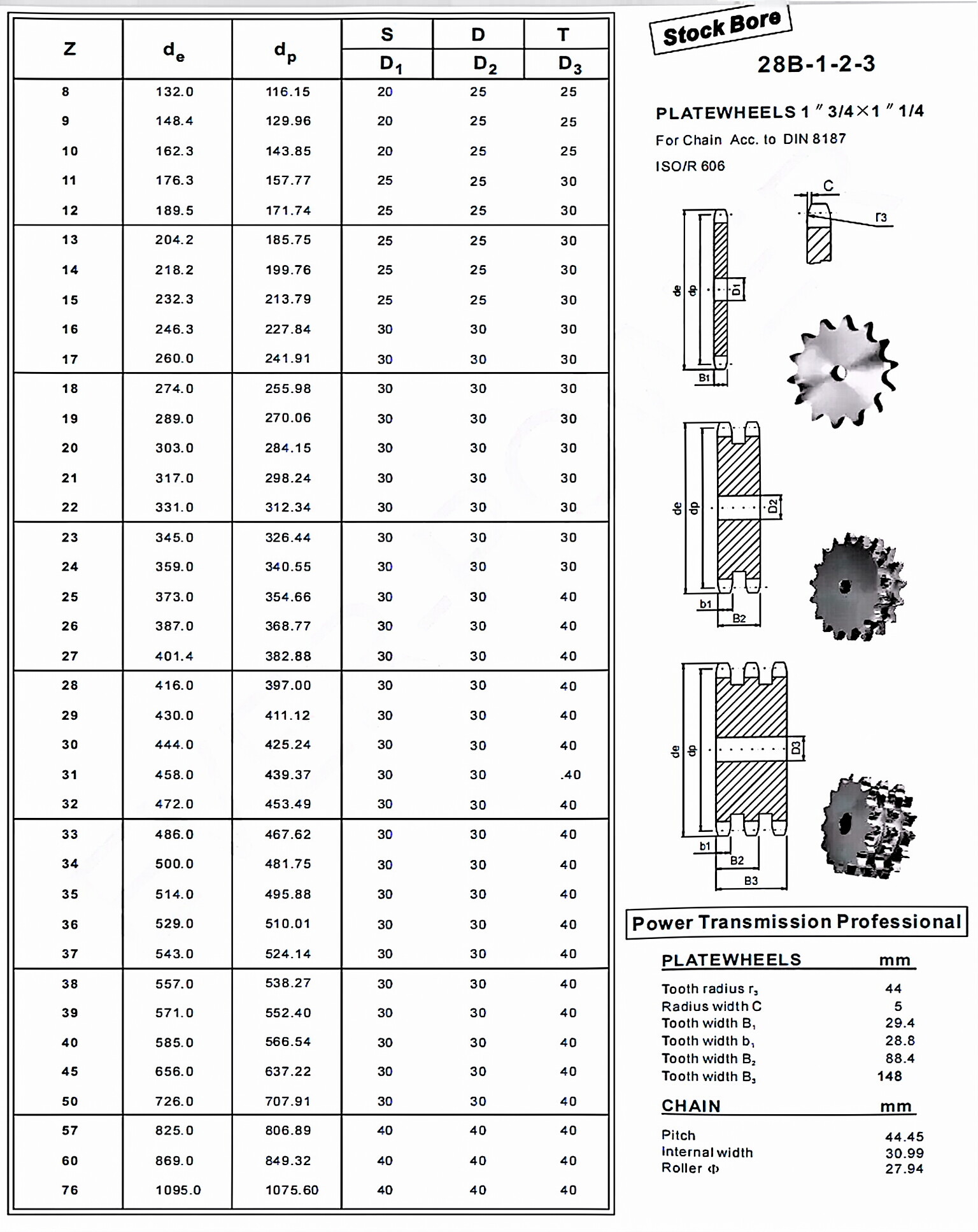
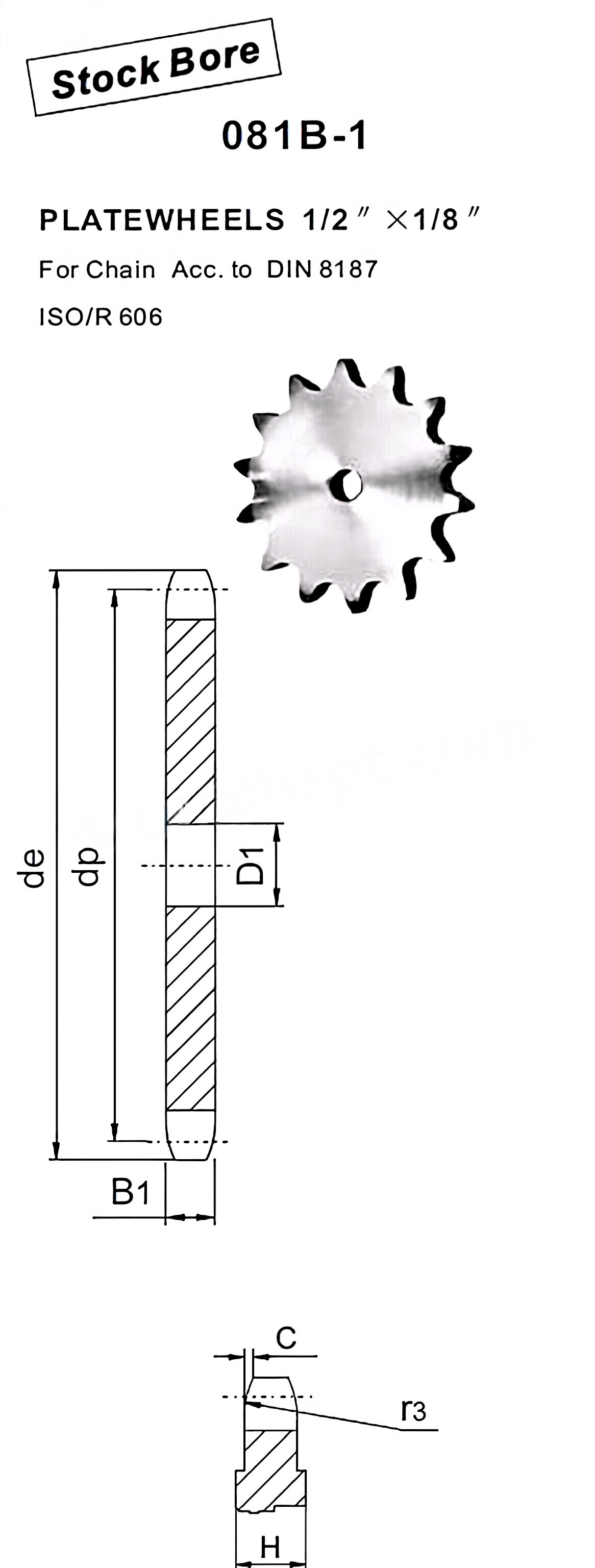
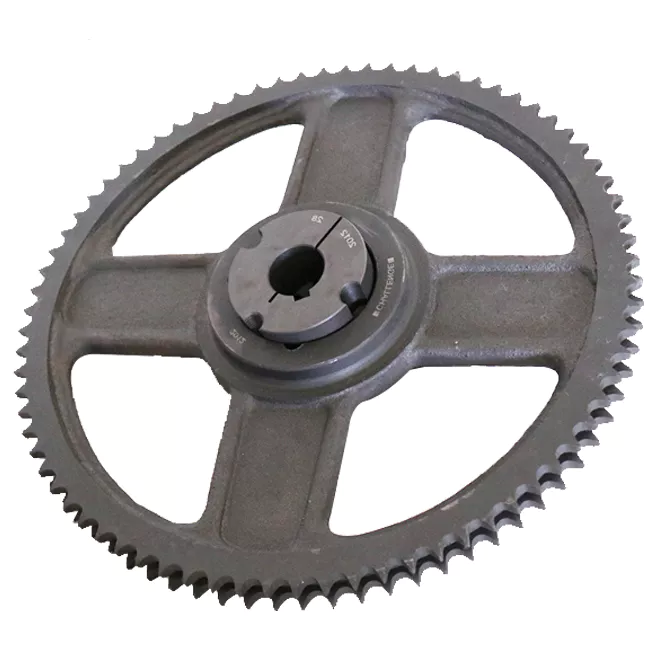
Plate Wheel 28B-1-2-3 is a type of plate wheel used in transmission systems. It is a key component that helps in the transfer of power between two parallel shafts. The basic concept of a plate wheel is to have a circular disc with teeth on its outer edge, which can engage with the links of a chain. This allows for smooth and efficient power transmission.
Plate wheels can be classified into three types: single-row, double-row, and multi-row. The choice of plate wheel type depends on the specific requirements of the transmission system.
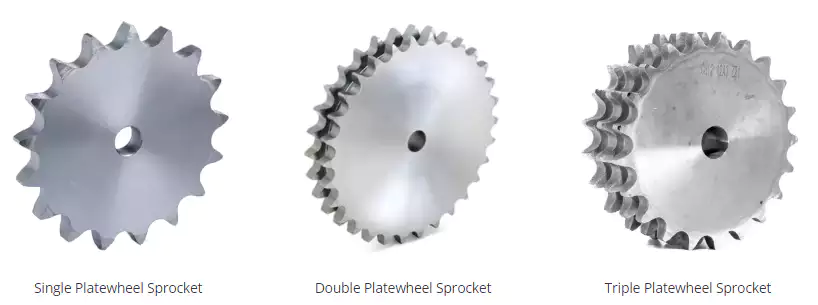
Our platewheel sprockets have several notable features. Firstly, they are made from high-quality materials that offer excellent corrosion resistance, wear resistance, and a balance of strength and toughness. This ensures their durability and longevity in demanding environments. Secondly, our platewheel sprockets are designed with precision and manufactured to meet strict standards. This results in a reliable and efficient performance. Lastly, they undergo surface treatment to enhance their appearance and provide extra protection against rust and other forms of corrosion.
We offer a range of services to cater to our customers' needs. Firstly, we provide customizations based on drawings or samples provided by our clients. This allows for tailored platewheel sprockets that meet specific requirements. Secondly, we offer a variety of material options to suit different applications. Our customers can choose from a selection of high-quality materials that best fit their needs. Additionally, we provide surface treatments and hardening processes to enhance the performance and durability of the platewheel sprockets. Lastly, we offer customized packaging solutions to ensure safe and efficient transportation.
Our chain wheel manufacturing process involves several steps. Firstly, the material is forged into the desired shape. Then, machining is carried out to achieve precise dimensions and smooth surfaces. Hobbing is performed to create the teeth on the platewheel. The teeth are then heated for improved hardness. After that, the platewheel sprockets undergo quenching and surface treatment to enhance their performance and resistance to wear and corrosion. Quality inspection is conducted to ensure that each platewheel sprocket meets our high standards. Finally, they are carefully packed and shipped to our customers.
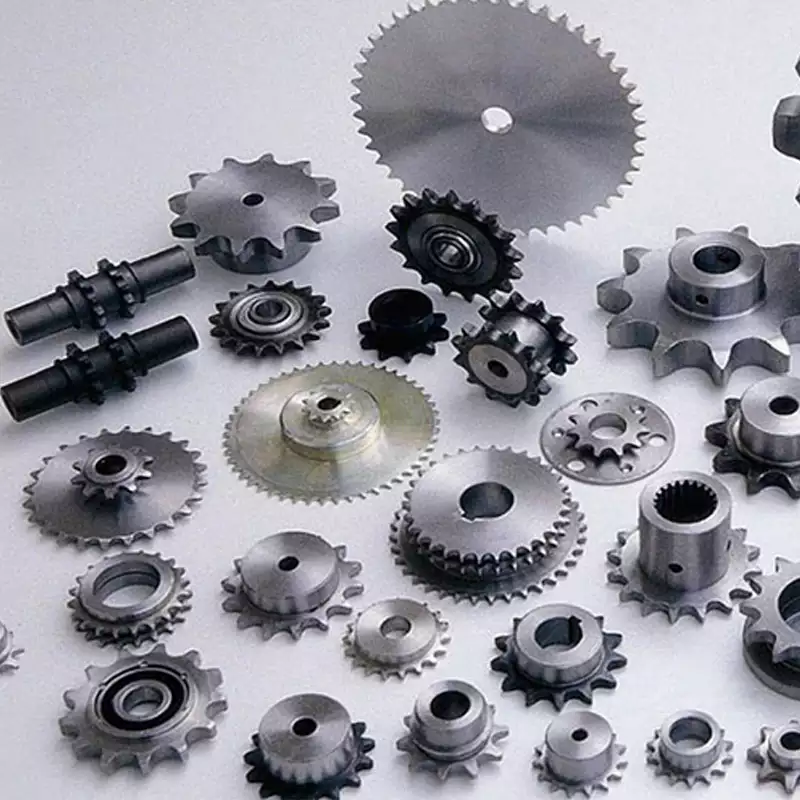
Proper maintenance of platewheel sprockets is essential for their optimal performance and longevity. Daily inspections should be conducted to check for any signs of wear, damage, or misalignment. Regular cleaning is necessary to remove dirt and debris that can affect the smooth rotation of the platewheel. Lubrication should be applied to reduce friction and extend the lifespan of the platewheel sprocket. When signs of wear or damage are observed, the platewheel sprocket should be promptly replaced to prevent further issues.
FAQ:
Author: Miya
Address
Luotuo Industrial Area, Zhenhai District, Ningbo City, China
Tel

 Raydafon