
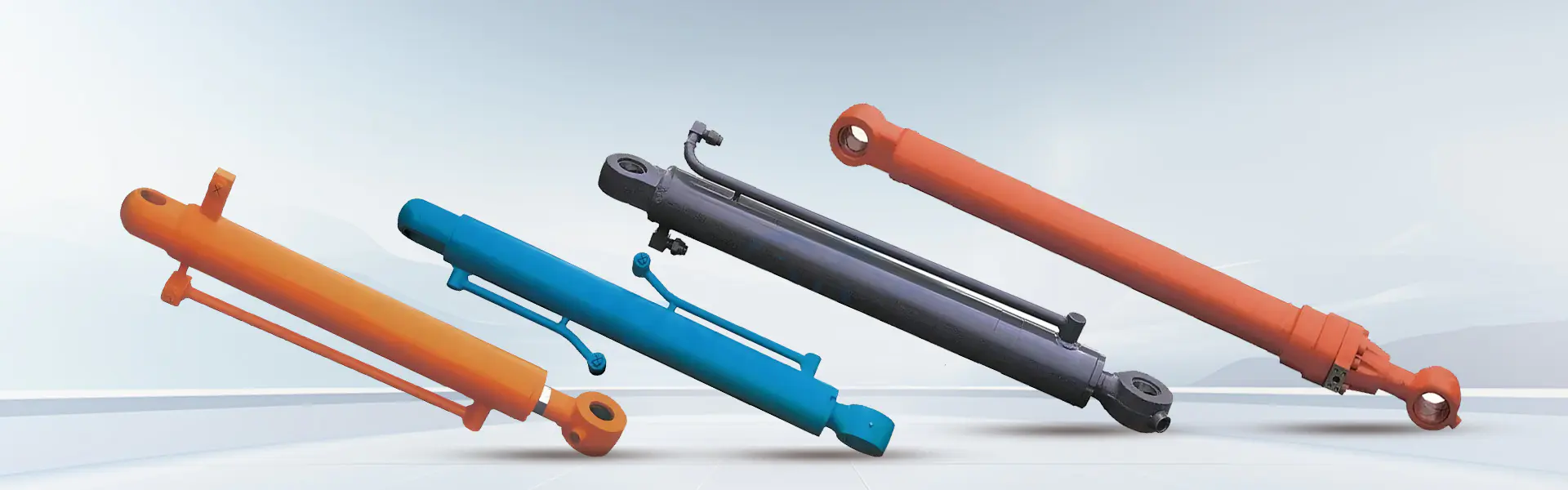
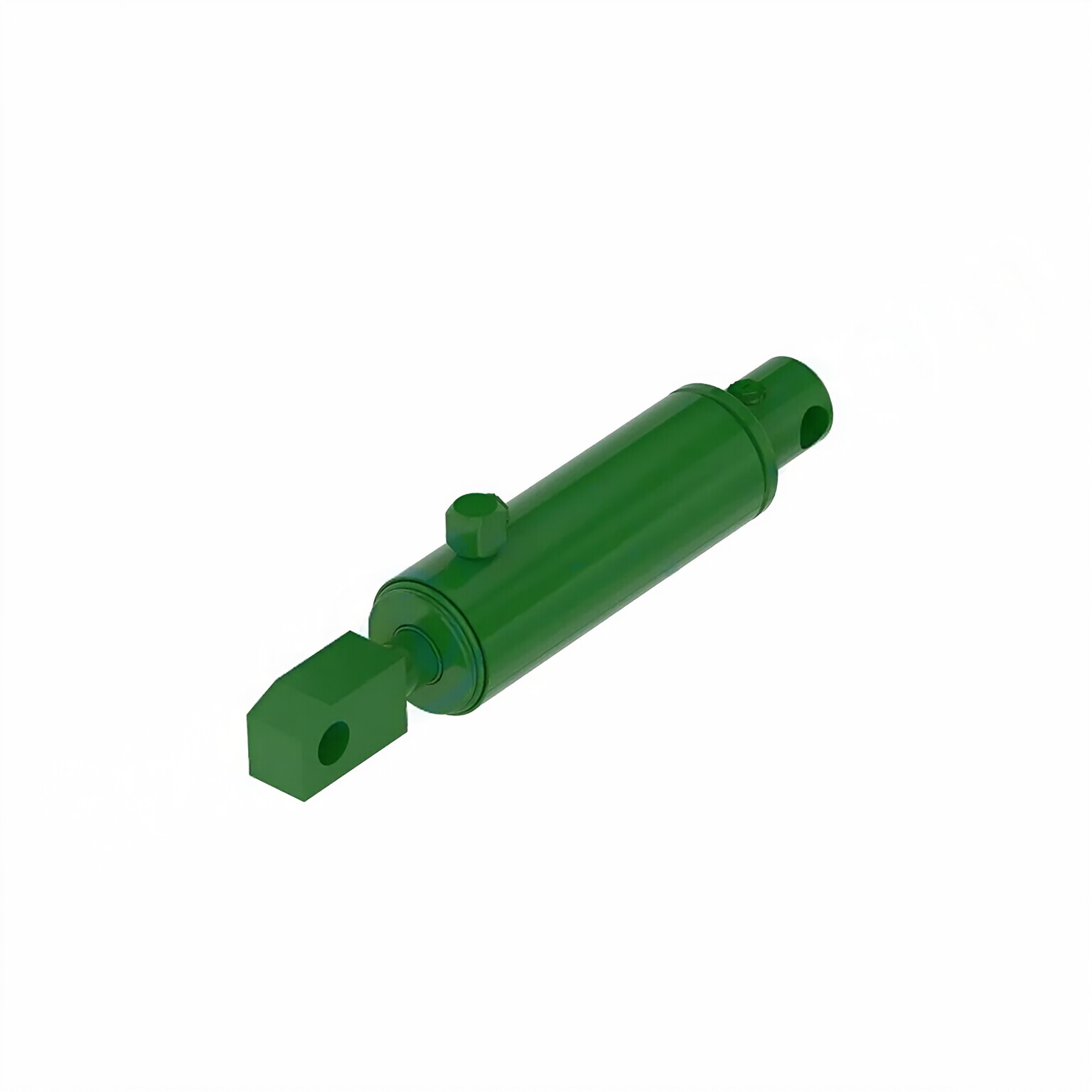
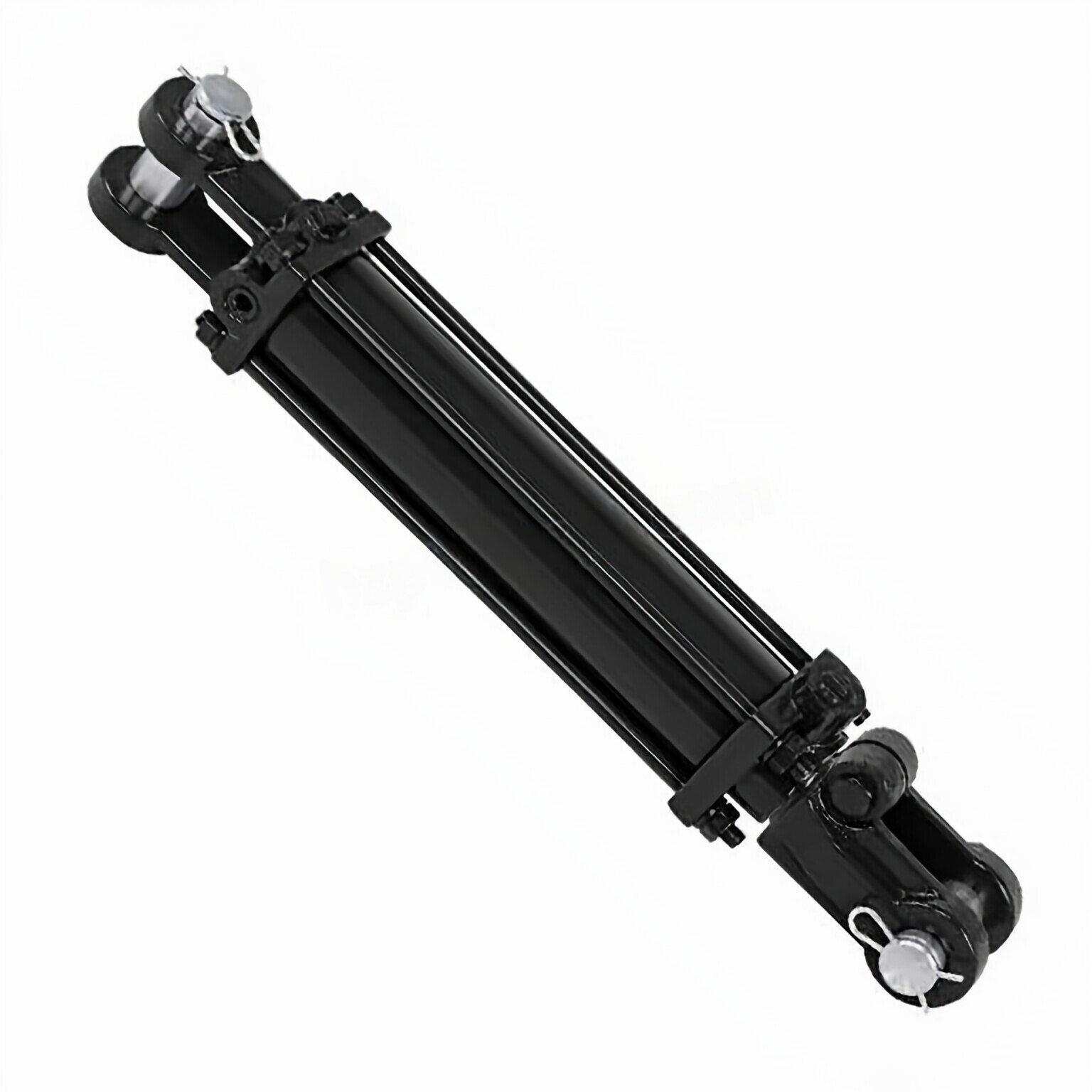
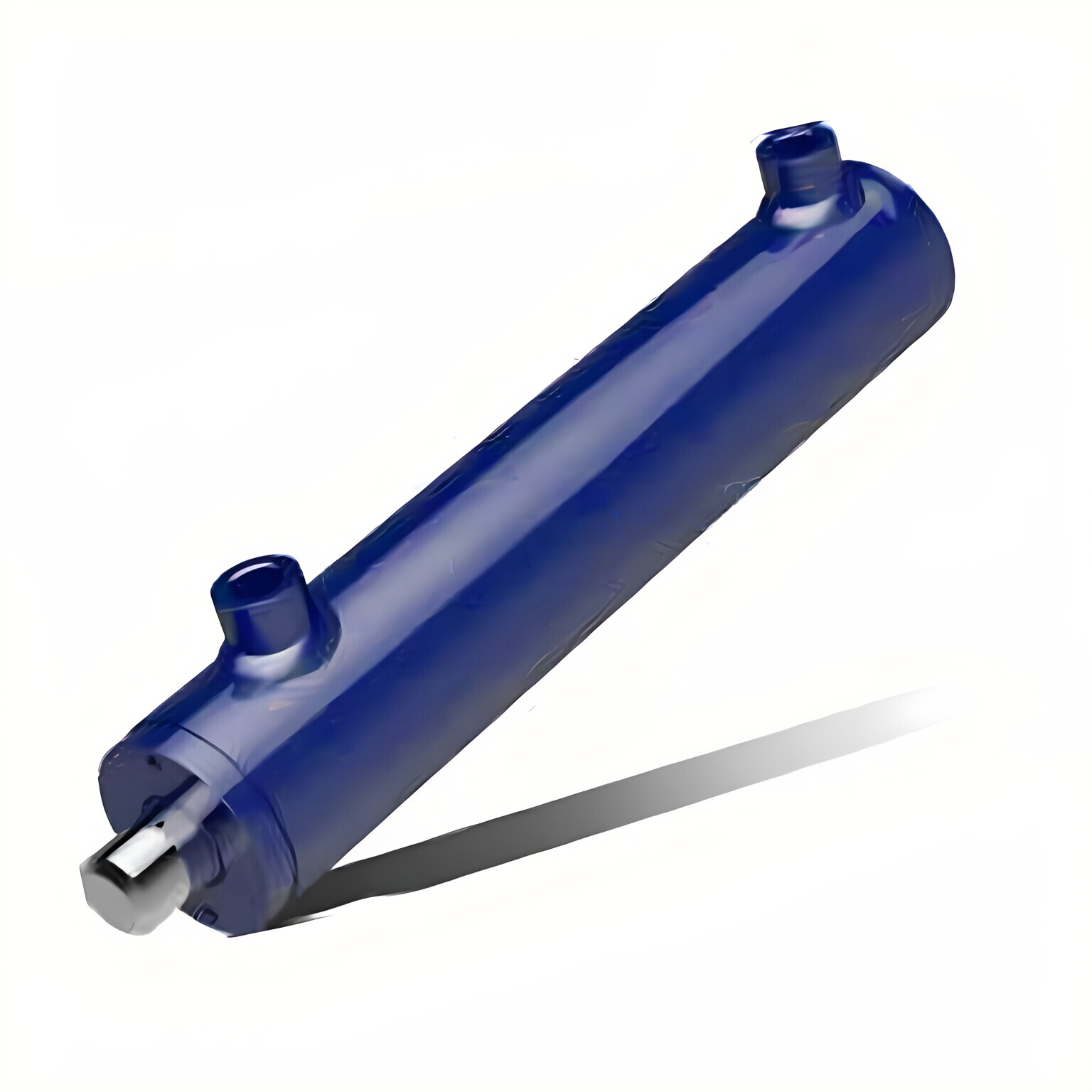
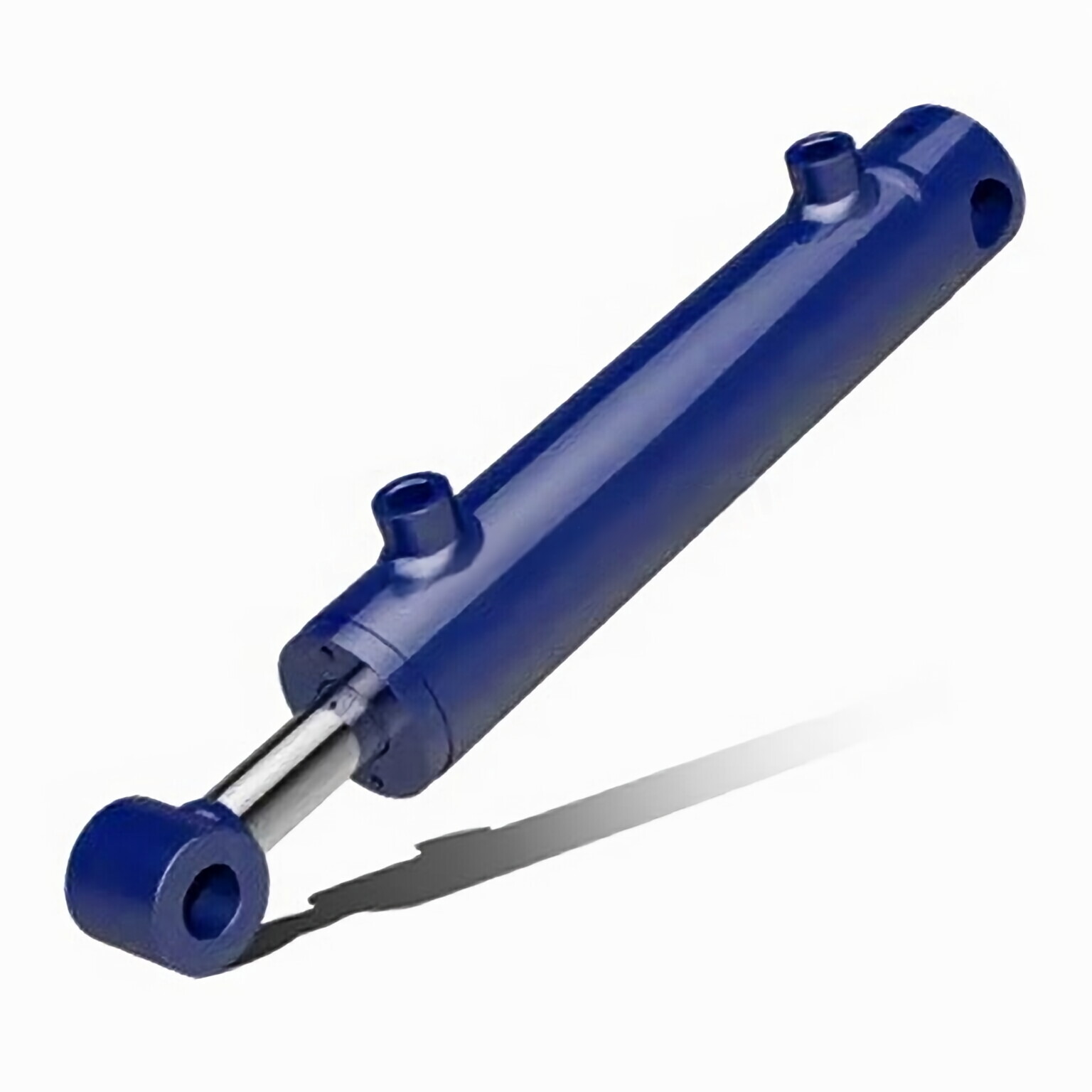
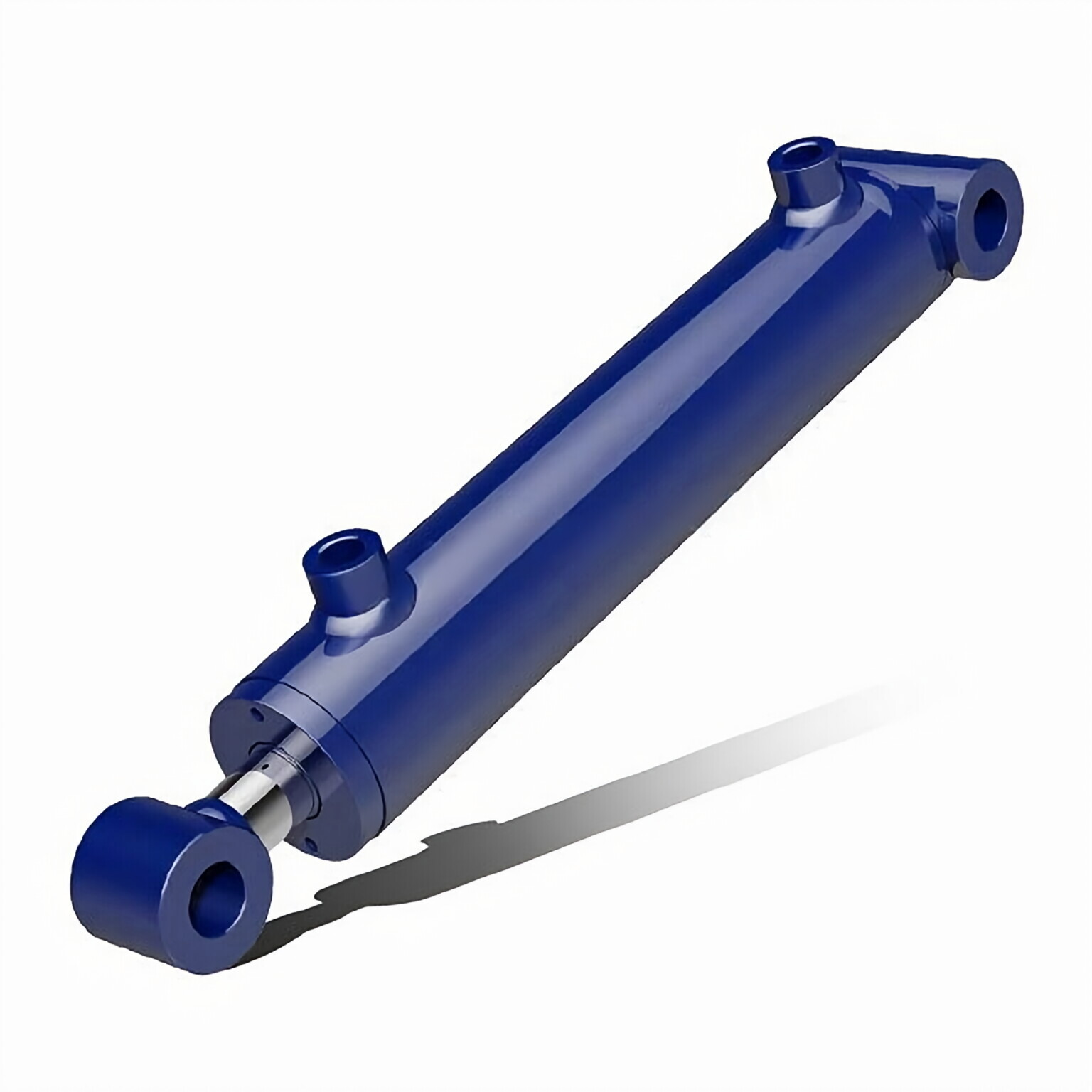
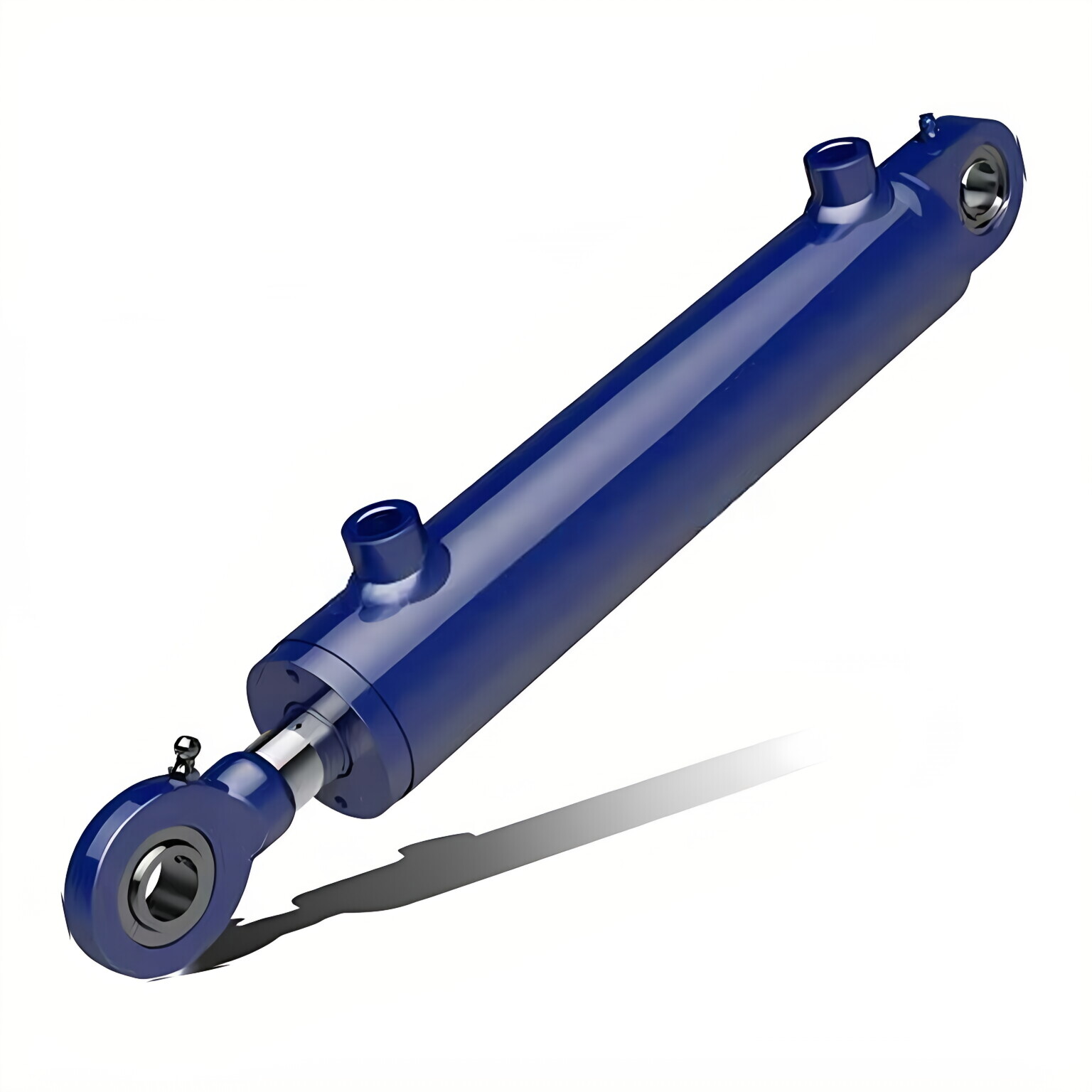
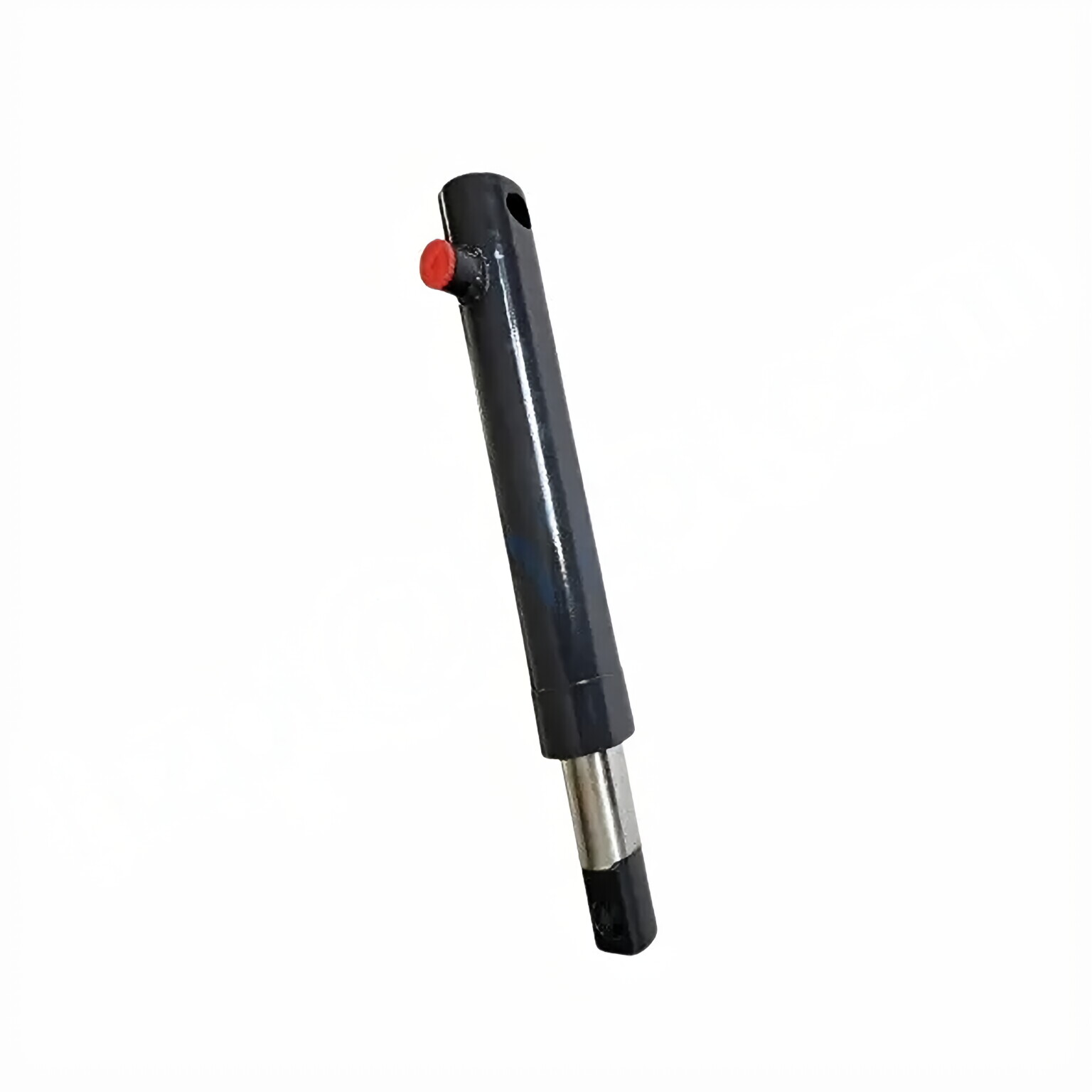
The Replacement Of AH176921 Hydraulic Cylinder is a high-quality hydraulic cylinder designed for efficient and reliable performance. With a weight of 41.11 lb and dimensions of 4.25 in (height), 5.5 in (width), and 22.7 in (length), this cylinder offers a volume of 4.227 gal.
Regular inspections are crucial for ensuring the optimal functioning of the hydraulic cylinder. It is recommended to inspect the cylinder for any signs of wear, leakage, or damage. Additionally, check the alignment and ensure proper lubrication.
Proper lubrication is essential to maintain the longevity and performance of the hydraulic cylinder. Apply the recommended lubricant to the appropriate areas as specified in the manufacturer's guidelines.
Over time, seals may wear out and require replacement. Inspect the seals regularly and replace them if necessary to prevent leaks and ensure the cylinder's proper functioning.
Periodically, it is important to perform calibration checks on the hydraulic cylinder to ensure accurate operation. Follow the manufacturer's instructions for proper calibration procedures.
Correct installation, lubrication, and adjustment are crucial for the optimal performance and longevity of the hydraulic cylinder. Improper installation can lead to misalignment and decreased efficiency. Adequate lubrication ensures smooth operation and minimizes wear and tear. Proper adjustments guarantee precise functioning and prevent damage to the cylinder.
1. Regular maintenance and inspections are essential for identifying potential issues early on.2. Follow the manufacturer's recommendations for lubrication frequency and use the appropriate lubricant.3. Utilize proper alignment techniques during installation to prevent unnecessary strain on the cylinder.4. Consider using installation brackets for added stability and secure attachment.5. Take advantage of recommended inspection, repair, and replacement procedures to address any concerns promptly.6. Opt for replacement parts and rebuilding services from trusted sources to ensure the cylinder's reliability and performance.7. Implement preventive measures to minimize potential issues and maximize the lifespan of the hydraulic cylinder.
When working with hydraulic cylinders, prioritizing safety measures is of utmost importance. It is crucial to adhere to the recommended safety guidelines to prevent accidents and injuries. Additionally, considering environmental factors, such as proper waste disposal and following environmentally friendly practices, ensures responsible usage and reduces the impact on the environment.
1. Cylinder Leakage: If there is noticeable leakage, inspect the seals and replace them if necessary. Check for any damaged components that may be causing the leakage.2. Cylinder Jerking or Slow Operation: Insufficient lubrication or misalignment can cause jerking or slow operation. Verify the lubrication and alignment, and make necessary adjustments.3. Cylinder Overheating: Overheating may indicate an issue with the hydraulic system. Check the fluid levels, cooling mechanism, and ensure proper system functioning.4. Cylinder Drift: Drifting occurs when the cylinder fails to hold its position. It may be caused by internal leaks or improper valve adjustment. Address the leaks and adjust the valves as needed.5. Excessive Noise: Unusual noise can be a sign of air or fluid contamination, loose components, or worn-out parts. Inspect and clean the system, tighten any loose components, and replace worn-out parts if necessary.
1. If experiencing leakage, inspect the seals and replace them if damaged. Ensure proper tightening of all connections.2. In case of jerking or slow operation, check the lubrication levels and apply the appropriate lubricant. Verify the alignment and adjust if necessary.3. Address overheating issues by checking the fluid levels and ensuring proper cooling of the system. Verify the functionality of the cooling mechanism.4. To resolve cylinder drift, inspect and repair any internal leaks. Adjust the valves to ensure proper pressure and stability.5. If excessive noise is present, clean the hydraulic system and remove any air or fluid contamination. Tighten loose components and replace worn-out parts as needed.
Implementing these troubleshooting tips and solutions will help readers effectively diagnose and resolve common issues with the hydraulic cylinder. Additionally, providing preventive measures will aid in minimizing potential problems and ensuring smooth operation.
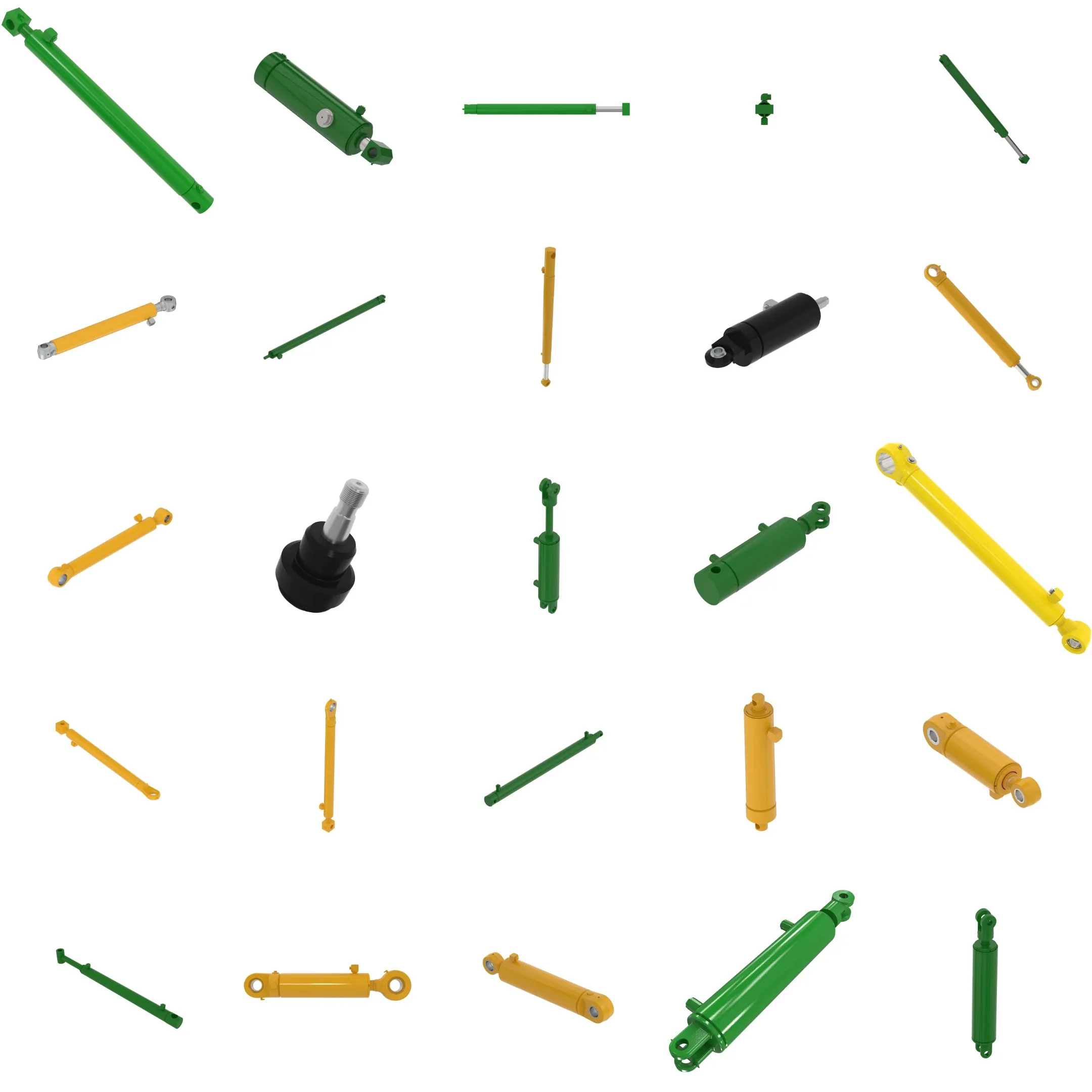
We are a leading manufacturer and wholesale distributor of replacement hydraulic cylinders. With a wide range of products, we have established ourselves as a prominent player in the domestic and international markets.
We pride ourselves on our professionalism and commitment to delivering high-quality hydraulic cylinders that meet the industry's standards and requirements.
Our products hold international certifications, ensuring their reliability and compliance with global quality standards.
We offer customization services to cater to specific customer needs, providing tailored solutions for various applications.
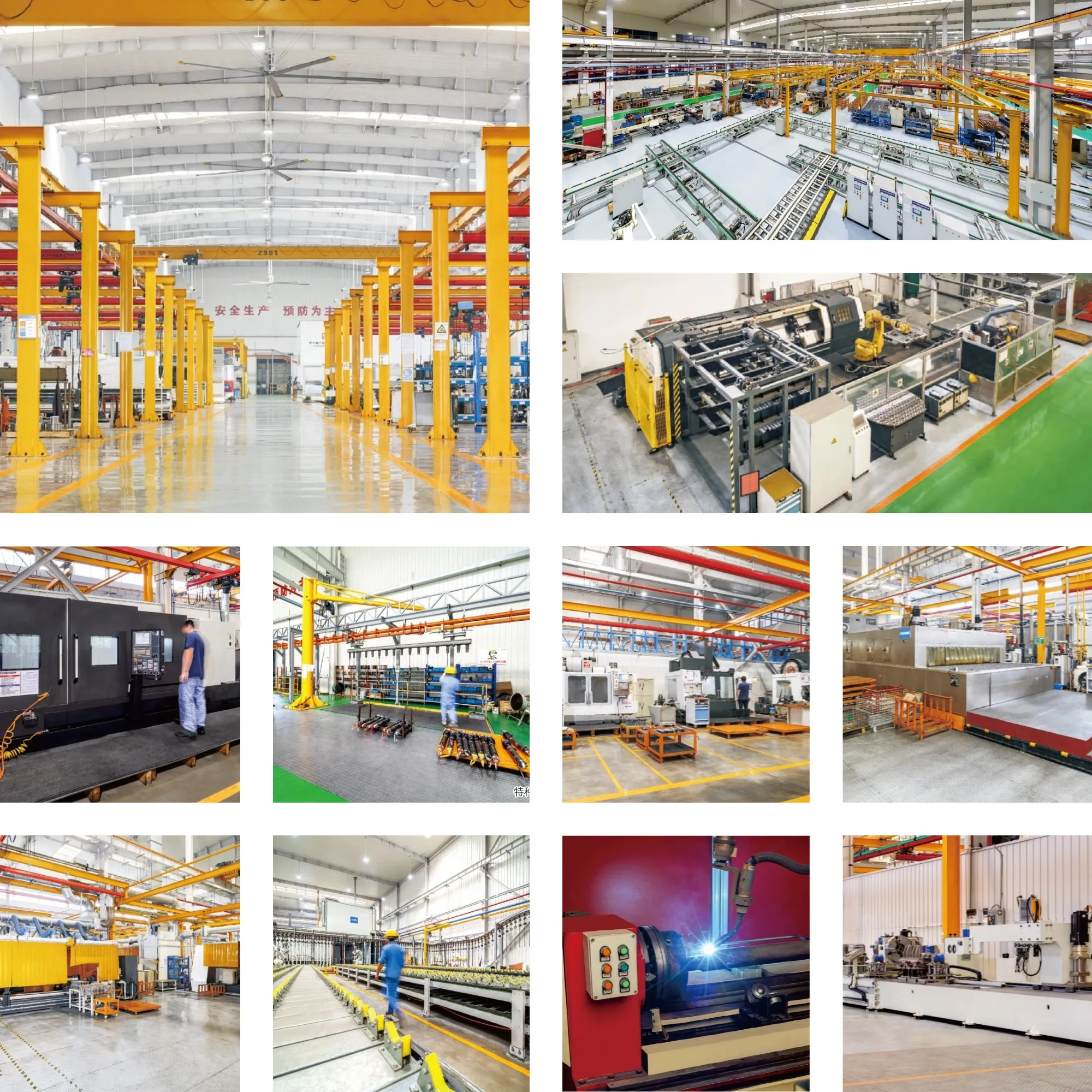
Equipped with state-of-the-art production facilities, we utilize advanced technology and manufacturing processes to ensure precision and efficiency in our cylinder production.
Our commitment extends beyond the point of purchase. We provide excellent after-sales service to assist our customers with any queries or concerns they may have.
By providing comprehensive information about our company, we aim to build trust and showcase our expertise in the hydraulic cylinder industry.
Author: lyl
Address
Luotuo Industrial Area, Zhenhai District, Ningbo City, China
Tel

 Raydafon