
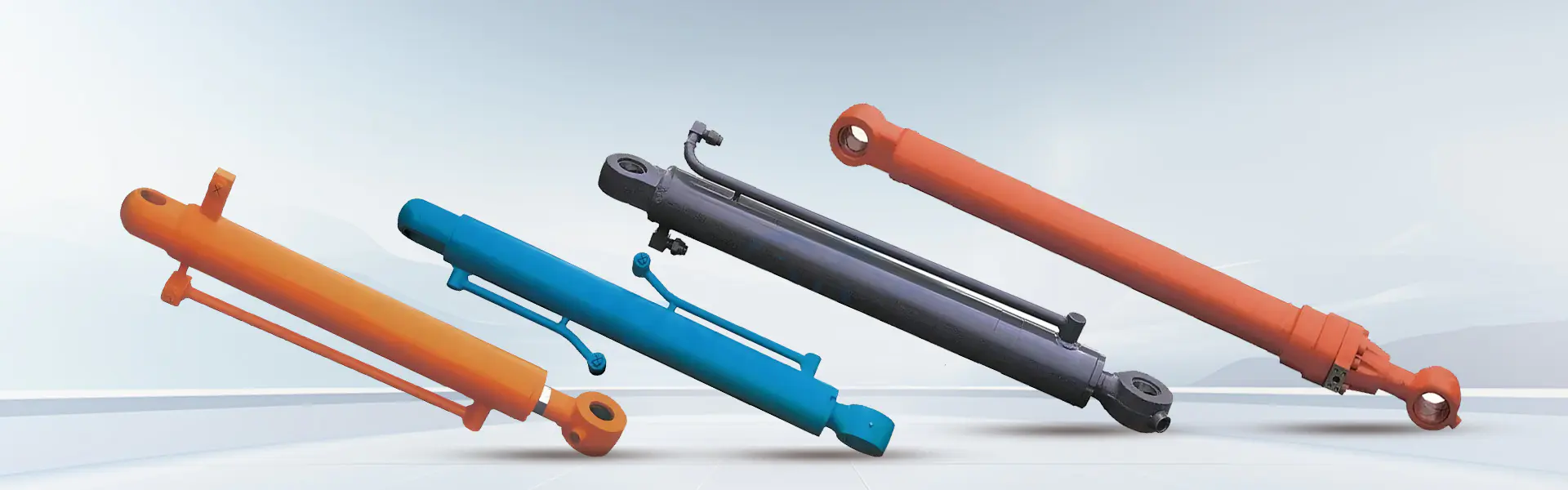
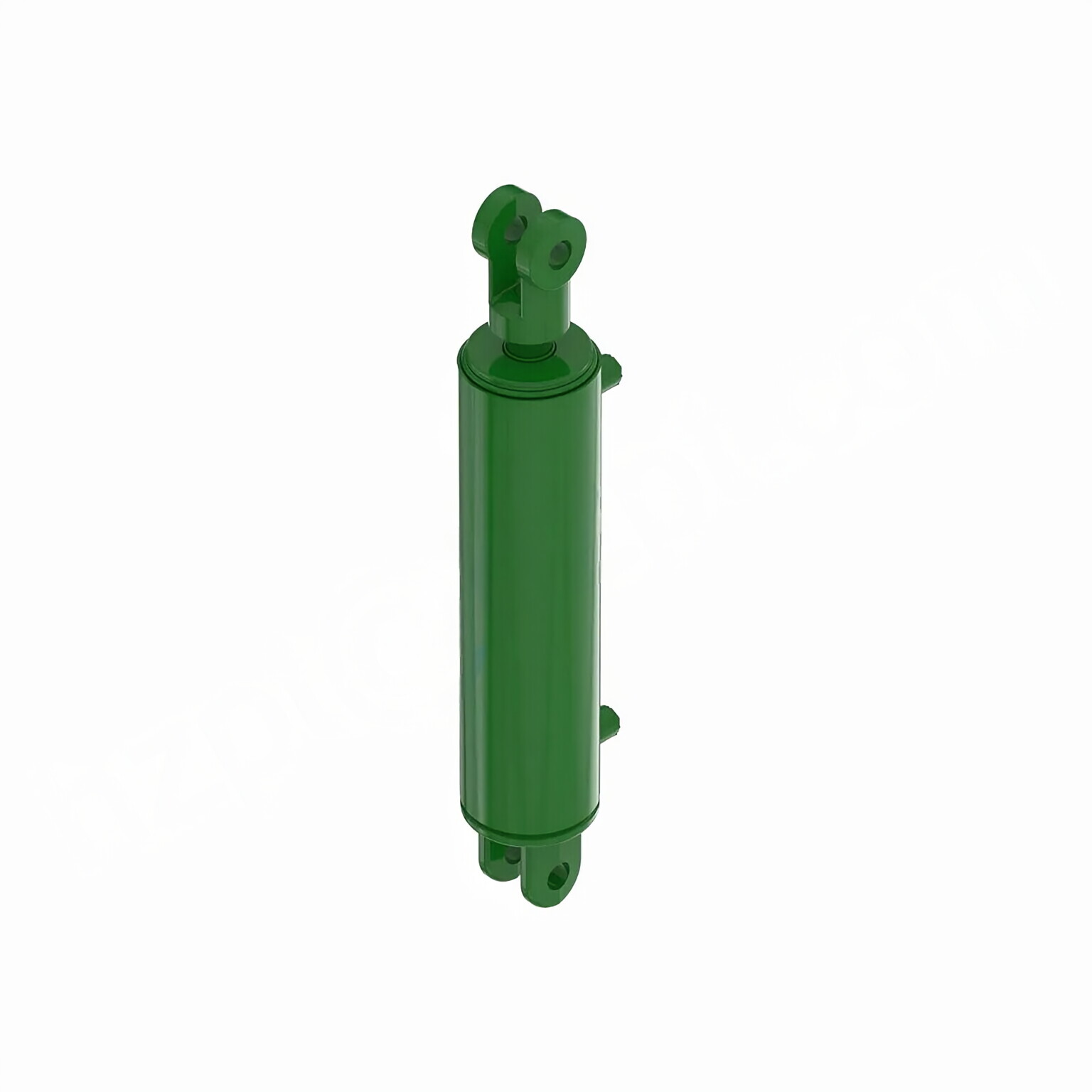
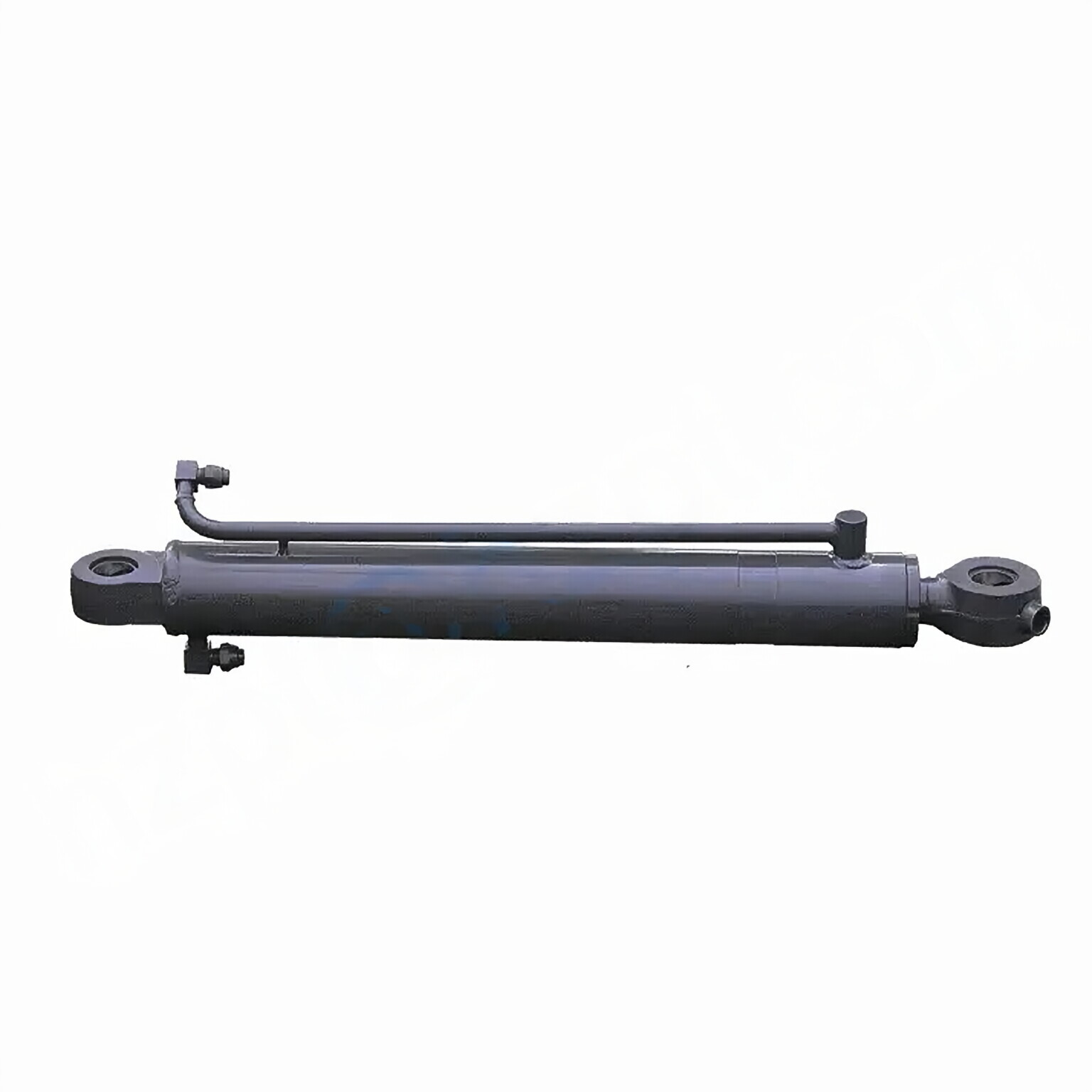
Regular inspection of the hydraulic cylinder is necessary to ensure its proper functioning. Inspection should include checking for leaks, damage, and wear. Any damage or wear should be addressed immediately to prevent further damage to the cylinder.
Proper lubrication is crucial for the hydraulic cylinder to function properly. Lubrication should be done according to the manufacturer's instructions using the recommended lubricant. Over-lubrication should be avoided as it can cause damage.
Seals should be replaced as soon as they show signs of wear or damage. Damaged seals can cause leaks, which can lead to further damage to the cylinder.
The hydraulic cylinder should be checked for calibration regularly. Any deviation from the specified calibration should be addressed immediately to ensure proper functioning of the cylinder.
Correct installation, lubrication, and adjustment are crucial for the proper functioning and longevity of the hydraulic cylinder. Improper installation and adjustment can cause damage to the cylinder and shorten its lifespan. Proper alignment of the cylinder during installation is important to prevent damage to the cylinder and other components.
Using appropriate installation fixtures to hold the cylinder in place during installation is recommended to prevent damage to the cylinder or other components.
If any damage or wear is detected, the cylinder should be inspected, and any necessary repairs should be made promptly. Replacement parts and rebuilding services are available to extend the life of the hydraulic cylinder. Properly maintaining the hydraulic cylinder can help extend its service life.
Proper lubrication, regular maintenance, and careful handling can help extend the life of the hydraulic cylinder. Avoiding overloading, reducing shock loads, and avoiding excessive heat are also important factors that can help extend the life of the cylinder.
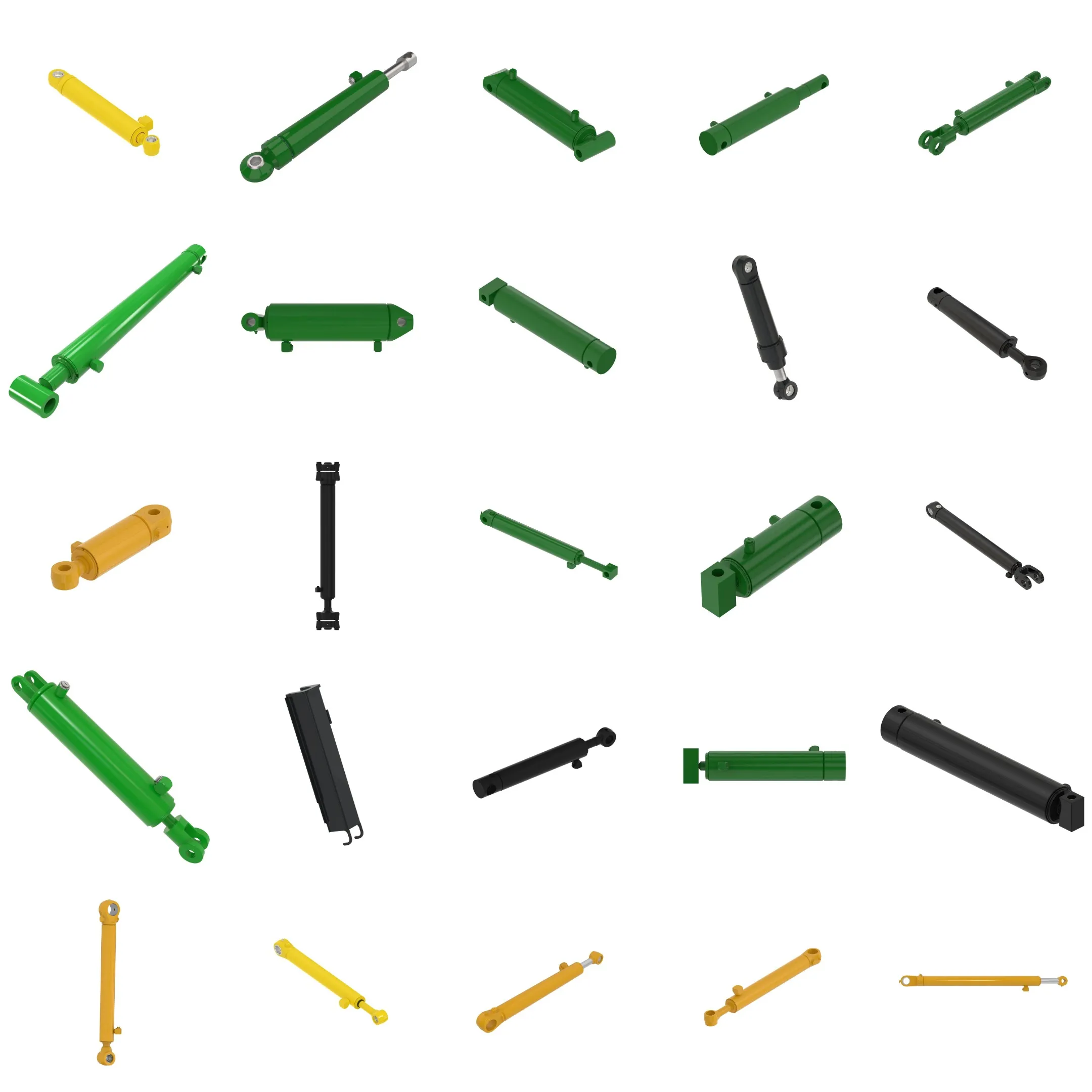
When working with hydraulic cylinders, safety measures are crucial. Always wear appropriate personal protective equipment, and follow all safety guidelines provided by the manufacturer.
Proper waste management and disposal of hydraulic fluid is important to prevent environmental contamination. Used hydraulic fluid should be disposed of properly according to local regulations.
If the hydraulic cylinder is leaking, check the seals and replace them if necessary. If the cylinder is making noise, check for worn or damaged components and replace them if necessary. If the cylinder is slow or lacks power, check for low fluid levels or clogged filters and address the issue accordingly.
Proper maintenance, regular inspection, and careful use can help prevent most hydraulic cylinder problems. Avoiding overloading and reducing shock loads can also help prevent damage to the cylinder and prolong its lifespan.
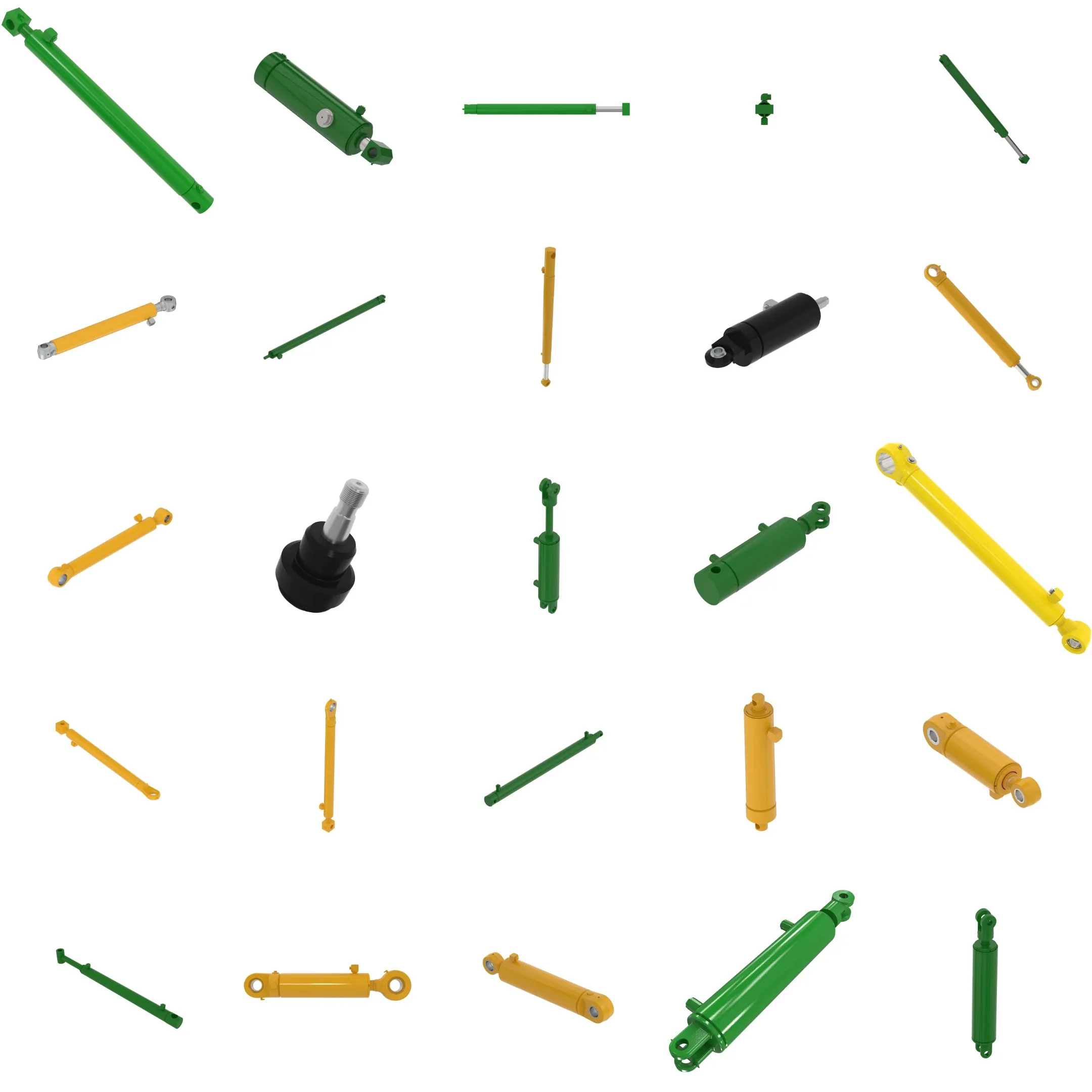
We are a leading manufacturer and wholesaler of hydraulic cylinders, offering a wide range of products for both domestic and international markets. Our company is committed to providing high-quality products, customized services, and excellent customer support.
Our team of professionals is dedicated to providing the best products and services to our customers. We take pride in our work and strive for excellence in everything we do.
We are certified by international standards organizations, ensuring that our products meet the highest quality standards in the industry.
We offer customized services to meet the specific needs of our customers. Our team of experts works closely with customers to develop solutions that meet their unique requirements.
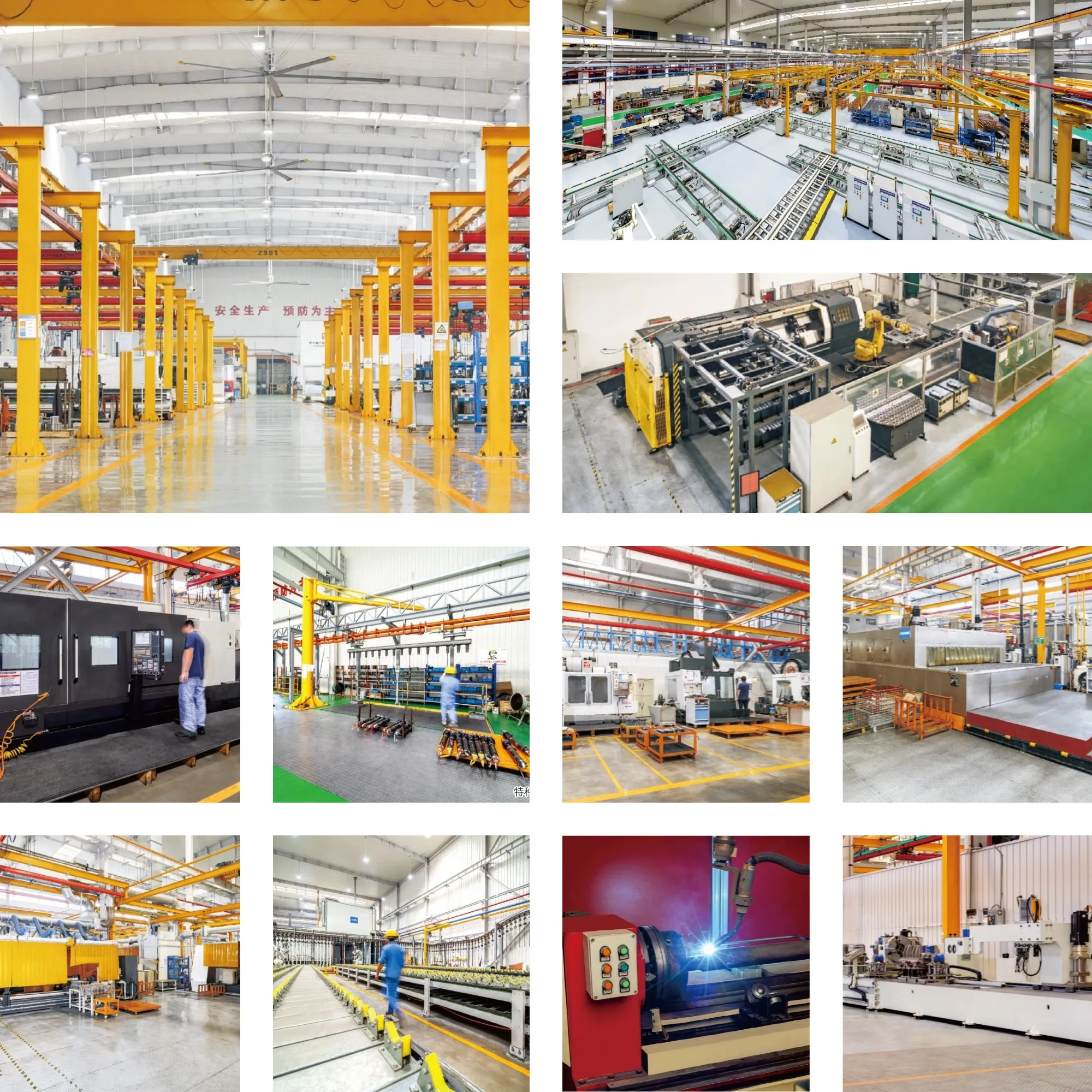
Our production equipment is state-of-the-art, ensuring high efficiency and quality in our manufacturing processes.
Our after-sales service team is available 24/7 to provide support to our customers. We are committed to ensuring customer satisfaction with our products and services.
Note: The same rules apply for Replacement Of Hydraulic Cylinder and Replacement of John Deere Hydraulic Cylinder.
Address
Luotuo Industrial Area, Zhenhai District, Ningbo City, China
Tel

 Raydafon