
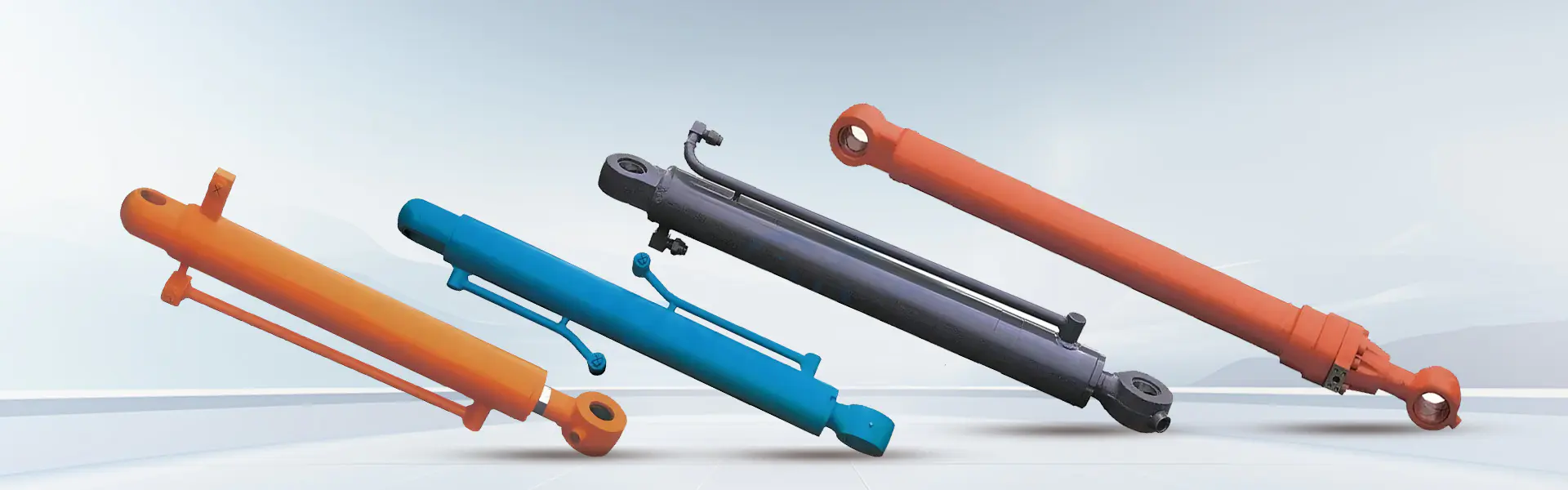
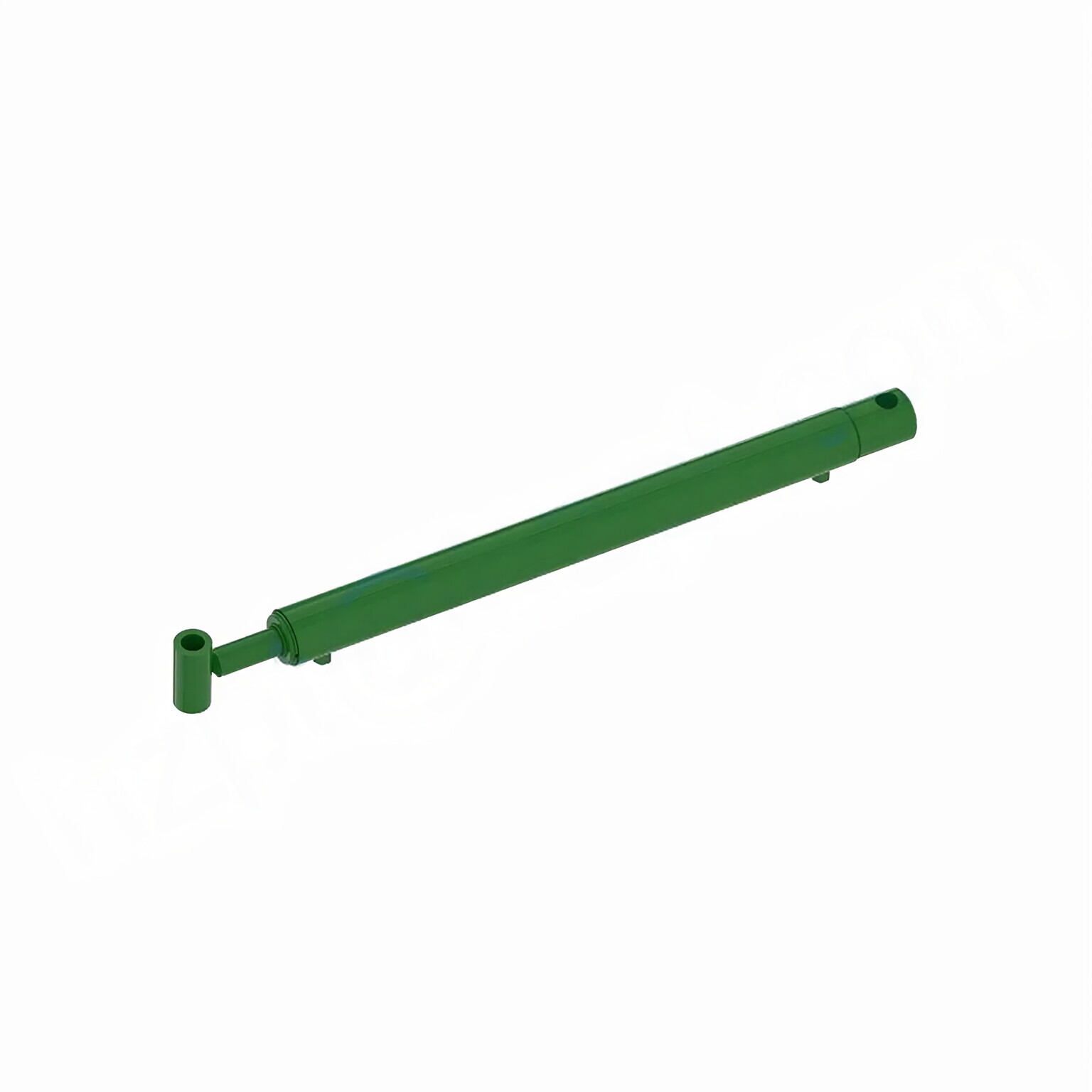
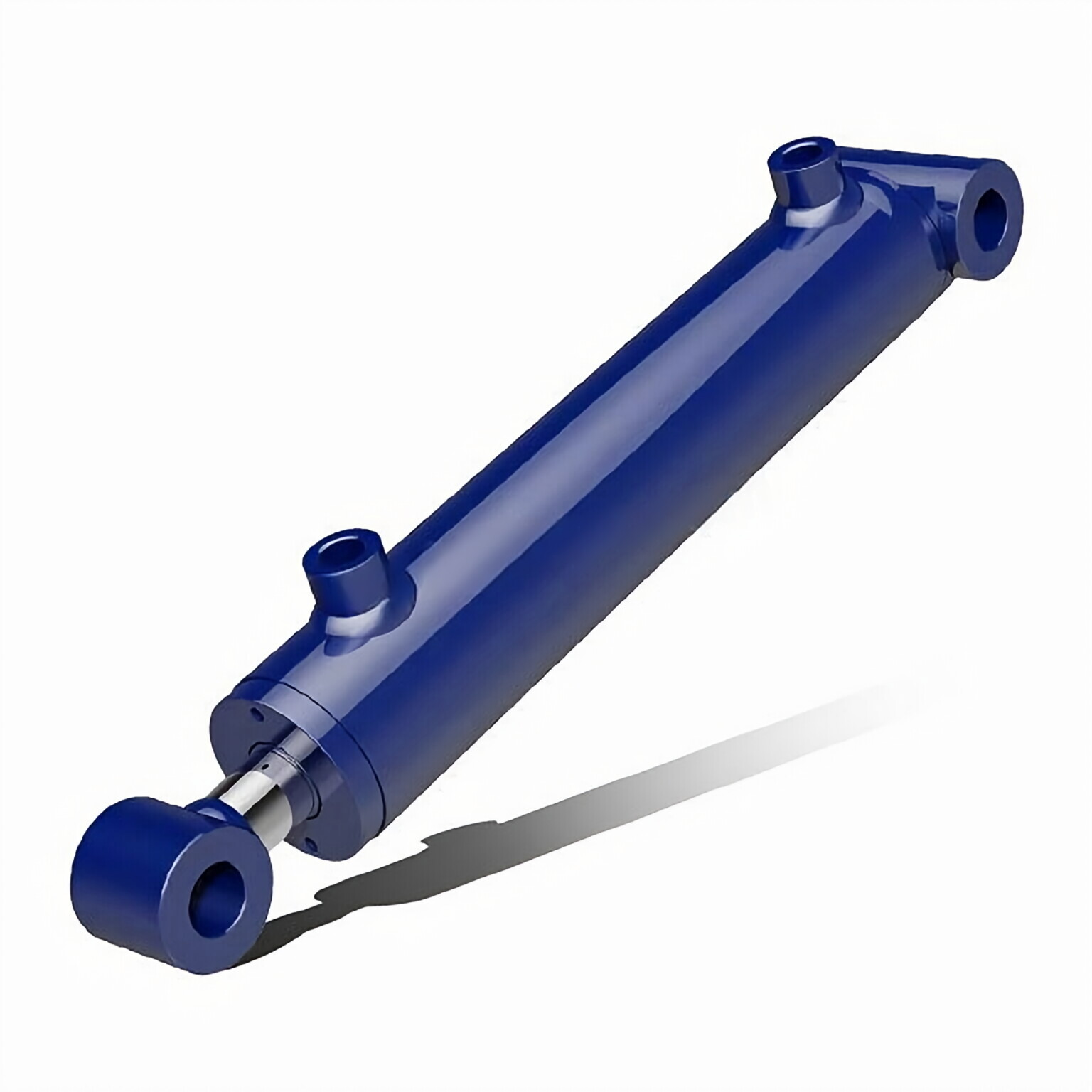
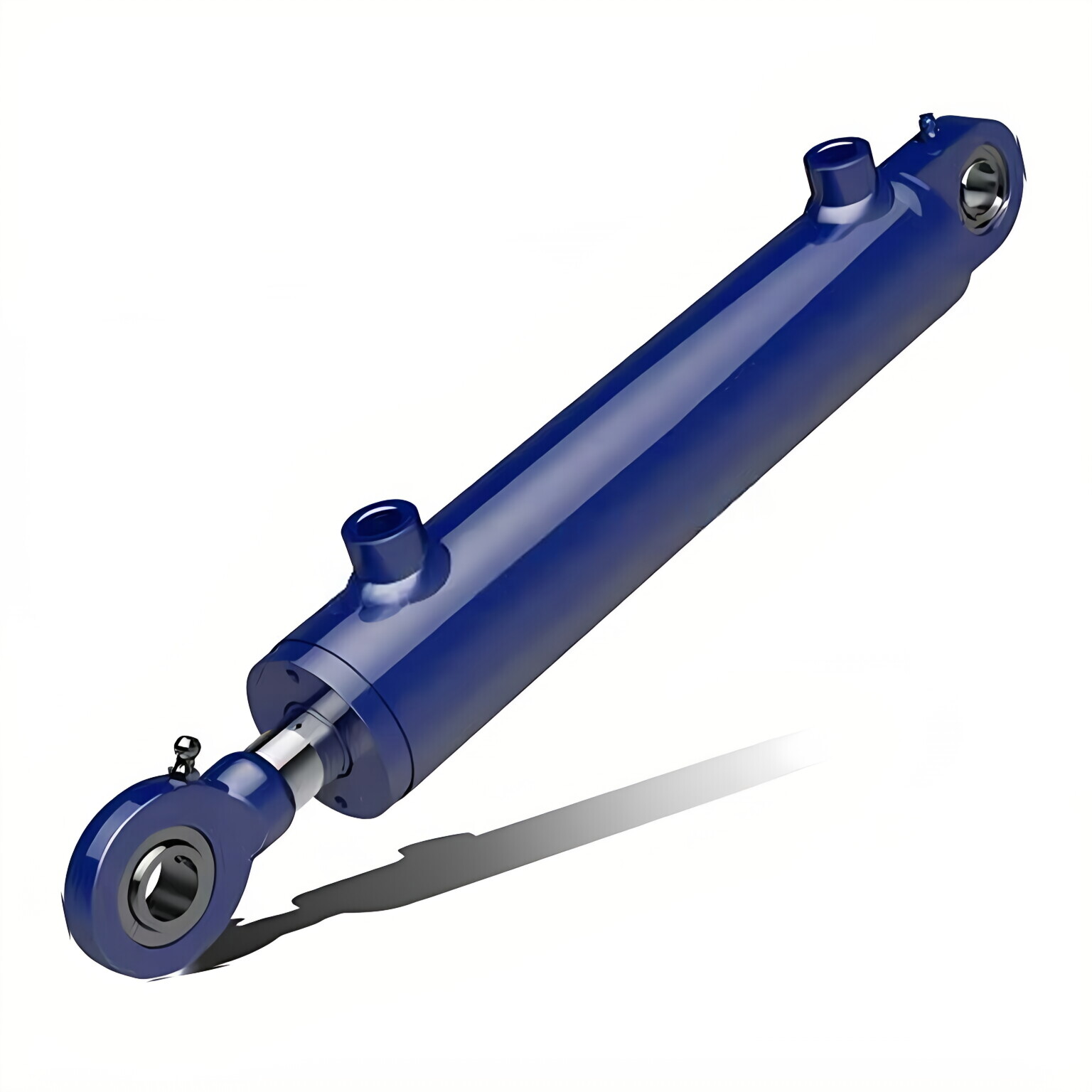
In this article, we will discuss the replacement and maintenance of the AHC13616 hydraulic cylinder. Proper installation, lubrication, and adjustment are crucial for the longevity and performance of the cylinder. We will provide guidance on aligning and securing the cylinder during installation, recommend regular inspections and lubrication, and outline the procedures for seal replacement and calibration checks. Additionally, we will offer tips on extending the lifespan of the cylinder by utilizing appropriate maintenance practices and rebuilding services.
Regularly inspect the hydraulic cylinder for any signs of wear, leakage, or damage. Pay special attention to the seals, rods, and mounting brackets. Promptly address any issues identified during inspections.
Ensure the hydraulic cylinder is properly lubricated according to the manufacturer's recommendations. Use the appropriate lubricant and apply it to the designated points as instructed. Regular lubrication will help minimize friction and extend the lifespan of the cylinder.
Over time, the seals in the hydraulic cylinder may deteriorate and require replacement. Follow the manufacturer's guidelines for seal replacement. Additionally, perform calibration checks periodically to ensure the cylinder operates within the specified parameters.
When working with hydraulic cylinders, it is essential to prioritize safety measures. Always use the appropriate personal protective equipment and follow proper handling procedures to prevent accidents or injuries. Additionally, consider the environmental impact of hydraulic cylinder maintenance and disposal. Properly dispose of any used parts or fluids in accordance with local regulations.
1. Cylinder Leakage: If you notice hydraulic fluid leakage from the cylinder, check the seals and connections for damage or looseness. Replace any faulty seals or tighten loose connections.
2. Slow Cylinder Movement: If the cylinder operates slowly, it may be due to insufficient lubrication or a blocked fluid passage. Ensure proper lubrication and inspect the fluid lines for any obstructions.
3. Erratic Cylinder Movement: Erratic movement can be caused by air trapped in the hydraulic system or a damaged piston. Bleed the system to remove any air and inspect the piston for any signs of damage.
To effectively diagnose and solve hydraulic cylinder issues, consider the following tips:
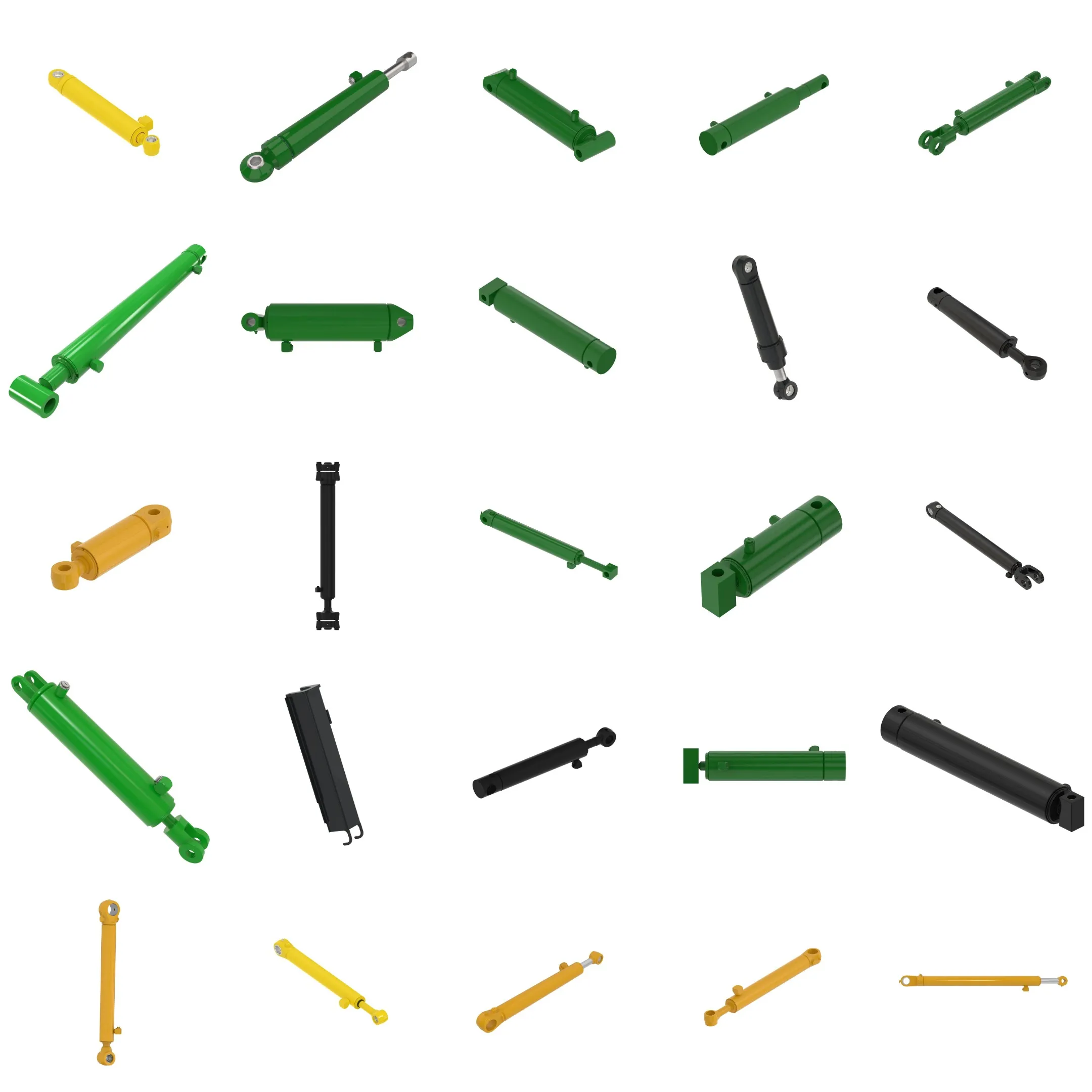
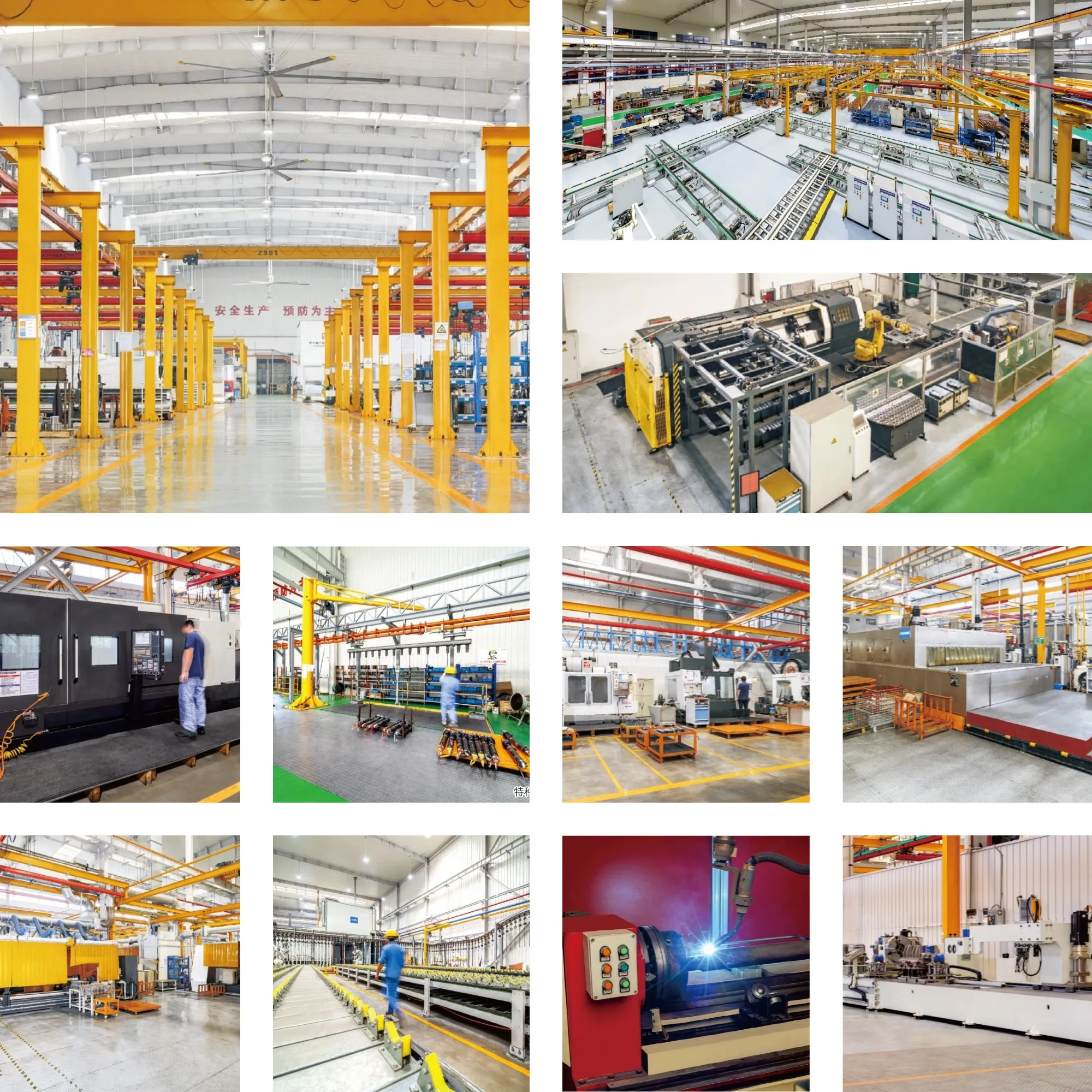
We are a leading manufacturer and wholesale distributor of replacement hydraulic cylinders. Our extensive product range has made us a trusted name in the domestic and international markets. We pride ourselves on our professionalism, international certifications, custom services, state-of-the-art production equipment, and excellent after-sales support.
Author: lyl
Address
Luotuo Industrial Area, Zhenhai District, Ningbo City, China
Tel

 Raydafon