
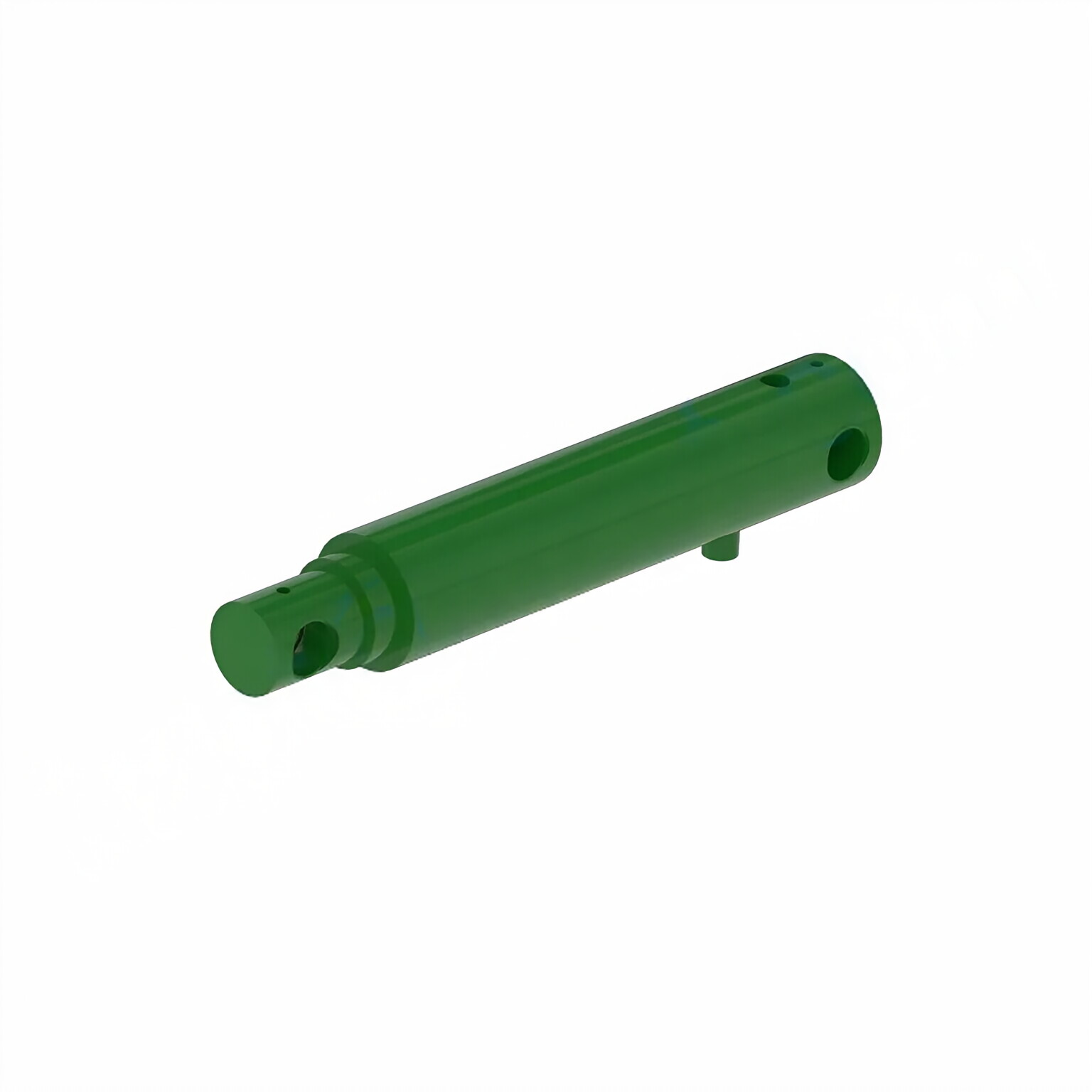
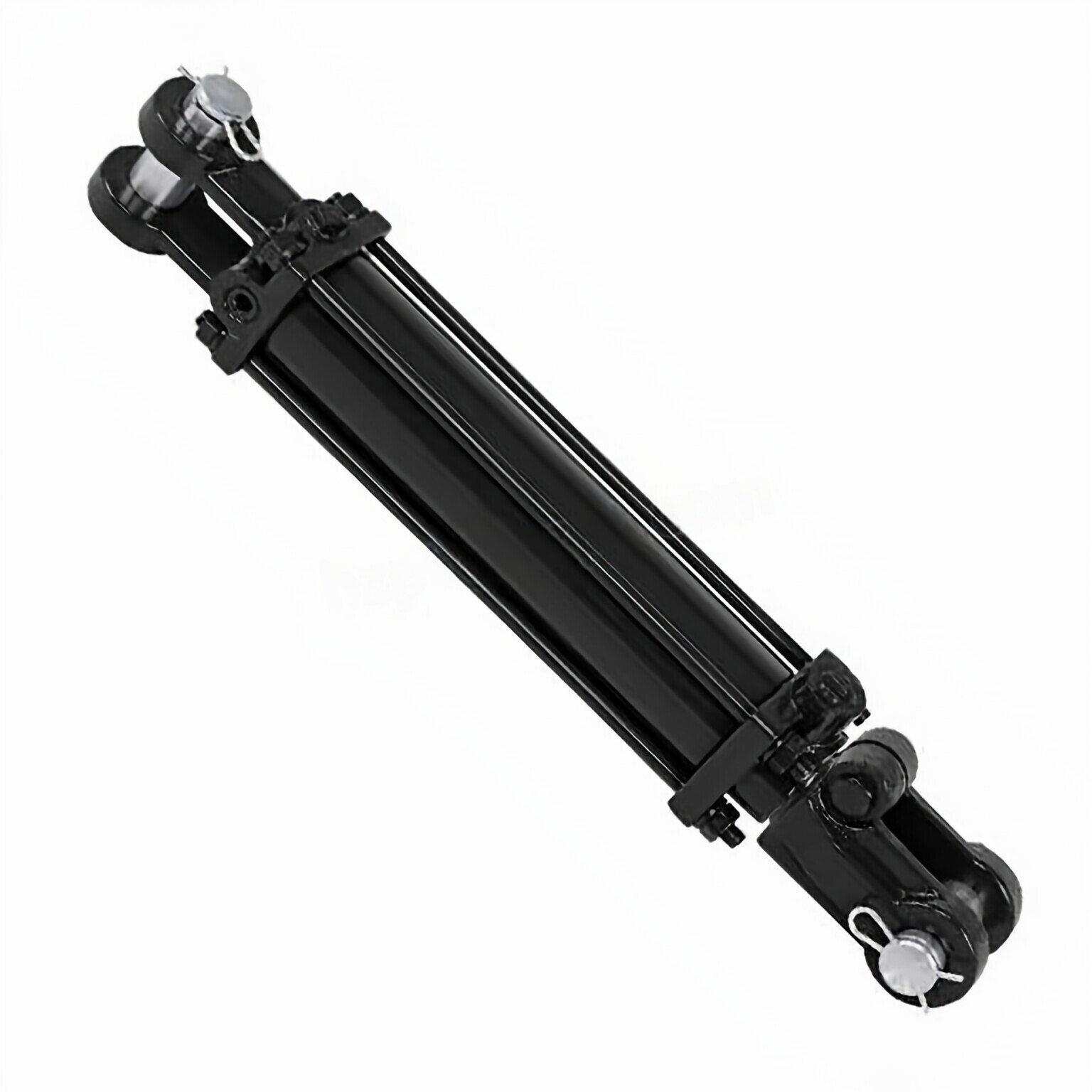
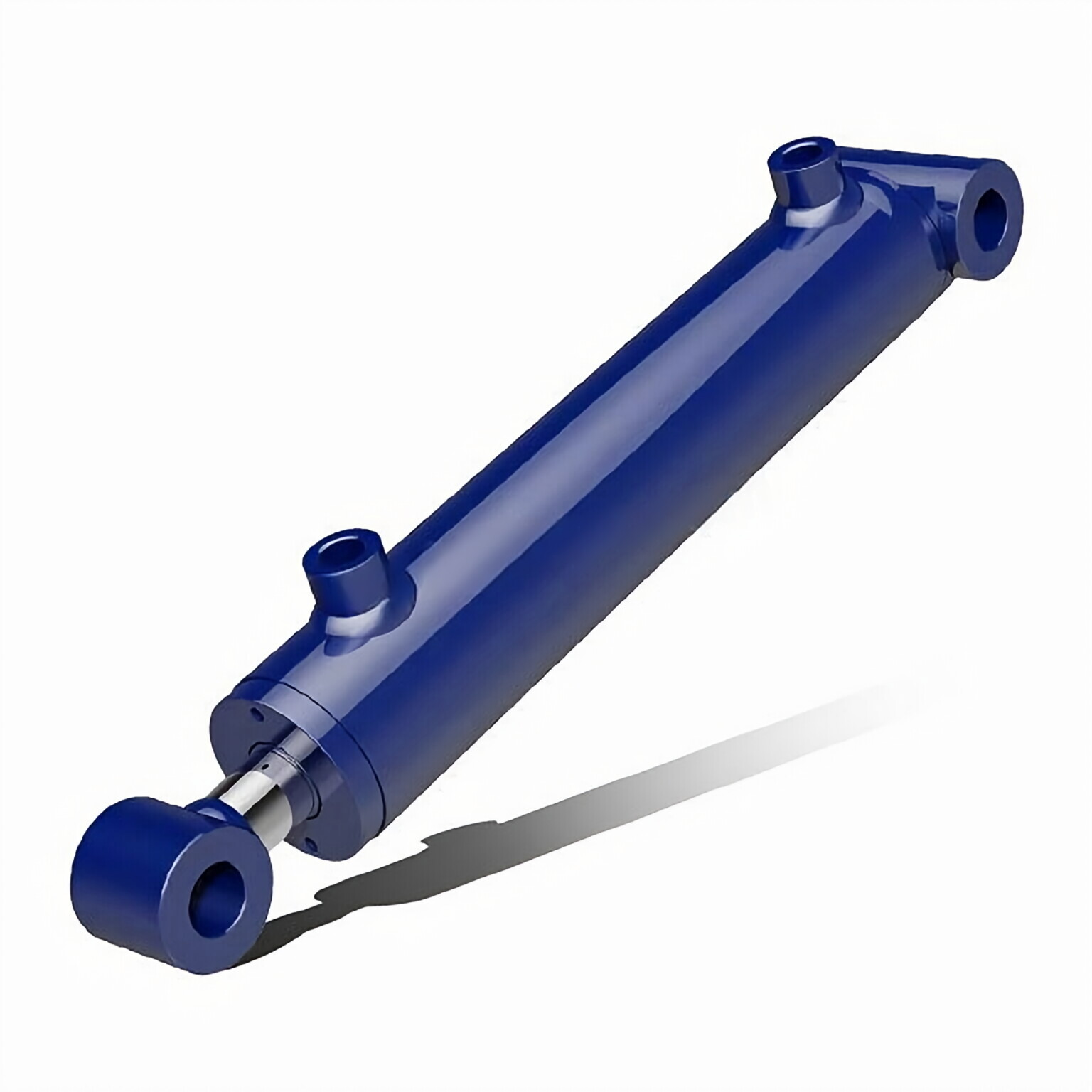
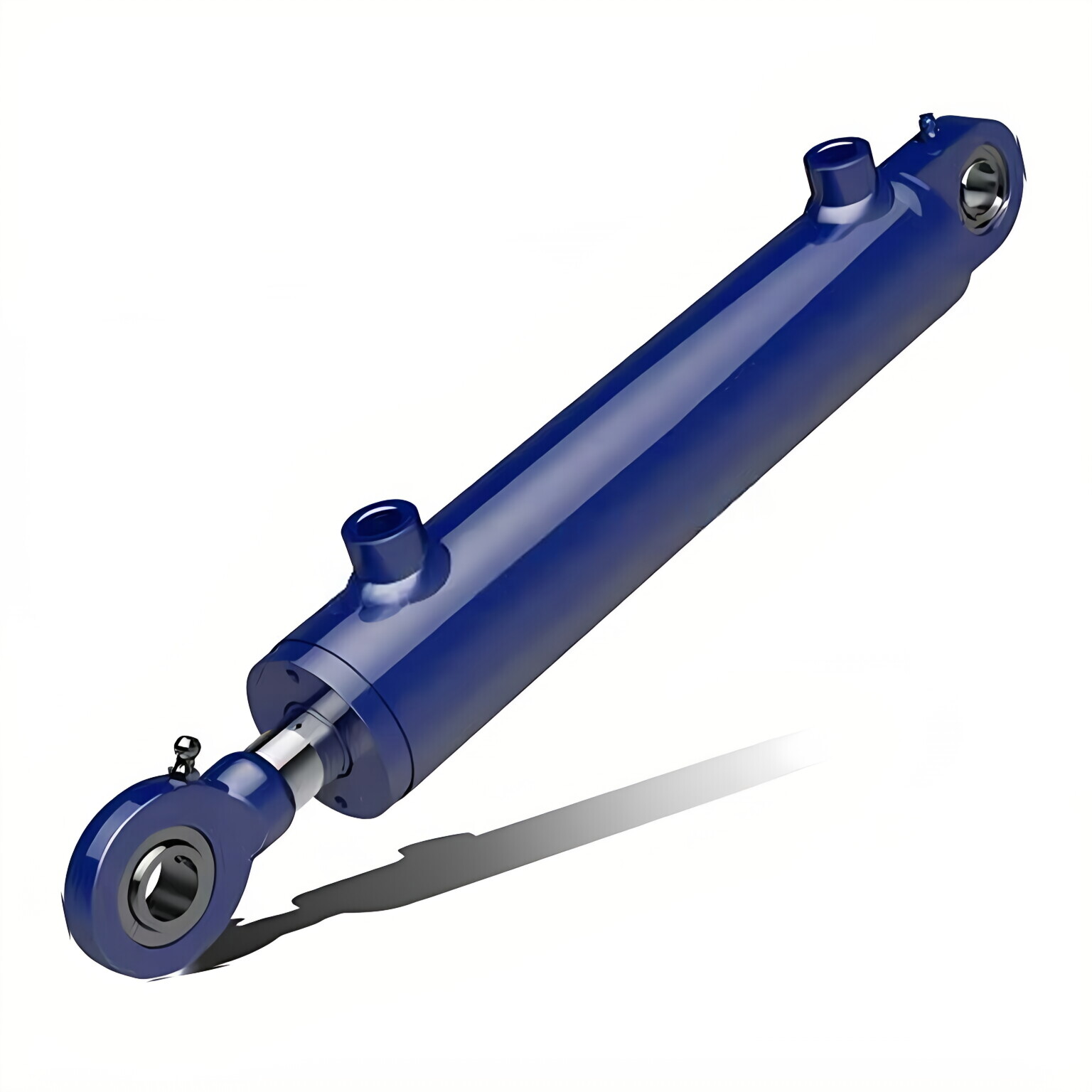
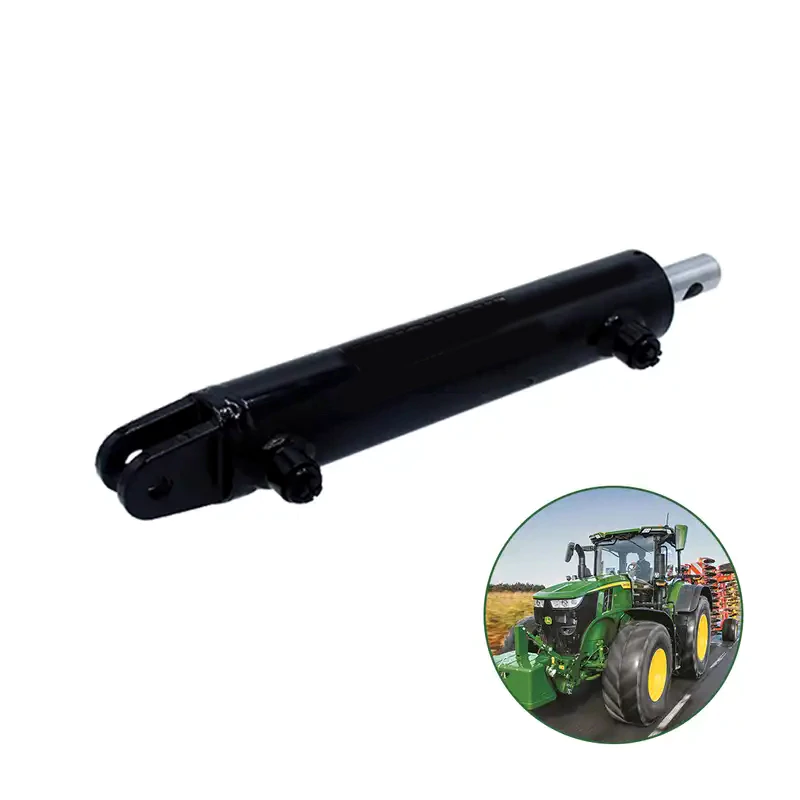
The Replacement Of AHC18238 Hydraulic Cylinder is compatible with the following models: 8100, 8200, 8300, 8400, 8500, 8600, 9500, 9600, 9700, 9800, and 9900.
Regular maintenance is essential for ensuring the longevity and reliability of your hydraulic cylinder. Below are three common maintenance tasks:
To ensure the optimal performance of your hydraulic cylinder, it is essential to perform regular inspections. This can help identify any potential issues before they become major problems. Inspect the cylinder for any signs of leaks, damage, or wear and tear.
Proper lubrication can help minimize friction, prevent corrosion, and extend the life of your hydraulic cylinder. Apply lubrication to all moving parts and ensure they are properly lubricated at all times.
Seal replacement and calibration checks are critical to ensure the optimal performance of your hydraulic cylinder. Damaged or worn seals can cause leaks, while a misaligned or poorly calibrated cylinder can reduce its efficiency and performance.
Proper installation, lubrication, and adjustment are crucial for ensuring the optimal performance and longevity of your hydraulic cylinder. Follow the manufacturer's instructions for proper installation, ensure proper alignment, and use appropriate installation supports to secure the cylinder in place. Regular lubrication can help minimize friction, prevent corrosion, and extend the life of your cylinder. Proper adjustment and calibration checks can ensure optimal performance and efficiency.
When using hydraulic cylinders, it is essential to follow proper safety measures to prevent accidents and injuries. Always wear appropriate protective gear and follow all safety guidelines. Proper disposal of hydraulic fluid and other materials is also important to reduce environmental impact.
Even with regular maintenance, hydraulic cylinders can develop issues over time. Below are some common issues and troubleshooting tips:
A leaking cylinder is a common issue that can be caused by worn or damaged seals. Replace the seals and check for any additional damage or wear and tear.
A slow or weak cylinder can be caused by low hydraulic fluid levels, air in the system, or leaks. Check the fluid levels, bleed the system of air, and inspect for leaks.
Noise or vibration can be caused by damaged or worn bearings, misaligned cylinders, or air in the system. Inspect the bearings, ensure proper alignment, and bleed the system of air.
To minimize potential issues, it is important to take preventative measures. Regular maintenance, lubrication, and calibration checks can help prevent major issues from occurring. Proper installation and alignment can also help prevent premature wear and tear.
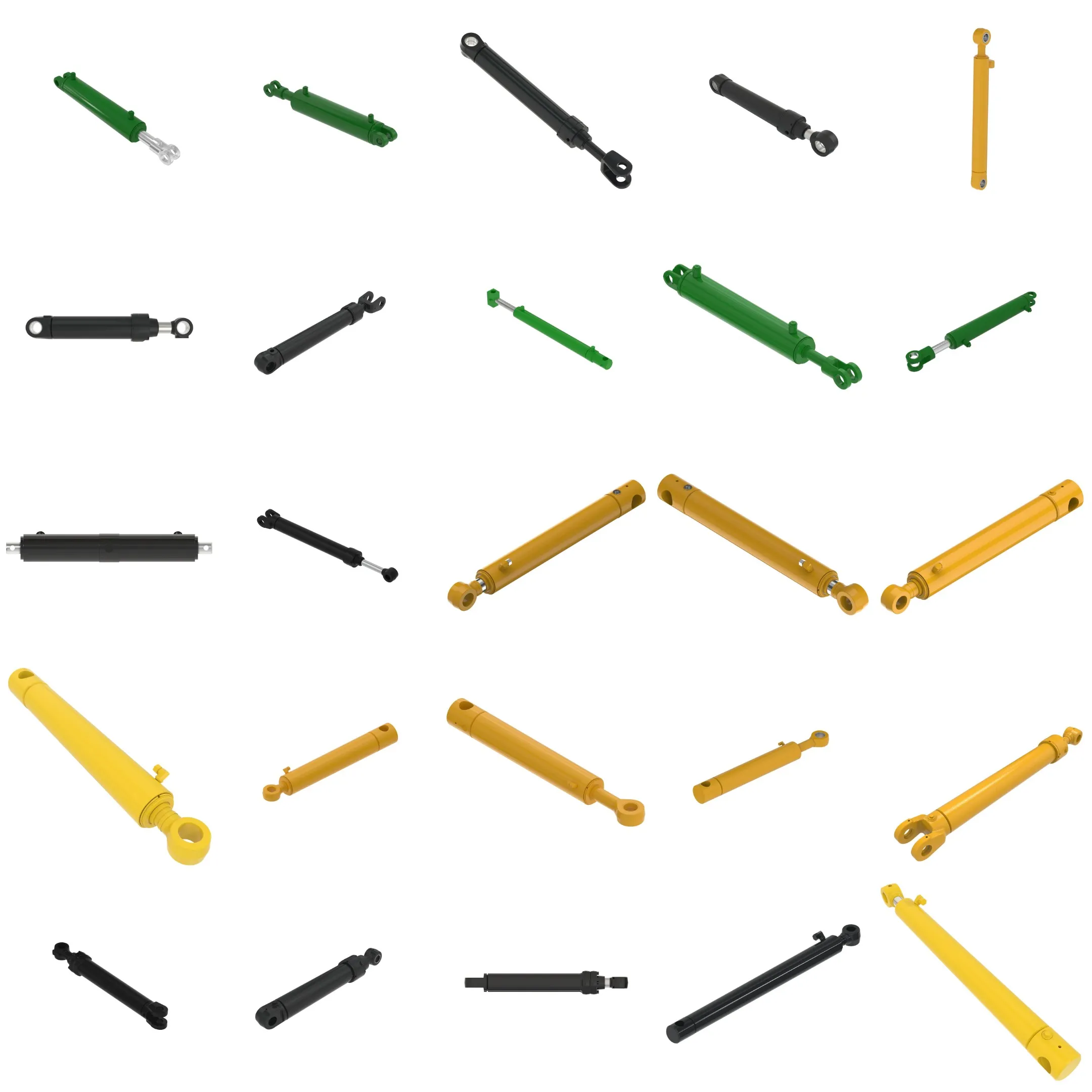
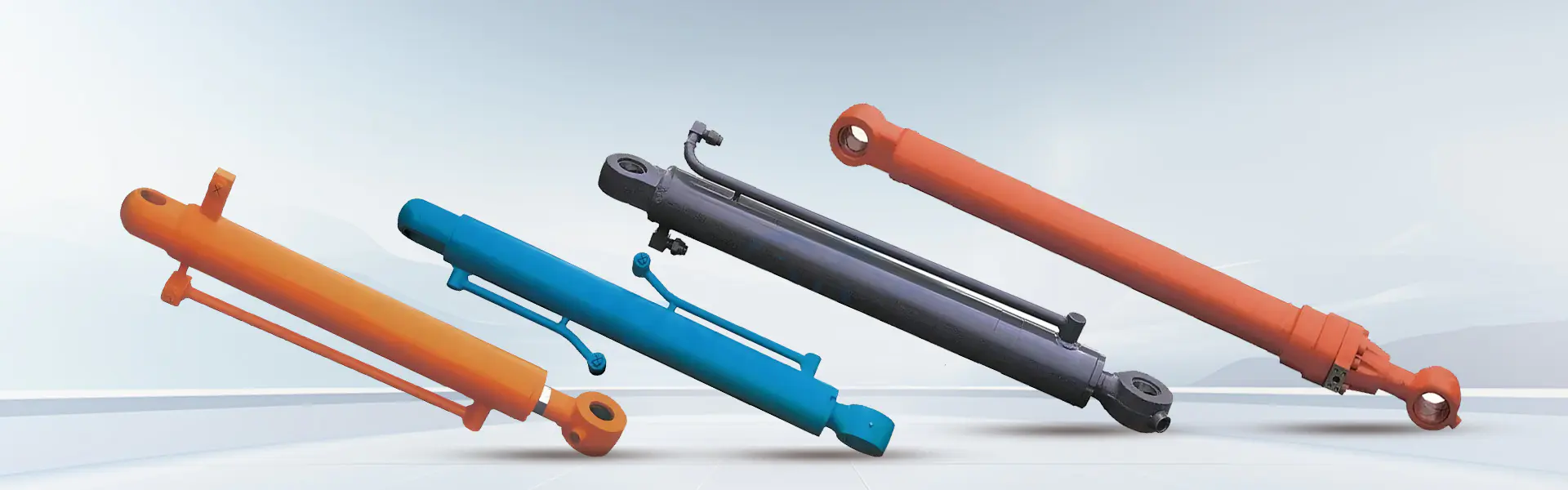
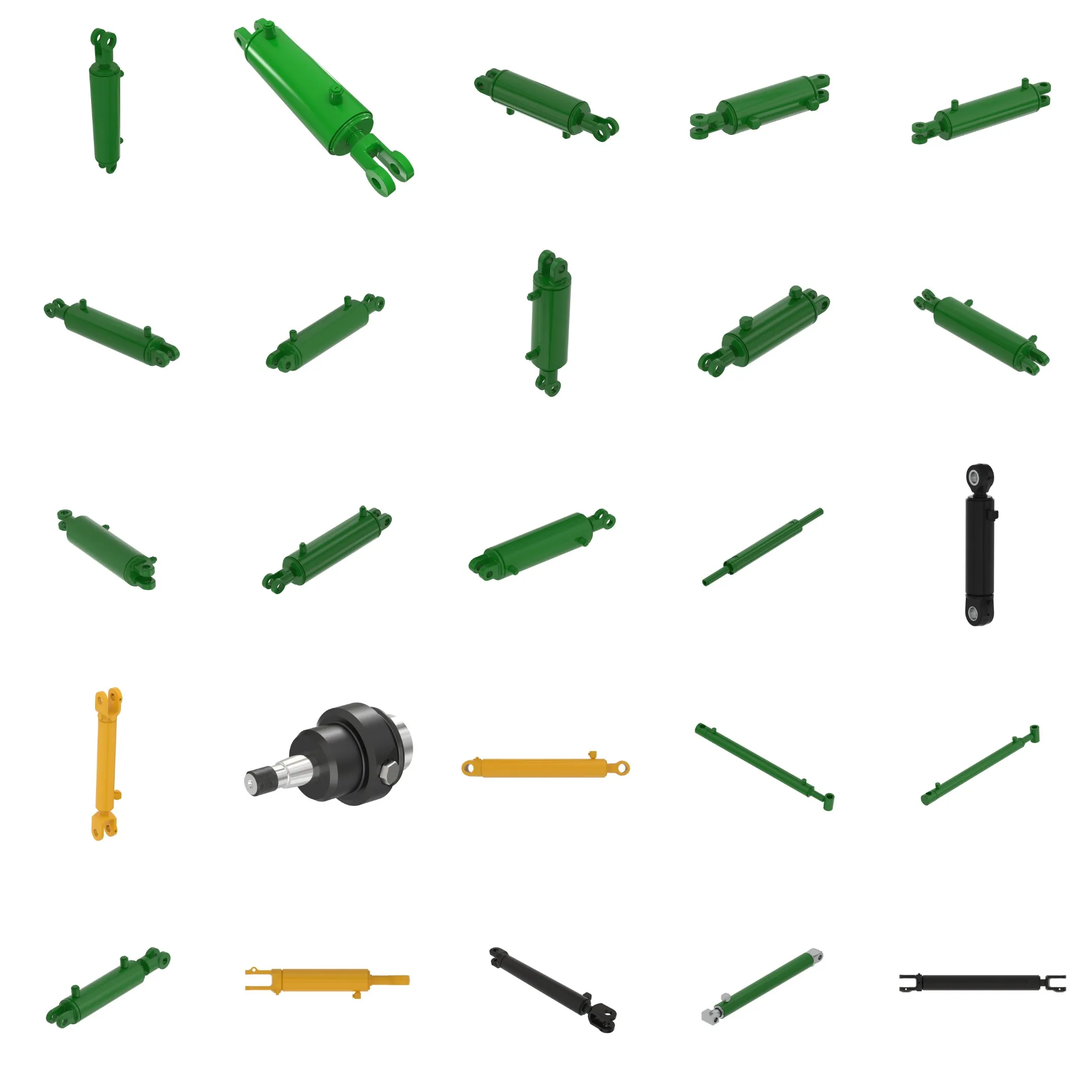
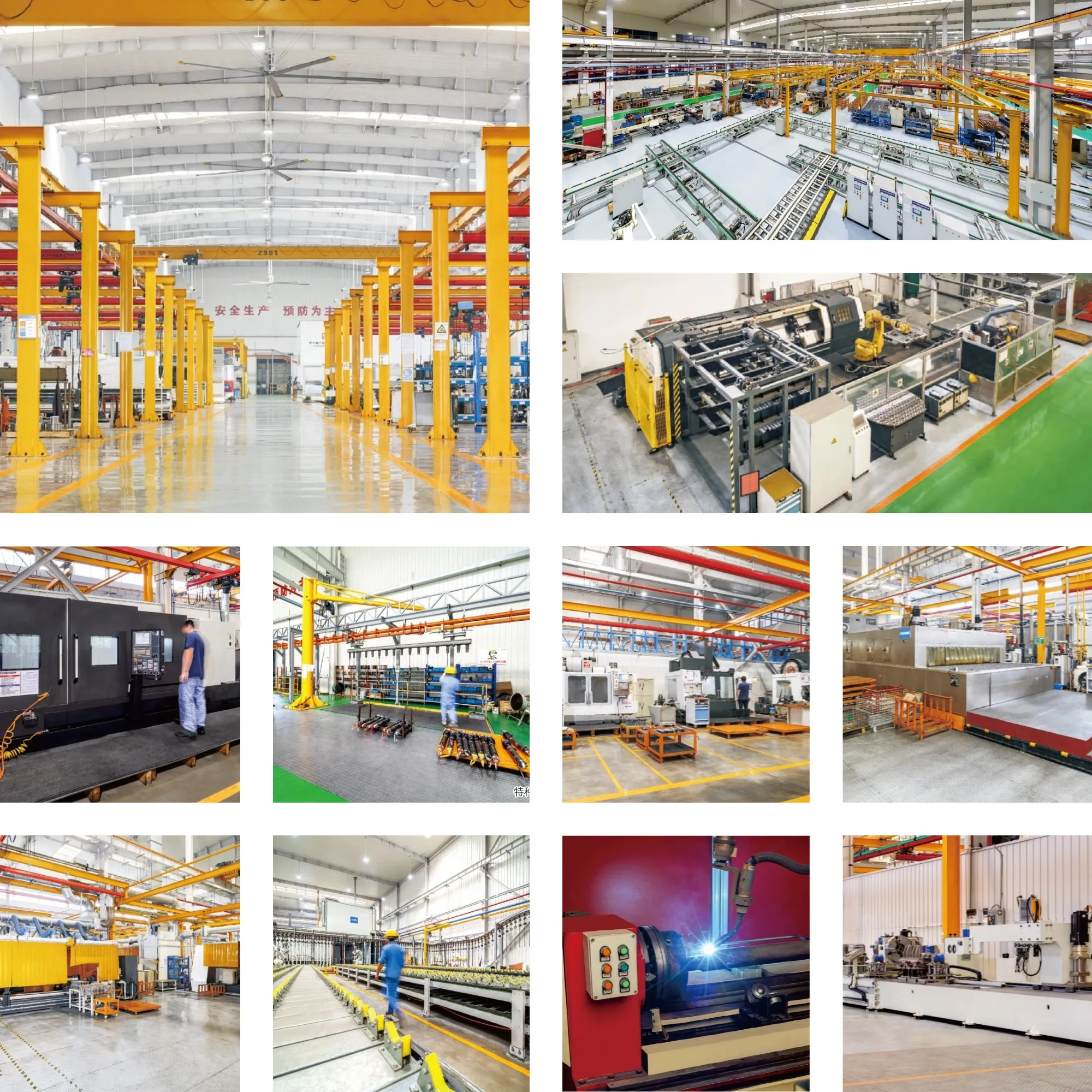
We are a leading manufacturer and wholesaler of replacement hydraulic cylinders, offering a wide range of products for both domestic and international markets. Our company is committed to delivering high-quality products and services, with a focus on professionalism, international certifications, custom solutions, advanced production equipment, and excellent after-sales service.
Author: lyl
Note: Replacement Of Hydraulic Cylinder and Replacement Of John Deere Hydraulic Cylinder follow the same rules as outlined in this article.
Address
Luotuo Industrial Area, Zhenhai District, Ningbo City, China
Tel

 Raydafon