
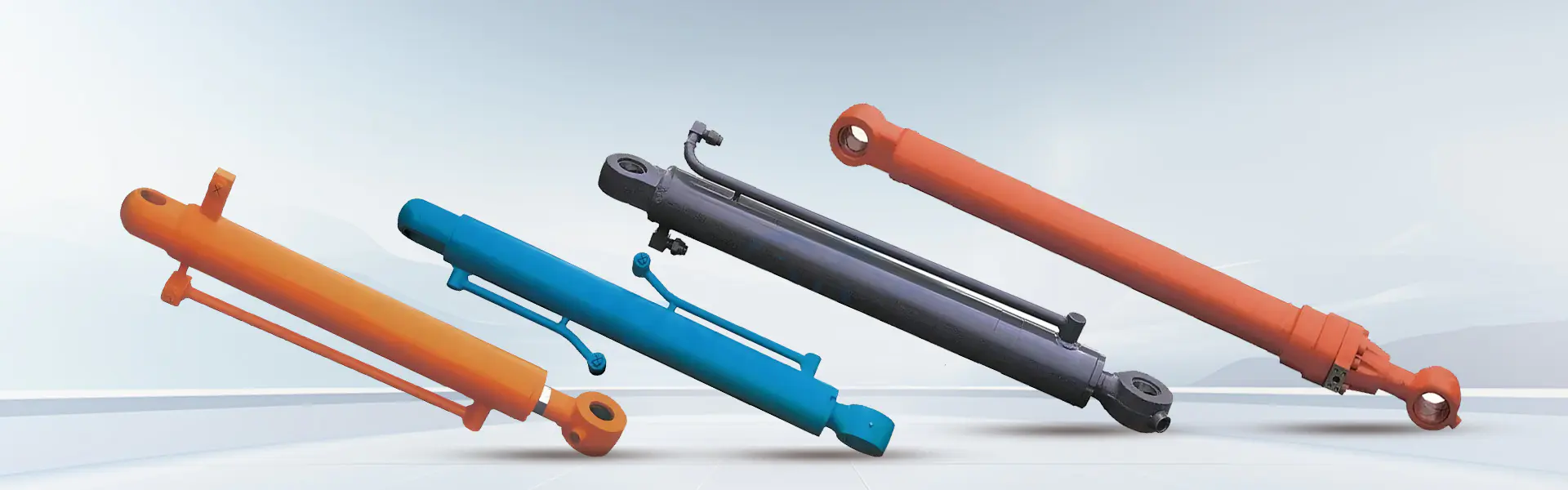
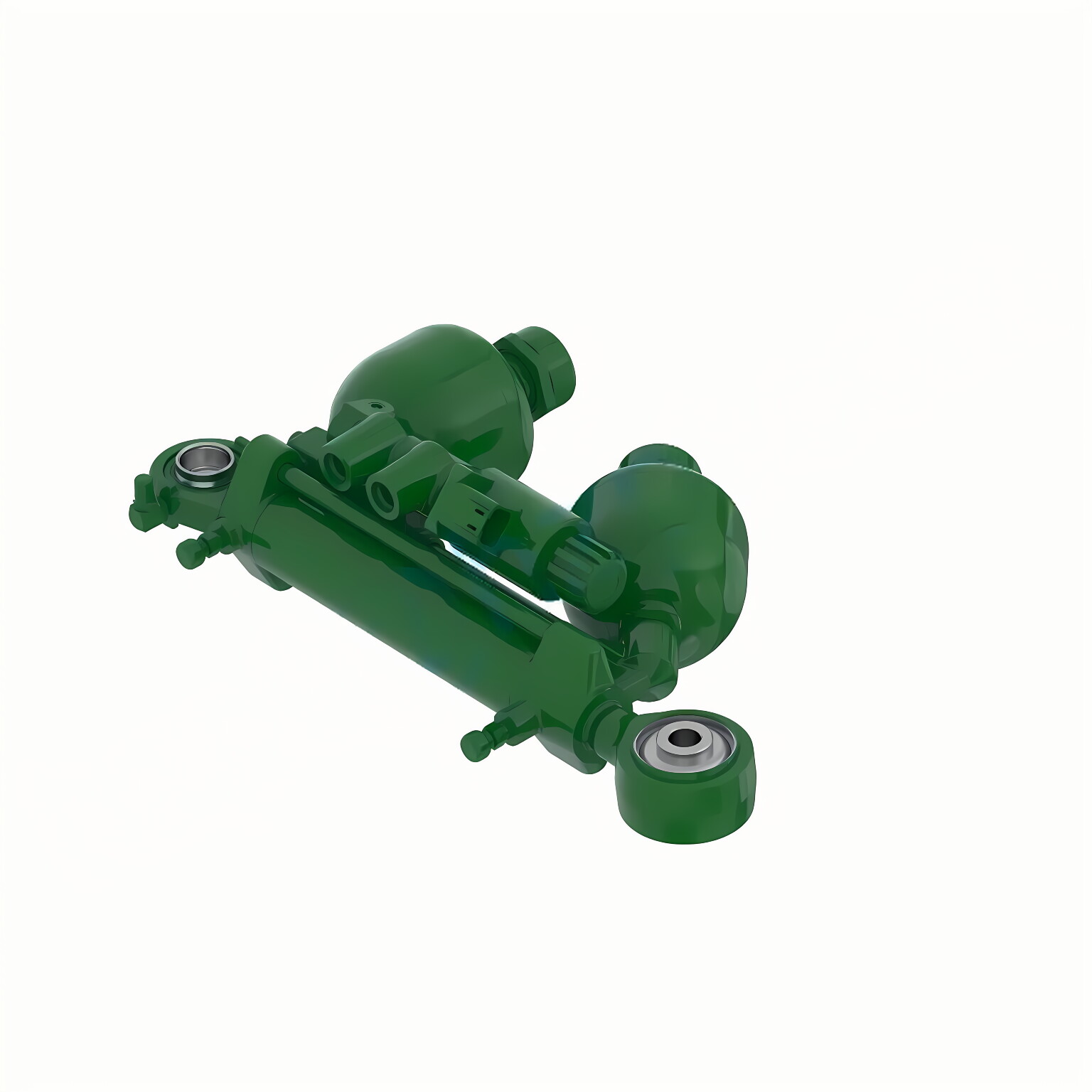
Perform periodic inspections to identify any potential issues or wear and tear.
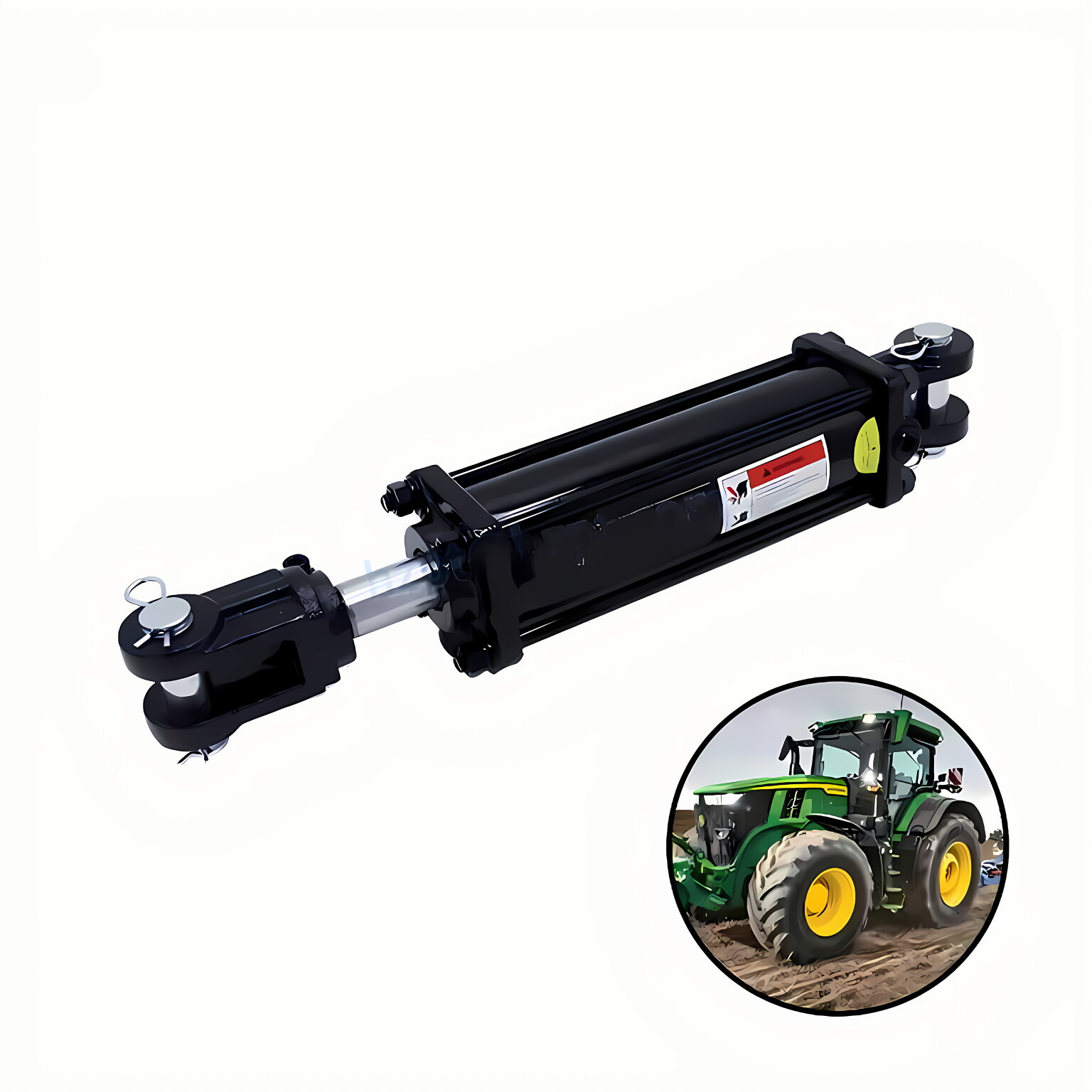
Ensure the hydraulic cylinder is properly lubricated to maintain optimal performance and prevent damage.
Regularly replace seals and perform calibration checks to ensure accurate operation and prevent leaks.
During the installation process, it is crucial to provide proper alignment guidance for the cylinder. We recommend using appropriate installation brackets to secure the cylinder in place.
We offer replacement parts and rebuilding services to enhance the lifespan of the hydraulic cylinder. Our recommended inspection, repair, and replacement procedures ensure optimal performance.
When using hydraulic cylinders, it is essential to prioritize safety measures. Proper handling and adherence to safety protocols are necessary to prevent accidents and ensure a safe working environment.
1. Leakage: Check for any signs of leakage and inspect seals and connections for damage.
2. Slow Operation: Check the hydraulic fluid levels and ensure proper lubrication.
3. Erratic Movement: Inspect for any obstructions or damaged components that may be causing irregular movements.
4. Cylinder Not Extending or Retracting: Check for any hydraulic pressure issues, damaged seals, or blockages in the system.
5. Excessive Noise or Vibration: Inspect for loose fasteners, damaged components, or improper alignment.
1. Check and refill hydraulic fluid if necessary.
2. Inspect and replace damaged seals or components.
3. Clean and lubricate the hydraulic cylinder regularly.
4. Ensure proper alignment and tighten any loose fasteners.
5. Seek professional assistance if the issue persists or if major repairs are required.
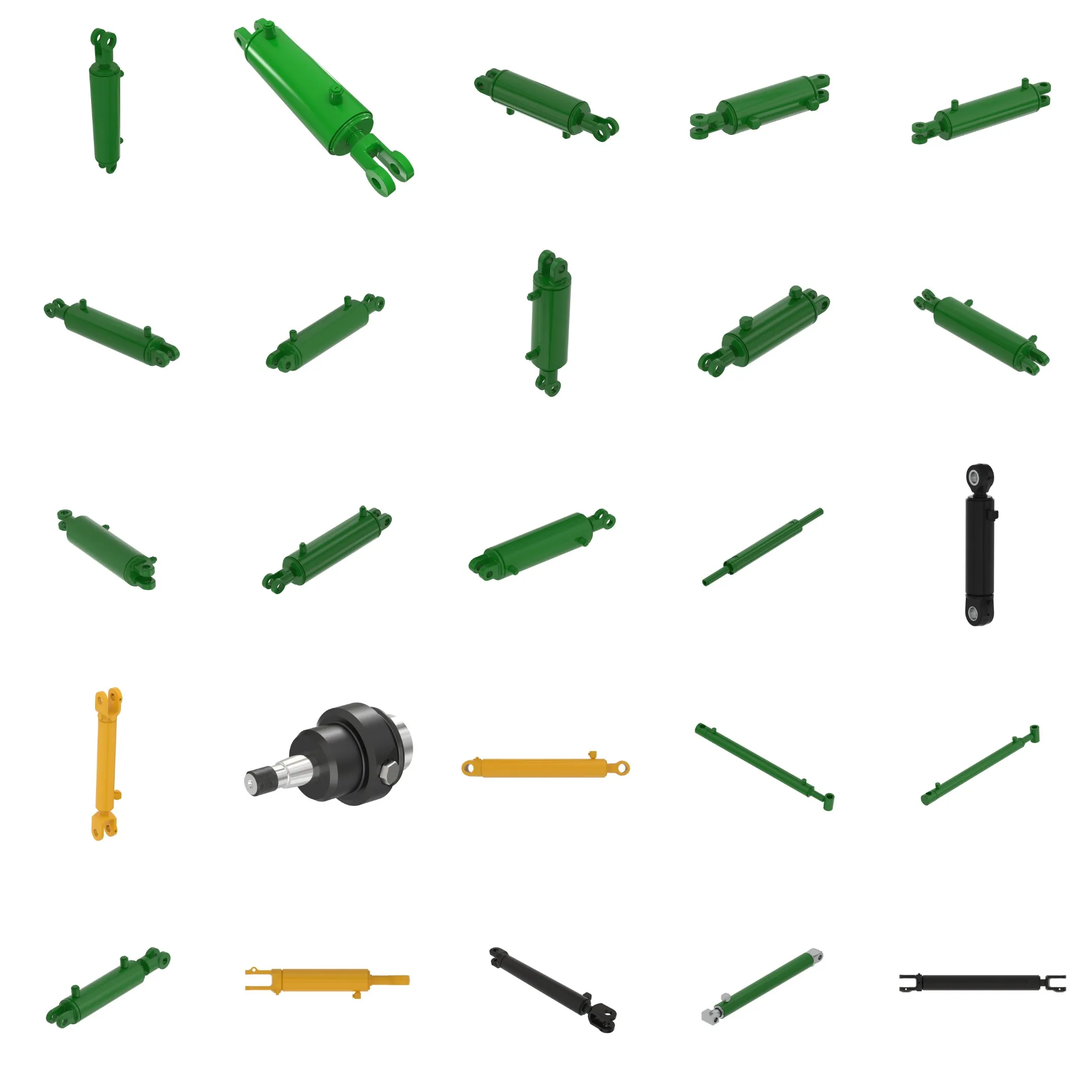
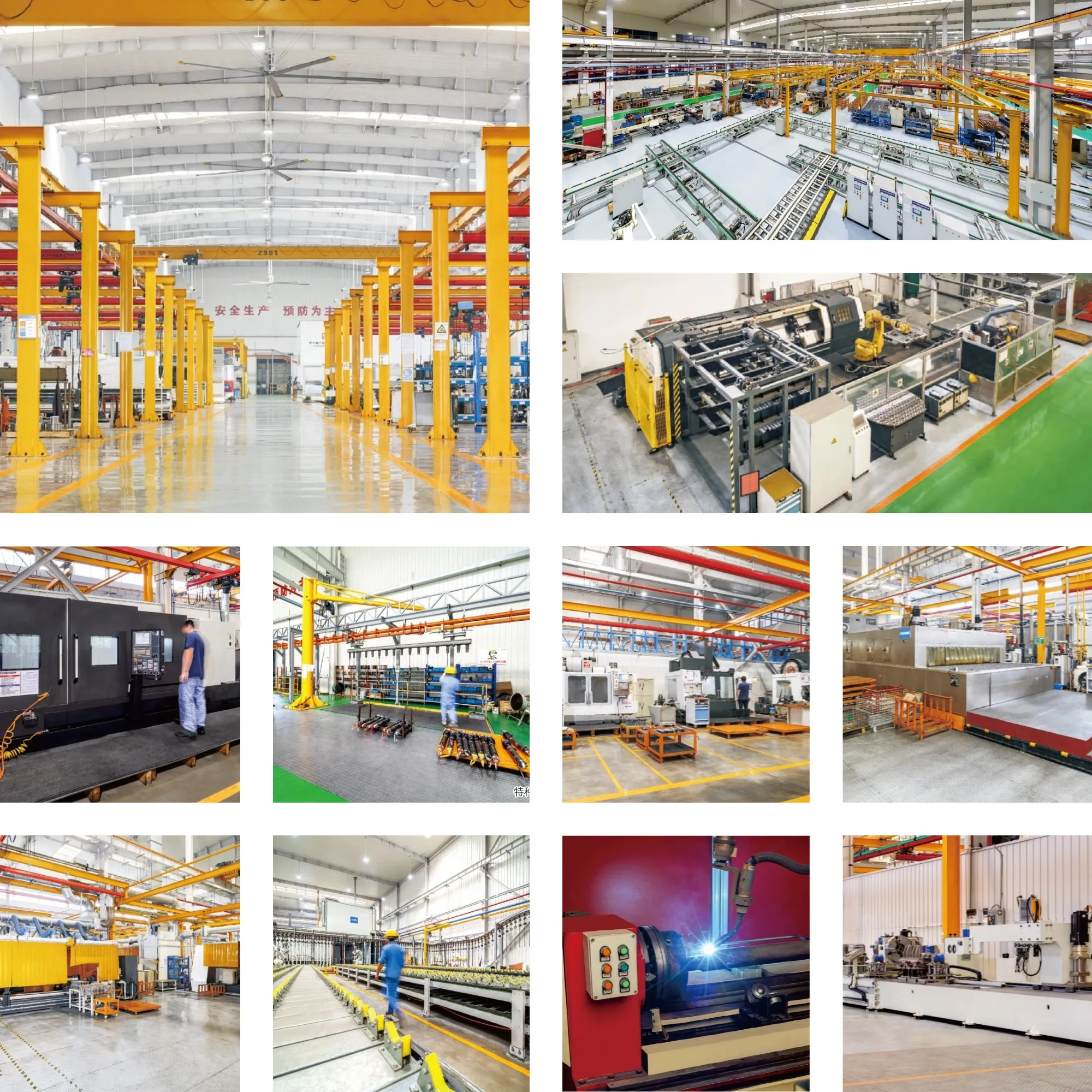
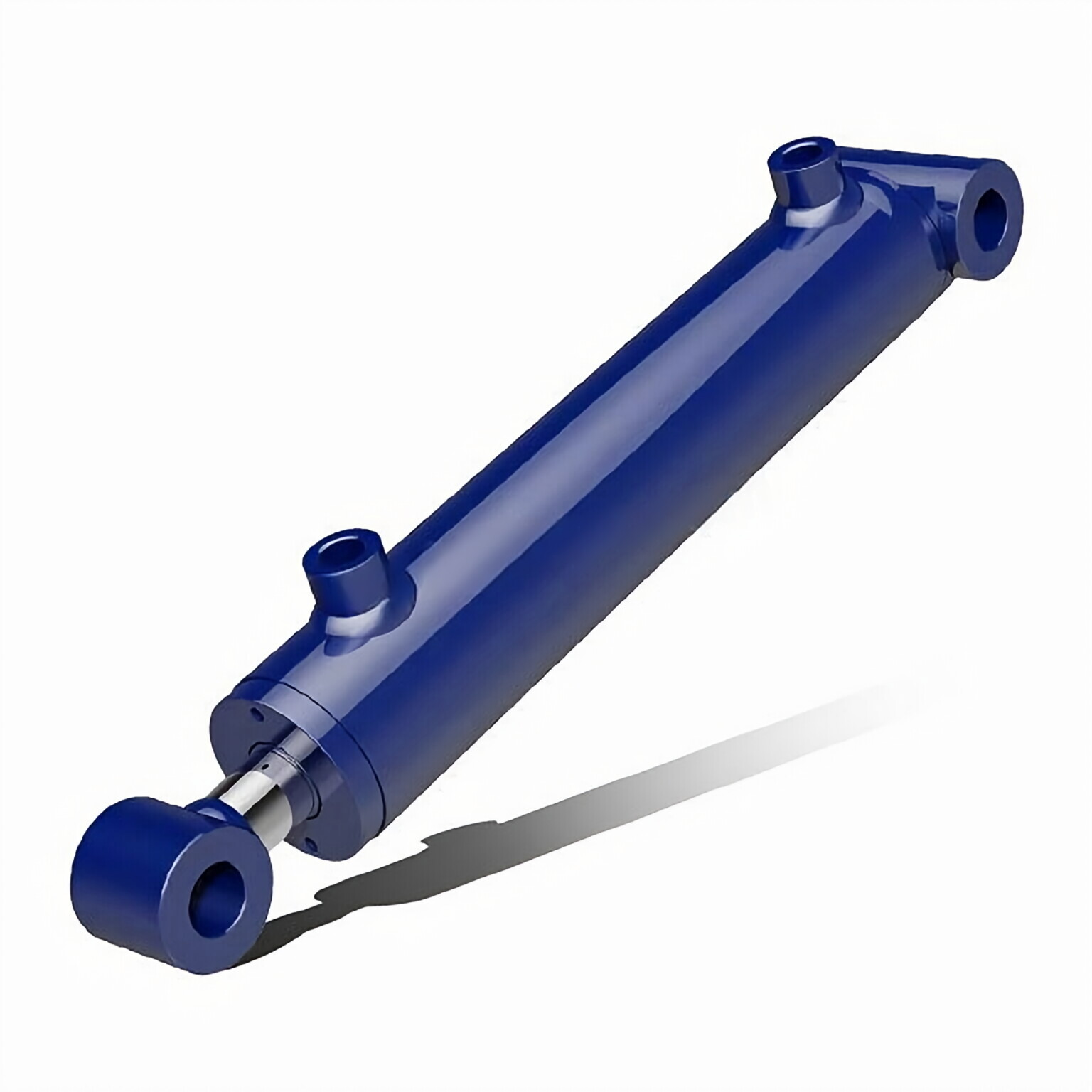
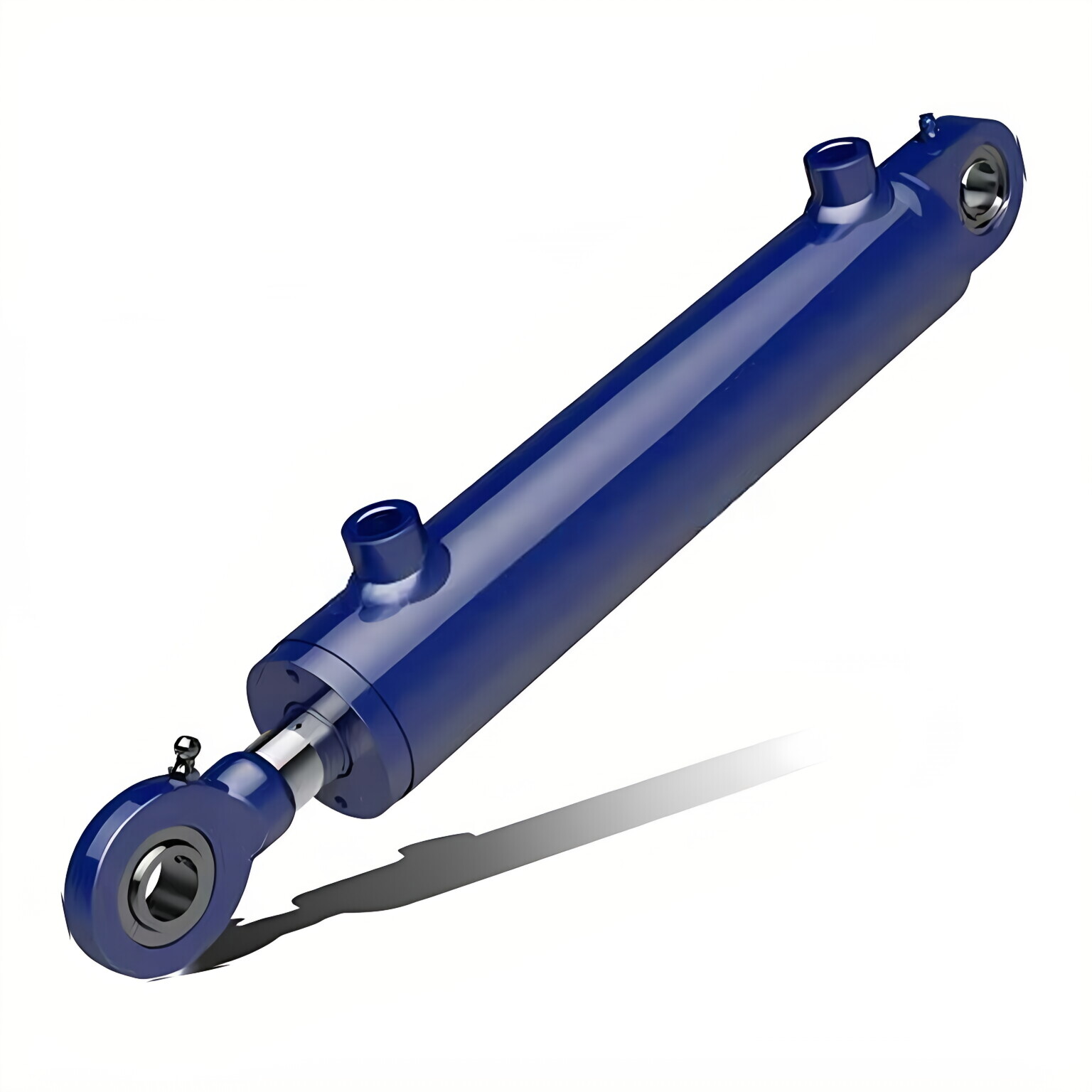
We are a leading manufacturer and wholesale distributor of replacement hydraulic cylinders. Our extensive range of products has made us a trusted name in both domestic and international markets.
Author: lyl
Address
Luotuo Industrial Area, Zhenhai District, Ningbo City, China
Tel

 Raydafon