
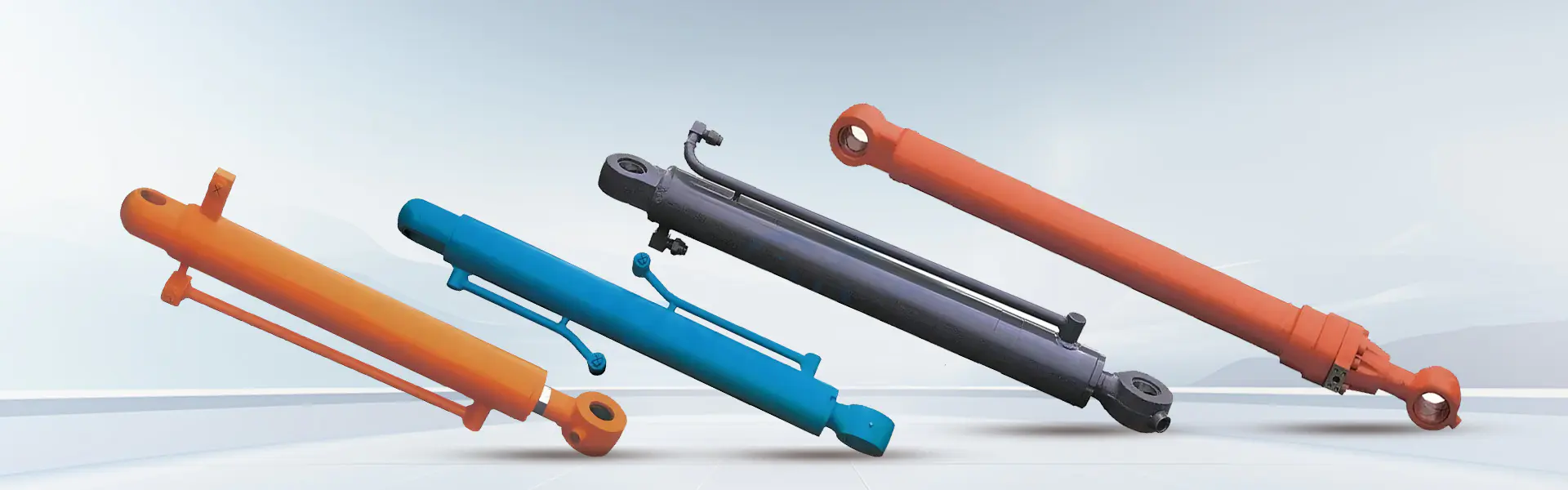
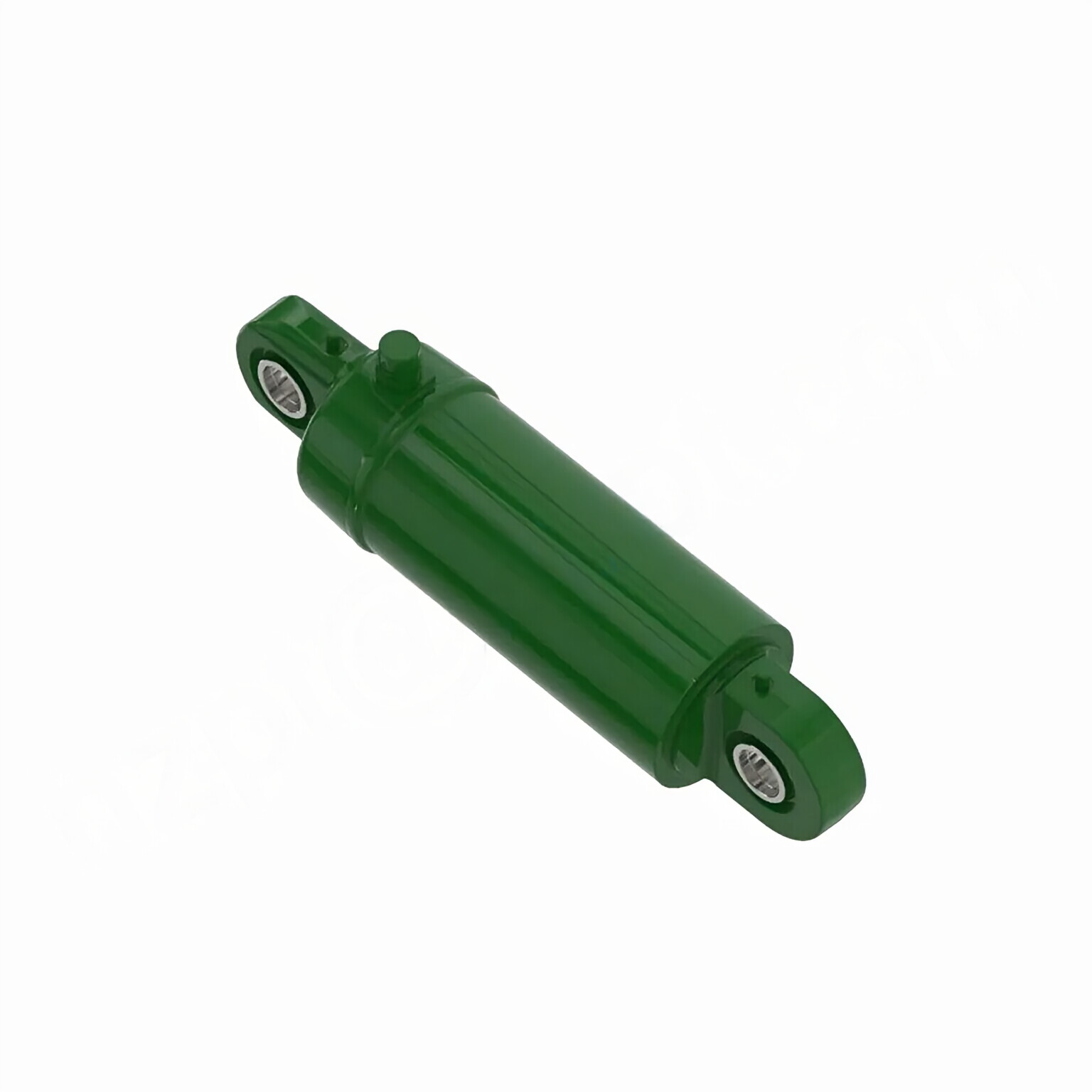
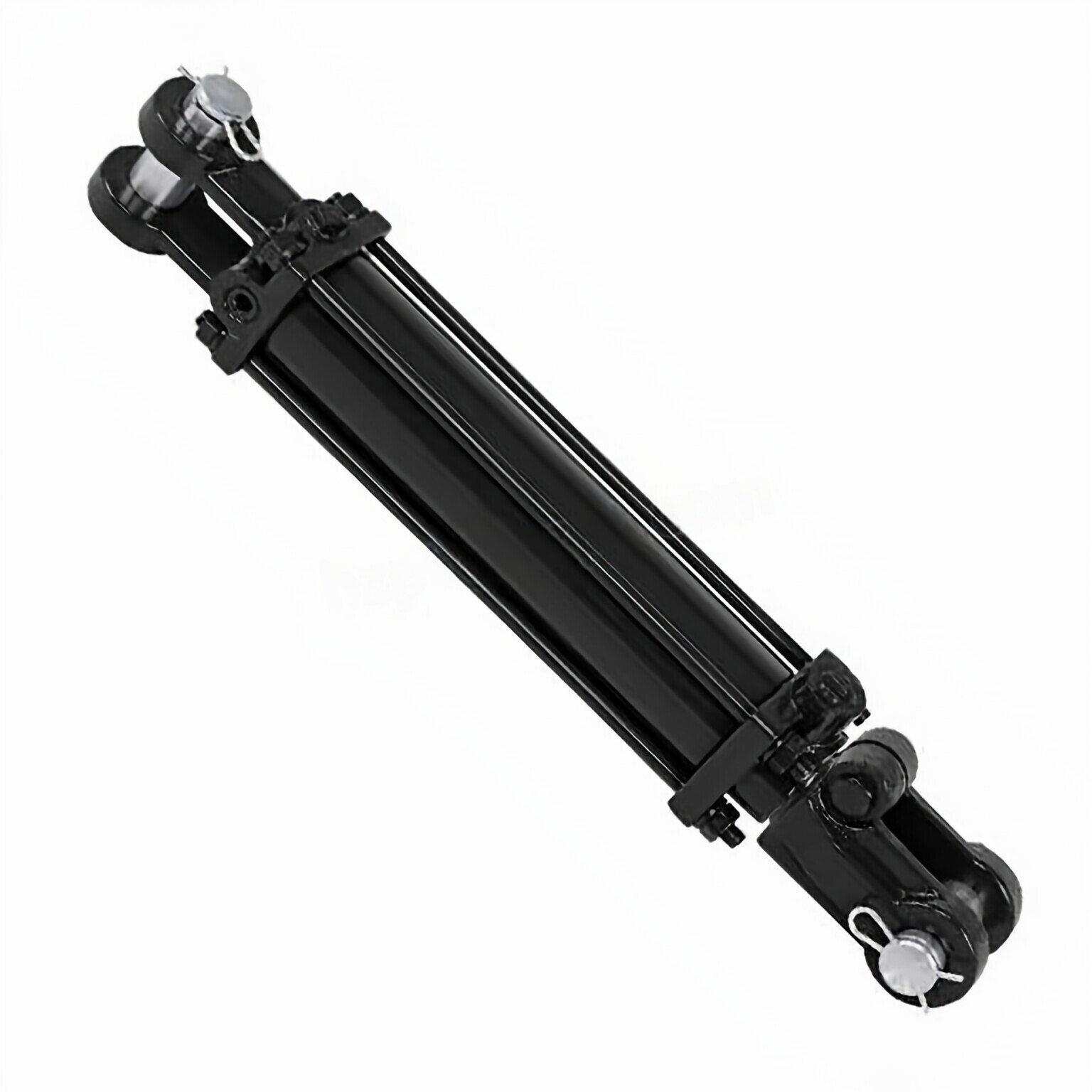
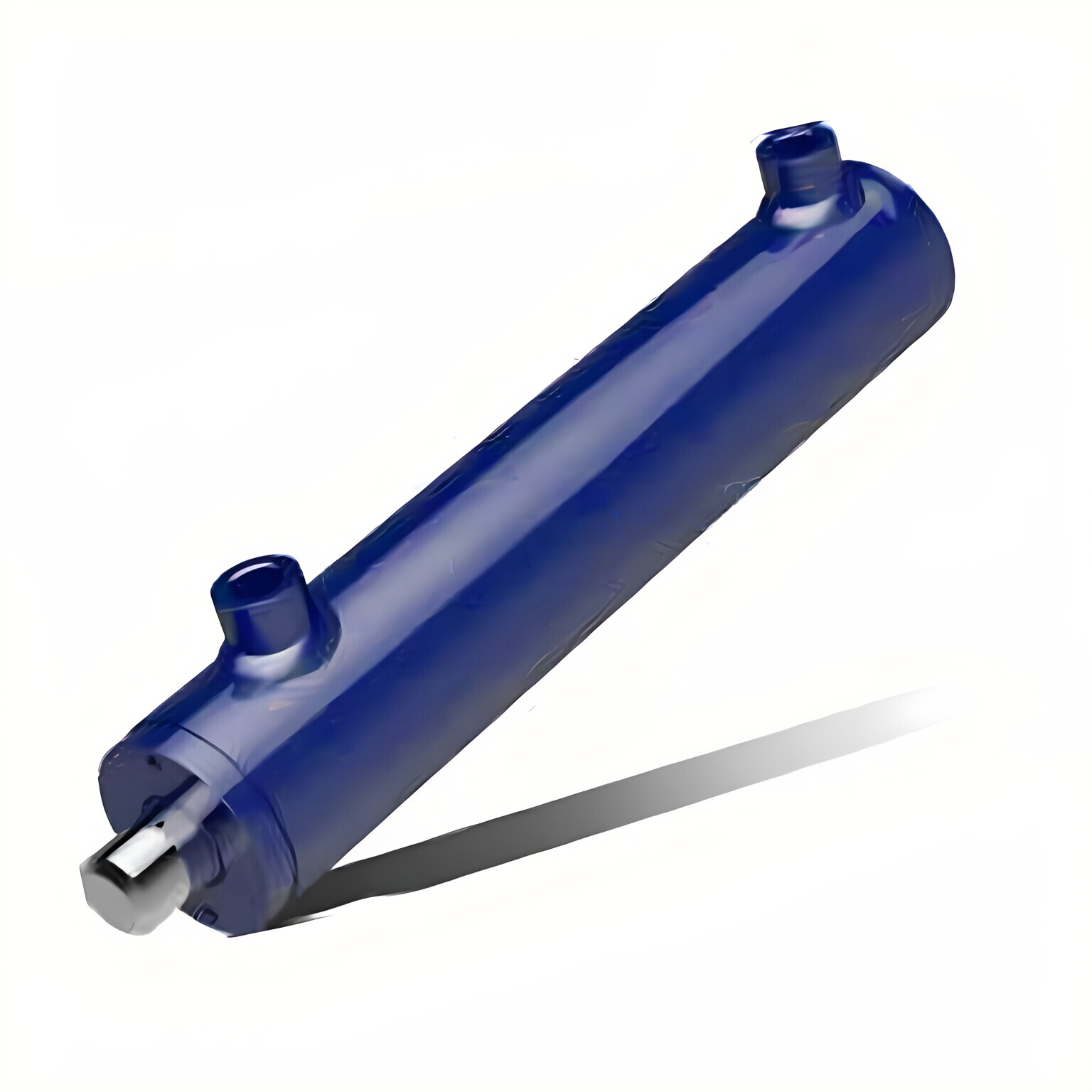
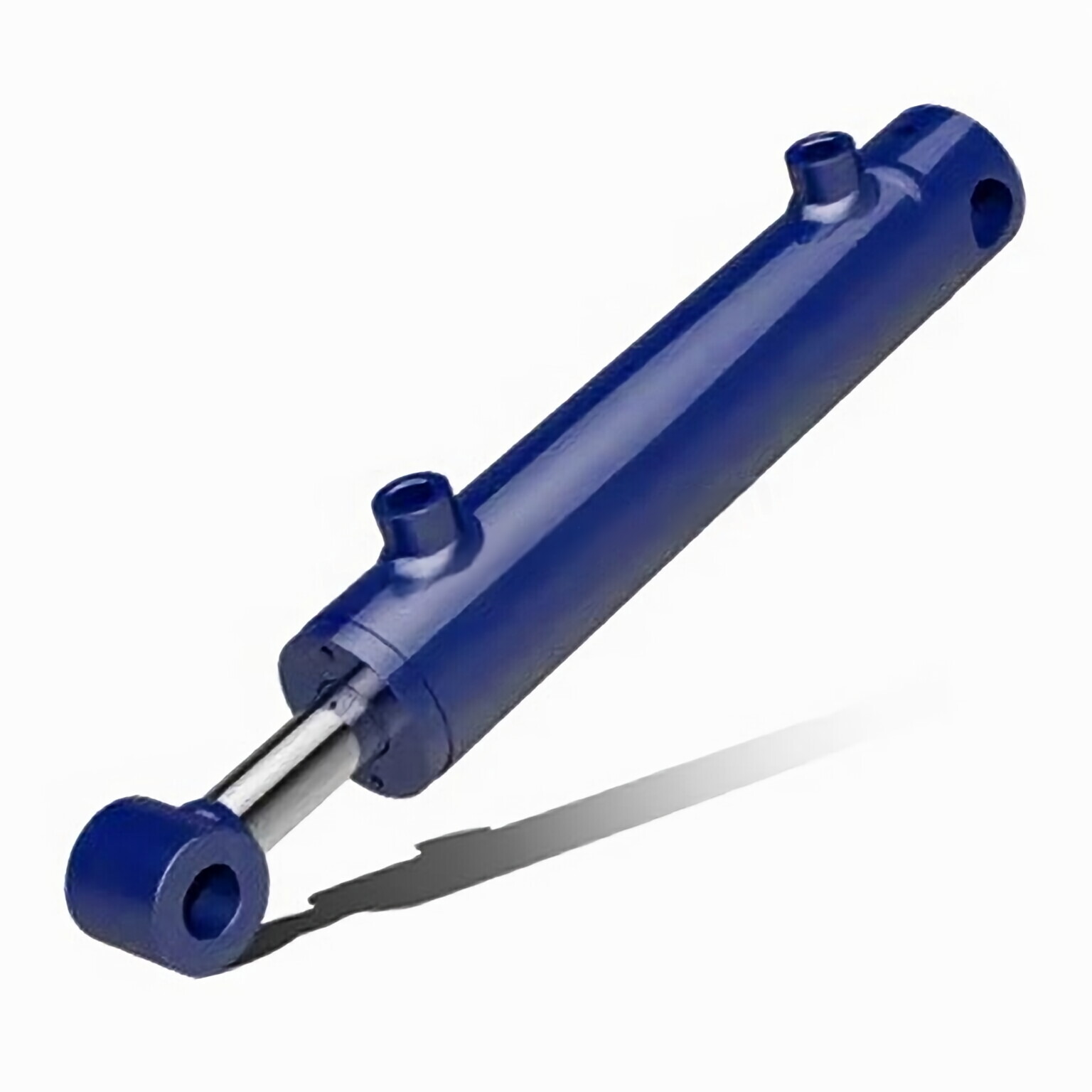
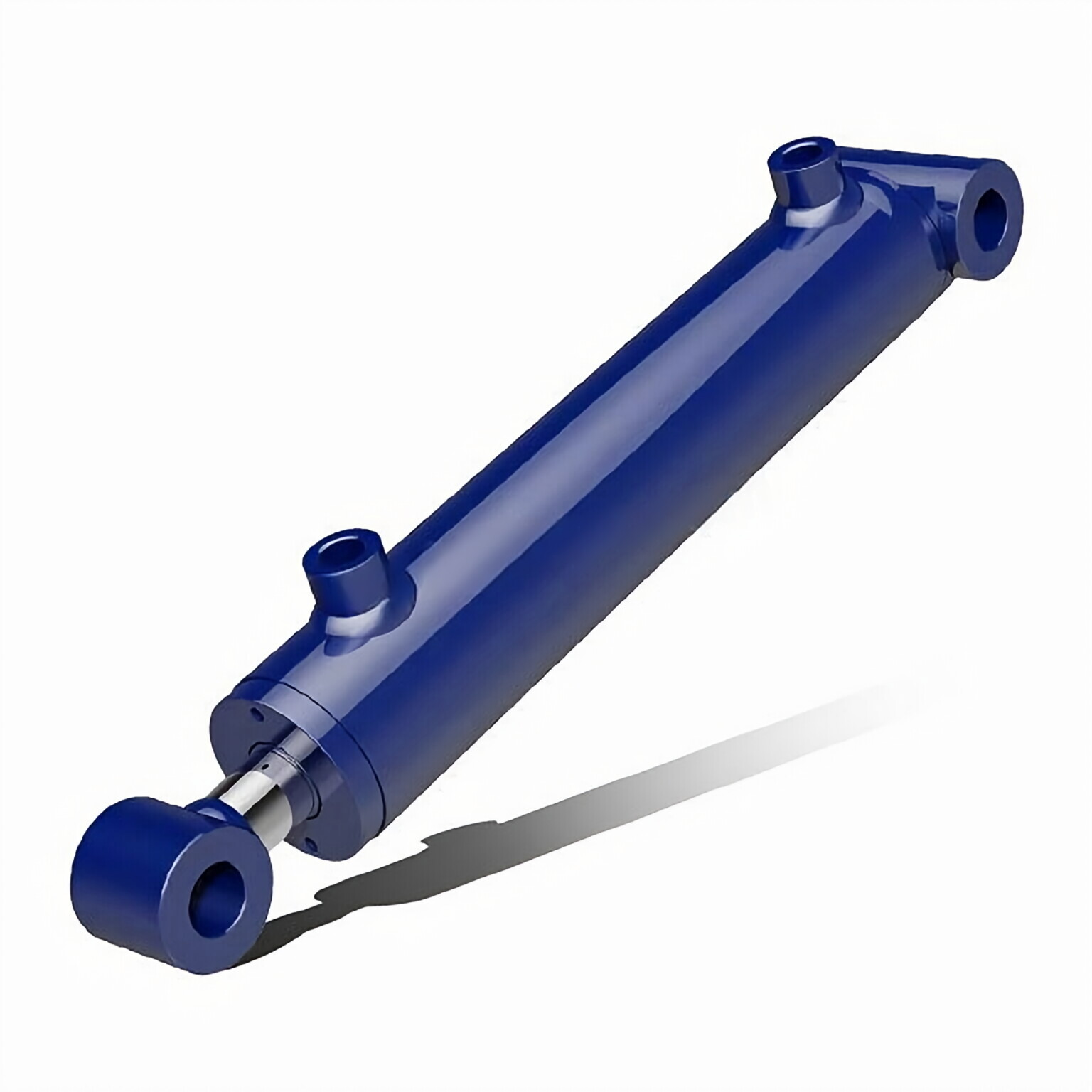
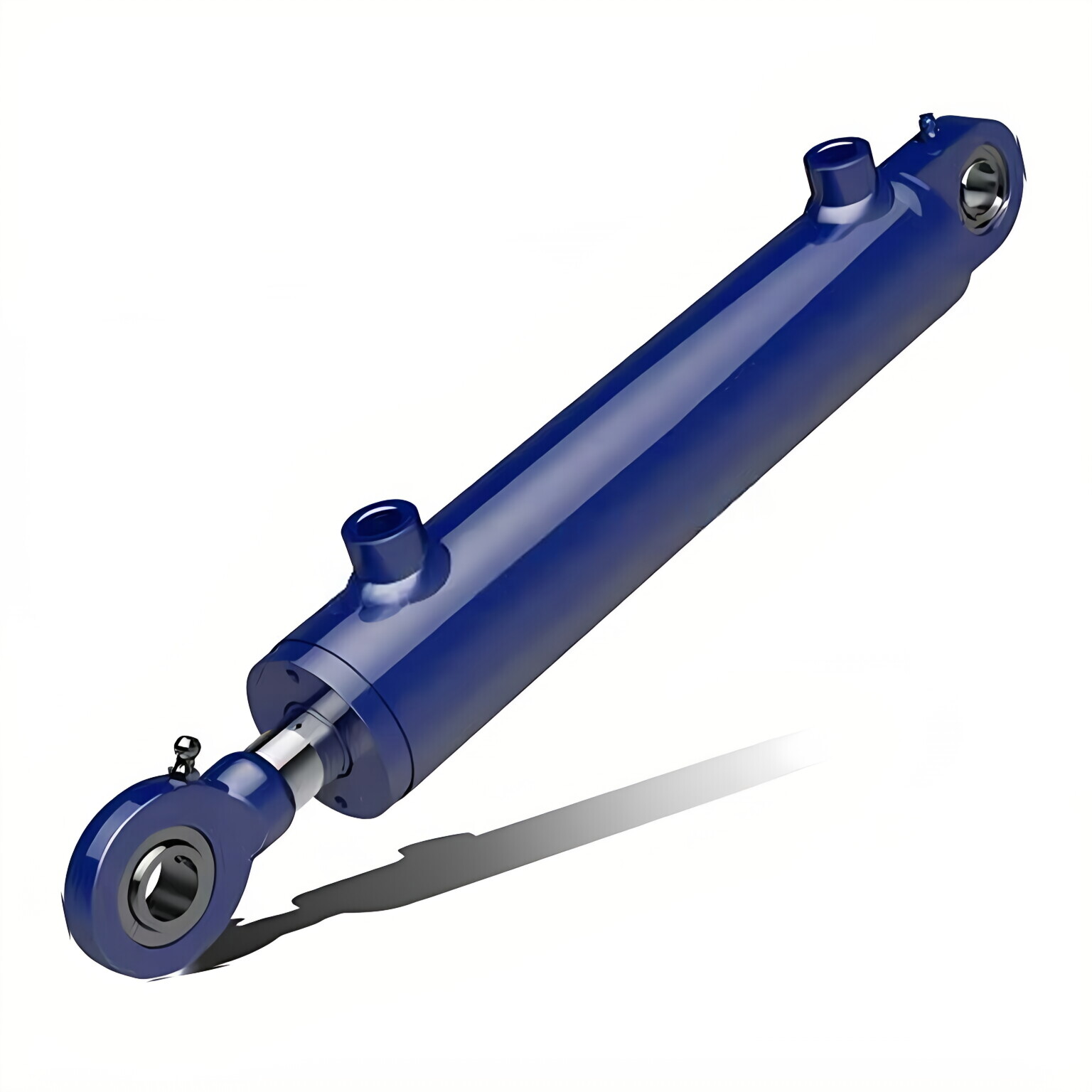
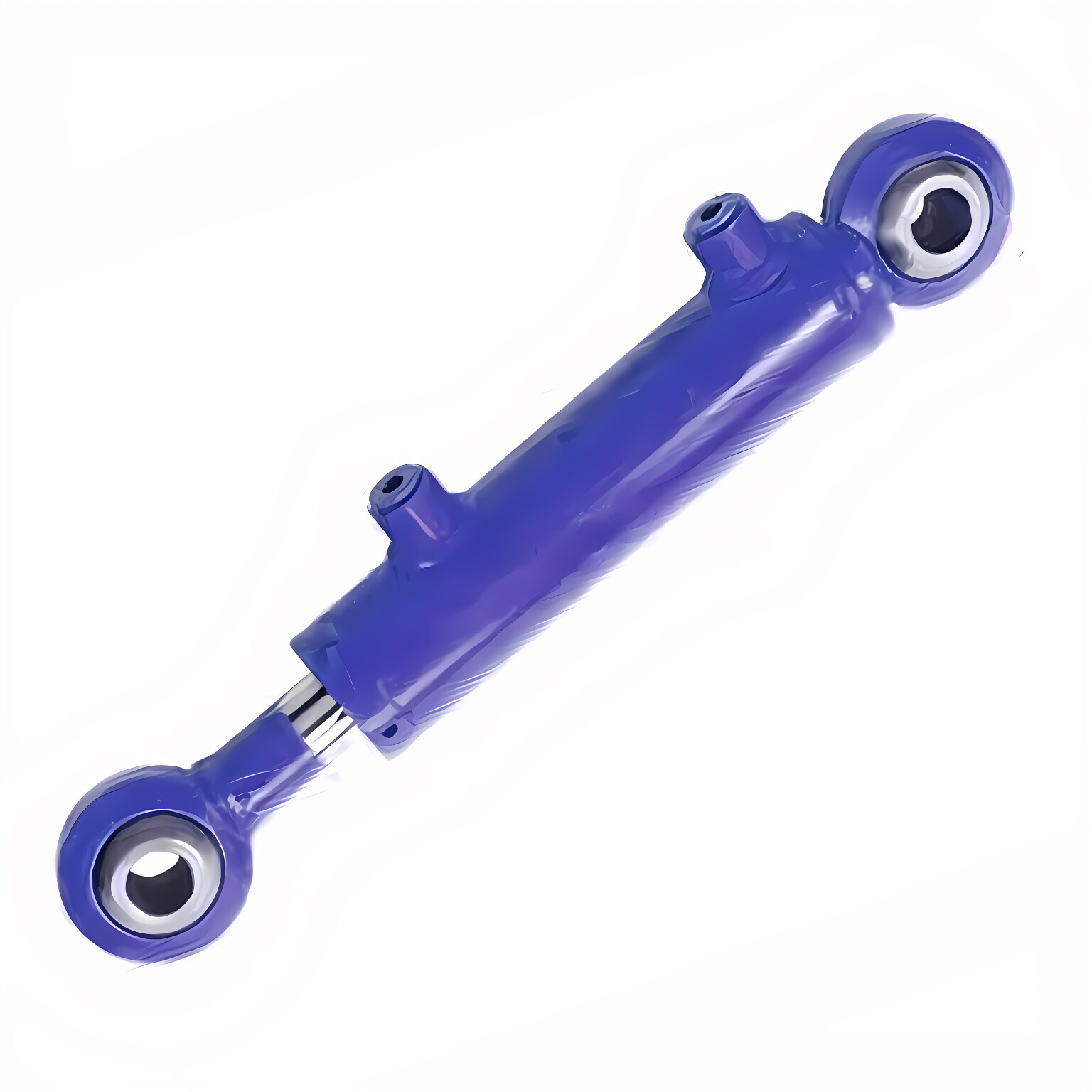
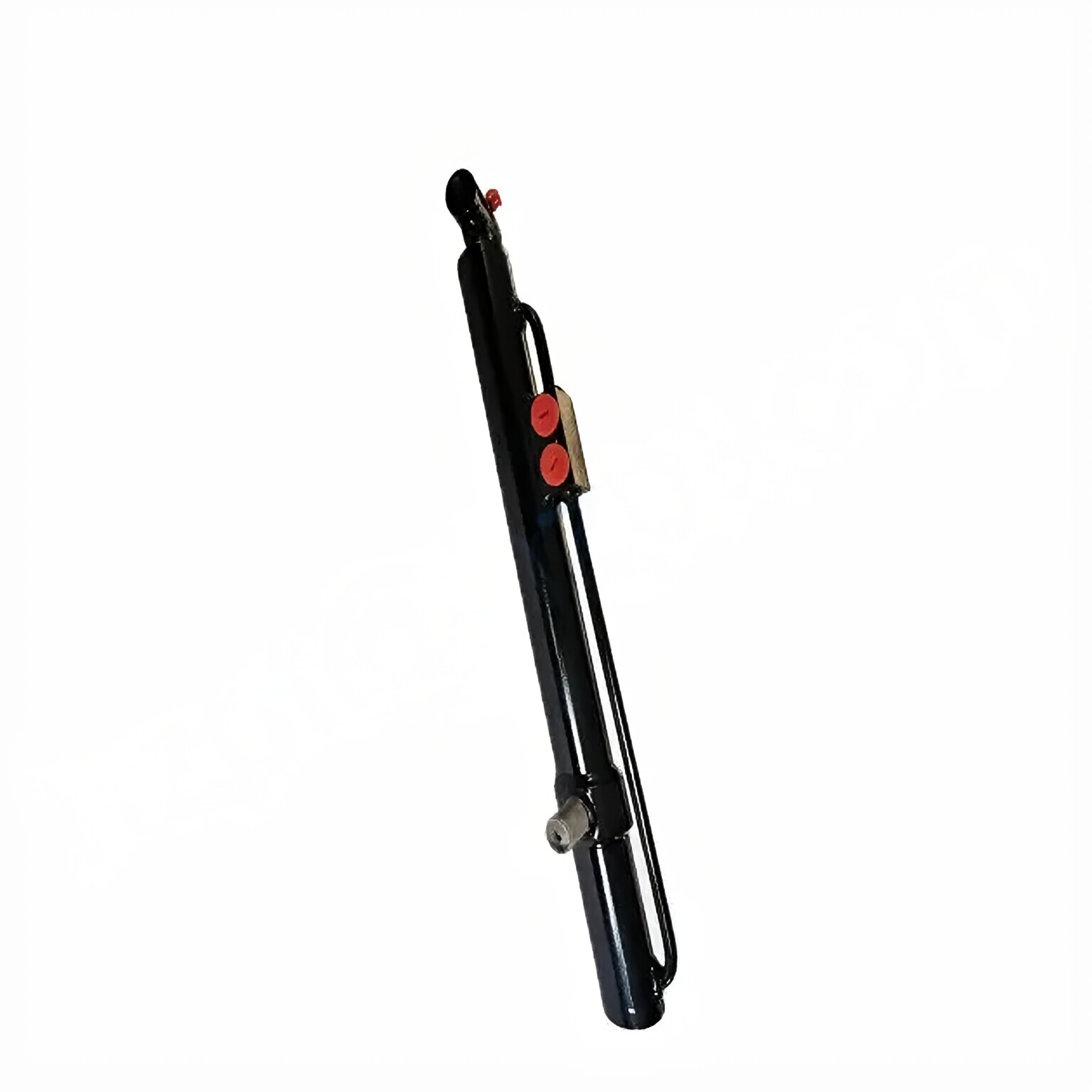
First and foremost, let's introduce the product and provide a definition, briefly explaining what this hydraulic cylinder is and its purpose.
The specifications for this product are as follows:
The compatible models for this hydraulic cylinder are:
Let's now explore the applications of this hydraulic cylinder:
Commonly used in construction equipment such as cranes, hoists, and elevators, where a sturdy and secure fixation of heavy objects is required.
Utilized in press machines, ensuring proper and secure positioning of materials during high-pressure forming processes.
Installed in stabilizers and jacks of vehicles to ensure safety during maintenance or transportation.
Integrated into landing gear systems of aircraft to securely lock the landing gear in the appropriate position during takeoff and landing.
When it comes to the design and selection of hydraulic cylinders, several factors need to be considered:
The hydraulic cylinder should be capable of withstanding the specified loads and pressures without failure.
The use of various sealing components, such as piston seals and rod seals, made of wear-resistant materials like polyurethane and nitrile rubber.
The cylinder body and threaded ends undergo meticulous surface treatments to enhance wear resistance and prolong the lifespan of the hydraulic cylinder.
Ensuring the hydraulic cylinder's safe operation by incorporating safety features such as pressure relief valves and proper installation guidelines.
Regularly checking and performing preventive maintenance measures to prevent potential issues and ensure optimal performance of the hydraulic cylinder.
Effective sealing and lubrication are crucial for the smooth operation of the hydraulic cylinder. This involves the use of various sealing components, such as piston seals and rod seals, made of wear-resistant materials like polyurethane and nitrile rubber. Additionally, the cylinder body and threaded ends are finely treated to enhance wear resistance. Regular lubrication with the appropriate amount of hydraulic oil is also necessary.
Regular inspections and preventive maintenance measures are essential for the longevity and optimal performance of the hydraulic cylinder. Here are some recommended steps:
Proper installation is crucial for the correct functioning of the hydraulic cylinder. Follow these steps:
Common maintenance tasks for hydraulic cylinders include:
Ensuring safety measures are essential when working with hydraulic cylinders. Proper handling and adherence to safety guidelines can prevent accidents and injuries. Environmental factors, such as temperature and exposure to corrosive substances, should also be considered to maintain the cylinder's performance and longevity.
When encountering issues with the hydraulic cylinder, consider the following:
Remember, proper maintenance and regular inspections can help prevent potential problems. Addressing these issues promptly with appropriate troubleshooting techniques will ensure optimal performance and longevity of the hydraulic cylinder.
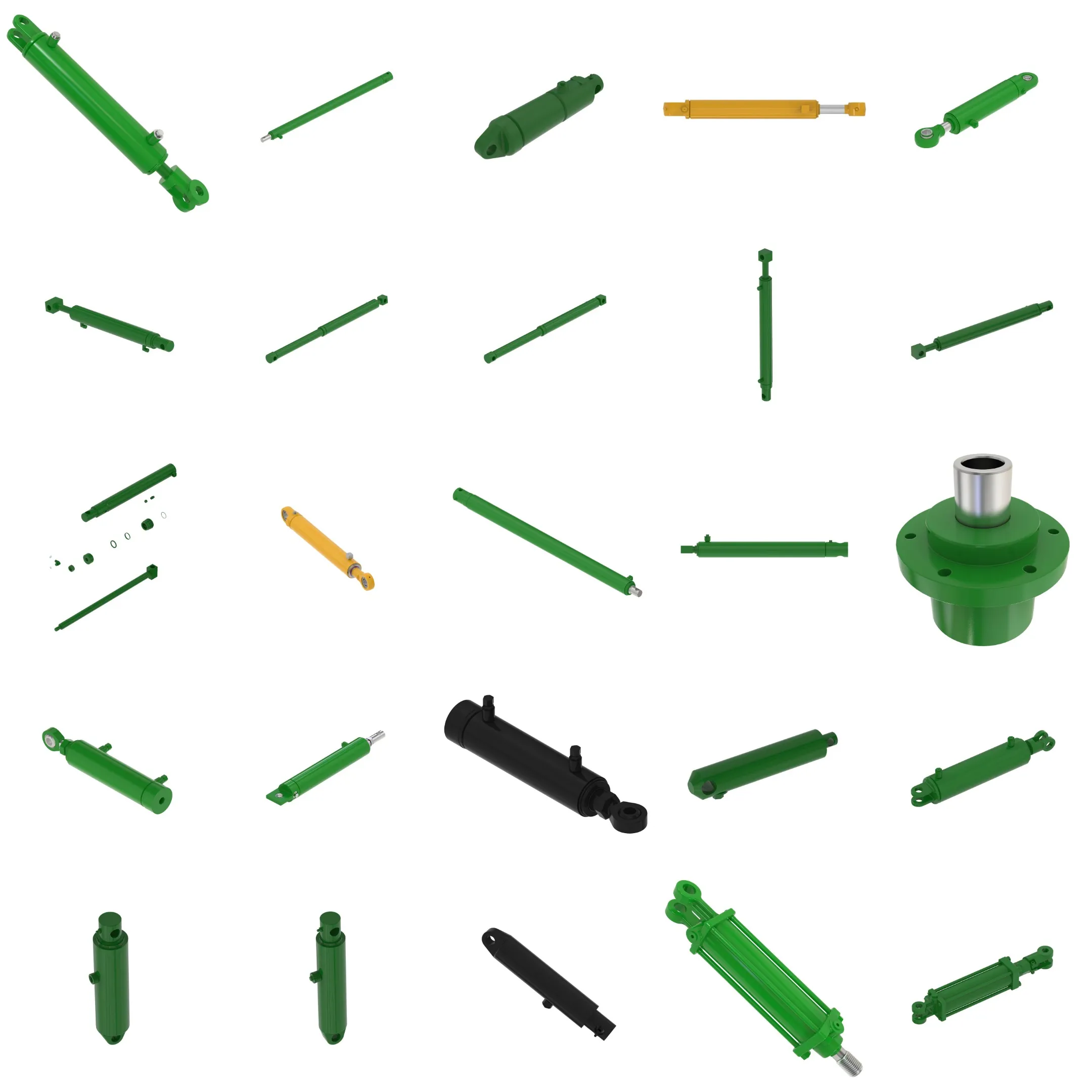
Lastly, let's highlight our company:
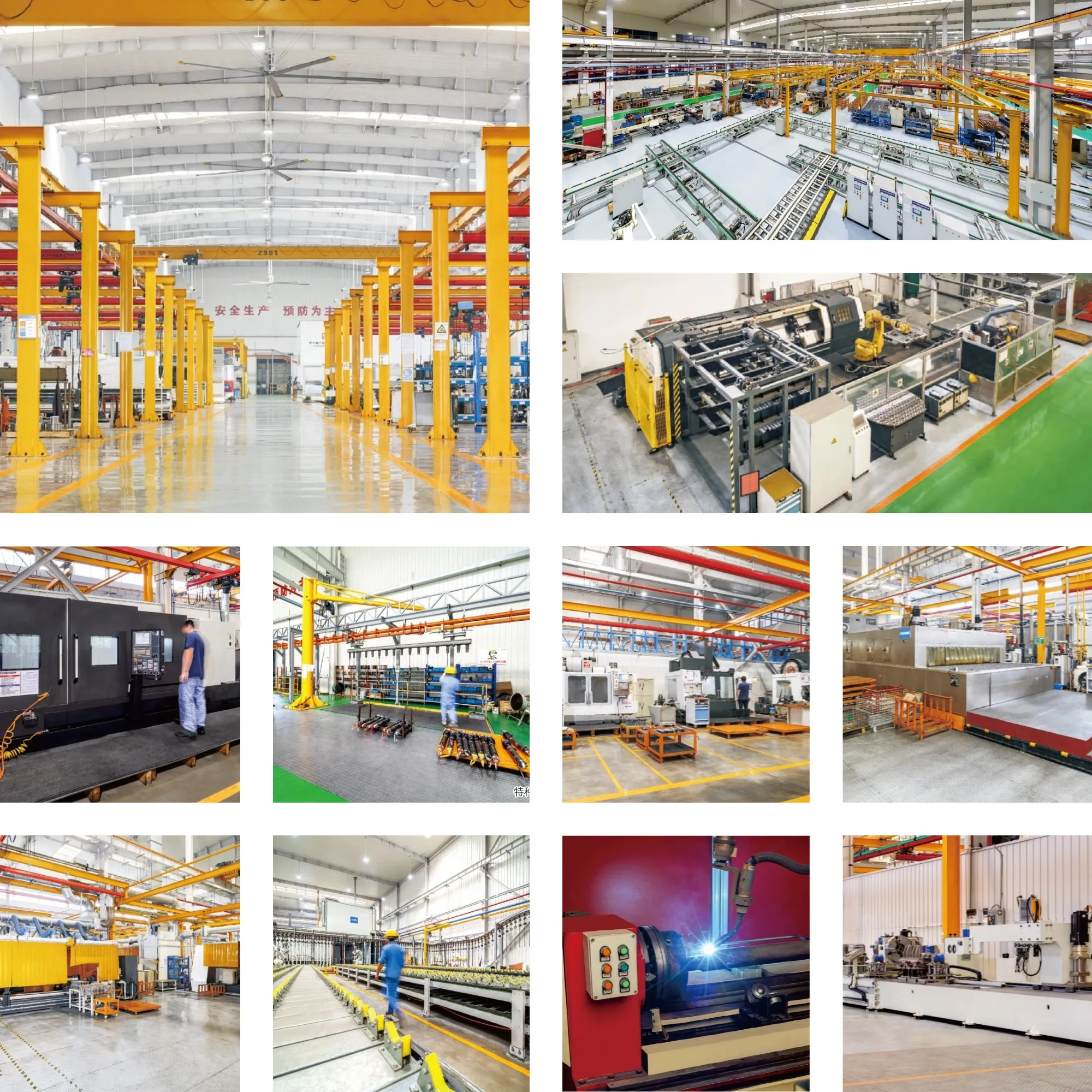
We are a leading manufacturer and wholesale distributor of hydraulic cylinders in both domestic and international markets. Our comprehensive product range sets us apart in the industry.
Author: lyl
Address
Luotuo Industrial Area, Zhenhai District, Ningbo City, China
Tel

 Raydafon