
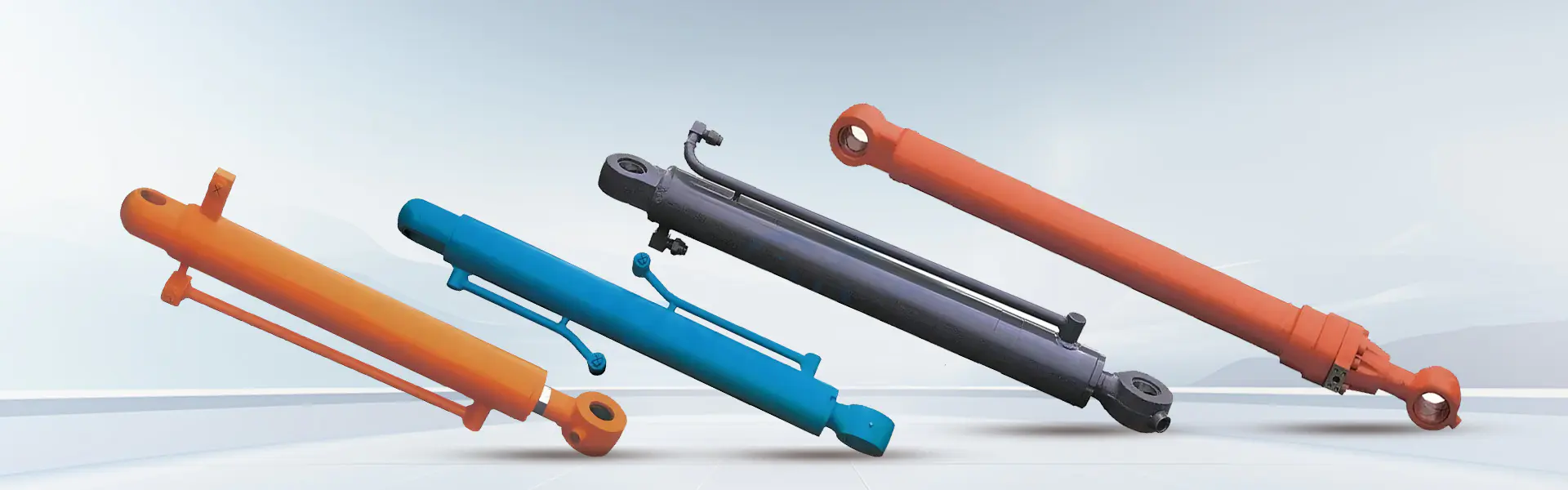
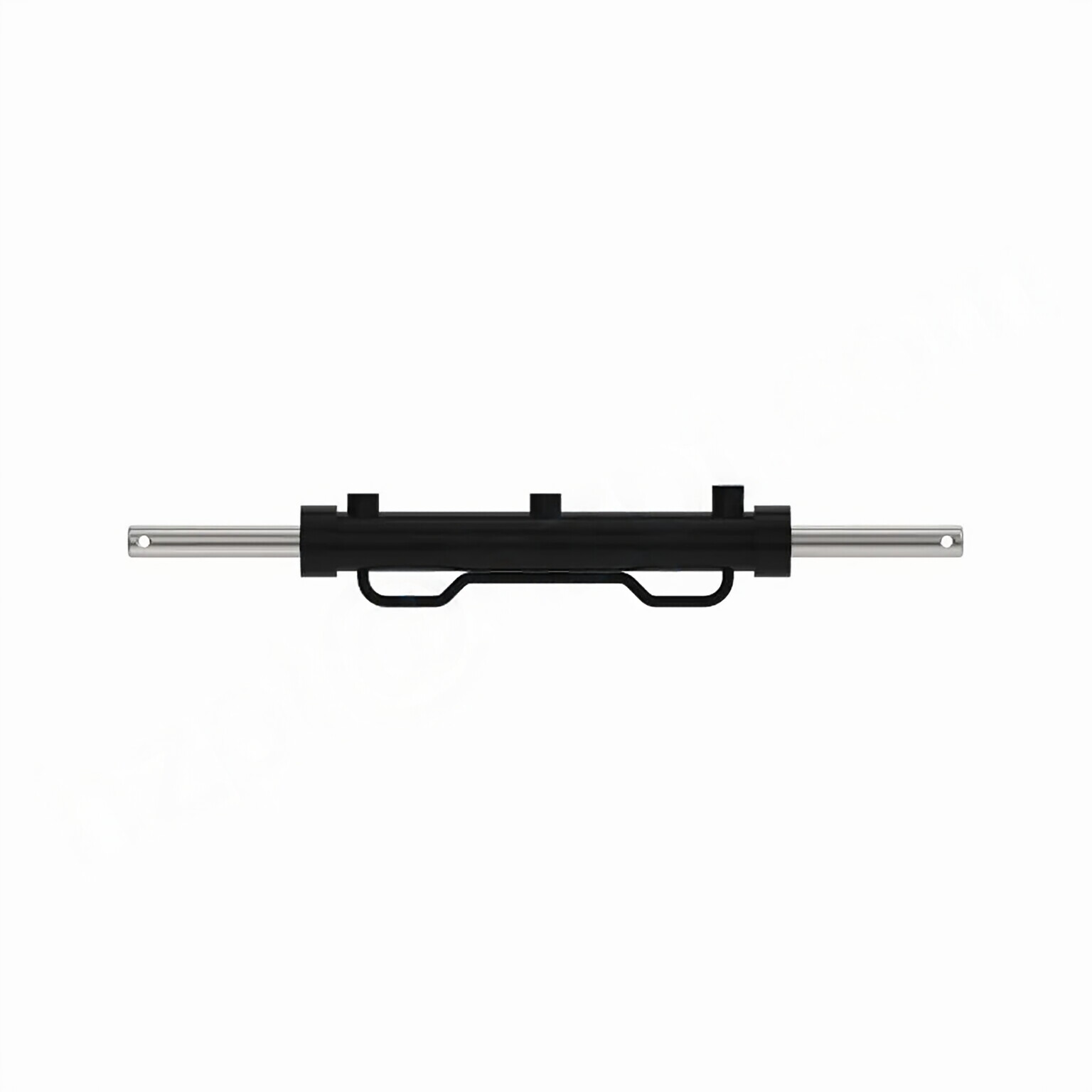
Regular maintenance is crucial for the longevity of the hydraulic cylinder. Here are three common maintenance tasks:
It is important to regularly inspect the hydraulic cylinder for any signs of damage or wear. This helps in identifying and addressing potential issues before they become major problems.
Applying appropriate lubrication to the hydraulic cylinder ensures smooth operation and prevents friction-related damage. Follow the manufacturer's guidelines for the correct lubrication method and schedule.
Replacing worn-out seals and conducting calibration checks are essential maintenance tasks. Faulty seals can lead to leaks, while calibration checks ensure the hydraulic cylinder operates accurately.
During installation, it is important to provide proper guidance for aligning the cylinder. We recommend using suitable installation brackets to secure the cylinder in place.
For inspection, repairs, and replacement procedures, we offer replacement parts and rebuilding services to enhance the lifespan of your hydraulic cylinder.
Now let's discuss the safety considerations and environmental factors for this product. It is crucial to prioritize safety measures when working with hydraulic cylinders. Using appropriate safety equipment and following established protocols can prevent accidents and injuries.
When using the cylinder, it is important to follow safety guidelines and use keywords to alert operators to potential hazards. This helps create a safer working environment and reduces the risk of accidents.
Now, let's address troubleshooting and common issues related to the hydraulic cylinder:
1. Cylinder Leakage
If you notice hydraulic fluid leaking from the cylinder, it indicates a seal or gasket failure. Replace the damaged seals or gaskets to resolve the issue.
2. Slow Cylinder Movement
If the cylinder's movement is slow or uneven, it may be due to insufficient hydraulic fluid or a clogged filter. Check the fluid levels and clean or replace the filter as necessary.
3. Cylinder Drift
When the cylinder drifts or fails to hold its position, it may be caused by internal valve leakage or worn-out seals. Inspect and replace the faulty components to address the problem.
To troubleshoot these issues effectively, consider the following tips and solutions:
1. Perform regular inspections and maintenance to detect problems early.
2. Keep the hydraulic system clean to prevent contamination-related issues.
3. Follow proper installation and alignment procedures.
4. Use the recommended hydraulic fluid and follow the correct lubrication guidelines.
5. If you encounter complex issues, consult a qualified technician or contact our customer support for assistance.
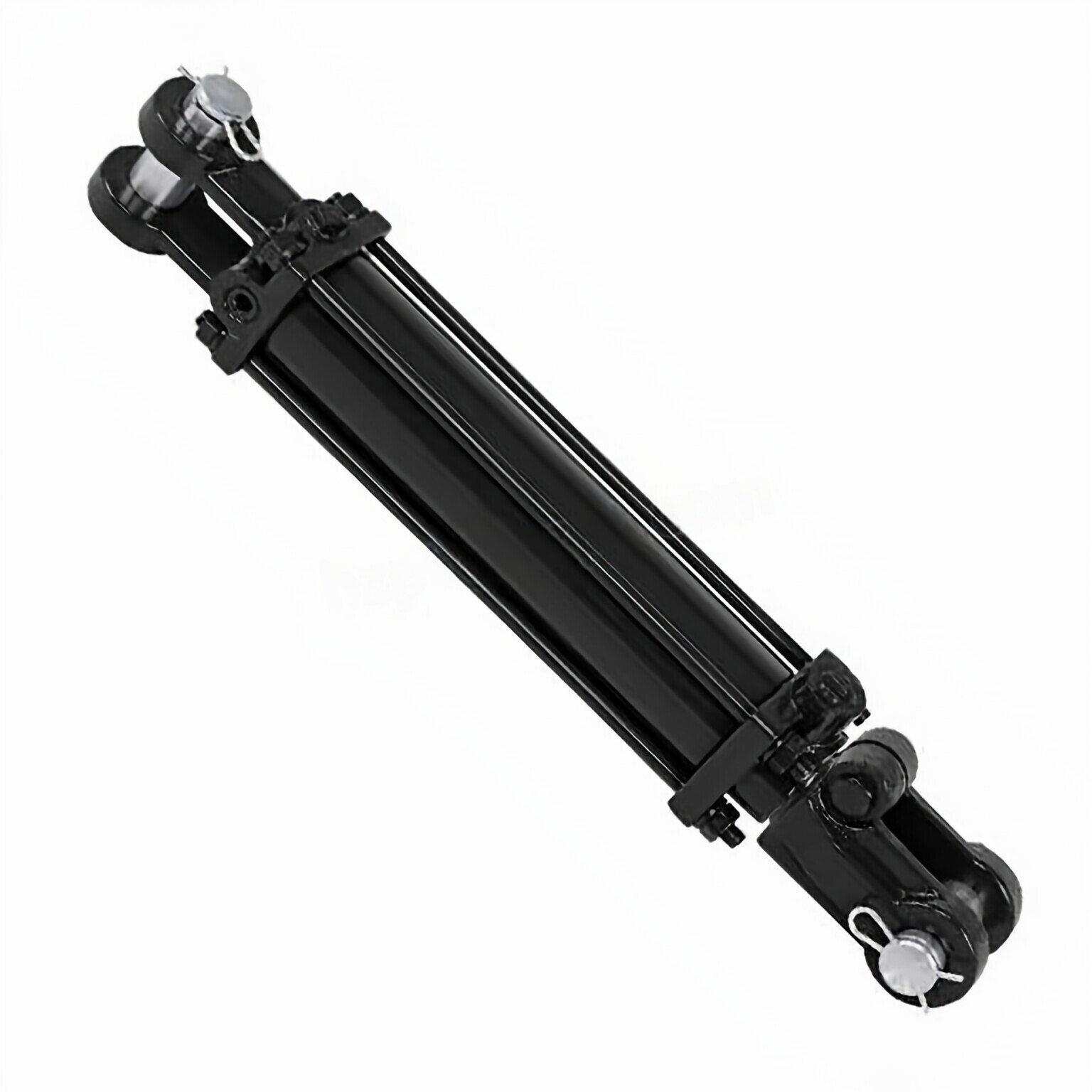
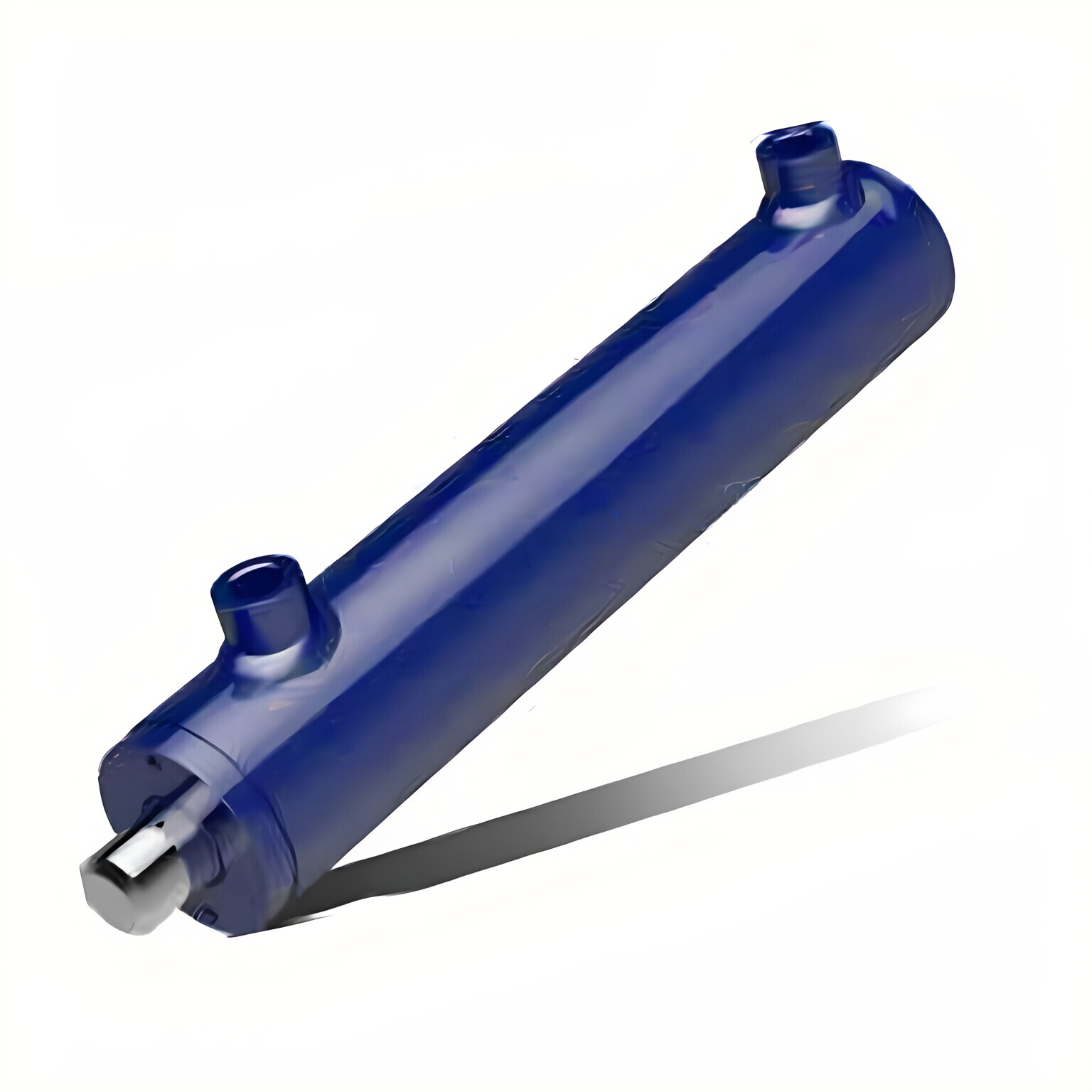
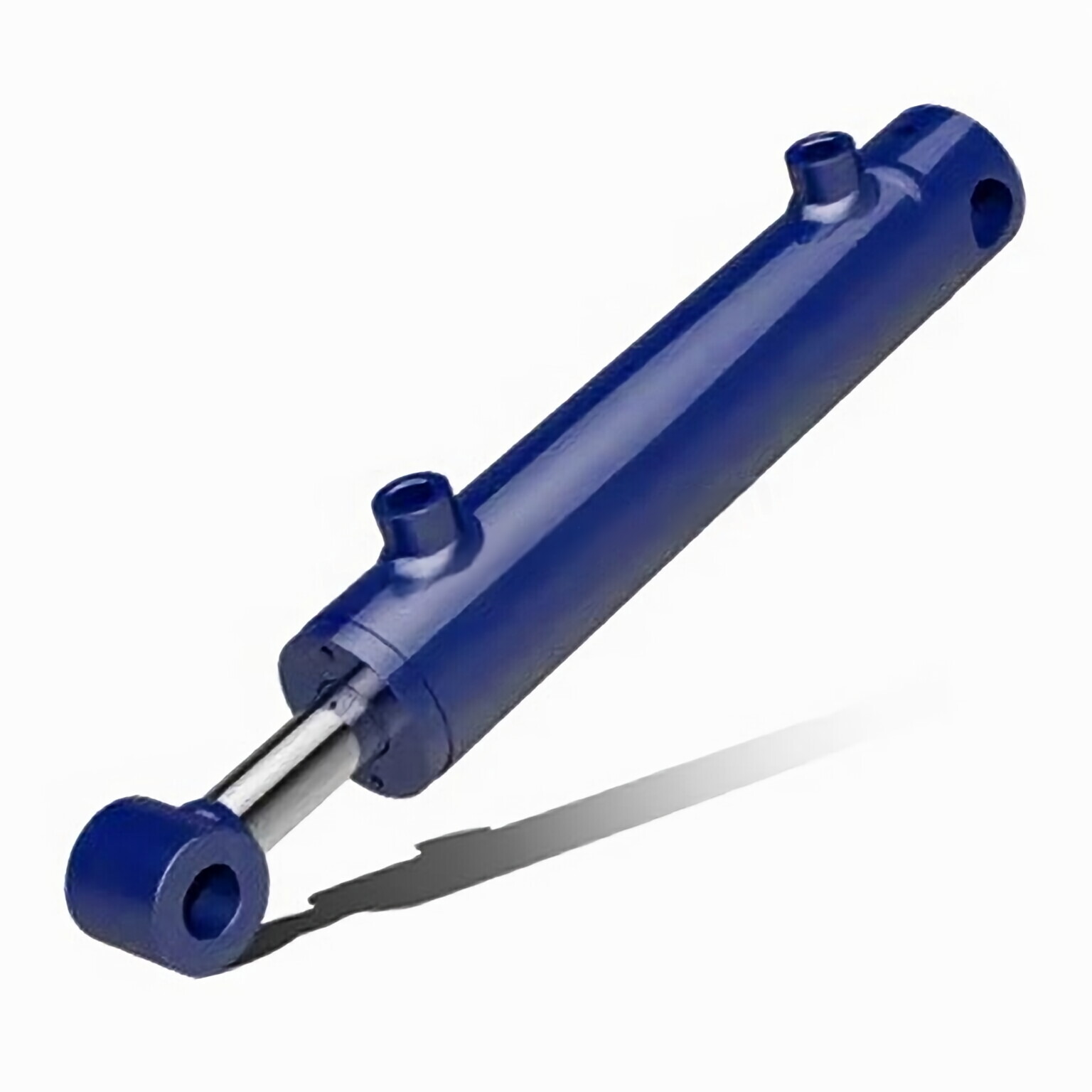
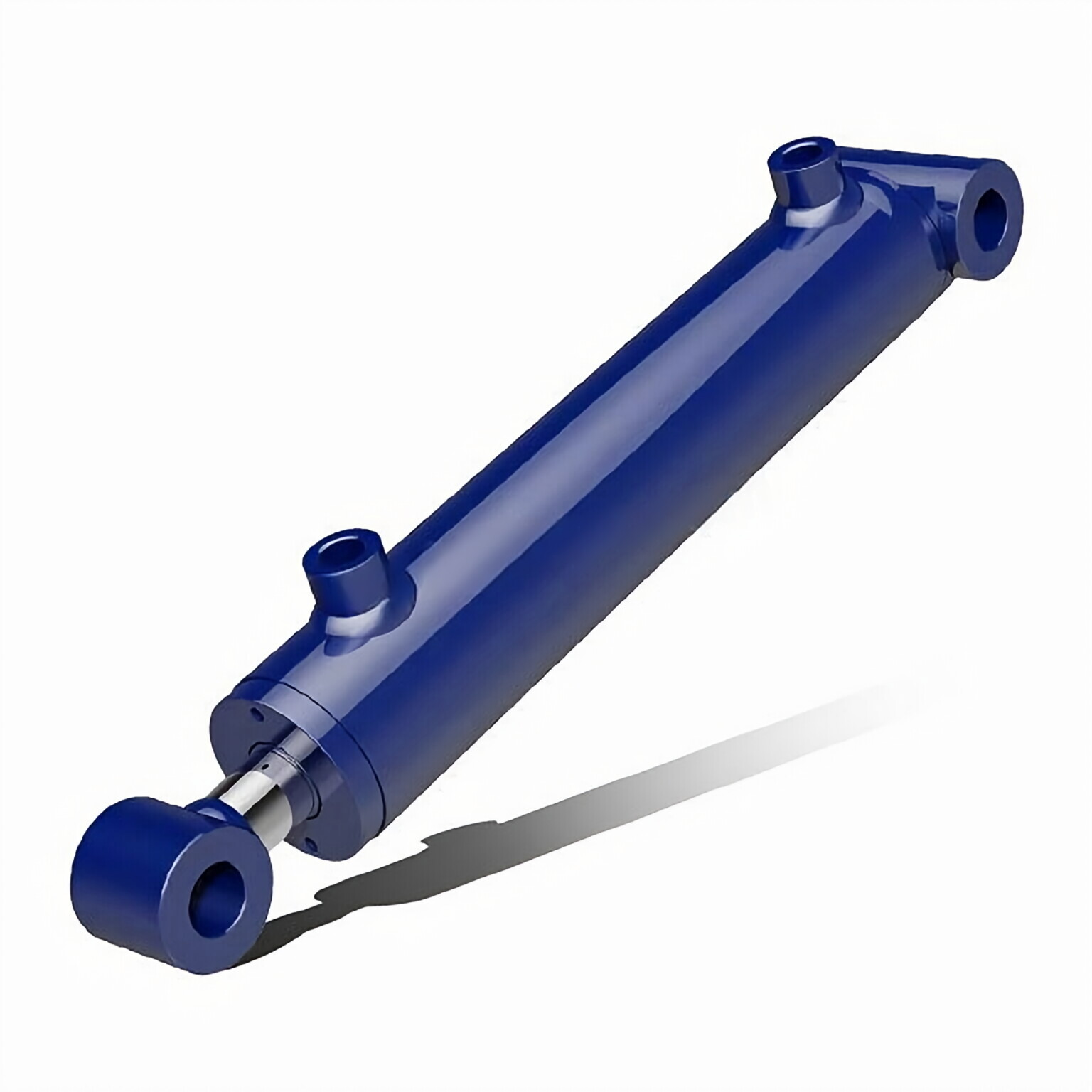
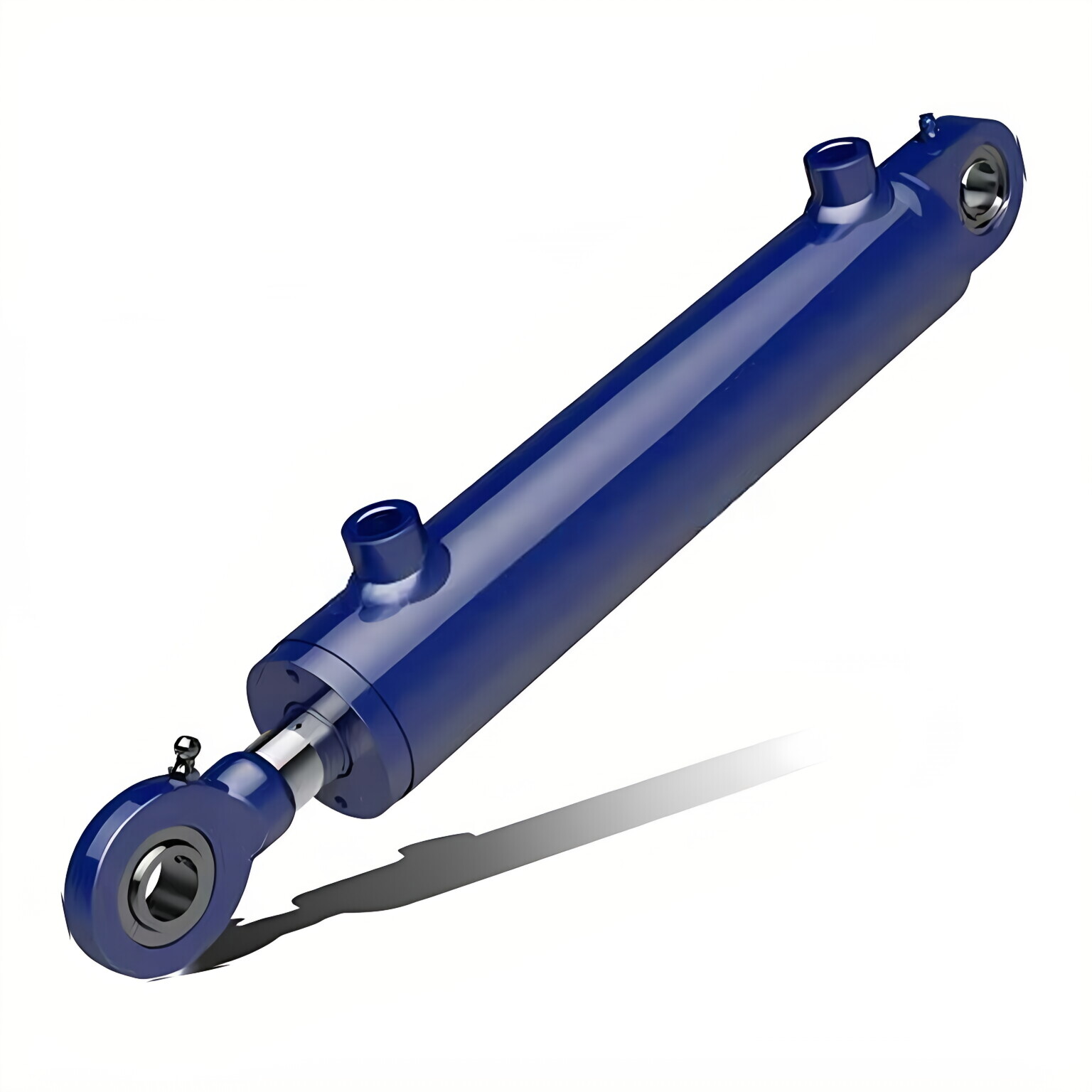
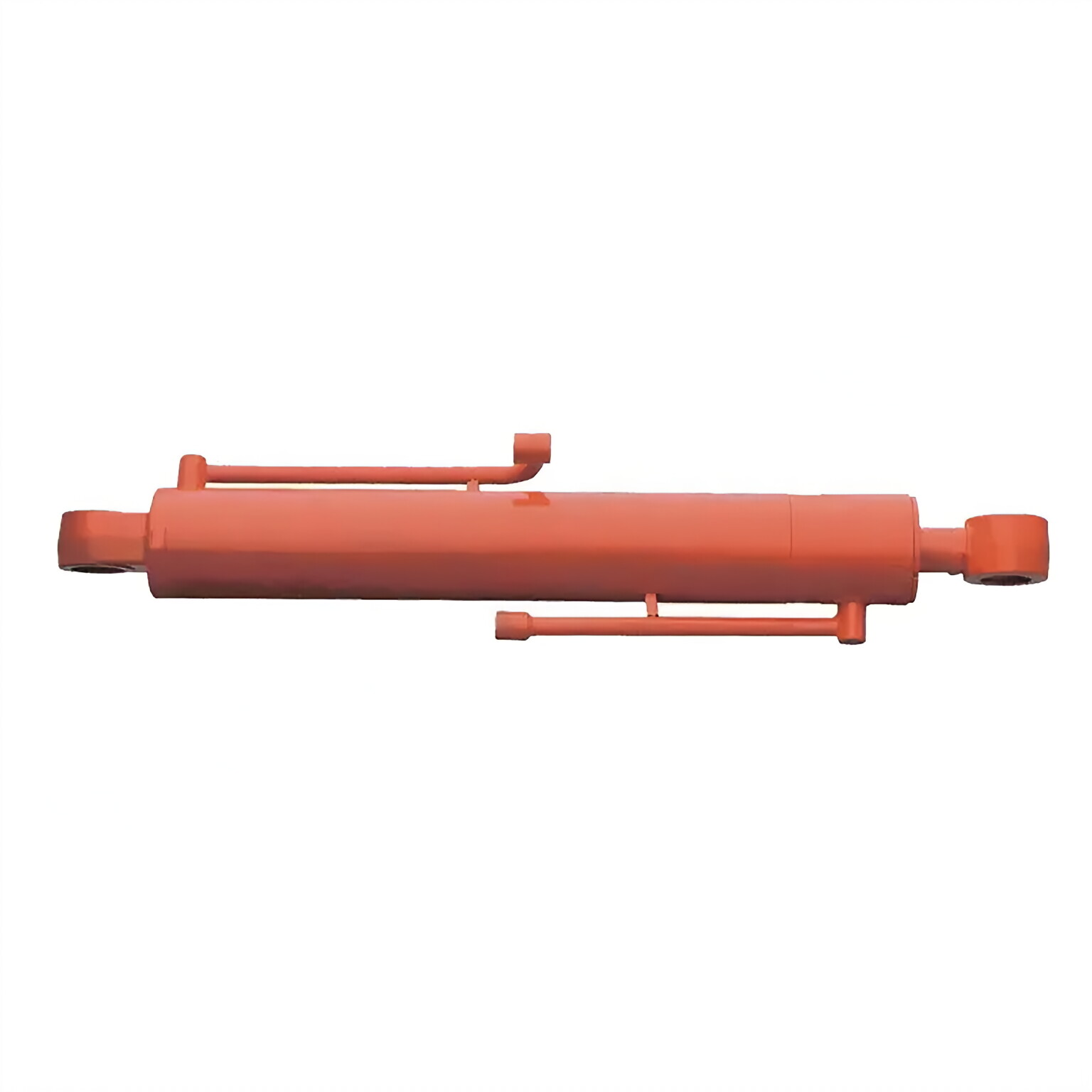
Here is an image of the Replacement Of John Deere Hydraulic Cylinder: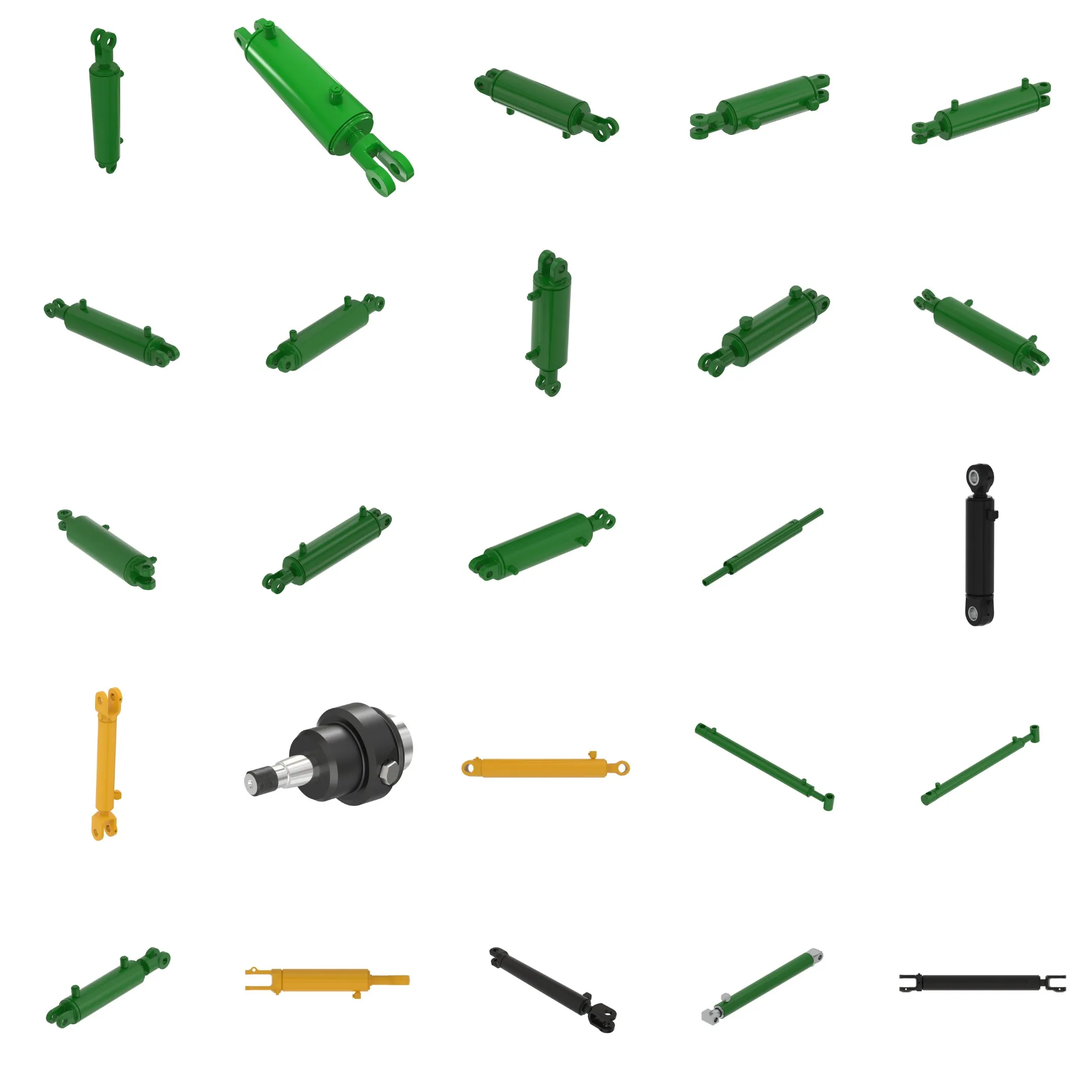
Now, let's take a closer look at our company:
We are a leading manufacturer and wholesale distributor of replacement hydraulic cylinders. We offer a comprehensive range of products and have become a trusted name in the domestic and international markets.
Our company stands out due to the following factors:
We have a team of experts dedicated to delivering high-quality hydraulic cylinders that meet industry standards and requirements.
Our products have obtained international certifications, ensuring their reliability and performance.
We provide customized solutions to meet specific customer needs and applications.
Our state-of-the-art production facilities enable us to manufacture hydraulic cylinders with precision and efficiency.
We offer excellent after-sales service, including technical support and assistance, to ensure customer satisfaction.
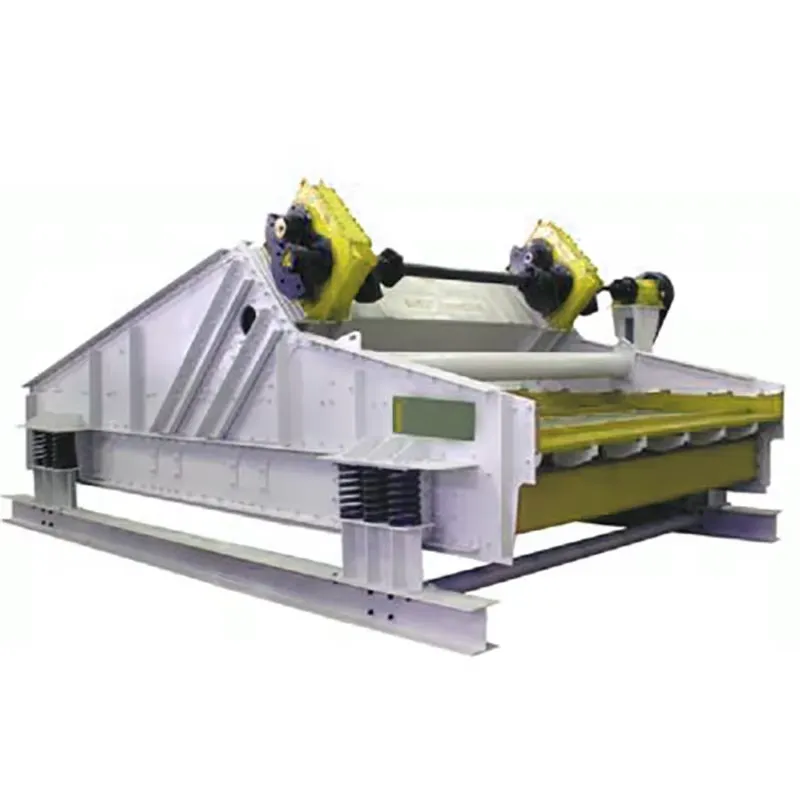
Here is an image of our hydraulic cylinder factory:
Author: lyl
Finally, in conclusion, we have provided a comprehensive overview of the Replacement Of Hydraulic Cylinder, highlighting maintenance tasks, safety considerations, troubleshooting, and our company's profile. We hope this information proves valuable for your needs.
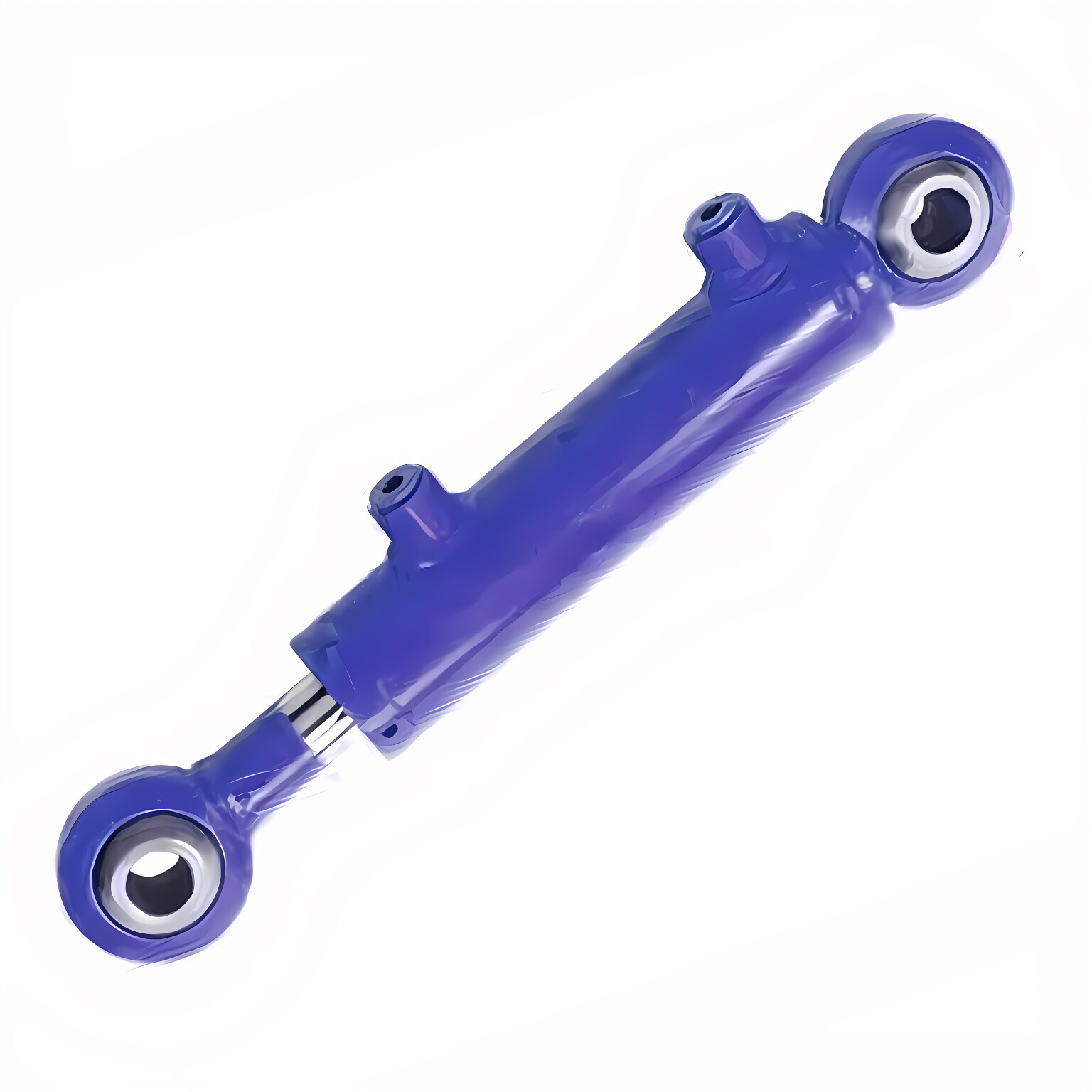
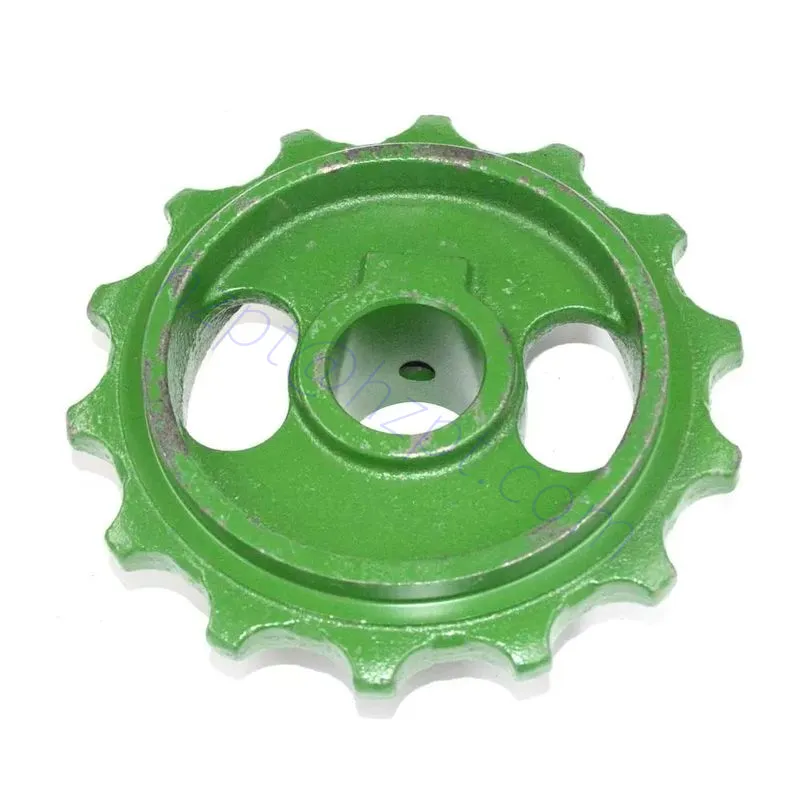
Here is an image of the Replacement Of John Deere Hydraulic Cylinder: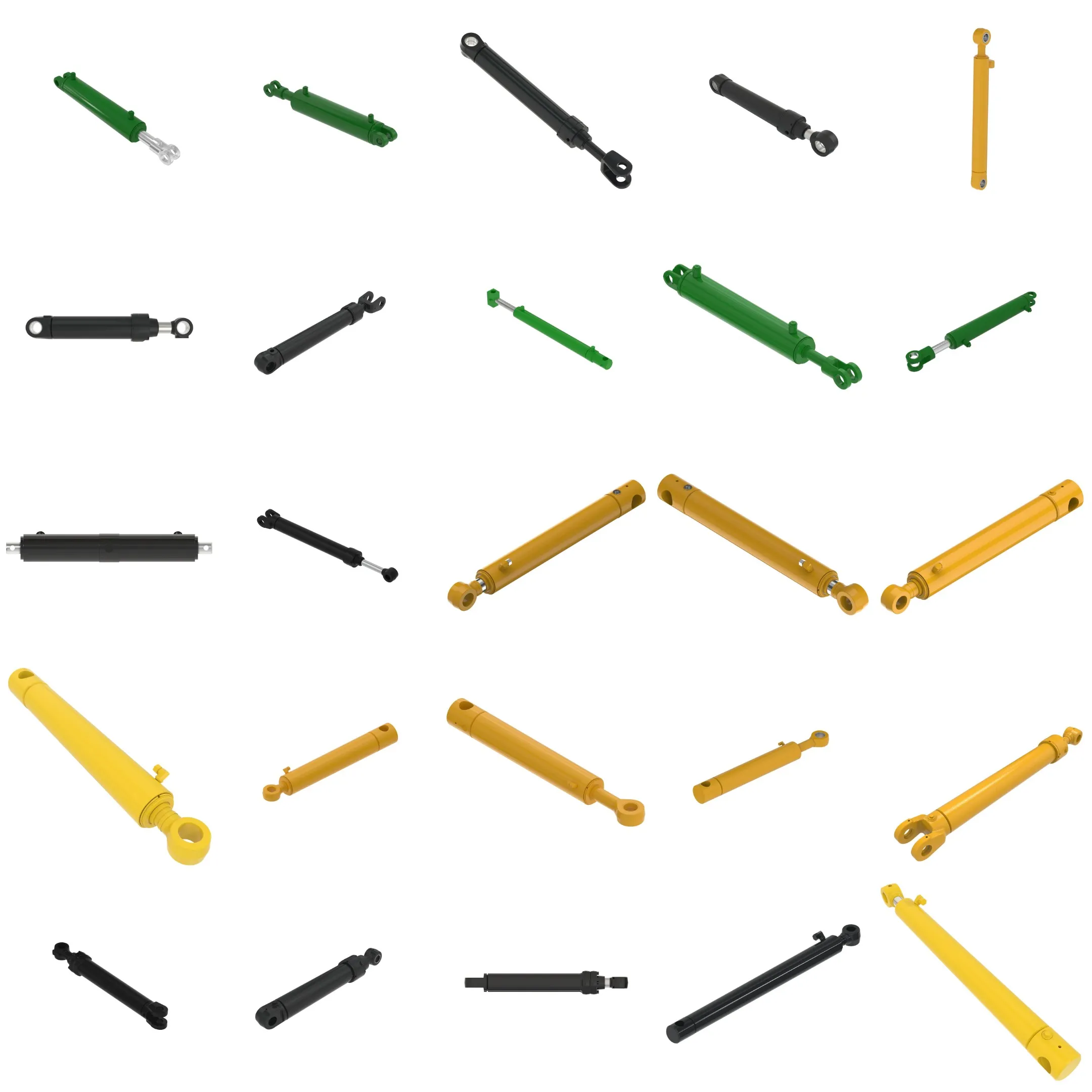
Address
Luotuo Industrial Area, Zhenhai District, Ningbo City, China
Tel

 Raydafon