Raydafon Technology Group Co.,Limited
Products
Products
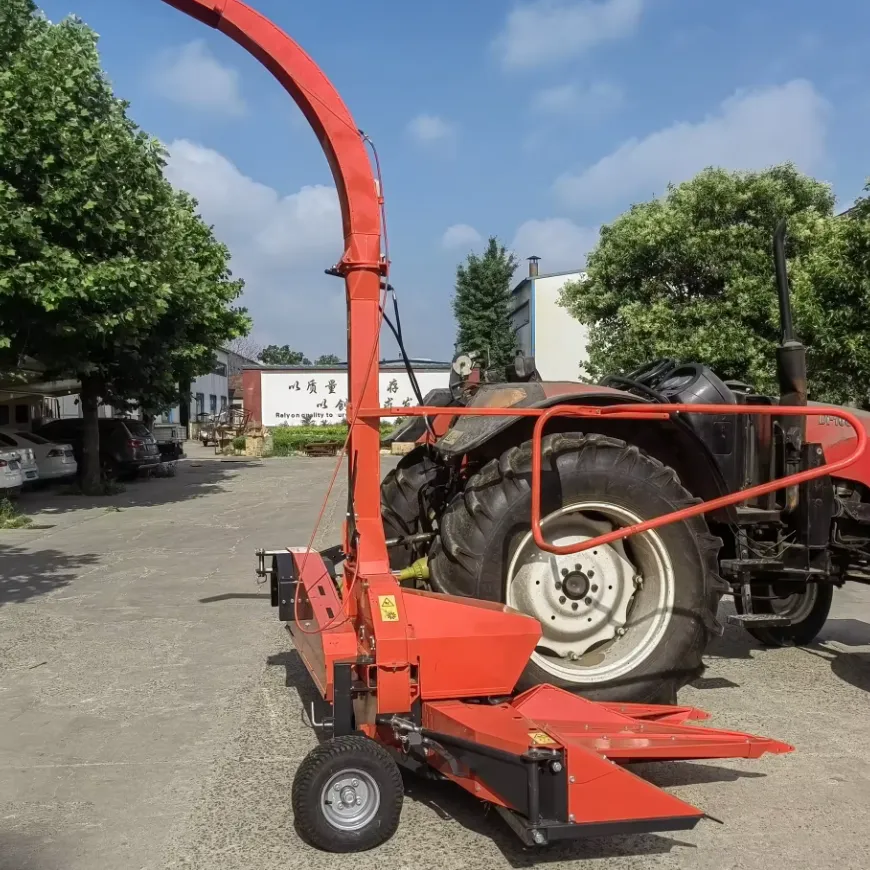
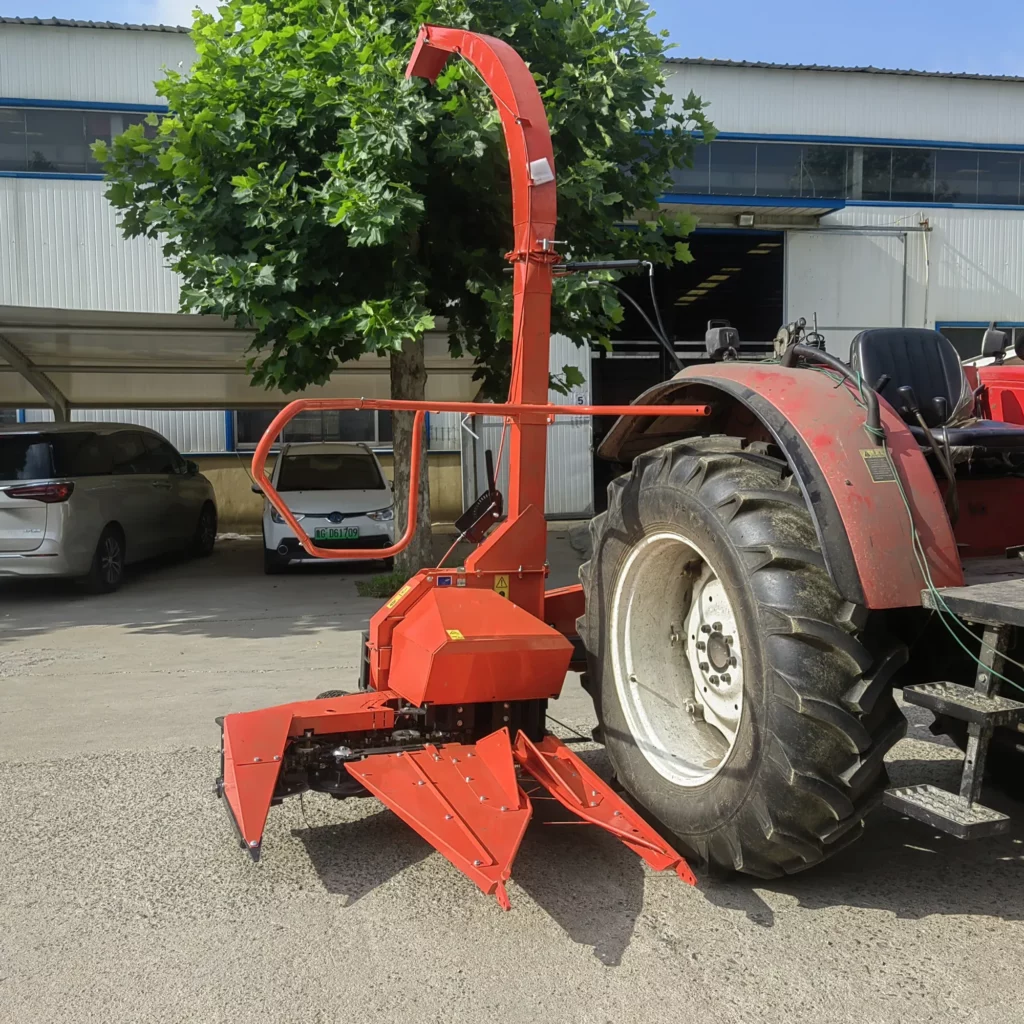
Single Row Forage Harvester for Corn Harving RXMC-80S RXMC 90 Twin
  • Single Row Forage Harvester for Corn Harving RXMC-80S RXMC 90 TwinSingle Row Forage Harvester for Corn Harving RXMC-80S RXMC 90 Twin

Single Row Forage Harvester for Corn Harving RXMC-80S RXMC 90 Twin

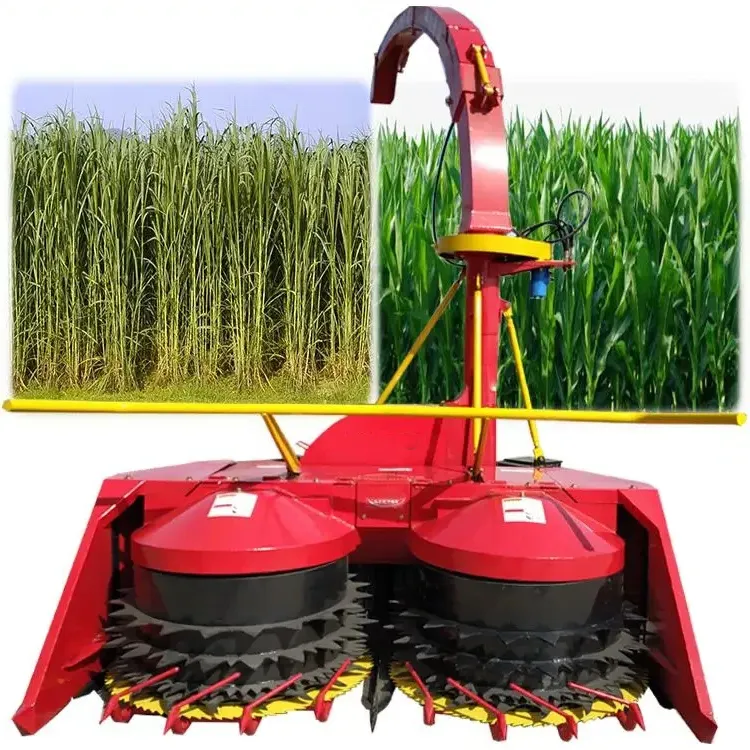
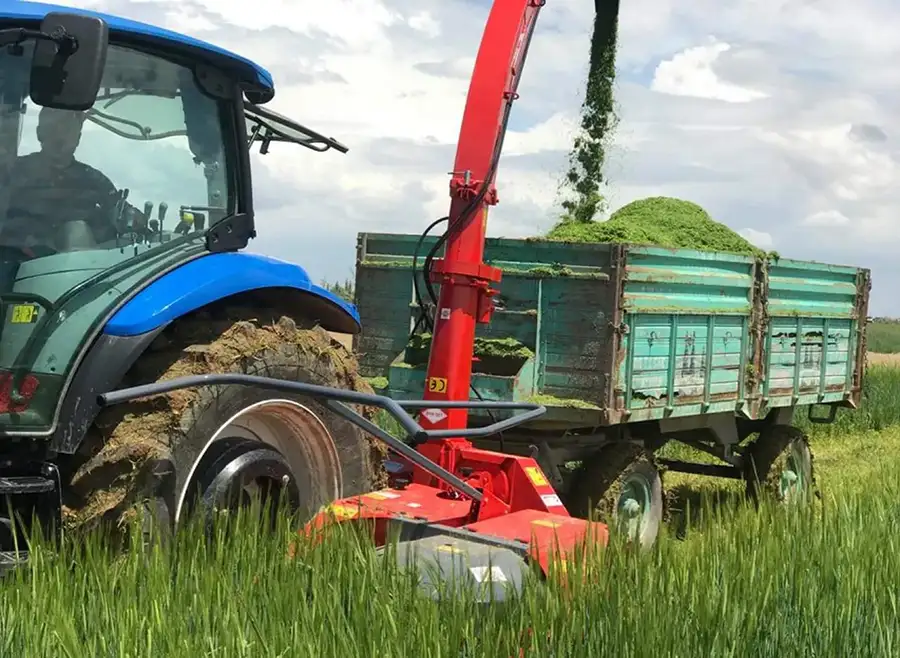
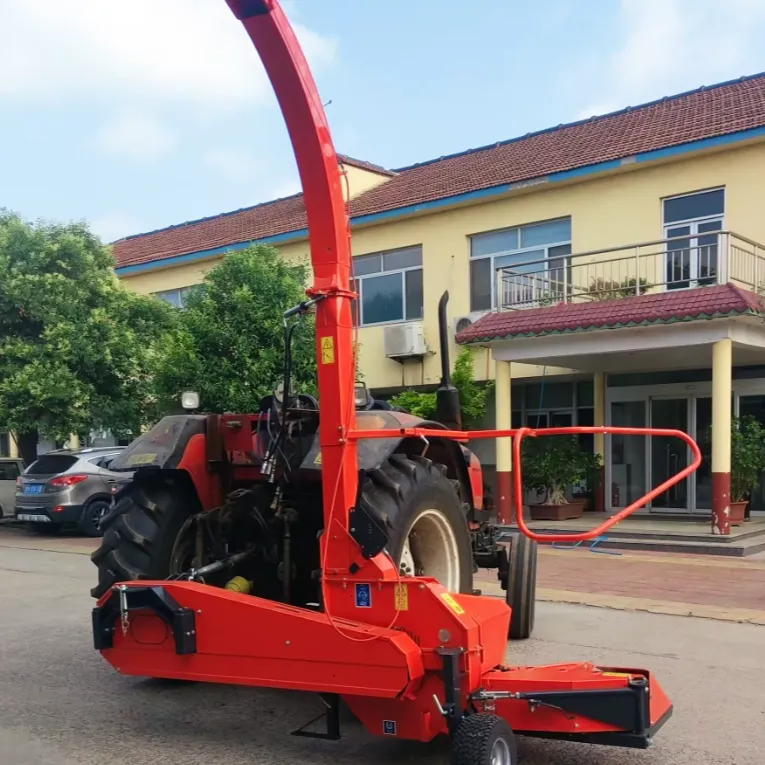
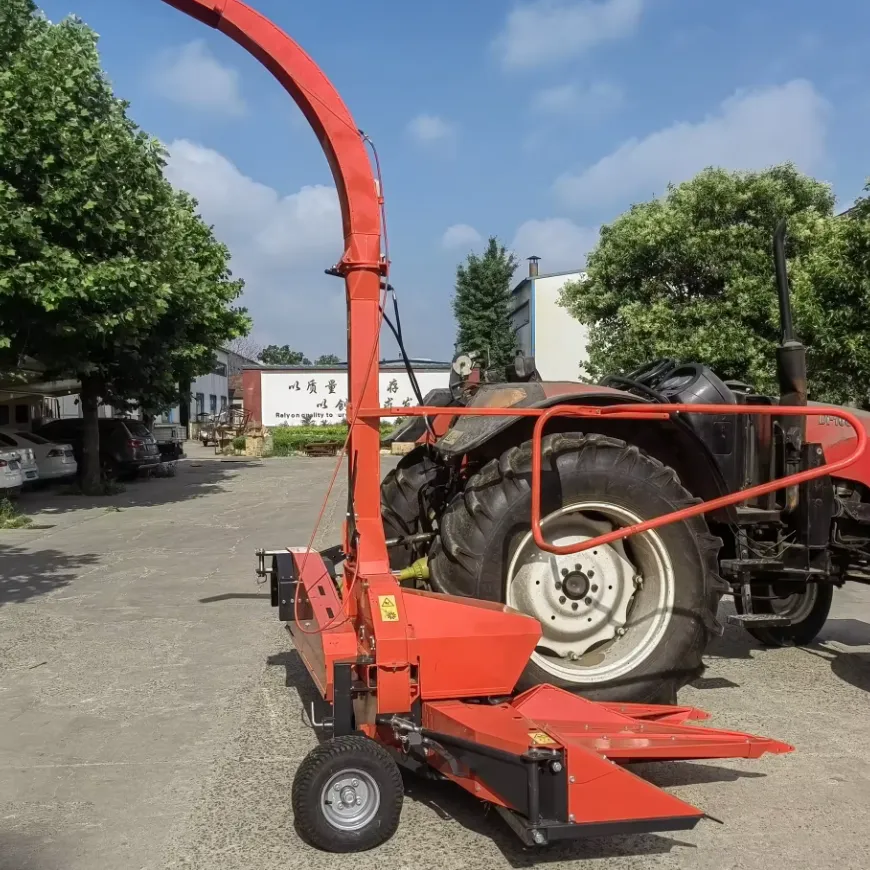
Raydafon Group's Single Row Forage Harvester for Corn Harvesting, model RXMC-80S and RXMC 90 Twin, is engineered for small to medium farms requiring efficient corn harvesting. This harvester excels with its robust build, advanced cutting technology, and user-friendly design, ensuring high-yield results with minimal effort. It's perfect for farmers seeking reliability and productivity in tight rows. Experience enhanced efficiency and reduced workload, making your harvest smoother and more profitable. Stand out with its twin-row capability and durable construction, offering superior performance compared to standard models. Trust Raydafon Group for quality that transforms your harvesting journey.
[embed]https://youtu.be/J4ApaILpTrw[/embed]

Single Row Forage Harvester for Corn Harving RXMC-80S RXMC 90 Twin

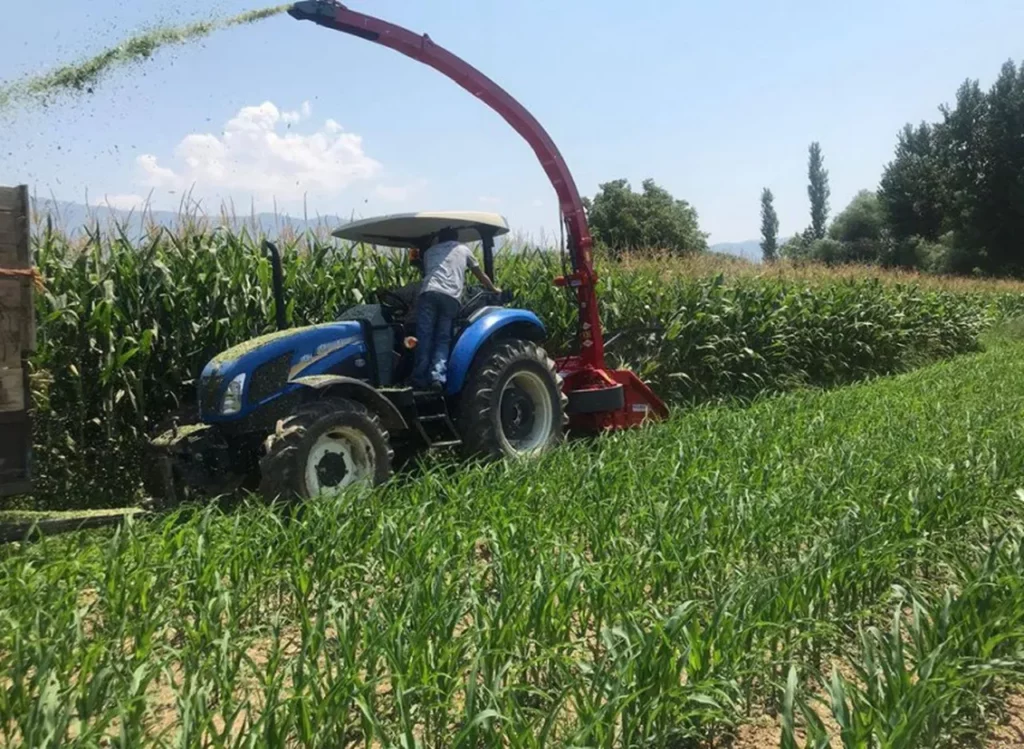
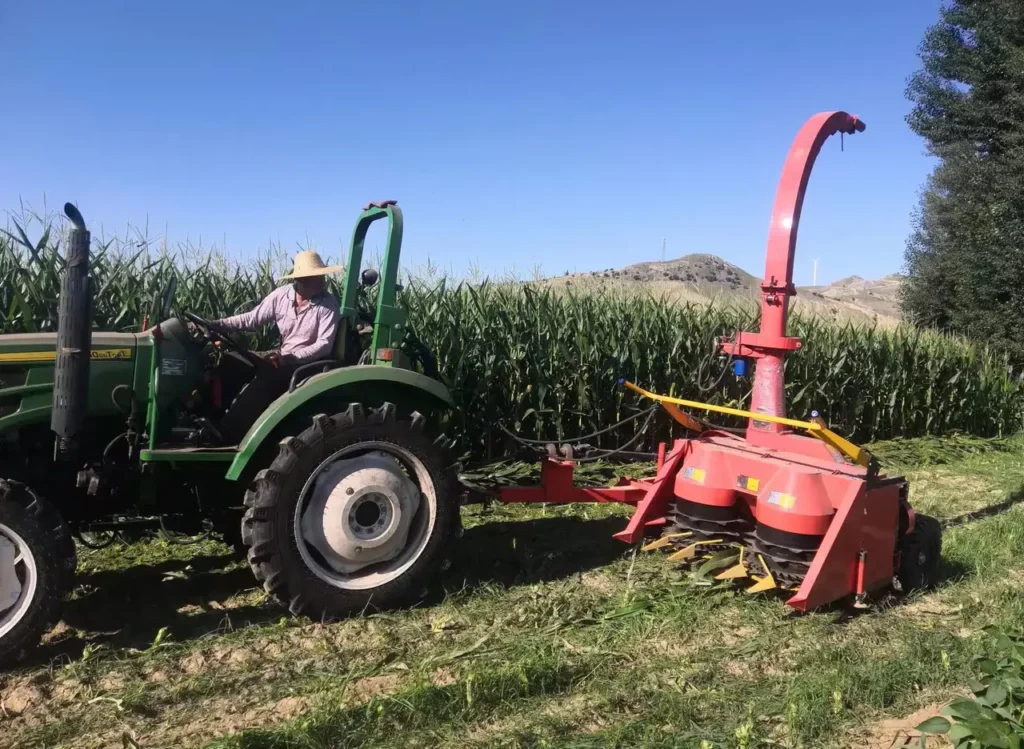
A single-row forage harvester is a specialized agricultural machine designed specifically for harvesting corn or maize crops. It is commonly used by farmers and livestock producers to efficiently collect and process corn plants for use as animal feed or for other purposes. The main purpose of a single-row forage harvester is to harvest the entire corn plant, including the stalk, leaves, and grain. The machine is typically mounted on a tractor or a self-propelled chassis, allowing it to be easily maneuvered through the field during the harvesting process. Single-row forage harvesters are particularly suitable for small- to medium-scale farming operations or where corn fields are not extensive. They offer a relatively cost-effective and efficient solution for harvesting corn crops and preparing them for storage or immediate use as animal feed. Single Row Forage Harvester for Corn Harving RXMC-80S RXMC 90 Twin
Product Specifications:

Model

RXMC-80S

RXMC 90 Twin

Dimensions mm

2090mm*2240mm*3250mm

2090mm*2950mm*3250mm

Matched power

30-120HP

50-120HP

Row distance

-

67/71/75cm

Cutting height

Less than 5mm

Number of knives

10

10

Throw distance

10m

Throw height

5m

PTO rpm

540

540

Row No

1 row

2rows

Working speed

0.7Ha/h

1ha/h

Chips length (min)

4mm

4mm

Chute adjustment

hydraulic

hydraulic

weight

480kgs

650kgs

Benefits of Single Row Corn Silage Harvester for Corn Harving

The single row corn silage harvester offers several advantages for corn harvesting, making it a valuable tool for small to medium-sized farming operations. Here are some of the key benefits:
  1. Cost-Effective Operation The single row corn silage harvester is designed to be a budget-friendly option for small to medium-sized farms. Its lower initial purchase price, coupled with reduced fuel consumption, makes it an economically viable solution for farmers looking to maximize their return on investment. Additionally, the simpler mechanics of the single-row design result in fewer maintenance costs and lower overall operating expenses.
  2. Versatility and Flexibility This type of harvester is particularly advantageous for farms with varied terrain or smaller fields. Its compact size allows for easy maneuvering in tight spaces, which is not feasible with larger, multi-row harvesters. The ability to adapt to different field conditions and crop types without extensive modifications adds to its utility and appeal.
  3. Efficient Silage Production A single row corn silage harvester is engineered to chop corn stalks into uniform pieces, ensuring optimal silage quality. The uniformity in the chopped material promotes better packing, fermentation, and preservation, which are crucial for producing high-quality silage. This results in better feed efficiency and improved livestock health.
  4. Ease of Maintenance The straightforward design of the single row harvester simplifies regular maintenance and repairs. With fewer moving parts and easily accessible components, farmers can perform routine checks and fixes with minimal downtime. This ease of maintenance translates to increased machine longevity and reliability, ensuring continuous operation during the critical harvest period.
  5. Enhanced Crop Utilization By harvesting one row at a time, the single row corn silage harvester ensures that each corn stalk is efficiently processed. This method reduces crop wastage and maximizes the amount of usable silage. The precise cutting and chopping mechanisms also minimize damage to the corn, preserving its nutritional value for livestock feed.
  6. Improved Field Management Using a single row harvester helps in maintaining better field conditions post-harvest. The machine’s precision and control reduce soil compaction and disturbance, promoting healthier soil structure and subsequent crop growth. Moreover, the ability to navigate easily around obstacles and irregular field shapes leads to more thorough and effective harvesting operations.
Single Row Forage Harvester for Corn Harving RXMC-80S RXMC 90 Twin

Structural Components of Forage Harvester 

A single-row forage harvester consists of several key structural components that work together to efficiently harvest and process corn crops. Here are the main components typically found in a single-row forage harvester:
  • Frame: The frame forms the structural backbone of the forage harvester. It provides support and stability to all other components and ensures the machine's durability and strength during operation.
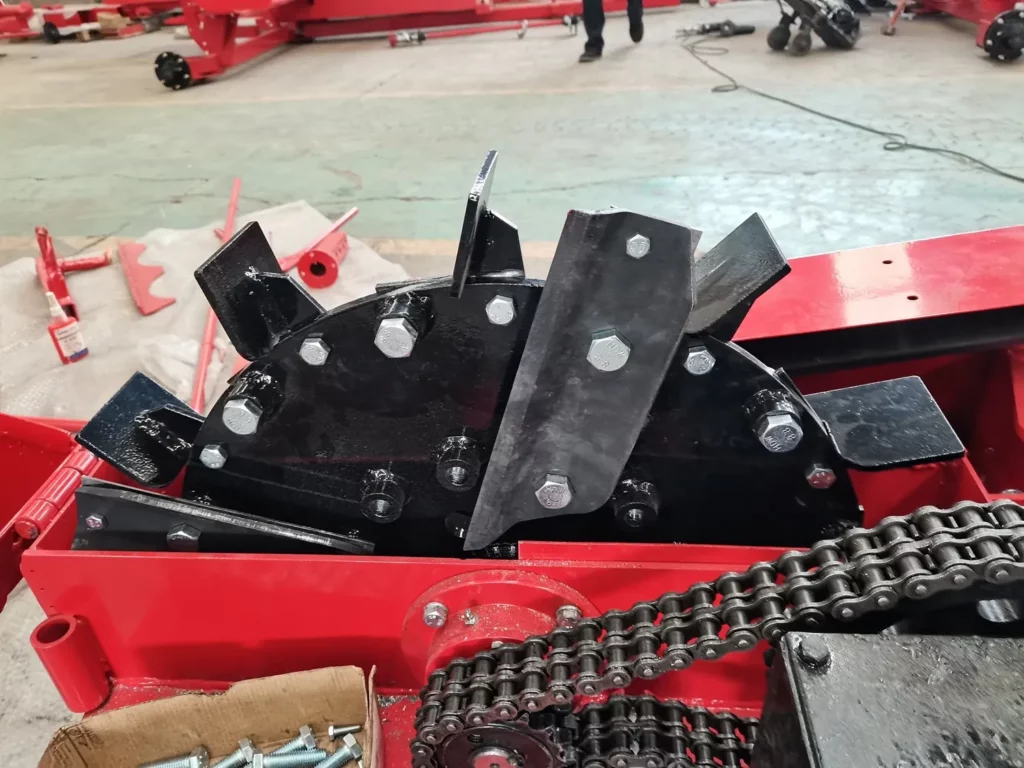
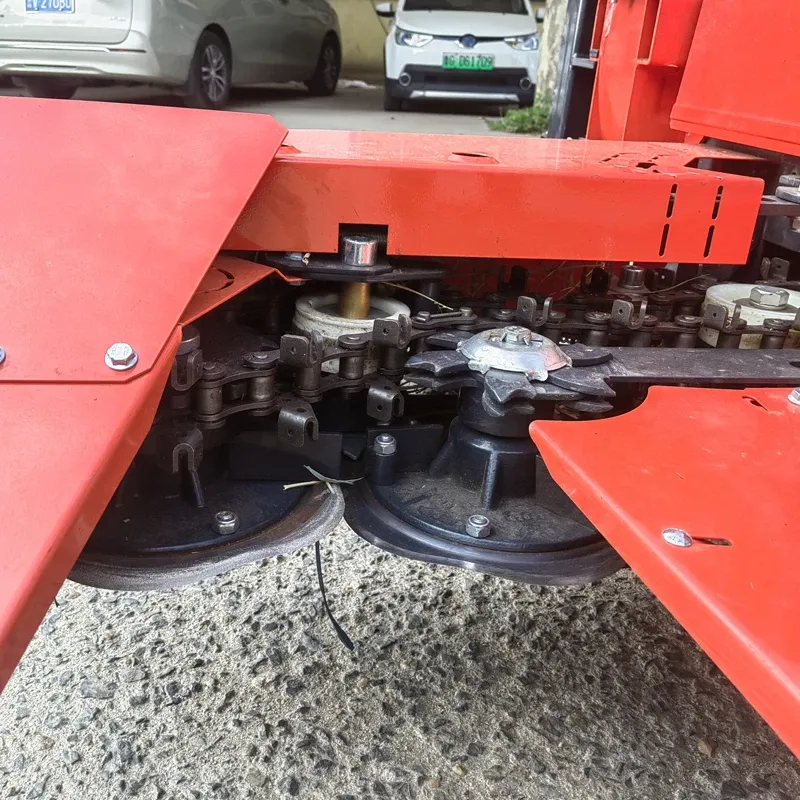
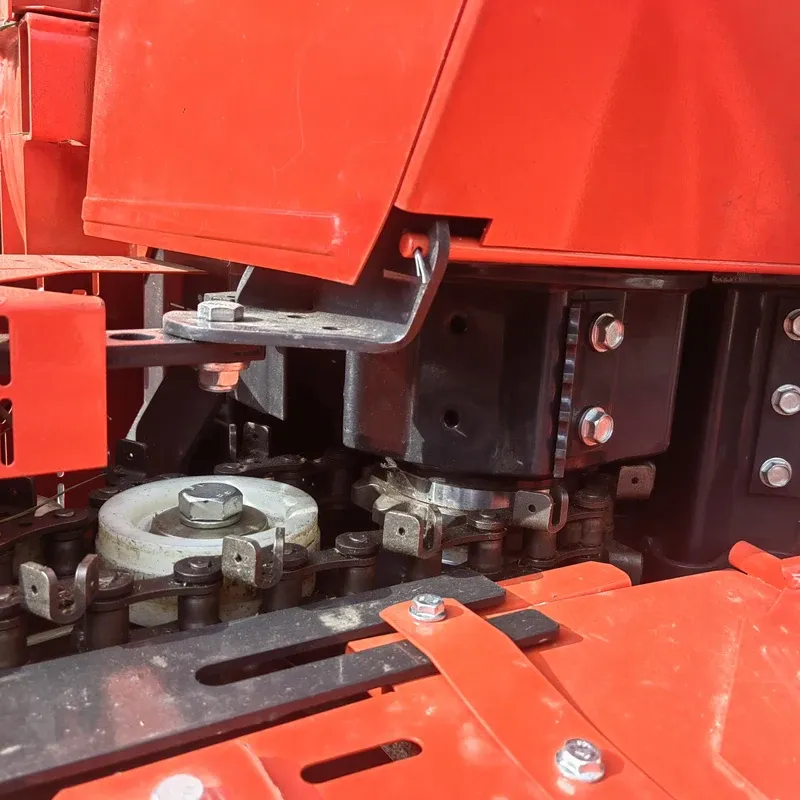
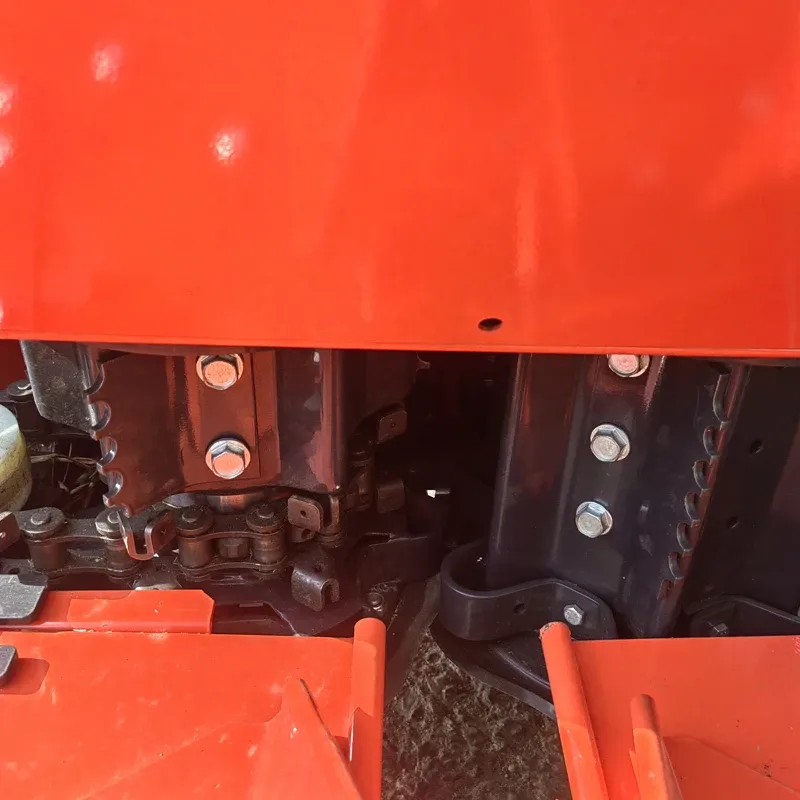
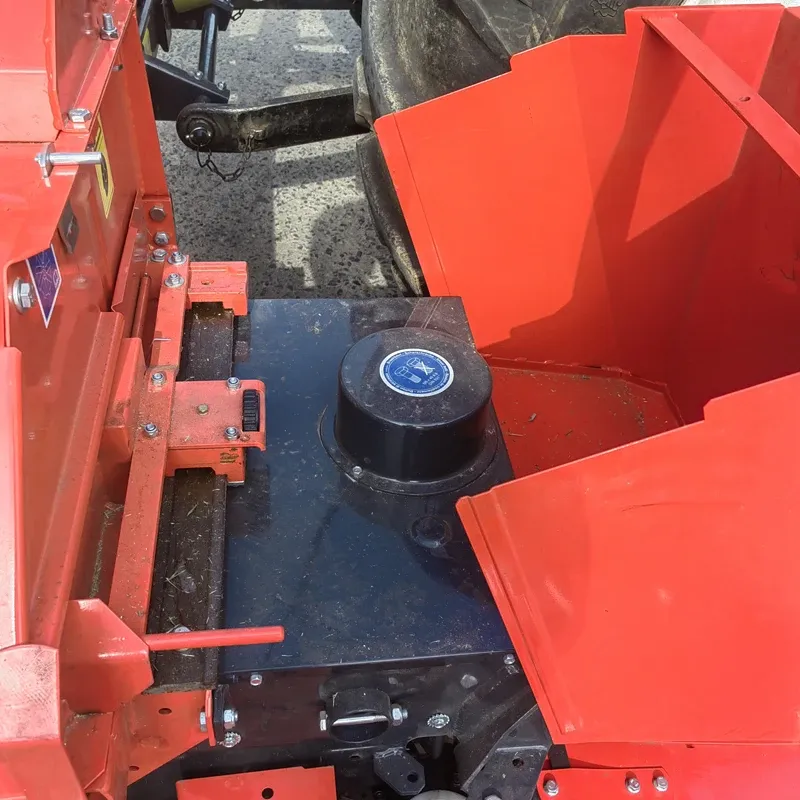
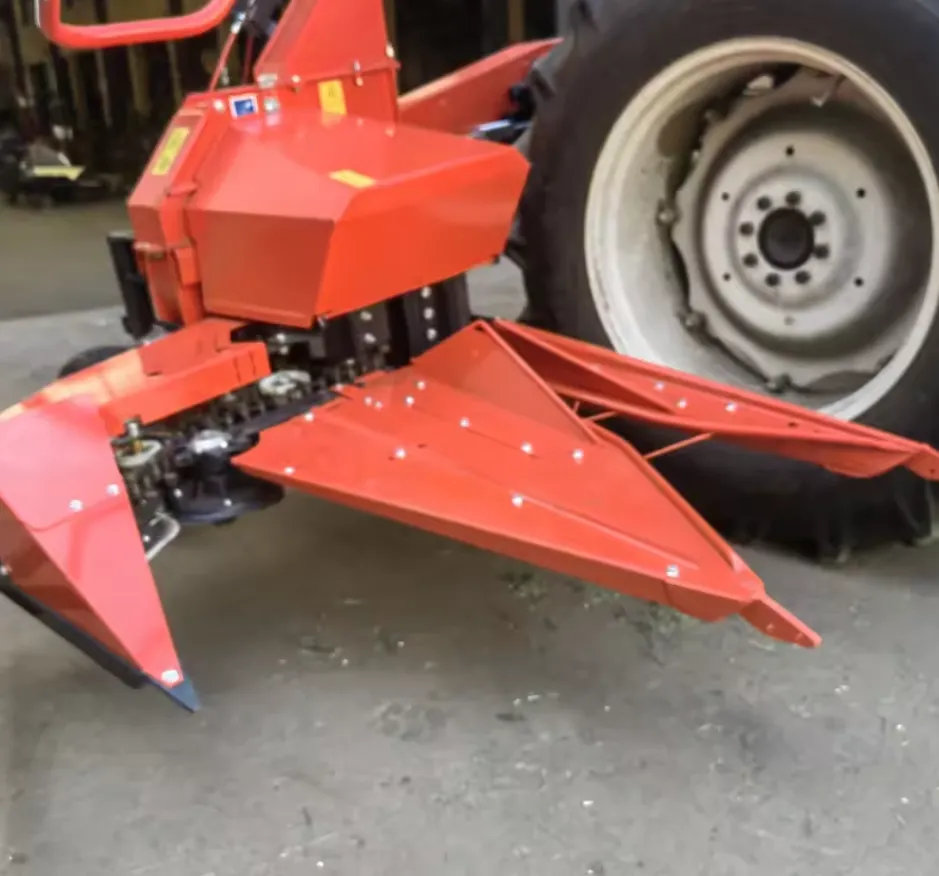
  • Cutting Head: The cutting head is located at the front of the harvester and is responsible for cutting and gathering the corn plants. It consists of a row of rotating blades or gathering chains that sever the plants at the base and pull them into the machine for further processing.
  • Chopping Mechanism: Once the corn plants are collected by the cutting head, they are fed into a chopping mechanism. This mechanism is equipped with rotating knives or blades that chop the plants into smaller pieces. The chop length can often be adjusted to meet specific requirements.
  • Blower System: After the chopping process, a blower system is used to transport the chopped material to the desired location. The blower creates airflow that carries the chopped material and deposits it into a wagon, trailer, or creates windrows for drying.
  • Power Source: The power source of a single-row forage harvester can be a tractor's power take-off (PTO) shaft or a self-contained engine. The power source drives the various components of the machine, including the cutting head, chopping mechanism, and blower system.
  • Control and Operating System: The forage harvester is equipped with controls and an operating system that allows the operator to adjust and monitor various aspects of the machine's performance. This includes controlling the cutting head height, chop length, and overall machine speed.
  • Collection Wagon or Trailer: The chopped material is typically collected in a wagon or trailer that is towed behind the forage harvester. The wagon is designed to carry a large volume of chopped material and can be detached and replaced when full.
  • Wheels and Axles: The forage harvester is equipped with wheels and axles to provide mobility and ease of movement in the field. The size and type of wheels may vary depending on the specific model and the terrain in which the harvester is operated.
Single Row Forage Harvester for Corn Harving RXMC-80S RXMC 90 Twin
Single Row Forage Harvester for Corn Harving RXMC-80S RXMC 90 Twin Single Row Forage Harvester for Corn Harving RXMC-80S RXMC 90 Twin

Applications of PTO Corn Silage Harvester 

A PTO corn silage harvester has several agricultural applications, primarily focused on harvesting and processing corn or maize crops. Here are some of the key agricultural applications of a single-row forage harvester: 1. Animal Feed Production: One of the primary applications of a single-row forage harvester is the production of animal feed. The harvester efficiently collects and processes the entire corn plant, including the stalk, leaves, and grain. The chopped material can be directly used as feed or stored for later use, providing a nutritious and digestible feed source for livestock such as cows, pigs, and poultry. 2. Silage Production: Silage is a preserved feed made from fermented crops, including corn. A corn silage harvester is often used to harvest corn plants to produce silage. The harvester chops the corn plants into smaller pieces, which are then compacted, covered, and stored under anaerobic conditions to ferment. Silage is a valuable feed option, particularly for dairy cattle and other ruminant animals, as it provides nutrients and energy throughout the year. 3. Crop Residue Management: A single-row silage harvester can also be used for effective crop residue management. After harvesting the corn grain, the remaining corn stover (stalks, leaves, and cobs) can be collected and chopped by the harvester. The chopped residue can then be spread back onto the field as mulch or used as a soil amendment, contributing to soil health and moisture retention. 4. Specialty Crop Harvesting: While primarily designed for corn harvesting, a single-row forage harvester can also be used for other similar crops, such as sorghum or forage grasses. These crops can be harvested and processed similarly to corn, providing feed or other uses based on specific agricultural needs.
Single Row Forage Harvester for Corn Harving RXMC-80S RXMC 90 Twin Single Row Forage Harvester for Corn Harving RXMC-80S RXMC 90 Twin

Working Principle:

The tractor PTO driven silage harvester for harvesting corn operates based on a seamless integration of mechanical and hydraulic systems that capitalize on the tractor’s power to perform efficient crop harvesting and processing. Here's how the system works in a step-by-step process:
  • Power Transmission The working principle of a tractor PTO (Power Take-Off) driven silage harvester begins with the transfer of power from the tractor to the harvester. The PTO shaft connects the tractor to the harvester, transmitting rotational energy. This energy powers the various mechanical components of the harvester, enabling it to cut, gather, and process the corn into silage.
  • Cutting Mechanism Once the harvester is powered, the cutting mechanism comes into play. This typically consists of a series of sharp blades or discs positioned at the front of the machine. As the tractor moves forward, these blades rotate rapidly, slicing through the corn stalks close to the ground. The precise cutting ensures minimal wastage and prepares the stalks for further processing.
  • Gathering and Feeding After the corn stalks are cut, they are gathered into the harvester's intake system. This is usually facilitated by rotating augers or conveyors that guide the cut stalks into the chopping unit. The feeding mechanism ensures a consistent flow of material into the chopper, which is essential for uniform processing and efficient operation.
  • Chopping Process The core function of the silage harvester is its chopping unit. The gathered corn stalks are fed into a set of rotating knives or blades within the chopping chamber. These knives chop the stalks into smaller, uniform pieces suitable for silage. The chopping process is critical for ensuring the silage is of the right size and texture, facilitating proper fermentation and storage.
  • Blowing and Collecting Once chopped, the silage is then transferred to the blowing mechanism. This system uses a powerful fan or blower to propel the chopped material through a chute and into a waiting trailer or wagon attached to the harvester. The blowing action ensures that the silage is efficiently collected and packed, ready for transport to storage facilities.

Single Row Forage Harvester for Corn Harving RXMC-80S RXMC 90 Twin

How to Install the Single Row Forage Harvester to Tractor?

Installing a single-row forage harvester to a tractor involves a series of steps to ensure proper attachment and safe operation. Here's a general guide on how to install a single-row forage harvester to a tractor: (1) Position the Tractor: Park the tractor on a level surface and engage the parking brake. Make sure there is ample space around the tractor for maneuvering and attaching the harvester. (2) Align the Harvester: Position the single-row forage harvester behind the tractor, ensuring that it is centered and aligned with the tractor's hitch. The hitching mechanism of the harvester should be positioned at the appropriate height to match the tractor's hitch. (3) Engage the Power Take-Off (PTO): Locate the PTO shaft on the rear of the tractor. Align the PTO shaft of the harvester with the tractor's PTO shaft. Connect the two shafts by sliding them together until they engage securely. Make sure to lock the PTO shaft in place using the provided locking mechanism, such as a shear bolt or a quick-release pin. (4) Attach the Three-Point Hitch: If the tractor is equipped with a three-point hitch system, lower the hitch arms to match the harvester's hitching mechanism. Align the hitch arms with the harvester's hitch and secure them using the provided hitch pins or latches. Ensure that the hitch is securely attached to the tractor and that all locking mechanisms are engaged. (5) Hydraulic Connections: If the harvester requires hydraulic power, locate the hydraulic couplers on both the harvester and the tractor. Connect the hydraulic hoses from the harvester to the corresponding hydraulic outlets on the tractor. Make sure to connect the hoses securely, ensuring a tight seal to prevent hydraulic leaks. (6) Check Connections: Double-check all the connections, including the PTO shaft, hitch, and hydraulic connections, to ensure they are properly secured and aligned. Ensure that all safety features, such as locking pins and latches, are engaged. (7) Test Operation: Start the tractor's engine and engage the PTO according to the manual's instructions. Verify that the harvester's cutting head is rotating smoothly and that all hydraulic functions are working correctly. Check for any unusual noises or vibrations and address any issues before proceeding with operation. Single Row Forage Harvester for Corn Harving RXMC-80S RXMC 90 Twin

Operation Precautions:

Operating a corn silage harvester requires careful adherence to safety guidelines and operational best practices to ensure both efficient harvesting and the safety of all personnel involved. Here are key operation precautions to keep in mind when using a PTO corn silage harvester for harvesting corn:
  • Proper Attachment and Inspection Before starting the operation, ensure that the PTO shaft is correctly and securely attached to both the tractor and the harvester. Check for any signs of wear, damage, or loose connections. Conduct a thorough inspection of the entire machine, including blades, belts, and hydraulic systems, to confirm everything is in optimal working condition. Regular maintenance checks can prevent unexpected breakdowns and ensure safe operation.
  • Safe Operation Practices During operation, maintain a safe distance from the moving parts of the harvester. Never attempt to clear blockages or make adjustments while the machine is running. Always shut off the tractor engine and disengage the PTO before approaching the harvester. Familiarize yourself with the emergency stop procedures and ensure all safety guards and shields are in place and functional.
  • Field and Terrain Awareness Be aware of the field conditions and terrain. Avoid operating the harvester on steep slopes or uneven ground that could lead to instability or accidents. Inspect the field for hidden obstacles such as rocks, stumps, or debris that could damage the machine or pose a safety hazard. Plan your harvesting route to minimize sharp turns and sudden stops.
  • Correct Speed and Load Management Operate the tractor and harvester at the recommended speed to ensure efficient cutting and processing of the corn. Overloading the machine or exceeding its operational capacity can lead to blockages, equipment damage, and potential safety risks. Monitor the feed rate and make adjustments as needed to maintain smooth operation and prevent clogging.
  • Regular Maintenance and Repairs Regularly check and maintain the harvester according to the manual's guidelines. This includes sharpening or replacing blades, lubricating moving parts, and inspecting hydraulic systems. Promptly address any issues or repairs to avoid further damage or unsafe conditions. Keeping a log of maintenance activities can help track the machine's condition and performance over time.
Single Row Forage Harvester for Corn Harving RXMC-80S RXMC 90 Twin

Agricultural PTO Shaft for Corn Silage Harvester

The agricultural PTO shaft and corn silage harvester form a crucial partnership in modern farming, optimizing the efficiency and effectiveness of silage production. The PTO shaft serves as the critical link between the tractor and the harvester, transmitting the tractor’s engine power directly to the harvester’s various mechanical components. This transmission is essential for the operation of the harvester, ensuring that all its functions are powered and synchronized for optimal performance. The PTO shaft allows the corn silage harvester to harness the tractor’s power to drive its cutting, gathering, chopping, and blowing mechanisms. As the tractor moves forward, the PTO shaft spins, transferring rotational energy to the harvester. This energy is used to operate the sharp blades or discs that cut the corn stalks, the conveyors that gather the cut stalks, and the powerful chopping unit that processes the stalks into silage. The chopped silage is then blown into a waiting trailer or wagon, ready for transport to storage facilities. This seamless integration between the PTO shaft and the corn silage harvester enables efficient and continuous harvesting. The harvester’s ability to operate solely through the power provided by the PTO shaft eliminates the need for additional engines or power sources, simplifying the machinery and reducing maintenance requirements. The synchronization of the tractor’s speed and the harvester’s operations ensures that the corn is cut, chopped, and collected in a single, smooth process, enhancing productivity and minimizing crop wastage. Furthermore, the use of a PTO-driven system allows for flexibility and adaptability in the field. Farmers can easily connect and disconnect the harvester from the tractor, making it simple to switch between different tasks or pieces of equipment. This versatility is particularly valuable in diverse farming operations where multiple types of machinery are used. The agricultural PTO shaft is indispensable to the functionality of the corn silage harvester. It provides the necessary power and synchronization for the harvester to efficiently cut, chop, and collect corn stalks, facilitating the production of high-quality silage. This relationship exemplifies the importance of integrated machinery in modern agriculture, enhancing efficiency and productivity on the farm. Single Row Forage Harvester for Corn Harving RXMC-80S RXMC 90 Twin

Why Choose Raydafon's Silage Harvester?

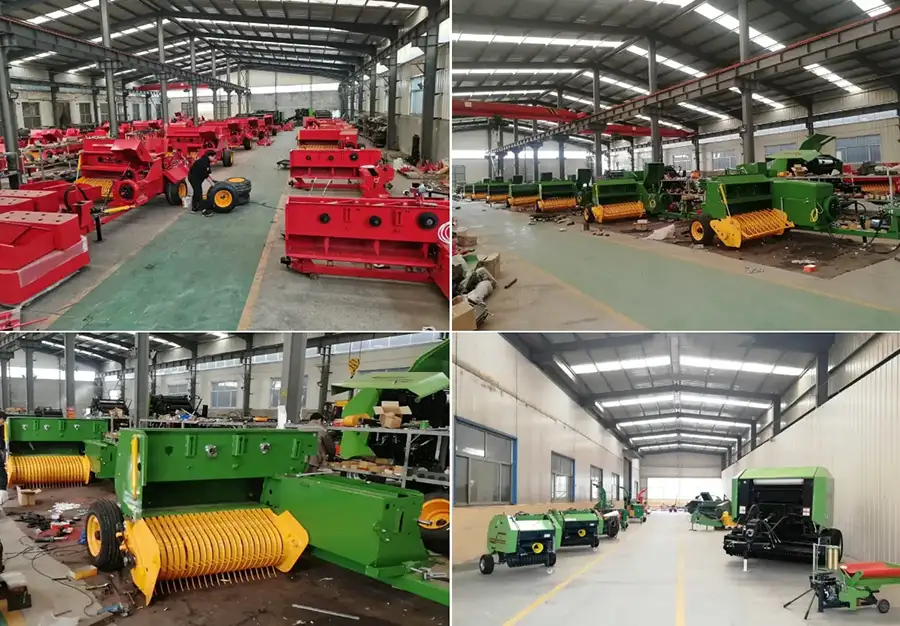
Raydafon Agricultural Machinery Co., Ltd. has been engaged in the research and development of agricultural machinery, such as PTO shafts, agricultural gearboxes, agricultural chains, agricultural pulleys, and agricultural sprockets. Our company has more than 100 employees, among which there are 20 technical technical staff and five senior R&D personnel. Besides, we have abundant financial resources and two advanced casting, forging, machining, heat treatment, and lacquering production lines, and we use CAD computer-aided design system. Our production technology is strong and the equipment is advanced, including lathing, milling, planing, stamping, cutting plate, and electric welding. We have accumulated more than ten years of experience in production, and mainly produce farming machinery, planting machinery, harvesting machinery and its accessories, and matching machines, which are set up by the main tractor manufacturers in China. Our main products are PTO shafts, agricultural gearboxes, corn seeder, drum mowers, rotary hay rakes, flail mowers, lawn mowers, sickle bar mowers, rotary mowers, rotary tillers, land levelers, fertilizer spreaders, furrow ploughs, disc harrows, disc blades, disc ridgers, disc ploughs, potato planters, potato harvester, wheat seeder, vegetable seeder, post hole diggers, boom sprayers, agricultural subsoiler, agricultural trailers, disc mower, finger wheel rake, large round baler, mini round baler, PTO wood chipper, diesel wood chipper, log splitter, front end loader, backhoe, snow blower, road sweeper, etc. The above series of products are complete in specifications, excellent in performance, and reliable in quality. Our products are sold all over the country and are exported to many countries and regions in Europe, America, Africa, the Middle East, and Southeast Asia all year round. Single Row Forage Harvester for Corn Harving RXMC-80S RXMC 90 Twin
Hot Tags: Single Row Forage Harvester Manufacturer, RXMC-80S Corn Harvester Supplier, Twin Row Forage Harvester Wholesale
Send Inquiry
Contact Info
Get customized quotes for transmission components, gearboxes, and machinery. Our engineers will respond within 24 hours.
Online
X
We use cookies to offer you a better browsing experience, analyze site traffic and personalize content. By using this site, you agree to our use of cookies. Privacy Policy
Reject Accept