Raydafon Technology Group Co.,Limited
Products
Products
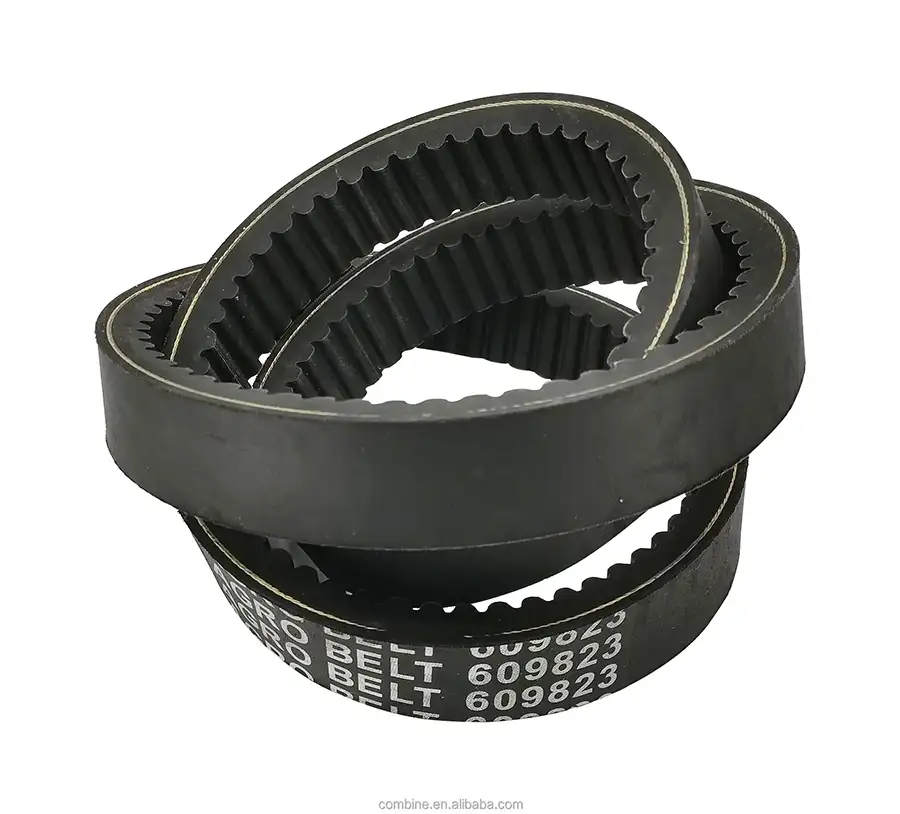
Z34121 rubber conveyor v belt combine harvester belts for agricultural harvester
  • Z34121 rubber conveyor v belt combine harvester belts for agricultural harvesterZ34121 rubber conveyor v belt combine harvester belts for agricultural harvester

Z34121 rubber conveyor v belt combine harvester belts for agricultural harvester

Boost your agricultural harvesters' efficiency with Raydafon Group's Z34121 rubber conveyor V belt for combine harvesters. Engineered from durable rubber, it ensures smooth, reliable operation in demanding harvesting conditions, reducing downtime and enhancing productivity. Ideal for farmers seeking sturdy, long-lasting belts that deliver consistent performance, solving wear-and-tear issues with ease. Unlike standard belts, its superior design offers enhanced grip and flexibility. Trust Raydafon Group for quality that keeps your equipment running strong—upgrade today for a seamless harvest.

Z34121 Rubber Conveyor V Belt Combine Harvester Belts for Agricultural Harvester

Agricultural belt, also known as a drive belt or V-belt, plays an important role in agricultural machinery. It transmits power from the engine to various parts of the machine, allowing it to function properly.

Below is a table of some of the most common agricultural machinery that utilizes these belts:

[ninja_tables id="410625"]Z34121 rubber conveyor v belt combine harvester belts for agricultural harvester
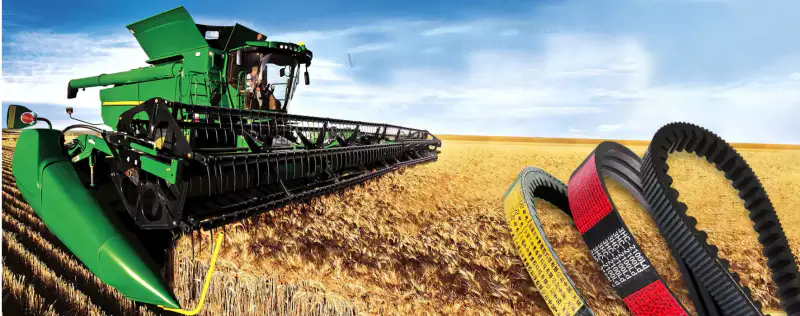
Applications of Agricultural Belt

1. Tractor Drive System

The agricultural belt is mainly used in the Power Take-Off (PTO) of tractors. It connects the tractor to external farming equipment such as plows, seeders, harvesters, shredders, water pumps, and more.

2. Combine Harvester

The belt is applied to the primary transmission system of combine harvesters. It transfers engine power to the threshing cylinder, cutter bar, cleaning system, and other moving parts.

3. Tillage Machinery

The belt is applied to tillage equipment such as rotary tillers, plows, and cultivators, to transfer power from the tractor to the working parts of the machinery.

4. Irrigation Equipment

The agricultural belt transmits the power from the tractor to the water pump or other driving parts in power-driven pumps and rotating irrigation systems.

5. Feed Processing Machinery

The belt is used to drive the mixing and cutting modules in feed mixers, silage cutters, and other equipment.
Z34121 rubber conveyor v belt combine harvester belts for agricultural harvester

Compatible Brands and Models for Z34121 Agricultural Belt

BrandModel
John Deere6620, 7720, 8820
ClaasLexion 400, 405, 410, 415, 420, 430, 435, 440, 450, 460, 465, 470, 480, 485, 490
Case IHAfx8010, 7010, 7120, 7230, 8010, 8120, 8230, 9120, 9230
New HollandCR920, CR940, CR960, CR970, CR980, CX8090, CX840, CX860, CX880, TR70, TR75, TR85, TR86, TR87, TR88, TR89, TR95, TR96, TR97, TR98, TR99, TX34, TX36, TX60, TX61, TX62, TX63, TX64, TX65, TX66, TX67, TX68, TX70, TX71, TX72, TX73, TX74, TX75, TX76, TX77, TX78, TX79

In addition to agricultural belts, we also provide other agricultural machinery parts such as agricultural chains, agricultural gearbox, pulley, sprocket, coupling, PTO shaft, concave and more. You can find all the agricultural machinery parts you need here.

Signs that Indicate the Need for Agricultural Belt Replacement

  • Obvious wear marks: Check the surface of the belt for cracks, frayed edges, thinning rubber, exposed fabric layers, and rubber chunks.
  • Looseness: The belt should run in a properly tensioned state. If it is too loose, it may sag excessively or lose tension over time.
  • Slipping: If the machine emits a sharp squealing sound at the belt, or if you feel a drop in engine power output or RPM, it may indicate slippage. Check the belt tension and its friction, and replace if necessary.
  • Overheating: The belt may overheat if it is too tight or has internal structural damage, which can accelerate aging and damage.
  • Smell or burn marks: Smelling burnt rubber or seeing melting or scorch marks on the belt indicates that the belt is overloaded and may be partially or completely damaged. Replace the belt immediately.
  • Abnormal vibration or noise: If the belt is about to fail, it may cause additional vibration or noise when the machine is running.

How to Choose the Right Agricultural Belt

  1. Belt type: The most commonly used type in agricultural machinery is the V-belt (also known as a triangular belt), which comes in various sizes such as A, B, C, D, and others. Choose a belt that matches the original equipment manufacturing (OEM) specifications.
  2. Length: Measure or calculate the exact length of the belt needed based on the agricultural machinery specifications to ensure proper installation and tension.
  3. Power Requirements: Make sure the belt can handle the engine's output power by selecting a belt with the correct horsepower rating equal to or greater than the power requirements of the drive system.
  4. Material: High-quality rubber belts have superior wear resistance, high-temperature resistance, oil resistance, and aging resistance.
  5. Belt pulley groove size: The belt must match the groove width and depth of the pulley to ensure proper meshing and avoid slipping or premature wear.

Author: Miya

Hot Tags: Z34121 Conveyor V Belt, Combine Harvester Belts, Agricultural Machinery Belts
Send Inquiry
Contact Info
Get customized quotes for transmission components, gearboxes, and machinery. Our engineers will respond within 24 hours.
Online
X
We use cookies to offer you a better browsing experience, analyze site traffic and personalize content. By using this site, you agree to our use of cookies. Privacy Policy
Reject Accept