
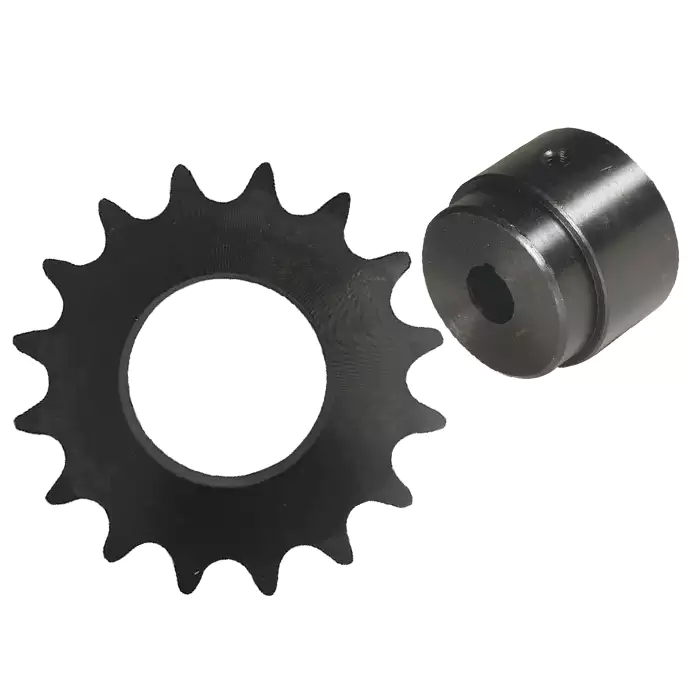
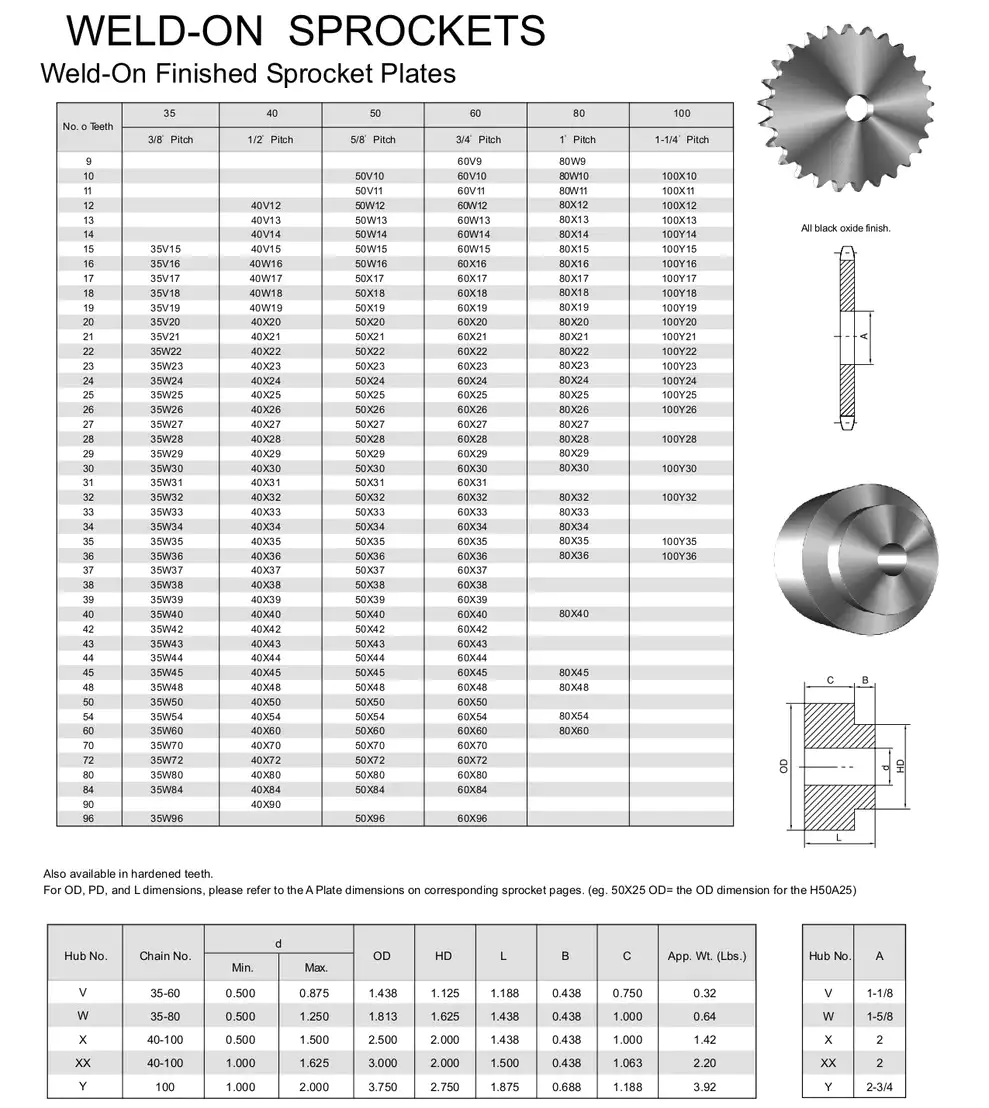
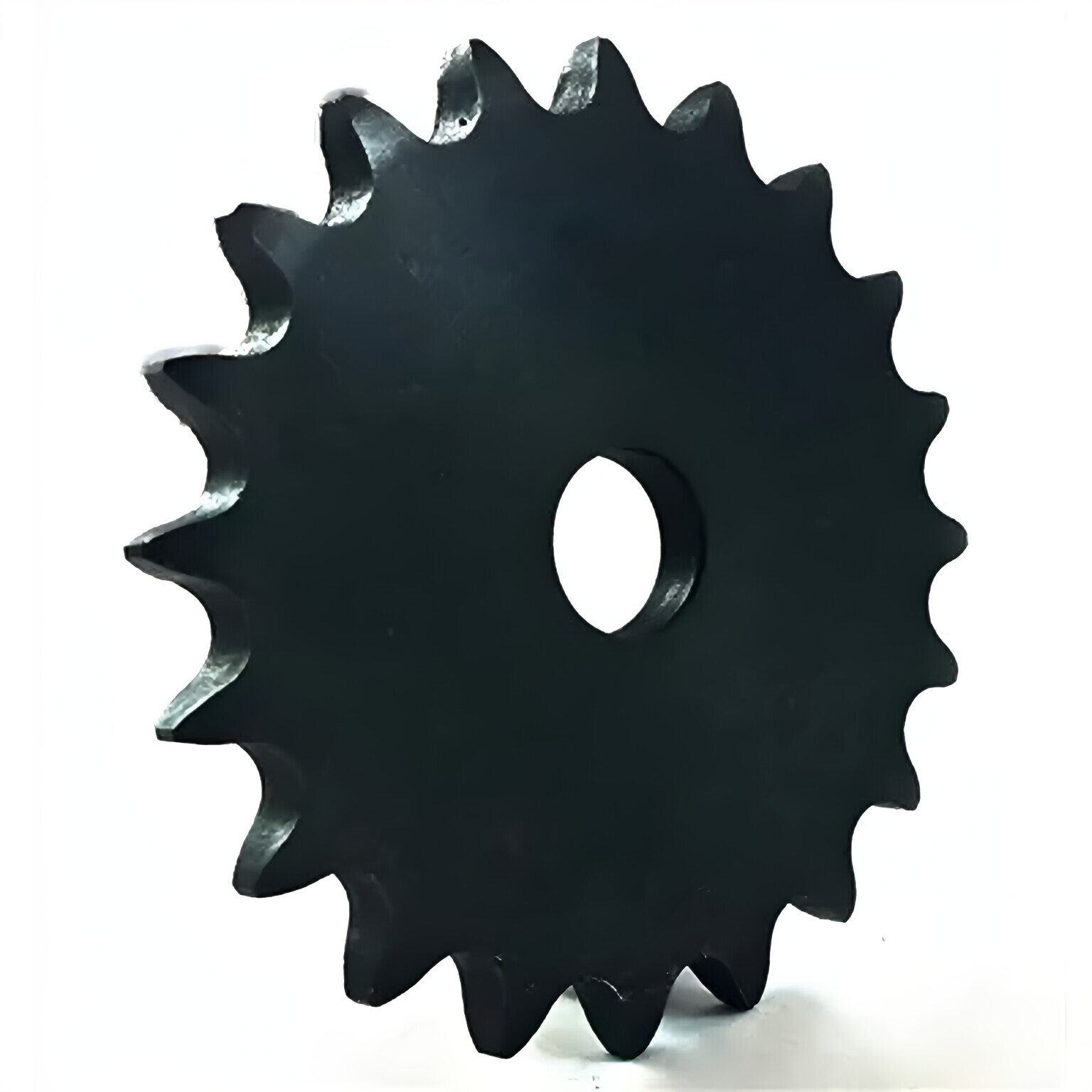
A weld-on sprocket is a type of sprocket that is designed to be welded onto a shaft or hub. It is commonly used in various industrial applications to transmit rotational motion and power.
The weld-on sprockets we offer are made from high carbon steel, alloy steel, or stainless steel. The manufacturing process includes material selection, cutting, punching, forging, machining (turning, milling, drilling), heat treatment (quenching, tempering, surface hardening), surface treatment (rust prevention), and quality inspection.
Weld-on sprockets are commonly used in applications that require special designs or sizes. Users can choose the appropriate hub for welding based on the actual shaft diameter.
Weld-on sprockets are made from high-quality materials and undergo various manufacturing processes, resulting in high strength and durability.
Weld-on sprockets can be customized to meet specific design and size requirements, allowing for flexibility in various applications.
Weld-on sprockets can be easily welded onto shafts or hubs, providing a secure and reliable connection.
Weld-on sprockets offer a cost-effective solution for power transmission systems, providing long-lasting performance and reducing maintenance costs.
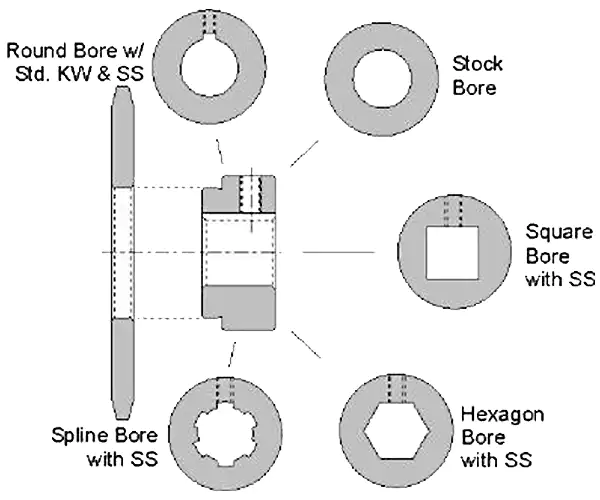
We provide various hub options for the weld-on sprockets, including circular bores, keyways, and set screws, allowing for easy installation and secure attachment.
To ensure optimal performance and longevity of the sprockets, regular maintenance is required:
Inspect the sprockets for any signs of damage, wear, or misalignment.
Keep the sprockets clean by removing dirt, debris, and lubricant buildup.
Apply appropriate lubrication to reduce friction and wear between the sprocket and the chain.
Ensure proper tension and alignment of the chain by adjusting and calibrating the sprockets as needed.
Here are some common problems that may occur with sprockets and their corresponding solutions:
Check for worn, damaged, or misaligned teeth and replace the sprocket if necessary.
If a sprocket breaks, inspect for excessive load or fatigue and replace with a new one.
Regularly monitor the condition of the sprocket and replace if the teeth are significantly worn down.
If the sprocket generates excessive noise, investigate for misalignment, loose attachments, or inadequate lubrication.
Ensure proper tension and alignment of the chain, and check for any damaged links or attachments.
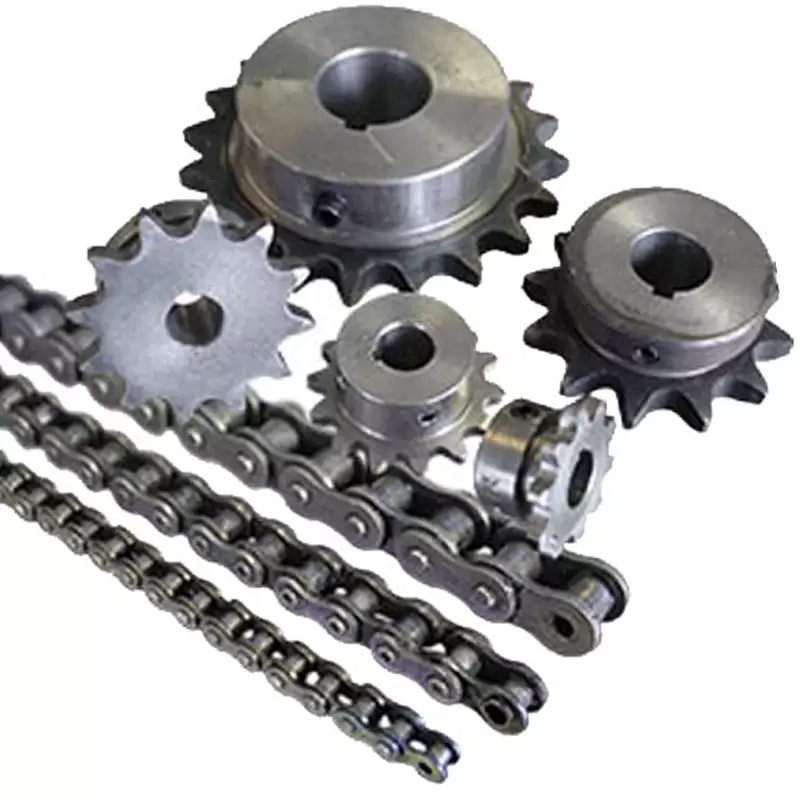
We also provide other types of sprockets, such as platewheel sprockets, qd sprockets, taper lock sprockets, and matching chains for various applications.
Author: Miya
Address
Luotuo Industrial Area, Zhenhai District, Ningbo City, China
Tel

 Raydafon