
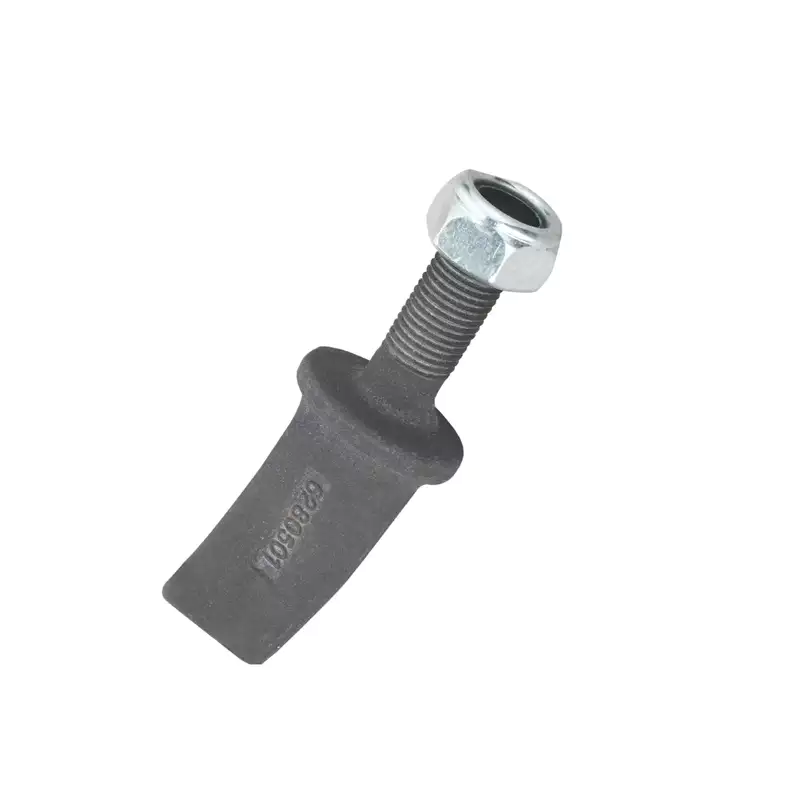
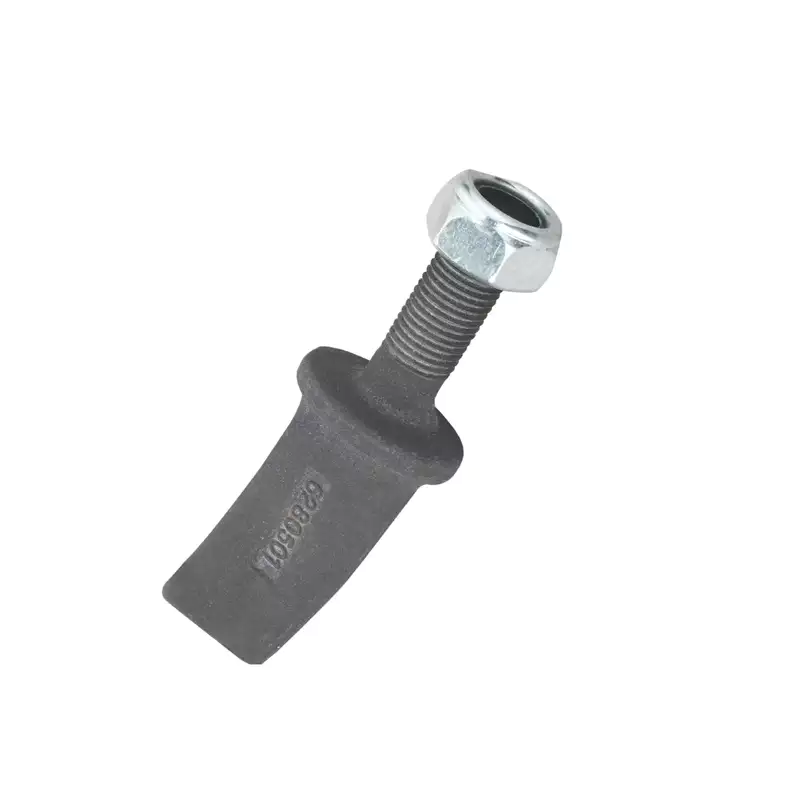
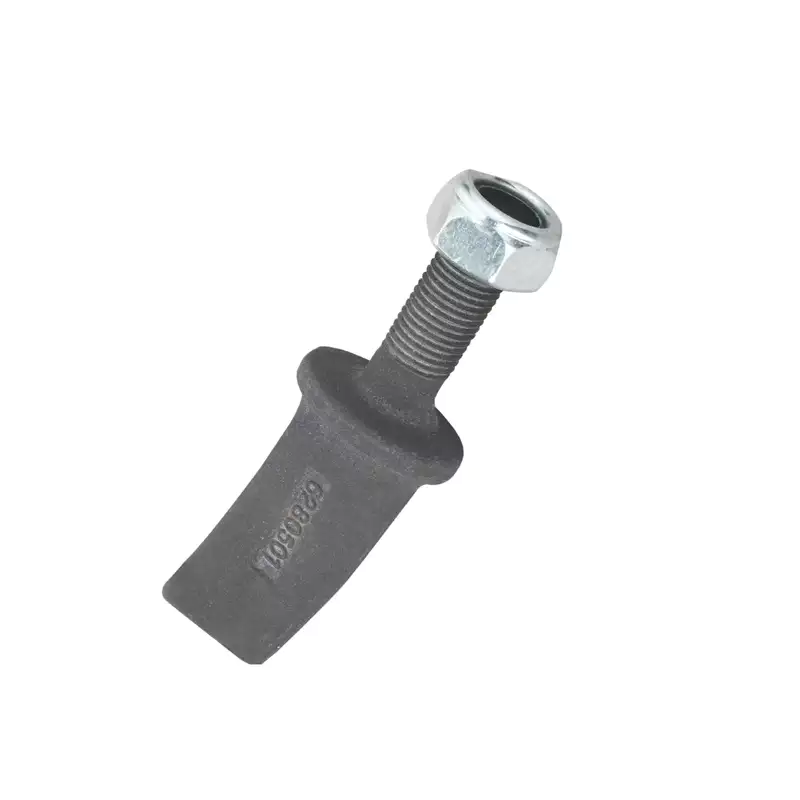
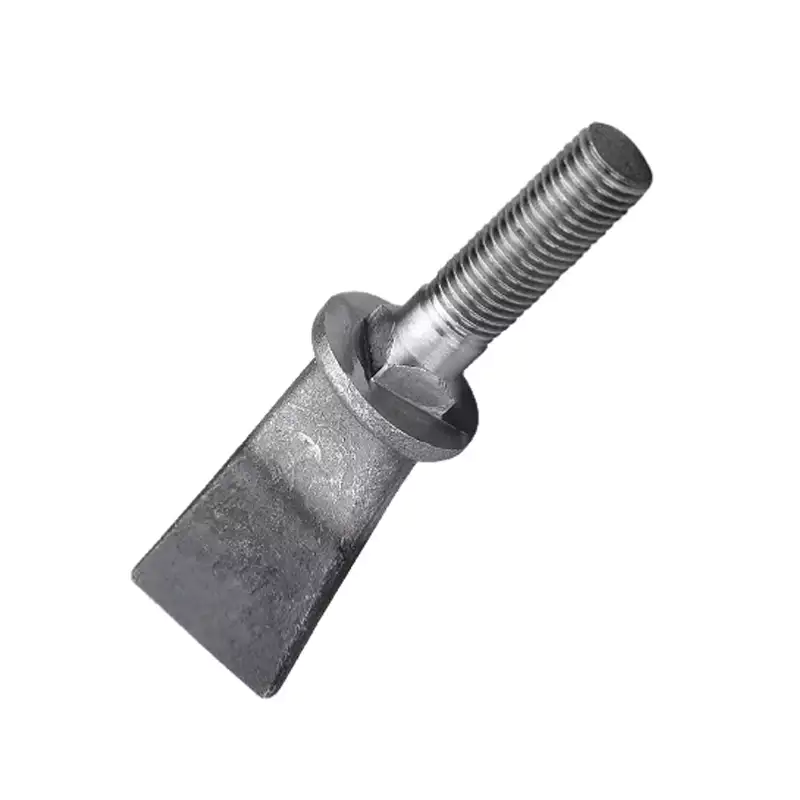
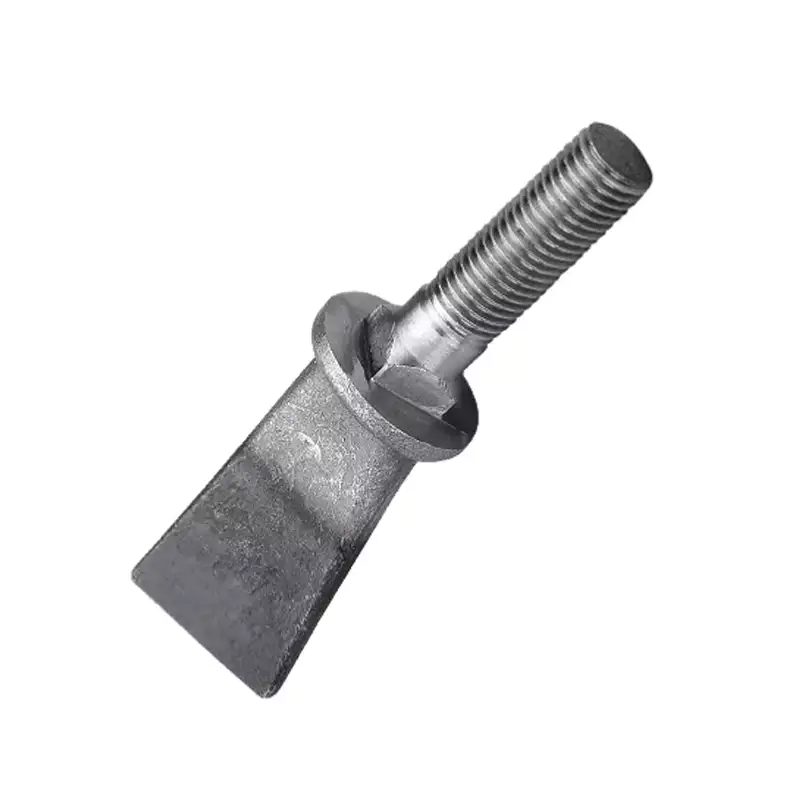
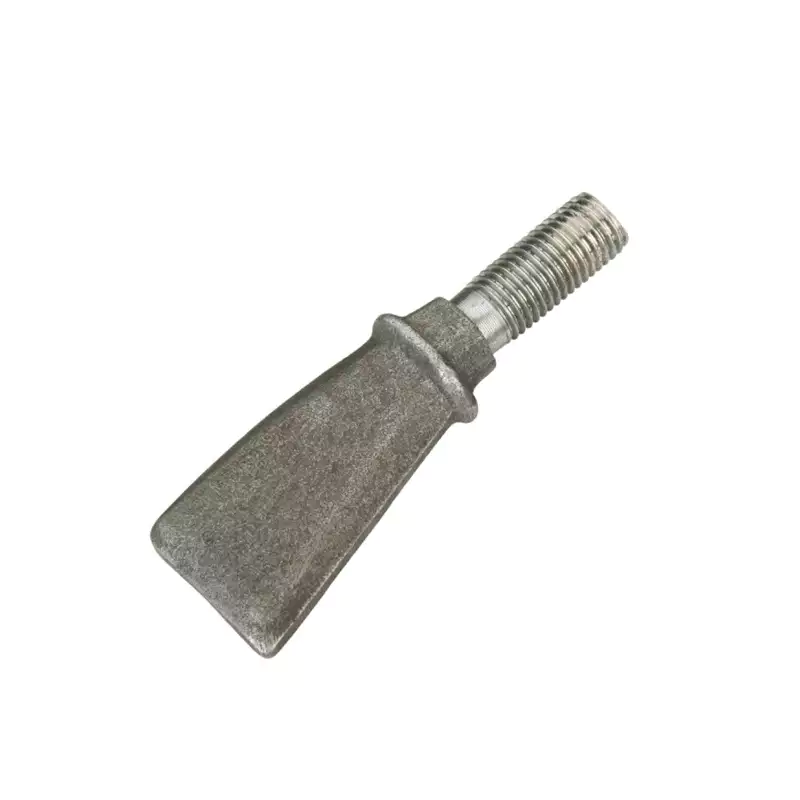
Cylinder spike tooth is a component of the concave system in combine harvesters that helps with threshing and separating the grain from the crop material. It consists of a series of steel spikes that are mounted on a cylinder and rotate against a stationary concave, providing the necessary cutting and threshing force for efficient grain separation.
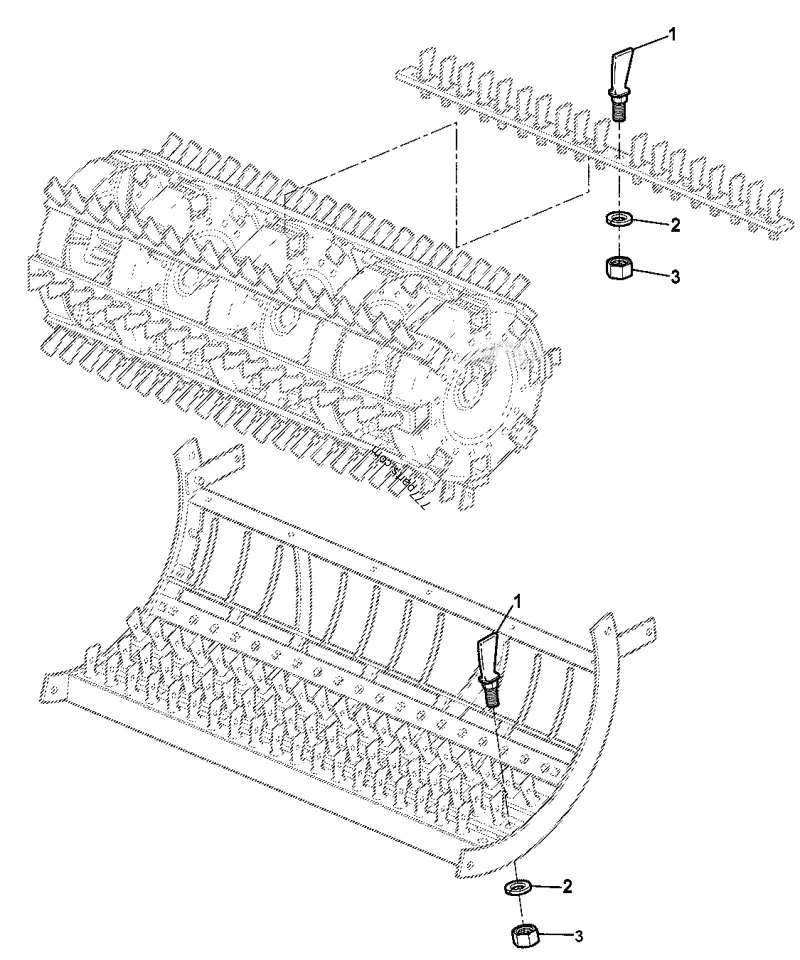
Cylinder spike tooth is commonly used in combine harvesters, particularly in the concave system. It is located between the rotor and the straw walker and is responsible for separating the grain from the straw.
Our 396576 Cylinder Spike Tooth for Combine Harvesters Concave is compatible with many popular agricultural machinery brands and models. Here is a list of some of the brands and models:
| Brand | Model |
|---|---|
| John Deere | 9600, 9610, 9650, 9750, CTS |
| Claas | Lexicon, Tucano, Dominator |
| New Holland | CR, CX, TR |
We also provide other agricultural machinery parts, including agricultural chains, agricultural gearbox, pulley, sprocket, coupling, PTO shaft, concave, and more.
If the combine harvester is not effectively separating the grain from the crop material, causing increased grain loss or leaving a large amount of grain in the straw, it may be a sign that the cylinder spike tooth is severely worn and can no longer provide sufficient cutting and threshing force.
Directly inspecting the spikes on the cylinder, if there are broken or missing spikes, significant wear or deformation, or blunt tips, it may indicate that the cylinder spike tooth has reached the end of its service life and needs to be replaced.
If the combine harvester inhales stones, metal fragments, or other hard debris during operation, it can cause spike damage that seriously affects the threshing function. The damaged spikes need to be replaced promptly.
If the combine harvester makes an abnormal noise during operation, it may be due to abnormal contact or impact between the damaged cylinder spike tooth and other parts.
If the combine harvester experiences increased power consumption due to cylinder spike tooth wear, it may require greater power to achieve the same threshing effect, resulting in increased engine load or fuel consumption.
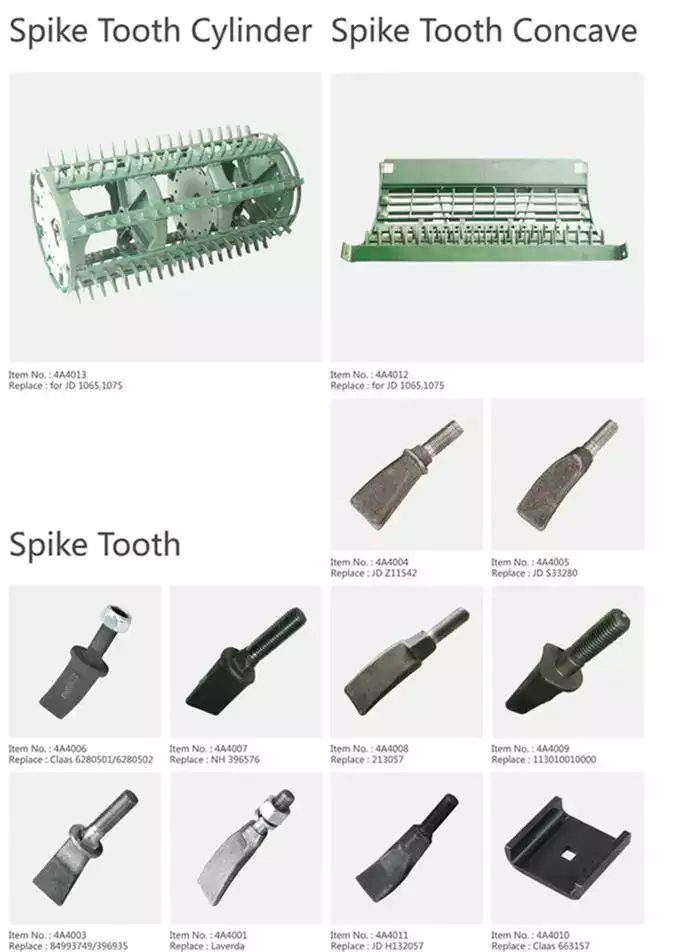
Different types of crops have different requirements for cylinder spike tooth. For example, for small-grain crops such as wheat or rice, which have small particles and soft straw, choosing a spike type that is more suitable for fine threshing is recommended. In contrast, crops such as corn, with larger grains and harder straw, require a spike design that is more durable and has greater penetration force.
There are many spike shapes, including straight, angled, and curved, and each has its specific application. The arrangement density also affects the threshing efficiency and the degree of damage to the crop. Generally, high-density arrangements are suitable for fine threshing, while low-density arrangements reduce damage to the straw.
The spike material must be wear-resistant, corrosion-resistant, and have certain toughness to ensure stable performance under long-term use. The choice of hardness is also critical, as excessive hardness can cause premature wear and damage to the crop, while excessive softness can cause faster wear and affect service life.
Author: Miya
Address
Luotuo Industrial Area, Zhenhai District, Ningbo City, China
Tel


 Raydafon