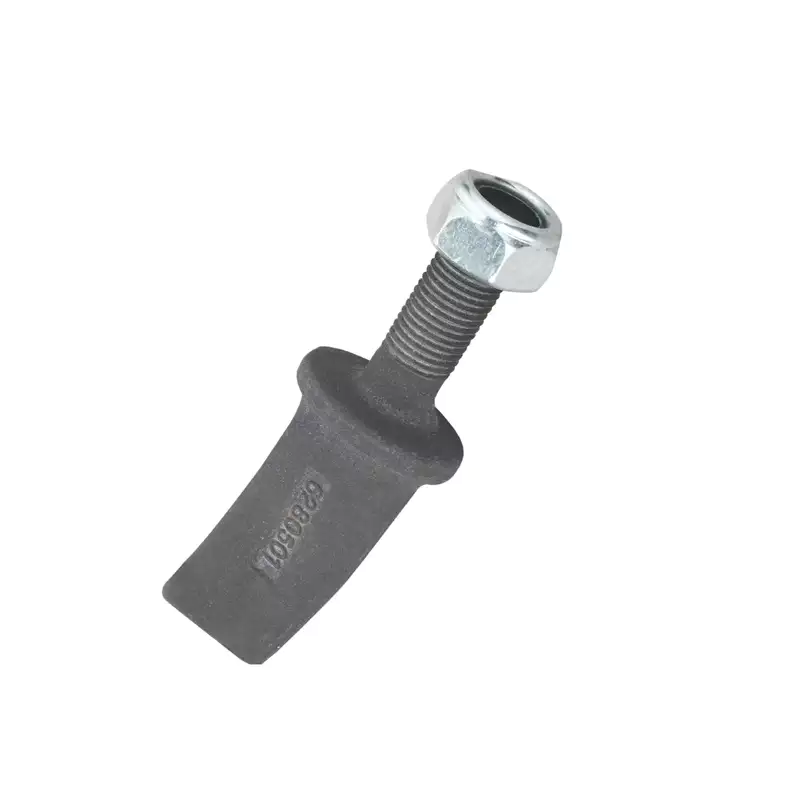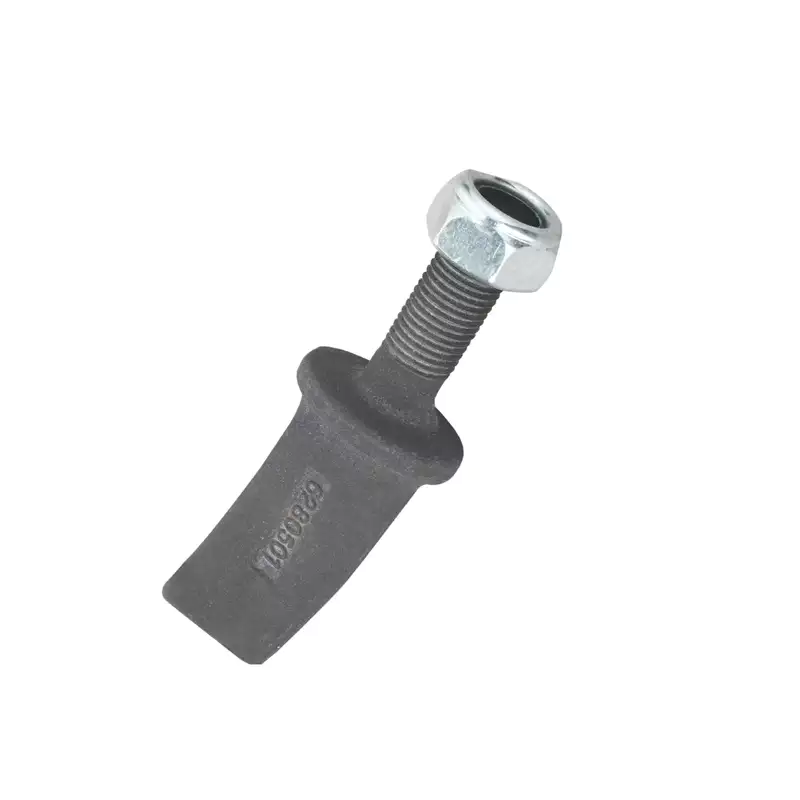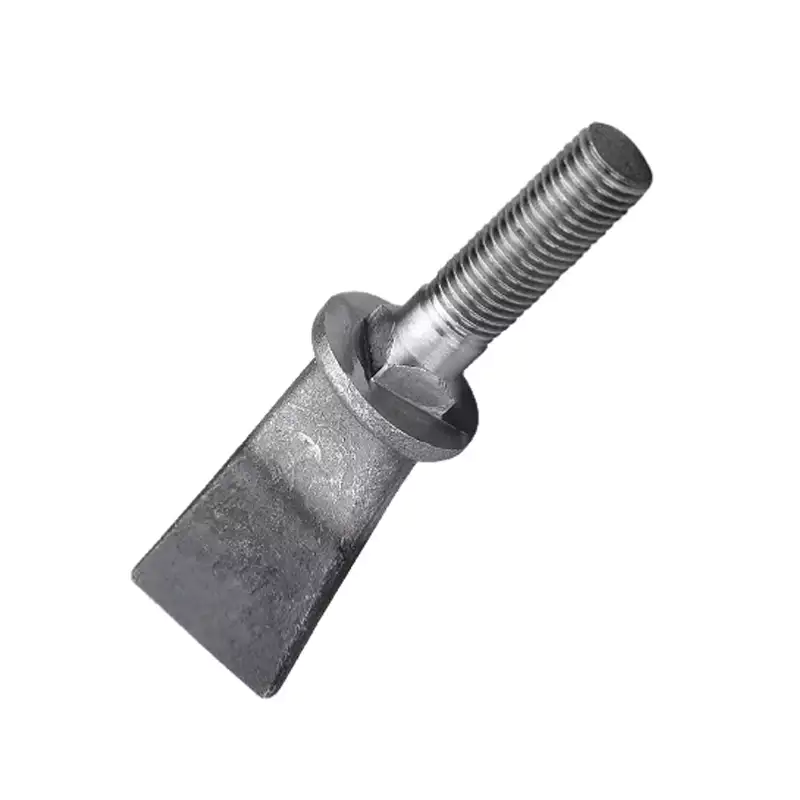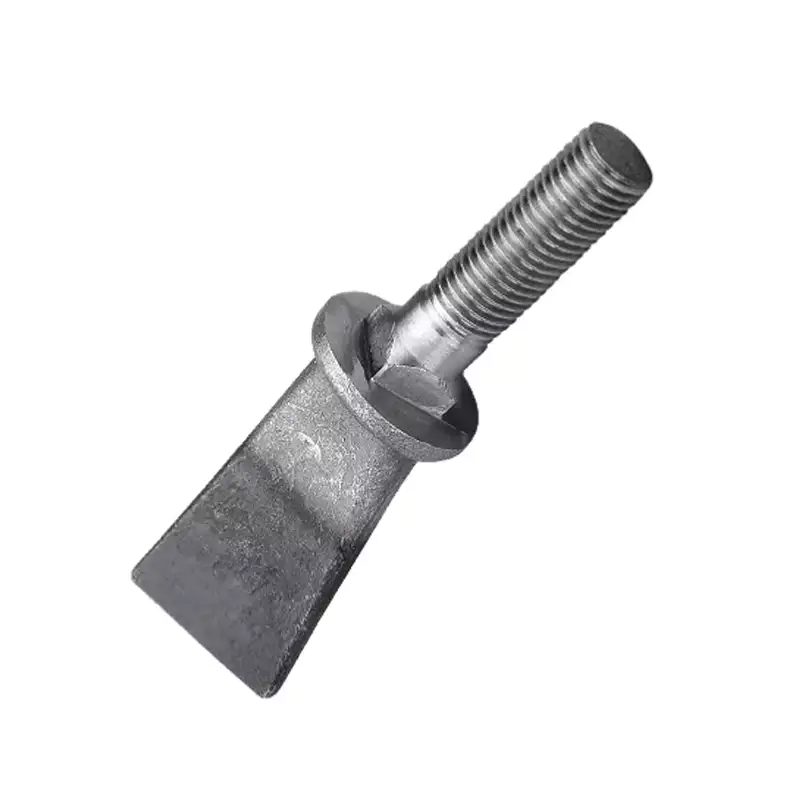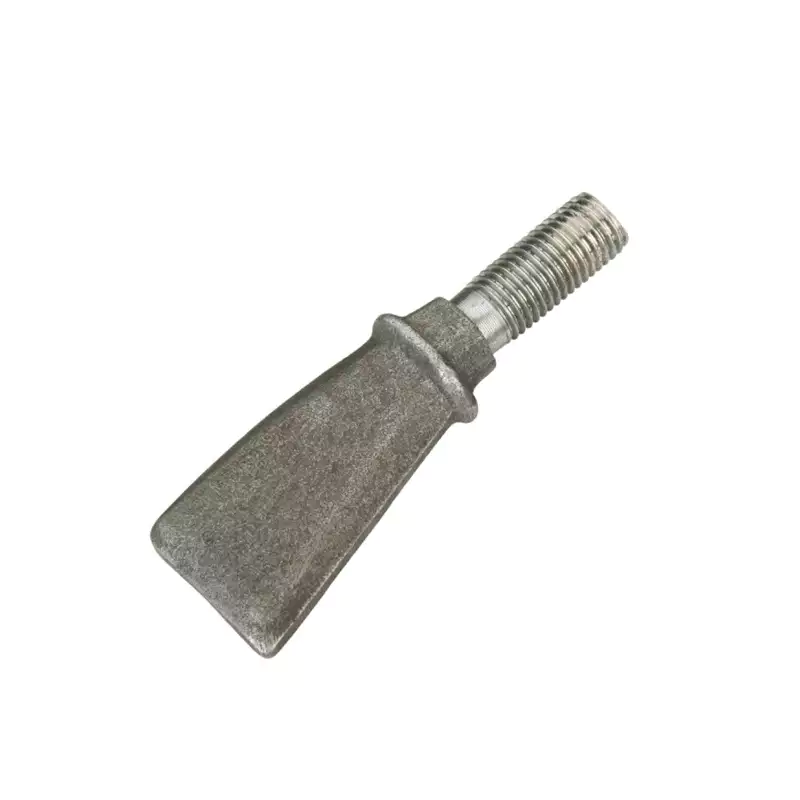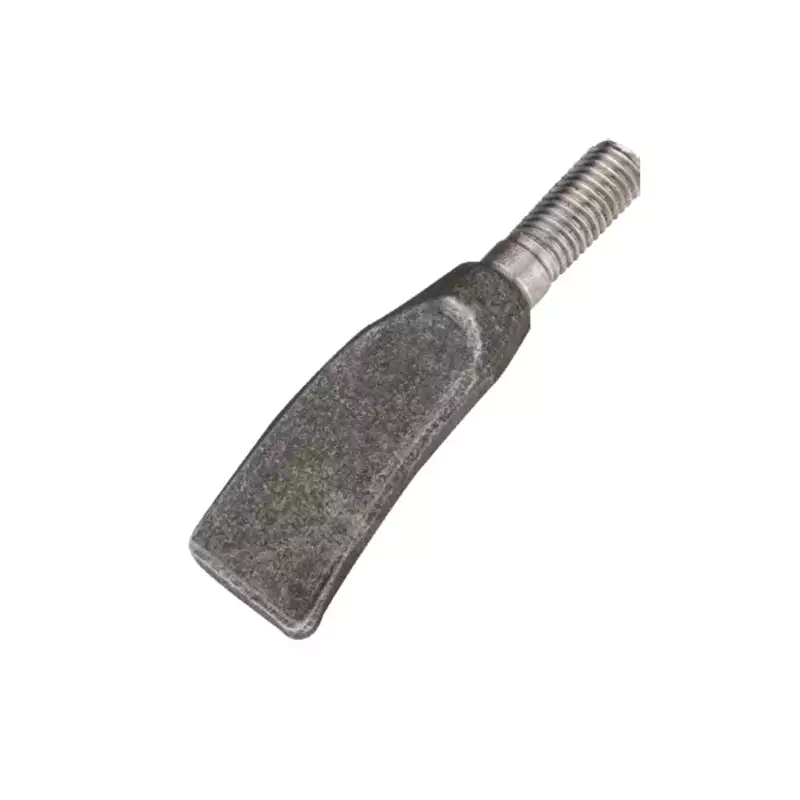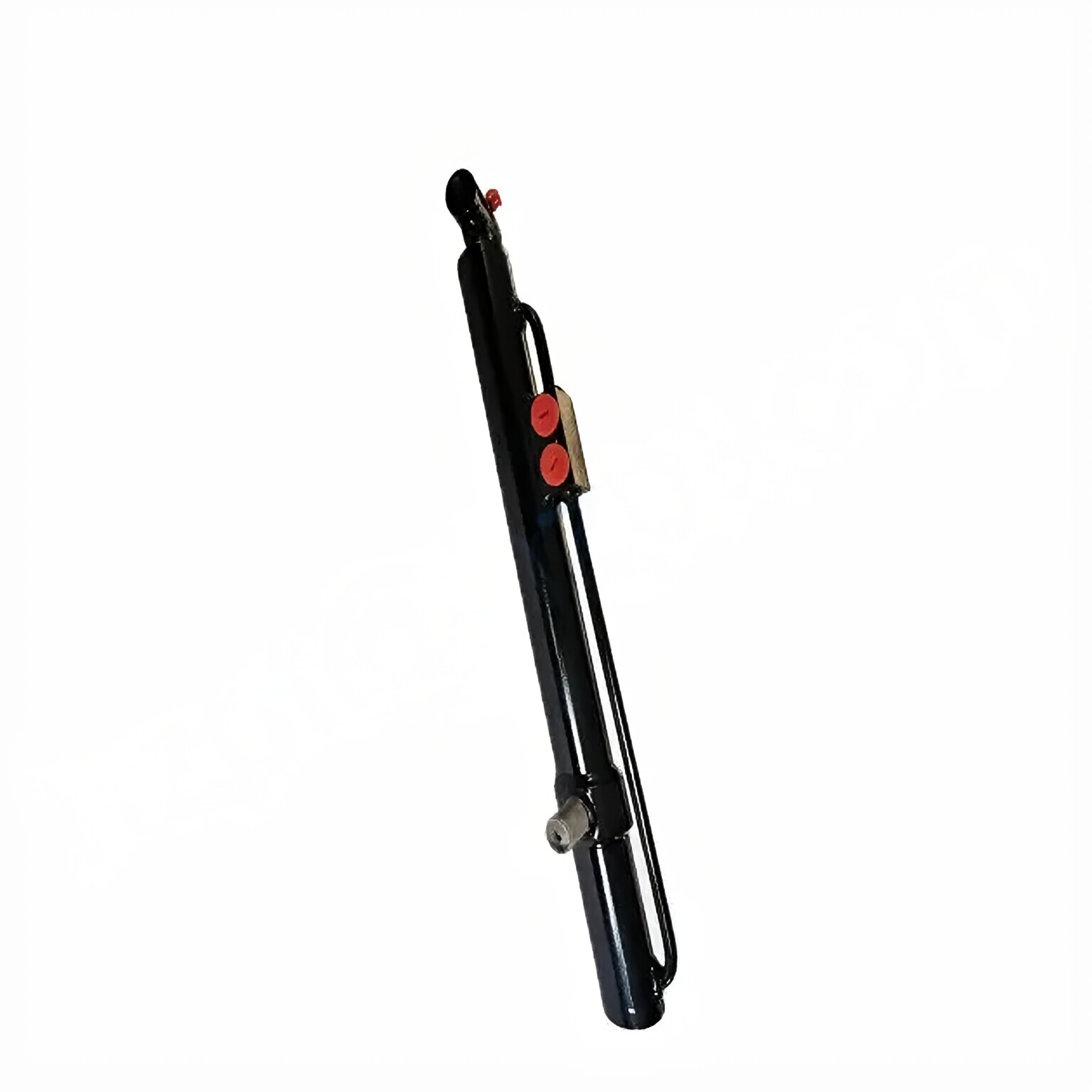
Cylinder Spike Tooth Z11542 84993749 H132057 628050 for Combine harvester machine spare parts
Discover the Raydafon Group Cylinder Spike Tooth Z11542 84993749 H132057 628050, an essential spare part for combine harvester machines. Crafted with durable materials and precision engineering, this product ensures reliable performance, enhancing harvesting efficiency and reducing downtime. Perfect for farmers and agricultural professionals, it delivers peace of mind through seamless operation, offering superior durability and compatibility compared to standard alternatives. Invest in quality and keep your equipment running smoothly with this trusted solution from Raydafon Group.
Cylinder Spike Tooth Z11542 84993749 H132057 628050 for Combine harvester machine spare parts
What is Cylinder Spike Tooth and its role in agricultural machinery?
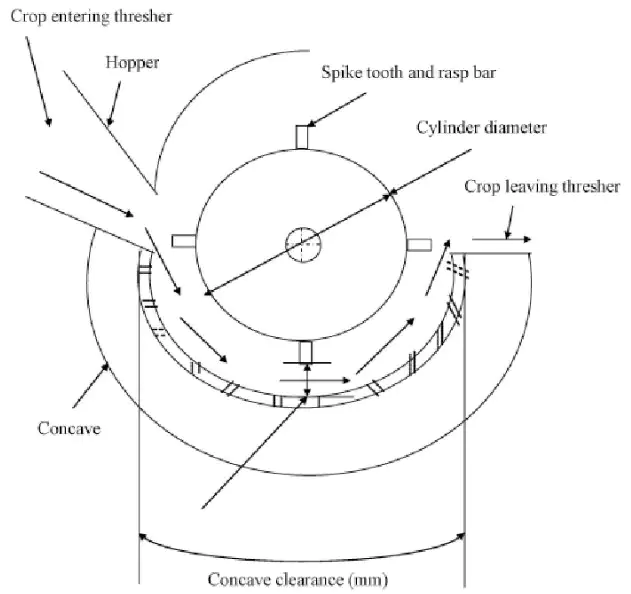
Cylinder spike tooth is a key component of combine harvesters used in agriculture for efficient threshing and separating of crops. It is a spiked cylinder that rotates and separates the grain from the straw.
Here is a table of some of the Cylinder Spike Tooth models:
[ninja_tables id="410474"]
Applications of Cylinder Spike Tooth in agricultural machinery
Cylinder spike tooth is mainly used in combine harvesters, in the threshing section. It is located between the concave and rotor.
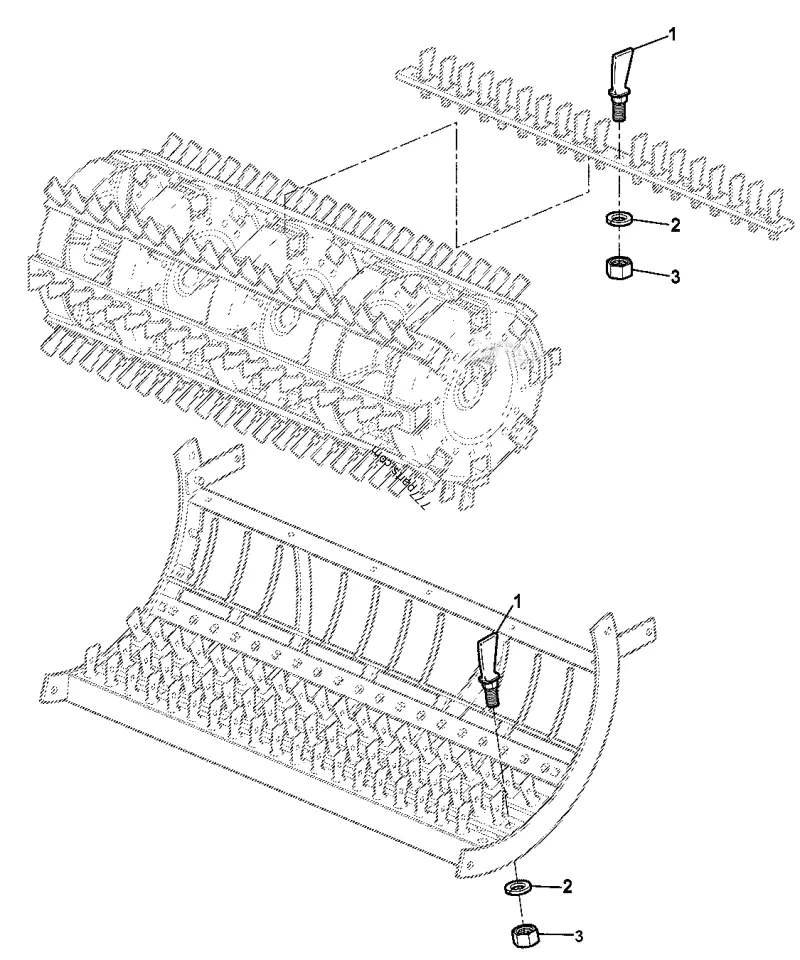
Cylinder Spike Tooth models compatible with different brands and models of agricultural machinery
Here is a table of Cylinder Spike Tooth models compatible with different brands of combine harvesters:
We also provide other spare parts for agricultural machinery, including agricultural chains, agricultural gearbox, pulley, sprocket, coupling, PTO shaft, concave, etc.
When to replace Cylinder Spike Tooth in agricultural machinery?
It is important to replace Cylinder Spike Tooth in agricultural machinery when the following signs appear:
Reduced threshing efficiency: If the grain is not effectively separated from the straw, causing an increase in grain loss, or if there are a large number of grains remaining in the straw, it may indicate severe wear of the spike tooth cylinder, which can no longer provide enough cutting and separating force.
Significant wear: If the spike teeth are broken, missing, severely worn, or deformed to the point of blunting, or if the height of the spike teeth has decreased significantly, it means that the service life of the cylinder has come to an end and new spike teeth or a new cylinder must be replaced.
Foreign object damage: When hard objects such as stones, metal fragments, or other debris are sucked in during operation, causing spike teeth to break or damage, and severely affecting the threshing function, it is necessary to replace the damaged spike teeth in time.
Abnormal noise: If abnormal noise is heard during operation, it may be due to abnormal contact or impact between parts caused by spike tooth damage.
Increase in power consumption: Due to spike tooth wear, the machine may require more power to achieve the same threshing effect, manifested as increased engine load or increased fuel consumption.
How to choose the right Cylinder Spike Tooth?
When selecting a Cylinder Spike Tooth, the following factors should be considered:
Crop type: Different types of crops have different requirements for spike teeth. For example, for crops such as wheat or rice with small grains and soft straw, spike teeth types suitable for fine threshing can be selected; whereas for crops with large grains and hard straw like corn, a more durable and stronger penetrating spike teeth design is needed.
Spike tooth shape and arrangement: There are many shapes of spike teeth, including straight, oblique, and curved teeth, each of which has its specific applications. The density of arrangement also affects the threshing efficiency and the degree of damage to the crop. Generally, high-density arrangement is suitable for fine threshing, while low-density arrangement is beneficial to reduce damage to the straw.
Material and hardness: Spike tooth materials should have wear resistance, corrosion resistance, and certain toughness to ensure stable performance under long-term use. The choice of hardness is also crucial. Too hard may cause premature wear or crop damage, while too soft may cause faster wear and affect service life.
We use cookies to offer you a better browsing experience, analyze site traffic and personalize content. By using this site, you agree to our use of cookies.Privacy Policy