Raydafon Technology Group Co.,Limited
Products
Products
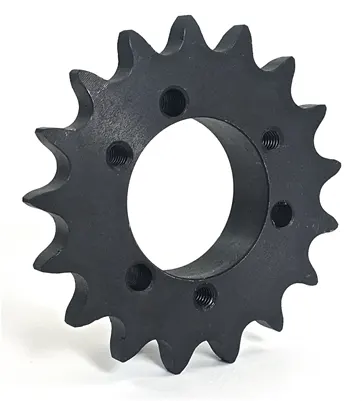
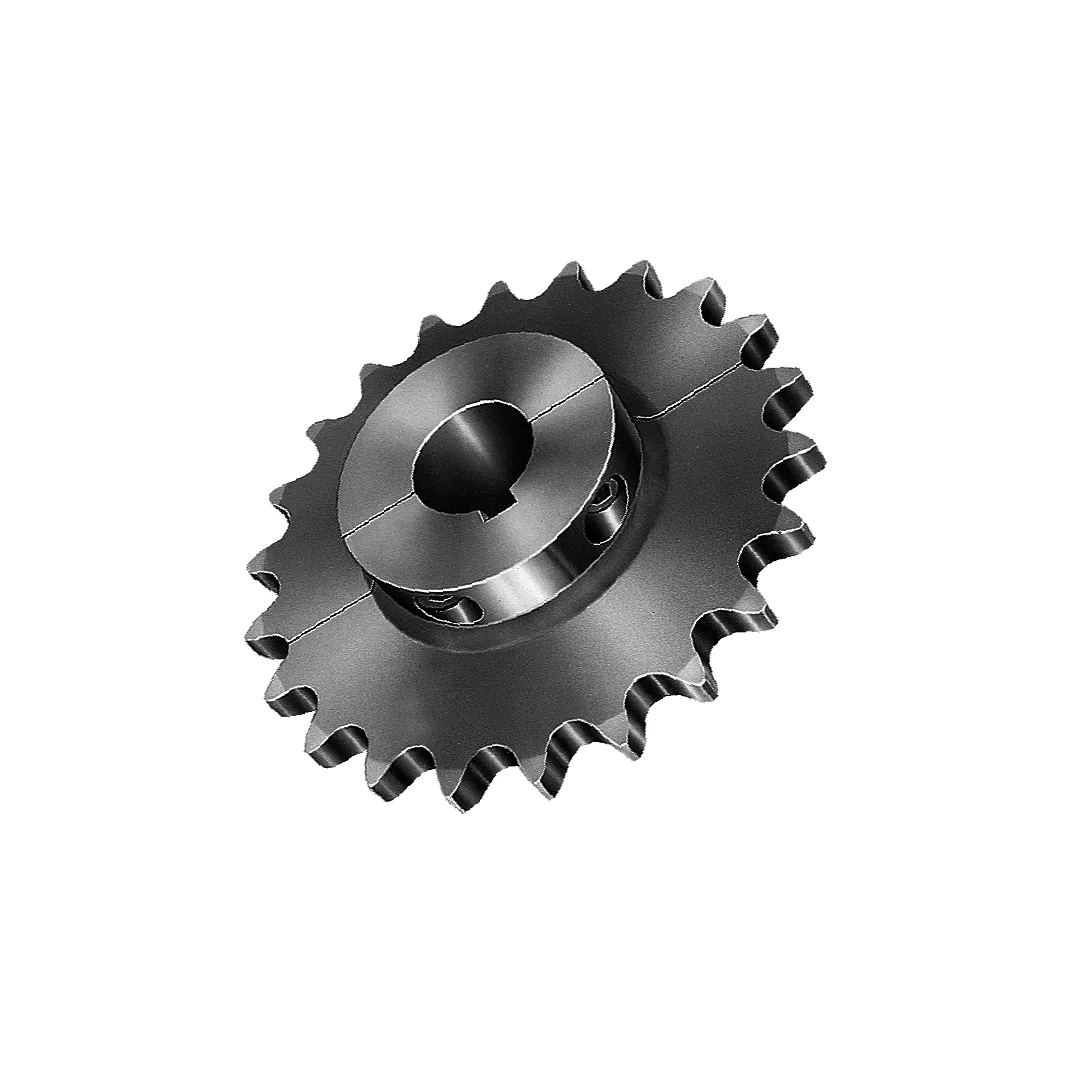
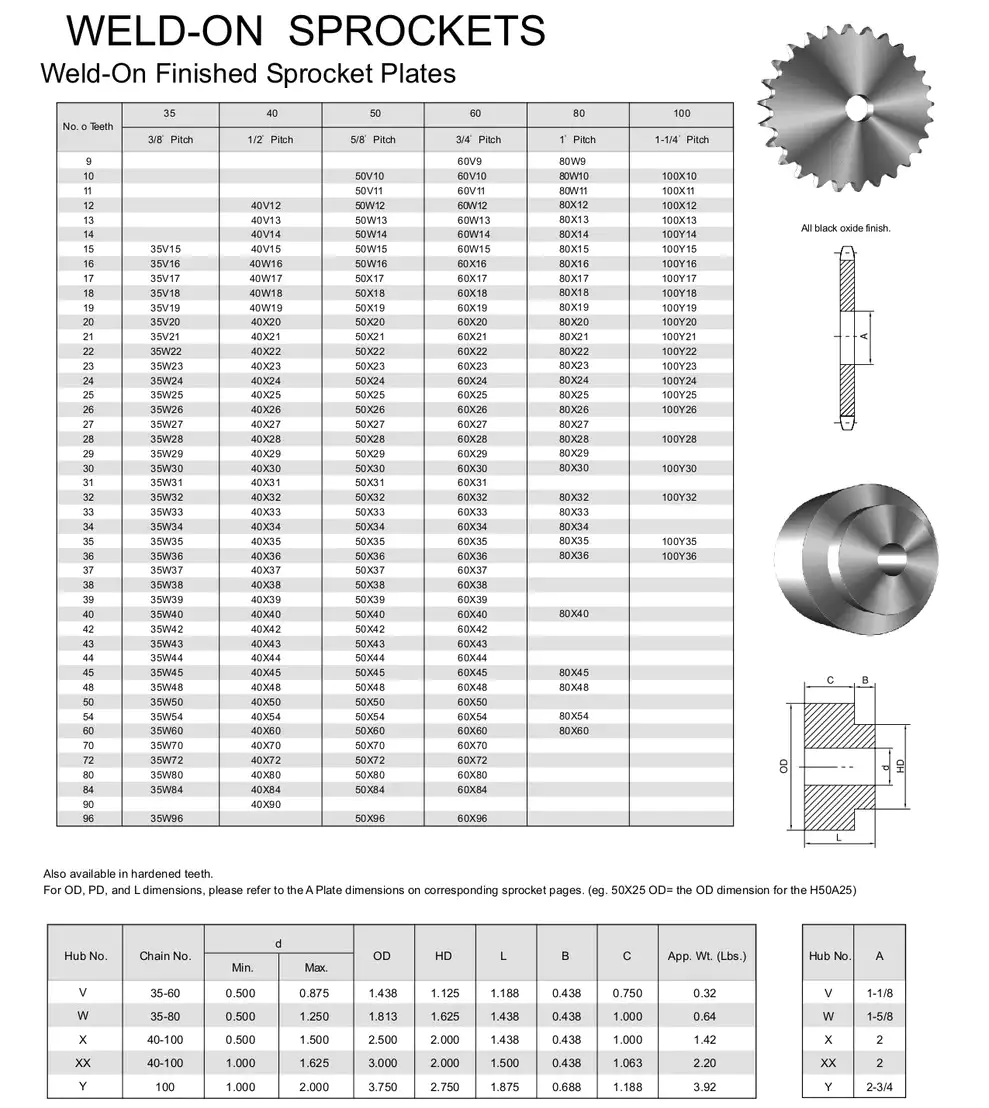
40V13 Weld-on Sprocket with Hub
  • 40V13 Weld-on Sprocket with Hub40V13 Weld-on Sprocket with Hub

40V13 Weld-on Sprocket with Hub

Discover the 40V13 Weld-on Sprocket with Hub by Raydafon Guoup, designed for industrial machinery requiring reliable power transmission. Featuring durable alloy construction and precision engineering, it ensures smooth, long-lasting performance in demanding applications like conveyors and heavy equipment. Its robust hub design minimizes wear, offering superior strength versus standard sprockets. Ideal for engineers and maintenance professionals, it solves common drivetrain issues, boosting efficiency and reducing downtime. Experience unmatched durability and seamless operation—upgrade your system with Raydafon Guoup today.

40V13 Weld-on Sprocket with Hub

Introduction to Weld-on Sprocket

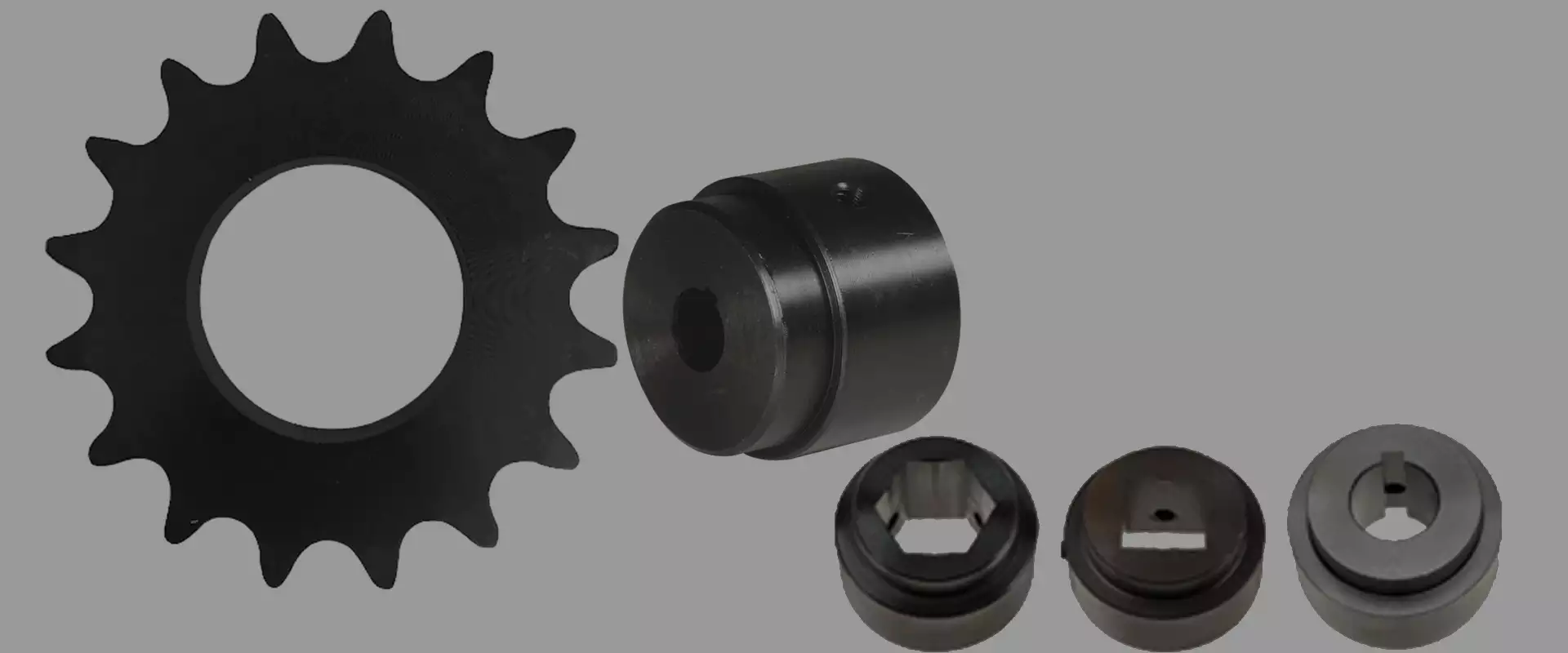
Weld-on sprockets are a type of chain sprocket that is welded onto a hub, providing a secure and long-lasting connection to a shaft. They are commonly used in conveyor systems, agricultural machinery, and industrial equipment.
40V13 Weld-on Sprocket with Hub

Materials and Process Used in Our Weld-on Sprocket

Our weld-on sprockets are made from high-carbon steel, alloy steel, or stainless steel, ensuring maximum strength and durability. The manufacturing process includes material selection, cutting, stamping, forging, machining, heat treatment, surface hardening, rust prevention, and quality inspection.

  • Material Selection: The proper material is chosen based on the application, ensuring the sprocket can withstand the required loads and stresses.
  • Cutting: The material is cut to the required size and shape.
  • Stamping and Forging: The sprocket is stamped or forged to form the teeth and hub.
  • Machining: The sprocket is machined to ensure precision and accuracy.
  • Heat Treatment: The sprocket is heat-treated to increase its hardness and strength.
  • Surface Hardening: The sprocket surface is hardened to resist wear and tear.
  • Rust Prevention: The sprocket is treated to prevent rust and corrosion.
  • Quality Inspection: The sprocket undergoes thorough testing to ensure it meets our high-quality standards.

Applications of Weld-on Sprocket

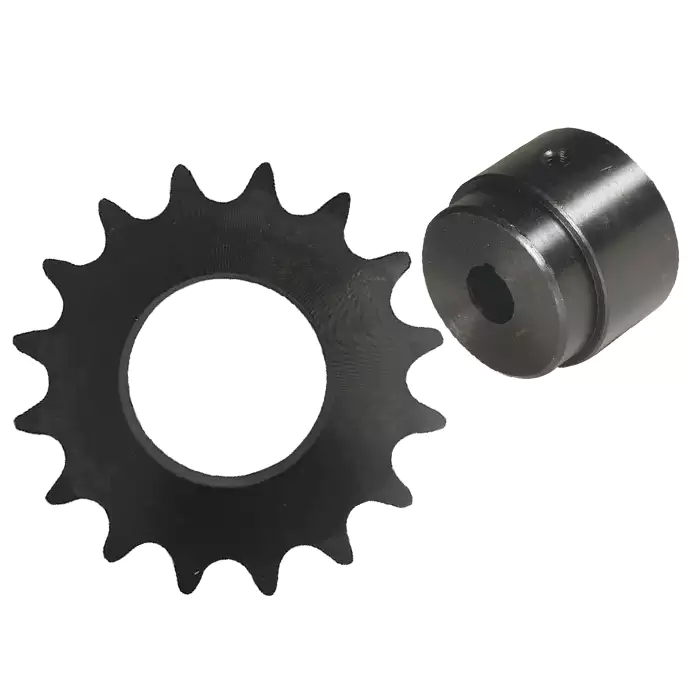
Weld-on sprockets are commonly used in applications where a secure connection to a shaft is required. They are ideal for use in conveyor systems, agricultural machinery, and industrial equipment. For applications requiring special design or sizing, users can choose the appropriate hub to weld onto the sprocket based on the actual shaft diameter.
Advantages of Weld-on Sprocket Compared to Ordinary Chain Sprocket

40V13 Weld-on Sprocket with Hub

  1. More Secure Connection: Weld-on sprockets provide a more secure connection to the shaft, reducing the risk of slippage or detachment.
  2. Greater Strength: The welded connection between the sprocket and hub provides greater strength and durability than an ordinary chain sprocket.
  3. Customizable: Users can choose the appropriate hub to weld onto the sprocket based on the actual shaft diameter, making it easy to customize to specific needs.
  4. Longer Lifespan: Weld-on sprockets have a longer lifespan than ordinary chain sprockets, reducing maintenance costs and downtime.

Types of Hubs We Provide

We provide a variety of hubs with circular bores, including:

  • C Type Hub
  • Weld-On Hub
  • QD Bushing Hub
  • Taper Lock Hub

Maintenance and Repair of Chain Sprockets

Regular maintenance and repair of chain sprockets is crucial to ensure optimal performance and lifespan. The following steps should be taken:

  1. Daily Inspection: Check the sprocket for any signs of wear, damage, or debris.
  2. Cleaning: Remove any dirt, debris, or grease from the sprocket.
  3. Lubrication: Apply lubricant to the sprocket to reduce friction and wear.
  4. Adjustment and Calibration: Make any necessary adjustments to ensure the sprocket is properly aligned and calibrated.

Common problems with chain sprockets include tooth skipping, breakage, wear, excessive noise, and chain derailment. To resolve these issues, the following solutions should be considered:

  • Tooth Skipping: Check for worn or damaged teeth and replace or repair as needed.
  • Breakage: Check for signs of fatigue or overloading and replace the sprocket if necessary.
  • Wear: If the sprocket is worn, it should be replaced to prevent further damage to the chain and other components.
  • Excessive Noise: Check for loose or misaligned sprockets and adjust as needed.
  • Chain Derailment: Check for worn or damaged chain links or sprocket teeth and replace as needed.

Other Types of Chain Sprockets We Provide

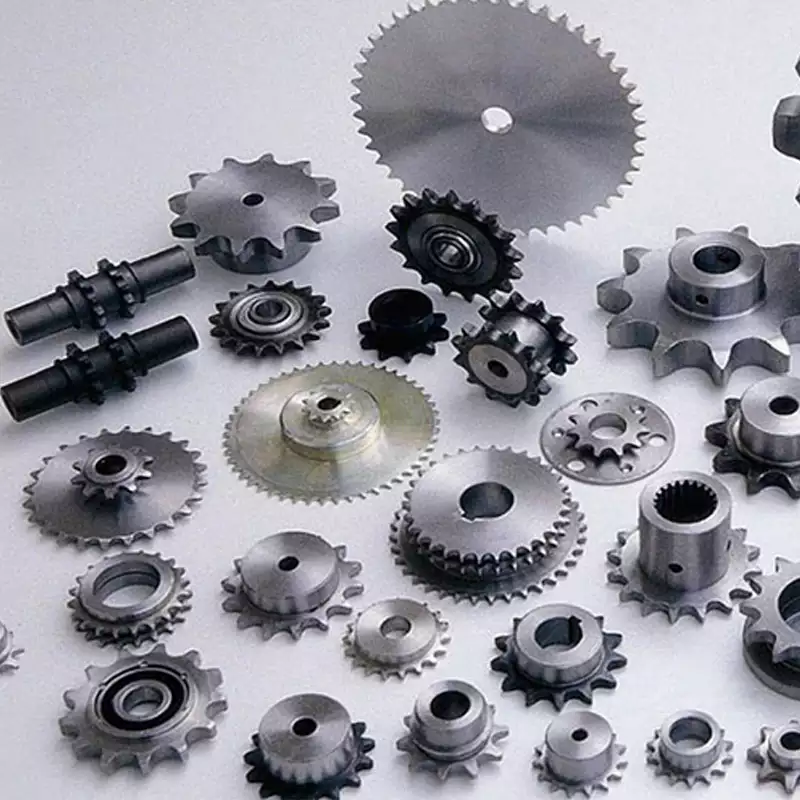
Aside from weld-on sprockets, we also provide other types of chain sprockets, such as platewheel sprockets, QD sprockets, and taper lock sprockets, as well as matching chains.
40V13 Weld-on Sprocket with Hub

Author: Miya

Hot Tags: 40V13 Weld on Sprocket, Weld-on Sprocket with Hub, Hub Sprocket Manufacturer
Send Inquiry
Contact Info
Get customized quotes for transmission components, gearboxes, and machinery. Our engineers will respond within 24 hours.
Online
X
We use cookies to offer you a better browsing experience, analyze site traffic and personalize content. By using this site, you agree to our use of cookies. Privacy Policy
Reject Accept