
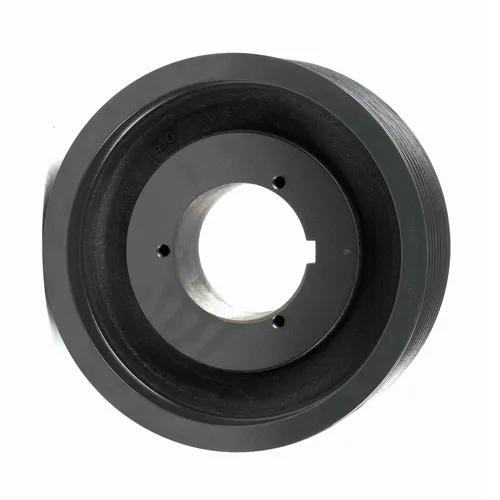
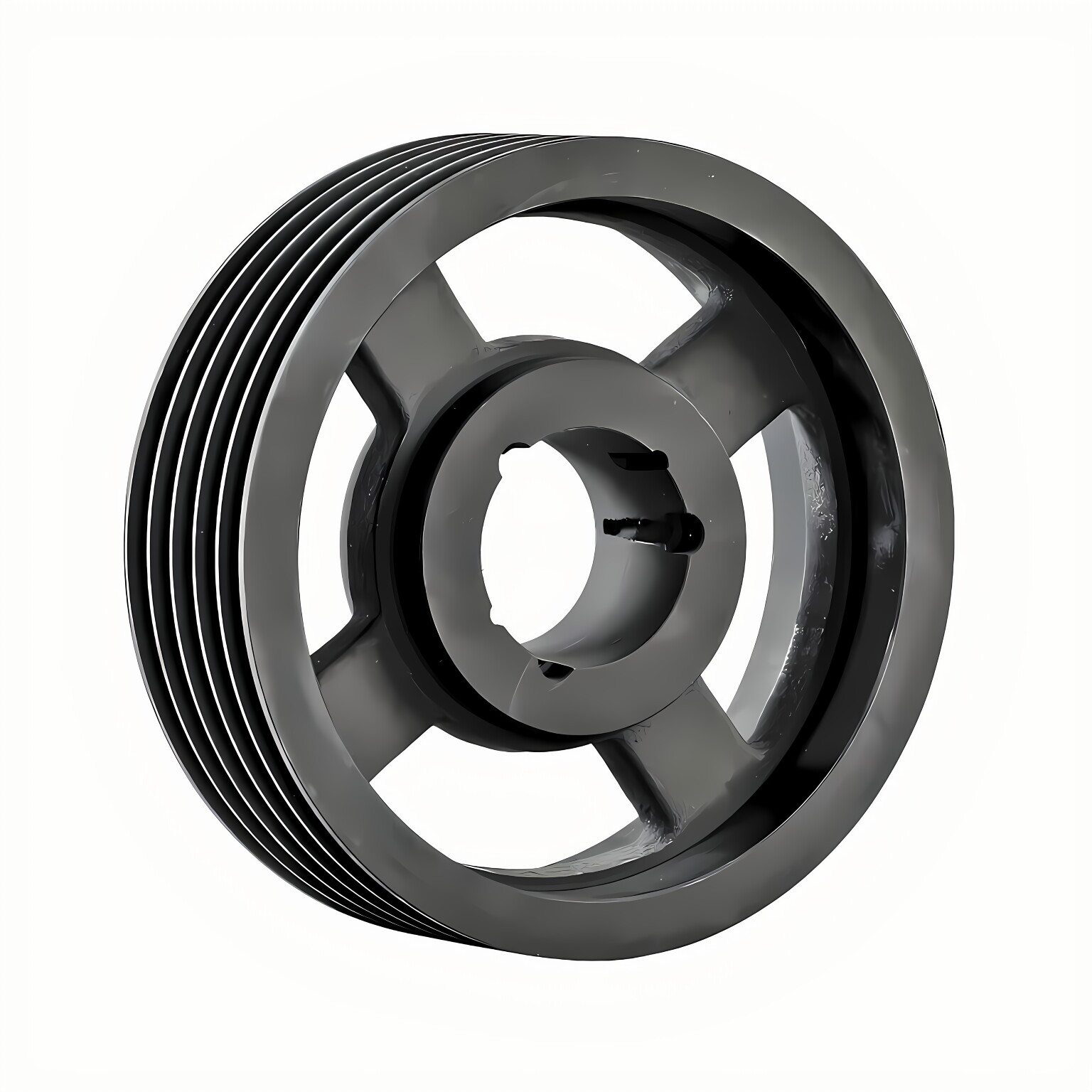
8V Series Cast Iron Sixteen-Groove Pulley Sheaves with Split Taper Bushings
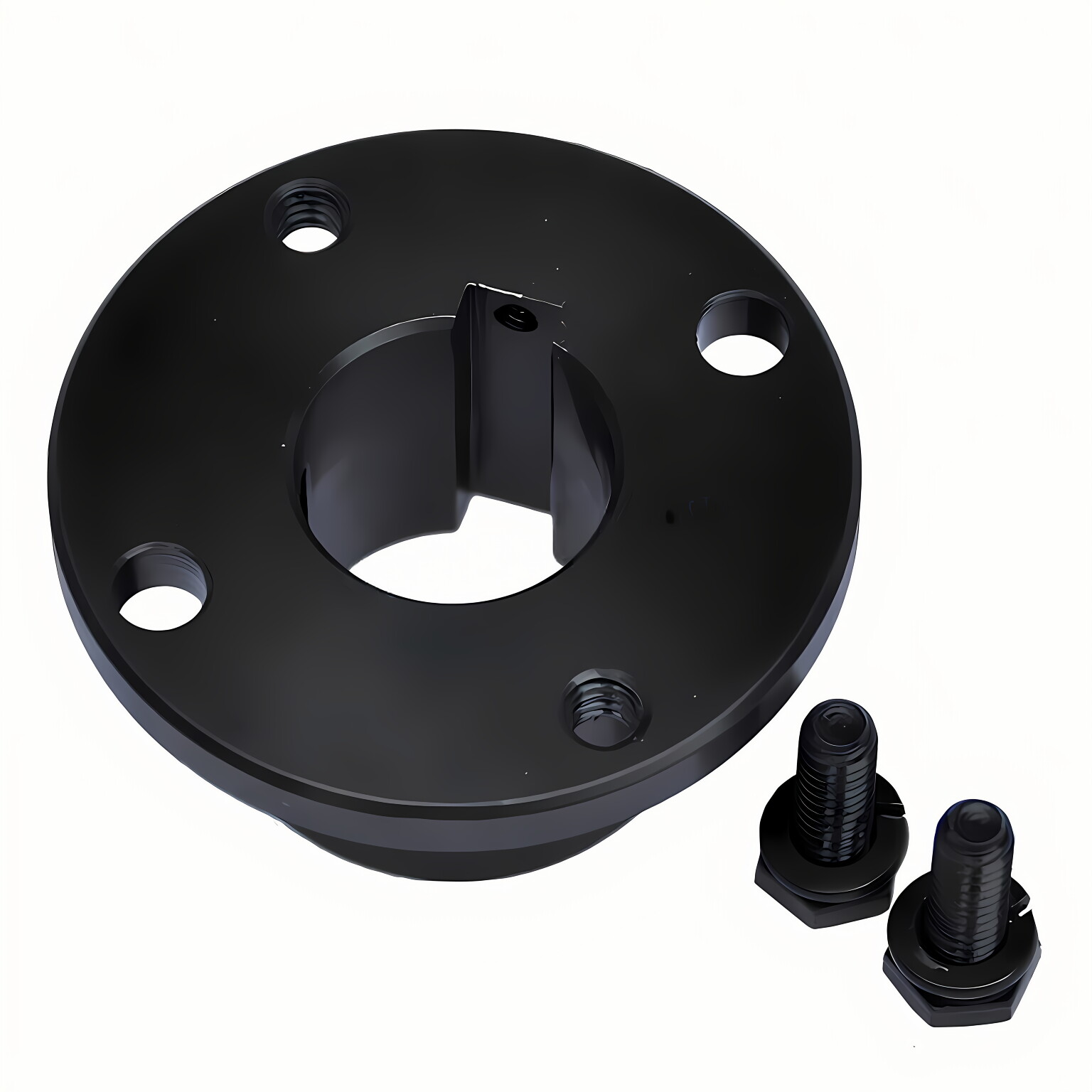
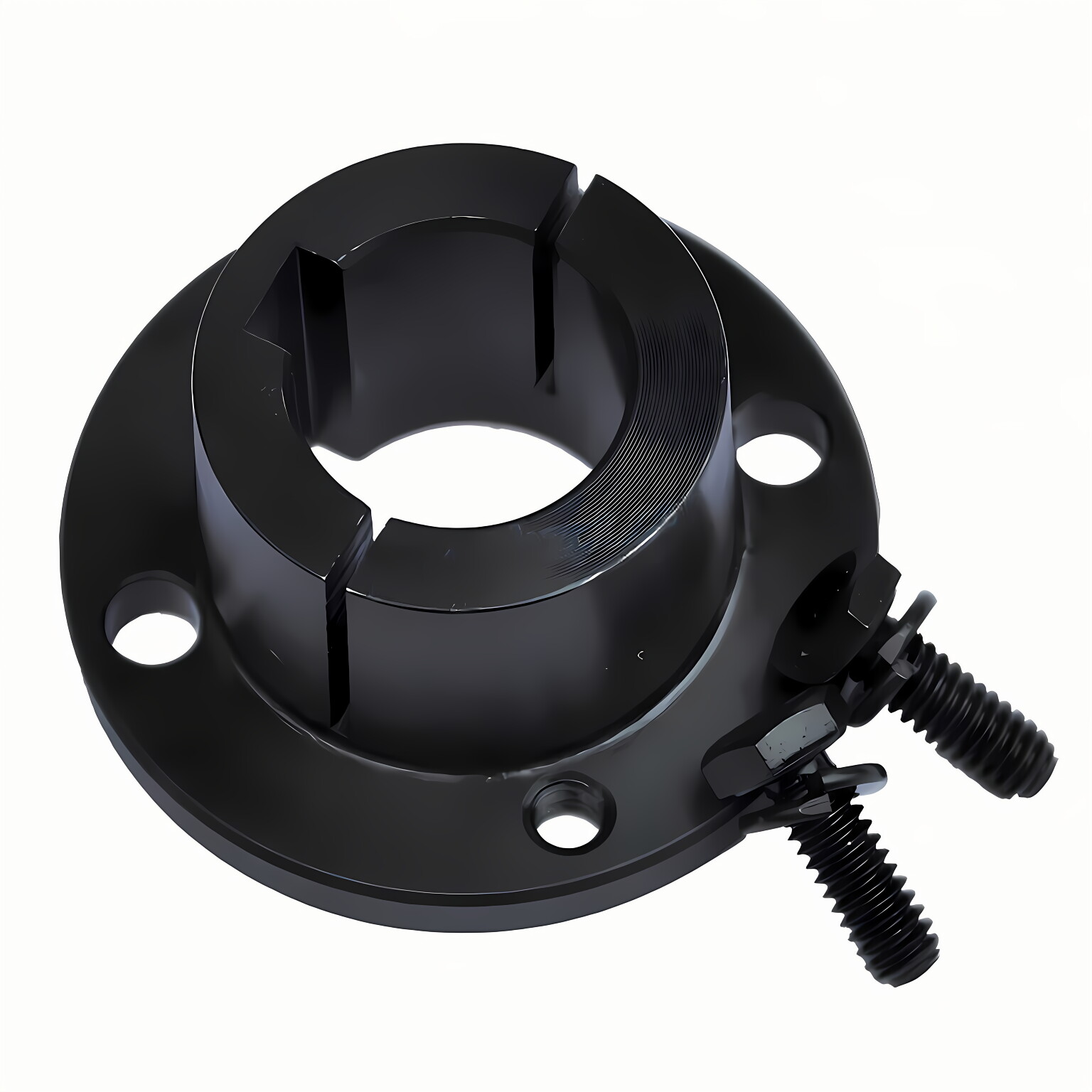
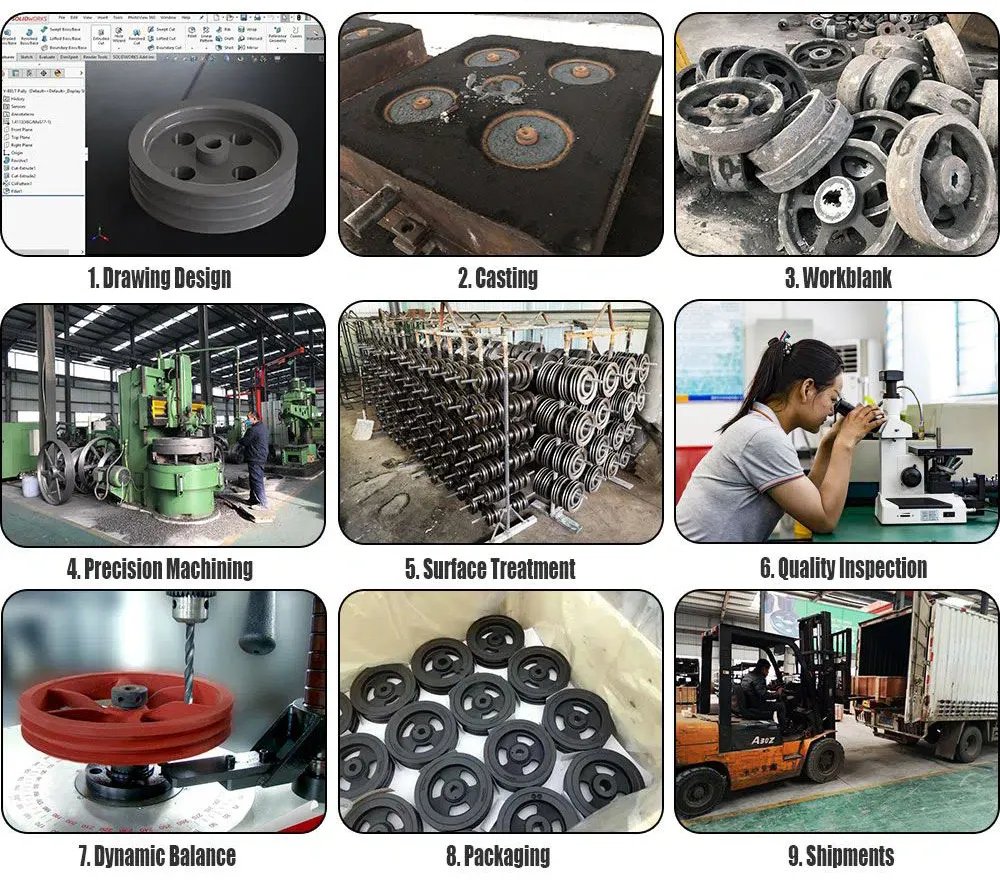
8V series sixteen-groove taper bushed sheaves are manufactured for 8V and 8V banded v-belts. They range from 12.5" to 64.0" in diameter. Depending on the sheave size they are made to use a U2 or W2 split-taper bushings, which we also stock. The majority of our sixteen-groove 8V split taper sheaves are manufactured from a high-strength grade 35 cast iron, are phosphate-coated and painted for anti-corrosion, and all of them are balanced at the factory for smooth machinery operation.
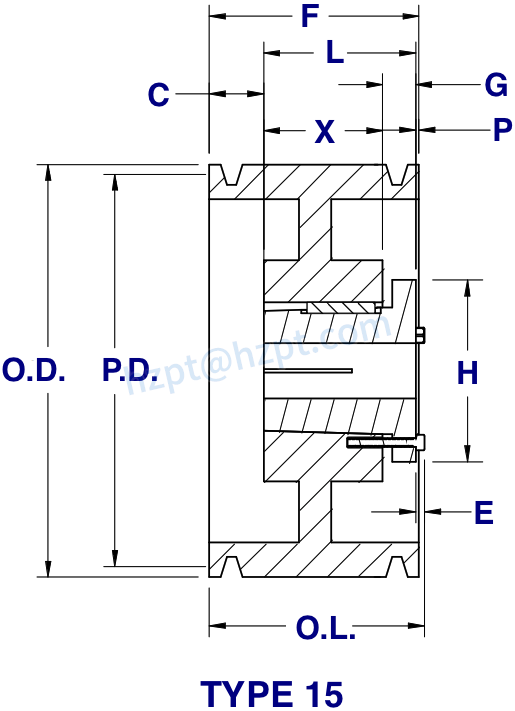
| Sheave Size | Bushing | Pitch Diameter (P.D.) | Outside Diameter (O.D.) | Type | (O.L.) | (L) | (P) | (C) | (H) | (F) | (G) | (X) | (E) | Weight (LBS) |
|---|---|---|---|---|---|---|---|---|---|---|---|---|---|---|
| 16U8V125 | U2 | 12.3 | 12.5 | 15 | 18-3/8" | 10--1/8" | 7-1/4" | 1" | 8-3/8" | 18-3/8" | 1-1/2" | 8-5/8" | 15/32" | 270.0 |
| 16U8V132 | U2 | 13.0 | 13.2 | 15 | 18-3/8" | 10--1/8" | 7-1/4" | 1" | 8-3/8" | 18-3/8" | 1-1/2" | 8-5/8" | 15/32" | 280.0 |
| 16U8V140 | U2 | 13.8 | 14.0 | 15 | 18-3/8" | 10--1/8" | 7-1/4" | 1" | 8-3/8" | 18-3/8" | 1-1/2" | 8-5/8" | 15/32" | 323.0 |
| 16U8V150 | U2 | 14.8 | 15.0 | 15 | 18-3/8" | 10--1/8" | 7-1/4" | 1" | 8-3/8" | 18-3/8" | 1-1/2" | 8-5/8" | 15/32" | 430.0 |
| 16U8V160 | U2 | 15.8 | 16.0 | 15 | 18-3/8" | 10--1/8" | 7-1/4" | 1" | 8-3/8" | 18-3/8" | 1-1/2" | 8-5/8" | 15/32" | 445.0 |
| 16U8V170 | U2 | 16.8 | 17.0 | 15 | 18-3/8" | 10--1/8" | 7-1/4" | 1" | 8-3/8" | 18-3/8" | 1-1/2" | 8-5/8" | 15/32" | 447.0 |
| 16U8V180 | U2 | 17.8 | 18.0 | 15 | 18-3/8" | 10--1/8" | 7-1/4" | 1" | 8-3/8" | 18-3/8" | 1-1/2" | 8-5/8" | 15/32" | 480.0 |
| 16U8V190 | U2 | 18.8 | 19.0 | 15 | 18-3/8" | 10--1/8" | 7-1/4" | 1" | 8-3/8" | 18-3/8" | 1-1/2" | 8-5/8" | 15/32" | 494.0 |
| 16U8V200 | U2 | 19.8 | 20.0 | 15 | 18-3/8" | 10--1/8" | 7-1/4" | 1" | 8-3/8" | 18-3/8" | 1-1/2" | 8-5/8" | 15/32" | 520.0 |
| 16U8V212 | U2 | 21.0 | 21.2 | 15 | 18-3/8" | 10--1/8" | 7-1/4" | 1" | 8-3/8" | 18-3/8" | 1-1/2" | 8-5/8" | 15/32" | 538.0 |
| 16U8V224 | U2 | 22.2 | 22.4 | 15 | 18-3/8" | 10--1/8" | 3-3/8" | 4-7/8" | 8-3/8" | 18-3/8" | 1-1/2" | 8-5/8" | 15/32" | 522.0 |
| 16W8V300 | W2 | 29.8 | 30.0 | 15 | 18-3/8" | 11-1/4" | 2-5/8" | 4-1/2" | 12-1/2" | 18-3/8" | 1-7/8" | 9-3/8" | 9/16" | 99.0 |
| 16W8V400 | W2 | 39.8 | 40.0 | 15 | 18-3/8" | 11-1/4" | 2-5/8" | 4-1/2" | 12-1/2" | 18-3/8" | 1-7/8" | 9-3/8" | 9/16" | 871.0 |
| 16W8V480 | W2 | 47.8 | 48.0 | 15 | 18-3/8" | 11-1/4" | 2-5/8" | 4-1/2" | 12-1/2" | 18-3/8" | 1-7/8" | 9-3/8" | 9/16" | 1360.0 |
| 16W8V530 | W2 | 52.8 | 53.0 | 15 | 18-3/8" | 11-1/4" | 2-5/8" | 4-1/2" | 12-1/2" | 18-3/8" | 1-7/8" | 9-3/8" | 9/16" | 1490.0 |
| 16W8V580 | W2 | 57.8 | 58.0 | 15 | 18-3/8" | 11-1/4" | 2-5/8" | 4-1/2" | 12-1/2" | 18-3/8" | 1-7/8" | 9-3/8" | 9/16" | 1620.0 |
| 16W8V640 | W2 | 63.8 | 64.0 | 15 | 18-3/8" | 11-1/4" | 2-5/8" | 4-1/2" | 12-1/2" | 18-3/8" | 1-7/8" | 9-3/8" | 9/16" | 1790.0 |
 |  |
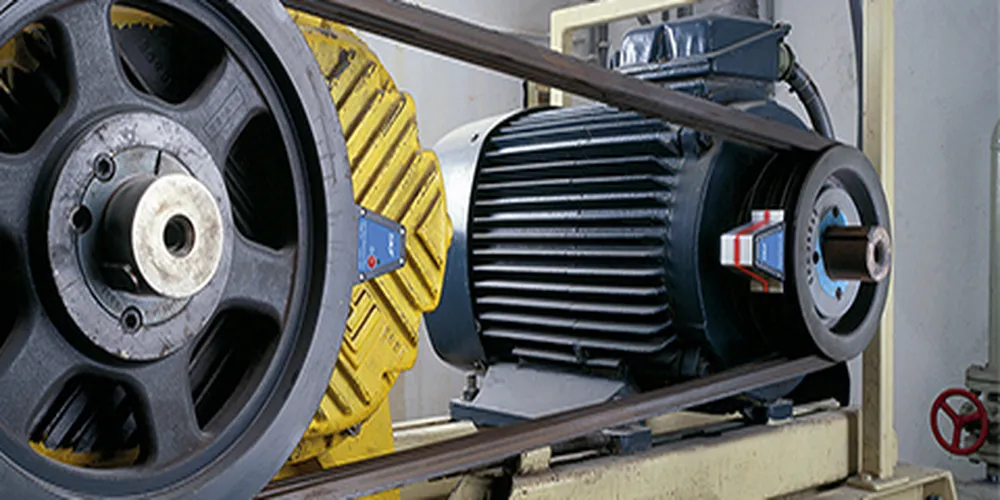 Second, the three major reasons for the heating of the pulley:1. Material of pulley: The pulley selection should be based on the matching material of mechanical operation speed. Many customers have vague requirements on the material and artistry when choosing a pulley, which causes the pulley to fail to keep up with the speed of the machine, so it is hot to the touch, and the wear is more serious—required pulley.2. Selection of pulley type: The selection of pulley type needs to be confirmed according to the speed and power of the equipment. Incorrect choice of the pulley model will result in insufficient torque. It can not carry the machine's load because many customers have a vague concept of selecting pulleys.3. Balance of the pulley: there is a jumping phenomenon when the pulley rotates. Generally, the pulley is not dynamically balanced. Dynamic balancing greatly influences the service life and life of the pulley. If it has been dynamically balanced, it can ensure that the transmission is accurate and there is no slippage.Reminder: It is normal for the pulley to heat up during the operation of the equipment, but it is also necessary to keep it within the normal range. If it is exceptionally high, it is required to do an excellent job of cooling the equipment and letting it shut down for a rest. The tightness of the belt should also be checked regularly, and the pulley should be maintained on time. This will not only avoid problems with the pulley during operation but also increase the pulley's service life!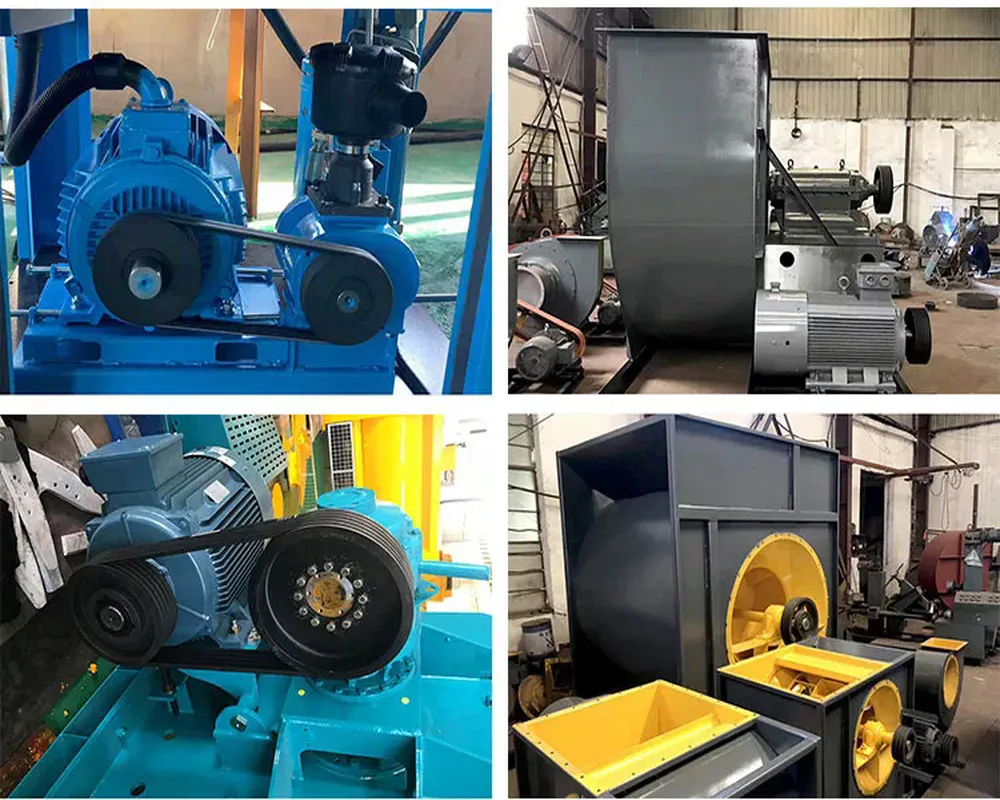
Address
Luotuo Industrial Area, Zhenhai District, Ningbo City, China
Tel

 Raydafon