
Raydafon Technology Group Co.,Limited
Products
Products
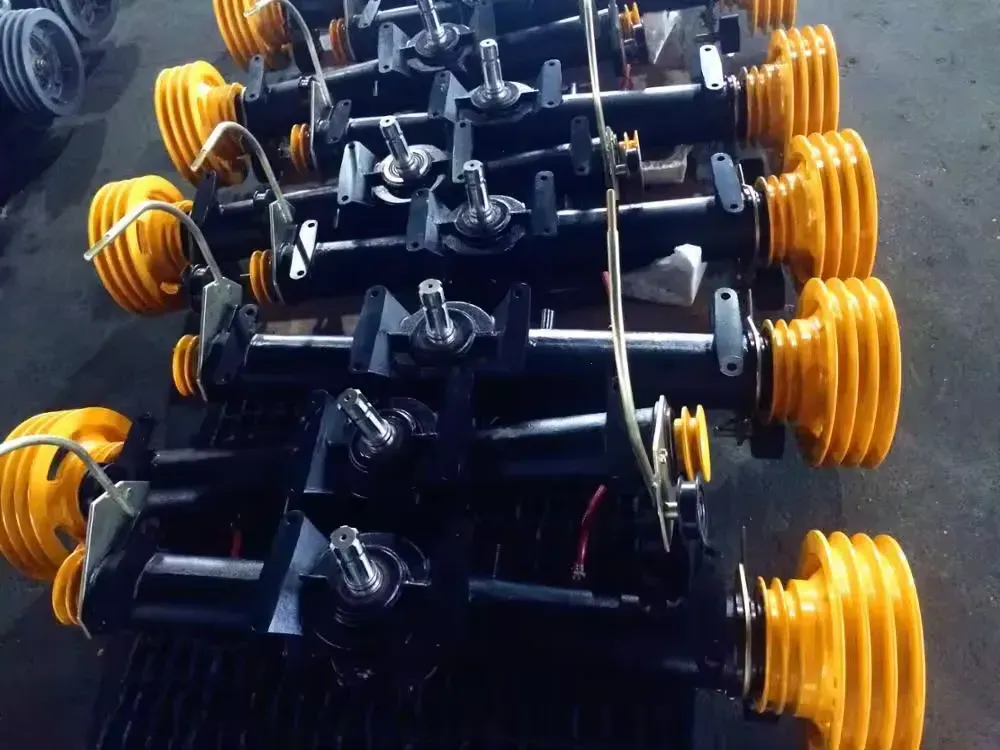
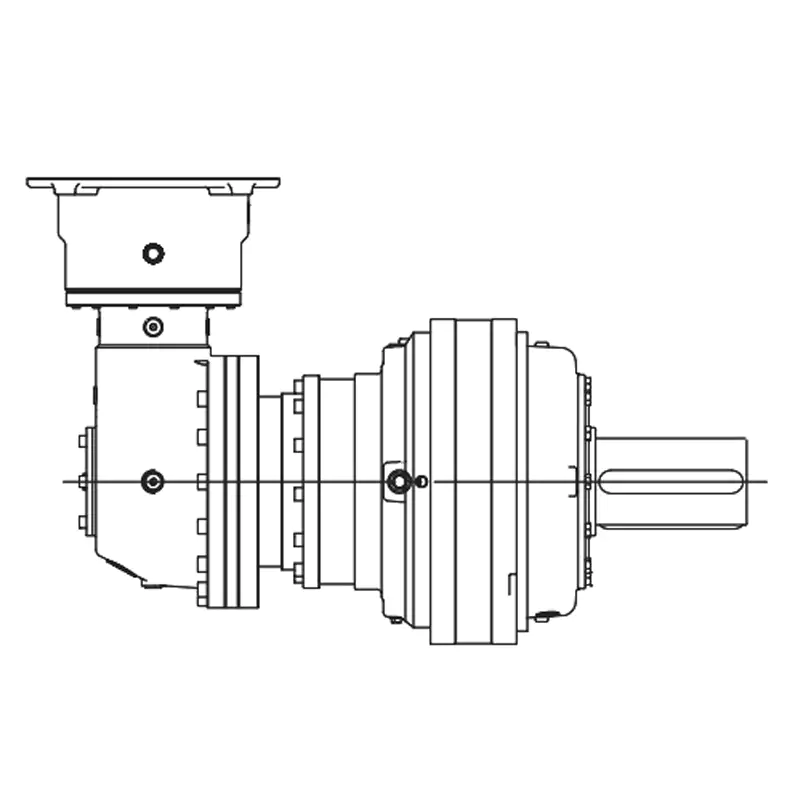
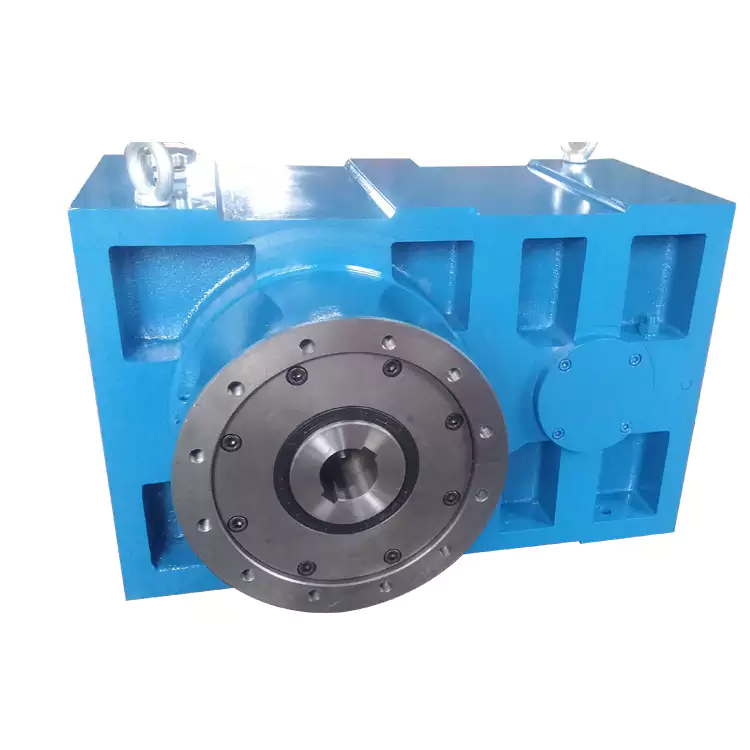
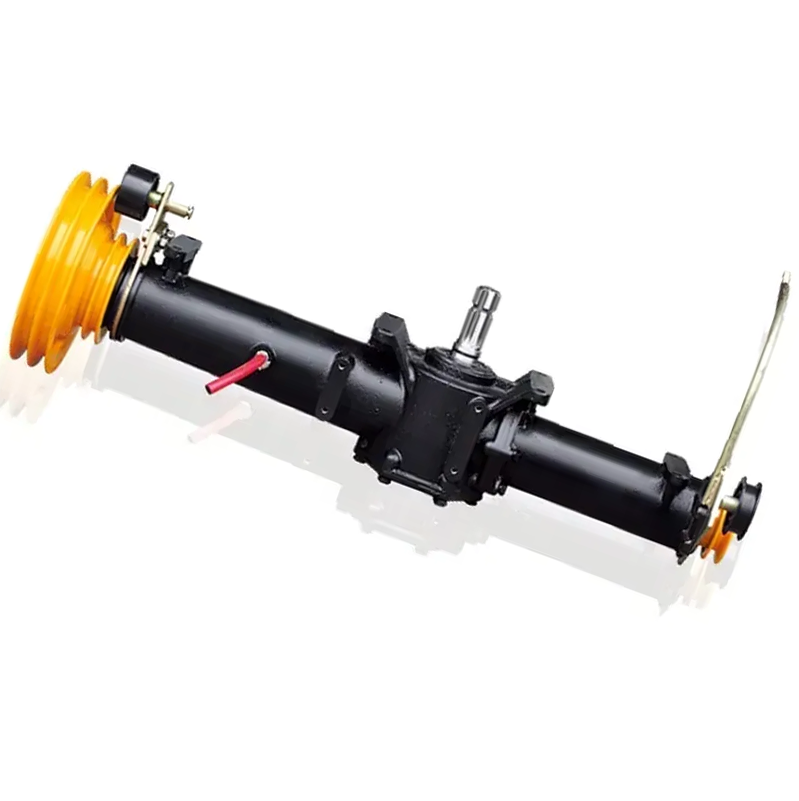
Agricultural Grain Harvester Reversing Gearbox for Grain Harvesting
  • Agricultural Grain Harvester Reversing Gearbox for Grain HarvestingAgricultural Grain Harvester Reversing Gearbox for Grain Harvesting

Agricultural Grain Harvester Reversing Gearbox for Grain Harvesting

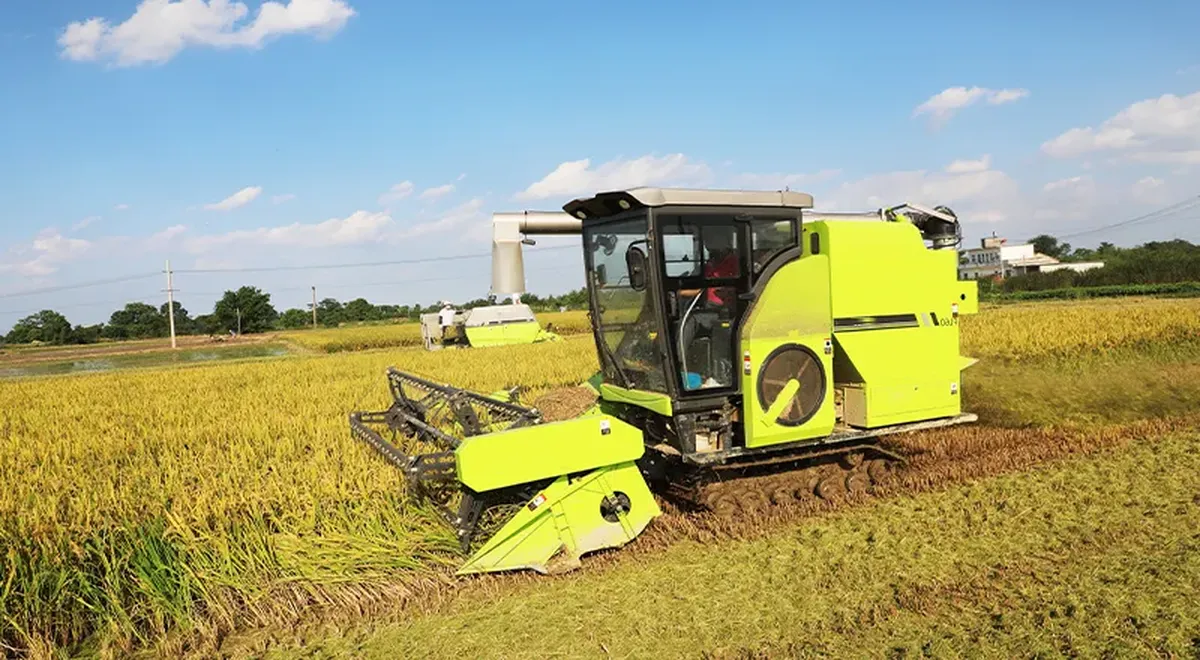
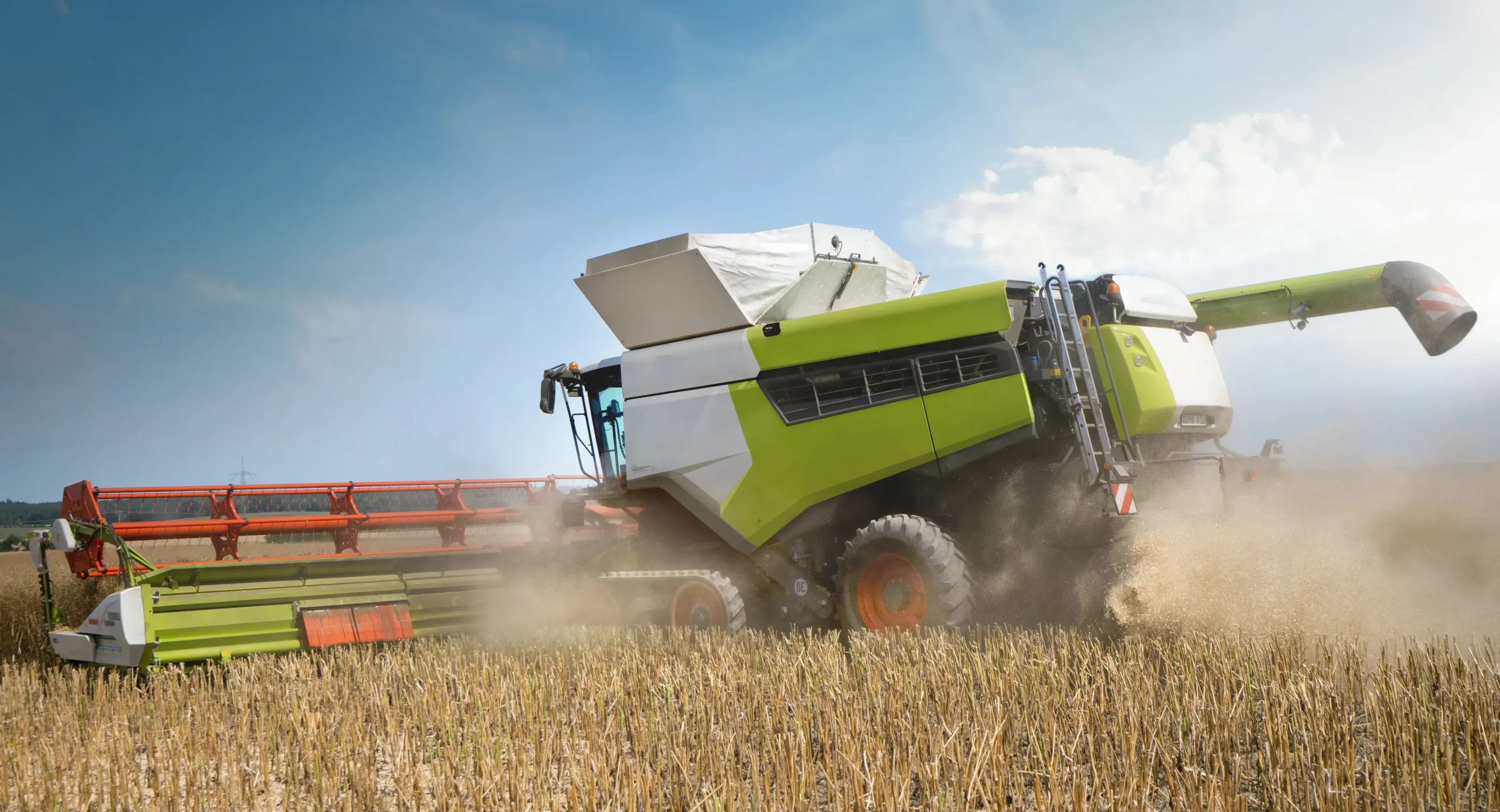
Boost your harvest efficiency with Raydafon Group's Agricultural Grain Harvester Reversing Gearbox, designed for seamless grain harvesting. Built with durable materials and advanced technology, it ensures smooth operation and reduced downtime. Ideal for farmers and agricultural professionals, this gearbox enhances productivity by enabling quick and reliable reversals in the field, solving maneuverability challenges. Its robust design and superior performance set it apart from competitors. Experience the confidence of a smoother harvest today.
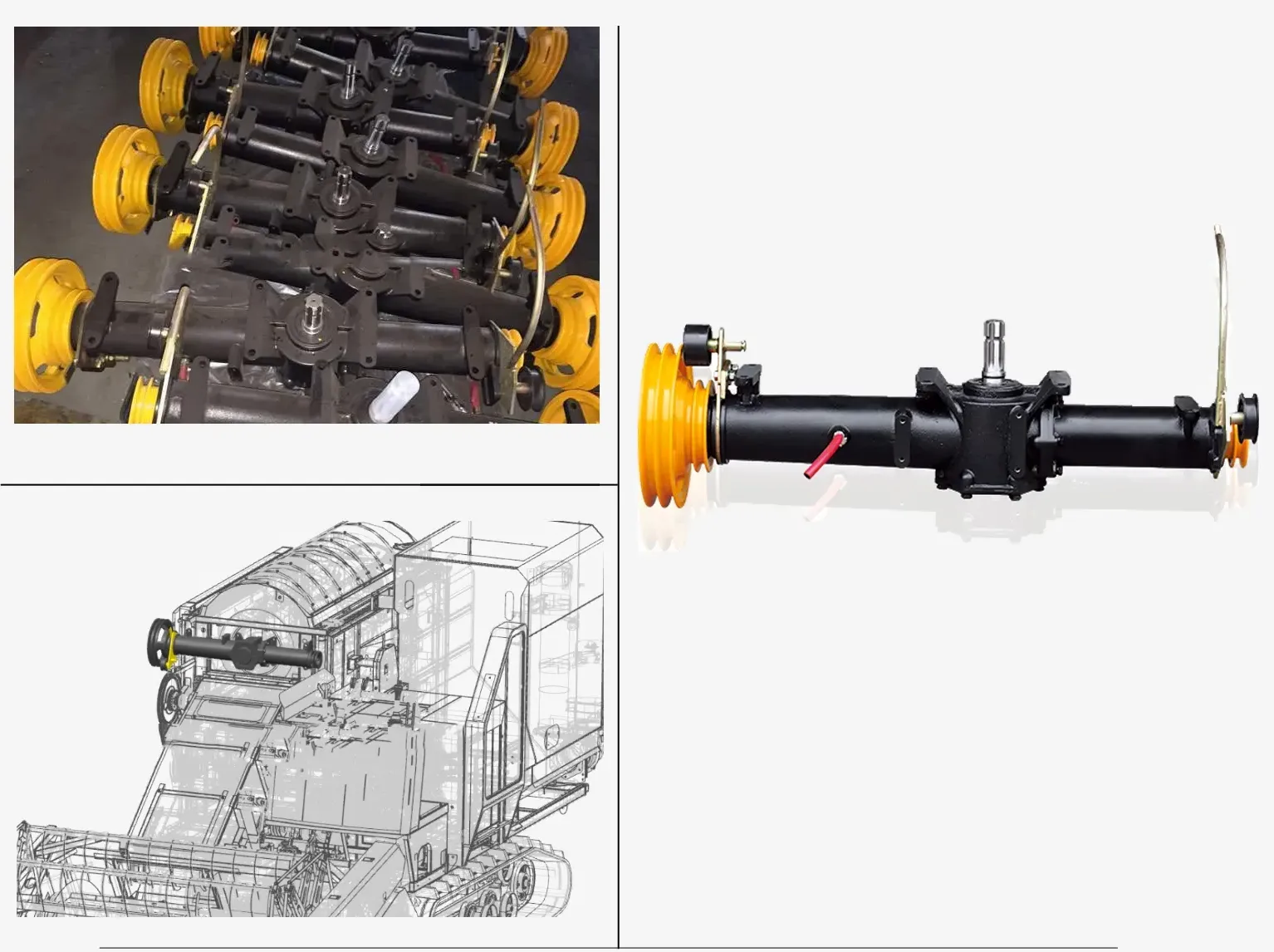
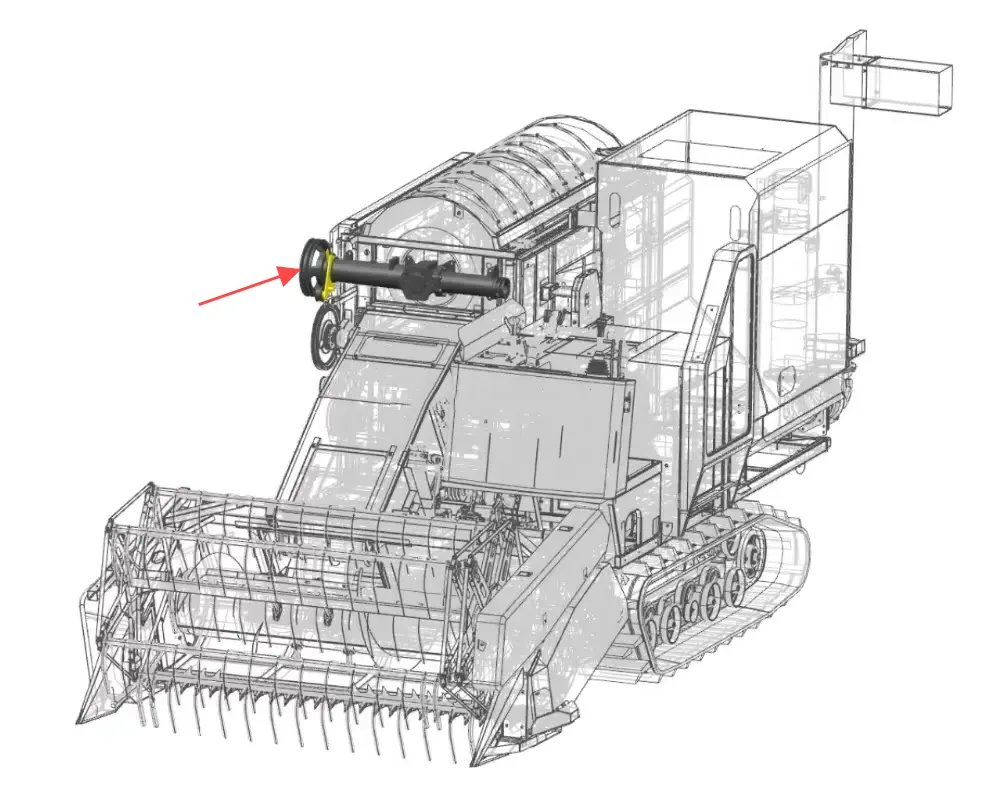
The agricultural grain harvester reversing gearbox is a critical mechanical component designed to enhance the functionality and versatility of grain harvesters. This gearbox is engineered to enable the harvester's drive system to operate in both forward and reverse directions. Constructed from durable materials to withstand the harsh conditions of agricultural operations, it typically features robust gears, bearings, and a shift mechanism that allows operators to seamlessly switch between directions.The primary function of the reversing gearbox is to facilitate the clearing of blockages in the harvesting equipment by reversing the flow of crops through the machinery. This capability is crucial for maintaining continuous operation, especially when dealing with dense or wet crops that are prone to causing jams. Additionally, the reversing feature improves the maneuverability of the harvester in the field, allowing it to back up and navigate around obstacles or to reposition for optimal harvesting efficiency. The integration of a reversing gearbox thus significantly enhances operational efficiency, reduces downtime due to mechanical issues, and ensures a smoother, safer harvesting process.Agricultural Grain Harvester Reversing Gearbox for Grain Harvesting

Product Specifications:

Product NameGrain Harvester Reversing Gearbox
MaterialHousing as QT450, Shaft as 20CrMnTi
ColorDark or Red or as customized
TypeBevel gear
Ratio1:1.53
BearingQC or C&U or NTN
Warrantyone and half year
Usedgrain harvester

Key Benefits:

The grain harvester reversing gearbox offers several important benefits that contribute to the efficiency, safety, and cost-effectiveness of agricultural operations:
  • Enhanced Operational Efficiency: The reversing gearbox allows the harvester to back up and maneuver more effectively in the field, which is particularly useful in tight spaces or when an obstacle is encountered. This capability can significantly reduce the time spent repositioning the machine, thereby improving overall harvesting efficiency.
  • Reduced Risk of Blockages: Grain harvesters often face issues with plant material clogging the cutting and threshing mechanisms. The reversing feature of the gearbox enables the machine to reverse the flow of material, helping to clear blockages quickly without manual intervention. This not only saves time but also reduces the wear and tear on the machine.
  • Increased Safety: By allowing blockages to be cleared mechanically, the reversing gearbox minimizes the need for operators to manually remove jammed plant material. This reduces the risk of injuries associated with interacting with the cutting mechanisms.
  • Improved Machine Longevity: Regular blockages and the stress they place on harvesting equipment can lead to premature wear and failure of critical components. By facilitating easier clearance of jams, the reversing gearbox helps in maintaining the condition of the machine, thus extending its usable life and reducing the frequency and cost of repairs.
  • Flexibility in Harvesting Operations: The ability to reverse can be particularly beneficial in adverse conditions or when dealing with varying crop densities and types. This flexibility ensures that the harvester can continue to operate effectively regardless of the challenges presented by the field conditions.
  • Better Crop Recovery: The reversing capability can also help in better recovery of crops by ensuring thorough harvesting. In situations where the harvester might miss patches of grain due to operational constraints, the ability to easily maneuver and revisit these areas can increase the yield.
Agricultural Grain Harvester Reversing Gearbox for Grain Harvesting

Common Applications of Grain Harvester Reversing Gearbox

The grain harvester reversing gearbox is essential for various applications in modern agriculture, particularly in enhancing the efficiency and flexibility of grain harvesting operations. Here are some specific applications where the reversing gearbox plays a crucial role:
  1. Clearing Blockages: One of the most valuable applications of the reversing gearbox is its ability to clear blockages in the harvesting machinery. By reversing the direction of the cutting and threshing components, operators can easily dislodge clogged plant material without the need for manual intervention, thereby reducing downtime and improving safety.
  2. Improved Maneuverability in the Field: The reversing gearbox allows the harvester to back up, which is particularly useful in fields with irregular boundaries or where obstacles such as rocks or wet spots are encountered. This capability ensures that the harvester can navigate more effectively, allowing for thorough coverage of the field and reducing the amount of unharvested crop.
  3. Enhanced Threshing Flexibility: For crops that require different threshing settings due to variability in moisture content or stalk toughness, the reversing gearbox can help adjust the operation quickly. This flexibility is crucial for maintaining the quality of the harvested grain and minimizing damage during the threshing process.
  4. Optimal Harvesting Speed Adjustment: The gearbox facilitates the adjustment of harvesting speeds according to varying field conditions and crop types. This capability allows for optimal speed control that matches the harvesting requirements, enhancing overall efficiency and fuel economy.
  5. Handling Emergencies and Adverse Conditions: In situations like sudden weather changes or mechanical failures that may require the harvester to operate in reverse to reach a safe location or continue operation, the reversing gearbox proves essential. It provides the necessary control to handle such emergencies effectively.
  6. Field Efficiency: The ability to reverse also helps in making tight turns at the end of rows in smaller fields or when shifting from one row to another. This reduces the time spent turning the harvester around, thus increasing field efficiency.
Agricultural Grain Harvester Reversing Gearbox for Grain Harvesting

Key Components:

The grain harvester reversing gearbox is composed of several critical components, each integral to its functionality. Understanding these key parts can help in maintaining the gearbox and ensuring its efficient operation. Here's a breakdown of the main components:
  • Gear Sets: The central elements of the reversing gearbox are the gear sets. These include a variety of gears in different sizes and arrangements, which determine the direction and speed of the output shaft. The gears are typically made from hardened steel to withstand the stresses of operation and to ensure longevity.
  • Shift Mechanism: This mechanism is crucial for selecting either the forward or reverse mode of the gearbox. It is usually operated by a lever or an electronic switch, which engages the appropriate gear set to change the direction of the drive transmitted to the harvesting mechanisms.
  • Clutch: The clutch plays a pivotal role in disconnecting and reconnecting the engine from the gearbox, allowing the gears to be shifted without causing damage. This component must handle high torque loads, especially when changing directions under load.
  • Input and Output Shafts: These shafts are responsible for transferring power into and out of the gearbox. The input shaft is connected to the engine and brings power into the gearbox, where it is then redirected by the gear sets and sent out through the output shaft to the harvesting components.
  • Bearings: Bearings support the shafts and allow them to rotate freely with minimal friction. They are essential for the smooth operation of the gearbox and must be durable enough to handle the high loads and speeds involved.
  • Housing: The gearbox housing encases all internal components, protecting them from dirt, moisture, and mechanical damage. It is usually constructed from robust materials such as cast iron or aluminum to provide structural integrity and durability.
  • Oil Seals and Gaskets: These components ensure that the gearbox remains leak-free and well-lubricated. Oil seals prevent the lubricating oil from escaping the gearbox, while gaskets seal the joints between different parts of the housing to keep out contaminants.
Agricultural Grain Harvester Reversing Gearbox for Grain Harvesting

Working Principle:

A grain harvester reversing gearbox works by enabling the harvester to change the direction of its operations, specifically allowing it to move and operate in reverse. This feature is crucial for managing blockages and improving maneuverability in the field. Here’s a step-by-step explanation of how a reversing gearbox functions within a grain harvester:
  1. Power Input: The process starts with the engine of the harvester transmitting mechanical power to the reversing gearbox via the input shaft. This shaft carries the rotational force (torque) from the engine directly into the gearbox.
  2. Gear Engagement: Within the gearbox, there are multiple gears arranged in a configuration that allows for different operational modes—primarily forward and reverse. These gears are typically helical for smoother operation and greater strength. When the operator decides to switch from forward to reverse (or vice versa), they activate the shift mechanism.
  3. Shift Mechanism Activation: The shift mechanism, which can be manually operated through a lever or electronically controlled, changes the engagement of the gears. For reversing, the mechanism adjusts the position of sliding gears or engages a specific set of gears designed to invert the direction of the output shaft.
  4. Clutch Function: The clutch plays a vital role during the shifting process. It temporarily disconnects the engine’s power from the gearbox, allowing gears to be switched without damaging them. Once the new gear is engaged, the clutch reconnects the power flow.
  5. Direction Reversal: In the reverse setting, the engaged gears alter the rotation direction of the output shaft. This is achieved by the gear teeth’s configuration, which when engaged in a reverse setup, turns the output shaft in the opposite direction to the input shaft.
  6. Power Output: Once the gears are set in the reverse configuration and the clutch is re-engaged, power flows through the output shaft to the harvester’s driving wheels and operational mechanisms (like cutting tools), but now in reverse. This allows the harvester to move backward and operate its mechanisms in the opposite direction, helping clear any blockages or reposition the machine as needed.
Agricultural Grain Harvester Reversing Gearbox for Grain Harvesting

Choose the Right Grain Harvester Reversing Gearbox for Grain Harvesting

Choosing the right grain harvester reversing gearbox is crucial for optimizing harvesting efficiency and ensuring long-term reliability. Here are key factors to consider when selecting a reversing gearbox for grain harvesting:
  • Capacity and Compatibility: Ensure the gearbox is compatible with the specific model and make of your grain harvester. It must be able to handle the torque and power output of the harvester's engine. Check the manual’s specifications for maximum torque capacity and ensure it aligns with your harvester's requirements. The gearbox should seamlessly integrate with the existing drivetrain without requiring extensive modifications.
  • Durability and Material Quality: Look for gearboxes made from high-quality materials that can withstand the harsh conditions of farming. The components, especially the gears and housing, should be made from durable materials like reinforced steel or industrial-grade alloys. This durability is crucial for minimizing wear and tear, reducing the frequency of maintenance, and extending the service life of the gearbox.
  • Efficiency and Performance: Choose a gearbox that offers high efficiency with minimal power loss. The design should promote smooth transmission of power with features like precision-cut gears and high-quality bearings. An efficient gearbox not only improves the performance but also reduces fuel consumption, which can lead to significant cost savings over time.
  • Ease of Maintenance: Select a gearbox that is easy to maintain. Features like external oil pumps and filters, easily accessible grease points, and simple disassembly processes can make regular maintenance more straightforward, reducing downtime. A well-designed gearbox should also have clear maintenance guidelines provided by the manufacturer.
  • Safety Features: Safety is paramount in heavy machinery. Opt for a gearbox with built-in safety features such as overload protection, which prevents damage to the gearbox and harvester in case of blockages. Additionally, consider models with emergency stop capabilities and other safety integrations that protect both the operator and the machine.
Agricultural Grain Harvester Reversing Gearbox for Grain Harvesting

Combine Harvester Gearbox Manufacturers

Raydafon is a prominent manufacturer of high-performance combine harvester gearboxes for a variety of applications. Our combine harvester gearboxes are a powerful replacement option for John Deere, Case IH, CLAAS, New Holland, Kubota, Lovol, Zoomlion, Krone, Shibaura, Kioti, Challenger, Versatile, Valtra and other brands. Our technical staff can reconfigure an existing design or assist you in designing a custom combine harvester gearbox if a standard or existing design does not fit your application. Shaft rotation, speed ratio, input speed, output speed, input torque, output torque, mounting position, and the application’s environment are all considerations when choosing a combine harvester gearbox.

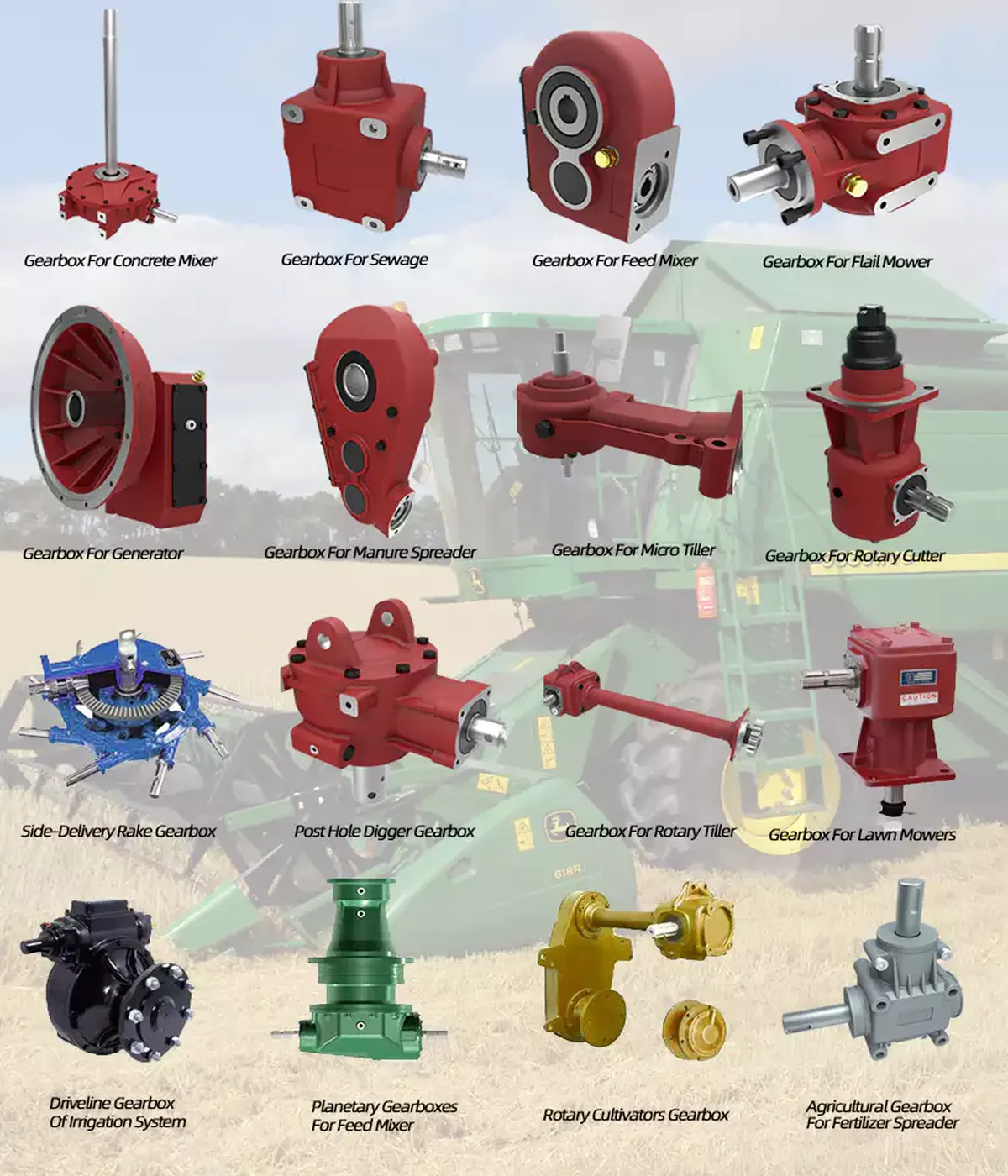
We can also offer many types of agricultural gearboxes and PTO shafts, such as rotary cutter gearboxes, rotary tiller gearboxes, feed mixer gearboxes, lawn mower gearboxes, fertilizer spreader gearboxes, flail mower gearboxes, post hole digger gearboxes, corn headers gearboxes, fertilizer mixer gearboxes, round baler gearboxes, square baler gearboxes, irrigation reels gearboxes, manure spreader gearboxes, fertilizer seeder gearboxes, rotary rake gearboxes, cutting bar gearboxes, gearbox for hay tedders, etc. If you want to buy a combine harvester gearbox, please get in touch with us.Agricultural Grain Harvester Reversing Gearbox for Grain Harvesting
Hot Tags: Agricultural Grain Harvester Reversing Gearbox, Grain Harvester Gearbox Supplier, Harvester Reversing Gearbox Wholesale
Send Inquiry
Contact Info
Get customized quotes for transmission components, gearboxes, and machinery. Our engineers will respond within 24 hours.
Online
X
We use cookies to offer you a better browsing experience, analyze site traffic and personalize content. By using this site, you agree to our use of cookies. Privacy Policy
Reject Accept