
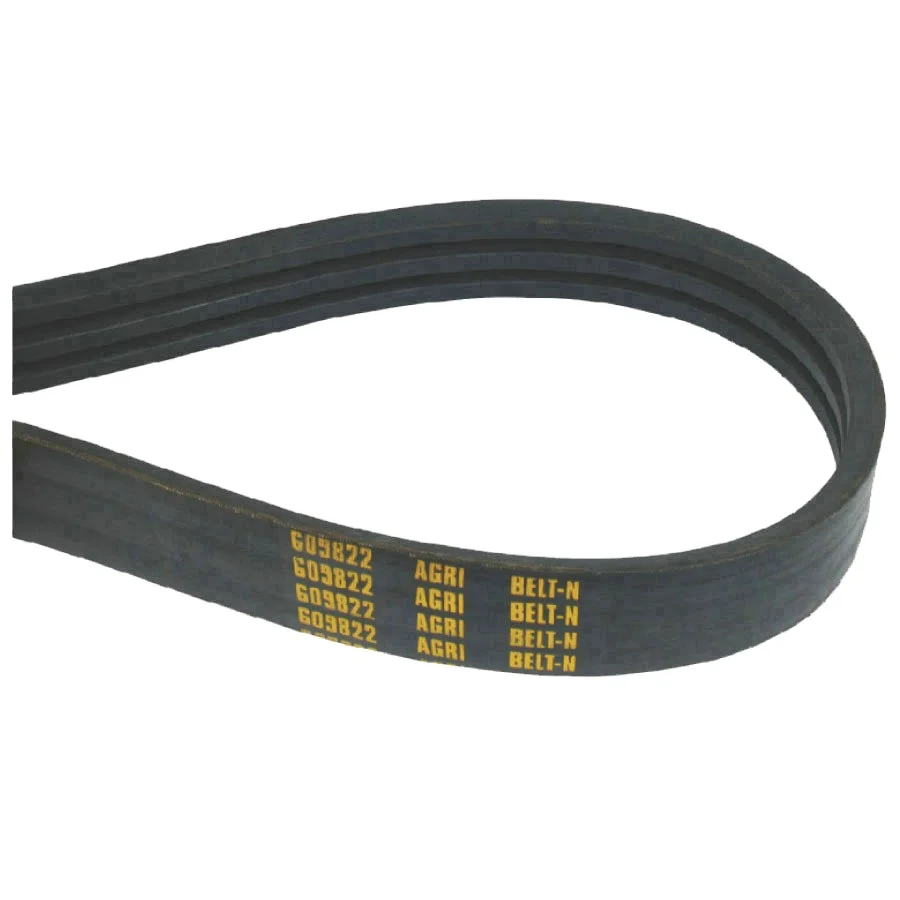
An agricultural belt is a type of power transmission belt that is used in agricultural machinery to transfer power from the engine to the different components of the machine. It is an essential component of agricultural equipment, and it plays a vital role in ensuring the efficient operation of the machinery. Agricultural belts are made of high-quality materials to withstand harsh conditions and provide maximum power transfer.
Here are some of the agricultural machinery parts where agricultural belts are typically used:
Agricultural belts are primarily used in the power take-off (PTO) section of a tractor to connect the tractor with different agricultural tools such as plows, seeders, harvesters, crushers, water pumps, and more.
Agricultural belts are used in the main transmission system of combine harvesters to transfer the engine's power to the threshing drum, cutting table, cleaning system, and other moving components.
Agricultural belts are used in tillage machinery such as cultivators, plows, and deep tillage machines to transfer the tractor's power to the working parts of the machinery.
In power-driven water pumps and rotating sprinkler systems, agricultural belts transfer power from the tractor to the pump or other driving components.
Agricultural belts are used in feed mixers, silage cutters, and other equipment to drive the mixing and cutting modules.
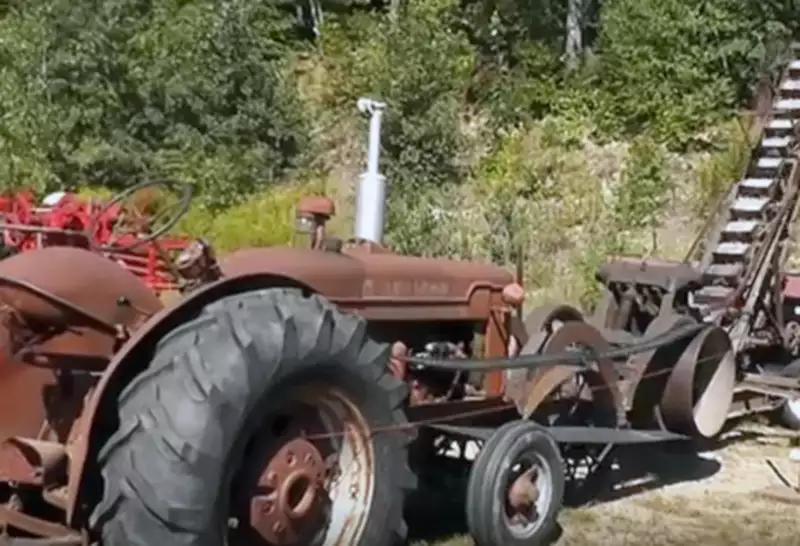
Our 175HP trimble V Belt can be used as a replacement for different brands of agricultural machinery such as John Deere, CLAAS, CNH, and more. Here is a table of some of the compatible models:
[ninja_tables id="410625"]In addition to agricultural belts, we also provide other agricultural machinery parts such as agricultural chains, agricultural gearboxes, pulleys, sprockets, couplings, PTO shafts, concaves, and more. We are your one-stop-shop for all your farming machinery needs.
Knowing when to replace an agricultural belt is crucial to ensure the efficient operation of the machinery. Here are some signs that indicate that it's time to replace the belt:
If you notice cracks, fraying edges, thinning, or rubber chunks missing from the belt's surface, it means the belt is severely worn out and should be replaced immediately.
An agricultural belt should run under appropriate tension. If you can press the belt down past the recommended sag value or the belt becomes too loose after prolonged use, it's time to replace it.
If you hear a squealing sound coming from the belt area during operation or feel that the machine's power output is insufficient, it's likely due to belt slipping. Check the tension and friction to determine if a belt replacement is necessary.
If the belt feels excessively hot to the touch or has developed a burnt rubber smell, it's likely due to excessive fatigue, internal damage or overtightening. Stop operation immediately, investigate the cause, and replace the belt if necessary.
If the machinery experiences additional vibrations or noises during operation, it may be due to a failing or failed belt. Stop the machine and investigate the cause to determine if a belt replacement is necessary.
When selecting an agricultural belt, here are the factors to consider:
Common belt types for agricultural machinery include V-belts (also known as triangular belts) that come in various widths and thicknesses, such as A, B, C, D, etc. Choose the belt type that matches the original equipment specifications.
Measure the belt's accurate length or calculate it according to the machinery's specifications to ensure proper installation and adequate tension.
Ensure that the belt's rated power is greater than or equal to the machinery's power requirements to avoid belt slippage or failure.
Choose agricultural belts made of high-quality rubber compounds for better resistance to wear, oil, high temperatures, and aging.
The belt must fit correctly with the groove width and depth of the pulley to ensure proper engagement and avoid slipping or premature wear.
Author: Miya
Address
Luotuo Industrial Area, Zhenhai District, Ningbo City, China
Tel

 Raydafon