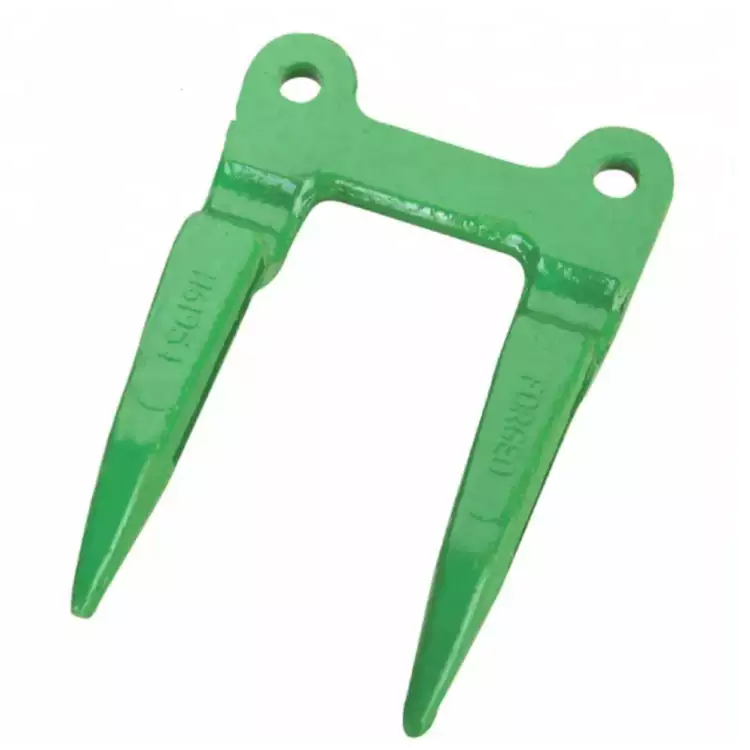
Agricultural spare parts cutting platform knife guard finger for 900,200
Raydafon Group's Agricultural Spare Parts Cutting Platform Knife Guard Finger for 900,200 ensures precision and safety in machinery operations. Crafted with durable materials and innovative design, this essential component protects blades and enhances cutting efficiency for farmers and agricultural professionals. It addresses common wear-and-tear issues, offering a reliable solution that boosts productivity and peace of mind. Experience the difference with Raydafon Group—trusted for quality in every harvest. Optimize your equipment today!
Agricultural spare parts cutting platform knife guard finger for 900,200
Introduction to Sickle Guard
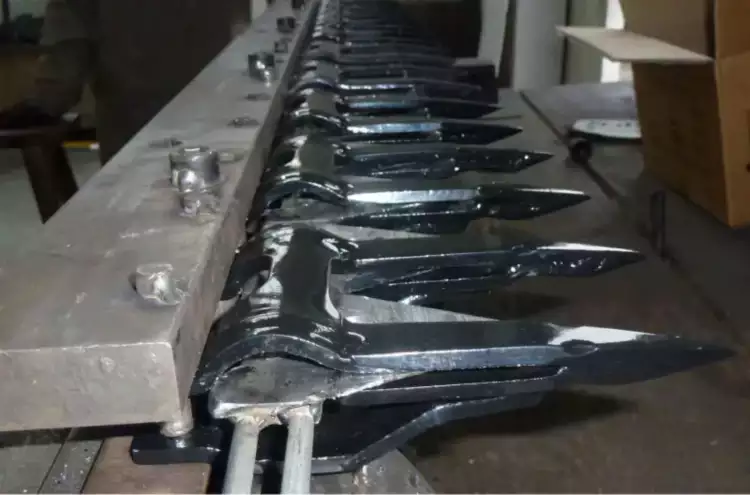
The Sickle Guard is a protective component that is used to safeguard the cutting blades of agricultural machinery, such as harvesters, from damage and wear. Its primary purpose is to protect the cutting blades from hitting hard surfaces or objects, which can cause damage to the blades or even harm the user. Some advantages of our Sickle Guard include:
High durability and strength
Easy installation and maintenance
Advanced wear resistance
Effective protection for the cutting blades
[ninja_tables id="408263"]
Our Advantages
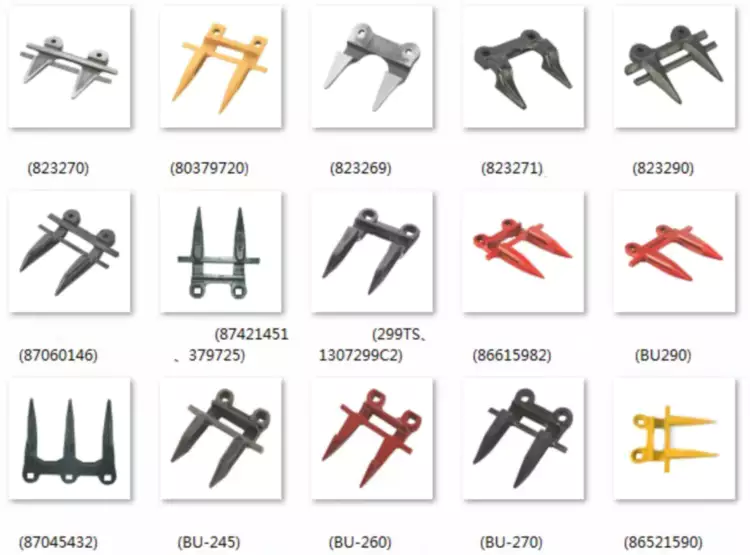
We are capable of producing this product and replacing parts for most common models of brands. Additionally, we offer customization options for our products. Some of our advantages include:
High-quality and reliable products
Competitive pricing
Efficient and timely delivery services
Adaptability with Agricultural Machinery Brands and Models
The following table shows the brands and models of agricultural machinery that our Sickle Guard can adapt to:
Brand
Model
John Deere
900, 200
CNH
CR Series
Case IH
American Harvester
Other Agricultural Machinery Spare Parts
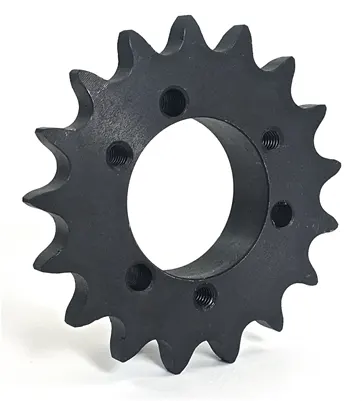
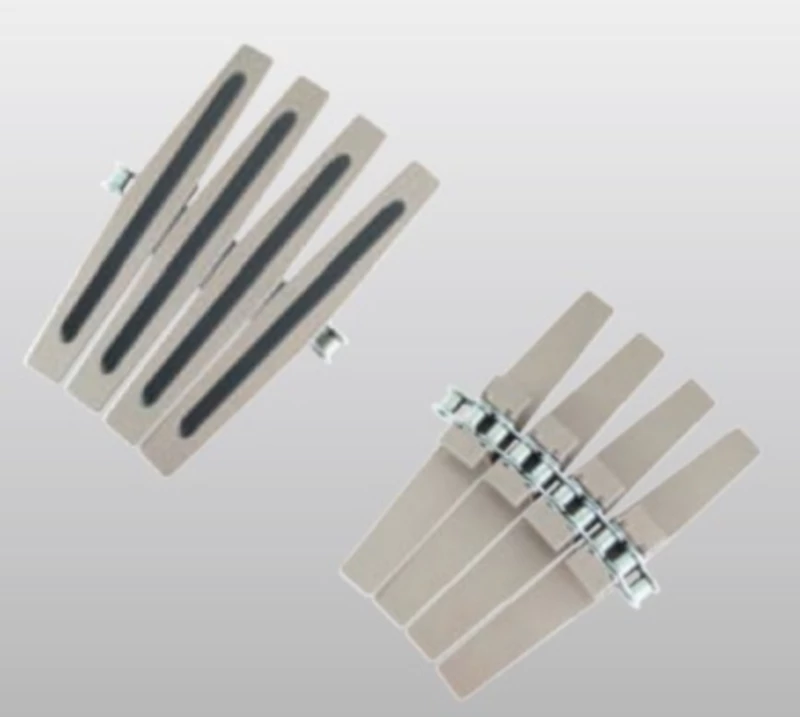
We offer a wide range of agricultural machinery spare parts, including agricultural chains, agricultural gearbox, pulley, sprocket, coupling, pto shaft, concave, and more.
When to Replace Sickle Guard
It is essential to replace the Sickle Guard when any of the following signs appear:
The sickle guard plate is noticeably worn or damaged: Check for cracks, deformations, severe wearing, or even partial loss of the Sickle Guard. These signs indicate that the sickle guard plate has lost its original protective function, and continued use may cause damages to the cutting tool or even personal injury.
Frequent cutting obstacles: If crop blockages or entanglements frequently occur during harvesting, it may be due to the Sickle Guard being worn out, causing the cutting tool to be too close to the crop. Check and replace the Sickle Guard timely.
Accelerated tool wear: If you notice that the cutting tool wears out fast, even under normal maintenance, it may be due to the Sickle Guard losing its effective protection, making it more susceptible to external impacts or wear.
Noisy operation: When the Sickle Guard is damaged or loose, it may increase the noise during machinery operation. This is because it loses its original damping and stabilizing function. At this time, the sickle guard should be checked and replaced.
Decreased efficiency: If you find that the harvesting operation efficiency is significantly reduced, after ruling out other factors, it may be due to the Sickle Guard losing its effectiveness, which makes the cutting tool unable to function correctly, and replacement is required.
How to Choose the Right Sickle Guard
Choosing the right Sickle Guard involves considering several factors, including:
Size compatibility: Confirm that the size of the Sickle Guard matches the cutting head or blade assembly of the agricultural machinery, including the length, width, and thickness of the Sickle Guard, as well as the position and size of the mounting holes.
Material: The material of the Sickle Guard has a significant impact on its durability. Common materials include steel, cast iron, and wear-resistant plastic. Users should choose an abrasion-resistant and impact-resistant material based on factors such as the working environment and the hardness of the cutting object.
Shape design: The design of the Sickle Guard must match the type of cutting tool being protected. For example, the design of the Sickle Guard for a disc cutting tool and a reciprocating cutting tool will be different. In addition, the shape of the Sickle Guard should also help reduce crop entanglement and improve cutting efficiency.
Installation method: Understand how the Sickle Guard is fixed to the agricultural machinery, such as whether it has a buckle, bolt fixing, welding, or other installation methods, and ensure that the new Sickle Guard matches the original installation method.
Protective level: Evaluate the protective degree of the Sickle Guard on the cutting tool, such as the size of the protective margin, whether it has an anti-entanglement design, and whether it can effectively prevent direct impact of hard objects on the cutting tool.
Compatibility: Confirm that the Sickle Guard is compatible with the brand and model of the agricultural machinery, ensuring seamless integration with your harvester, mower, or other agricultural machinery.
Regulatory standards: Some regions may have specific standards and certification requirements for agricultural machinery spare parts. When purchasing, make sure that the selected Sickle Guard complies with local laws, regulations, and safety standards.
Author: Miya
Hot Tags: Agricultural Spare Parts Cutting Platform Knife Guard Finger, Cutting Platform Knife Guard Finger for 900,200, OEM Agricultural Machinery Guard Finger
We use cookies to offer you a better browsing experience, analyze site traffic and personalize content. By using this site, you agree to our use of cookies.Privacy Policy


 Raydafon