
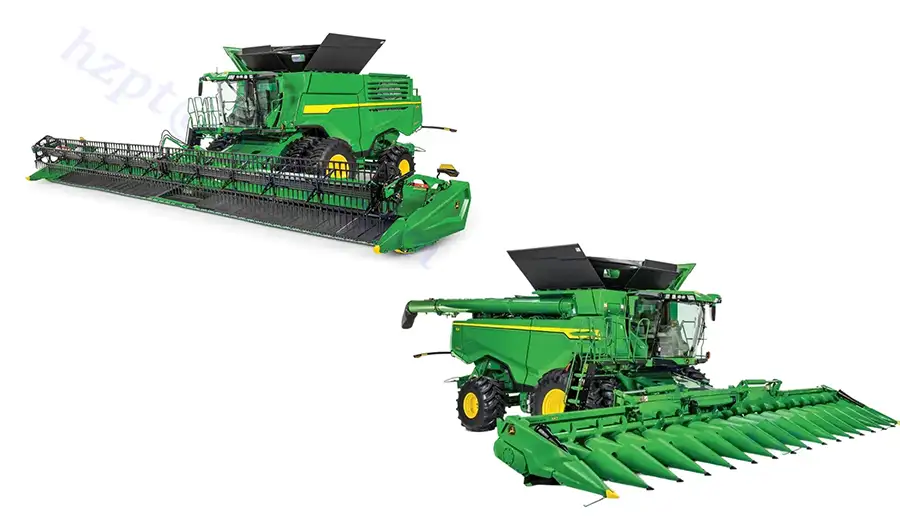
| Application | John Deere Header: 822,825,918,920 Europian,922 Europian,925 Europian |
| SKU | AH143573 |
| Reference Code | AH143573 |
| Manufacturer | Raydafon Group |
| Brand | |
| Weight | 0.636KG |
| Finishing | Painting Green Color or Galvanize or OEM |
| Packing | Carton or Wooden box or Iron Box |
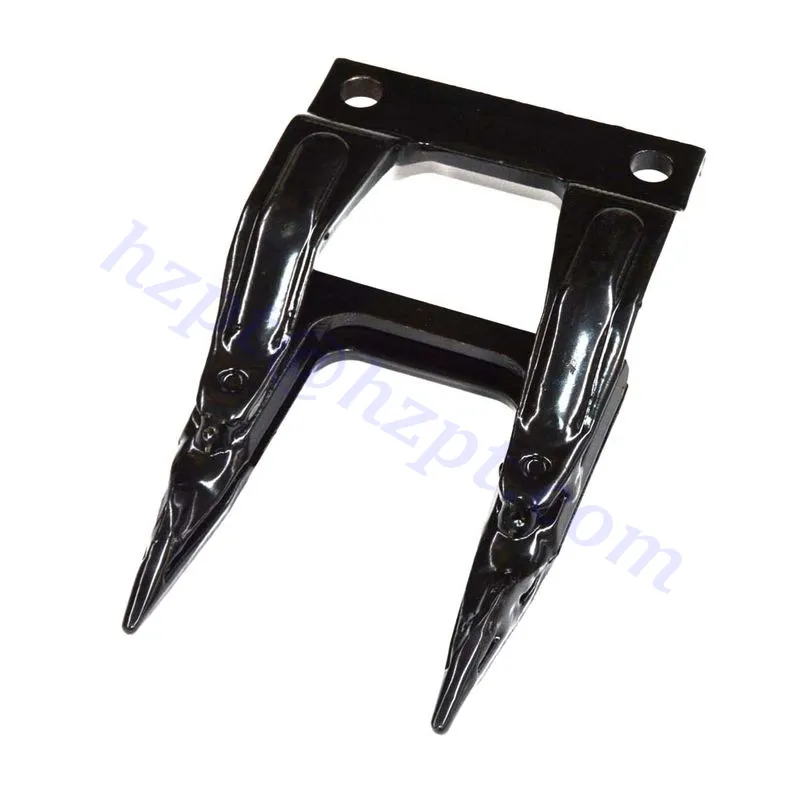
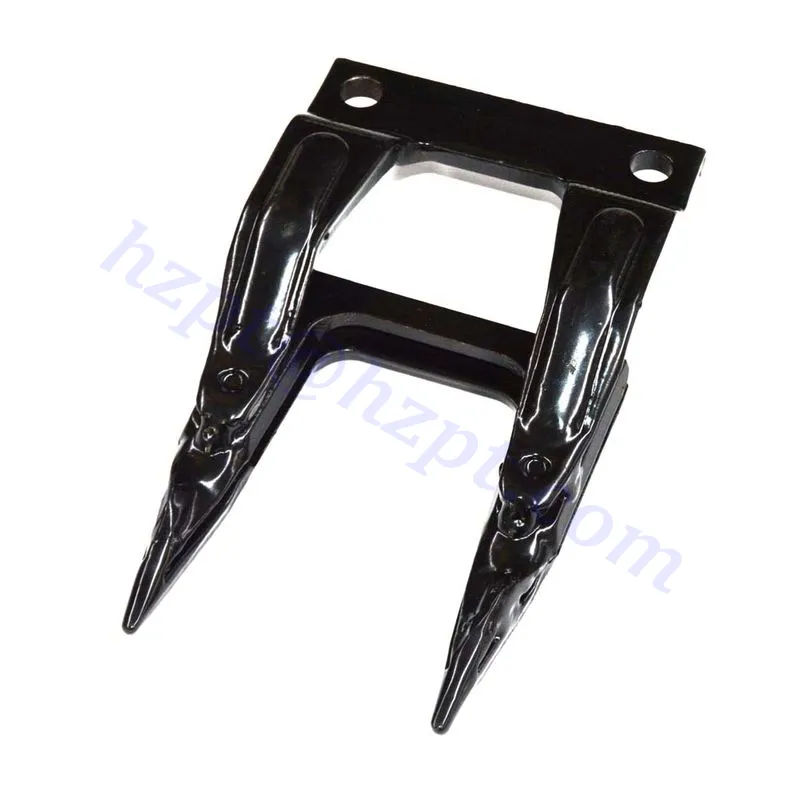
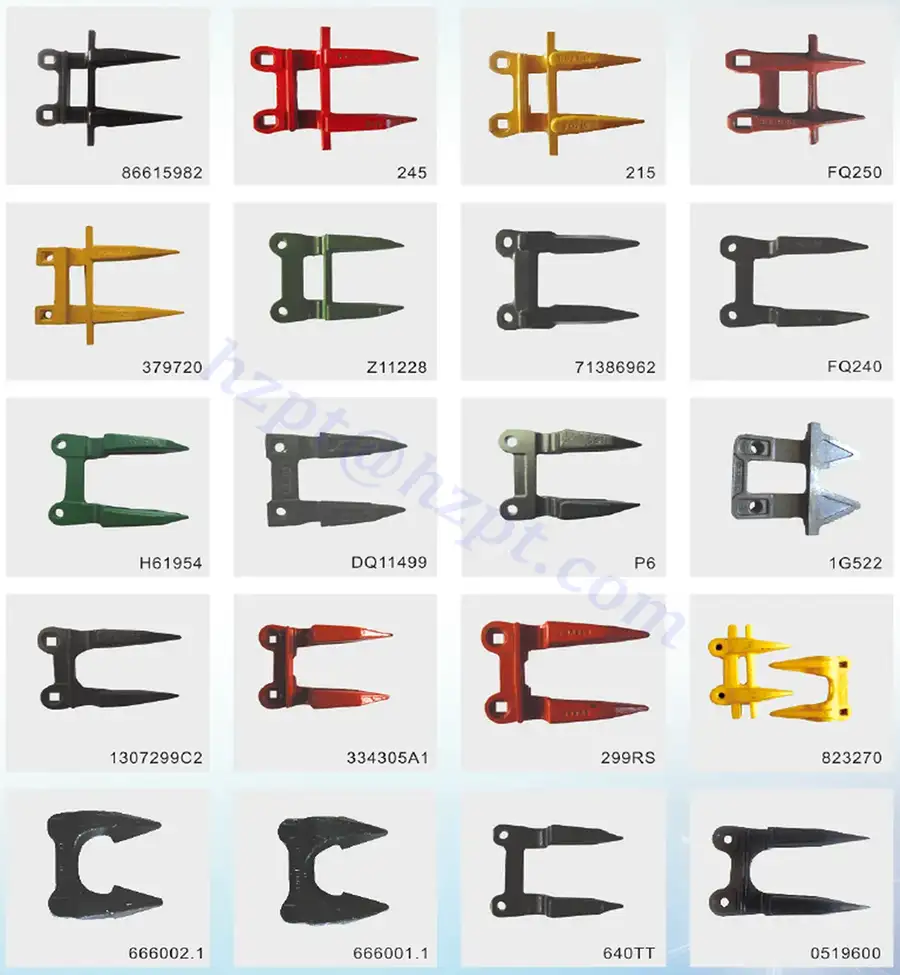
The AH143573 Knife Guard is an essential component used in John Deere Combine Harvesters. This crucial accessory plays a significant role in ensuring the efficient operation and productivity of the harvester.
The main function of the AH143573 Knife Guard is to protect the cutting knife during the harvesting process. It acts as a shield, preventing the knife from coming into contact with foreign objects, such as rocks or debris, which could cause damage. This protective guard helps to extend the lifespan of the cutting knife, reducing the need for frequent replacements and saving both time and money for farmers.
Moreover, the AH143573 Knife Guard enhances the overall safety of the combine harvester. By covering the sharp knife, it minimizes the risk of accidents or injuries to the operator and other individuals working in the vicinity. This increased safety feature ensures a secure working environment for everyone involved in the harvesting operation.
In addition to its protective function, the AH143573 Knife Guard also contributes to improved harvesting efficiency. It helps to maintain a consistent cutting height, ensuring that the harvested crops are of uniform length. This uniformity is crucial for efficient crop handling, as it facilitates smoother crop flow and reduces clogging or blockages in the harvester's mechanisms.
In summary, the AH143573 Knife Guard for John Deere Combine Harvesters serves several important purposes. It protects the cutting knife, enhances safety, and improves harvesting efficiency. By solving the problem of potential knife damage and minimizing the risk of accidents, this accessory plays a vital role in promoting smooth and productive harvesting operations.
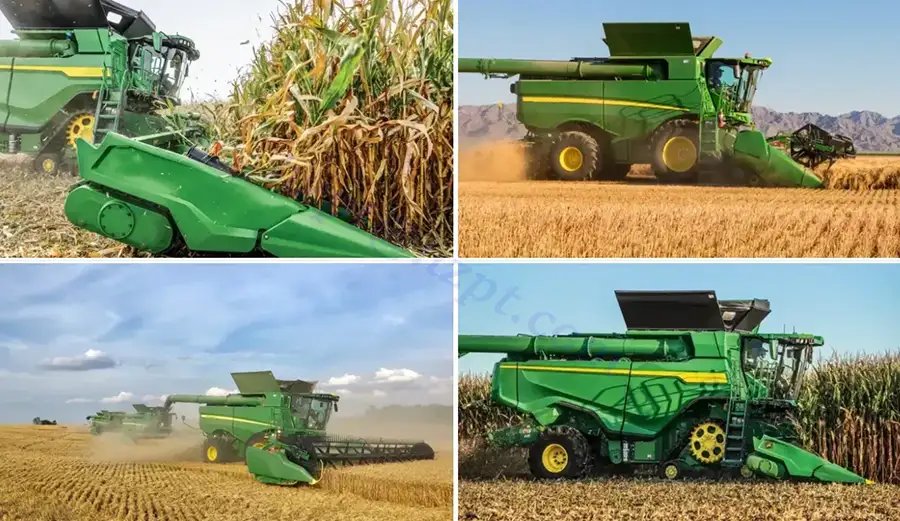
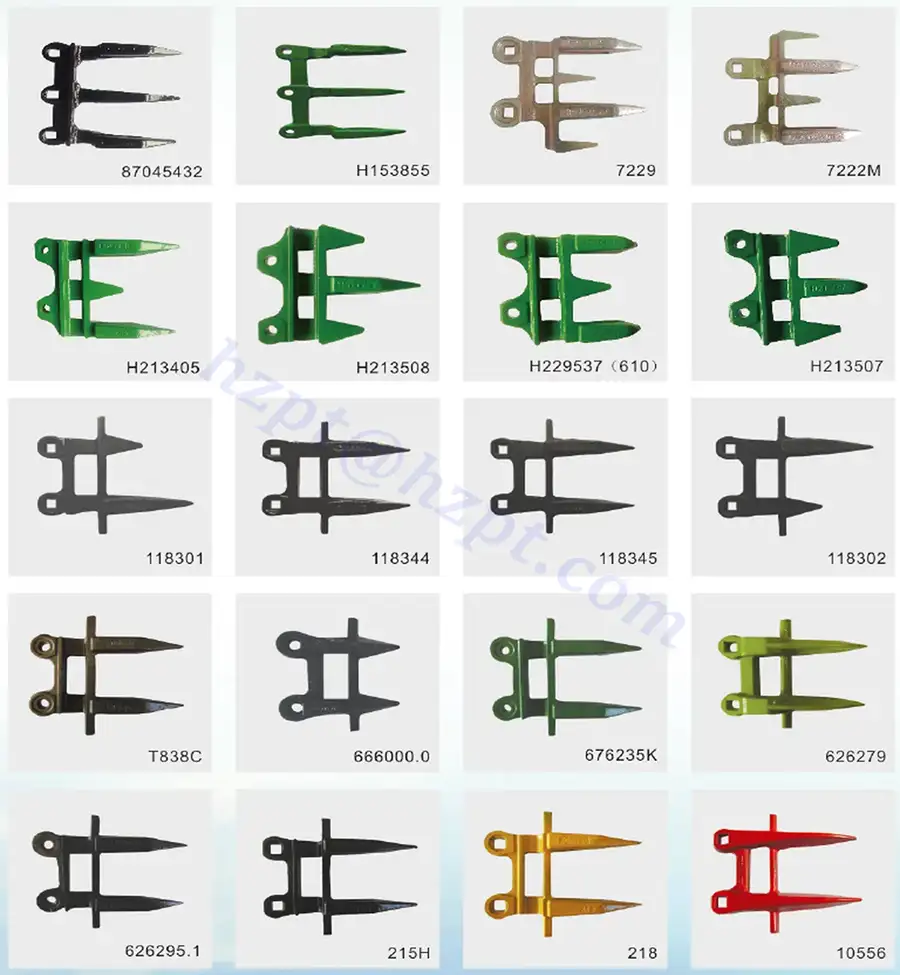
Replacing a damaged knife guard on a John Deere combine harvester can be a simple process if you have the right tools and knowledge. In this guide, we will explain step-by-step how to replace an AH143573 knife guard for John Deere combine harvesters.
Before starting any maintenance work on your machinery, always make sure that it is turned off, and the keys are removed from the ignition. This will prevent any potential accidents or injuries while working on your combine harvester.
The first step in replacing a damaged knife guard is to remove the old one. To do this, you will need to locate the damaged knife guard and loosen the bolts that hold it in place. You can use a socket wrench to remove the bolts, and make sure to keep them in a safe place for later use.
With the damaged knife guard removed, you will now need to clean the knife holder thoroughly. This will ensure that there is no residue or debris left behind that could interfere with the new knife guard's installation.
After cleaning the knife holder, you can now install the new knife guard. Start by positioning the new knife guard in place, and then attach it with the bolts that you removed earlier. Make sure to tighten the bolts securely.
With the new knife guard in place, you will need to check its alignment to ensure that it is positioned correctly. You can do this by turning the combine harvester's rotor by hand and checking the knife guard's clearance. If the clearance is too tight or too loose, you may need to adjust the knife guard's position, so it sits correctly.
With the new knife guard in place and correctly aligned, you can now reassemble the combine harvester. This involves putting back any parts or covers that you removed earlier, such as the panels or shields.
Before using the combine harvester, you will need to test it to ensure that it is working correctly. Start the combine harvester, and then allow it to run for a few minutes to ensure that everything is working as it should.
Finally, clean up your workspace and dispose of any old parts or debris safely. You can now use your combine harvester with confidence, knowing that it has a new AH143573 knife guard installed.
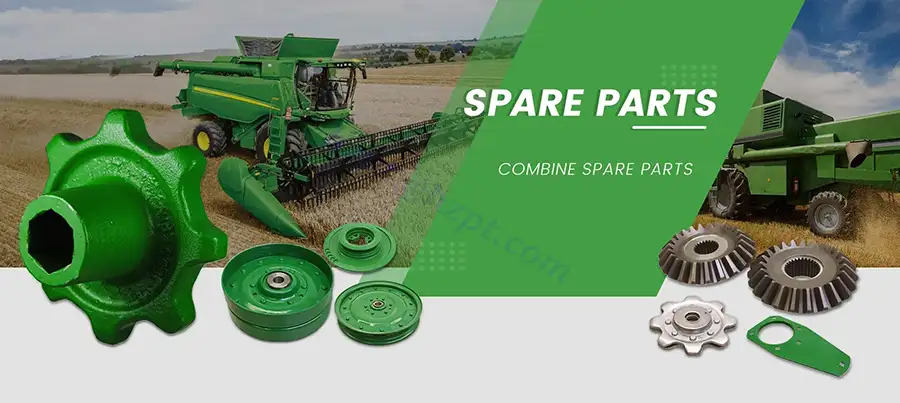
Chain sprockets are essential for transferring power within the combine. By engaging with chains, they ensure smooth operation across different components. Made from robust materials, they require regular maintenance to prevent wear and maintain efficient power transmission during harvesting.
Idler sprockets help guide and maintain proper tension in chains. They do not transmit power but are crucial for preventing chain slack and misalignment. Regular inspection ensures they remain in good condition, which is vital for the longevity of the chain system.
Drive pulleys are key in belt-driven systems, transferring engine power to various parts. Their proper alignment and maintenance are crucial to prevent belt wear and ensure efficient operation, significantly impacting the overall performance of the combine harvester.
Idler pulleys maintain tension and guide belts within the harvester. Though they don't drive components directly, they are crucial for preventing belt slippage and misalignment. Regular checks and maintenance ensure they function effectively, supporting the overall efficiency of belt systems.
Gears facilitate changes in speed and direction of power within the combine. They enable precise control over machinery functions. Regular lubrication and inspection are necessary to prevent wear, ensuring smooth and efficient operation throughout the harvest season.
The drive shaft transmits power from the engine to various harvester parts. It must withstand high torque and be balanced correctly to reduce vibrations. Regular maintenance, including lubrication, is vital to ensure reliable performance and prevent mechanical failures.
Knives are crucial for cutting crops efficiently. They must be sharp and well-maintained to ensure clean cuts, reducing fuel consumption and increasing harvesting speed. Regular inspection and sharpening are necessary to keep them effective and prolong their lifespan.
Concaves work with the threshing drum to separate grain from chaff. Their setup affects threshing efficiency and must be adjusted based on crop type. Regular checks ensure they remain free of damage and obstructions, optimizing grain separation and quality.
Address
Luotuo Industrial Area, Zhenhai District, Ningbo City, China
Tel

 Raydafon