
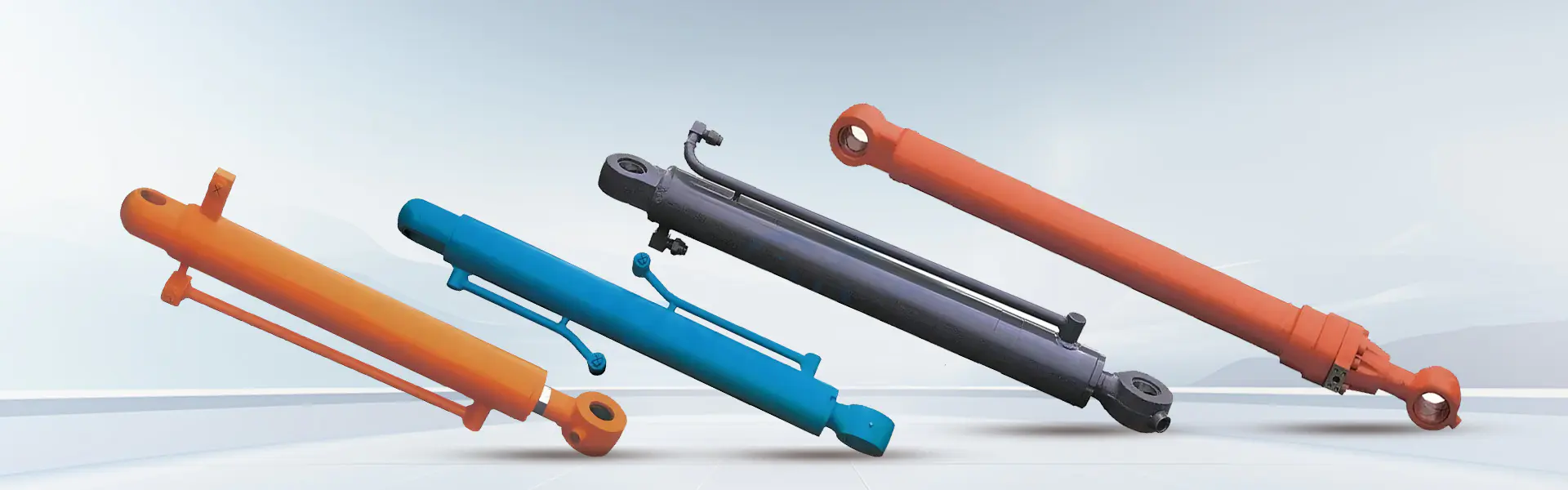
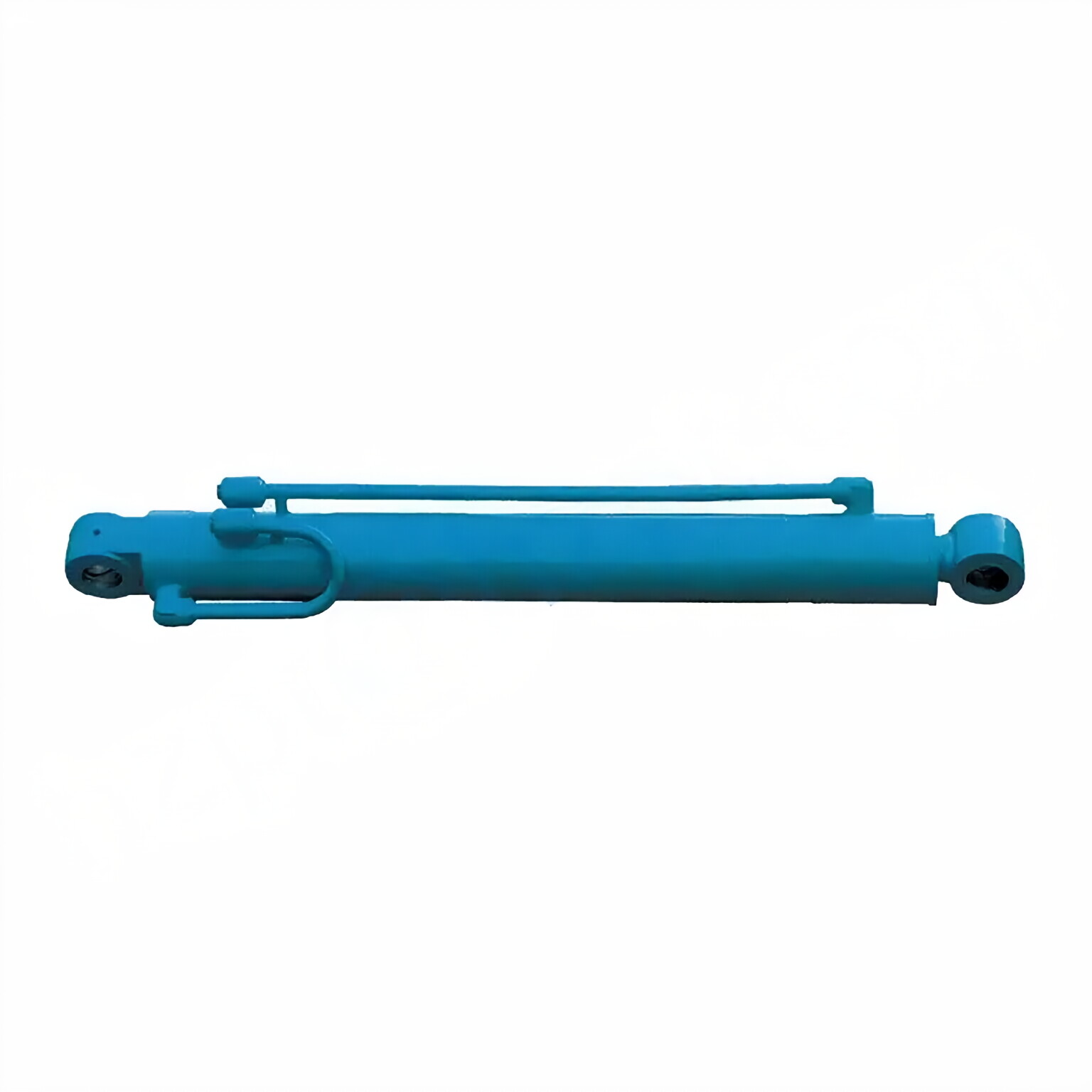
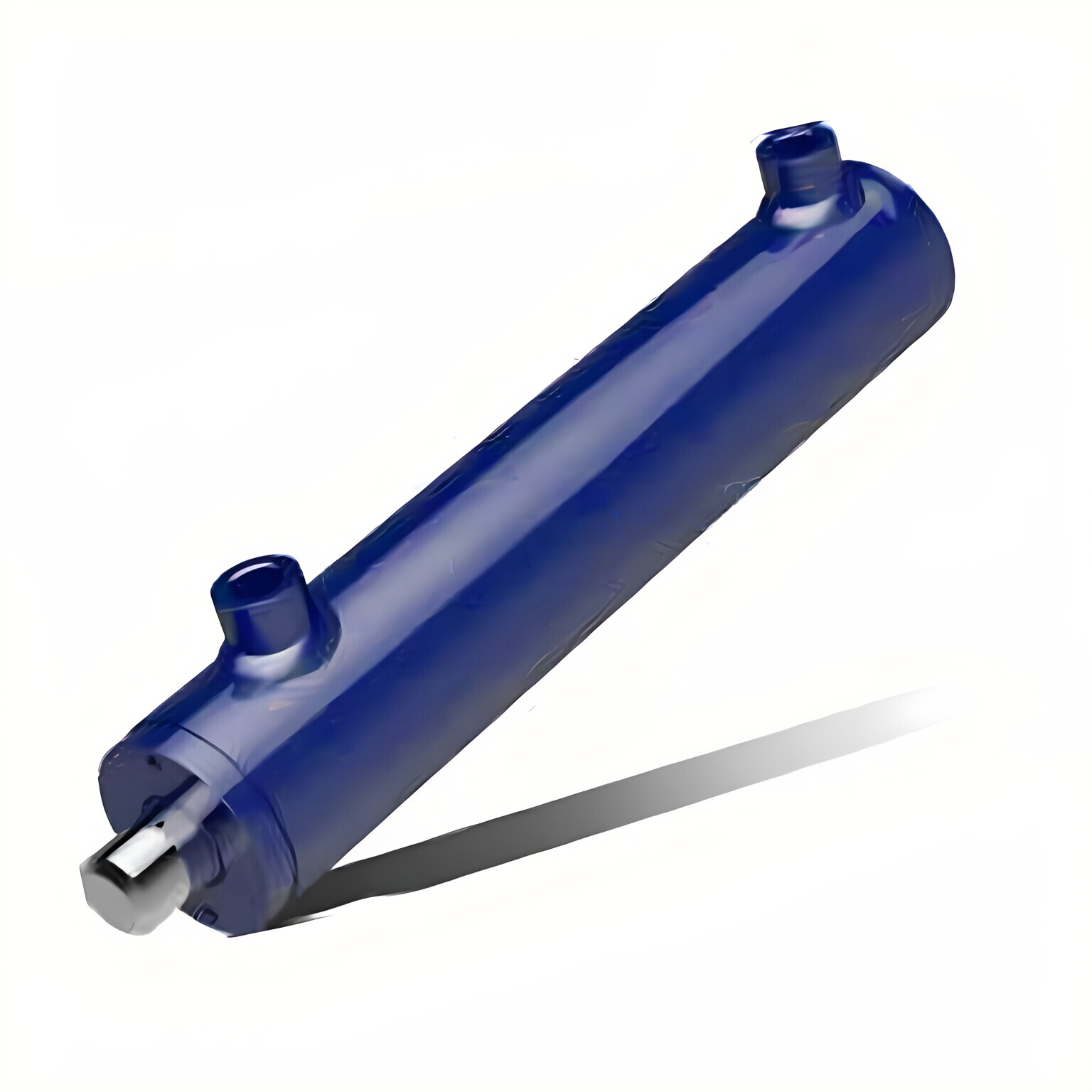
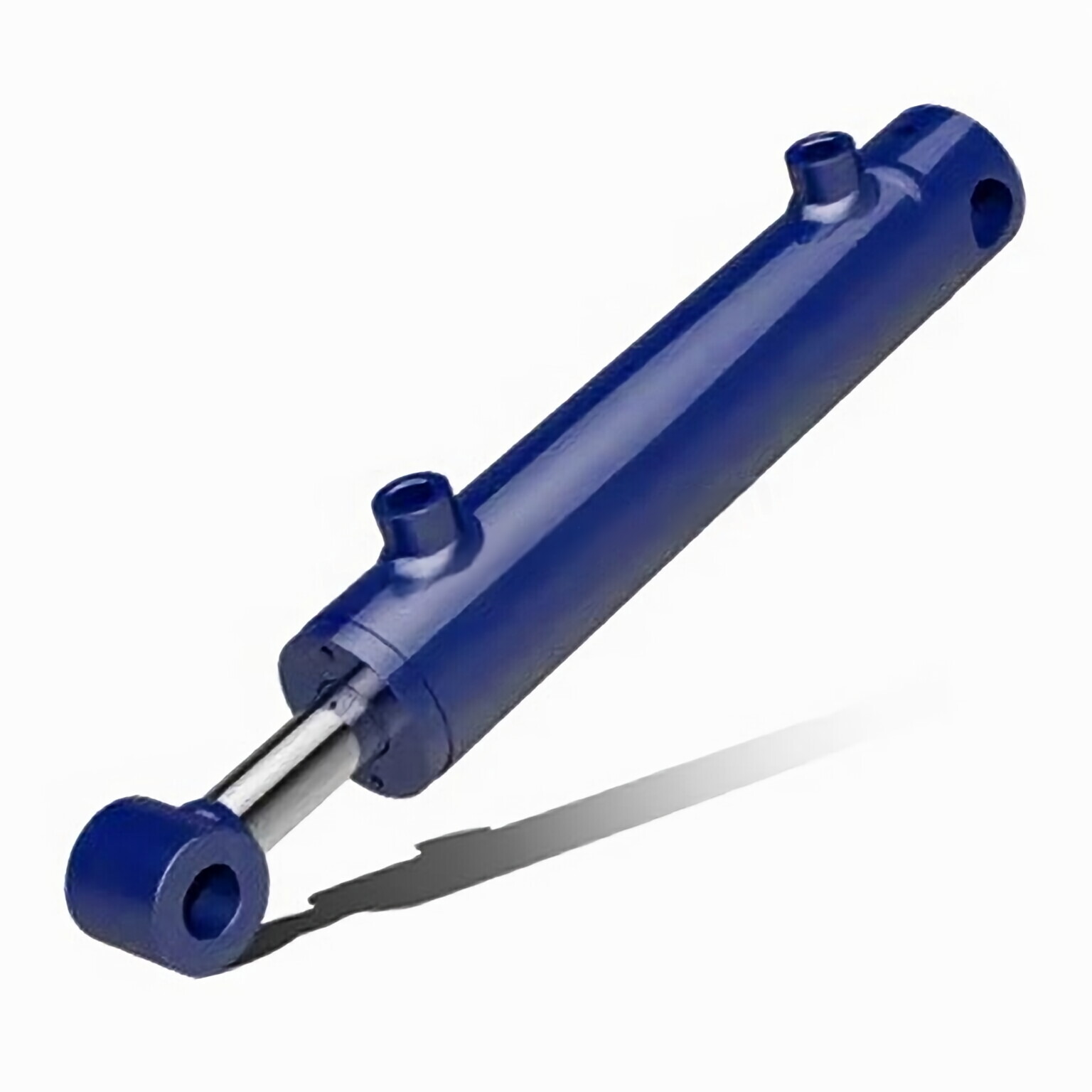
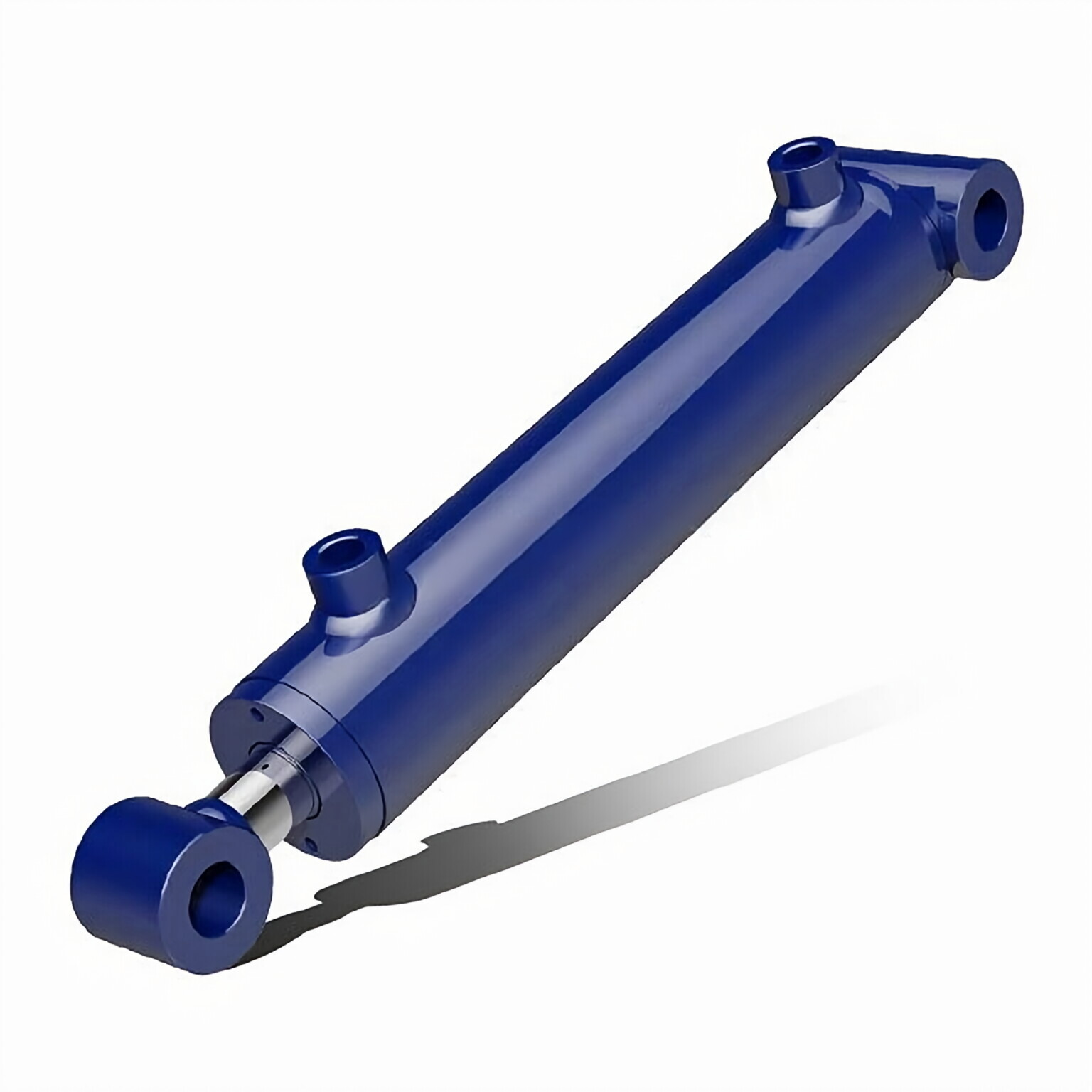
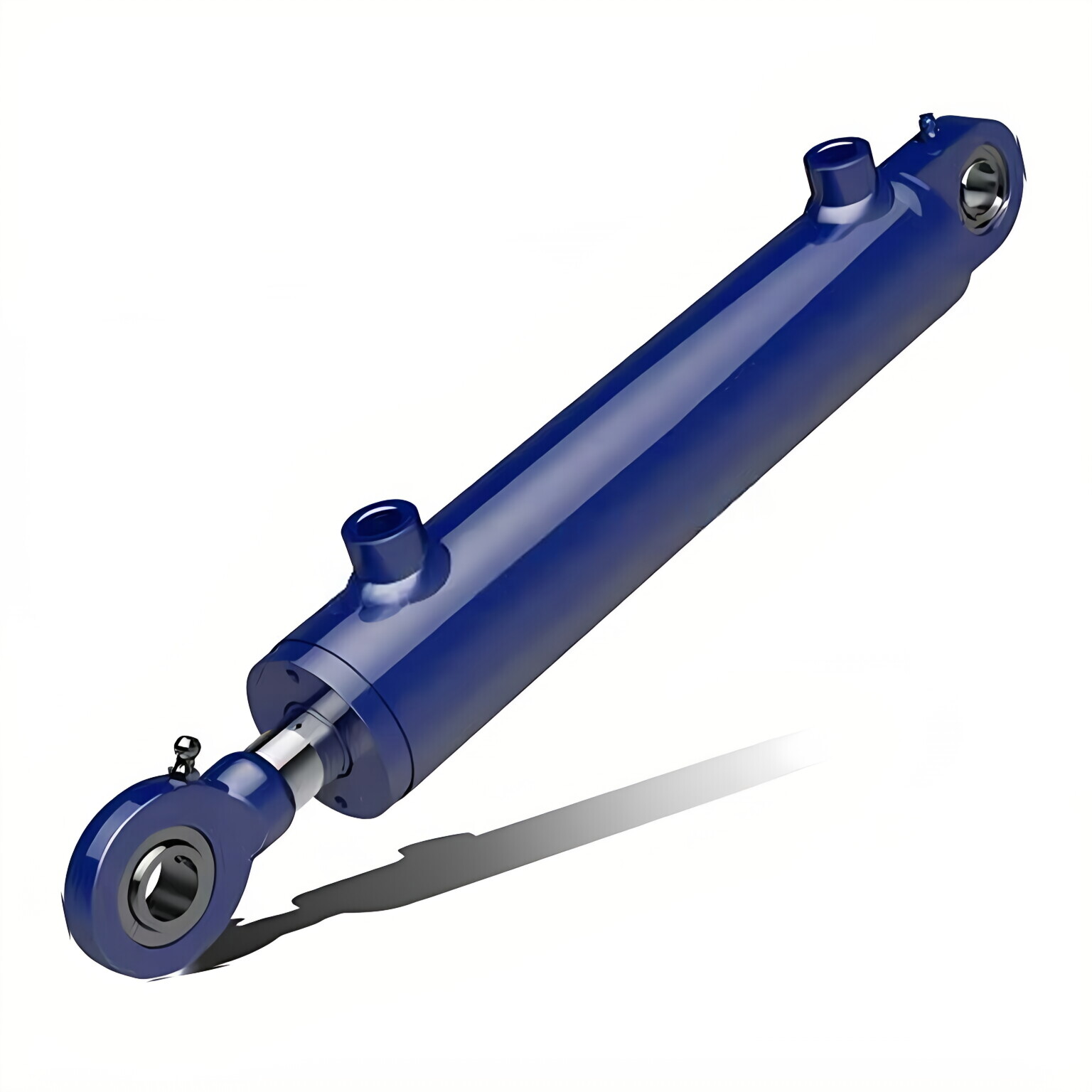
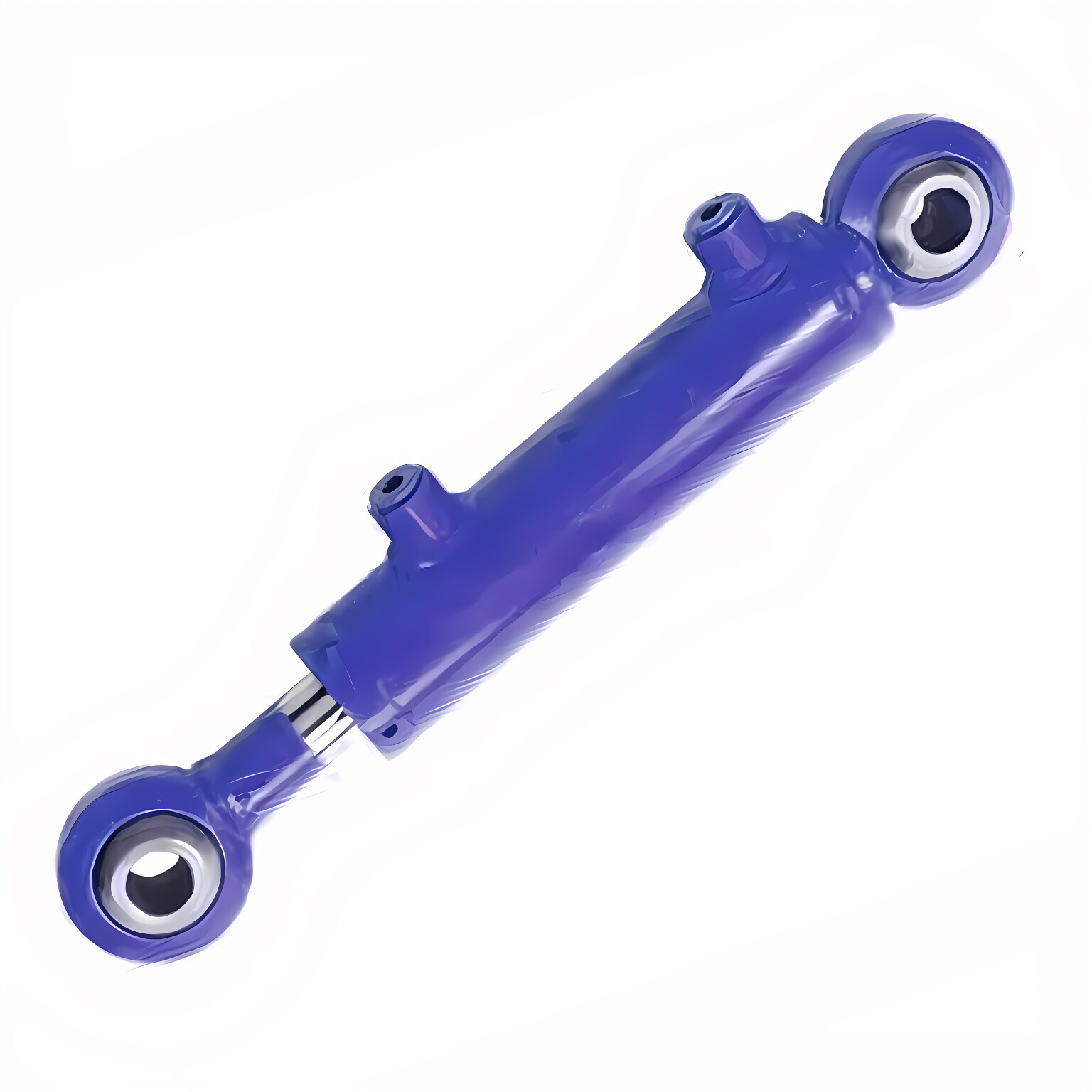
An arm cylinder is a type of hydraulic cylinder that is specifically designed for providing linear motion and force to the arms of various machinery, such as excavators, cranes, and mechanical arms. These cylinders are crucial for the movement and control of additional tools or attachments. In hydraulic systems, arm cylinders play an essential role in providing power and control to the machinery.
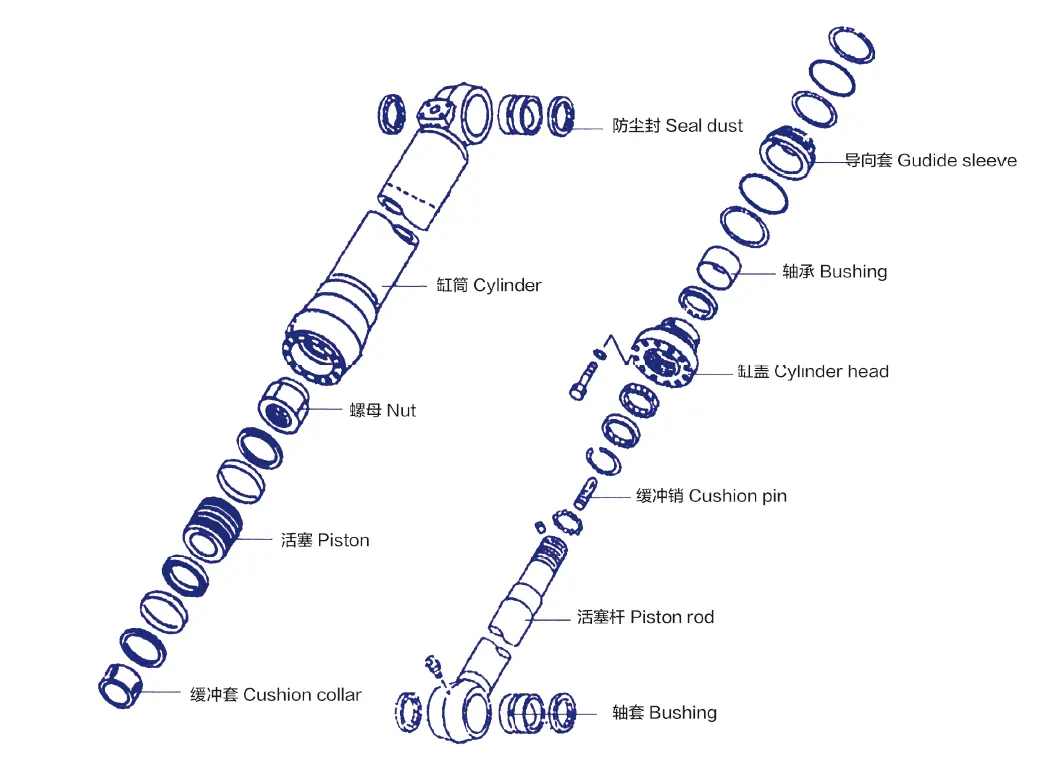
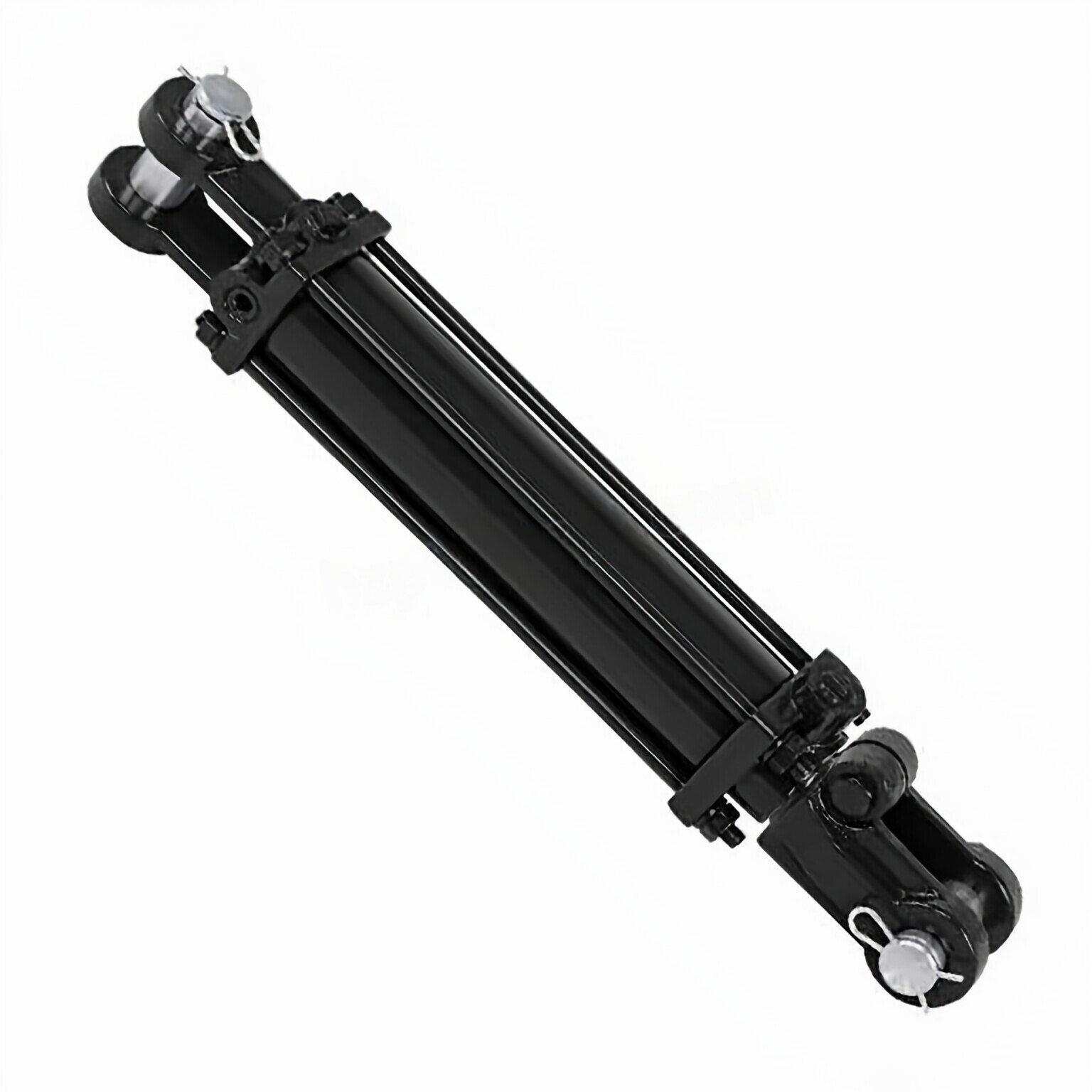
The arm cylinder, also known as the boom cylinder or stick cylinder, is a type of hydraulic cylinder used to move the arm of the excavator. The cylinder consists of a piston and a rod that are housed inside a cylinder barrel and used to provide the linear motion needed to move the arm. The cylinder operates by transmitting hydraulic fluid to the piston through the cylinder barrel, causing the piston to move in a linear motion. This motion then provides the force needed to move the arm of the excavator.
Arm cylinders have a wide range of applications in various industries:
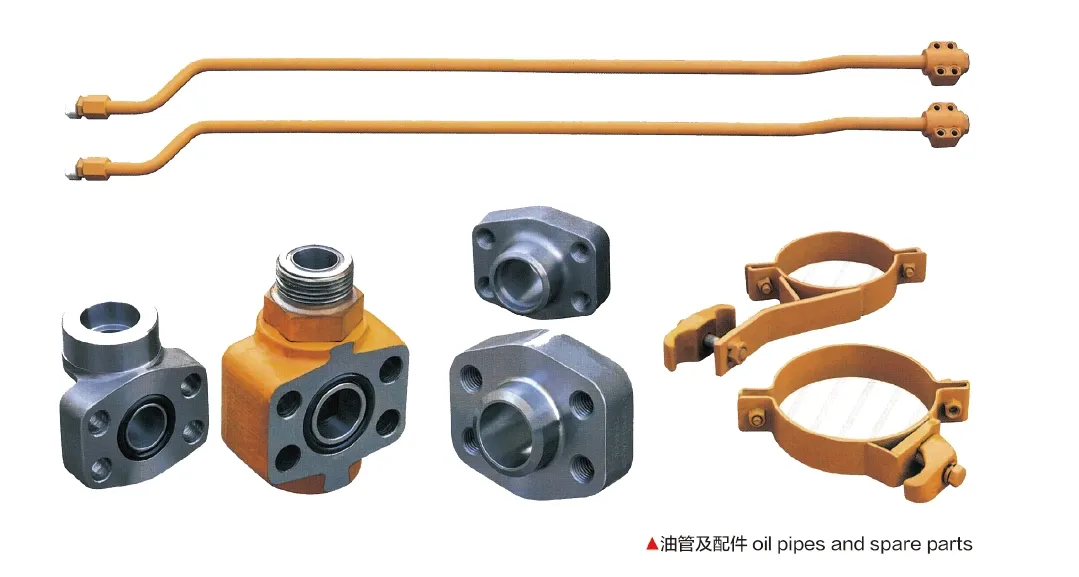
Various sealing components such as piston seals and rod seals are used to prevent hydraulic fluid leakage and protect the cylinder from contamination. The seals are made of durable materials such as polyurethane and nitrile rubber to ensure wear resistance. The cylinder body and thread end surface are finely processed to improve wear resistance. Regular lubrication with the appropriate hydraulic oil is required to ensure the smooth operation of the arm cylinder.
When installing the arm cylinder, ensure that it is correctly aligned and that all connections are firmly tightened. Follow the manufacturer's instructions for proper installation and connection of the hydraulic hoses and fittings. Regularly inspect the cylinder for signs of wear or damage, and replace any damaged components as soon as possible.
When operating machinery with arm cylinders, it is essential to follow all safety procedures and guidelines to prevent accidents and injuries. This includes wearing appropriate protective gear and ensuring that all equipment is maintained and operated in accordance with safety regulations. It is also important to consider the environmental impact of hydraulic fluid leakage and implement measures to prevent contamination of the surrounding environment.
Common problems with arm cylinders include hydraulic fluid leakage, piston or rod damage, and misalignment. Troubleshooting should begin with a visual inspection to identify any visible signs of damage or wear. If necessary, the cylinder should be disassembled and the components inspected for damage or wear. Regular maintenance and inspections can help prevent these issues from occurring.
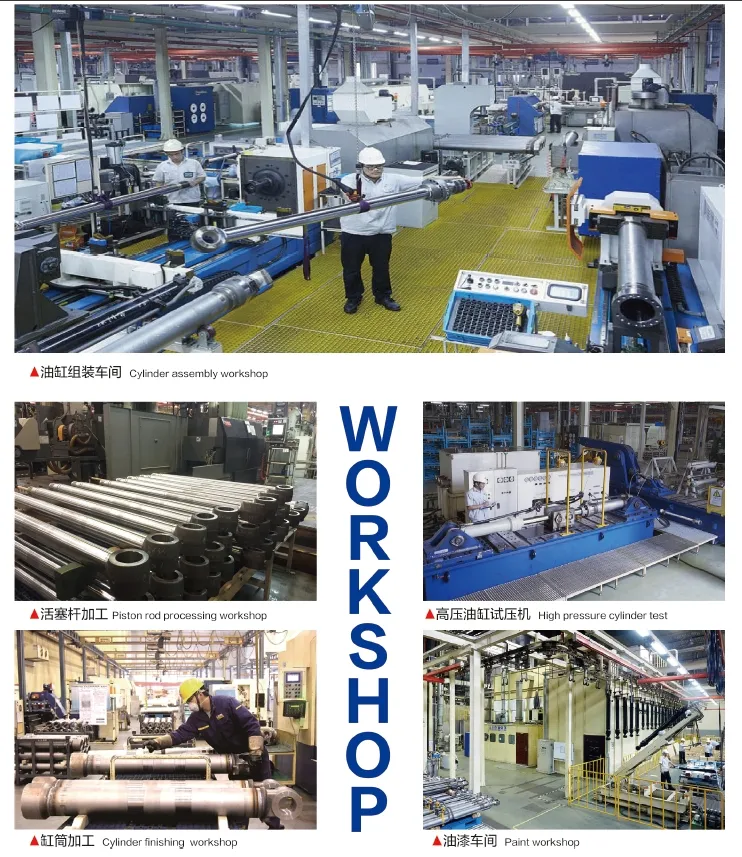
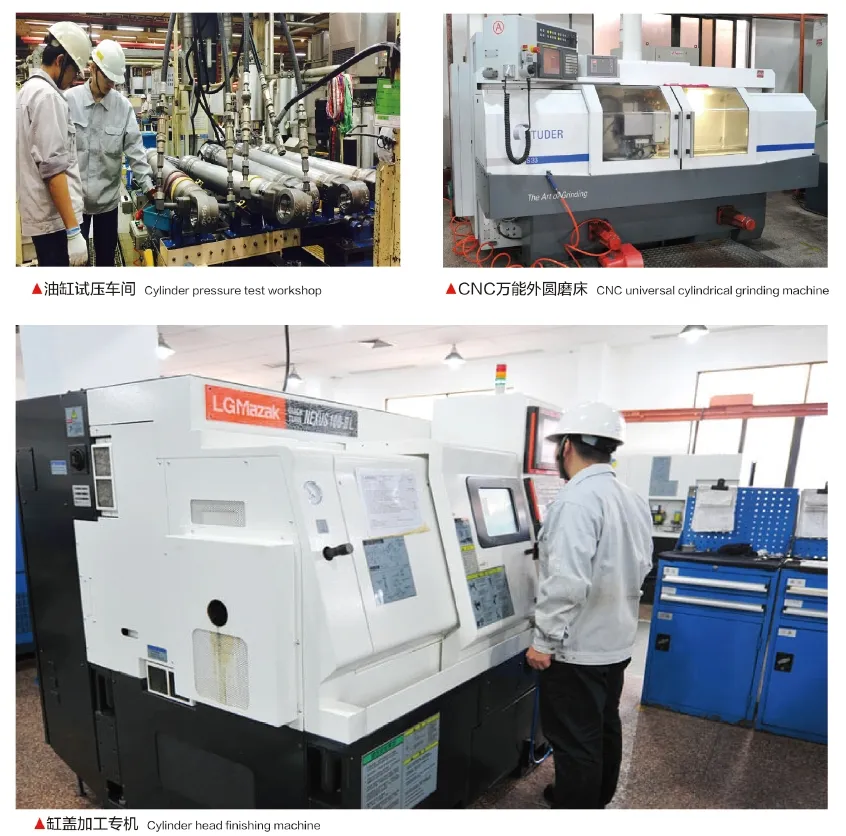
We are a manufacturer of replacement hydraulic cylinders, offering a complete range of products. As one of the leading manufacturers and wholesalers of hydraulic cylinders in the domestic and international markets, we adhere to the principle of excellence and rely on the industrialized production management of precision manufacturing workshops. We continuously improve our manufacturing platform and product quality production route by using technical talents, digital high-end manufacturing equipment, and professional inspection systems. Our products are created with high efficiency, accuracy, and quality principles to meet the diverse needs of our customers.

Author: lyl
Address
Luotuo Industrial Area, Zhenhai District, Ningbo City, China
Tel

 Raydafon