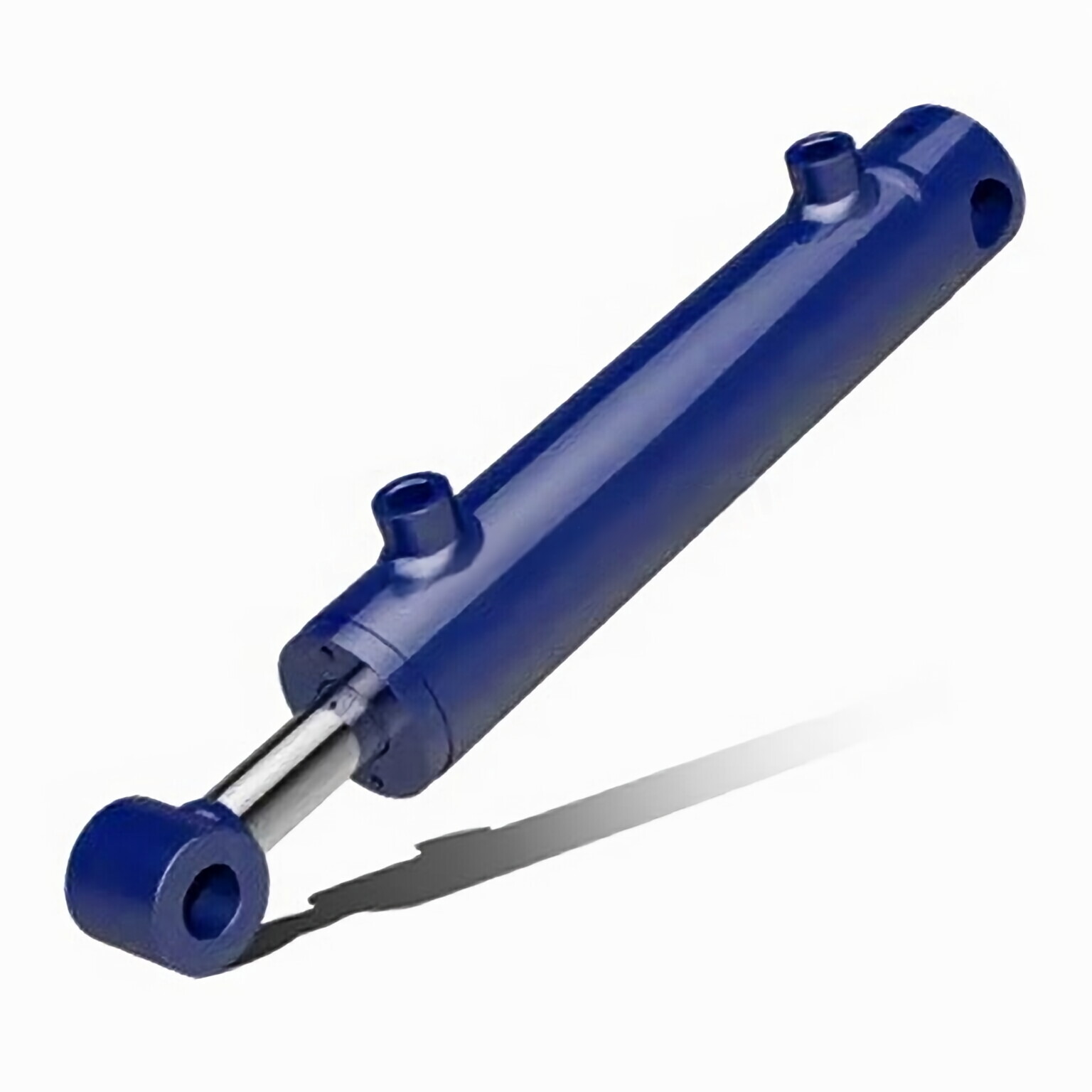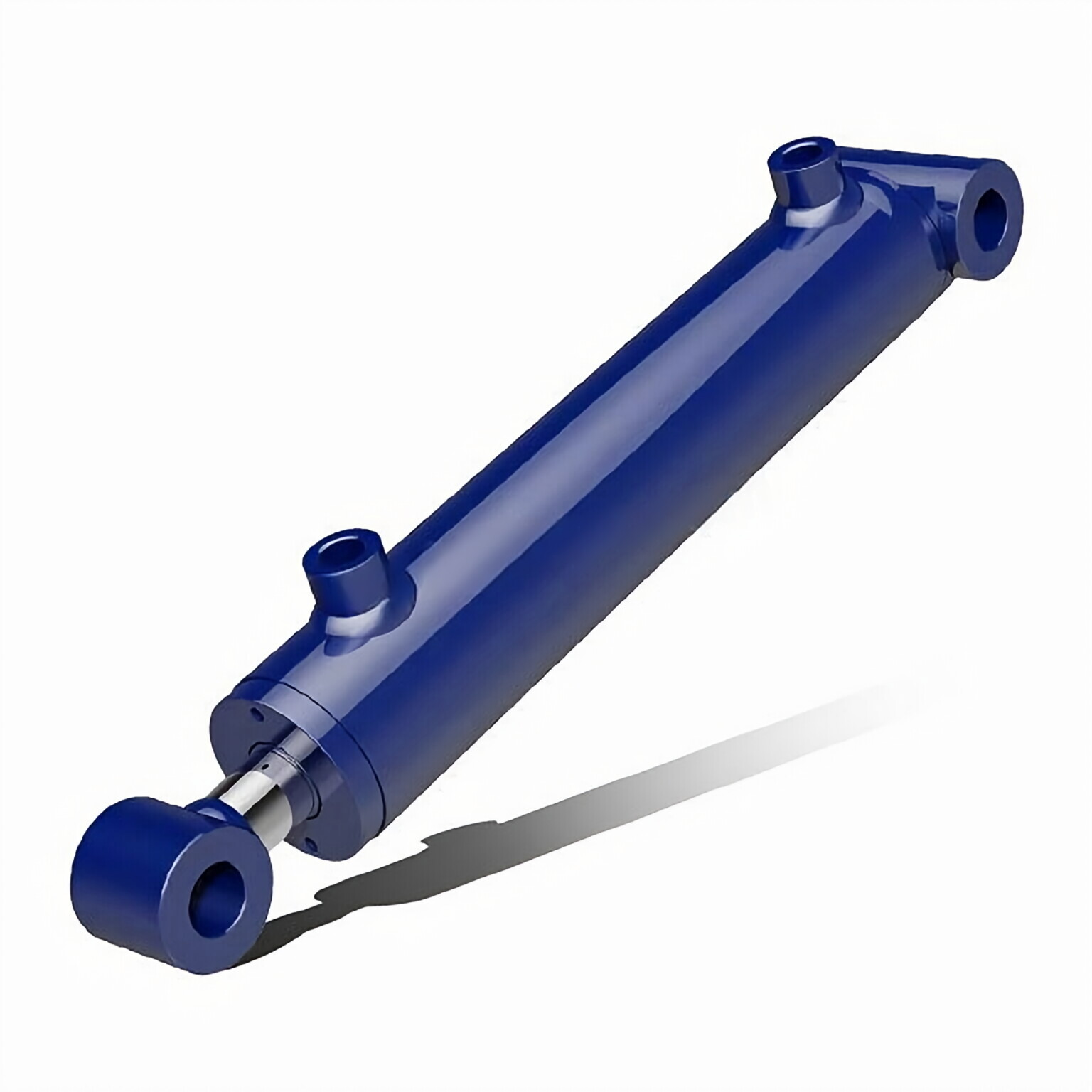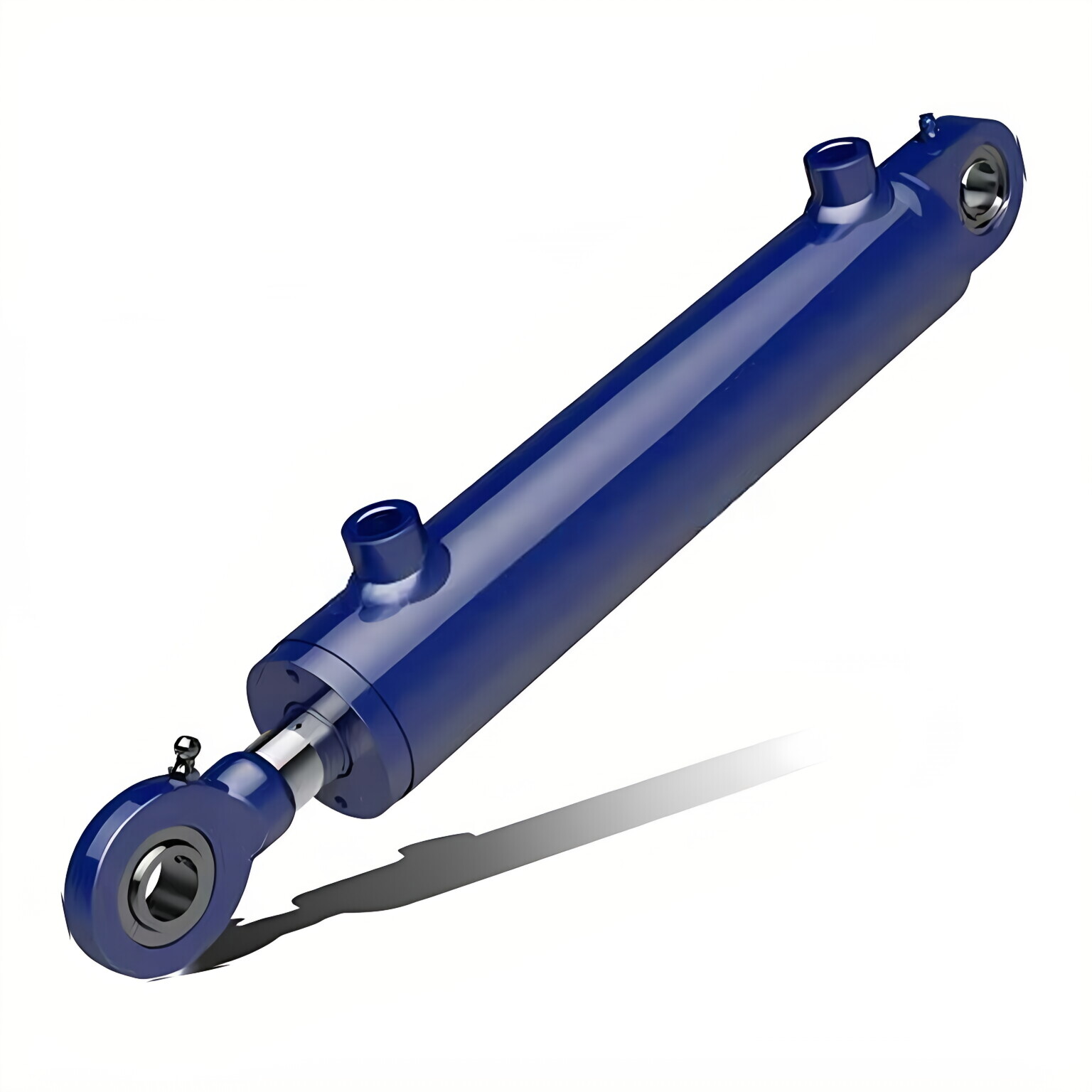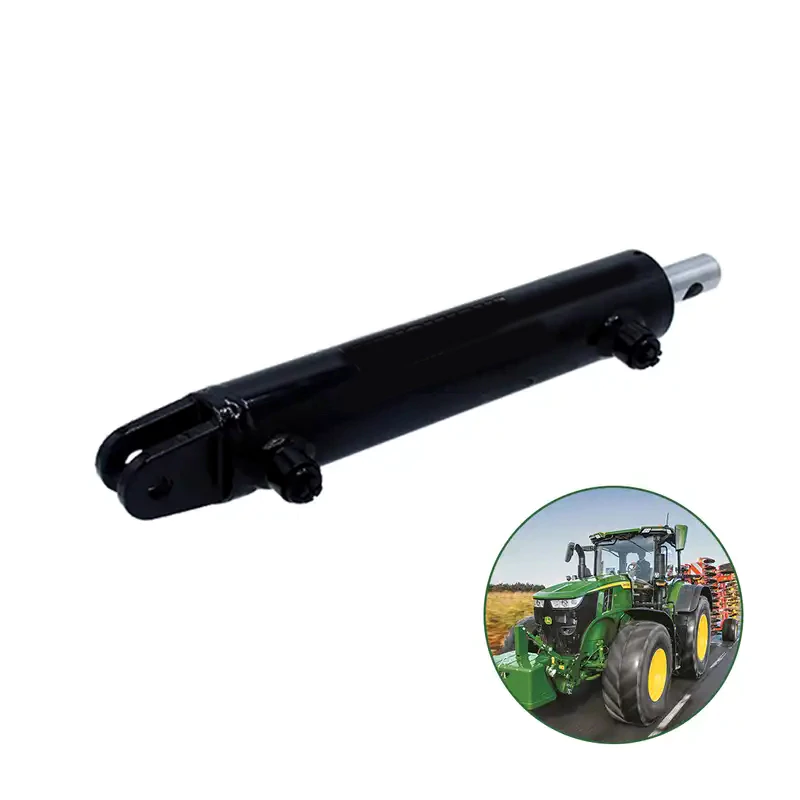
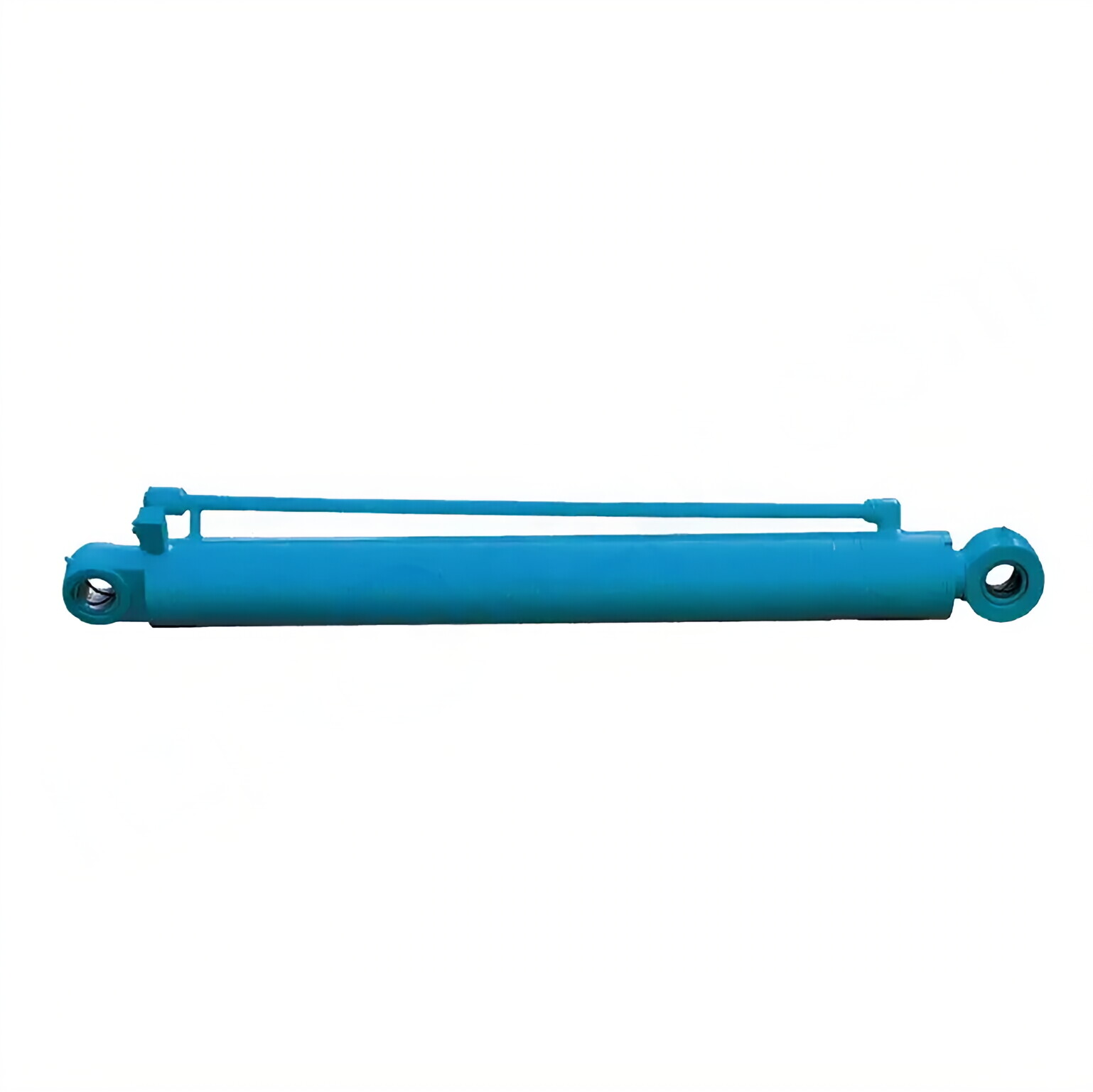
Arm Cylinder For Doosan Middle Excavator DH220LC-9E
Raydafon Group's Arm Cylinder for Doosan Middle Excavator DH220LC-9E is engineered for durability and precision. Featuring high-strength materials and advanced sealing technology, it ensures smooth operation and reduced maintenance. Ideal for construction and industrial professionals, this cylinder enhances machine performance, solving downtime issues with reliable, long-lasting power. Its superior design offers unmatched efficiency compared to standard models.
Arm Cylinder For Doosan Middle Excavator DH220LC-9E
Overview
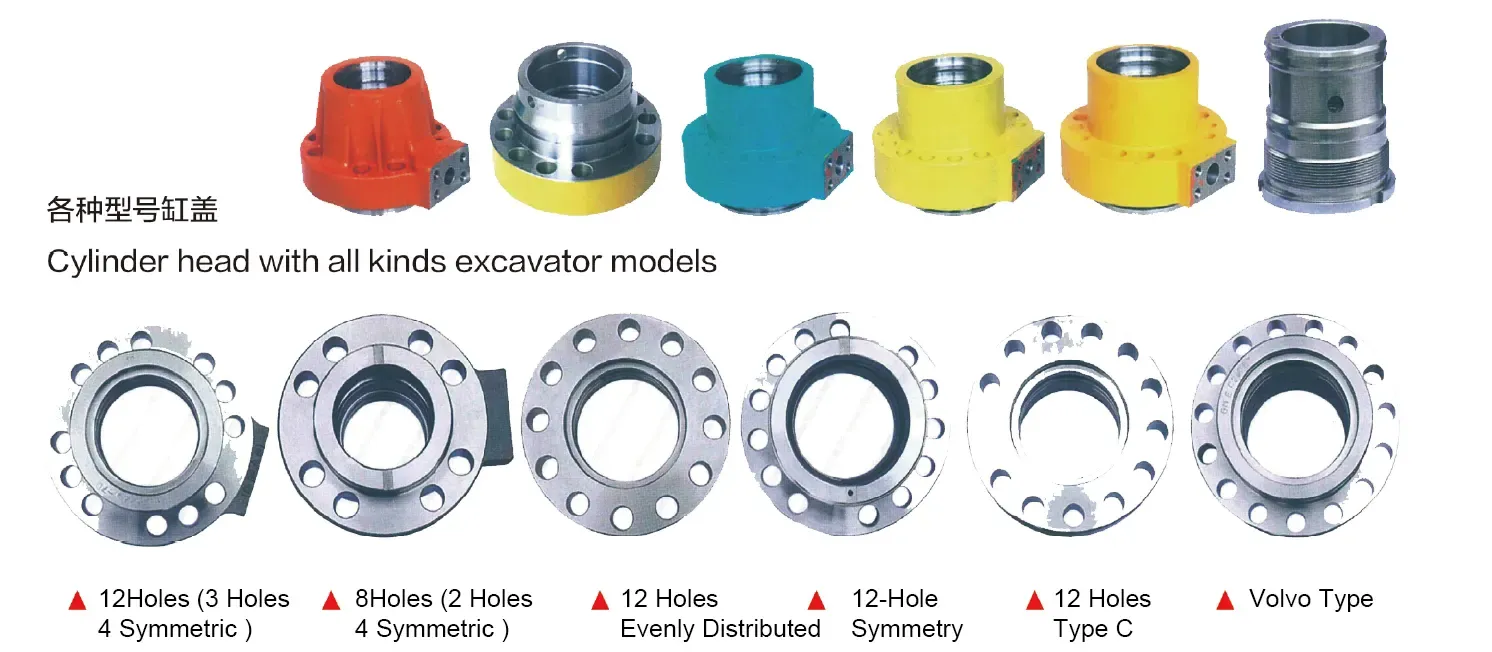
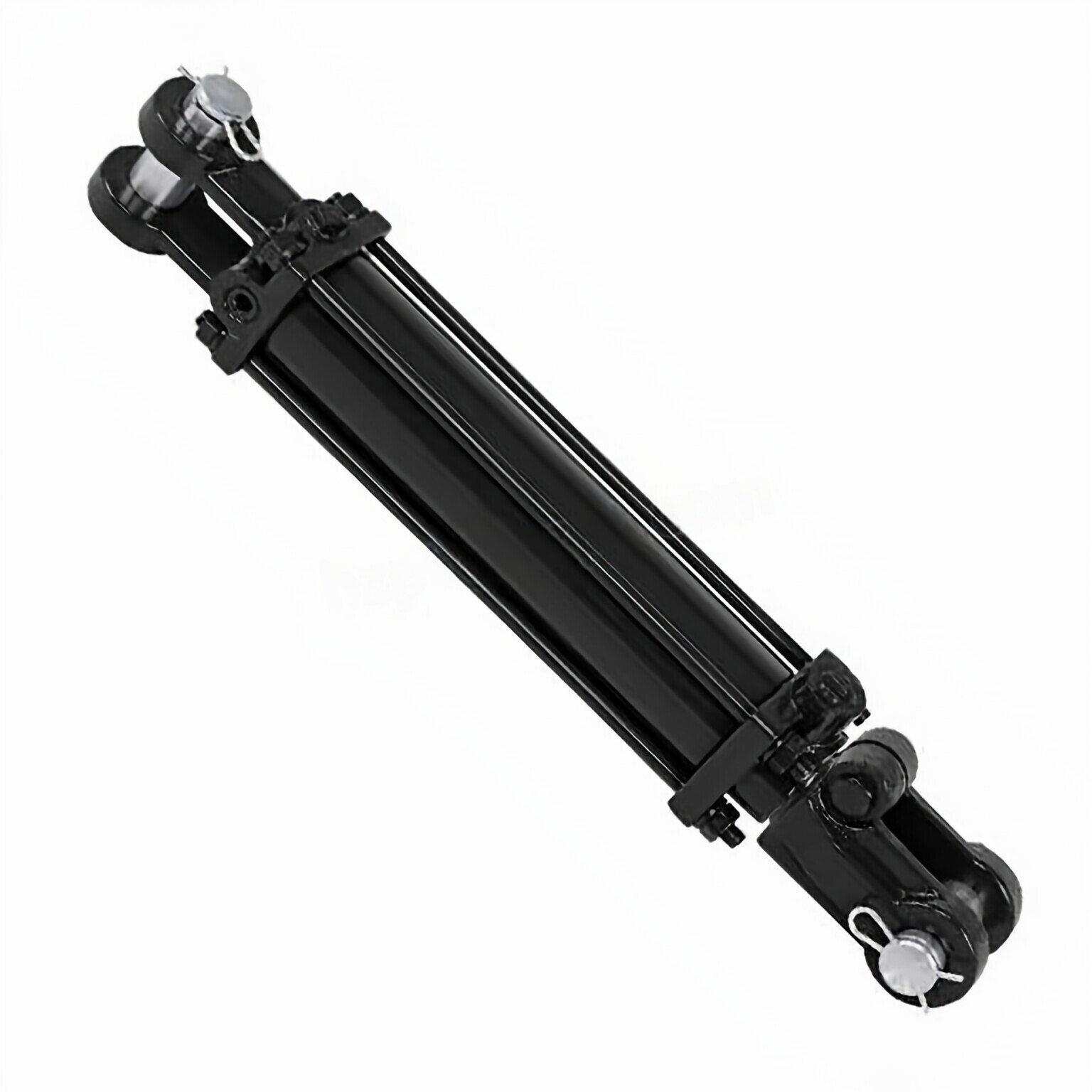
The arm cylinder is a type of hydraulic cylinder that provides linear motion and force to the arms of various machinery such as excavators, cranes, and robotic arms. These cylinders are essential for moving and controlling additional tools or attachments.
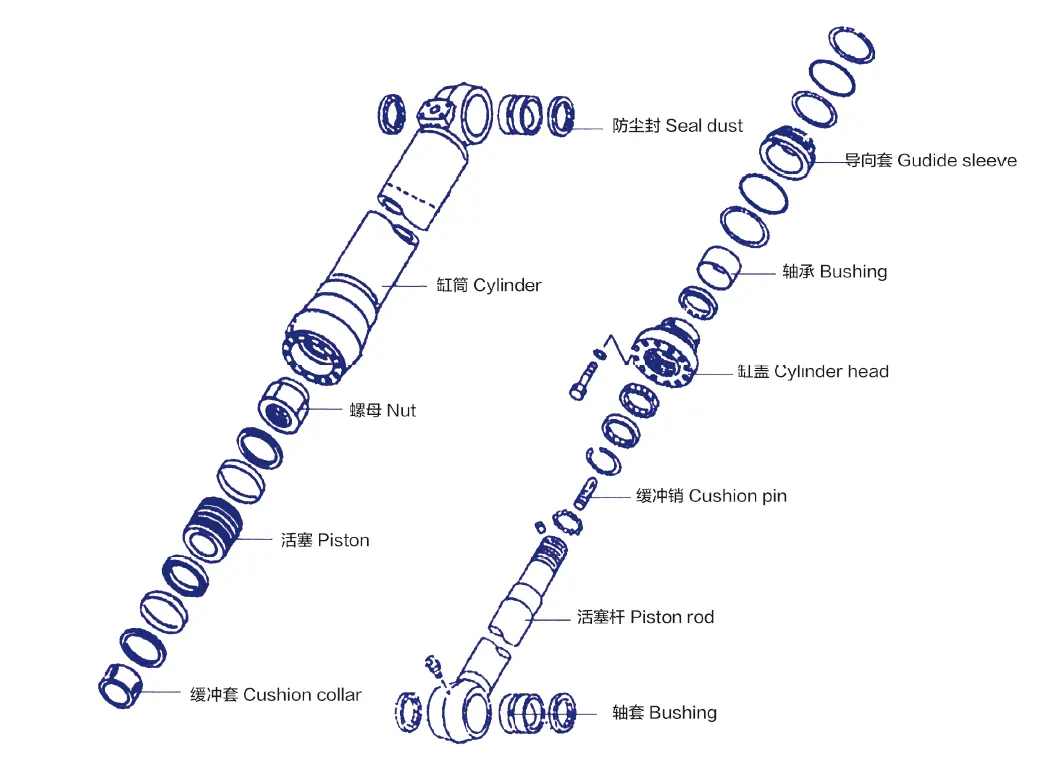
Features
High strength and durability: Typically made of high-strength steel or aluminum, able to withstand high pressure and heavy loads, and designed to withstand wear and corrosion, extending service life.
Efficient hydraulic operation: Smooth extension and retraction actions using hydraulic oil pressure, quick response to control commands, providing powerful push and pull forces, suitable for handling heavy loads and complex tasks.
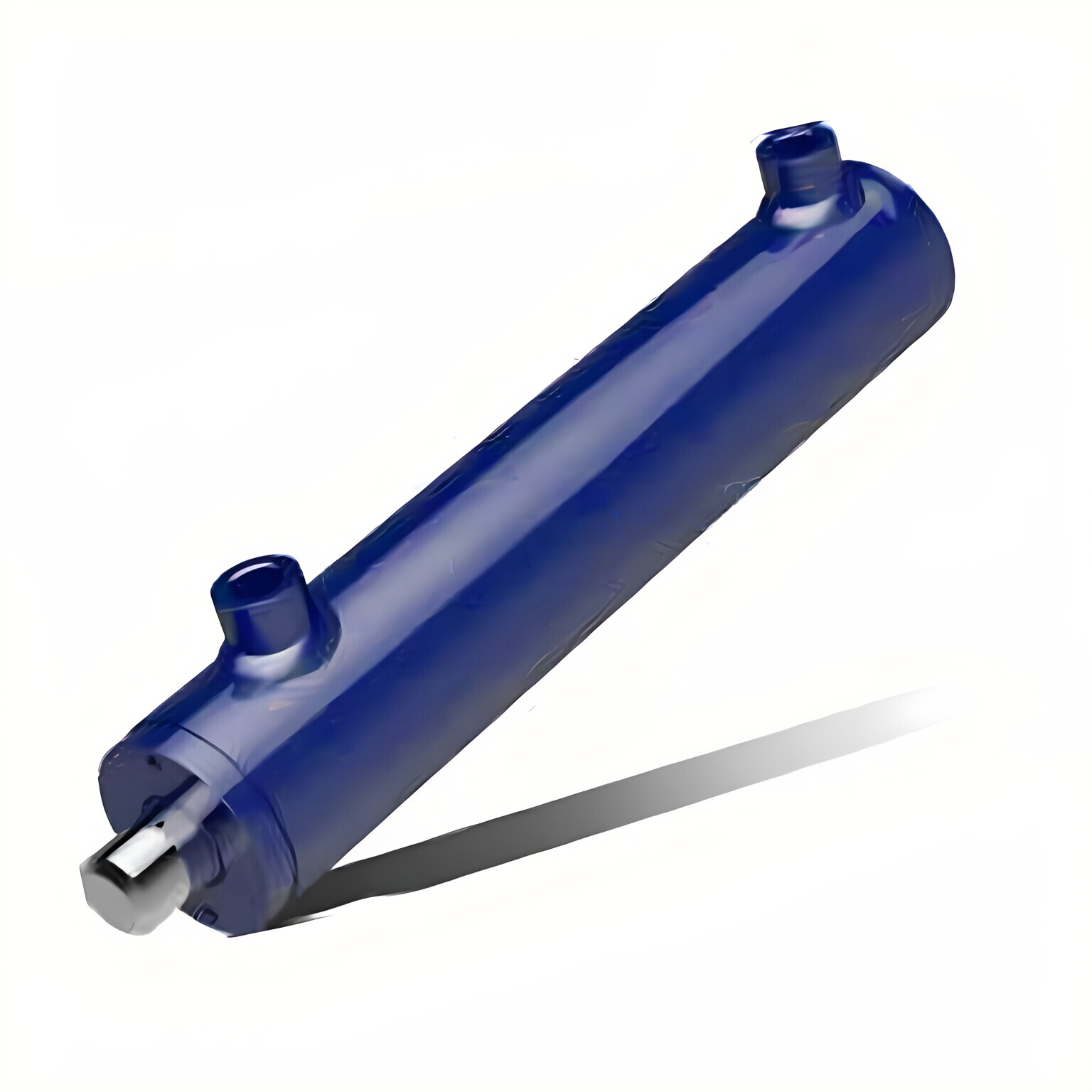
Various types: Single-acting (hydraulic used in one direction only) or double-acting (hydraulic used in both directions) cylinders can be selected according to requirements to meet different operational needs. Some models are telescopic, allowing for greater extension without increasing external dimensions, suitable for applications with limited space.
Precise control: Provides precise control over arm angle and height, adapting to different work requirements. Combined with hydraulic control systems, complex actions and higher operational flexibility can be achieved.
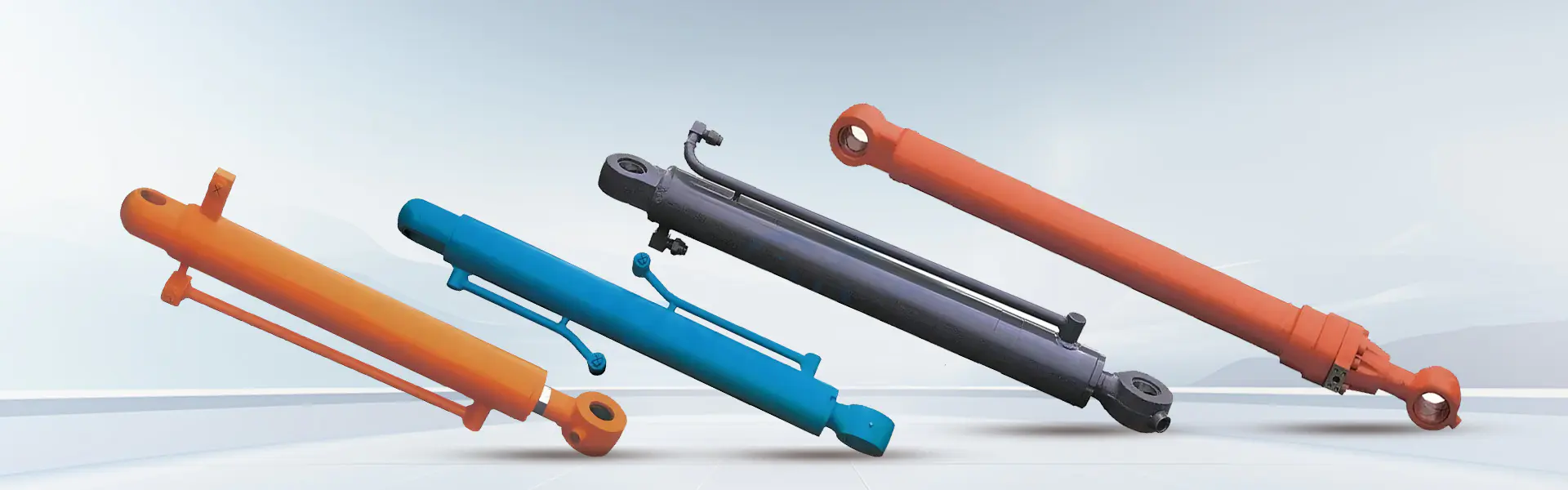
Can replace various hydraulic cylinders: Our products can perfectly replace these hydraulic cylinders.
Applications
The arm cylinder has various applications in different fields such as:
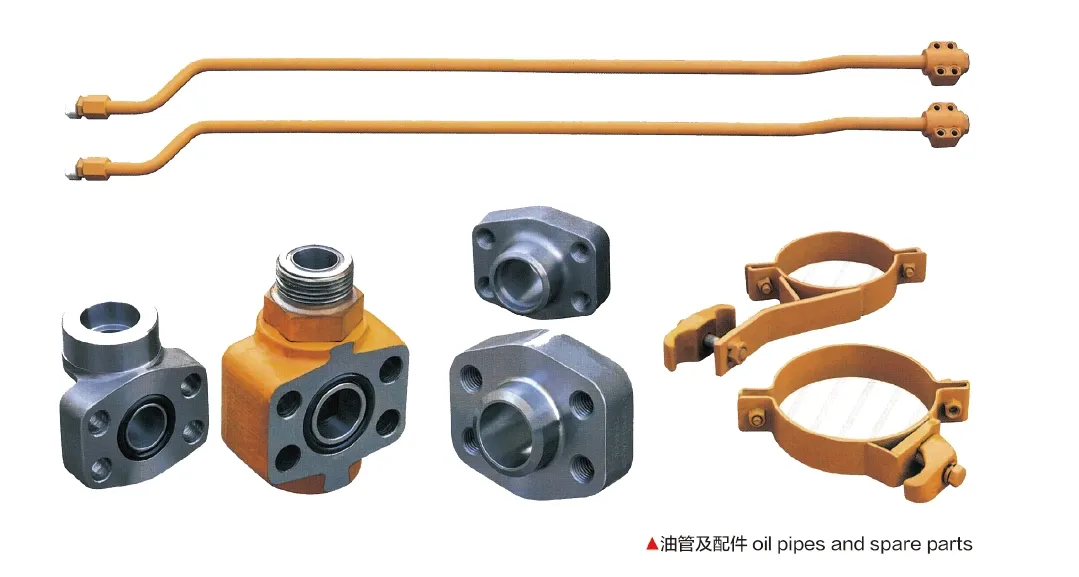
Construction equipment: In excavators, the arm cylinder is essential for digging and lifting materials. In cranes, they can precisely position loads.
Agricultural machinery: Used for loaders and harvesters to manipulate tools and efficiently collect crops.
Industrial equipment: Used for mechanical arms in assembly lines, they can perform precise repetitive tasks.
Design Considerations and Selection Standards
The design considerations for arm cylinders include the following:
Bearing capacity: The cylinder must be able to handle the maximum load it will encounter during operation.
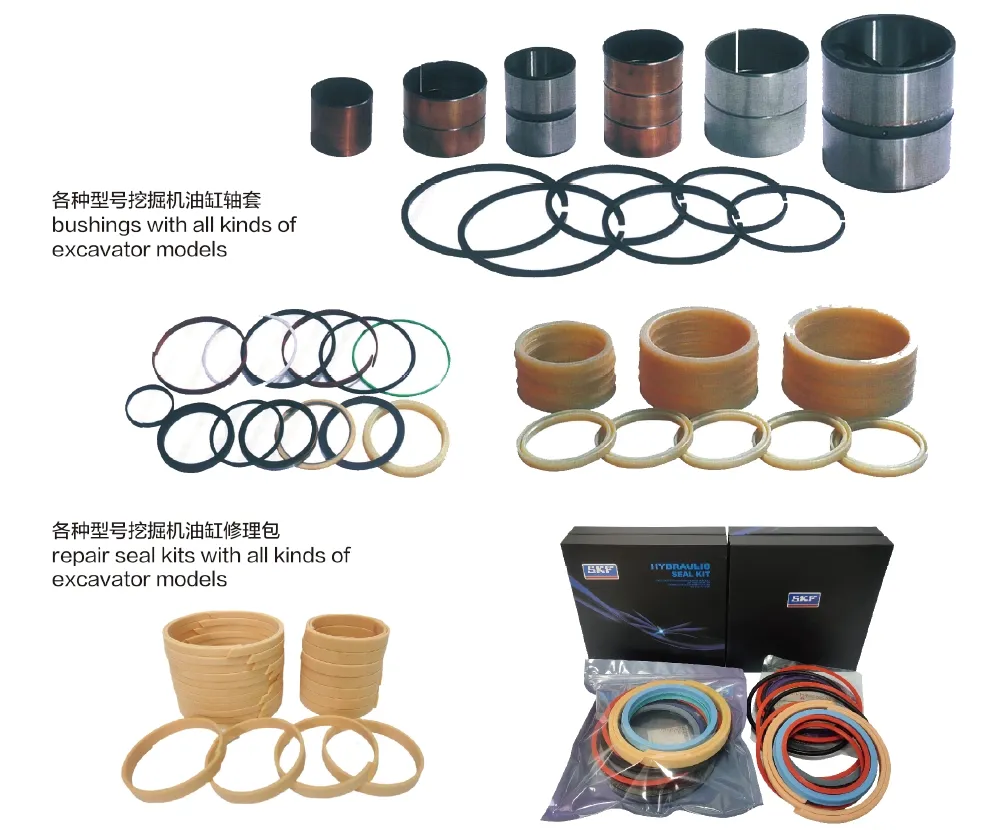
Sealing: Various seals, such as piston seals and rod seals, are used to prevent leakage of hydraulic fluid and ensure operational efficiency.
Durability: In harsh environments, materials must be selected for their wear resistance and corrosion resistance to extend service life.
Safety: Safety features such as overload protection and burst protection must be considered.
Maintainability: The cylinder should be easy to maintain and repair. Spare parts should be readily available, and the cylinder should be easy to disassemble and assemble.
Sealing and Lubrication
Various sealing components, such as piston seals and rod seals, are used to prevent hydraulic fluid leakage and ensure efficiency. The seals are made of wear-resistant materials such as polyurethane and nitrile rubber. The cylinder body and threaded end surface are finely processed to improve wear resistance. Regularly adding an appropriate amount of hydraulic oil is necessary for lubrication.
Maintenance and Preventive Measures
The arm cylinder should be inspected regularly to ensure proper operation. The following preventive measures should be taken:
Check the cylinder for leaks.
Check the seals for wear and replace them if necessary.
Keep the cylinder clean and free of dirt and debris.
Ensure that the hydraulic oil level is sufficient and that the oil is clean.
Inspect all connections for leaks.
Installation Guide
Before installing the arm cylinder, make sure to follow these steps:
Prepare the work area. Remove any debris, dirt, or dust that may interfere with the installation process.
Check the cylinder and associated parts for damage.
Install the cylinder, ensuring that all connections are secure.
Fill the cylinder with hydraulic oil.
Test the cylinder to ensure proper operation.
Safety Considerations and Environmental Factors
Safety precautions should be taken when handling the arm cylinder and hydraulic systems in general. The use of protective equipment, such as gloves and goggles, is recommended. Proper disposal of hydraulic fluid and damaged components is essential to prevent environmental damage.
Common Faults and Troubleshooting
Some common faults that can occur with the arm cylinder include hydraulic fluid leaks, reduced operating efficiency, and wear on components. Troubleshooting tips and solutions for these issues include:
Check the cylinder for leaks and replace worn seals.
Add hydraulic fluid to the cylinder if necessary.
Inspect the cylinder for damage or wear and replace any damaged parts.
Clean the cylinder regularly.
About Our Company
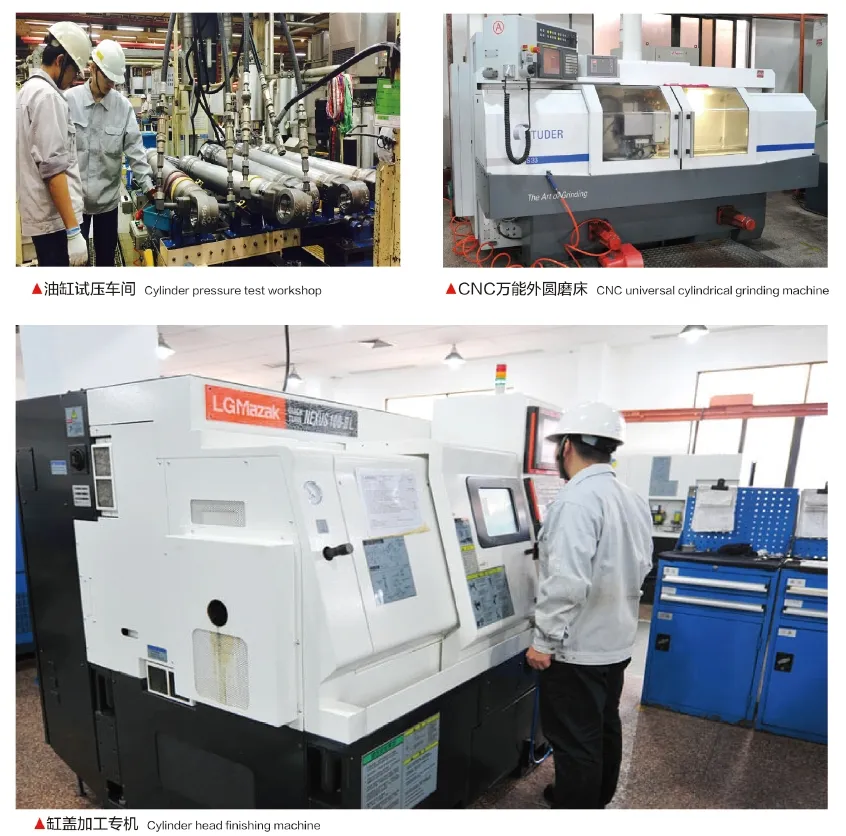
We are a manufacturer of replacement hydraulic cylinders. Our company offers a complete range of products and has become one of the leading manufacturers and wholesale distributors of hydraulic cylinders in the domestic and international markets. We adhere to the principle of excellence in quality, rely on the industrial production management strategy of fine manufacturing workshops, and continuously improve the manufacturing platform, perfect the product quality production line, and have strong creativity to meet the diverse needs of customers with high efficiency, high precision, and high-quality standards.
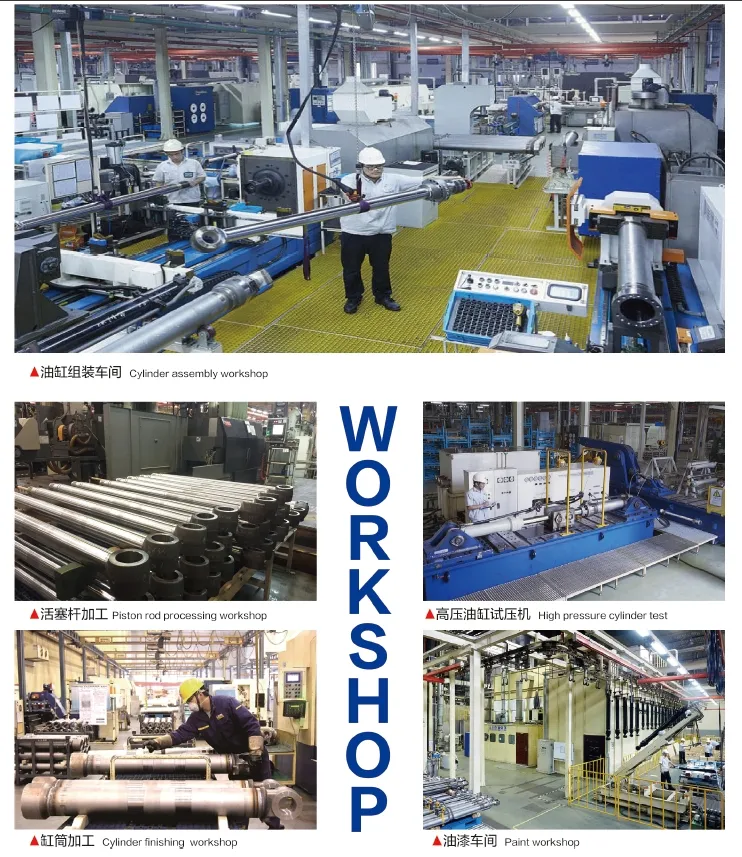
Our company is known for our professionalism, international certifications, customized services, advanced production equipment, and excellent after-sales service.
Author: lyl.
Hot Tags: Doosan DH220LC-9E arm cylinder, arm cylinder for Doosan excavator, excavator arm cylinder manufacturer
We use cookies to offer you a better browsing experience, analyze site traffic and personalize content. By using this site, you agree to our use of cookies. Privacy Policy