
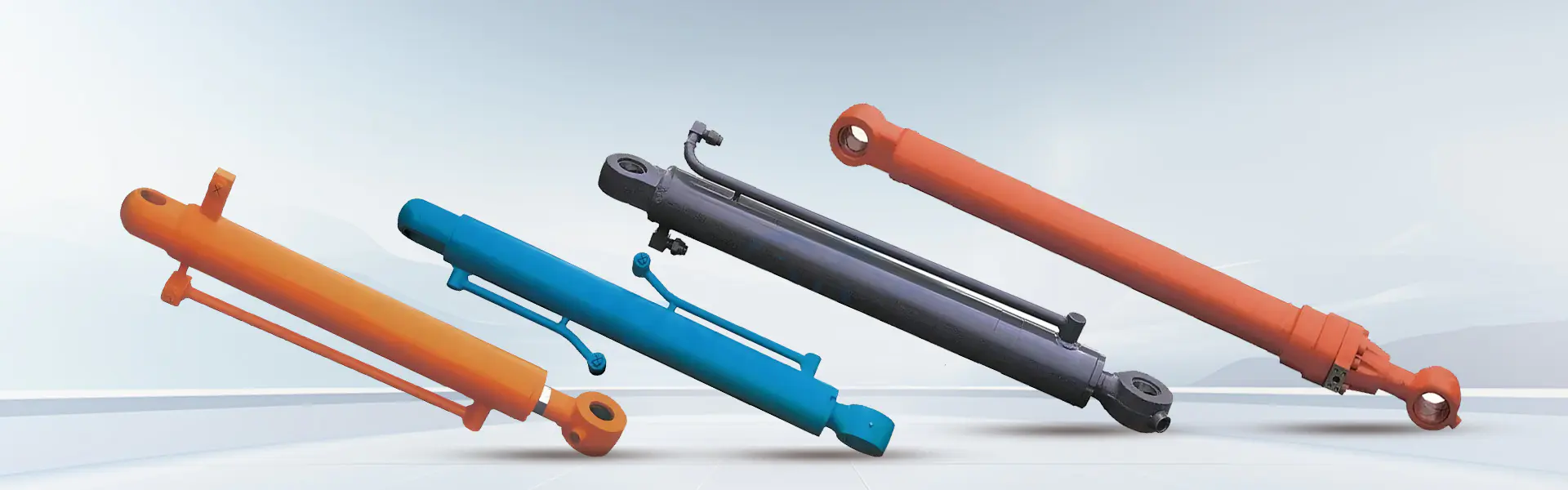
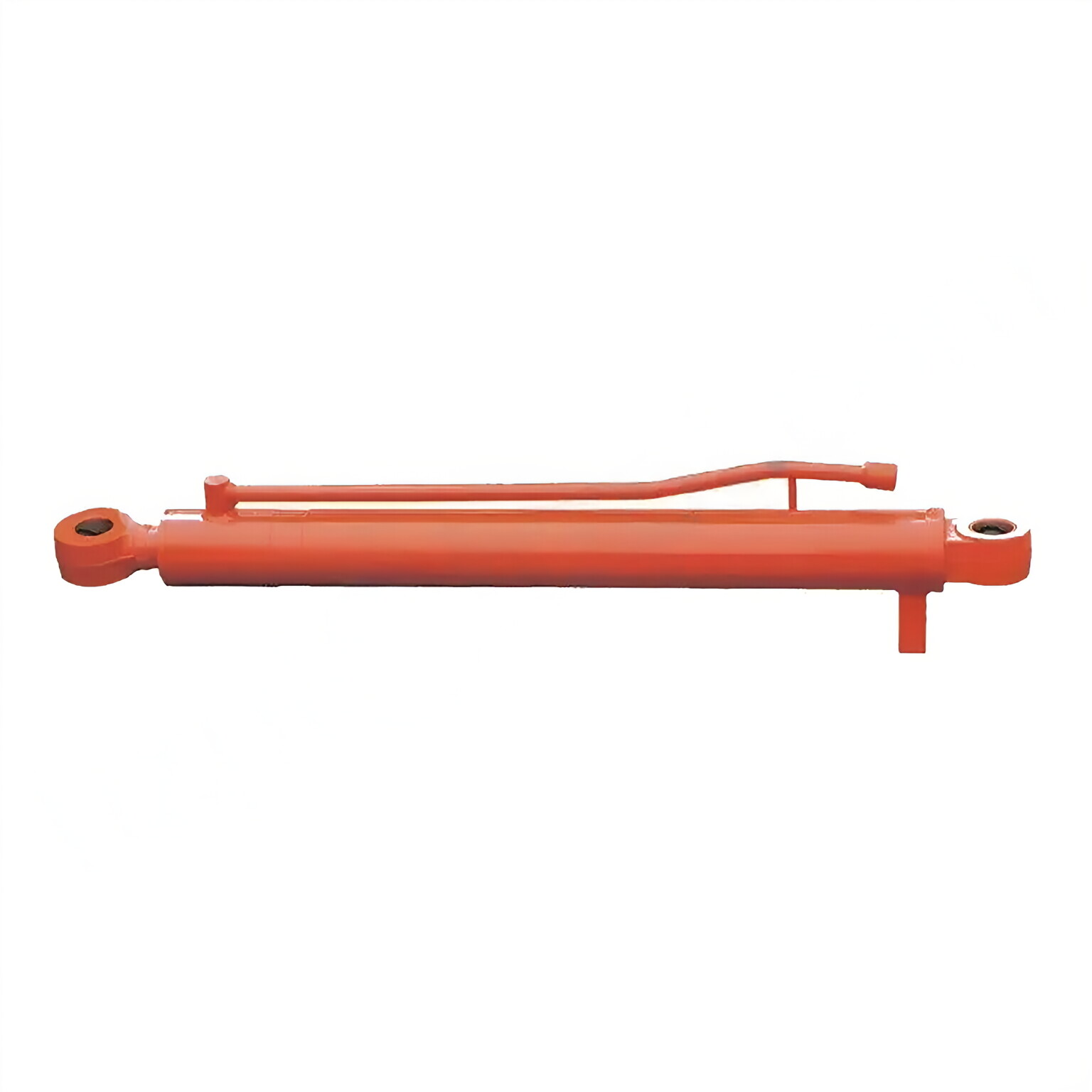
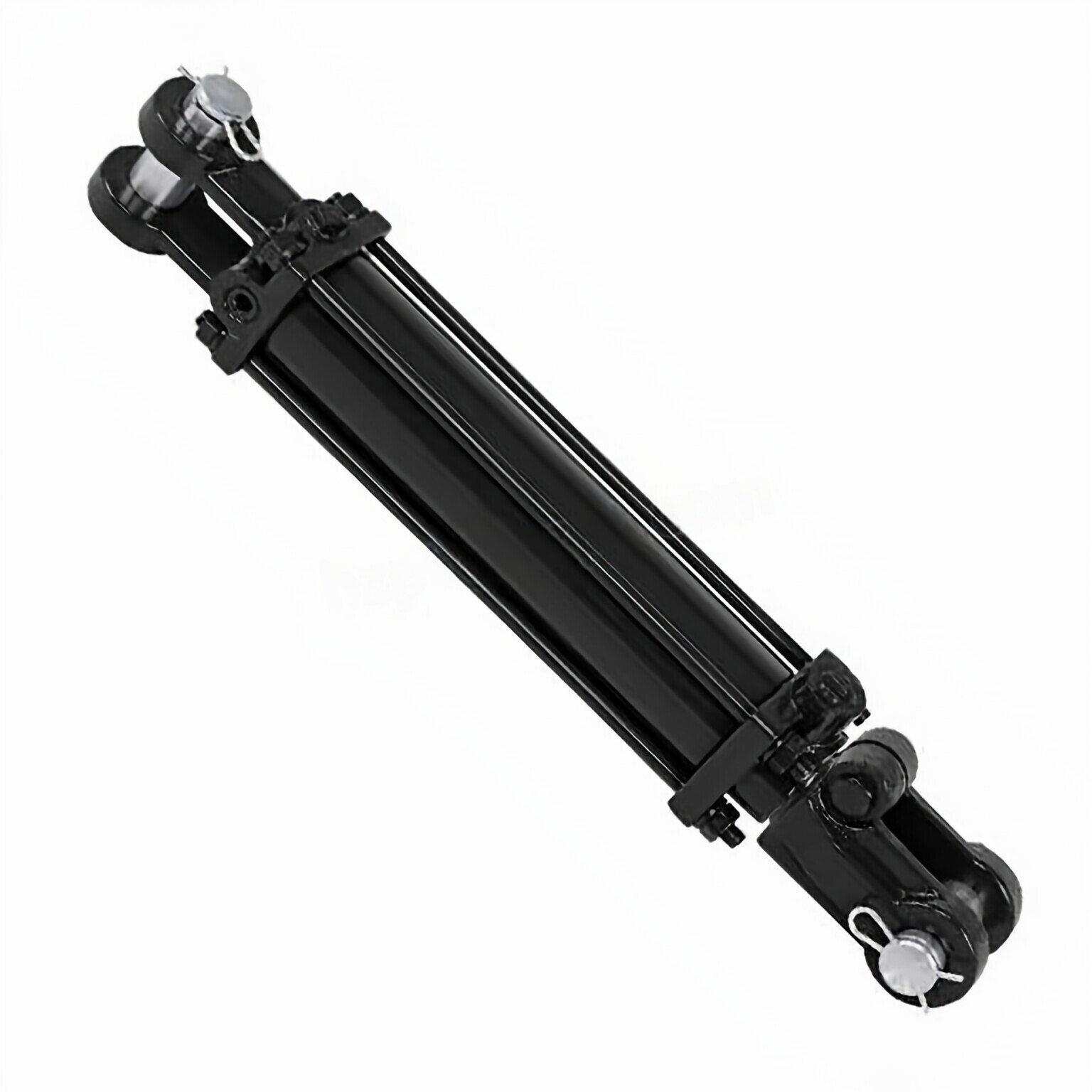
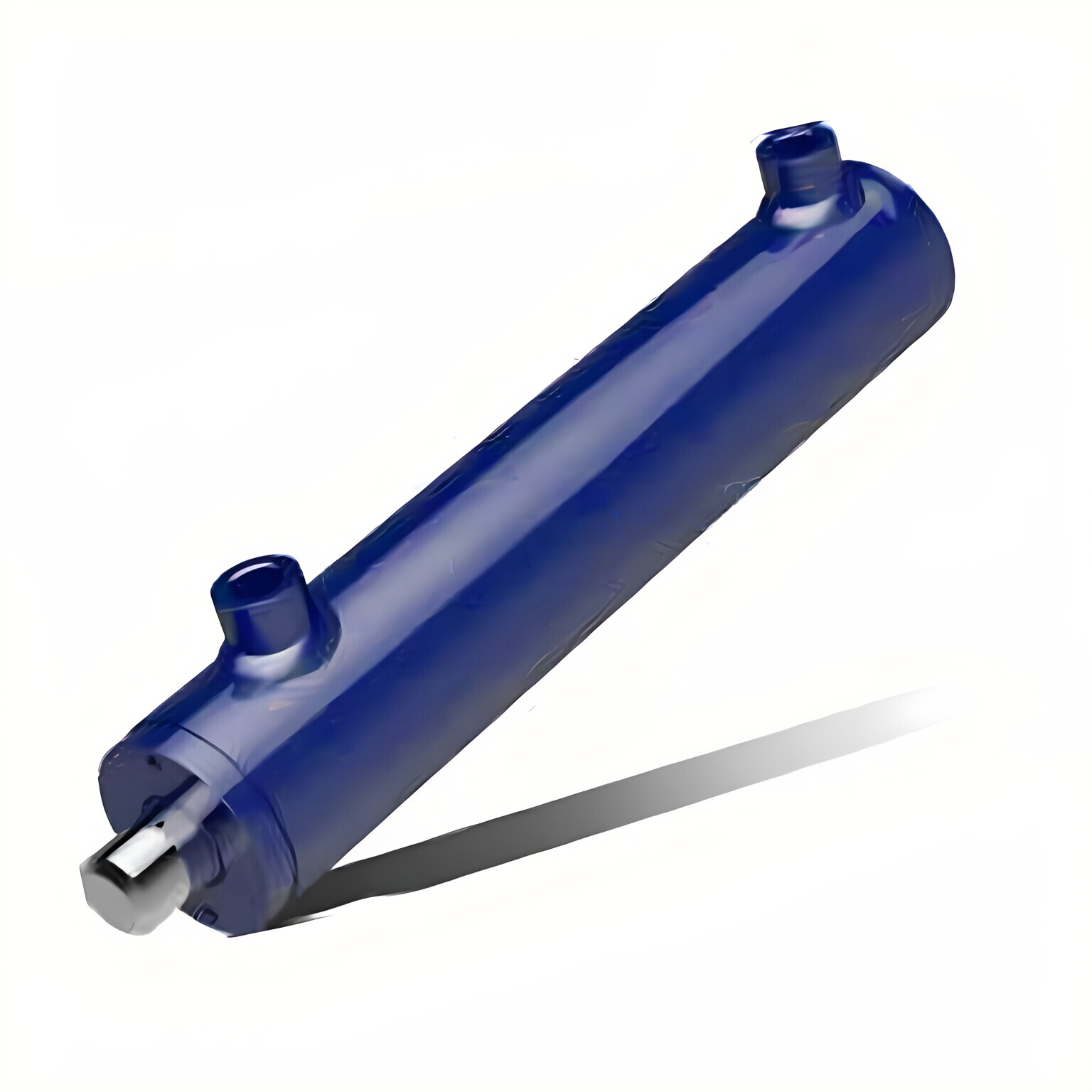
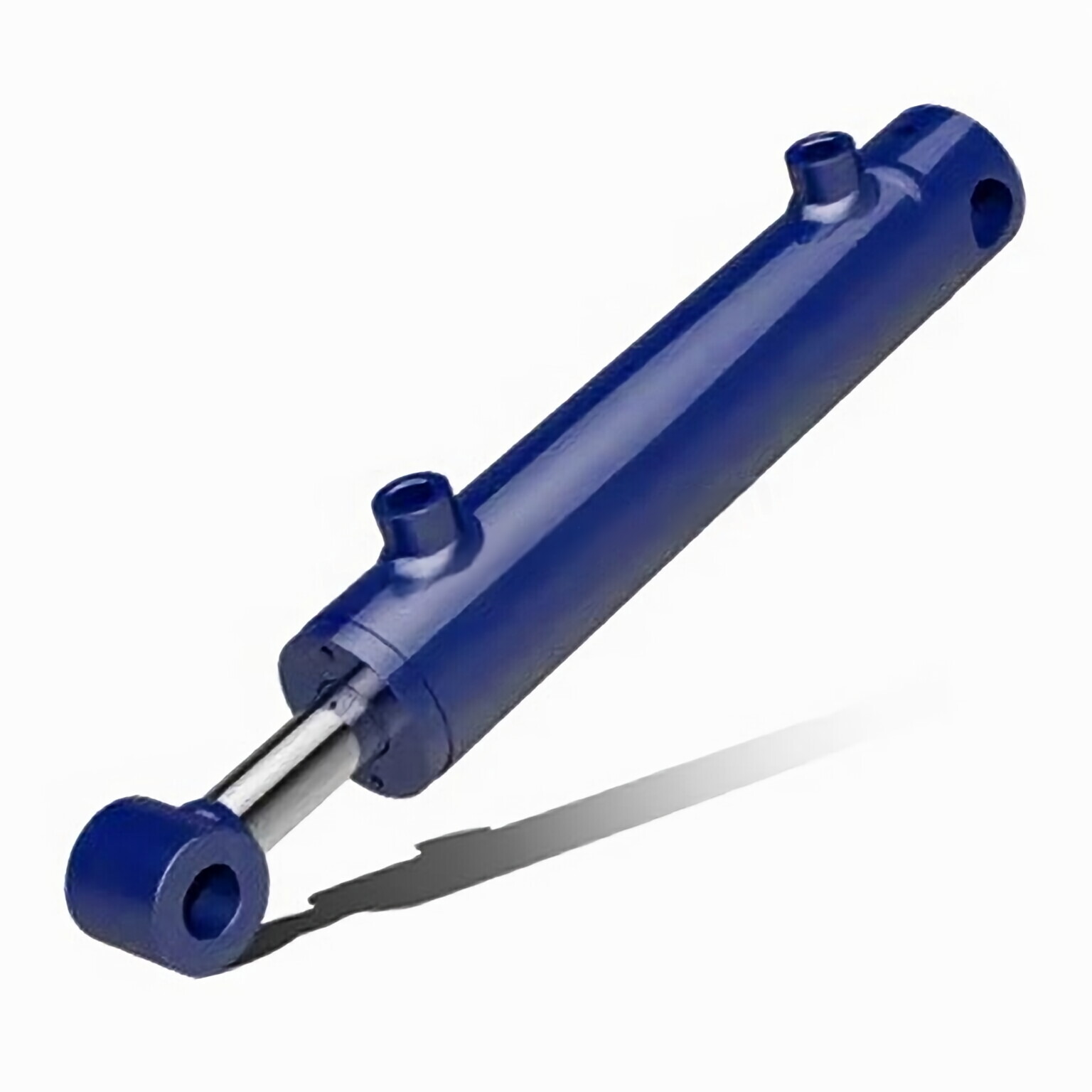
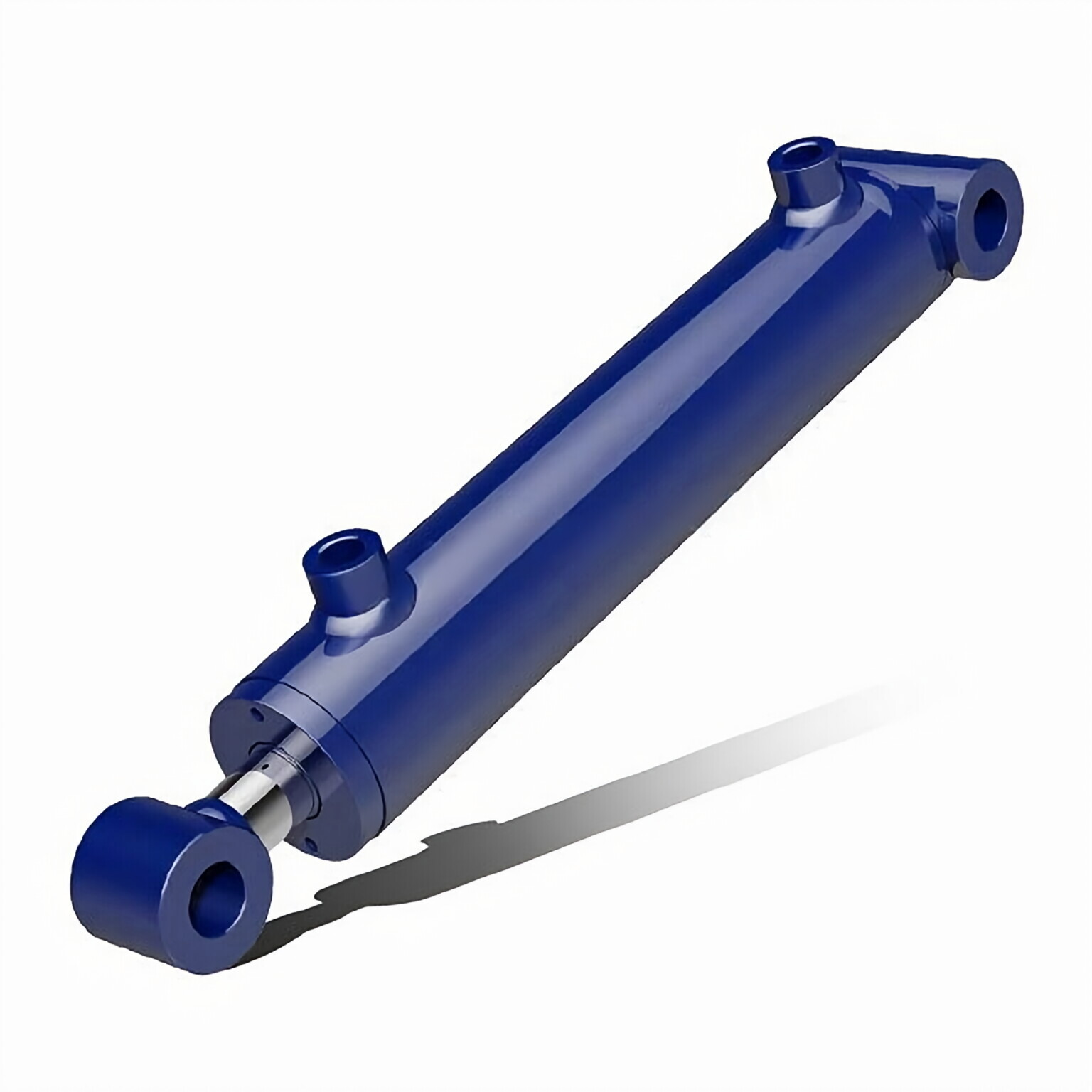
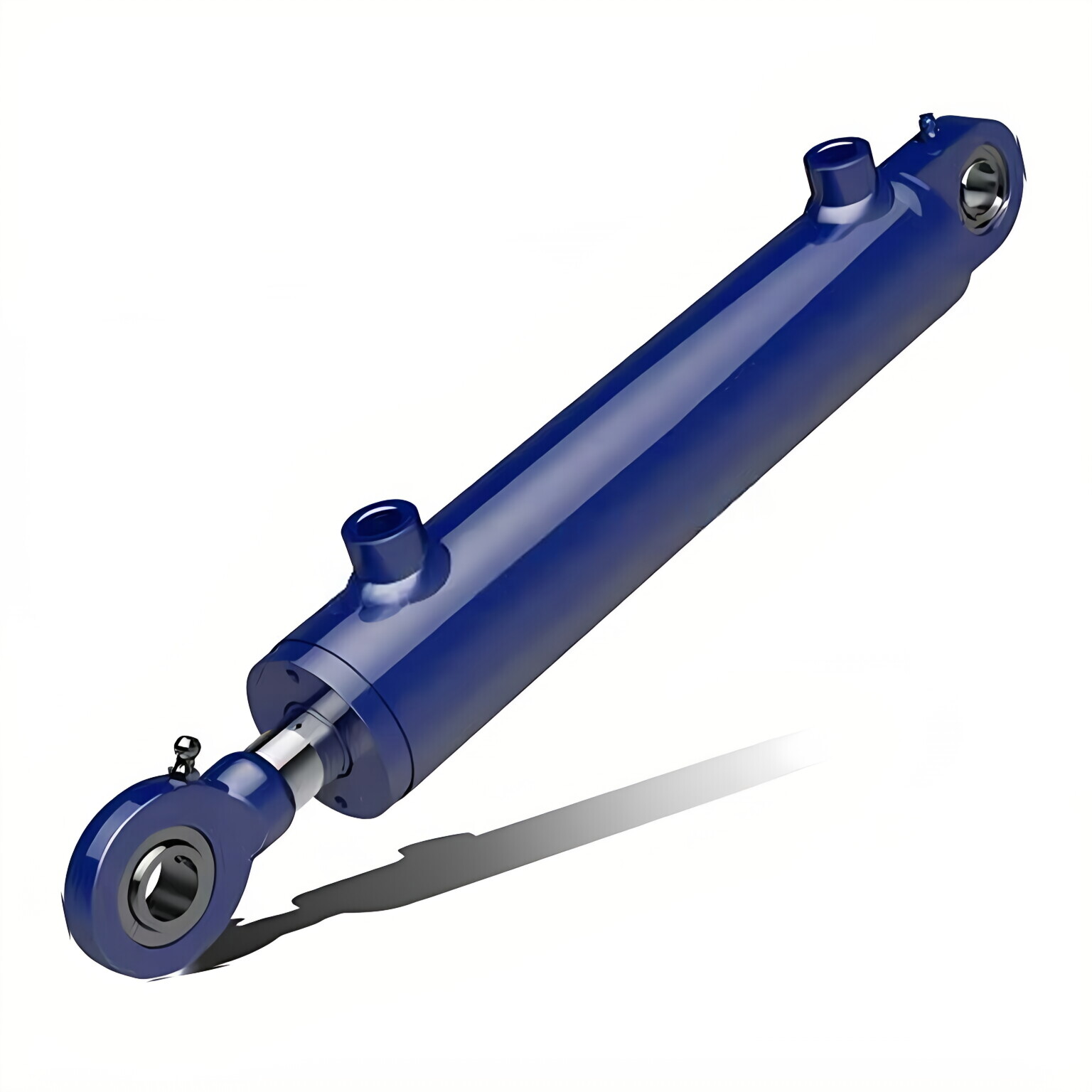
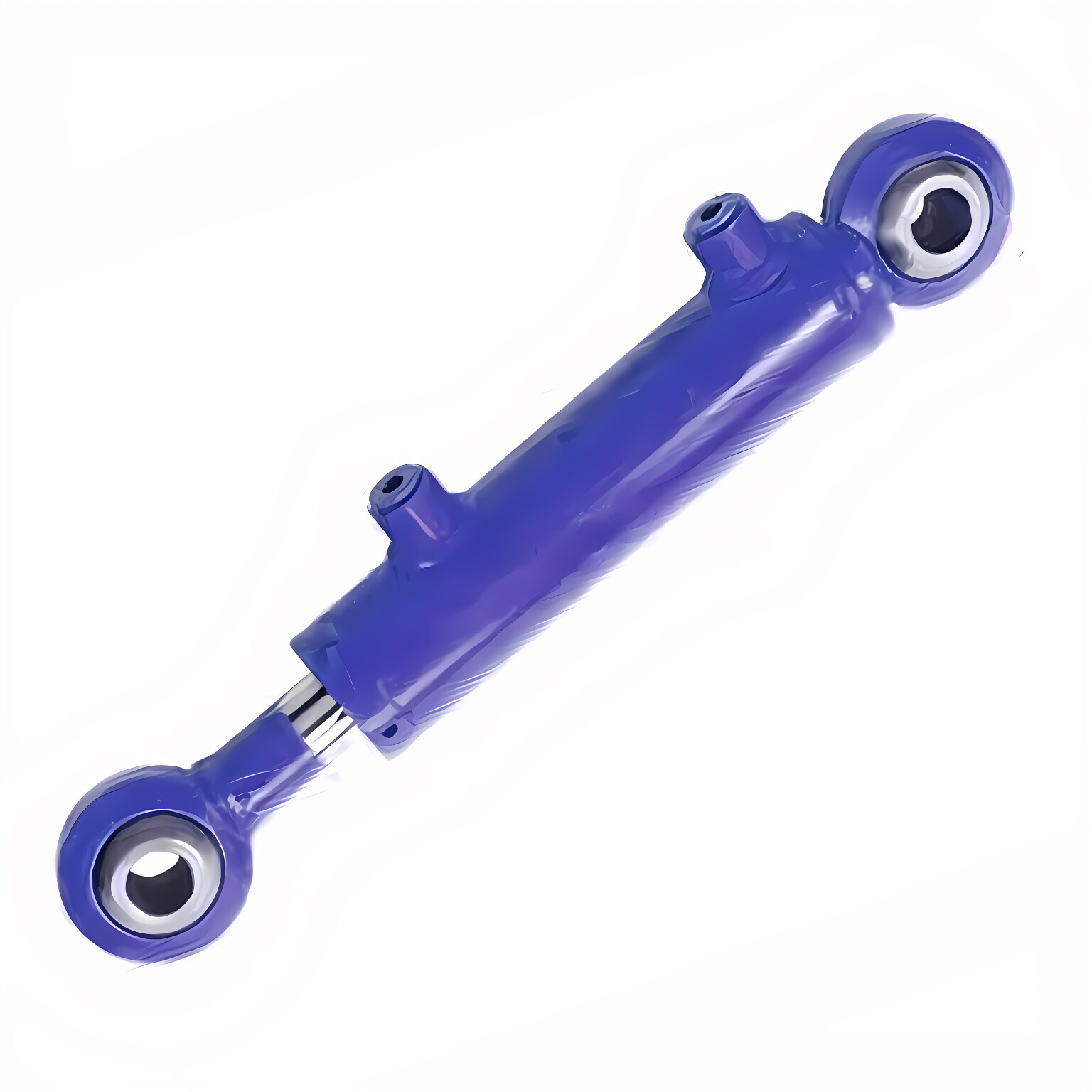
Arm cylinders are a type of hydraulic cylinder that is designed to provide linear motion and force to the arms of various machinery, such as excavators, cranes, and mechanical arms. These cylinders are crucial for enabling the movement and control of additional tools or equipment.
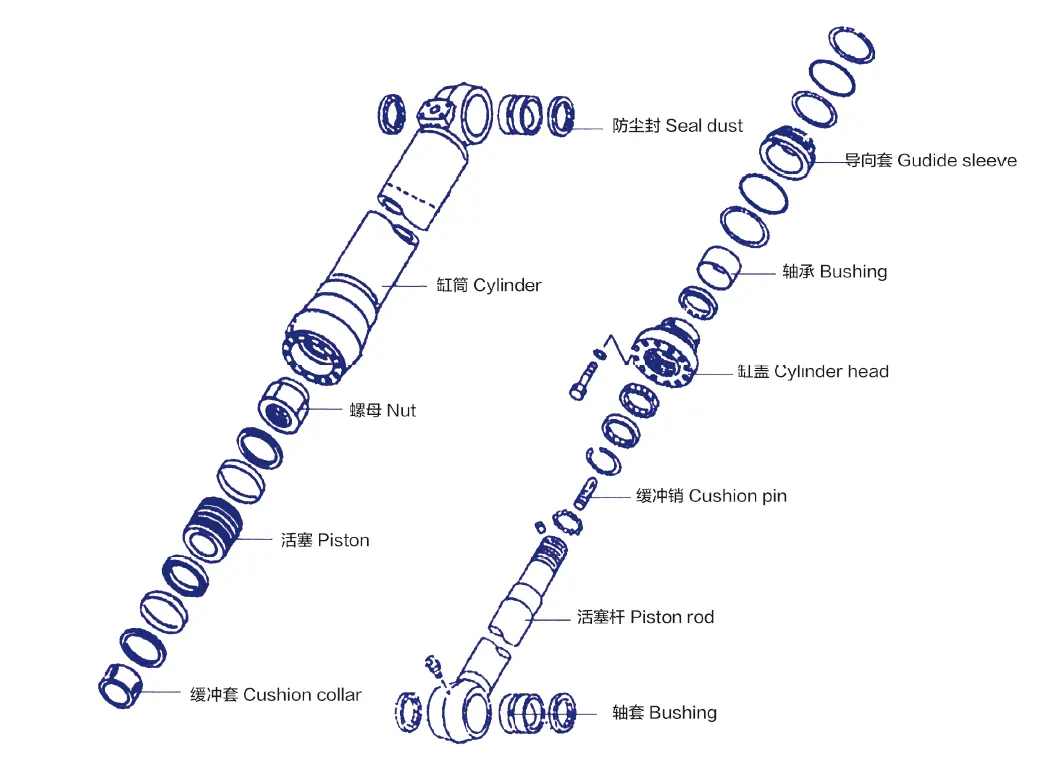
The arm cylinder is a hydraulic cylinder that is used to move the arm of the excavator. It is responsible for providing the necessary force to lift and move heavy objects. The cylinder works by using the pressure of hydraulic oil to move the piston, which in turn moves the arm. The hydraulic oil is supplied to the cylinder through a series of hoses and valves, which control the flow and pressure of the oil.
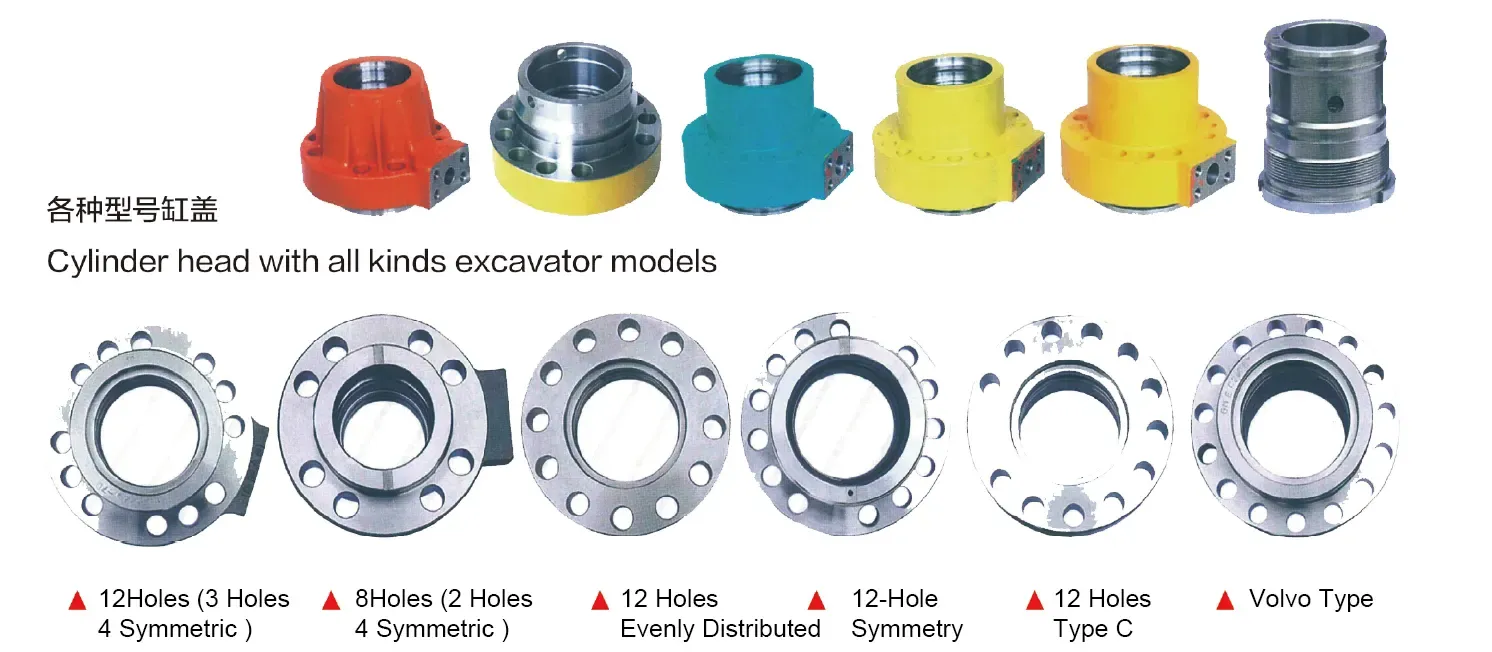
The arm cylinder is usually made of high-strength steel or aluminum, which can withstand high pressure and heavy loads, making it suitable for harsh working environments. The design also considers wear resistance and corrosion resistance, which extends its service life.
The arm cylinder uses the pressure of hydraulic oil to achieve smooth extension and retraction movements, responds quickly to control commands, and provides strong pushing and pulling forces, making it suitable for handling heavy objects and complex tasks.
The arm cylinder can be selected as a single-acting (hydraulic is used only in one direction) or double-acting (hydraulic is used in both directions) cylinder according to the needs, and some models are telescopic, allowing for greater extension without increasing the external size, which is suitable for applications with limited space.
The arm cylinder provides precise control over the angle and height of the arm, which adapts to different working requirements. Combined with the hydraulic control system, it can perform complex movements and higher operation flexibility.
Our product can perfectly replace these hydraulic cylinders with a more efficient and reliable design.
Arm cylinders are used in various types of equipment, including:
The arm cylinder should be designed to withstand the maximum load capacity of the equipment to which it is attached.
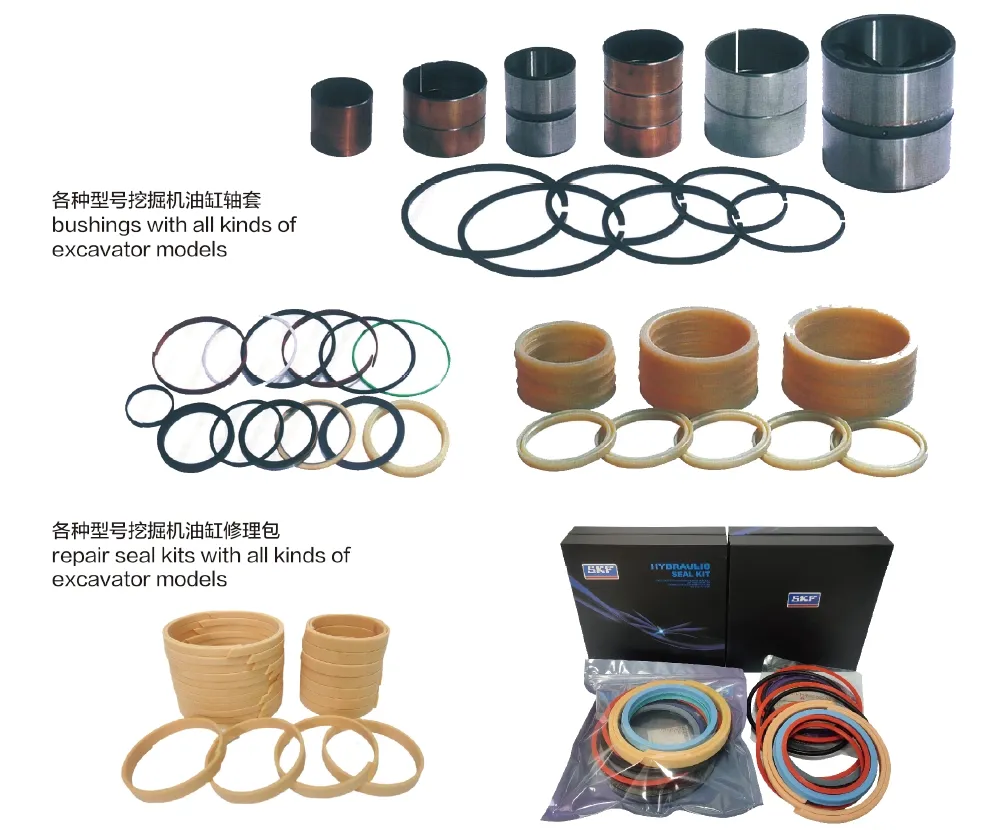
Various types of sealing components, such as piston seals and rod seals, are used in the cylinder to prevent oil leakage and ensure its durability. The sealing materials are typically made of polyurethane or nitrile rubber to withstand wear and tear.
The design of the arm cylinder should consider safety and maintenance aspects, such as ensuring that the cylinder is securely attached to the equipment and can be easily maintained during its lifespan.
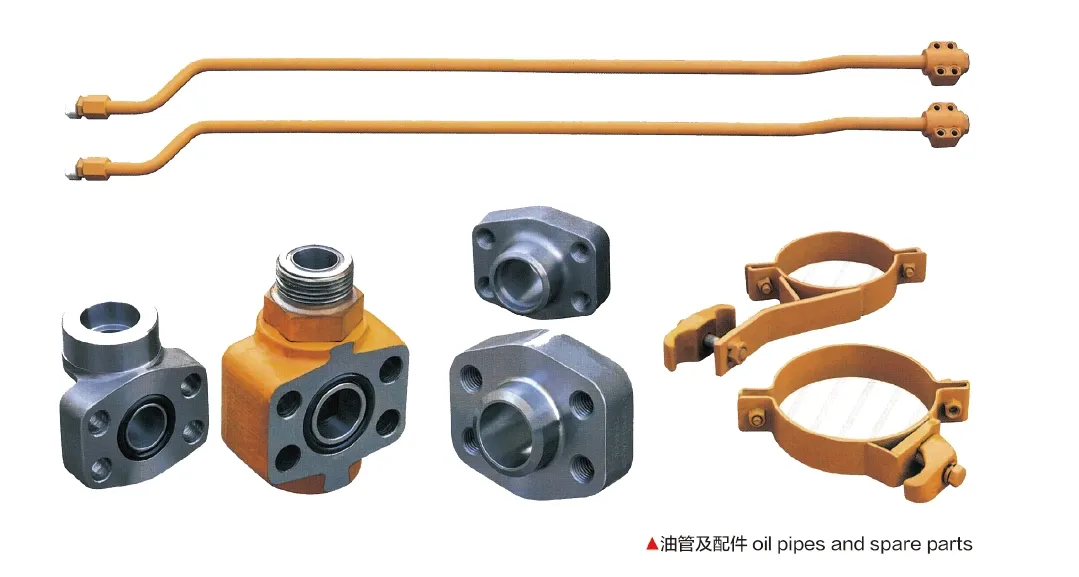
The arm cylinder uses various sealing components, such as piston seals and rod seals, to prevent oil leakage. These components are typically made of polyurethane or nitrile rubber, which are durable and resistant to wear. The cylinder body and threaded end surface have been finely processed to improve wear resistance. The cylinder requires regular lubrication with hydraulic oil to ensure its smooth operation and long lifespan.
1. Clean the connecting surface of the cylinder and the equipment.
2. Install the cylinder and tighten the nuts and bolts to the specified torque.
3. Connect the hoses and valves to the cylinder.
4. Test the operation of the cylinder and the hydraulic system to ensure proper function.

When using the arm cylinder, it is important to follow safety precautions to prevent injury or damage to equipment. Safety measures include using appropriate personal protective equipment, ensuring that the equipment is properly maintained, and following proper operating procedures.
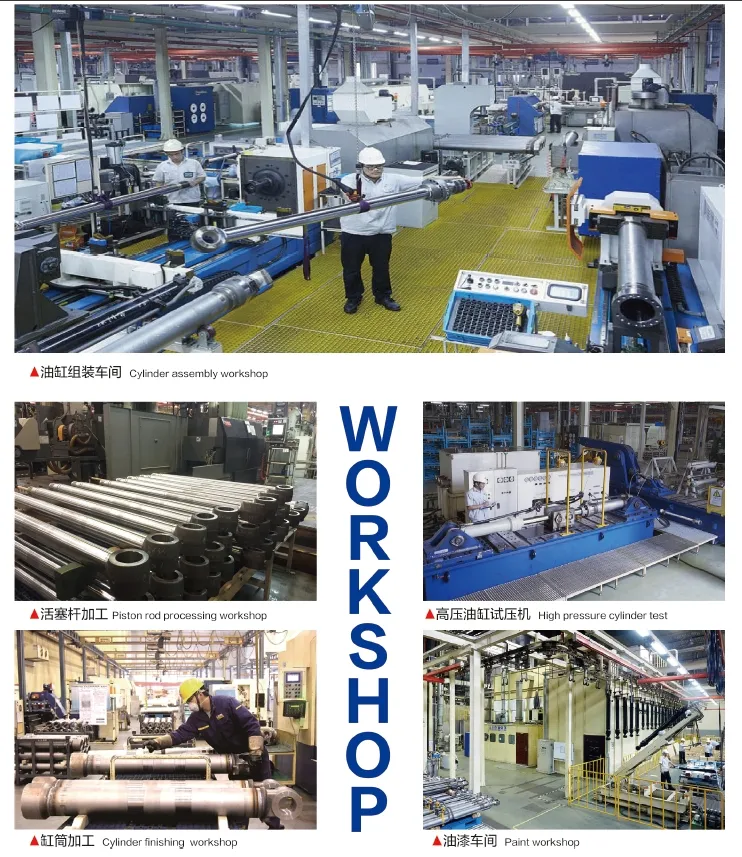
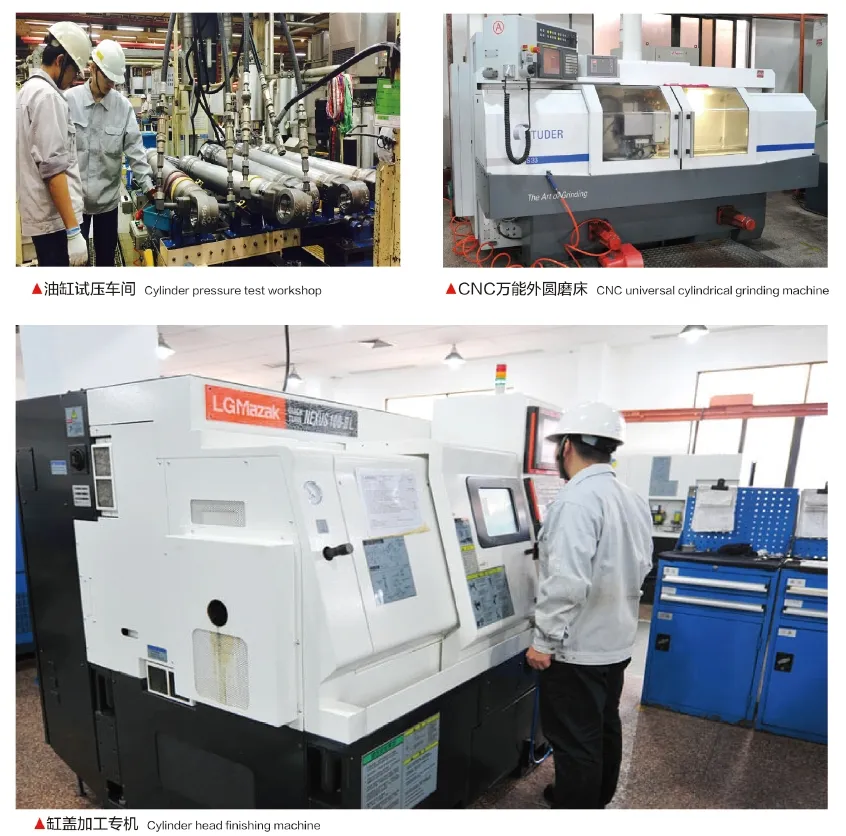
Our company is a leading manufacturer and distributor of hydraulic cylinders in the domestic and international markets. With years of experience and a commitment to excellence, we provide a range of high-quality products and services to meet the diverse needs of our customers.
Author: lyl.
Address
Luotuo Industrial Area, Zhenhai District, Ningbo City, China
Tel

 Raydafon