
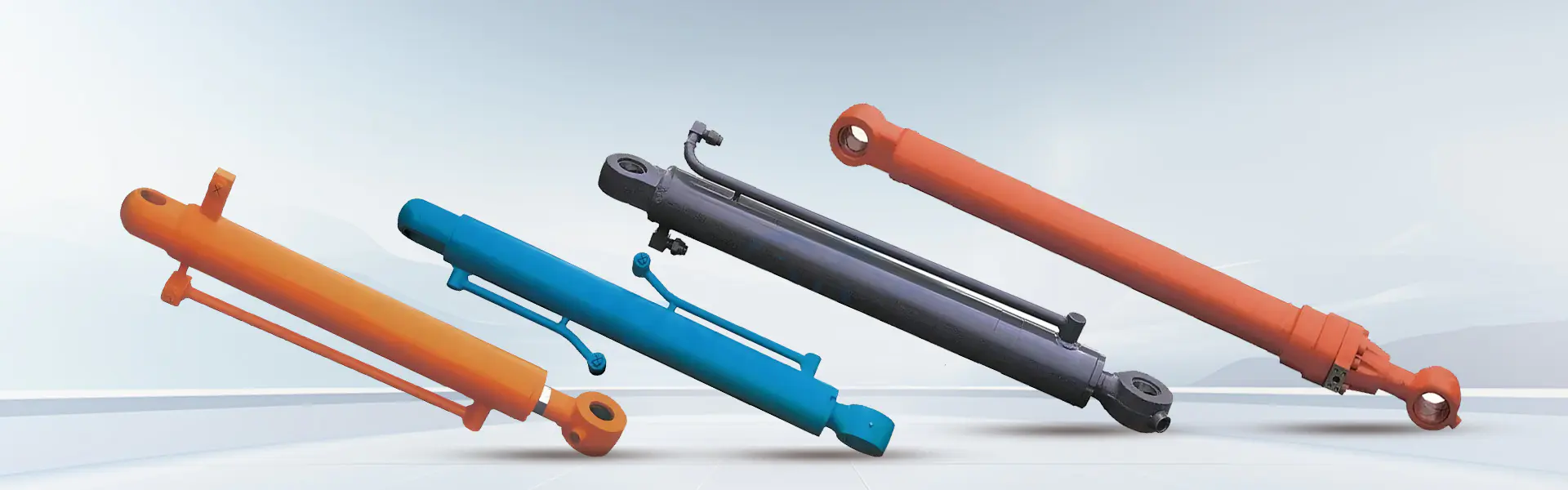
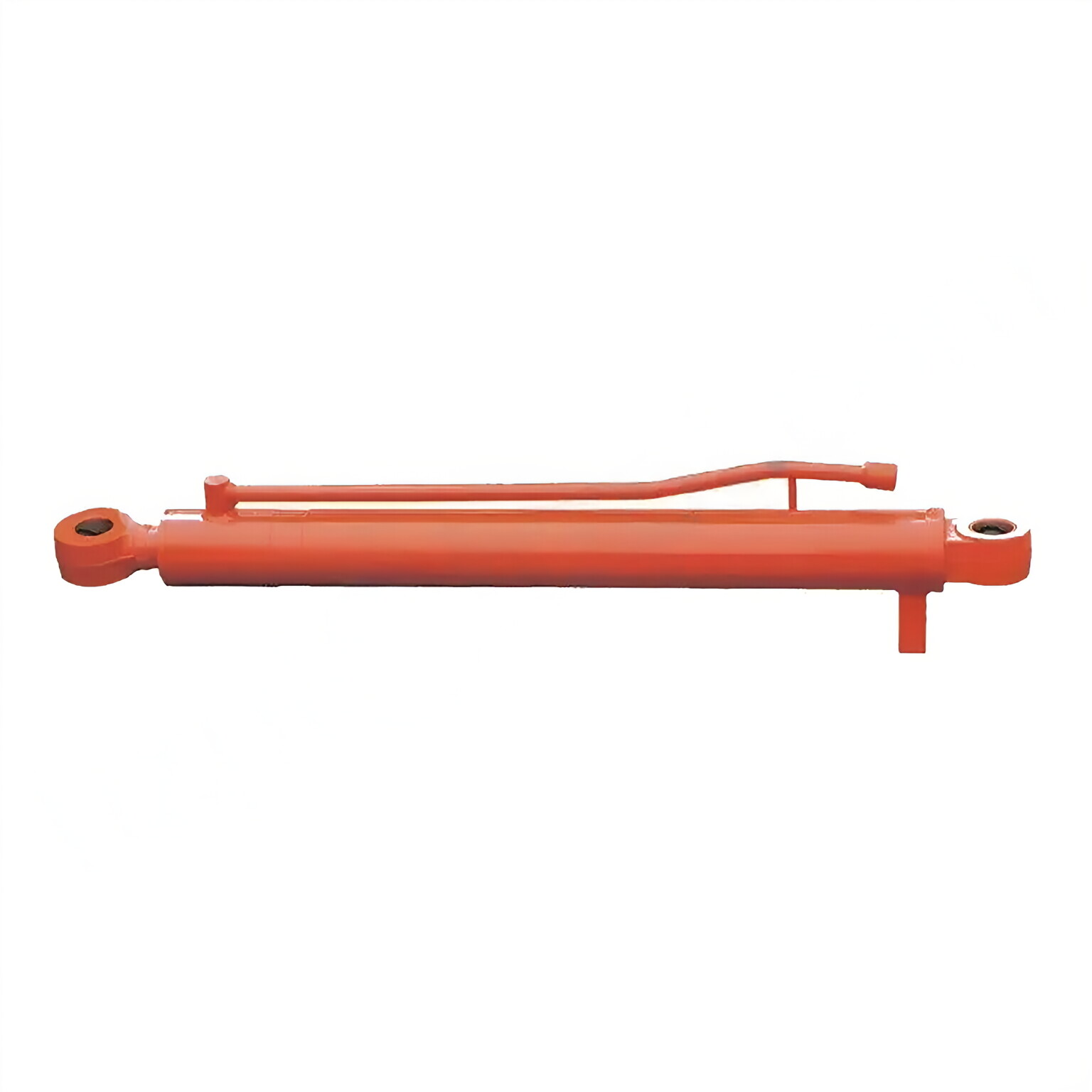
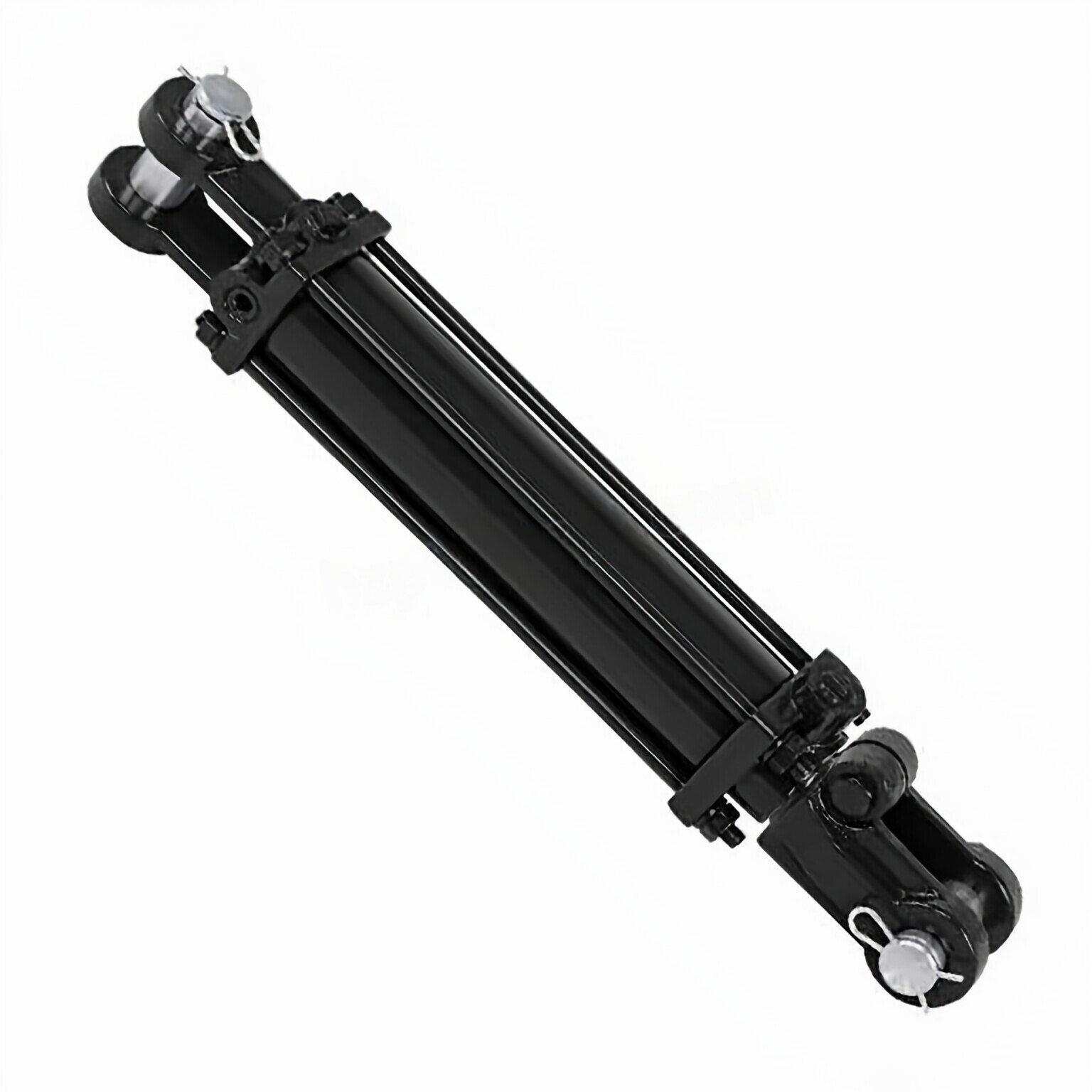
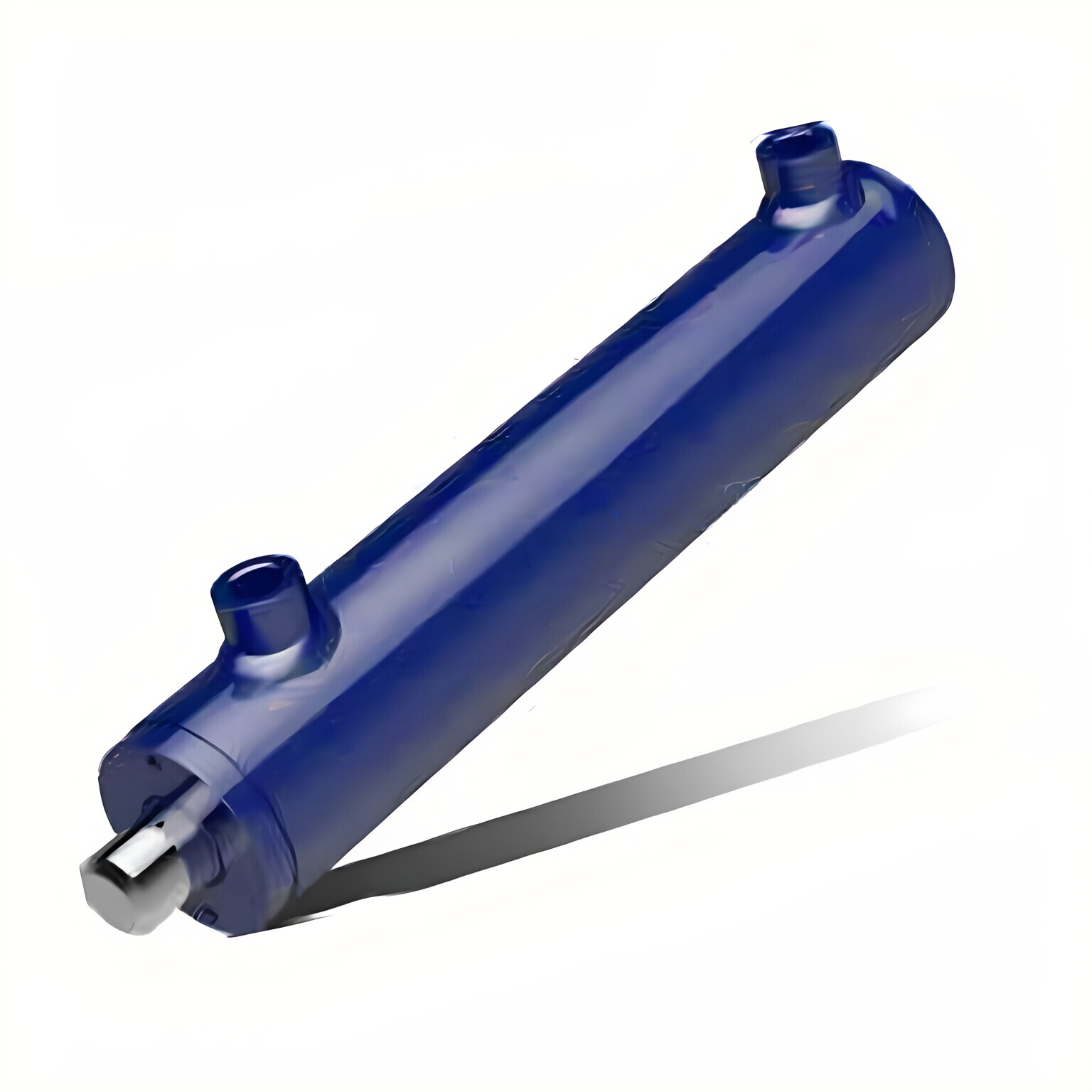
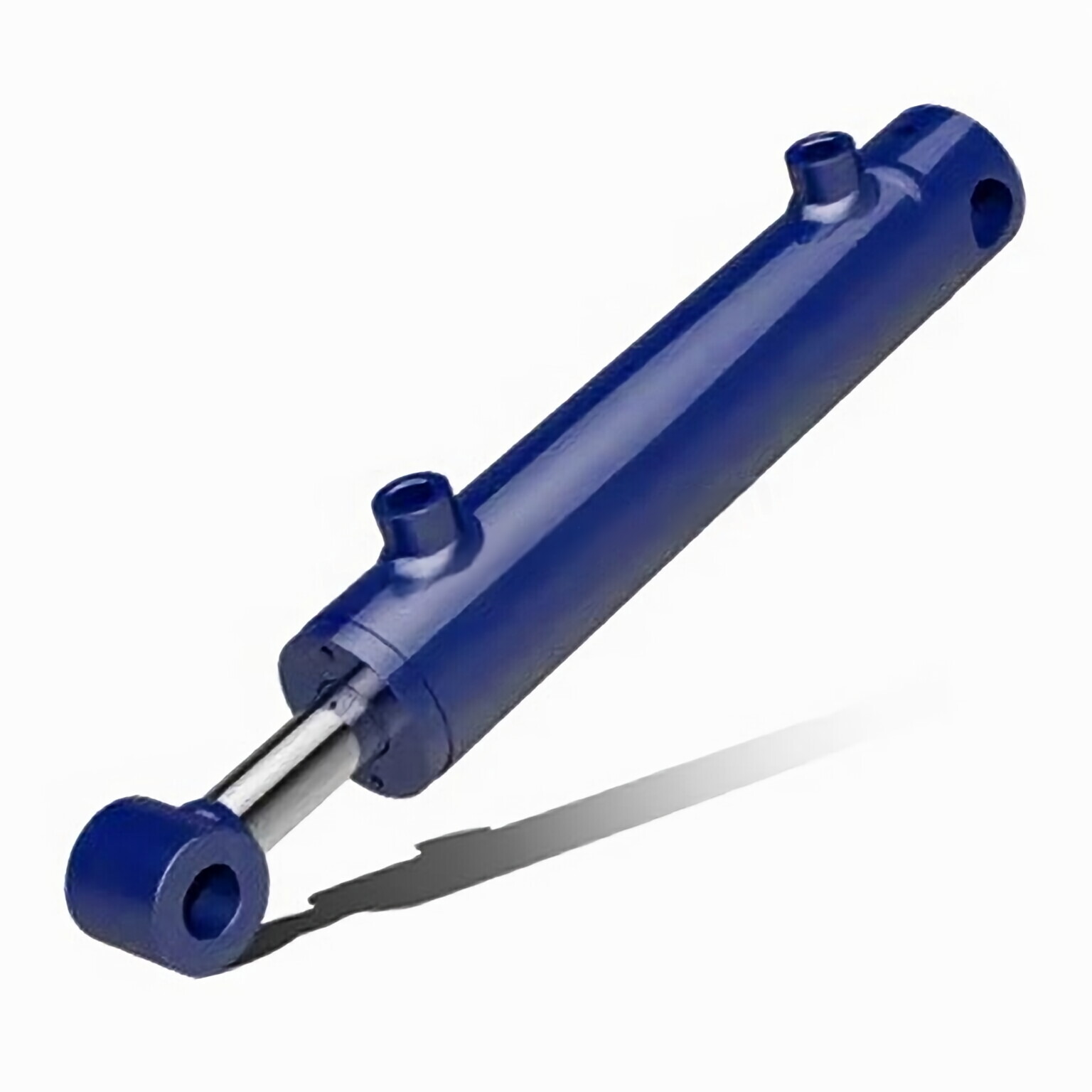
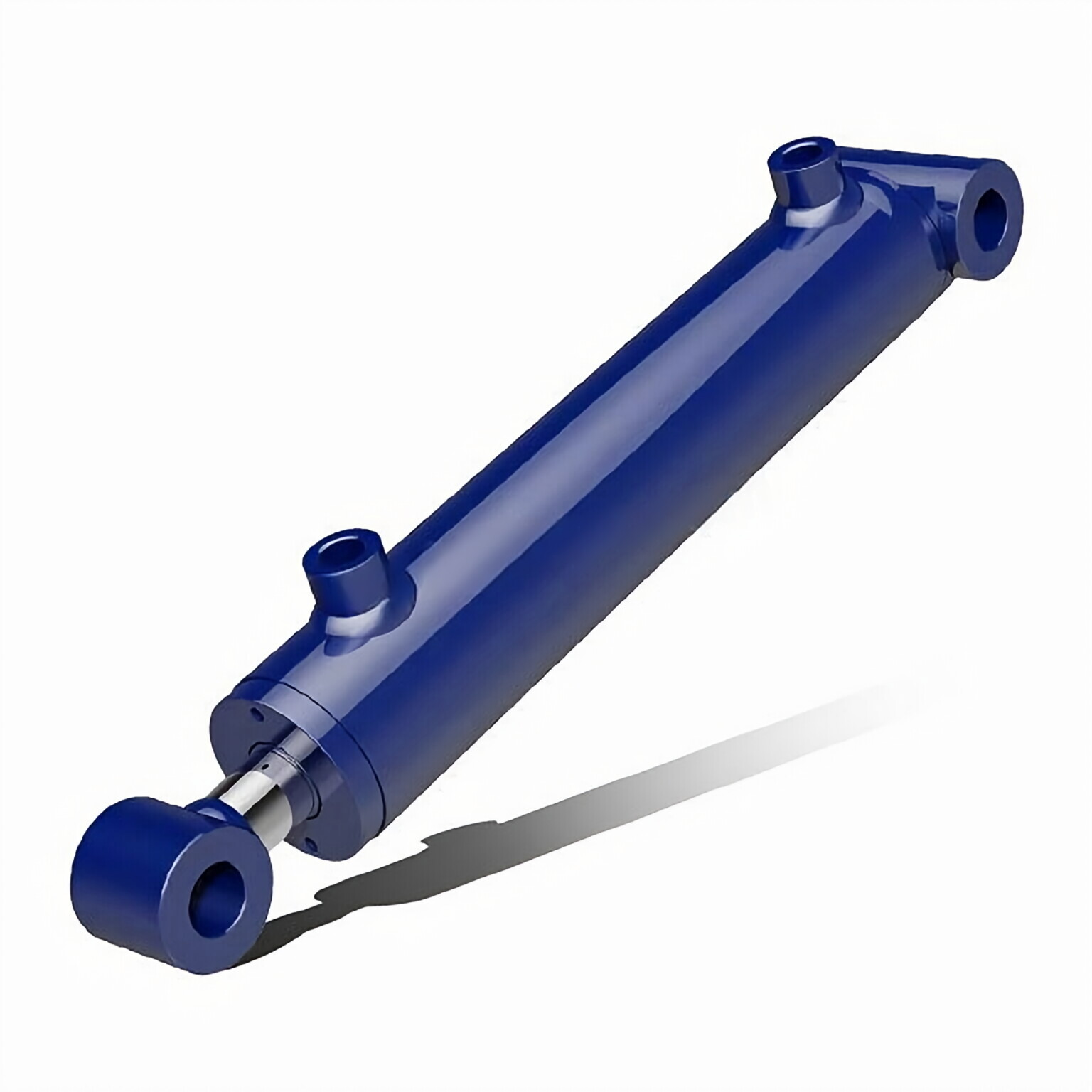
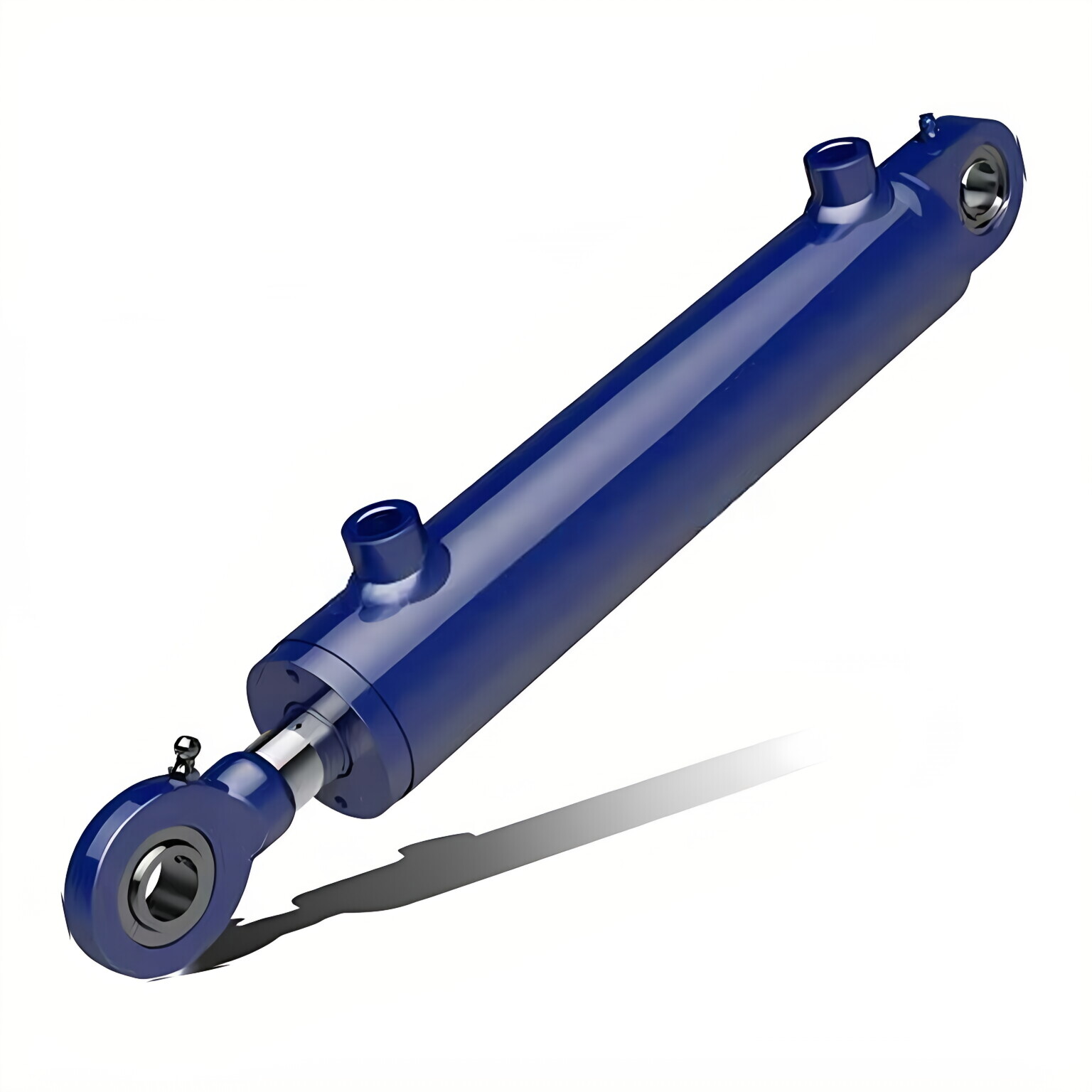
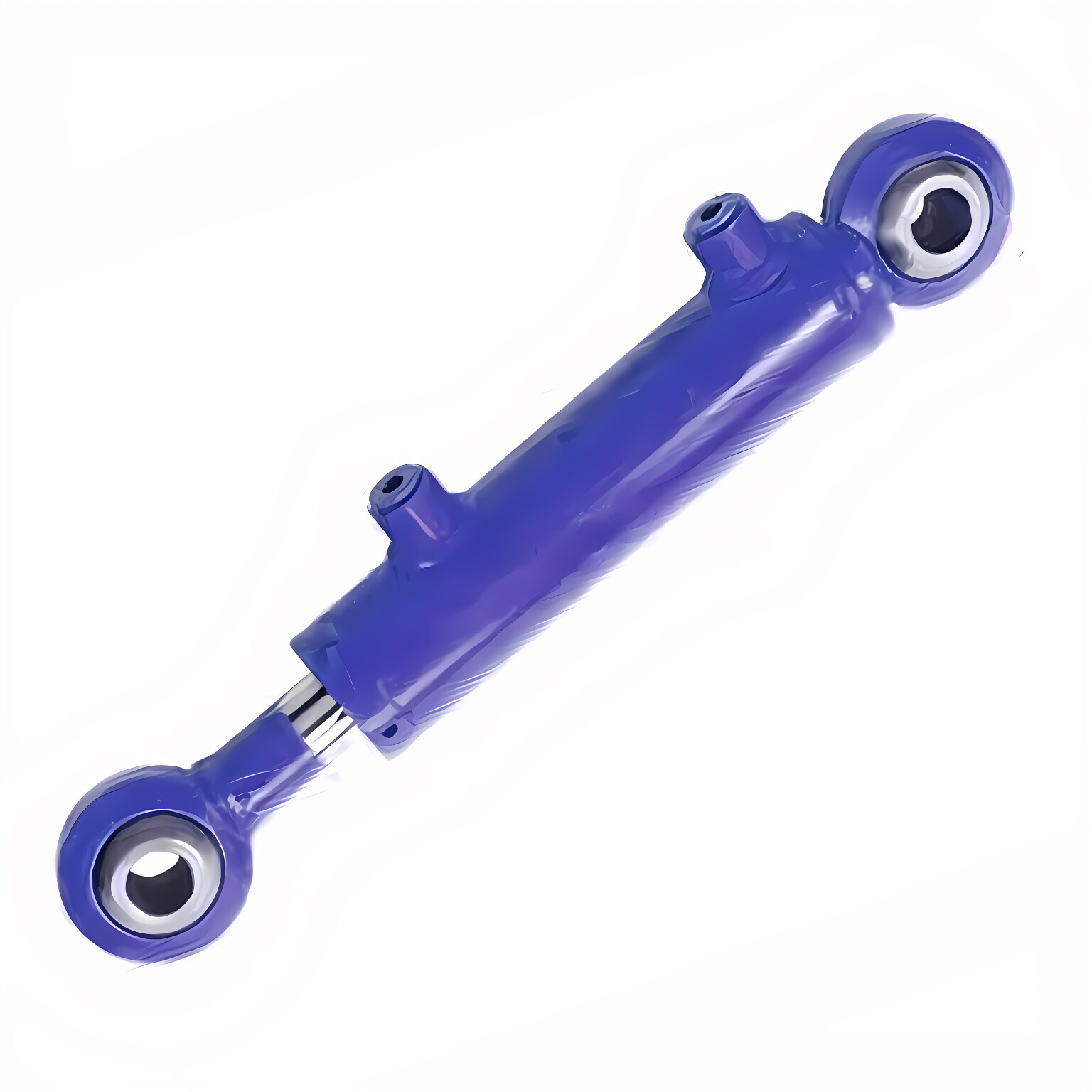
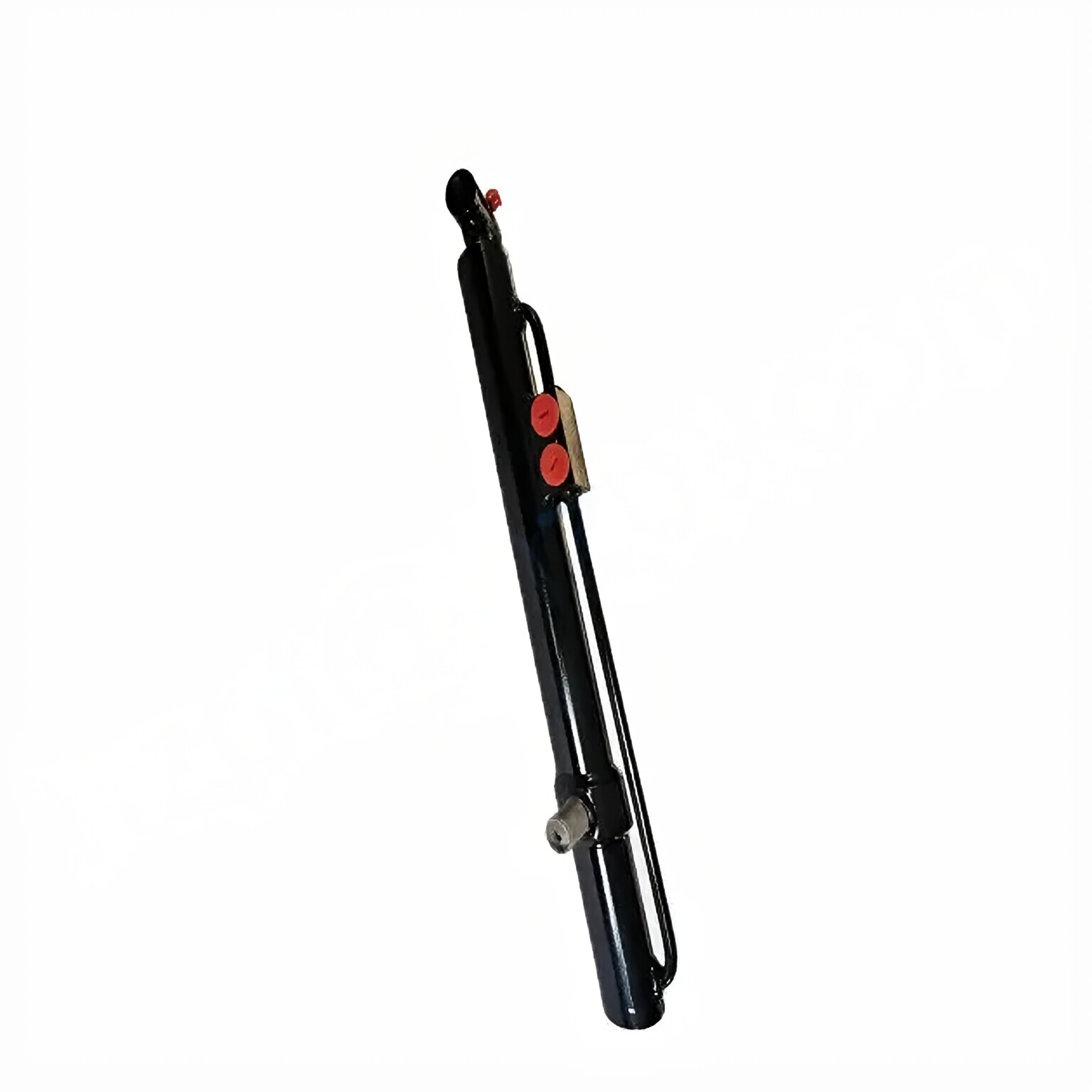
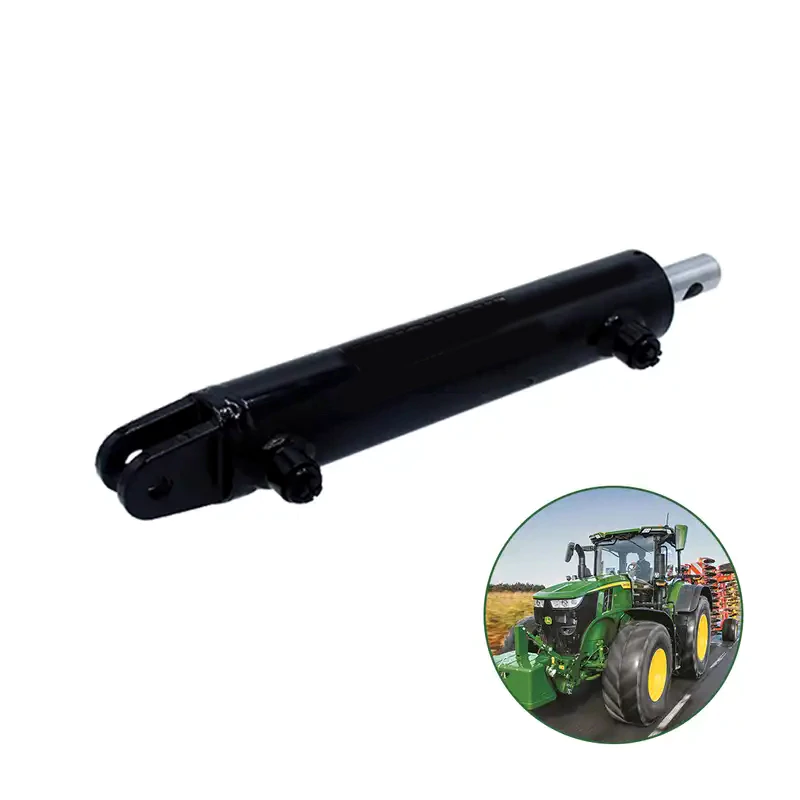
The arm cylinder is a hydraulic cylinder designed specifically to provide linear motion and force to the arm of various machinery, such as excavators, cranes, and mechanical arms. These cylinders are crucial for achieving the movement and control of additional tools or attachments.
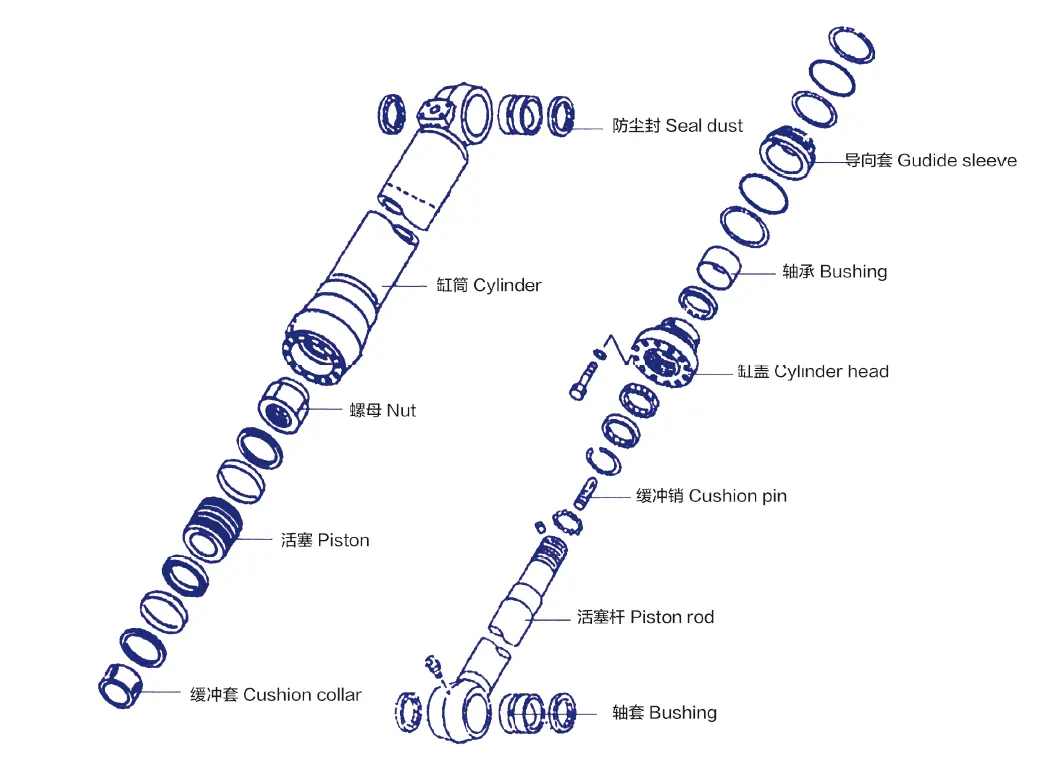
Constructed from high-strength steel or aluminum, these cylinders can withstand high pressure and heavy loads, adapting to harsh working environments. The design considers wear resistance and corrosion resistance, prolonging the lifespan of the cylinder.
Utilizing the pressure of hydraulic oil, the arm cylinder enables smooth extension and retraction movements, responding quickly to control commands. It provides powerful pushing and pulling forces, making it suitable for handling heavy loads and complex tasks.
Available in single-acting (hydraulic pressure used in one direction) or double-acting (hydraulic pressure used in both directions) cylinders, they can meet different operational requirements. Some models are telescopic, allowing greater extension without increasing external dimensions, making them suitable for applications with limited space.
Enabling precise control of the arm's angle and height, the arm cylinder adapts to various work requirements. Combined with a hydraulic control system, it can achieve complex movements and higher operational flexibility.
Our arm cylinders are designed as perfect replacements for these hydraulic cylinders.
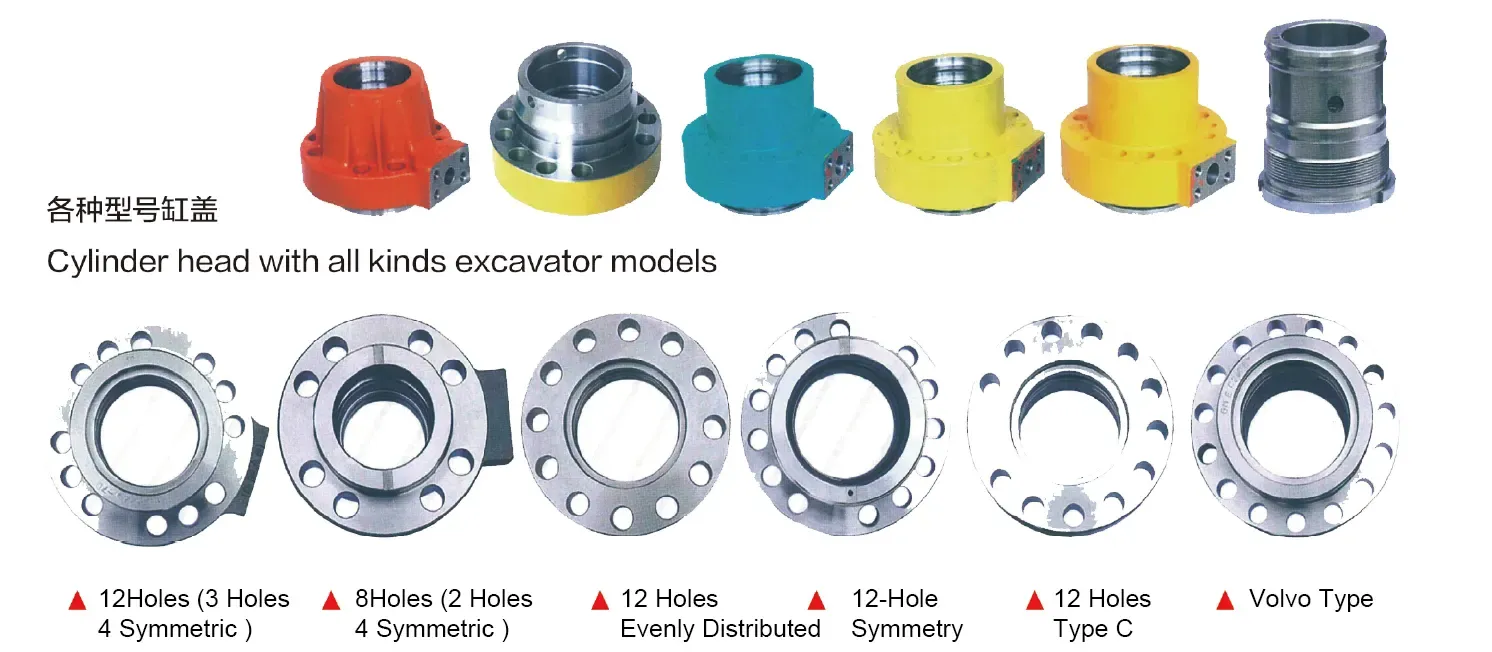
In excavators, the arm cylinders are essential for digging and lifting materials. In cranes, they enable precise positioning of loads.
Used in loaders and harvesters, arm cylinders manipulate tools and effectively collect crops.
Employed in mechanical arms for assembly lines, they can execute repetitive tasks with precision.
Discuss the cylinder's ability to withstand various loads and forces.
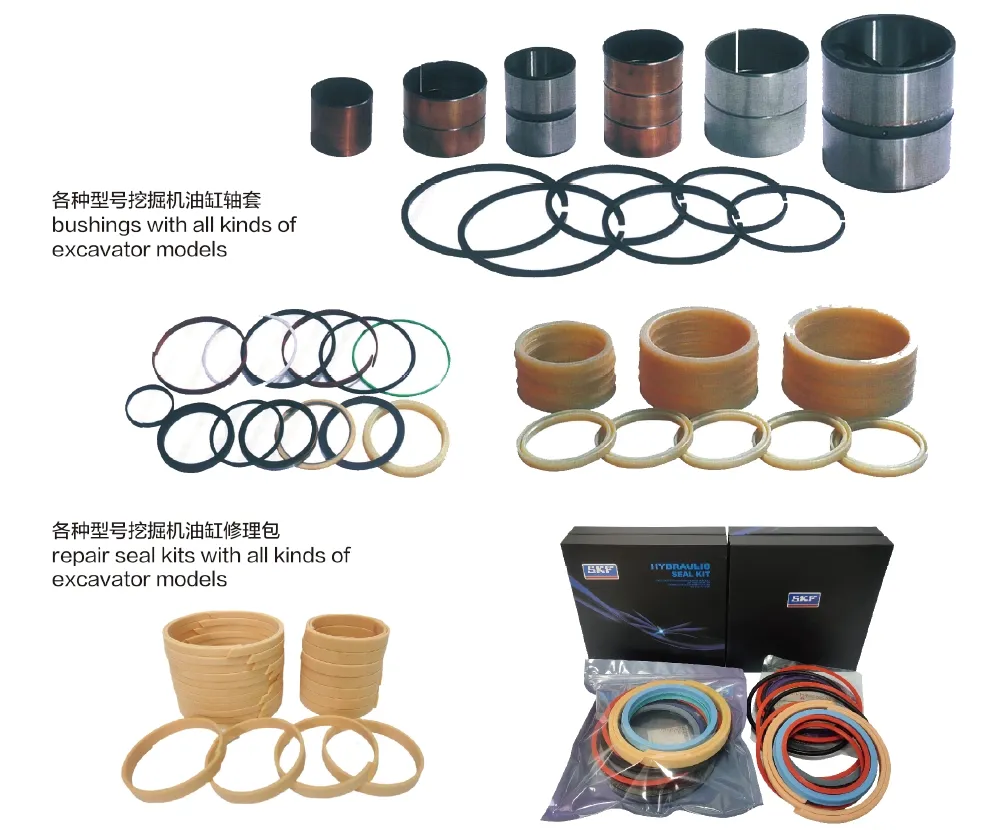
Explain the use of various seals, such as piston seals and rod seals, made of wear-resistant materials like polyurethane and nitrile rubber. Mention the fine surface treatment of the cylinder body and threaded ends to enhance wear resistance. Emphasize the importance of regular lubrication with hydraulic oil.
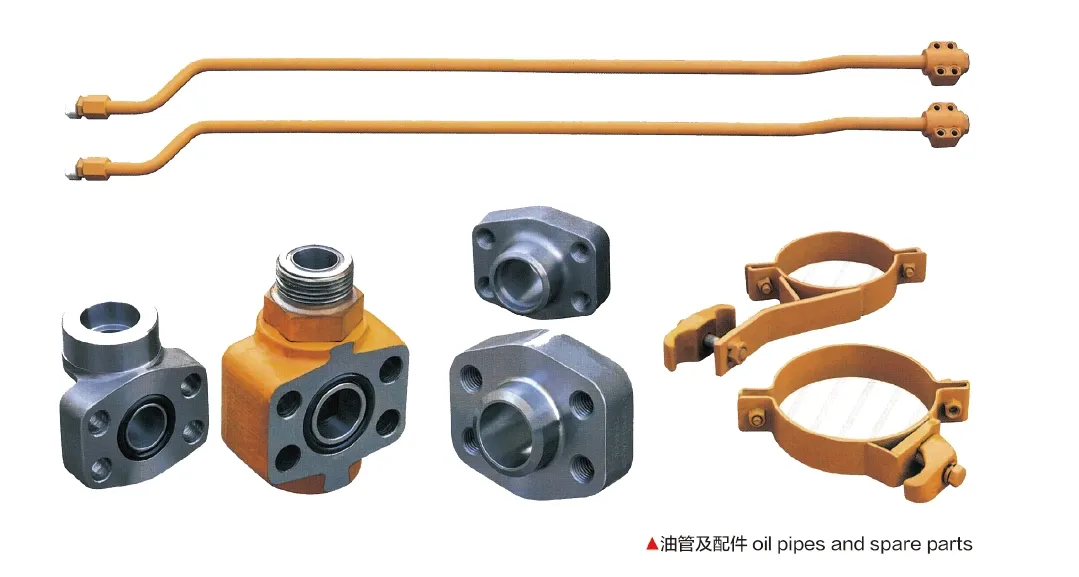
Regularly inspect the cylinder for any signs of wear, leakage, or damage.
Ensure proper lubrication and replace any faulty components promptly.
Provide step-by-step instructions on how to correctly install the arm cylinder.
Discuss the importance of safety measures when operating the arm cylinder and consider the environmental impact of its usage.
Identify possible faults and common problems related to the arm cylinder.
Offer guidance on diagnosing and resolving issues effectively, including preventive measures to minimize potential problems.
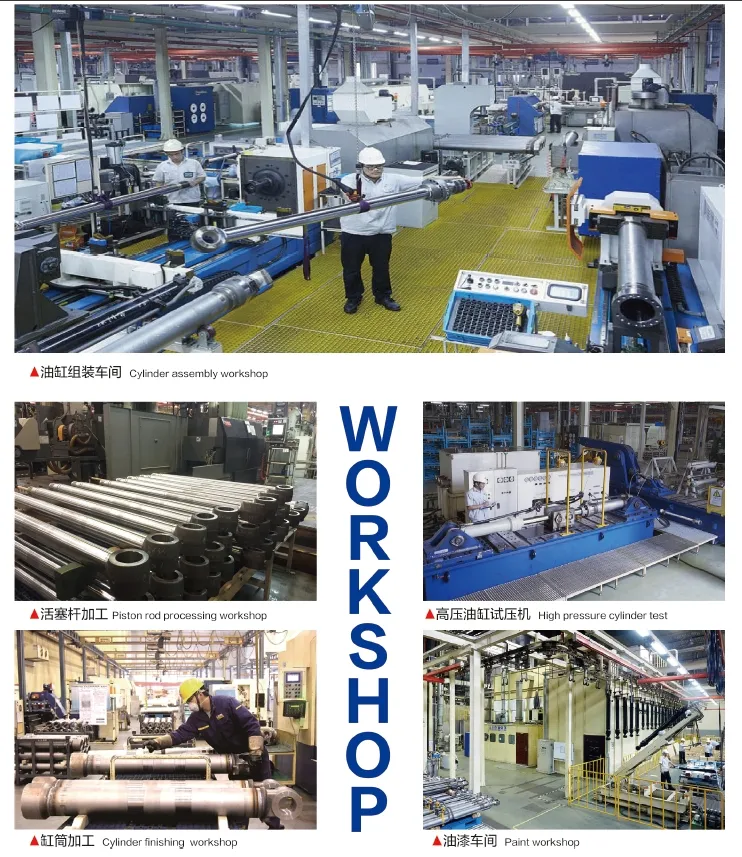
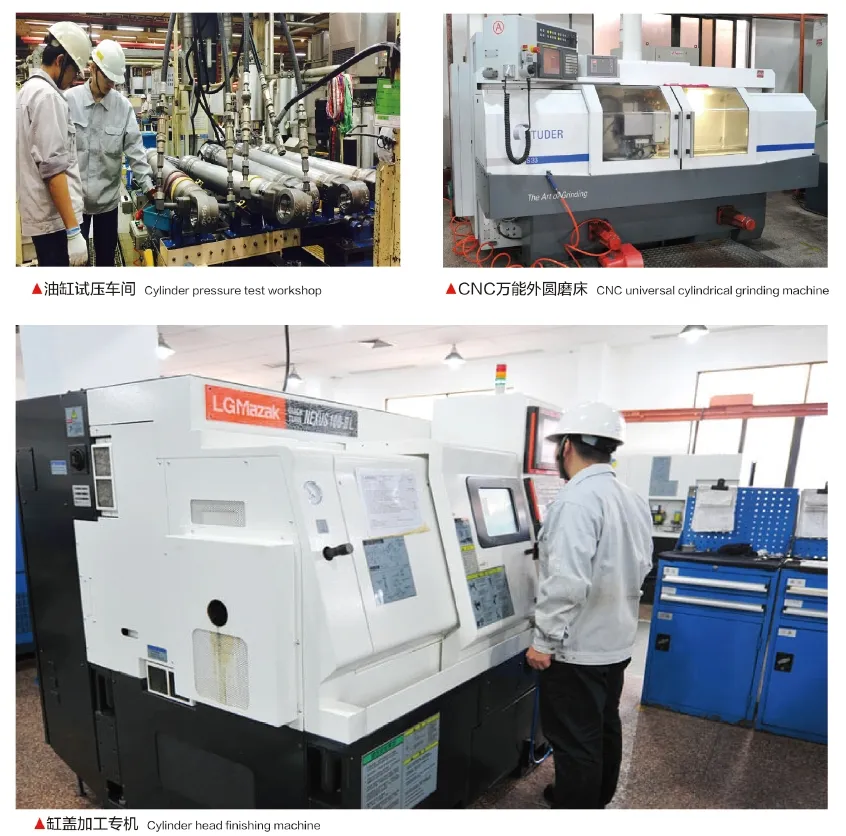
We are a manufacturer of replacement hydraulic cylinders and one of the leading manufacturers and wholesale distributors in the domestic and international markets. Our company adheres to the principles of excellence and relies on industrial production management strategies in our advanced manufacturing workshop. We continuously improve our manufacturing platform by investing in skilled technical personnel, state-of-the-art digital manufacturing equipment, and professional testing systems. With high efficiency, precision, and quality, we meet the diverse needs of our customers.
Author: lyl

Address
Luotuo Industrial Area, Zhenhai District, Ningbo City, China
Tel

 Raydafon