
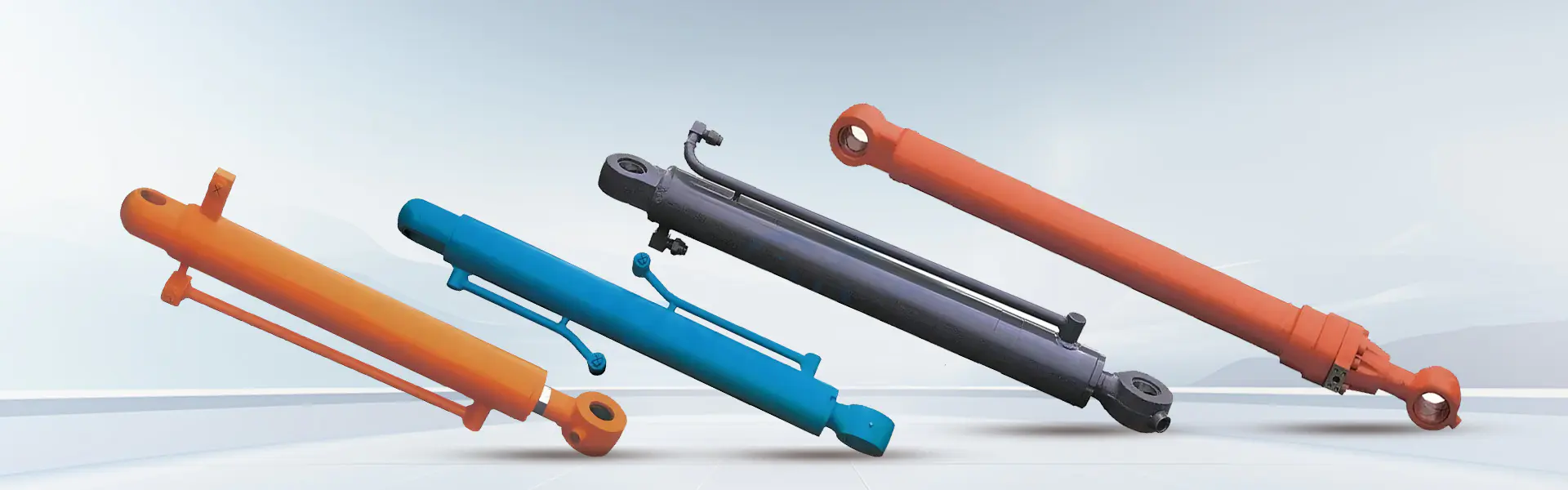
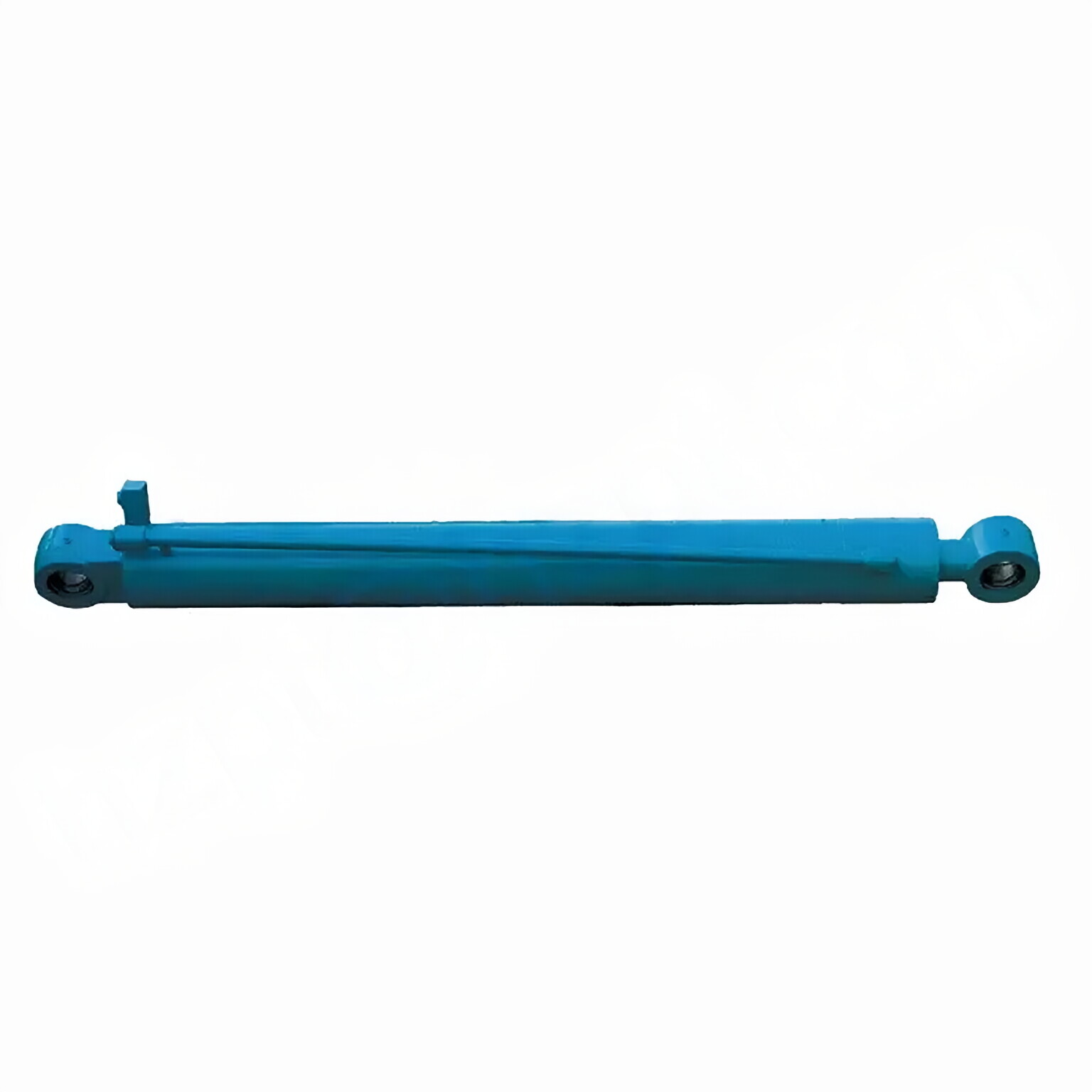
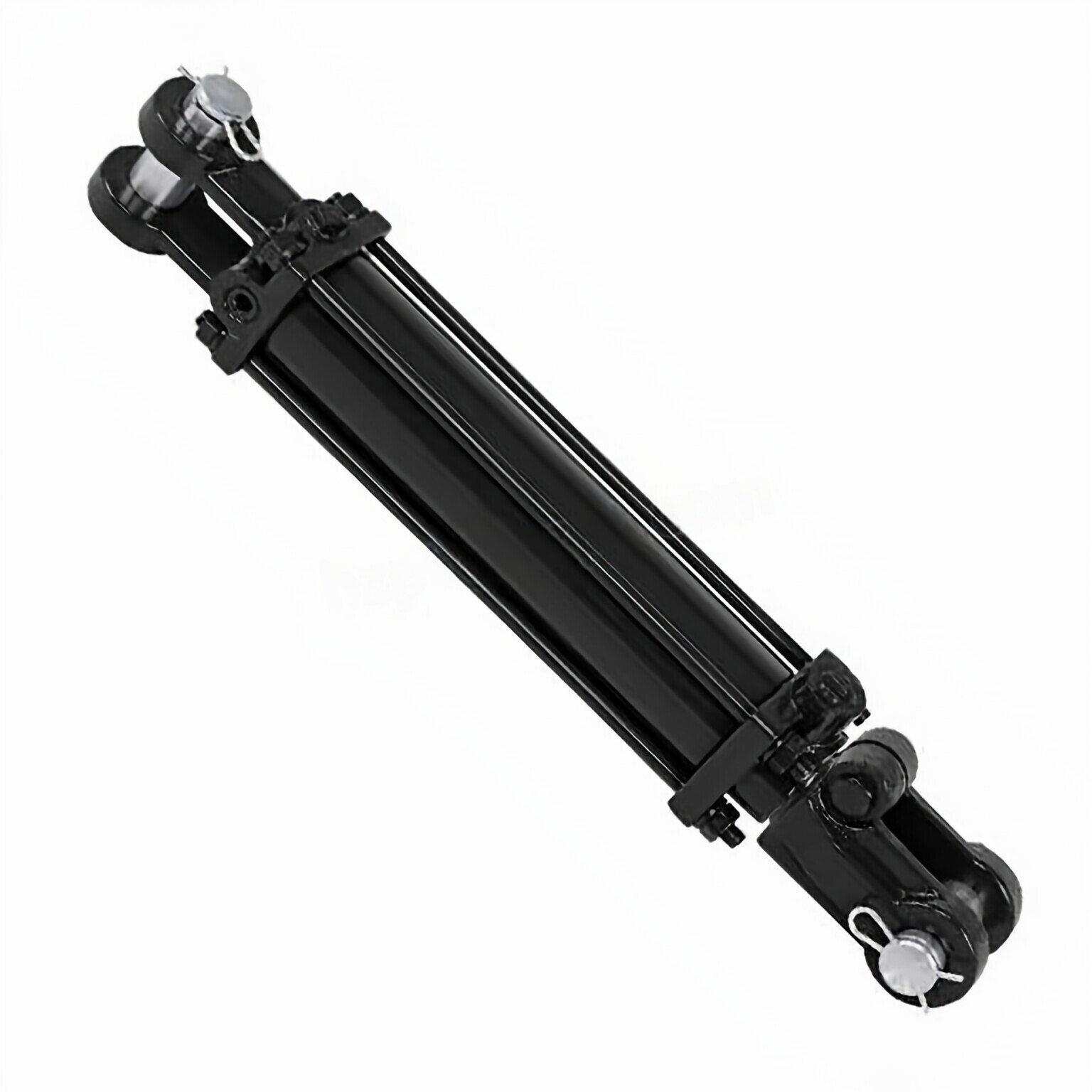
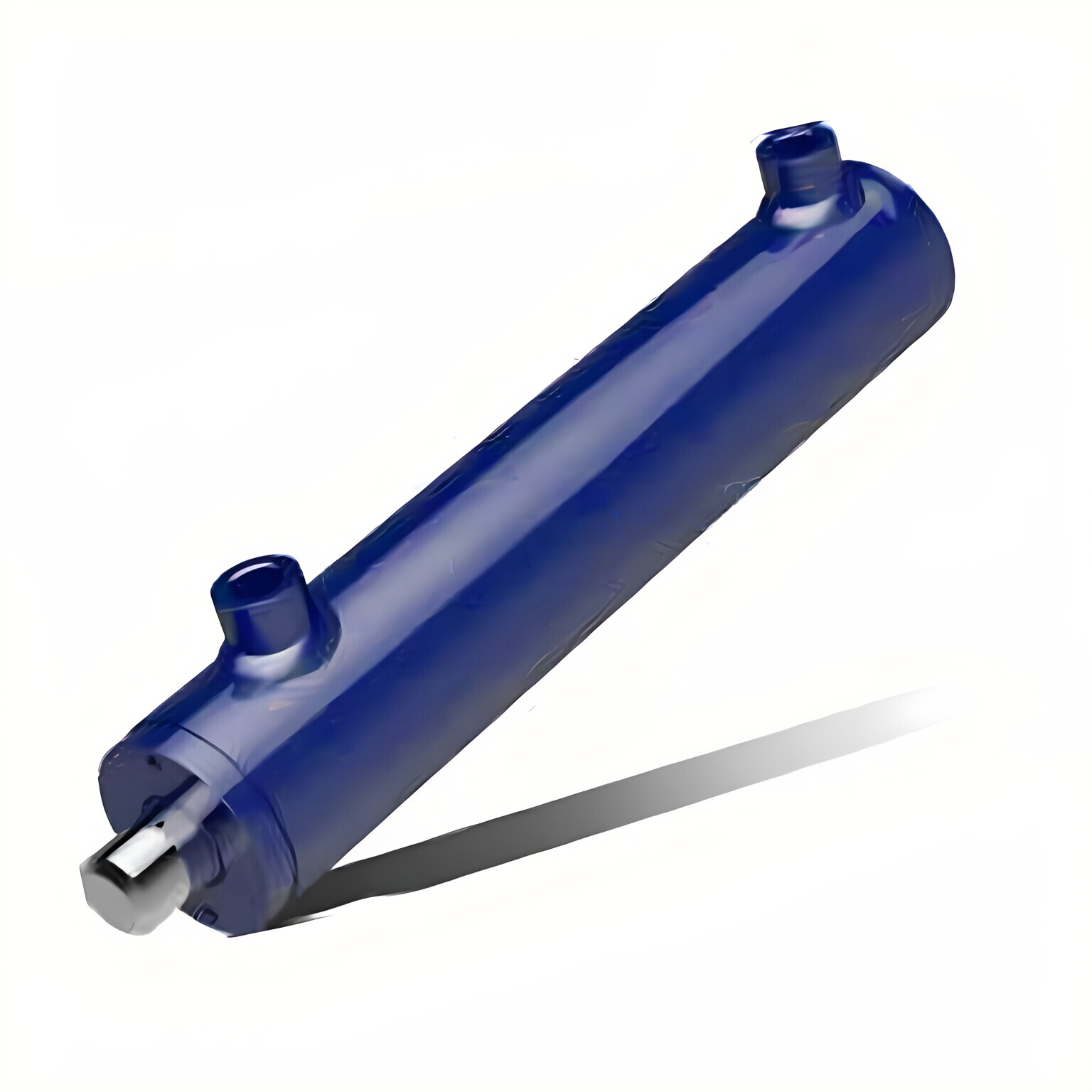
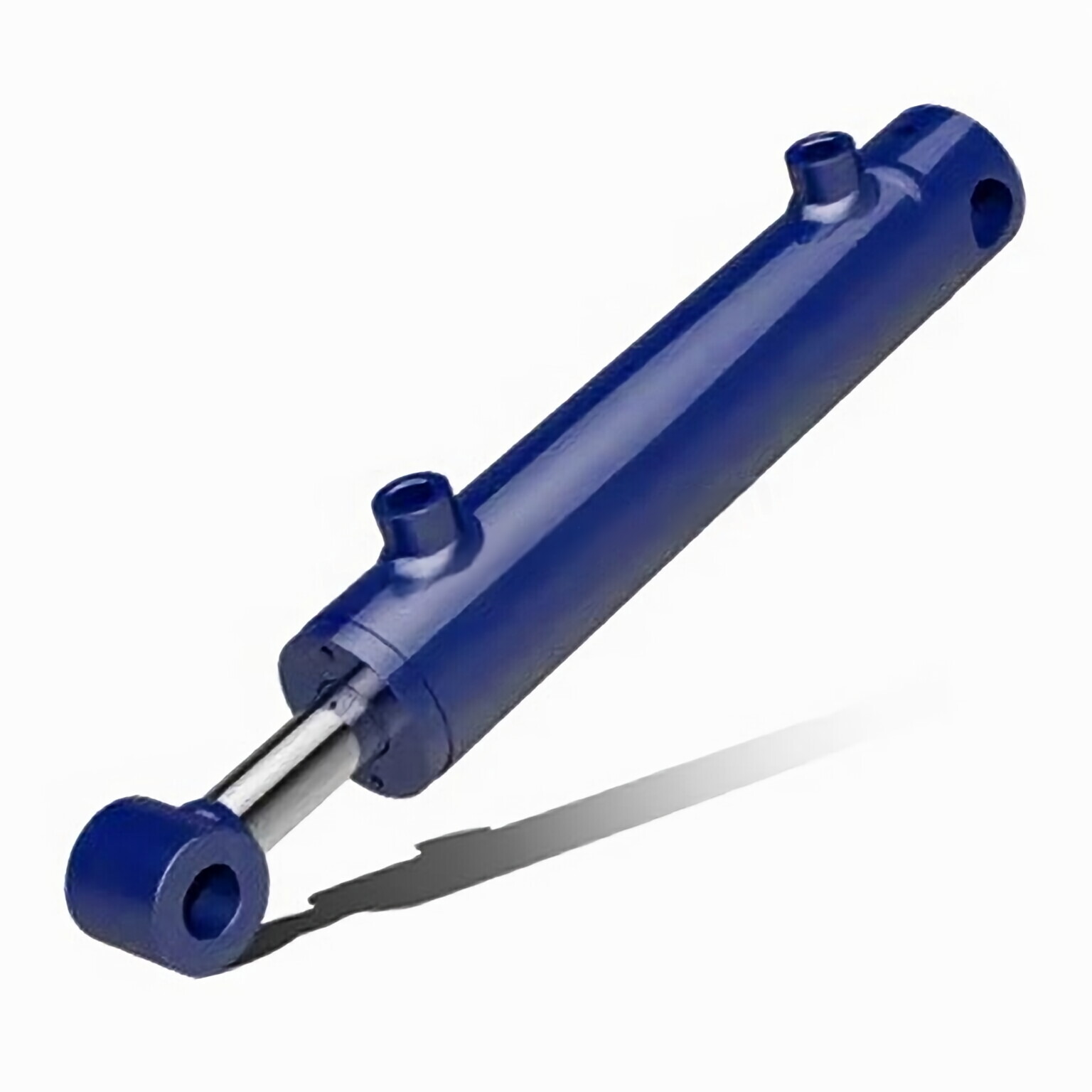
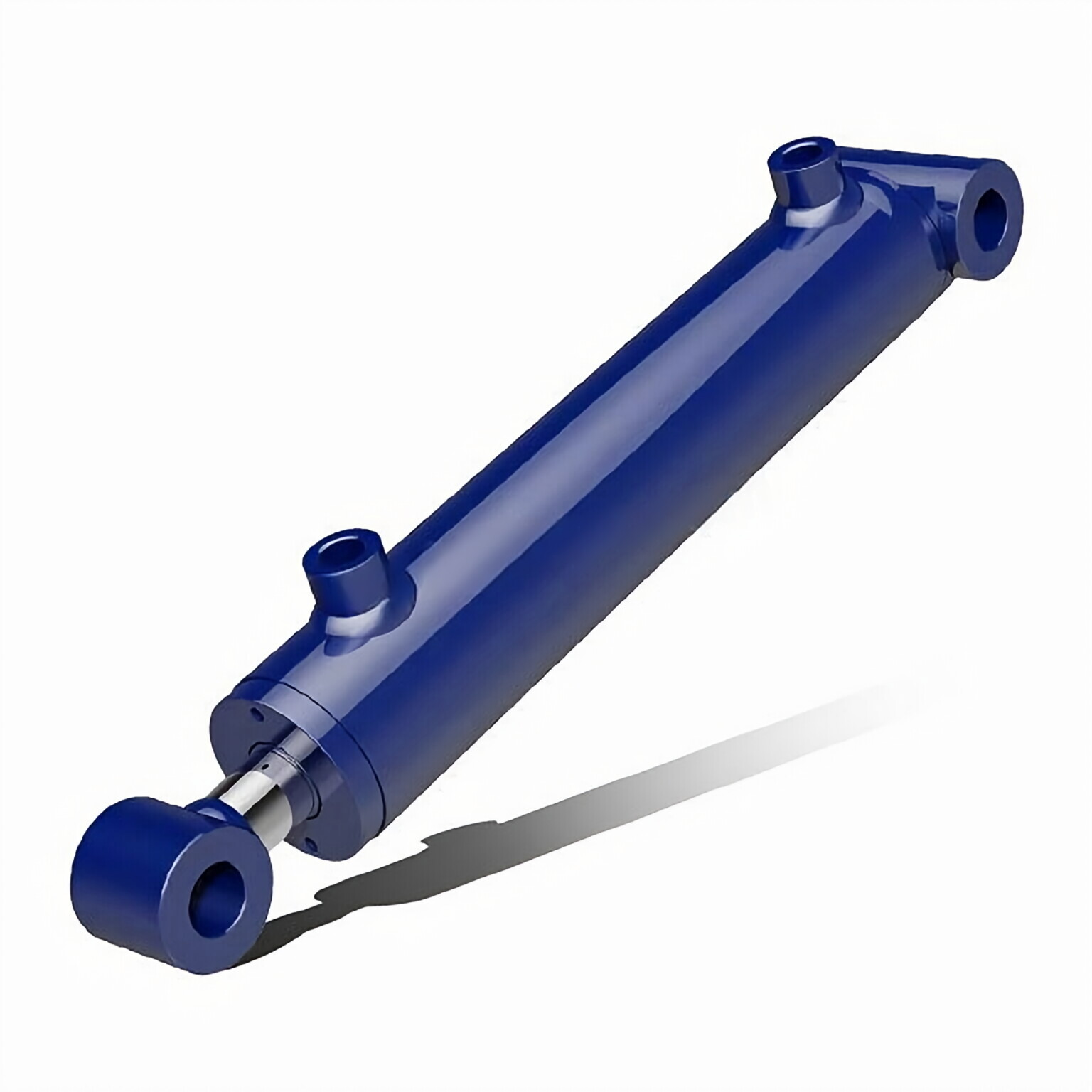
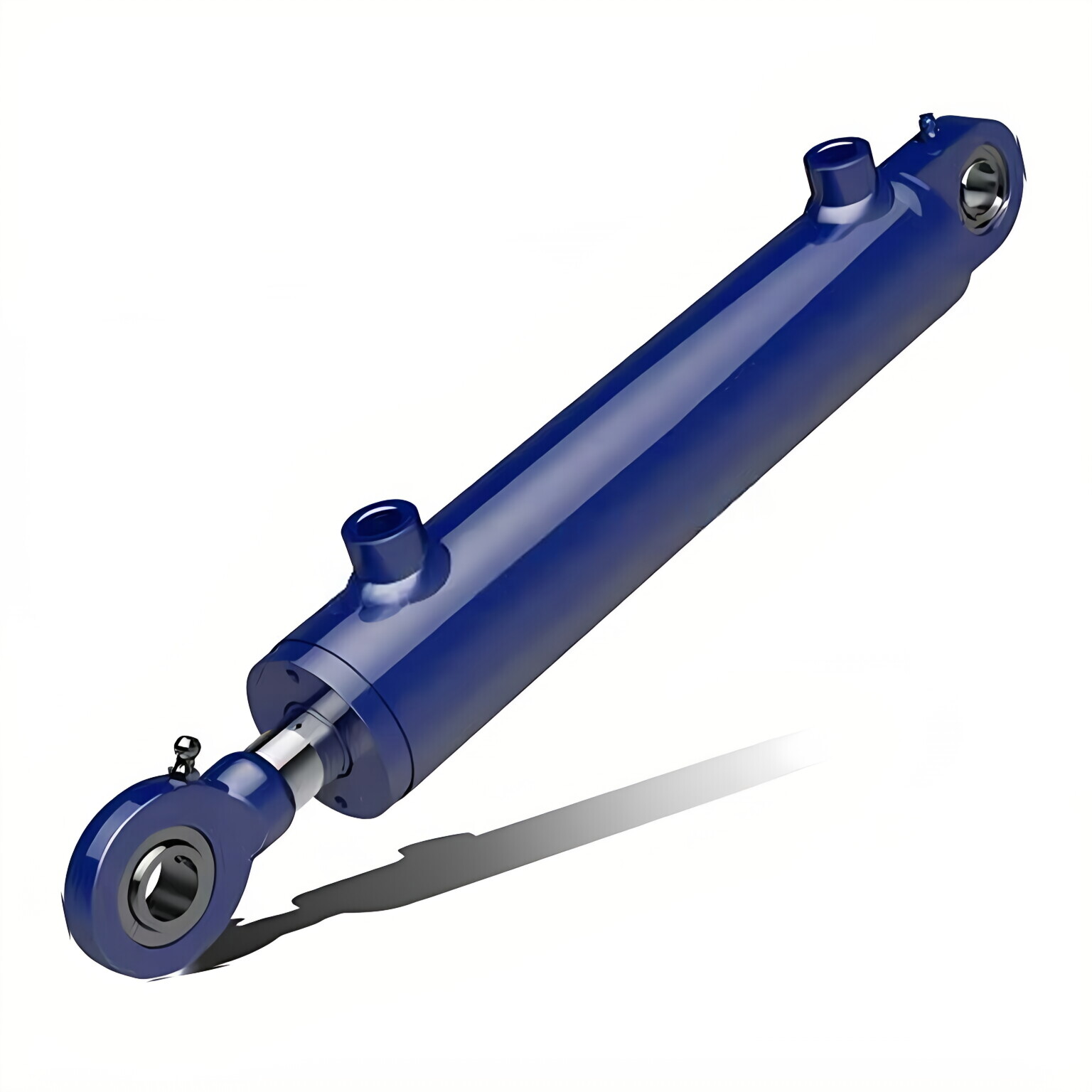
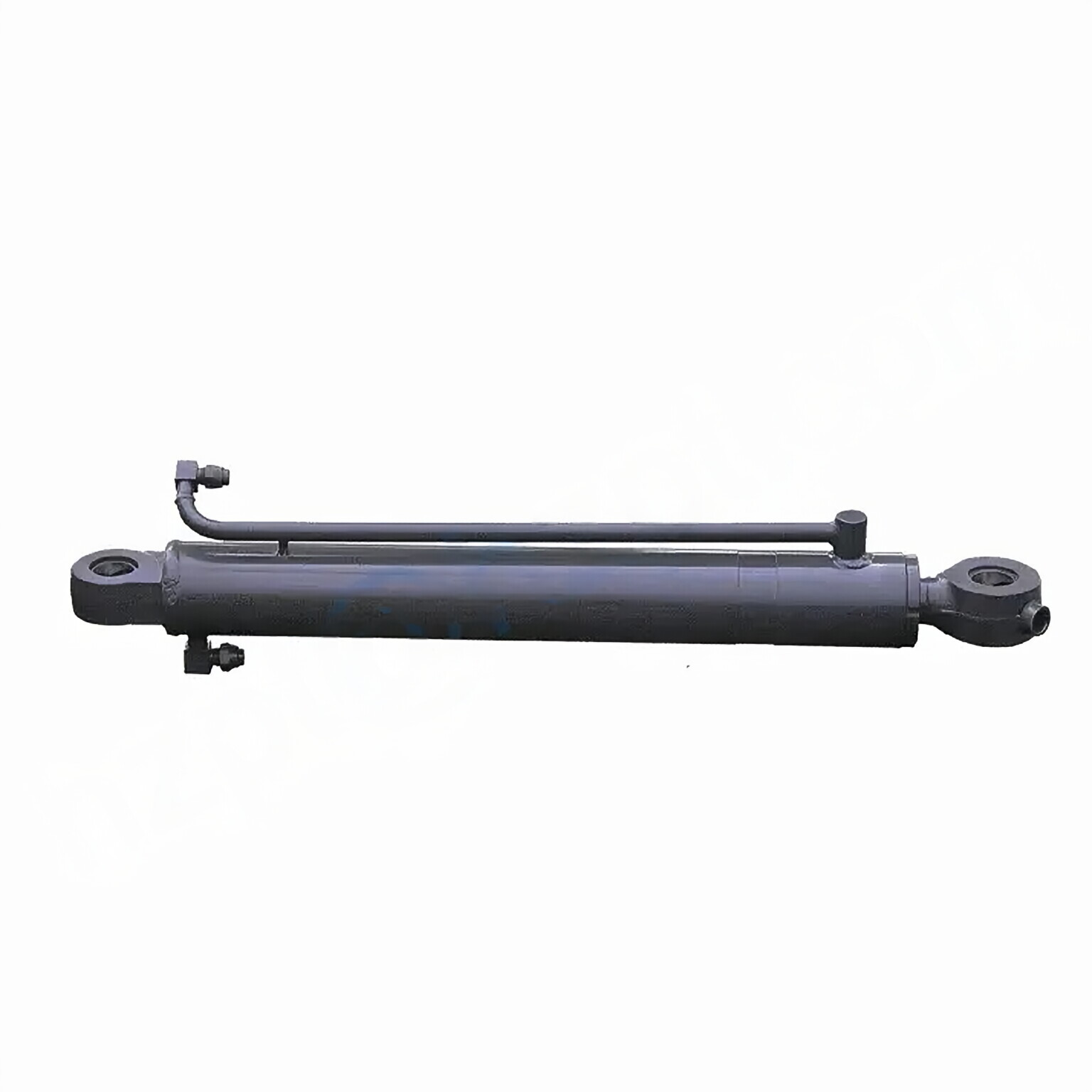
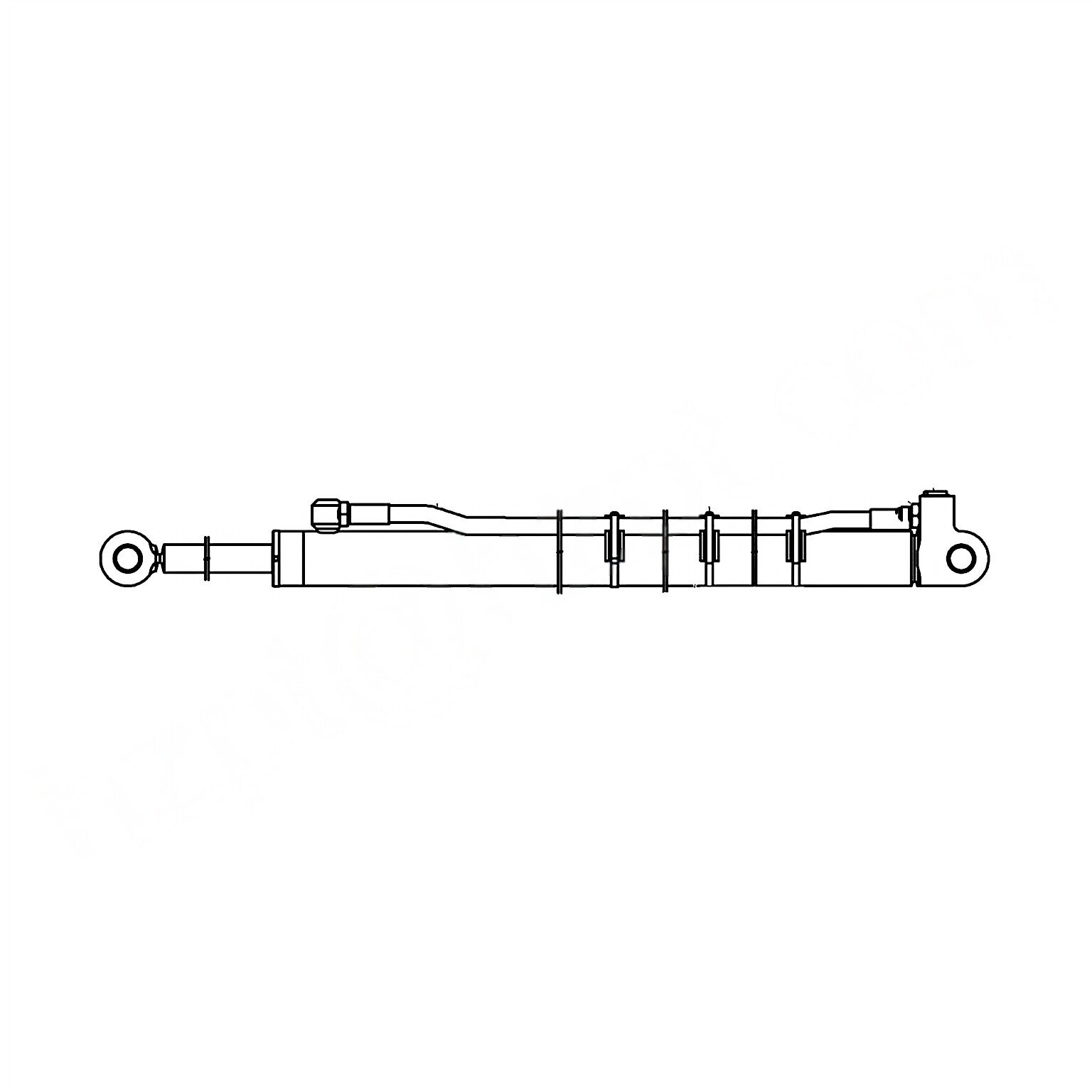
The arm cylinder is a type of hydraulic cylinder specifically designed to provide linear motion and force for the arms of various machinery, such as excavators, cranes, and mechanical arms. These cylinders are crucial for the movement and control of additional tools or attachments.
An arm cylinder, also known as an excavator arm cylinder or boom cylinder, is a hydraulic cylinder that plays a vital role in the hydraulic system of excavators. It is responsible for extending and retracting the arm of the excavator, allowing it to reach different heights and distances. The arm cylinder works by utilizing the pressure of hydraulic oil to create the necessary force for the arm's movement.
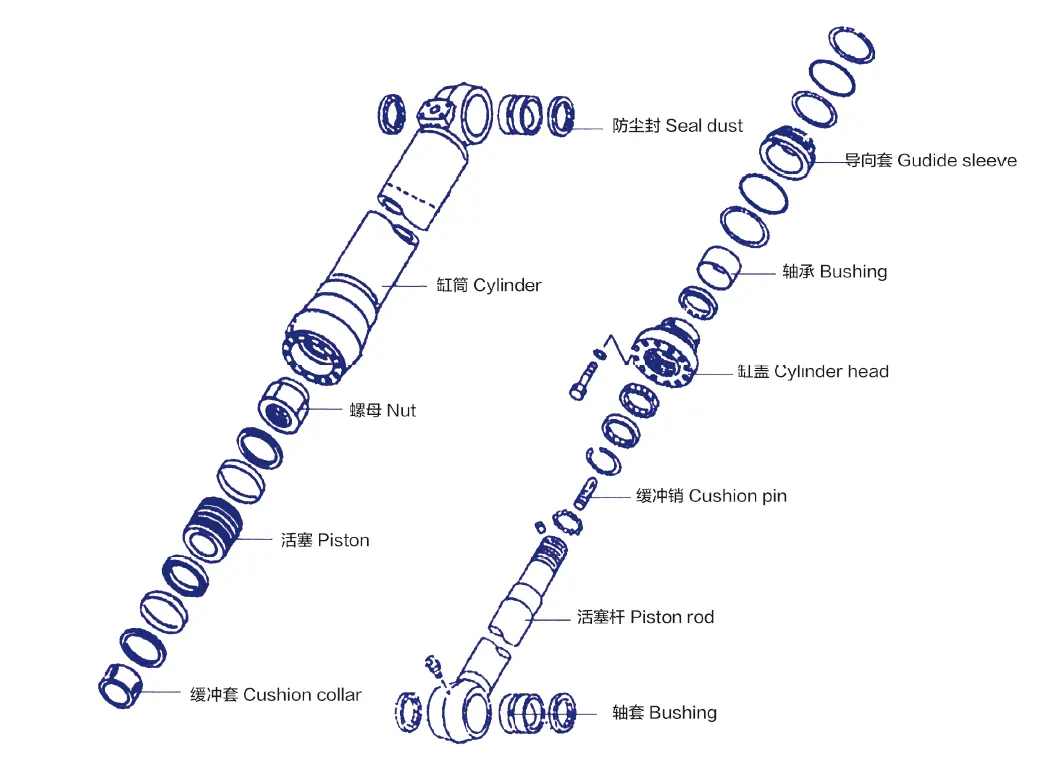
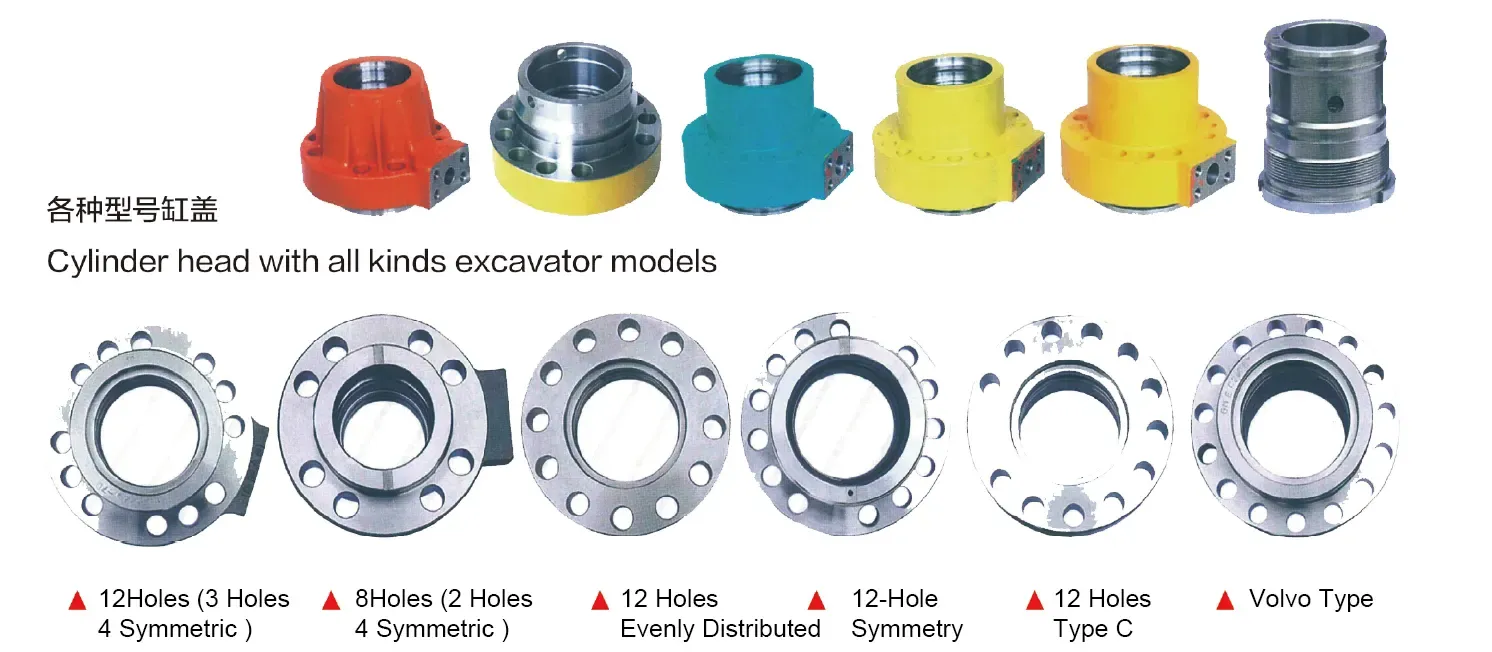
The arm cylinder finds its application in various industries and machinery, including:
In excavators, the arm cylinder is essential for digging and lifting materials. It provides the necessary force to perform these tasks efficiently.
Arm cylinders in cranes allow for precise positioning of loads, ensuring accurate and safe lifting operations.
Arm cylinders are used in loaders and harvesters to manipulate attachments and effectively collect crops.
Arm cylinders are employed in mechanical arms used on assembly lines. They can execute repetitive tasks with precision, ensuring efficient production processes.

When designing and selecting arm cylinders, various factors need to be taken into account:
The arm cylinder should have the necessary strength and load-bearing capacity to withstand the forces exerted during operation.
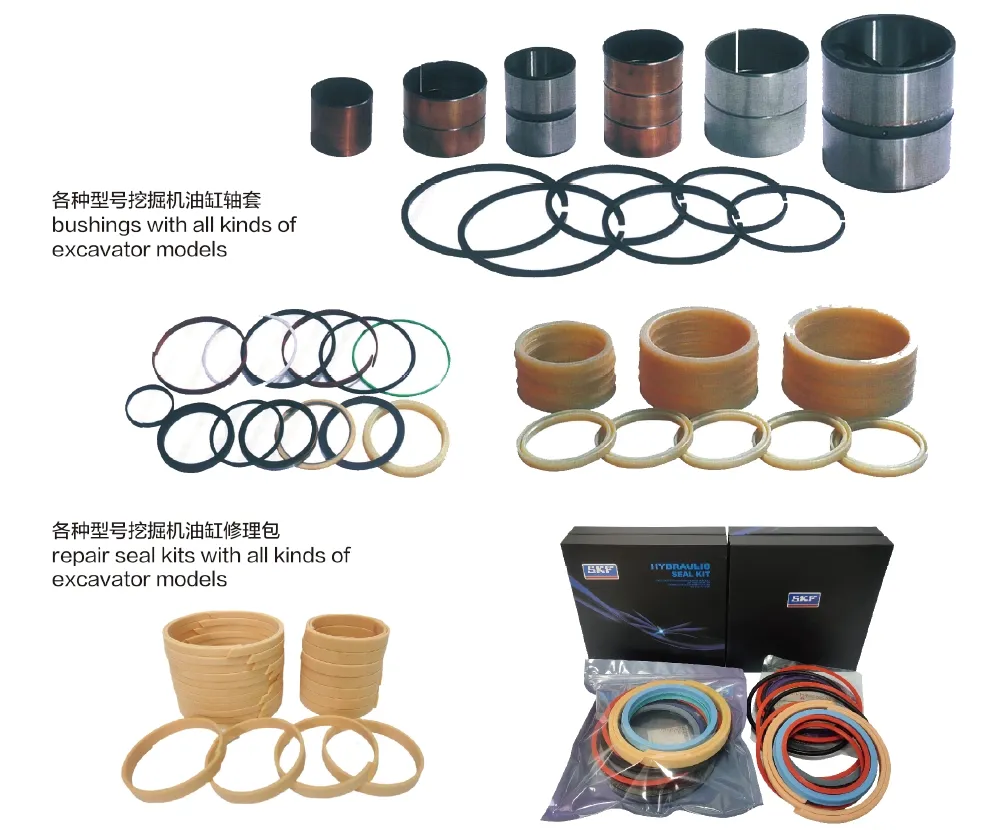
Proper sealing is crucial to prevent leakage and ensure the efficiency of the hydraulic system. The use of high-quality sealing elements, such as piston seals and rod seals, is necessary to maintain optimal performance.
Arm cylinders should be designed to withstand the wear and tear of regular use. They should be resistant to corrosion and other environmental factors that can impact their lifespan.
Safety considerations are vital in the design of arm cylinders. They should incorporate safety features to prevent accidents and ensure the protection of operators and surrounding personnel.
Easy maintenance and repairability are essential for minimizing downtime and ensuring the longevity of arm cylinders. Design choices that facilitate maintenance, such as accessible components and clear documentation, should be prioritized.
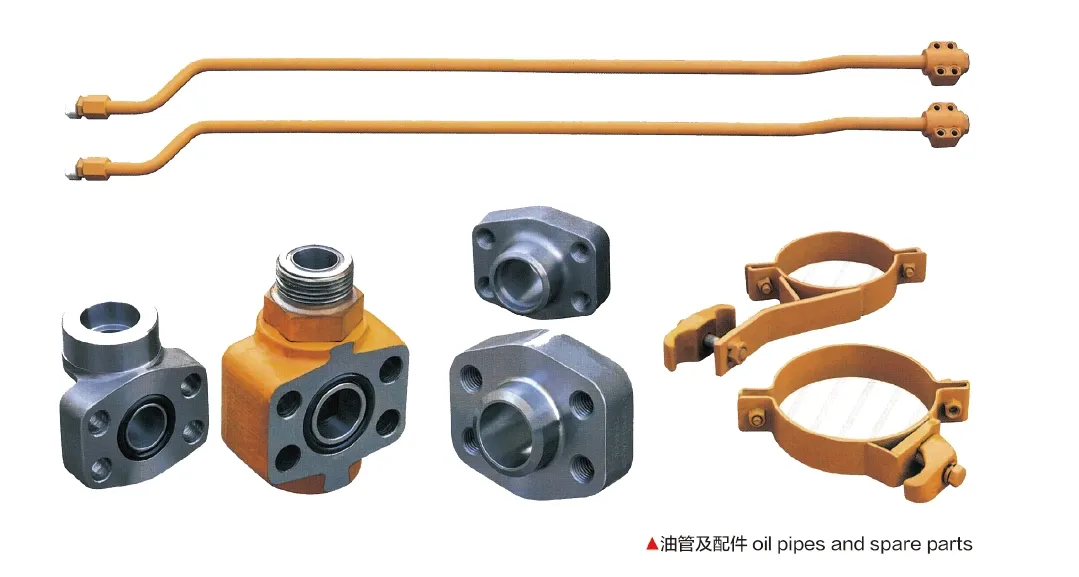
Arm cylinders utilize various sealing elements to prevent leakage and ensure smooth operation. These include piston seals, rod seals, and other seals made from wear-resistant materials such as polyurethane and nitrile rubber. The cylinder body and threaded end surfaces undergo meticulous treatment to enhance wear resistance. Regular lubrication with the appropriate amount of hydraulic oil is necessary to ensure optimal performance.
Regular inspection and preventive maintenance are essential for the proper functioning of arm cylinders. The following measures should be implemented:
Installing an arm cylinder requires careful attention to detail and adherence to proper procedures. The following steps should be followed:
When working with arm cylinders, safety measures should always be prioritized. The following safety precautions are important:
Environmental factors, such as extreme temperatures, humidity, and corrosive substances, can impact the performance and longevity of arm cylinders. Regular maintenance and proper storage techniques should be employed to mitigate these effects.
Arm cylinders may encounter certain malfunctions or issues during their lifetime. The following are some common problems that may arise:
If there is hydraulic fluid leakage from the cylinder, it may be due to damaged seal elements or loose fittings. Inspect the seals and connections for any damage and tighten as necessary.
If the arm cylinder is not performing as expected, it could be due to insufficient hydraulic fluid, worn-out seals, or internal component damage. Check the fluid levels, inspect the seals, and assess the condition of the cylinder for any signs of damage.
Stuck or jerky movements can occur if there is a blockage in the hydraulic lines or if the cylinder is experiencing internal friction. Inspect the lines for any obstructions and lubricate the cylinder if necessary.
For more complex issues or if problems persist, it is recommended to consult a professional technician for diagnosis and repair.
To minimize potential problems with arm cylinders, the following preventive measures should be implemented:

Address
Luotuo Industrial Area, Zhenhai District, Ningbo City, China
Tel

 Raydafon