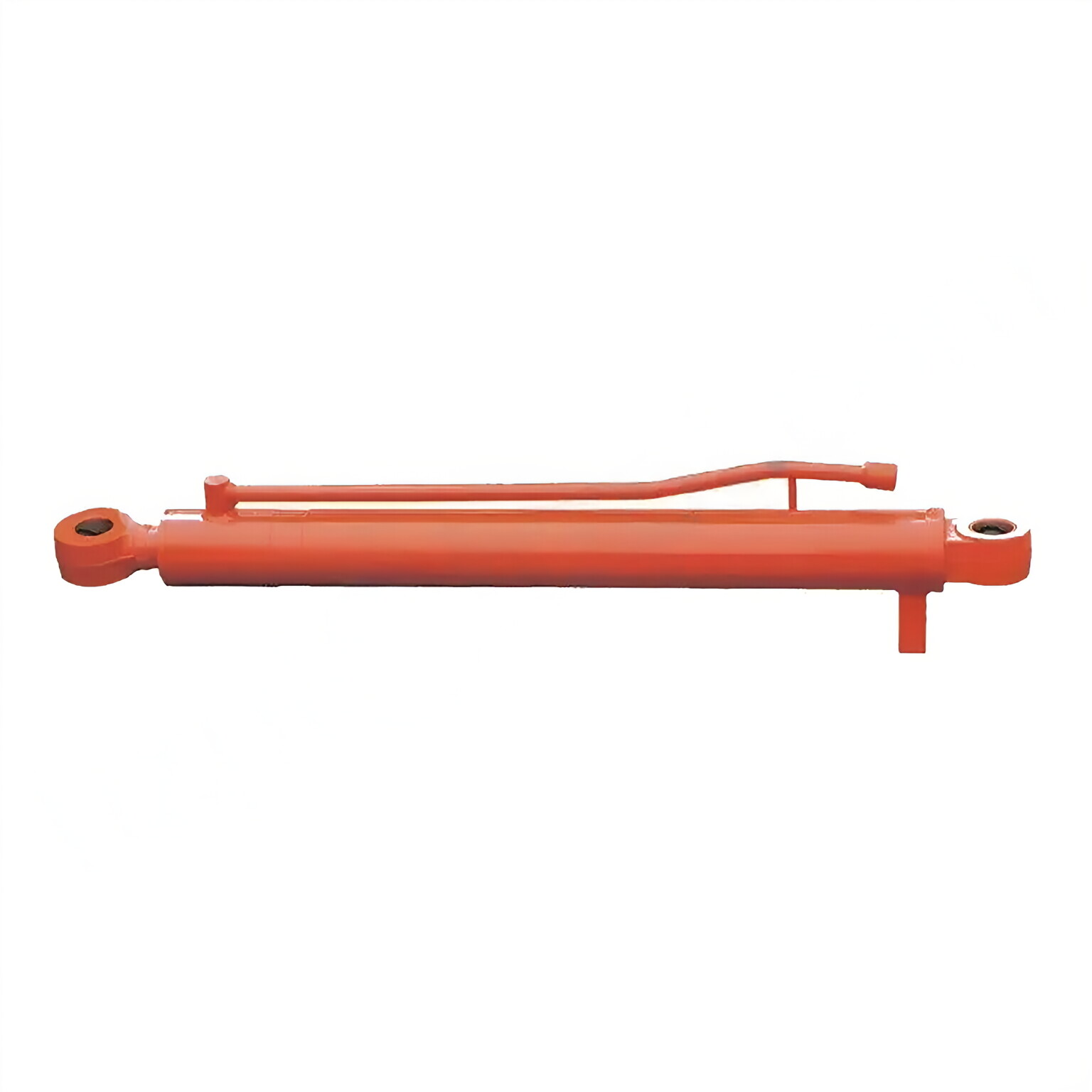
Arm Cylinder For Komatsu Small Excavator PC128/130-7
Raydafon Group's Arm Cylinder For Komatsu Small Excavator PC128/130-7 is a high-precision, durable component designed to enhance digging efficiency and durability. Built with premium materials for optimal performance and fit, it ensures smooth operation, reducing maintenance and downtime for owners and operators. This reliable upgrade delivers confidence and control, outperforming standard options with superior quality and compatibility, making every task easier and more efficient.
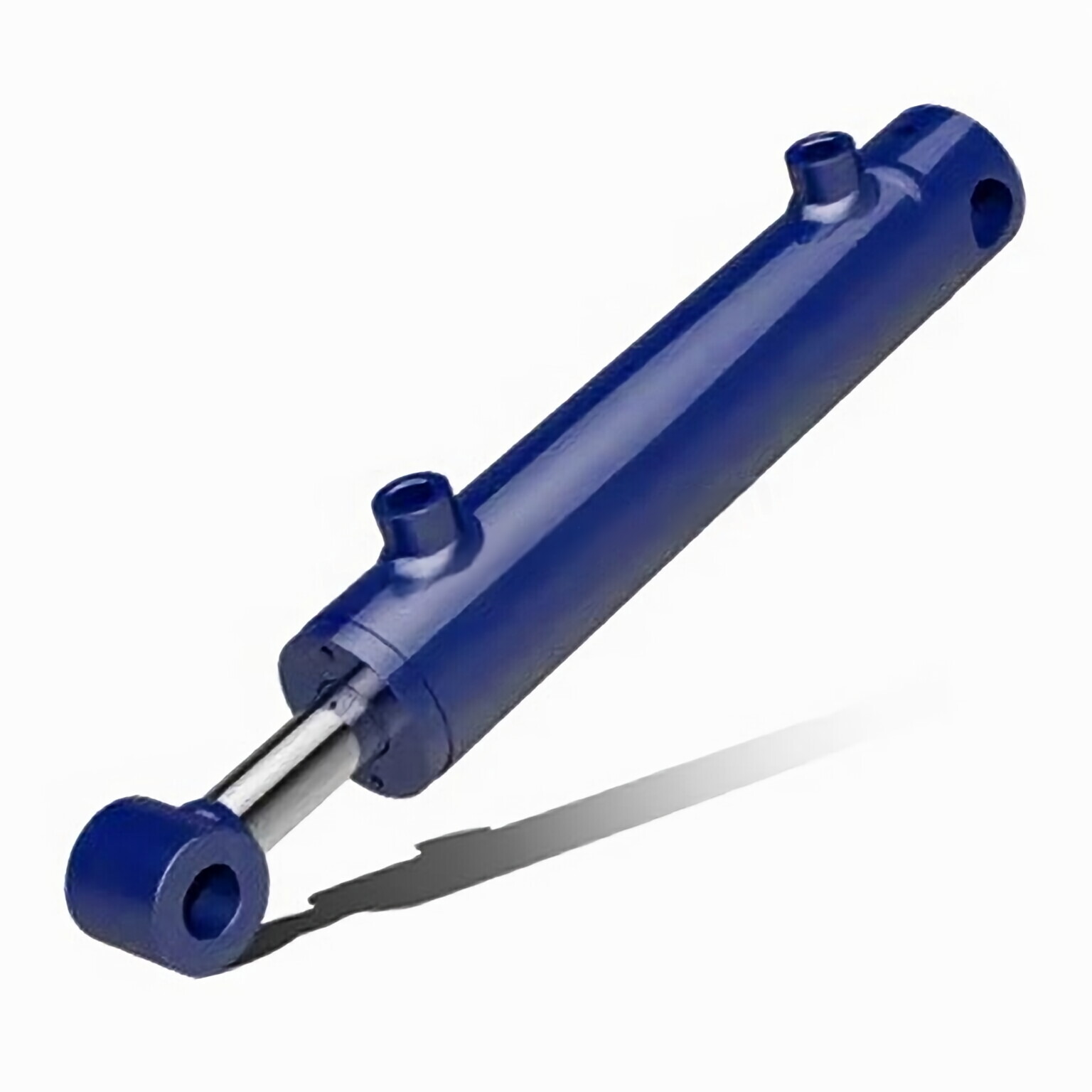
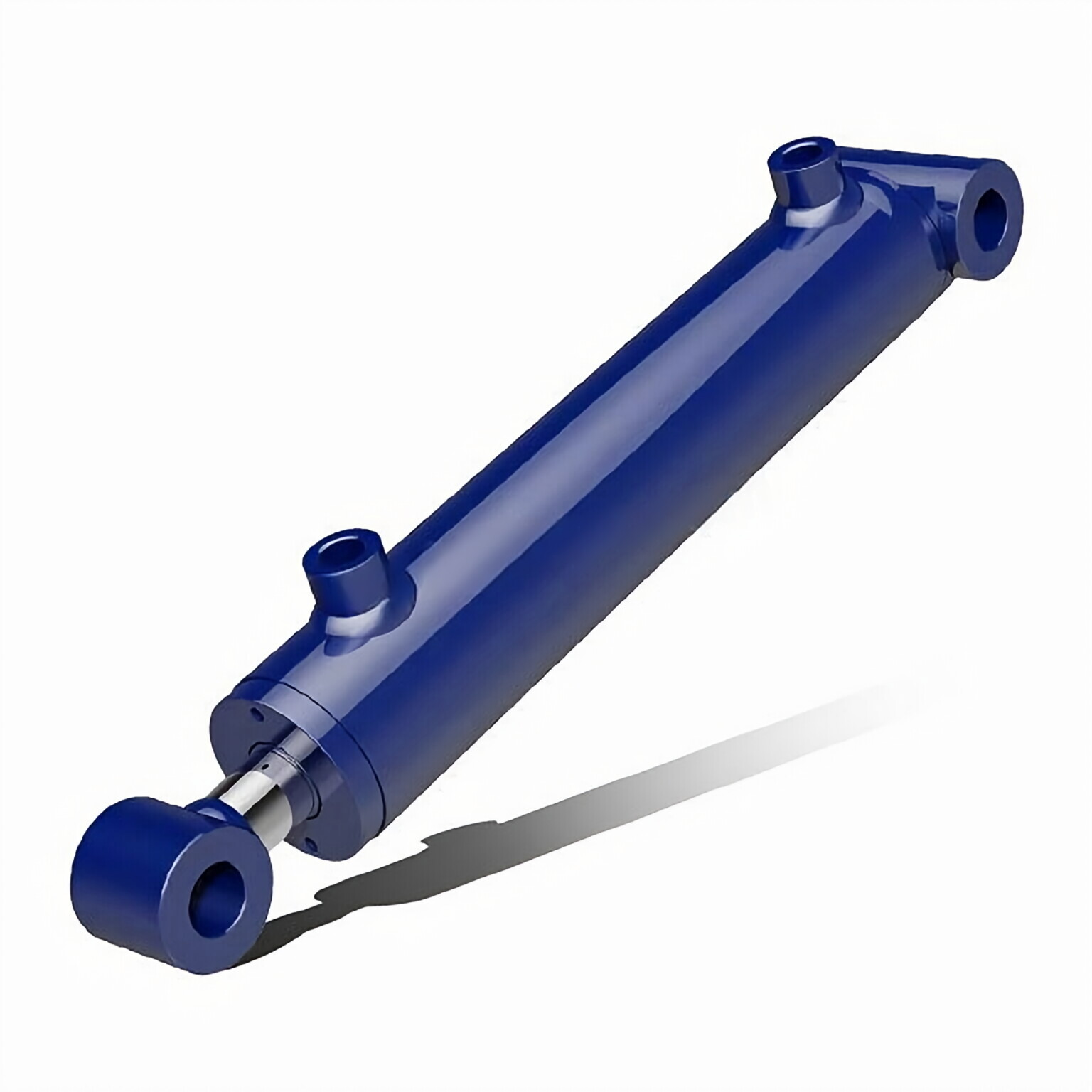
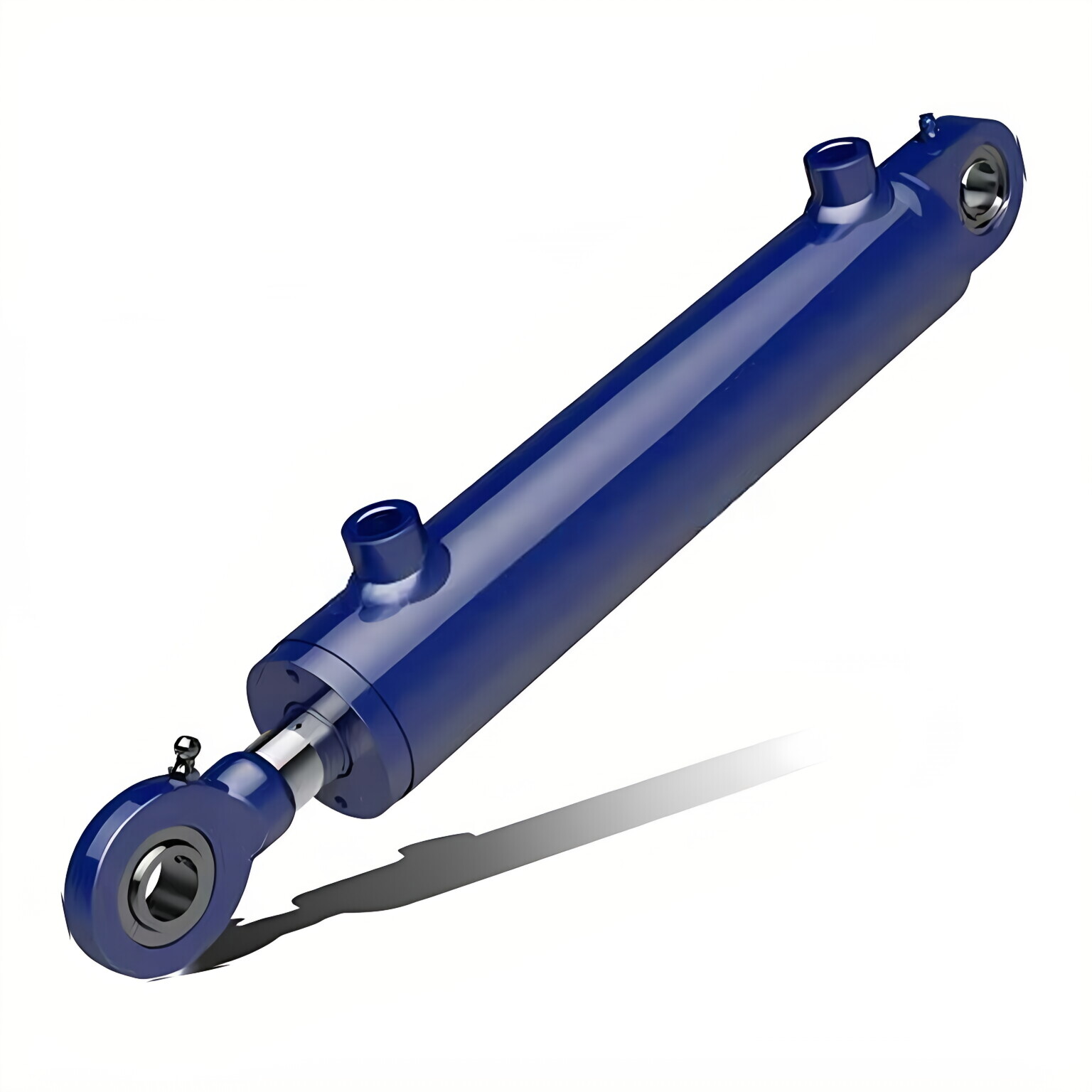
Arm Cylinder For Komatsu Small Excavator PC128/130-7IntroductionArm cylinder is a type of hydraulic cylinder that is specifically designed to provide linear motion and force to the arms of various machinery, such as excavators, cranes, and robotic arms. These cylinders are crucial for achieving the movement and control of additional tools or attachments. OverviewArm cylinders are hydraulic cylinders that are used to provide linear motion and force to the arms of various machinery. They are an important component of hydraulic systems and are used to control the movement of the arm. An arm cylinder consists of a piston, a cylinder barrel, and a rod. The piston is connected to the rod, which is attached to the moving arm. The cylinder barrel is where the piston moves back and forth, providing the linear motion to the rod and arm.ApplicationArm cylinders are used in a wide range of applications, including construction equipment, agricultural machinery, and industrial equipment. In excavators, arm cylinders are essential for digging and lifting materials. In cranes, they can be used to precisely position loads. In agricultural machinery, they are used in loaders and harvesters to manipulate tools and effectively collect crops. In industrial equipment, they are used in robotic arms to perform precise, repetitive tasks. FeaturesArm cylinders have several features that make them ideal for various applications. These include:1. High strength and durability - Arm cylinders are usually made of high-strength steel or aluminum, which can withstand high pressure and heavy loads, and are designed to be wear-resistant and corrosion-resistant.2. Efficient hydraulic operation - Arm cylinders use hydraulic oil pressure to achieve smooth extension and contraction movements, respond quickly to control commands, and provide powerful pushing and pulling forces, making them suitable for handling heavy objects and complex tasks.3. Various types - Arm cylinders can be single-acting (using hydraulic pressure in only one direction) or double-acting (using hydraulic pressure in both directions), and some models are telescopic, allowing for greater extension without increasing external dimensions, making them suitable for applications with limited space.4. Precise control - Arm cylinders provide precise control of the arm's angle and height, adapt to different work requirements, and, in combination with a hydraulic control system, can achieve complex movements and greater operational flexibility.ProductionOur company can produce this product with high quality and perfect replacement for other hydraulic cylinders. Our products are fully matched with all kinds of excavator models. Design Considerations and Selection CriteriaWhen designing and selecting arm cylinders, several key factors need to be considered, including:1. Load-bearing capacity - Arm cylinders must be able to withstand the loads imposed on them by the arm and any attachments.2. Sealing ability - Arm cylinders must be tightly sealed to prevent oil leakage and maintain hydraulic pressure.3. Durability - Arm cylinders must be able to withstand wear and corrosion over time.4. Safety - Arm cylinders must be designed with safety in mind, with features such as pressure relief valves to ensure safe operation.5. Maintainability - Arm cylinders should be designed for easy maintenance and repair, with easily accessible components and clear maintenance instructions.Sealing and LubricationTo maintain the performance and lifespan of arm cylinders, various sealing mechanisms are used, such as piston sealing rings and rod sealing rings made of wear-resistant materials such as polyurethane and nitrile rubber. The cylinder body and threaded end surface are finely processed to improve wear resistance. Regular lubrication with suitable hydraulic oil is also necessary.Troubleshooting and MaintenanceRegular inspection and preventive maintenance can help ensure the optimum performance of arm cylinders. Common problems include oil leakage, worn sealing rings, and cylinder barrel deformation. Troubleshooting methods include checking the sealing rings, repairing or replacing damaged parts, and adjusting the cylinder's mounting position. Regular maintenance should include cleaning the cylinder and replacing the hydraulic oil at the recommended intervals.Installation GuideProper installation of arm cylinders is critical to their performance and safety. The installation guide includes the following steps:1. Confirm the cylinder's size and specifications.2. Clean the mounting surface of the cylinder and the equipment.3. Install the cylinder and connect the pipes.4. Confirm the cylinder's mounting position and adjust if necessary.5. Test the cylinder's operation and check for any leaks.Safety Considerations and Environmental FactorsWhen working with hydraulic equipment, safety is of the utmost importance. Proper safety precautions, such as wearing protective gear and following proper operation procedures, must be followed at all times. Hydraulic equipment should also be disposed of properly to prevent environmental damage.ConclusionOur company is a leading manufacturer and wholesale distributor of hydraulic cylinders, including arm cylinders. With a focus on quality, precision, and durability, we provide a wide range of products and custom services to meet the diverse needs of our customers.
Hot Tags: Komatsu PC128-7 Arm Cylinder, Komatsu PC130-7 Hydraulic Cylinder, Small Excavator Replacement Cylinder
We use cookies to offer you a better browsing experience, analyze site traffic and personalize content. By using this site, you agree to our use of cookies.Privacy Policy


 Raydafon