
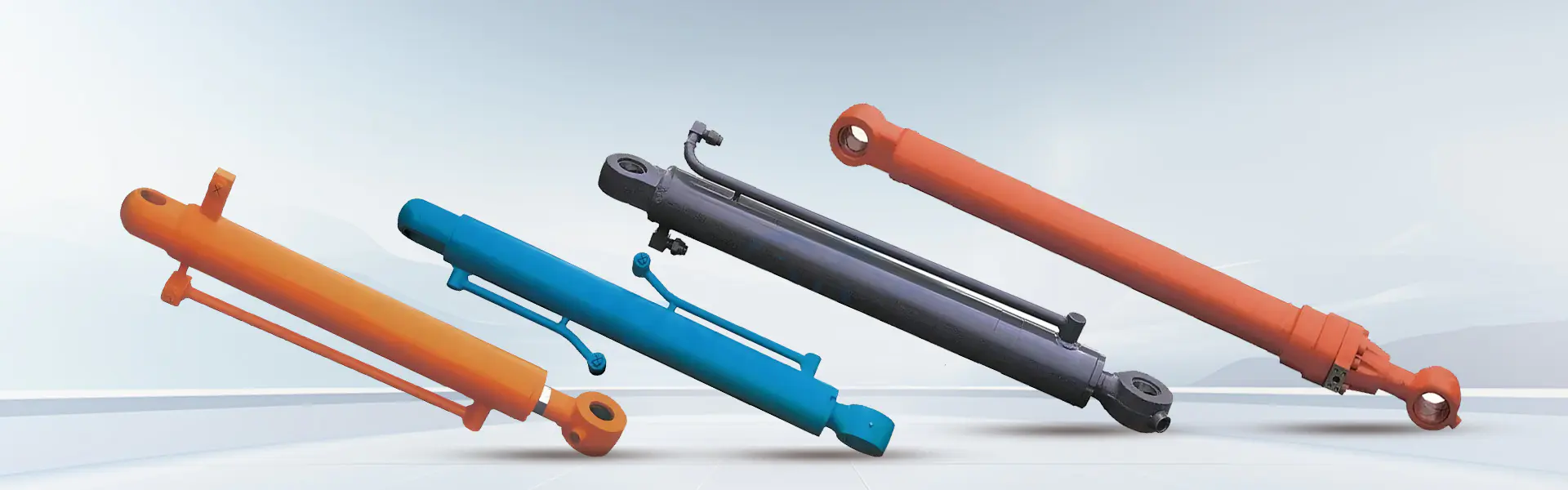
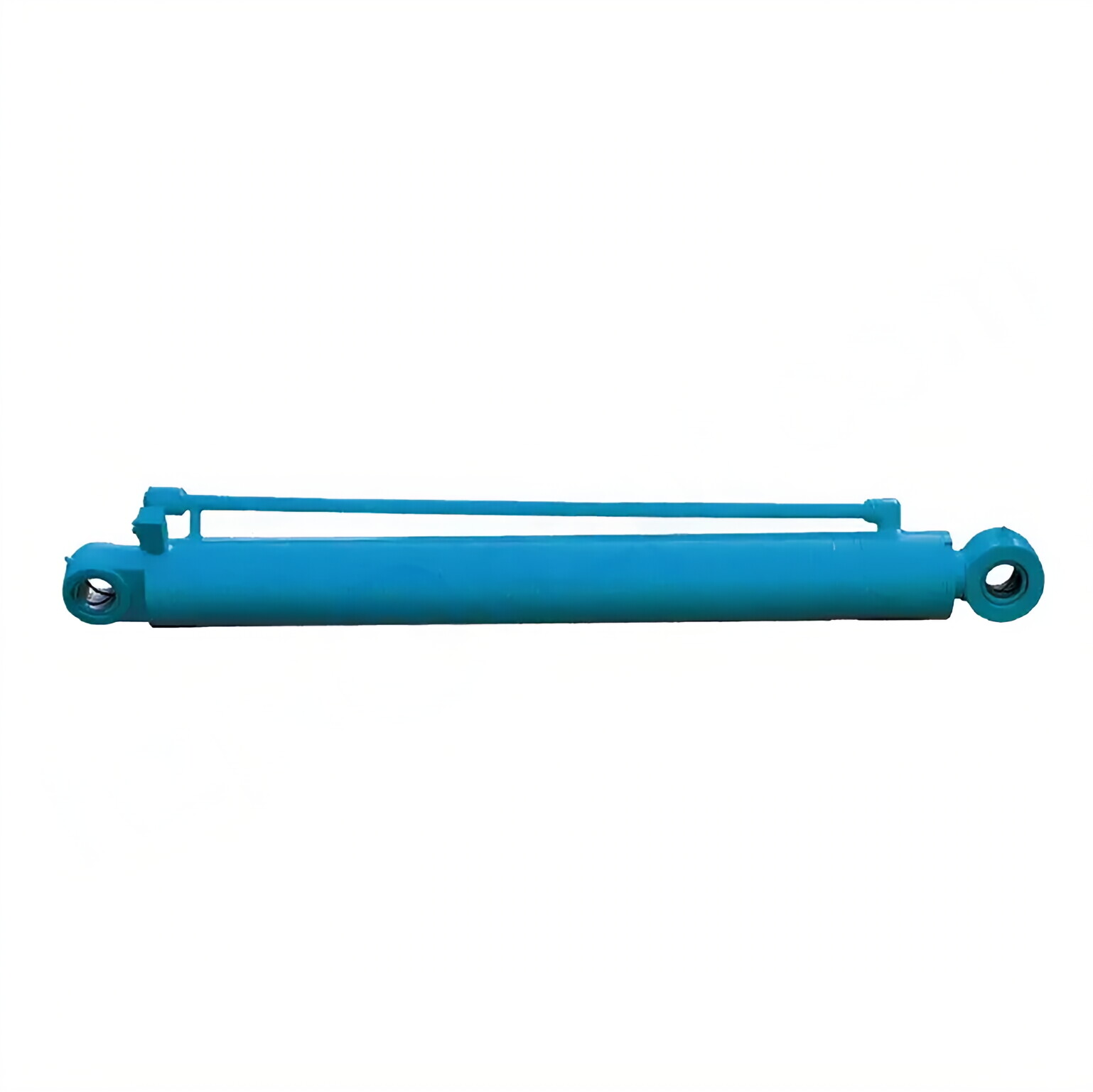
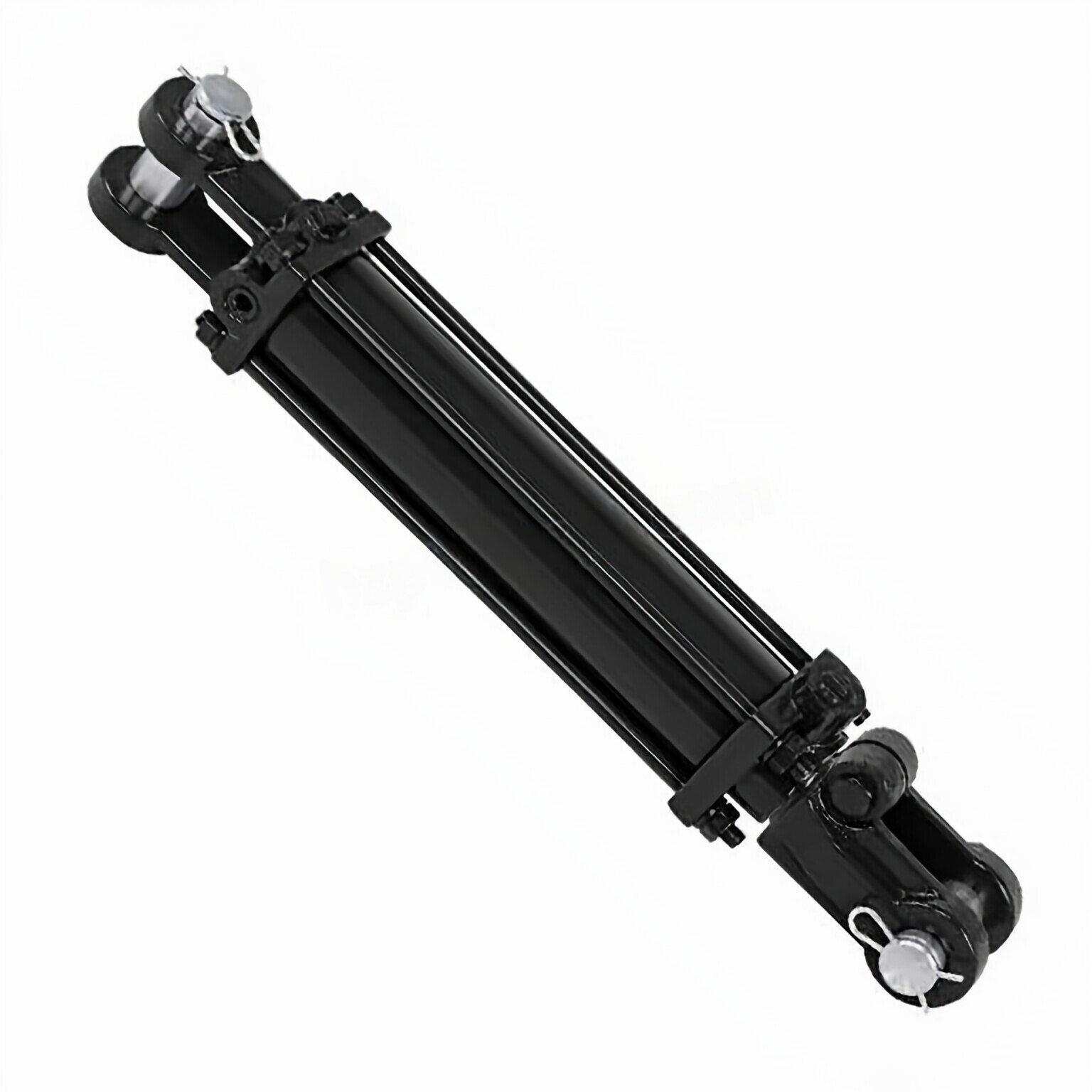
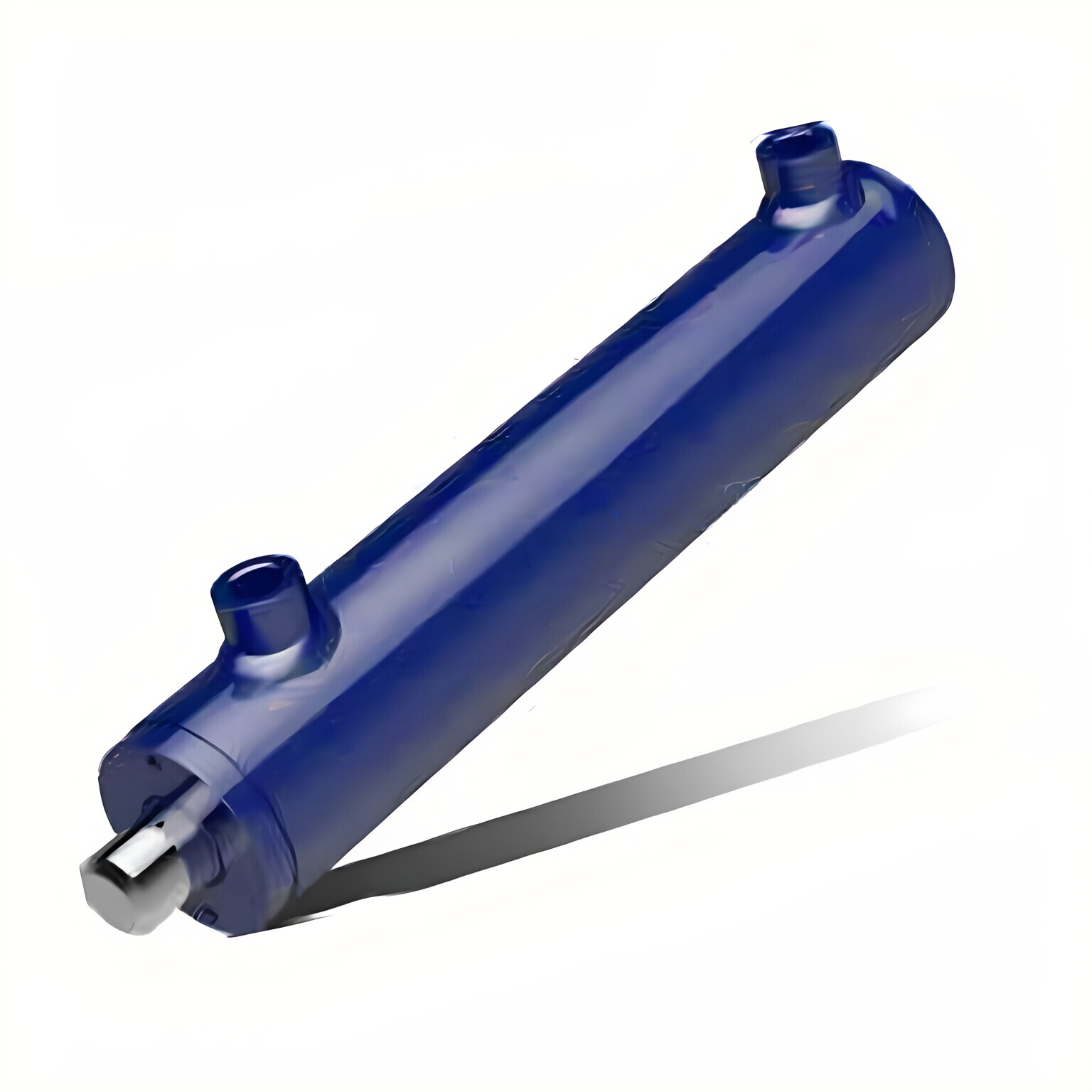
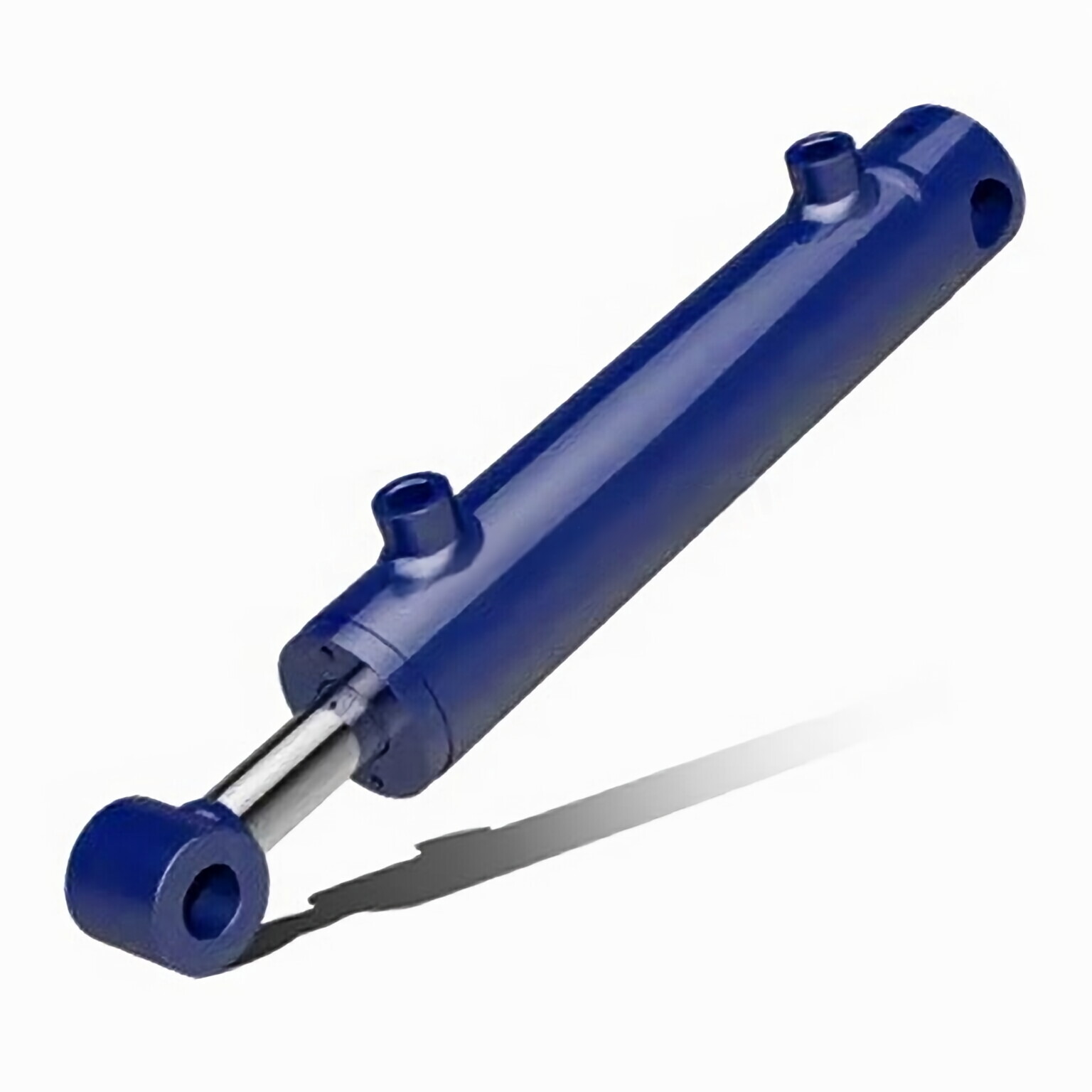
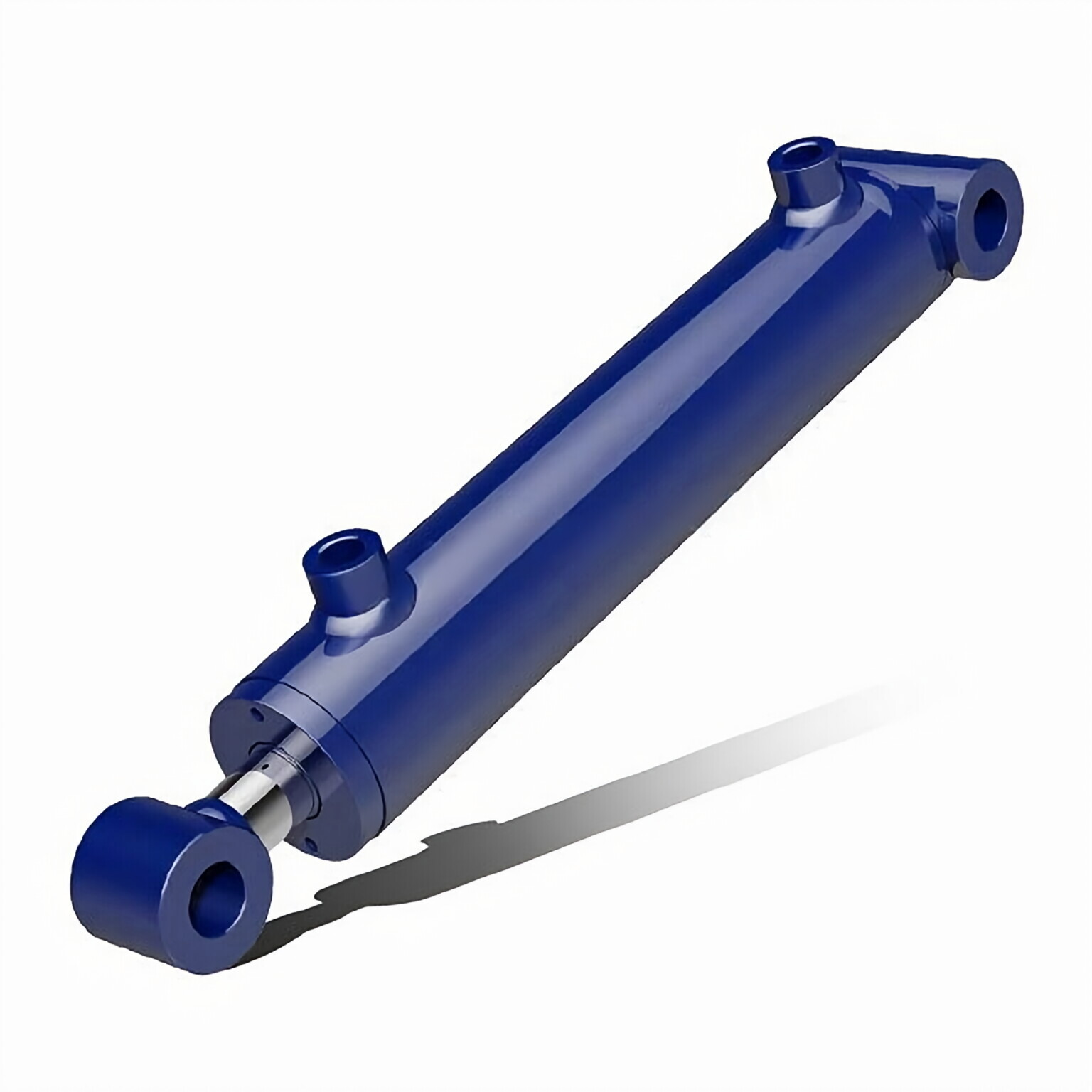
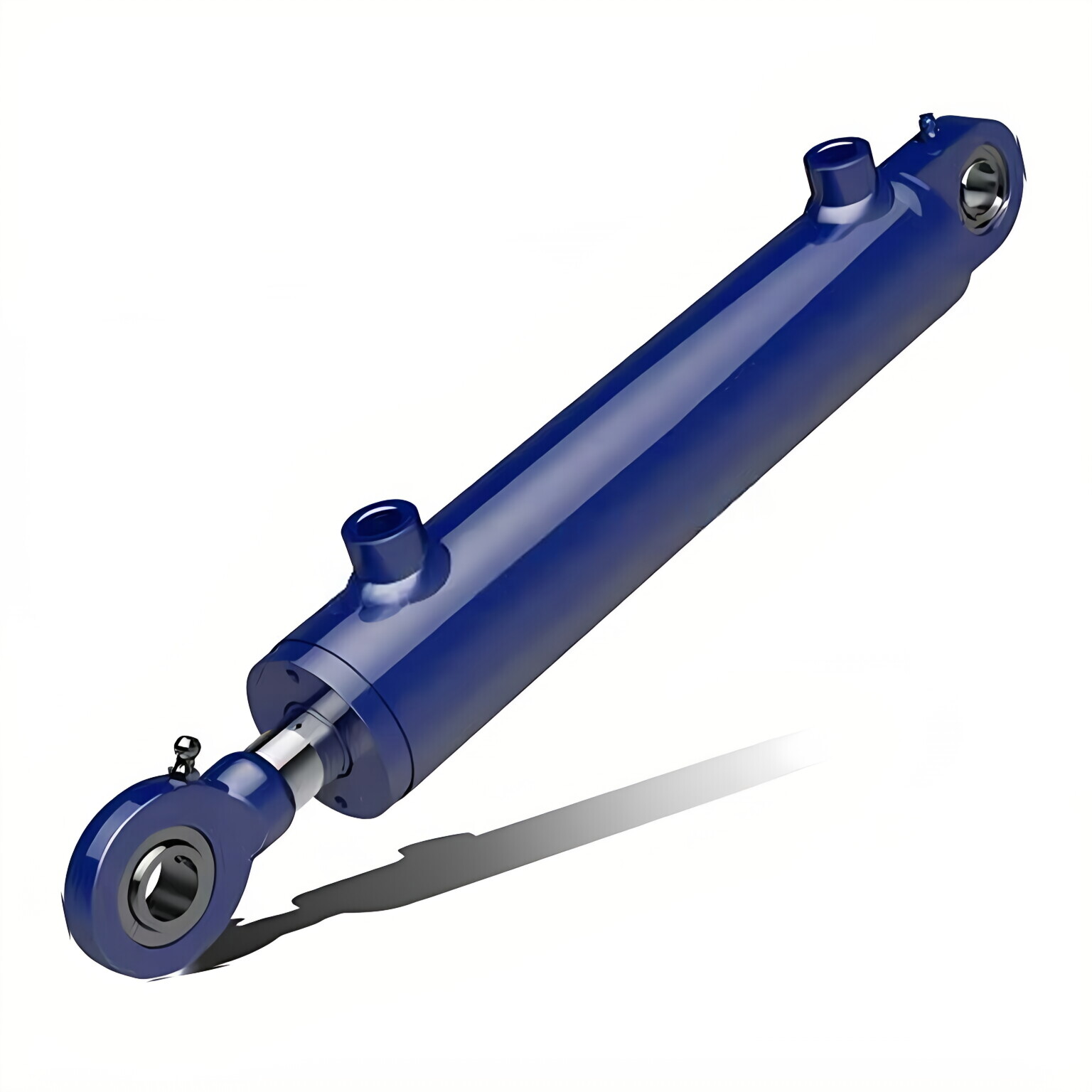
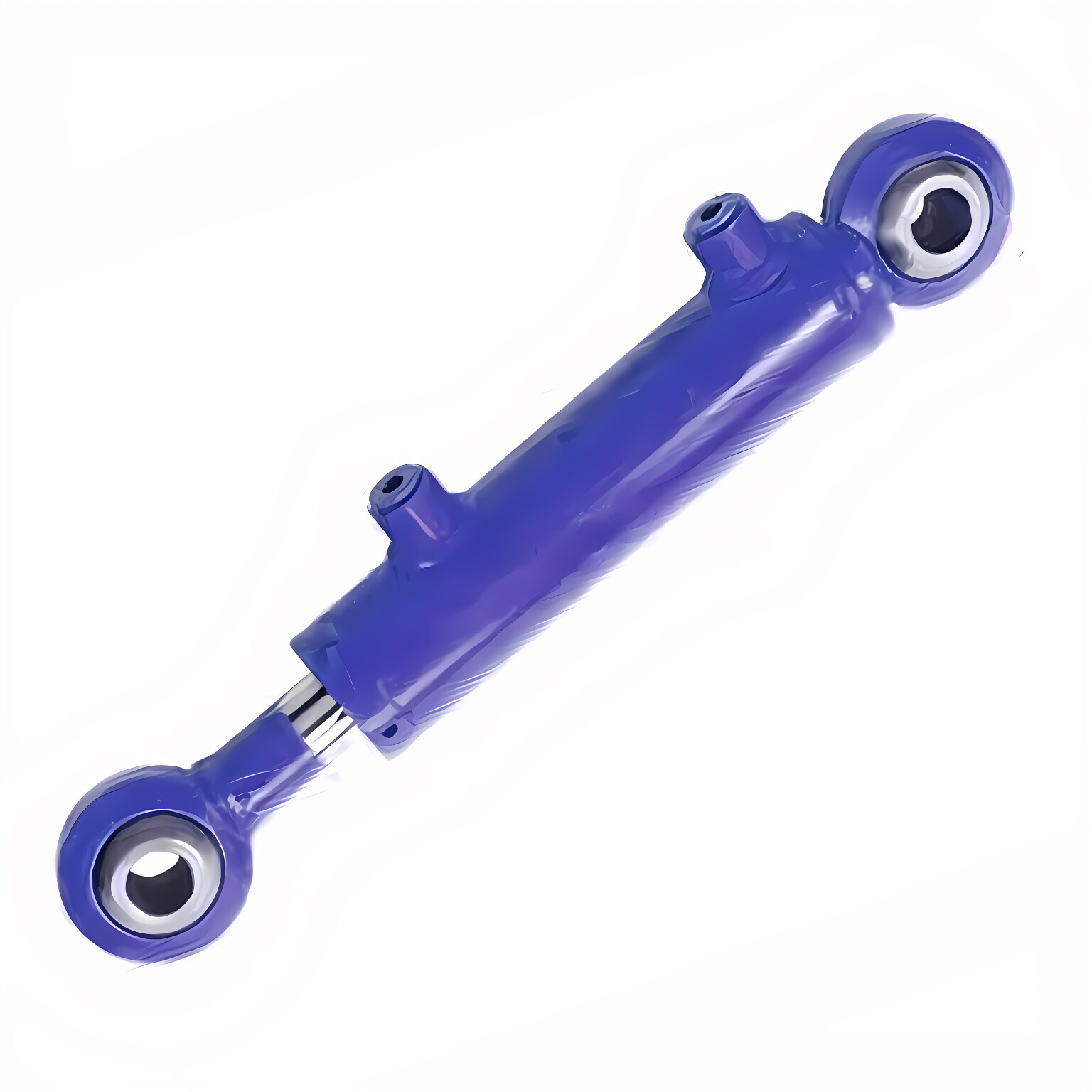
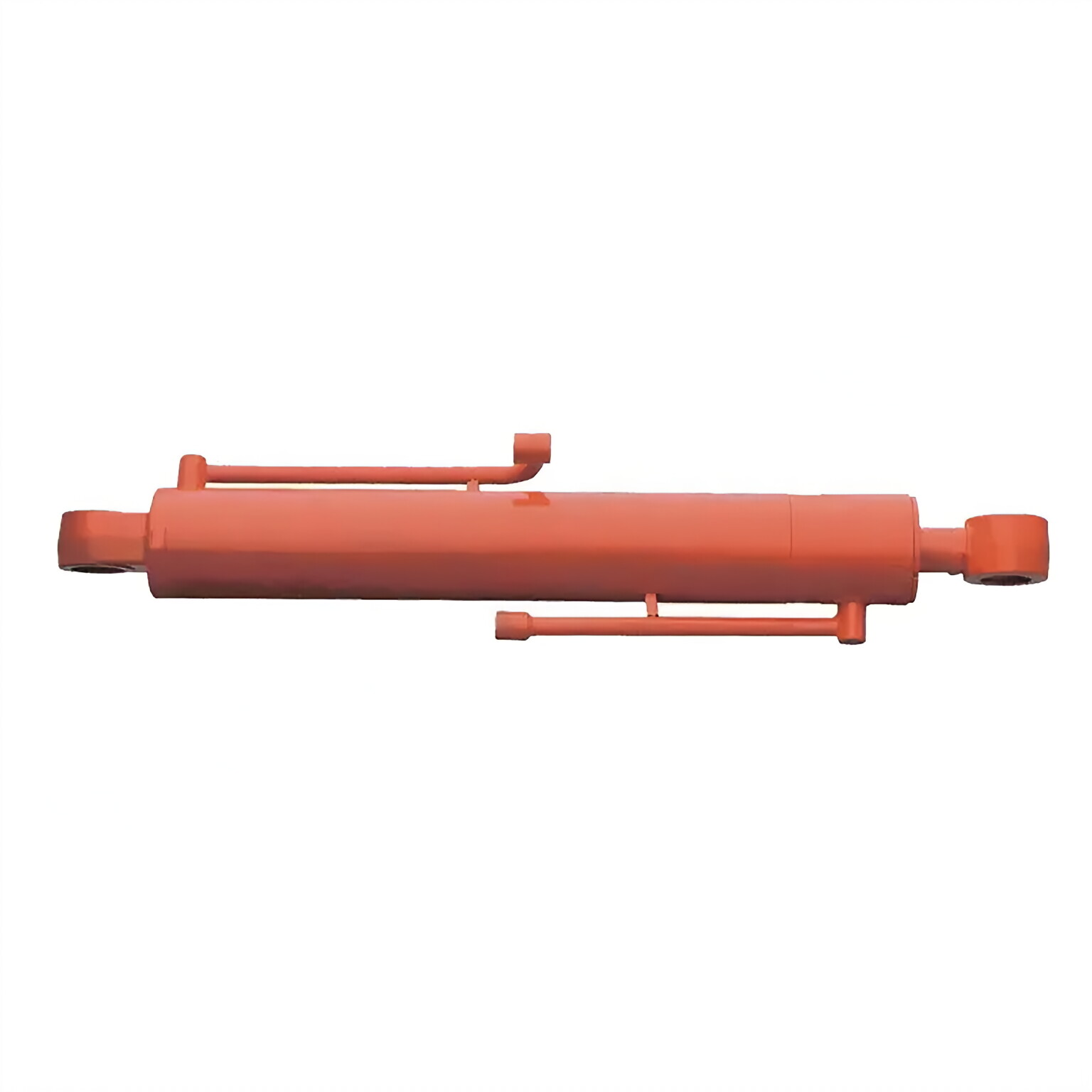
An arm cylinder is a type of hydraulic cylinder specifically designed to provide linear motion and force to the arm of various machinery, such as excavators, cranes, and robotic arms. These cylinders are crucial for the movement and control of additional attachments or tools.
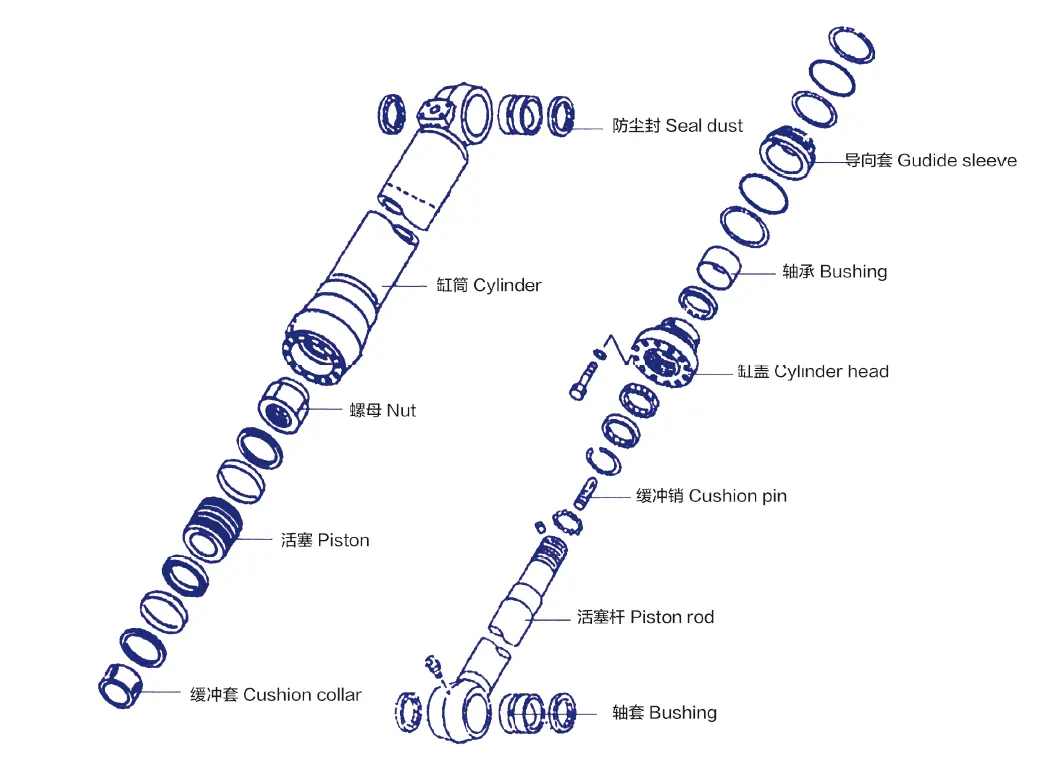
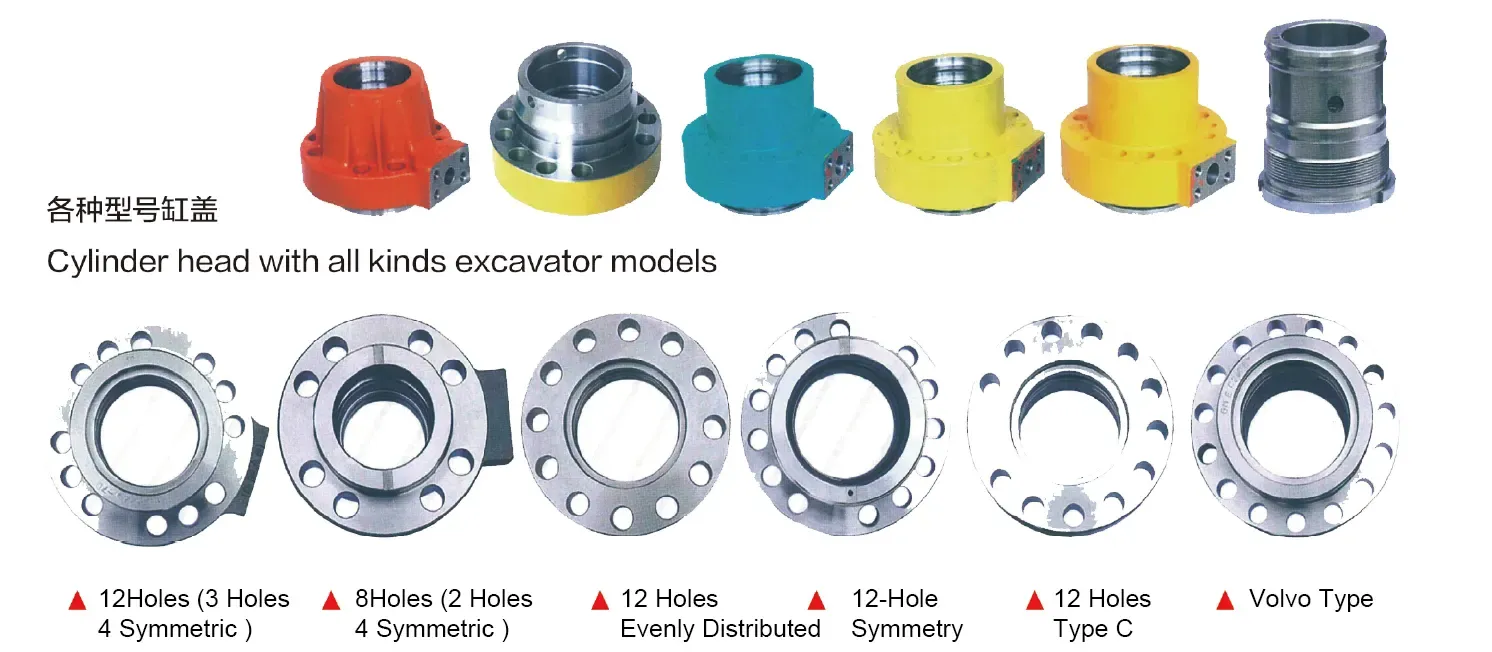
In excavators, arm cylinders are crucial for digging and lifting materials. In cranes, they can provide precise positioning of loads.
Used in loaders and harvesters to manipulate tools and efficiently collect crops.
Used in robotic arms for assembly lines, they can perform repetitive tasks with precision.
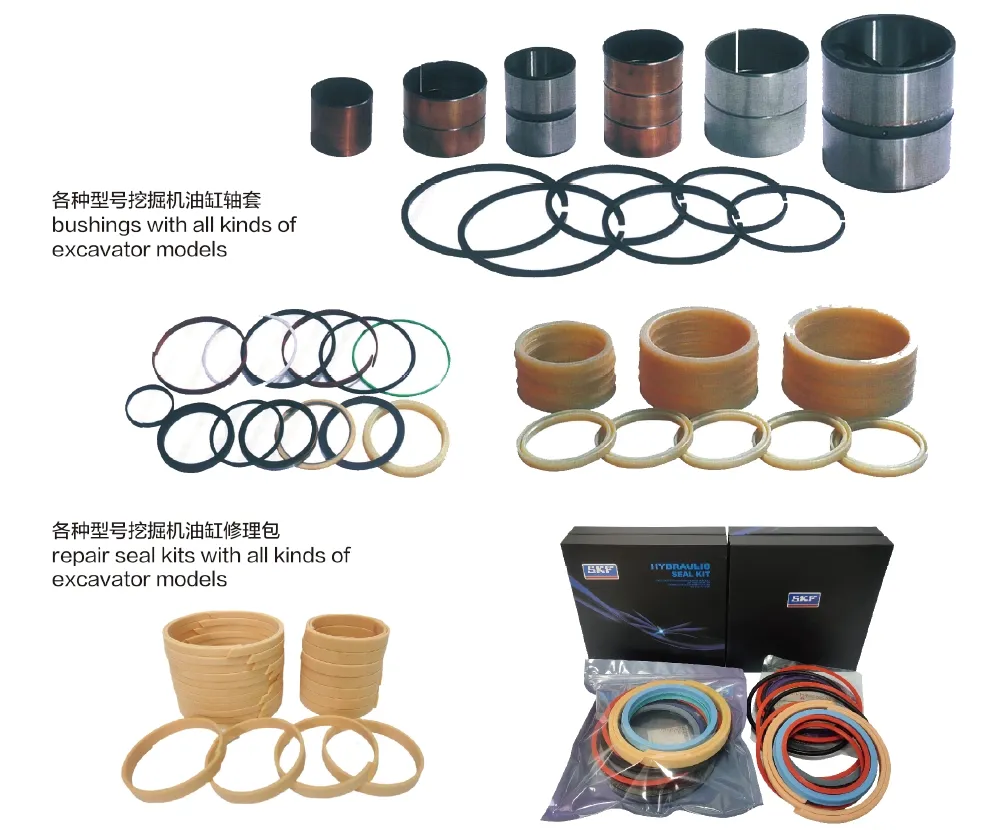
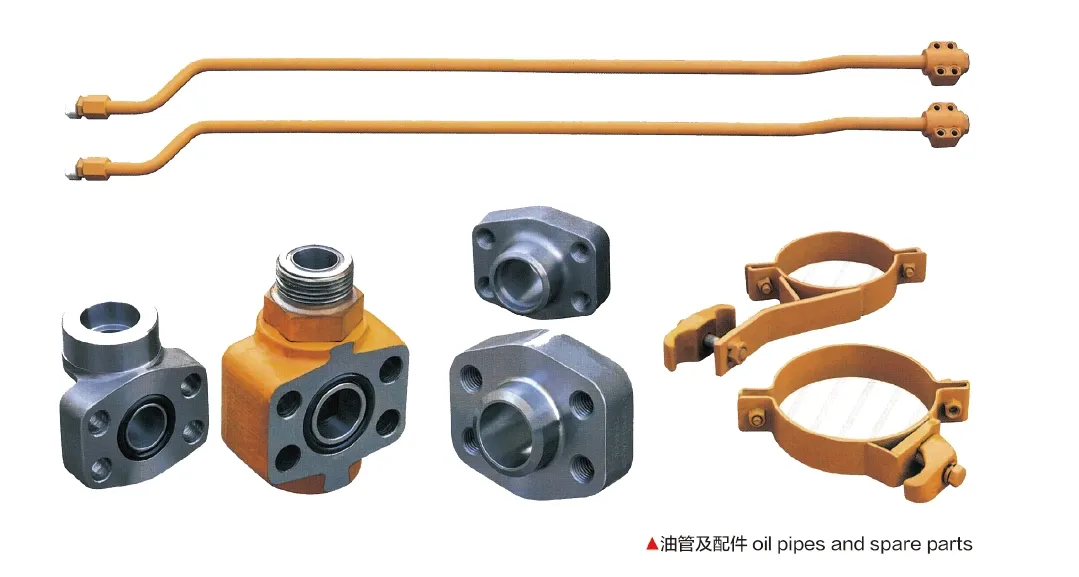
Various sealing components, such as piston seals and rod seals, made of wear-resistant materials like polyurethane and nitrile rubber, are used. The cylinder body and threaded end undergo meticulous surface treatment to improve wear resistance. Regular lubrication with suitable hydraulic oil is necessary to ensure smooth operation.
1. Ensure the excavator is turned off and parked on a level surface.
2. Disconnect any hydraulic lines connected to the existing cylinder.
3. Remove the mounting bolts that secure the old cylinder to the excavator.
4. Carefully remove the old cylinder and dispose of it properly.
5. Position the new arm cylinder in place and align the mounting holes.
6. Insert and tighten the mounting bolts to secure the new cylinder.
7. Reconnect the hydraulic lines to the appropriate ports on the new cylinder.
When working with arm cylinders, following proper safety measures is of utmost importance. This includes wearing appropriate personal protective equipment and ensuring the equipment is operated within its specified limits. Additionally, considering environmental factors such as fluid leakage prevention and proper disposal of hydraulic oil further contributes to a safe working environment.
1. Cylinder not extending or retracting smoothly: Check for hydraulic fluid leaks, damaged seals, or clogged hydraulic lines.
2. Excessive noise during operation: Inspect for loose fittings or damaged components.
3. Inconsistent movement: Check the hydraulic system for proper pressure and flow.
4. Cylinder not holding position: Examine the hydraulic control valves for faults or malfunctions.
5. Overheating: Check the hydraulic fluid level and quality, and ensure proper cooling of the system.
1. If there are hydraulic fluid leaks, replace the damaged seals and tighten any loose fittings.
2. Lubricate all moving parts regularly to ensure smooth operation.
3. If the cylinder is not holding position, inspect the control valves and repair or replace them if necessary.
4. If overheating occurs, check the hydraulic fluid level and quality, and clean or replace any clogged filters.
5. Regularly inspect and clean the cylinder to prevent debris from affecting its performance.

We are a manufacturer specializing in the production of replacement hydraulic cylinders. With a wide range of product offerings, we have become one of the leading manufacturers and wholesale distributors of hydraulic cylinders in both domestic and international markets. Our company adheres to the principles of excellent quality and relies on industrialized production management strategies in our sophisticated manufacturing workshops. We continuously improve our manufacturing platform, perfect the production route for product quality, and have a strong creative ability. Our guiding principles are efficiency, precision, and high quality, aiming to meet the diverse needs of our customers.
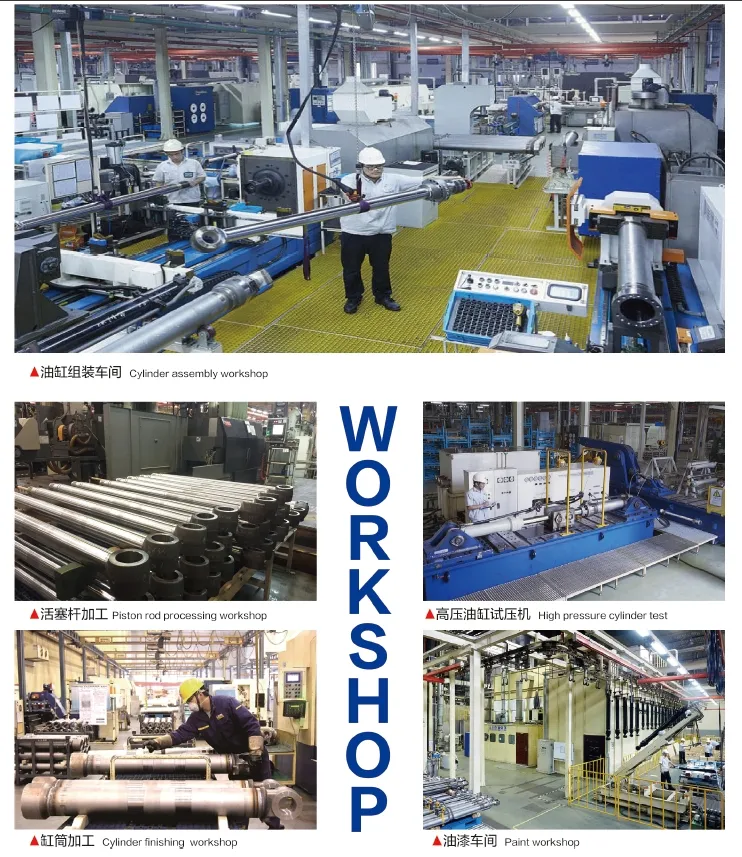
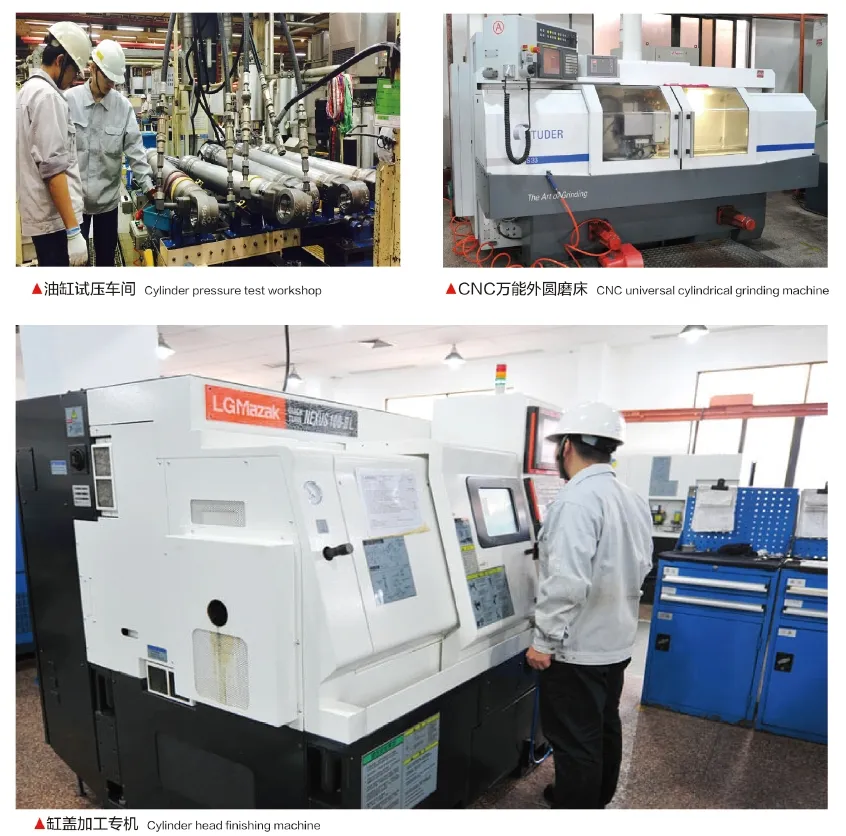
Our company is known for:
Author: lyl
Address
Luotuo Industrial Area, Zhenhai District, Ningbo City, China
Tel

 Raydafon