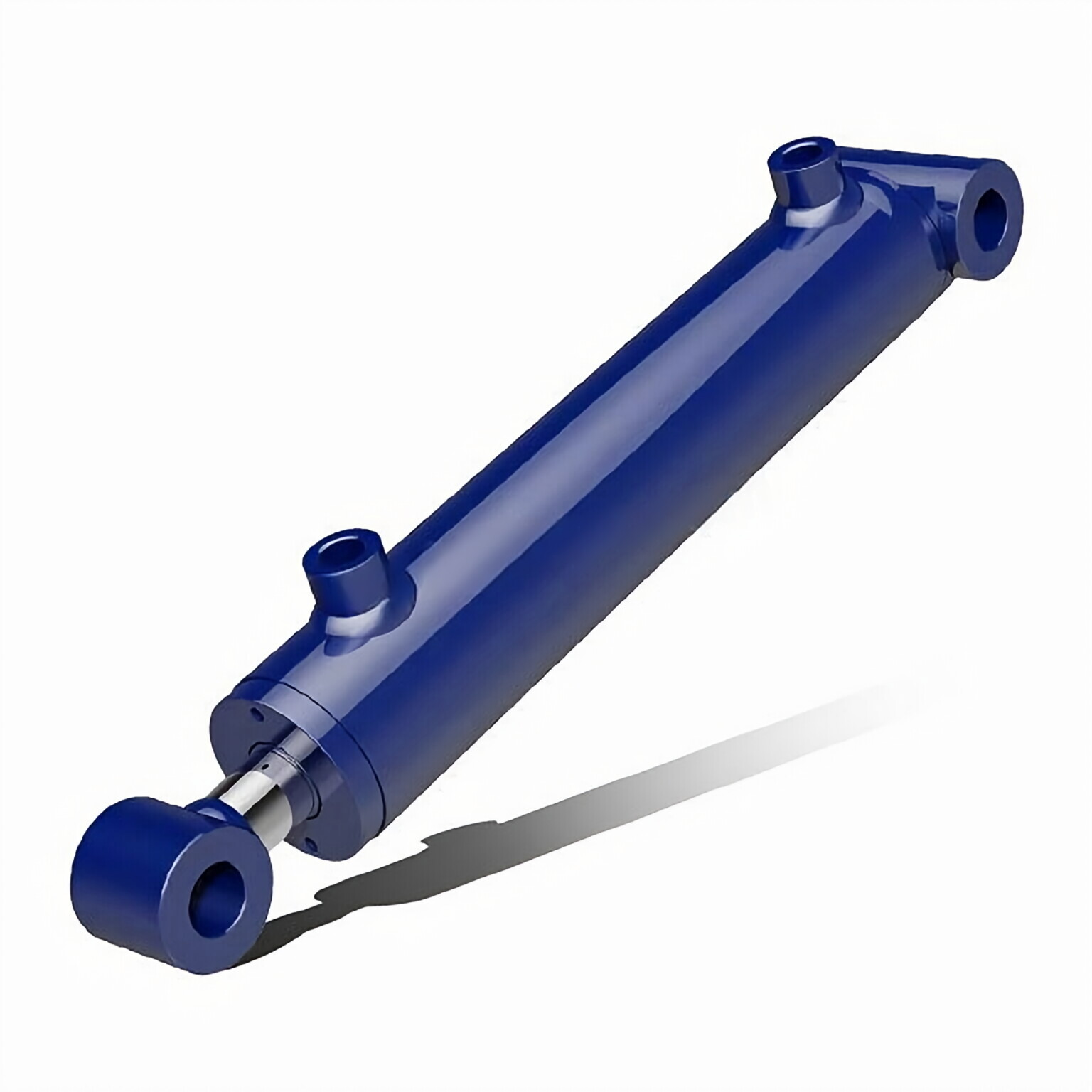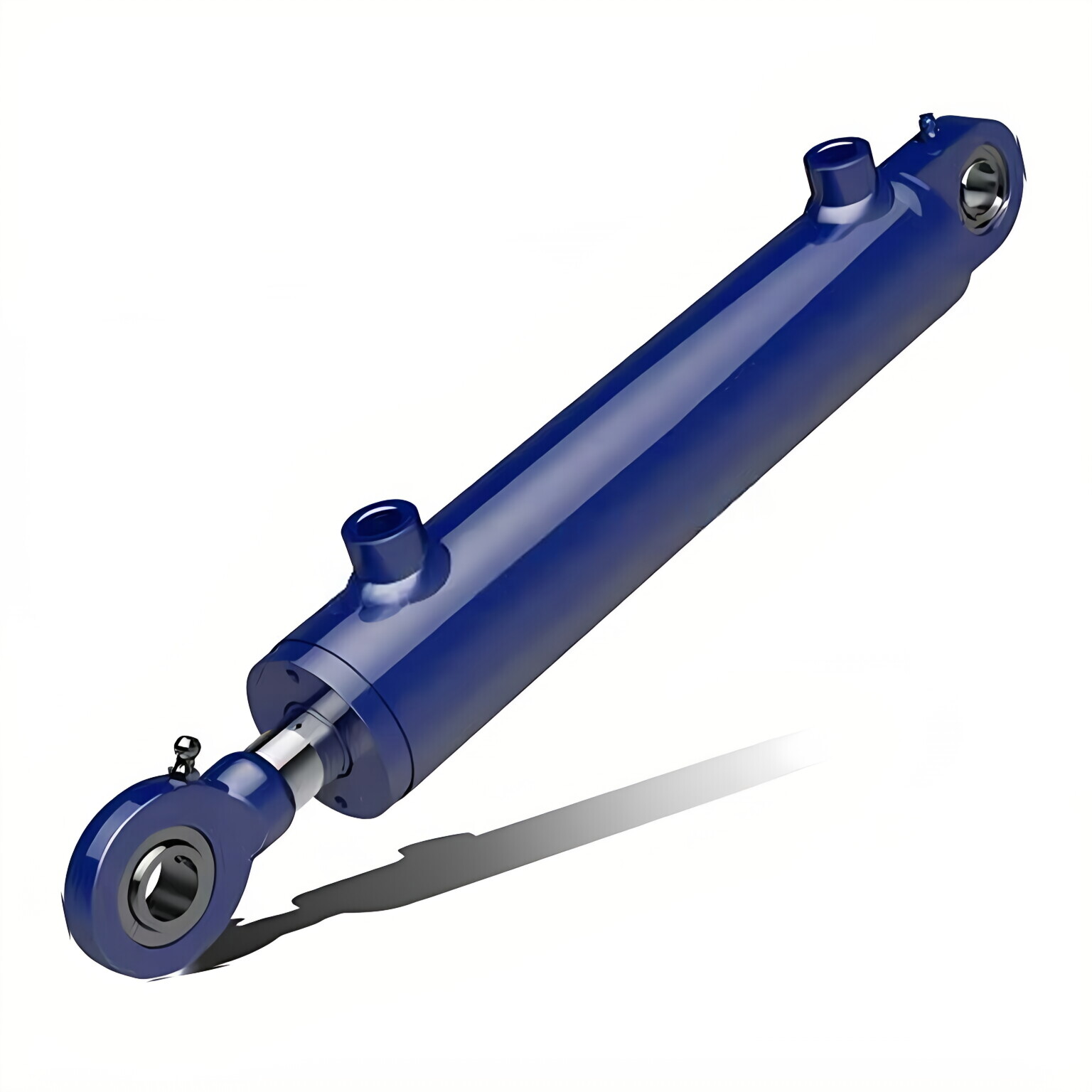
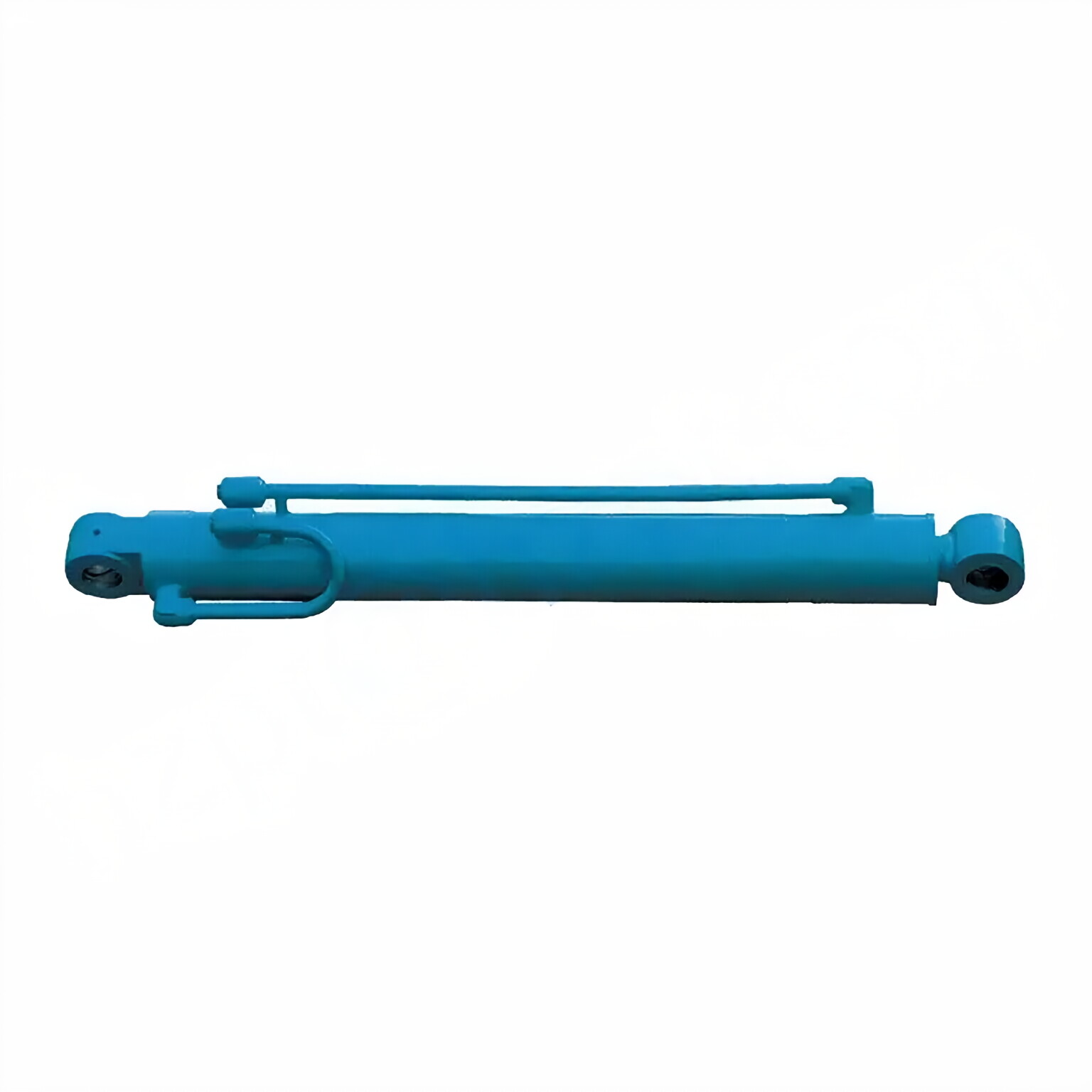
Raydafon Group presents the Arm Cylinder for Sany Middle Excavator SY230C—a durable, high-performance component designed for excavator operators seeking reliability and efficiency in demanding construction sites. Crafted from premium materials, this arm cylinder offers superior strength, precision engineering, and seamless integration, ensuring smooth operation and reduced downtime. It solves wear-and-tear issues, boosting productivity and confidence on the job. Unlike generic alternatives, it's specifically tailored for SY230C models, delivering unmatched fit and longevity. Experience enhanced performance with Raydafon Group—your trusted partner for quality excavator parts.
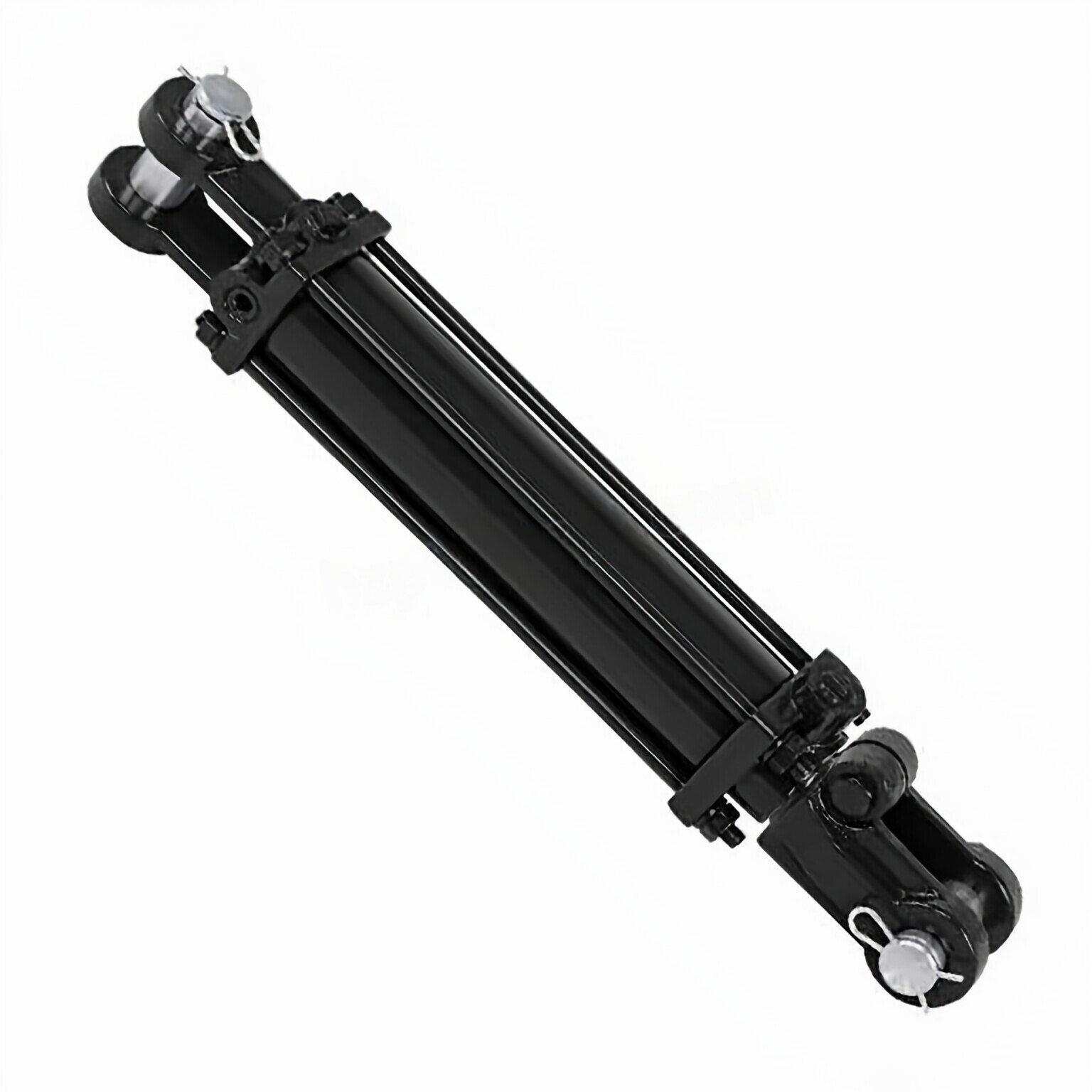
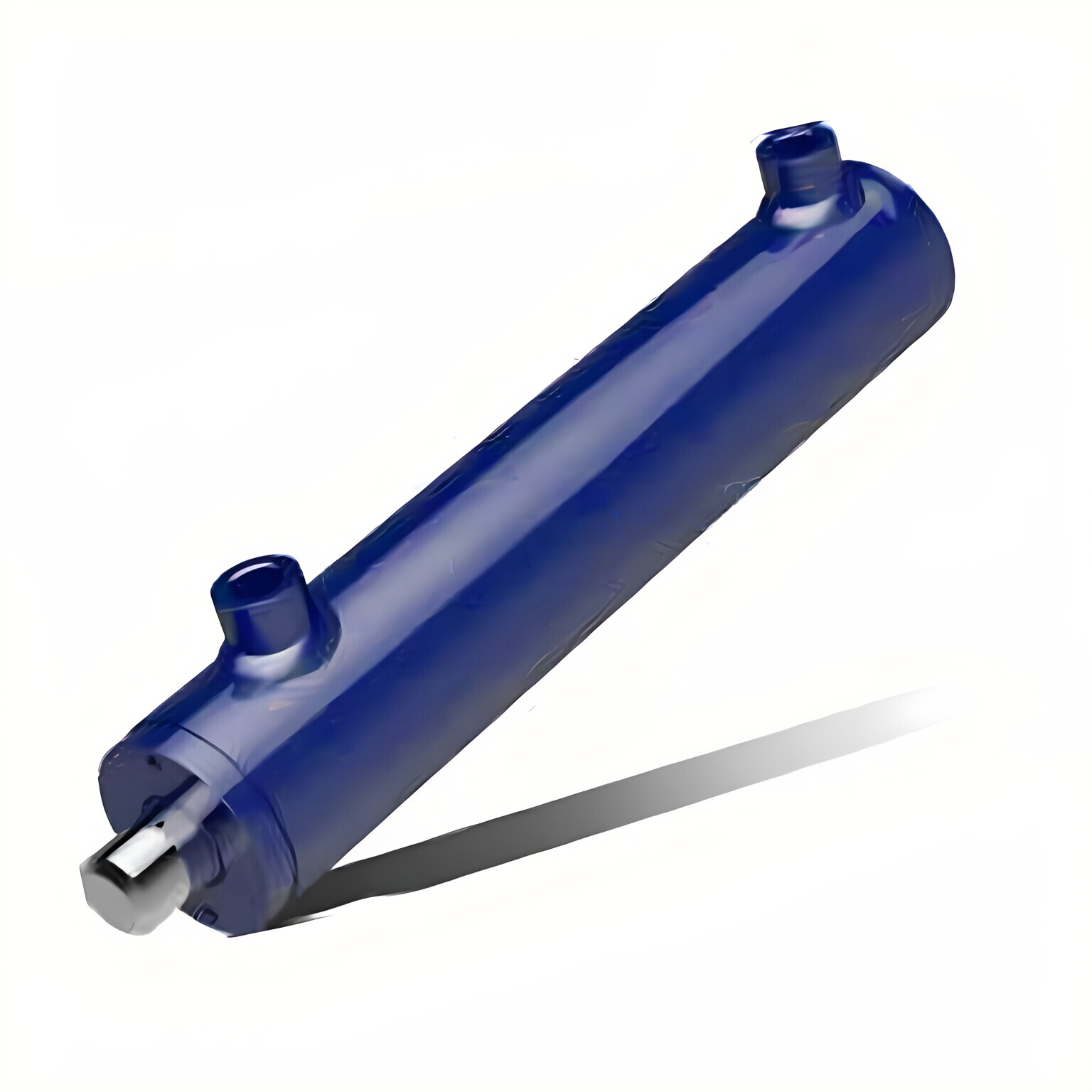
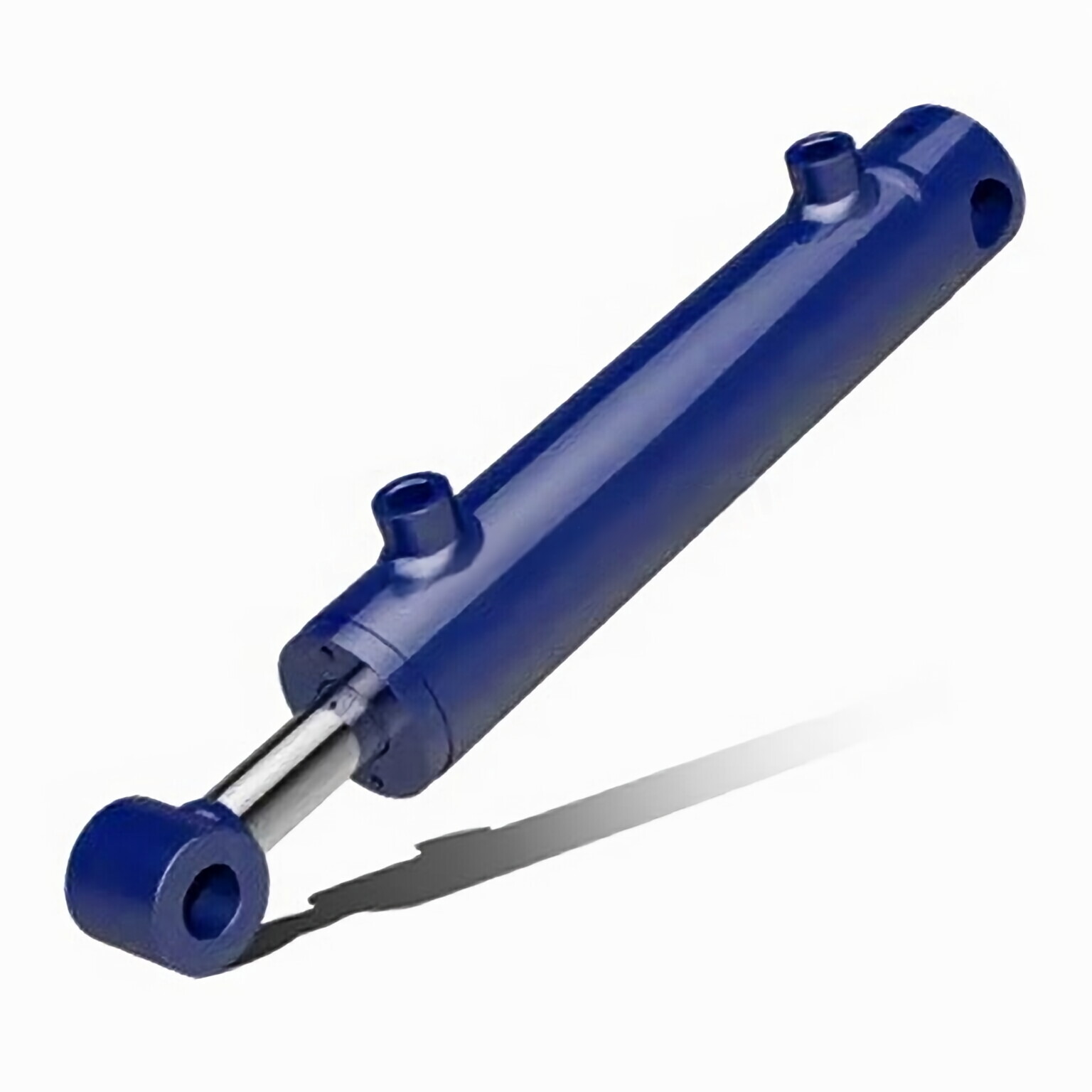
The arm cylinder is a hydraulic cylinder specifically designed to provide linear motion and force to the arm of various machinery, such as excavators, cranes, and robotic arms. These cylinders are crucial for the movement and control of additional tools or attachments.
Definition and Overview
An arm cylinder, also known as an excavator arm cylinder or hydraulic arm cylinder, is a type of hydraulic cylinder used to provide direct linear motion and force to the arm of various machinery. It plays a vital role in the hydraulic system, allowing efficient movement and control of the arm.
Key Features
High Strength and Durability: Typically made from high-strength steel or aluminum, the arm cylinder can withstand high pressure and heavy loads, making it suitable for demanding working environments. Its design takes into consideration wear resistance and corrosion resistance, extending its lifespan.
Efficient Hydraulic Operation: By utilizing the pressure of hydraulic oil, the arm cylinder enables smooth extension and retraction movements, ensuring quick response to control commands. It provides powerful pushing and pulling forces, making it ideal for handling heavy loads and complex operations.
Versatile Types: Arm cylinders are available in both single-acting (hydraulic pressure applied in one direction) and double-acting (hydraulic pressure applied in both directions) variants to meet different operational requirements. Some models are telescopic, allowing greater extension without increasing external dimensions, making them suitable for applications with limited space.
Precise Control: The arm cylinder provides precise control over the angle and height of the arm, adapting to various job requirements. When combined with a hydraulic control system, it enables complex movements and greater operational flexibility.
Perfect Replacement: Our products can perfectly replace existing hydraulic cylinders, offering an efficient and reliable alternative.
Applications
The arm cylinder finds applications in various industries and equipment:
Construction Equipment
In excavators, the arm cylinder is essential for digging and lifting materials. In cranes, they allow precise positioning of loads.
Agricultural Machinery
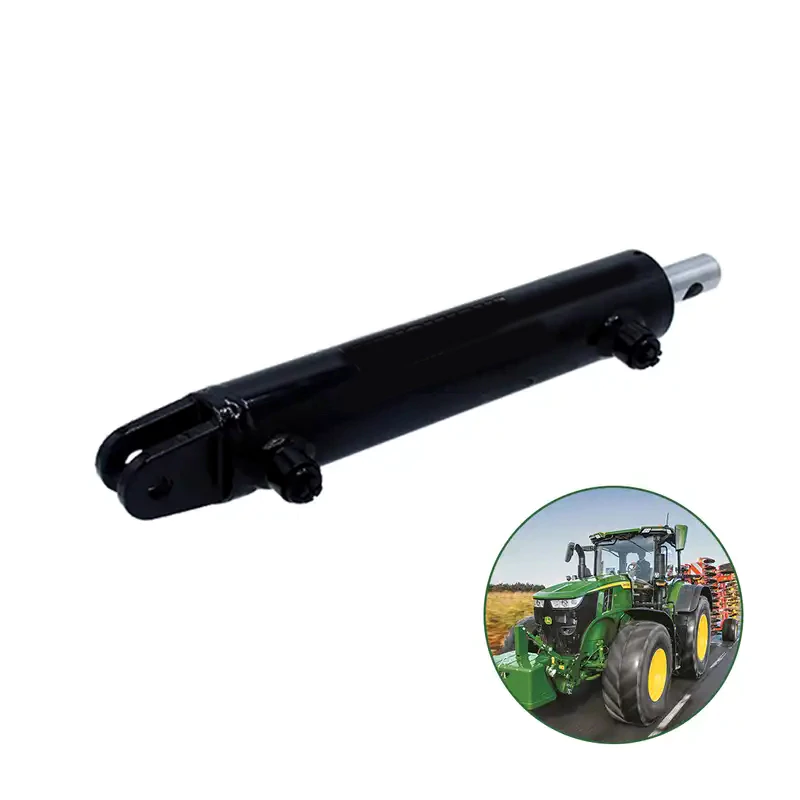
Arm cylinders are used in loaders and harvesters to manipulate tools and efficiently collect crops.
Industrial Equipment
They are utilized in mechanical arms for assembly lines, enabling precise execution of repetitive tasks.
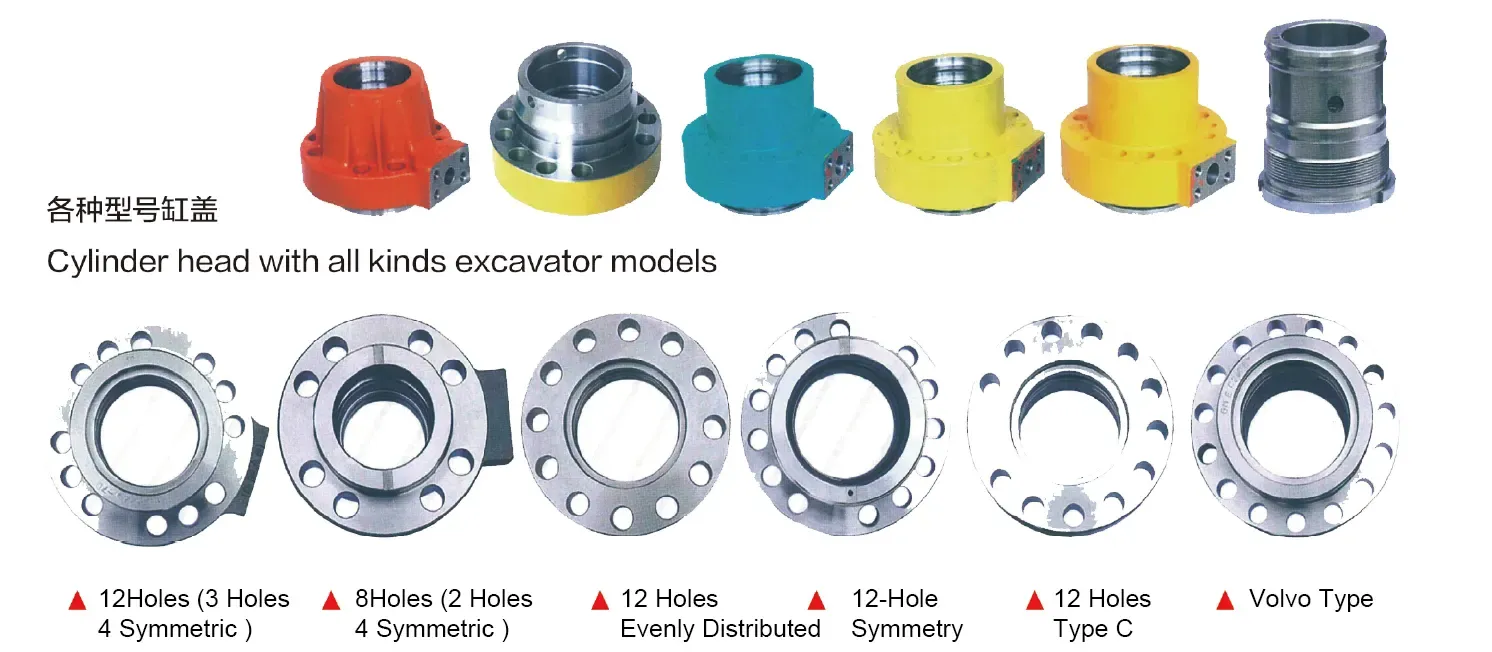
Design Considerations and Selection Criteria
When designing the arm cylinder, various factors and selection criteria are taken into account:
Bearing Capacity
The cylinder should be designed to withstand the expected loads and forces during operation, ensuring structural integrity and safety.
Sealing
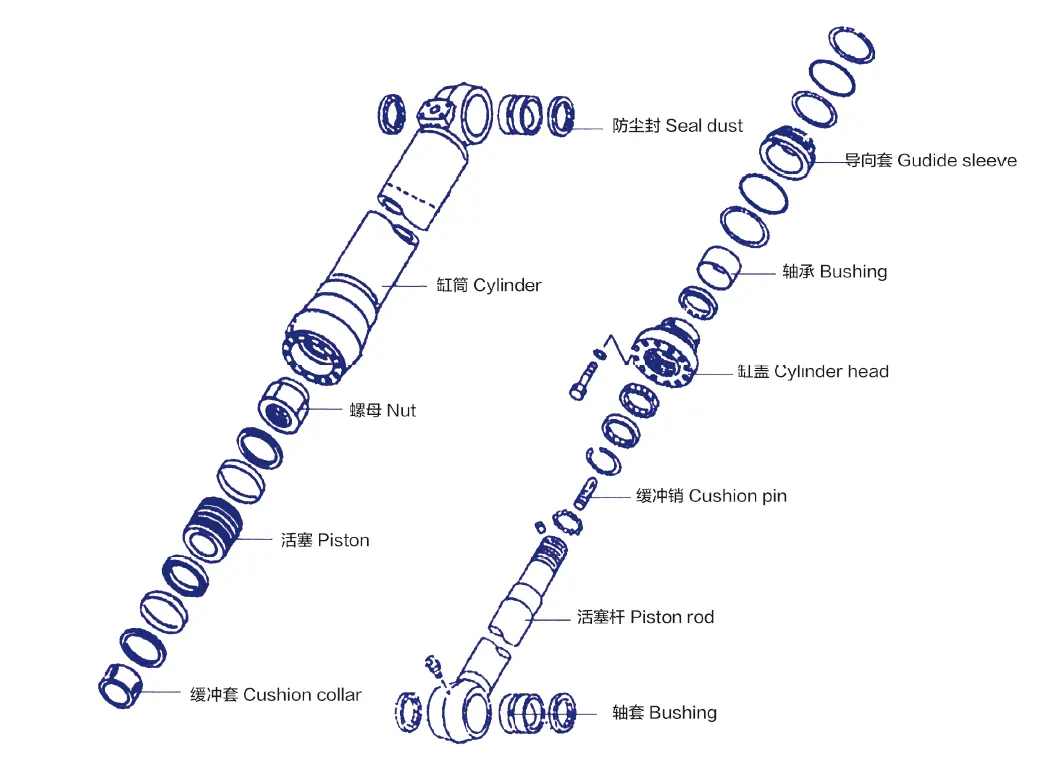
Various sealing components, such as piston seals and rod seals, are used to prevent leakage and ensure reliable performance. These seals are made of wear-resistant materials like polyurethane and nitrile rubber.
Durability
The cylinder body and threaded ends undergo precise treatment to enhance wear resistance, ensuring prolonged service life.
Safety
Considerations are made to ensure the safe operation of the arm cylinder, including the integration of safety features and compliance with relevant safety standards.
Maintenance
The arm cylinder requires regular lubrication with the appropriate amount of hydraulic oil to maintain smooth operation and prevent wear.
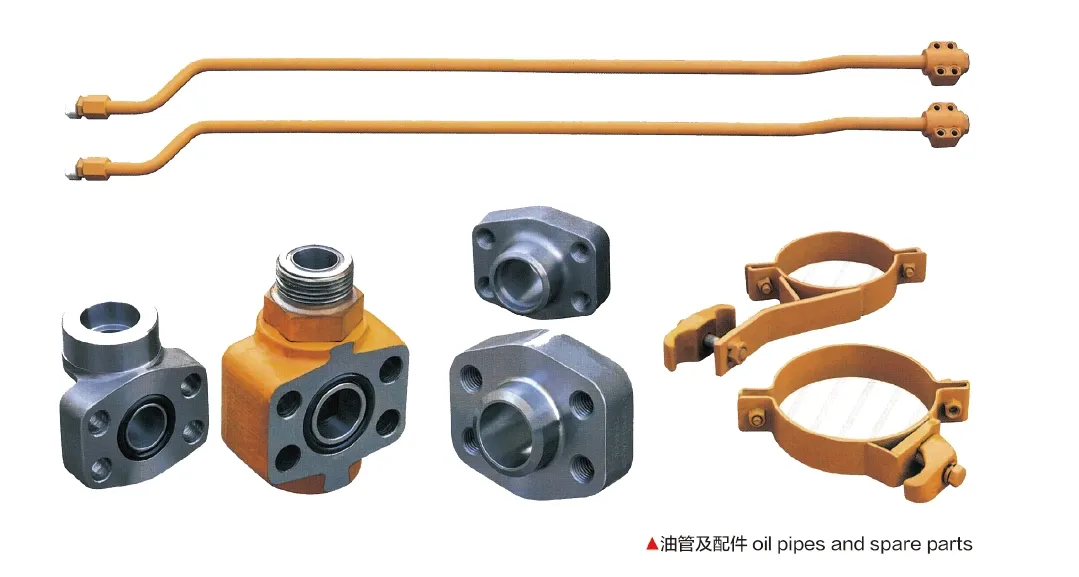
Inspection and Preventive Maintenance
To ensure optimal performance and prolong the lifespan of the arm cylinder, regular inspections and preventive maintenance measures should be implemented:
Inspect the cylinder for any signs of damage, leaks, or abnormal wear.
Clean and lubricate the cylinder regularly.
Check and replace worn-out seals or other components as needed.
Monitor the hydraulic system for proper pressure and fluid levels.
Follow the manufacturer's recommended maintenance schedule.
Installation Guide
Proper installation of the arm cylinder is crucial for its performance and longevity. Follow these steps:
Ensure the hydraulic system is powered off and depressurized.
Remove the old cylinder, if applicable, and clean the mounting area.
Install the new arm cylinder, aligning it with the mounting points.
Tighten the mounting bolts to the specified torque.
Connect the hydraulic hoses and fittings securely.
Inspect for any leaks and perform a functional test.
Safety Considerations and Environmental Factors
When using arm cylinders, safety measures are of utmost importance. It is crucial to follow these guidelines to prevent accidents and ensure a safe working environment:
Operators should receive proper training on the safe handling and operation of the equipment.
Ensure the arm cylinder is properly installed and maintained to prevent malfunctions.
Use appropriate personal protective equipment (PPE) when working with or near hydraulic systems.
Regularly inspect the equipment for any signs of wear, damage, or potential hazards.
Adhere to all relevant safety regulations and guidelines.
Troubleshooting and Common Issues
Here are some common issues that may arise with arm cylinders and their possible solutions:
Leakage: Check for damaged seals or loose fittings and replace or tighten them accordingly.
Poor Performance: Inspect the hydraulic system for low fluid levels, improper pressure, or worn-out components. Address any identified issues promptly.
Abnormal Noises: Unusual sounds may indicate mechanical problems or air trapped in the system. Inspect and troubleshoot the affected areas.
Inconsistent Movement: Check for obstructions, damaged linkage, or insufficient lubrication. Clean, repair, or lubricate as necessary.
By following these troubleshooting tips, readers can effectively diagnose and resolve problems with their arm cylinders. Additionally, preventive measures can be implemented to minimize potential issues.
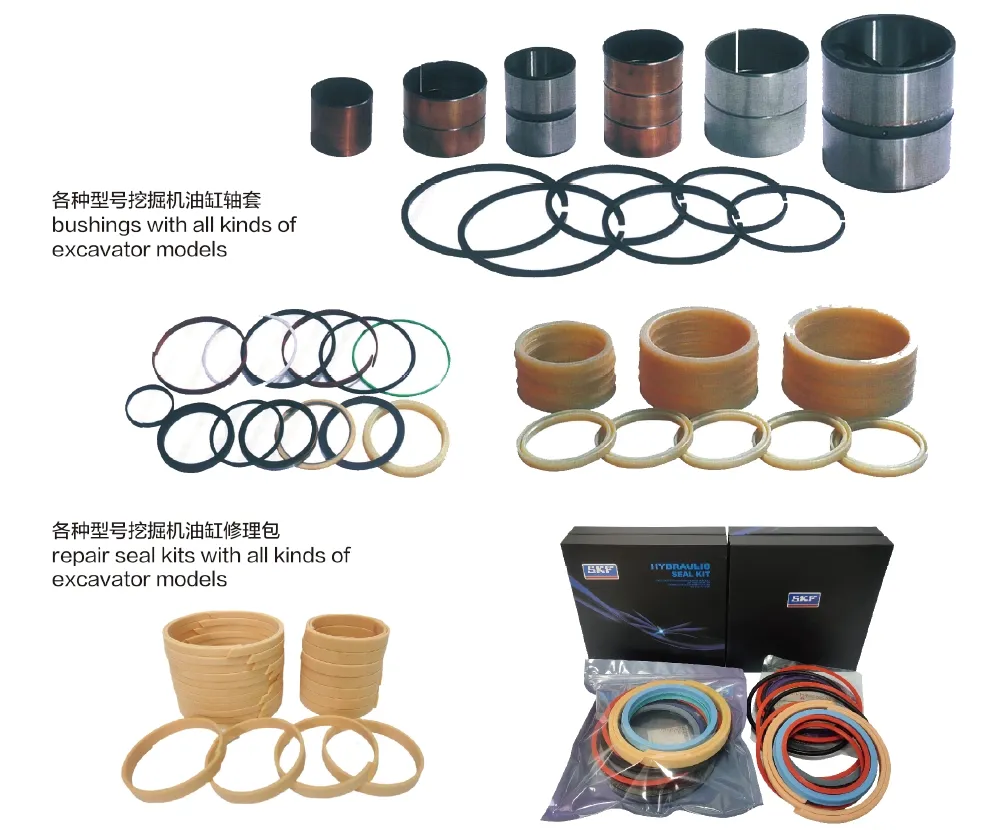
Remember to organize the article logically, use subheadings for easy navigation, incorporate relevant images or diagrams to enhance understanding, and ensure the content is clear, concise, and suitable for readers with varying technical knowledge levels.
About Our Company
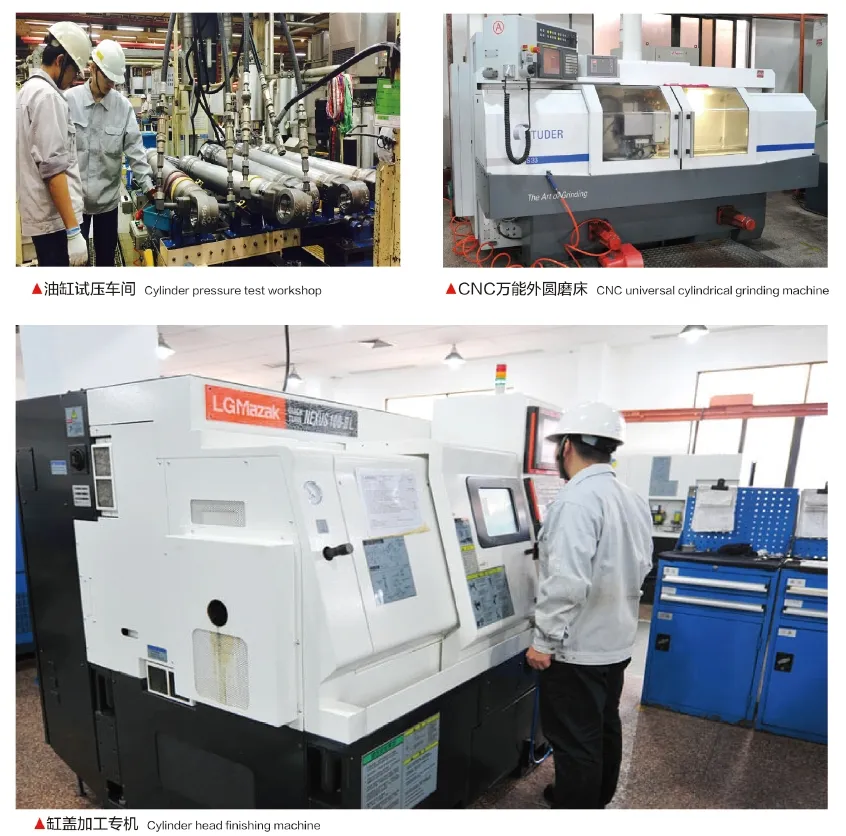
Our company is a leading manufacturer and wholesale distributor of replacement hydraulic cylinders. With a comprehensive range of products, we have become a prominent player in both domestic and international markets. We prioritize excellence in quality and employ industrial production management strategies in our advanced manufacturing workshops. With our dedicated team of technical experts, state-of-the-art manufacturing equipment, and professional testing systems, we continuously improve our manufacturing platform and product quality, ensuring we meet the diverse needs of our customers. We offer high efficiency, precision, and quality to fulfill a wide range of customer requirements.
Our company boasts the following:
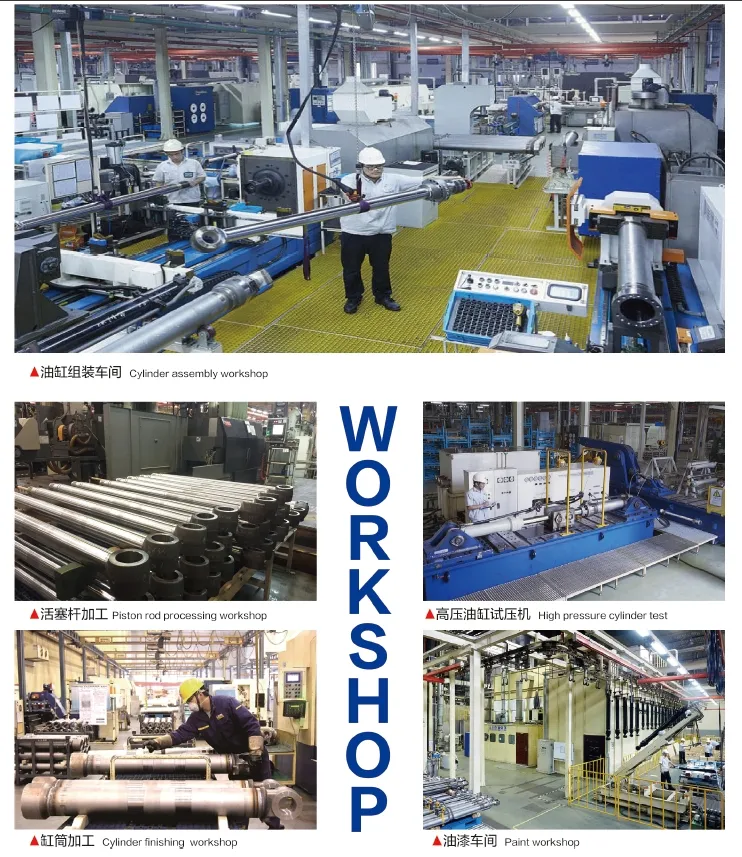
Professionalism
International certifications
Customization services
Advanced production equipment
Excellent after-sales service
Author: lyl
Hot Tags: Sany SY230C Excavator Arm Cylinder, Arm Cylinder Replacement, Excavator Cylinder Repair Parts
We use cookies to offer you a better browsing experience, analyze site traffic and personalize content. By using this site, you agree to our use of cookies. Privacy Policy