
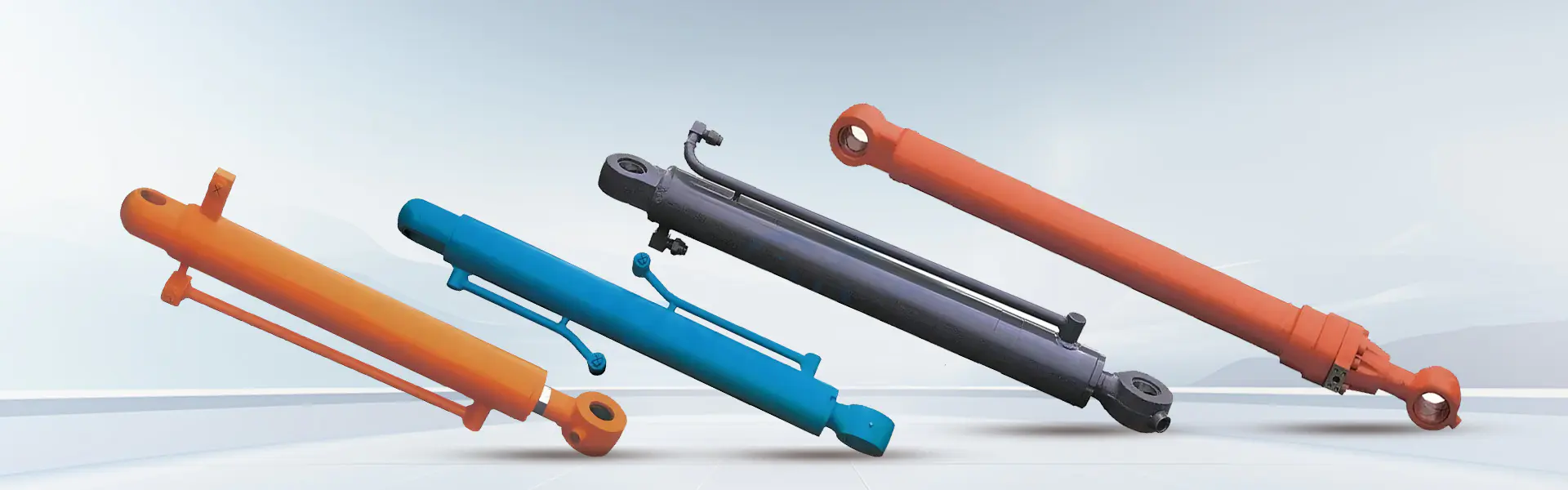
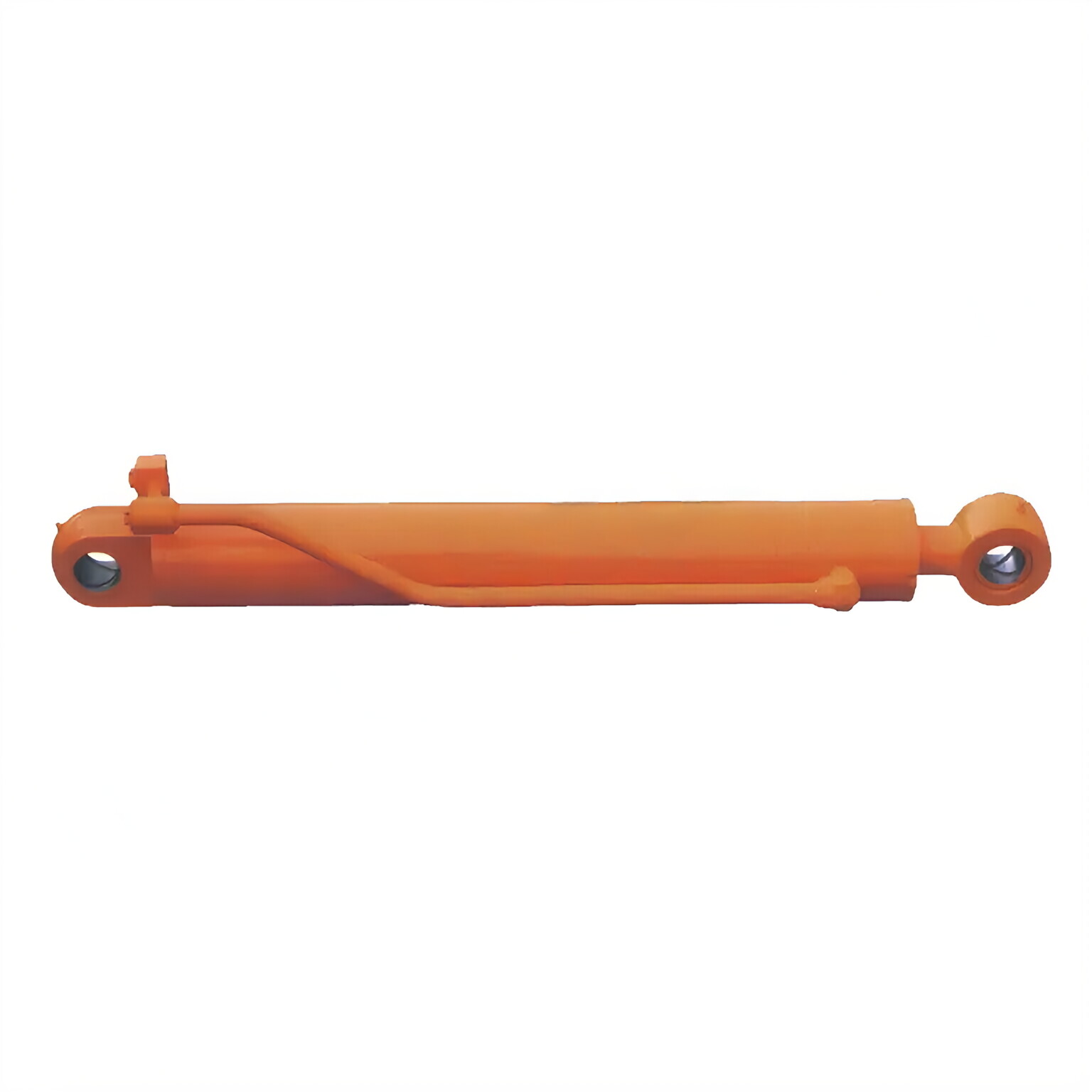
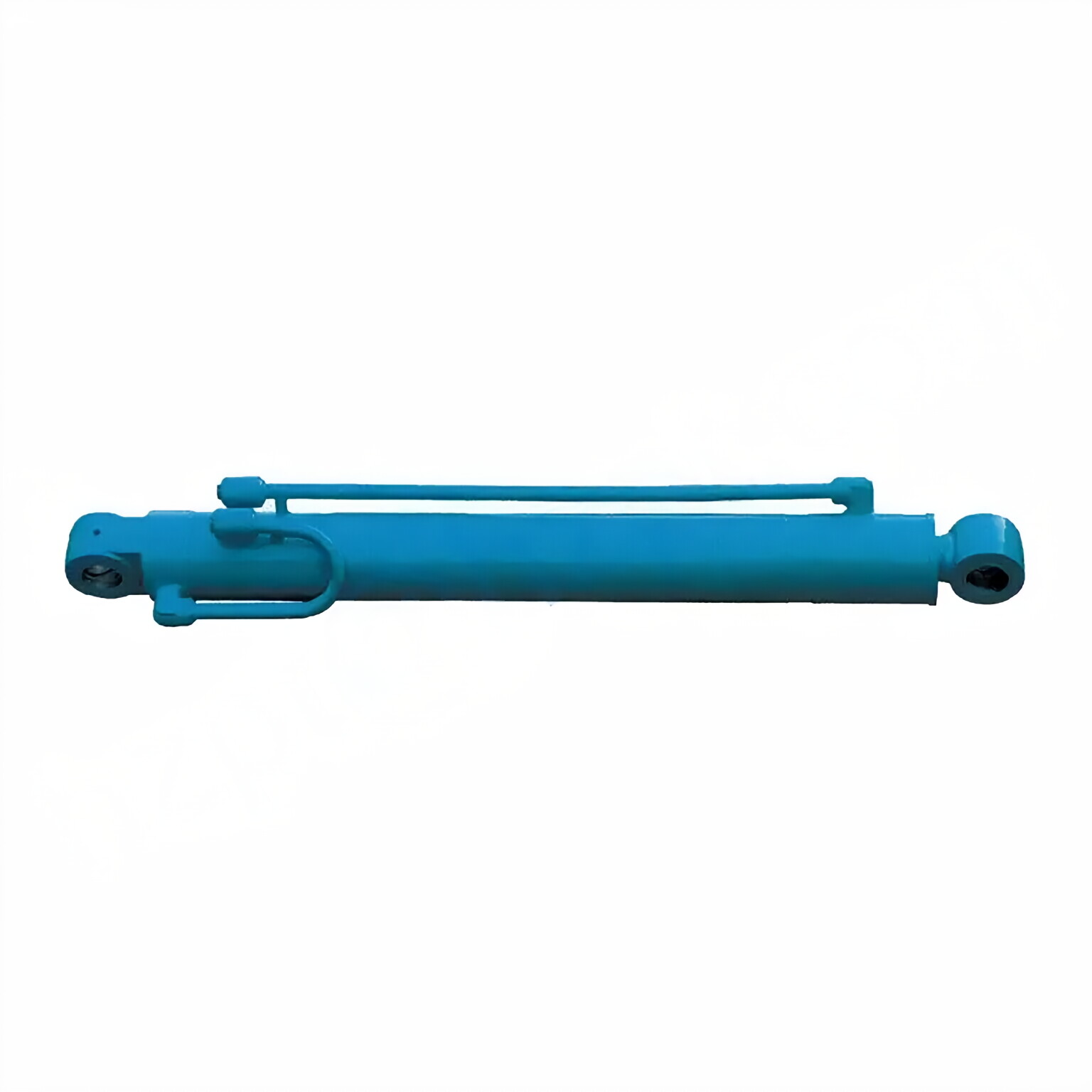
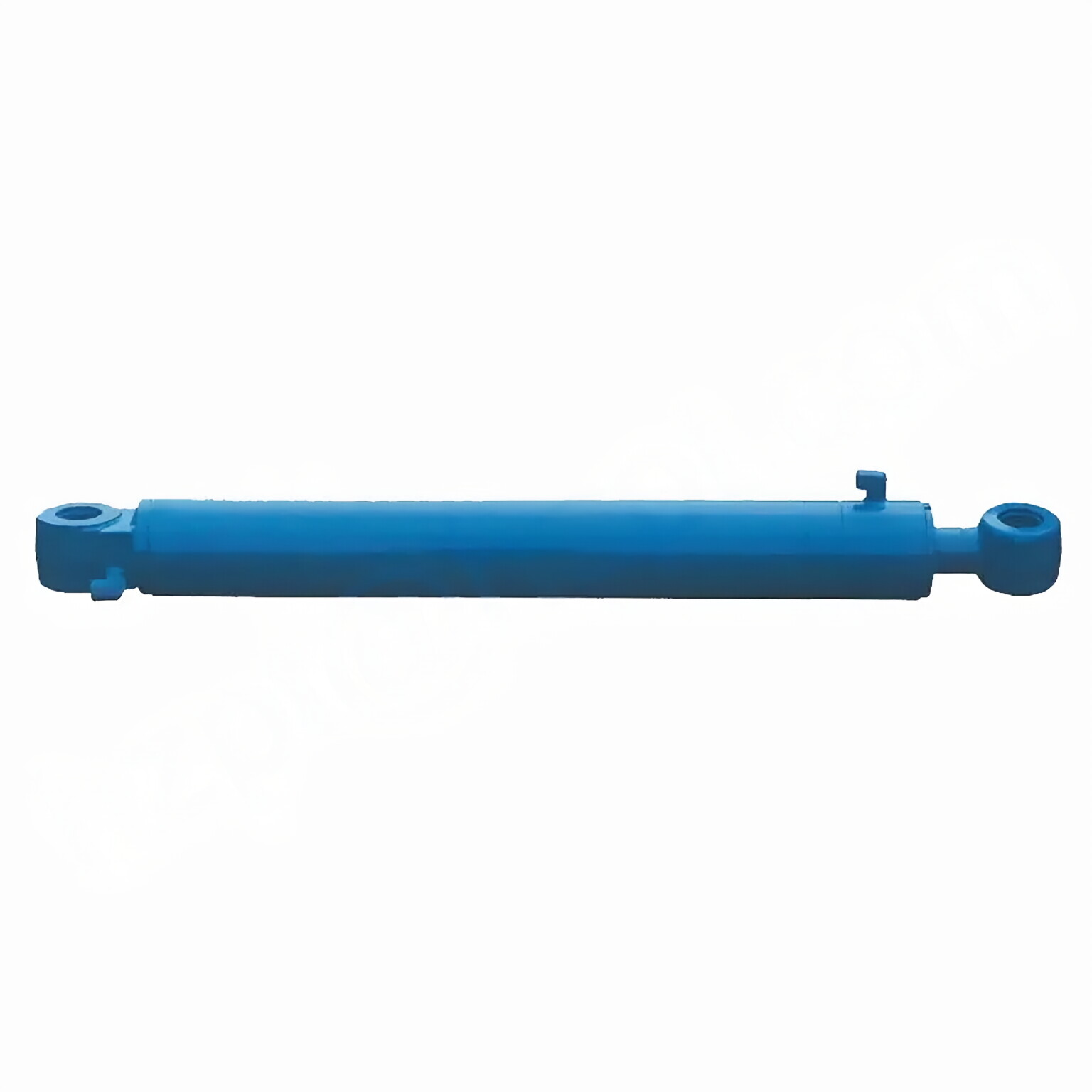
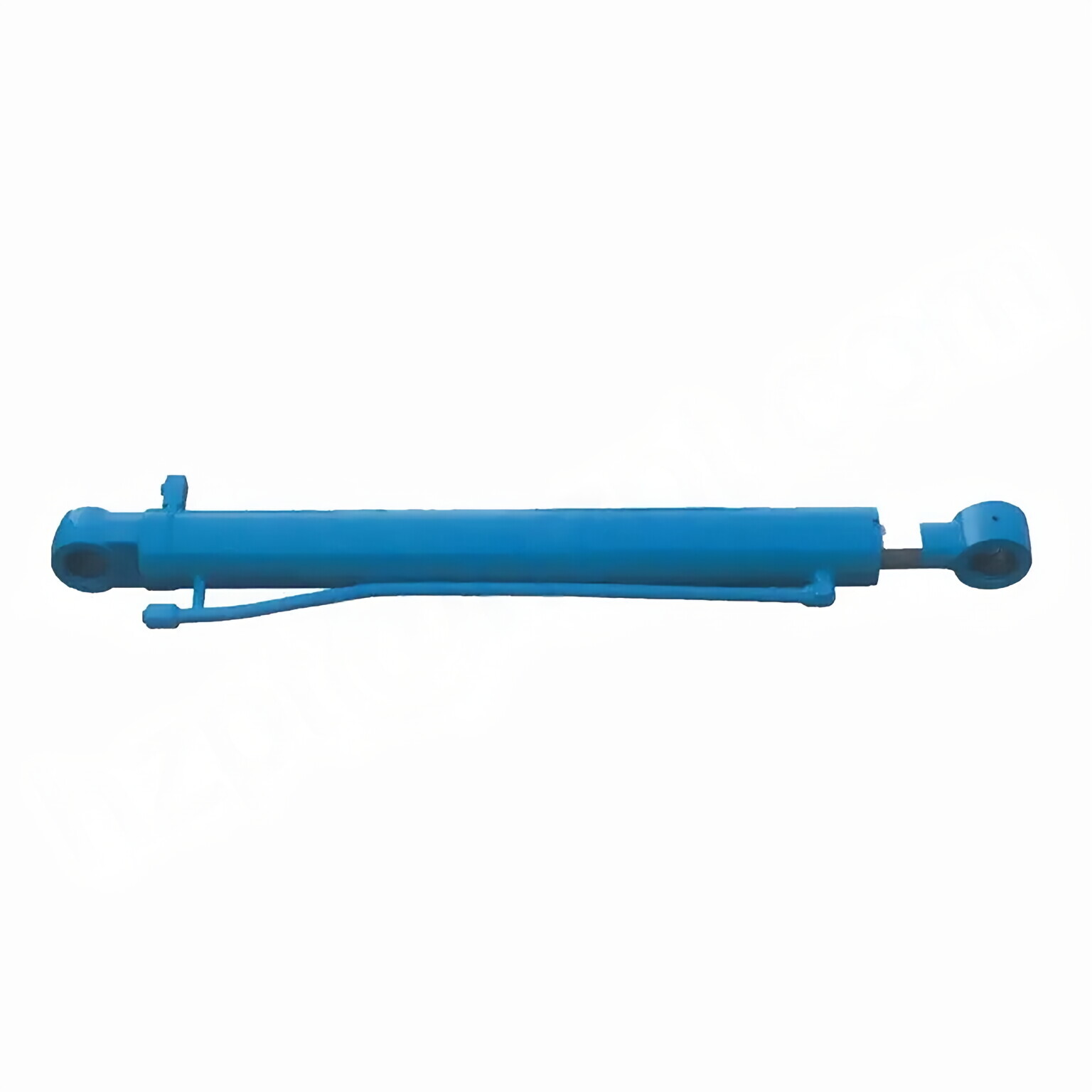
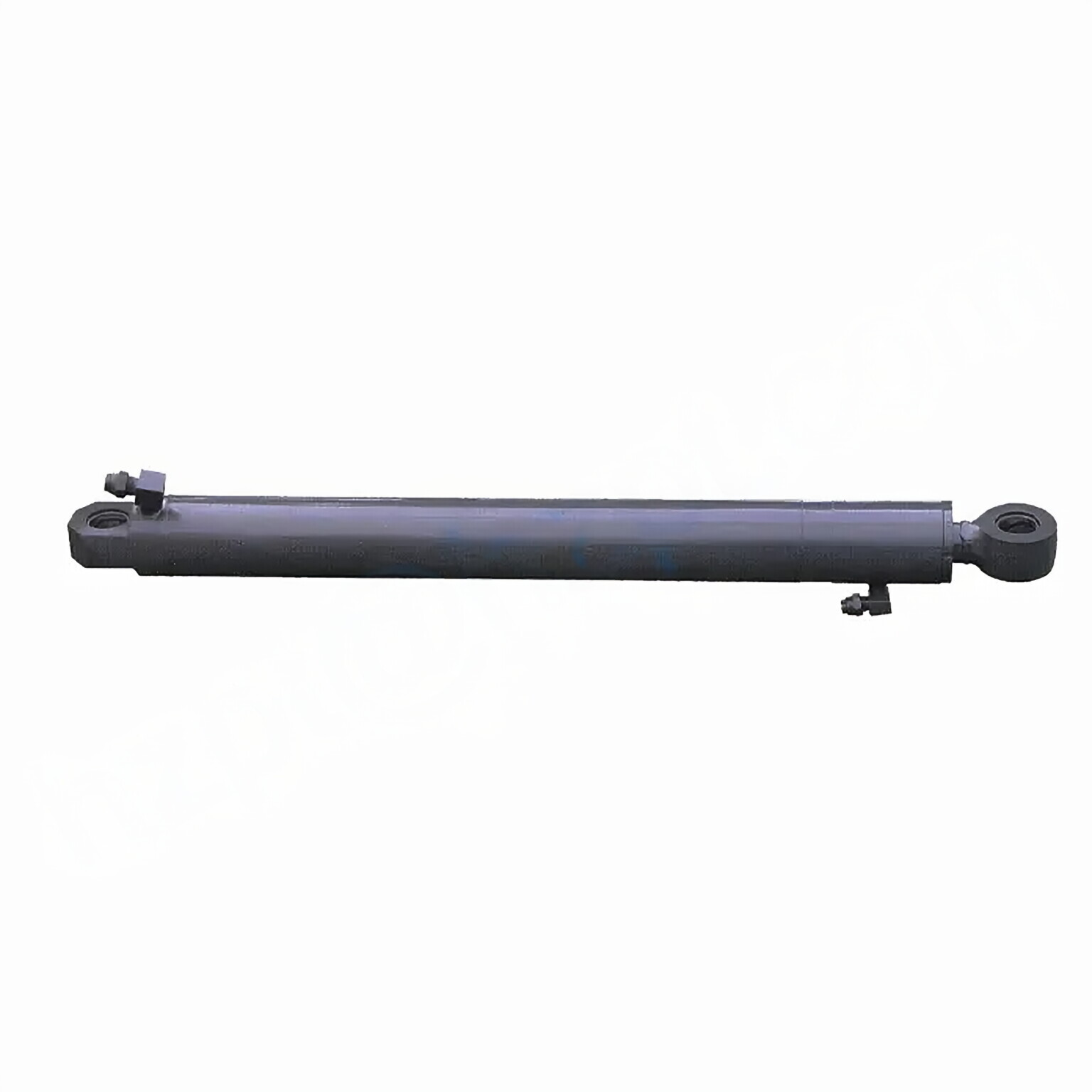
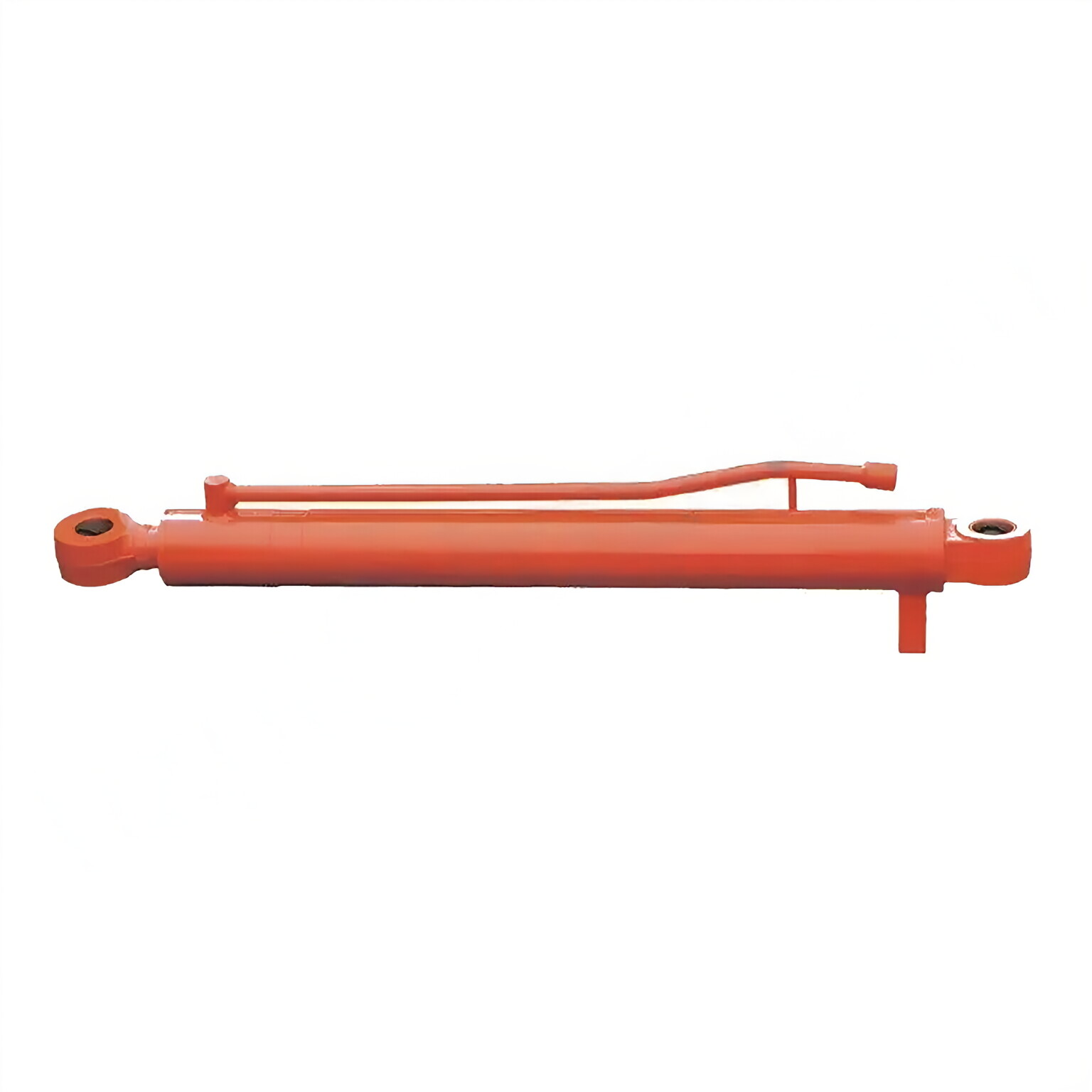
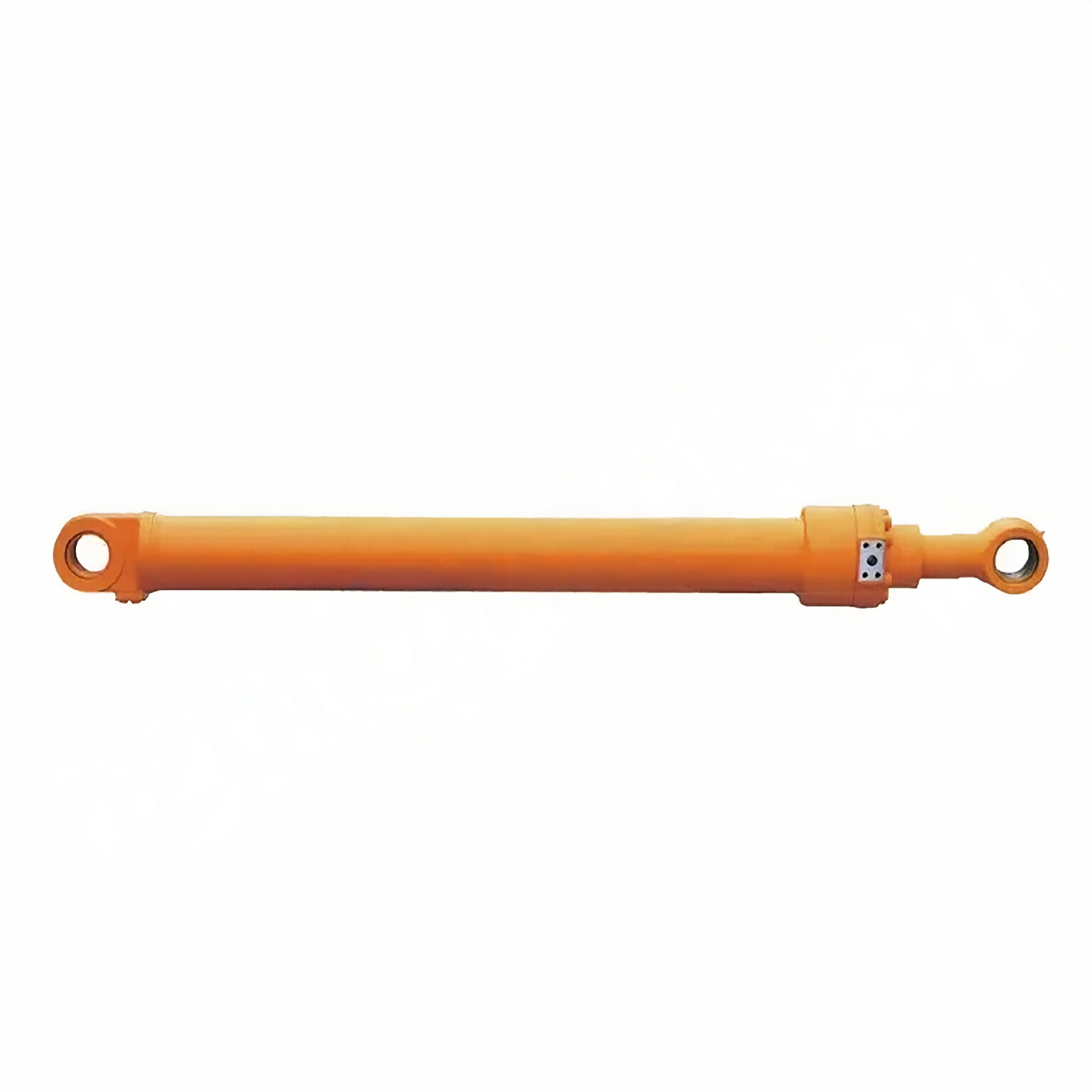
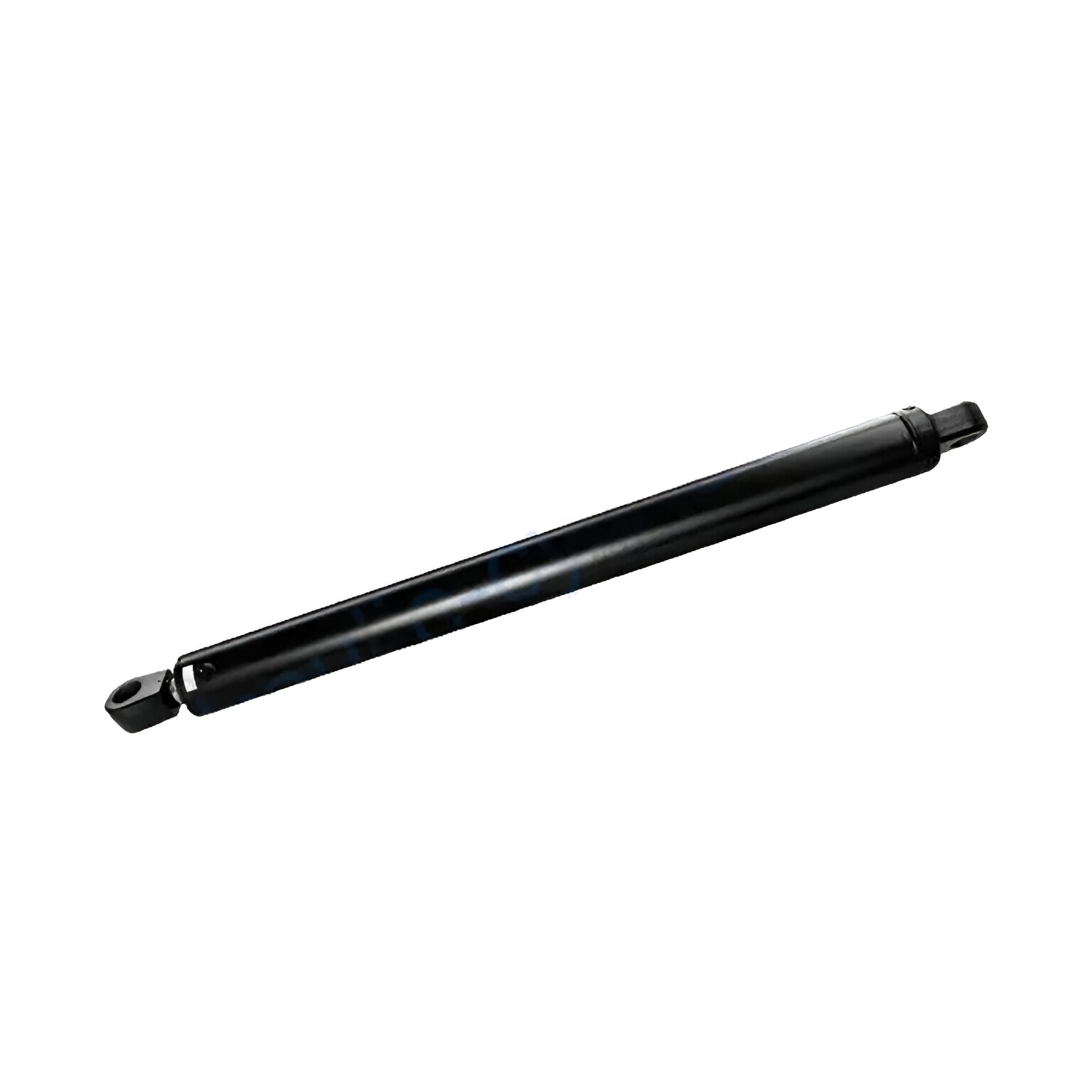
The Arm Cylinder is a hydraulic cylinder specifically designed to provide linear motion and force to the arm of various machinery such as excavators, cranes, and mechanical arms. These cylinders are crucial for the movement and control of additional tools or attachments.
The Arm Cylinder is a type of hydraulic cylinder used to provide linear motion and force to the arm of various machinery. It plays a vital role in hydraulic systems by allowing the arm to move in a straight line and exert a specific amount of force. These cylinders are commonly used in applications where precise control over the arm's movement is required, such as in digging, lifting, and material handling operations.
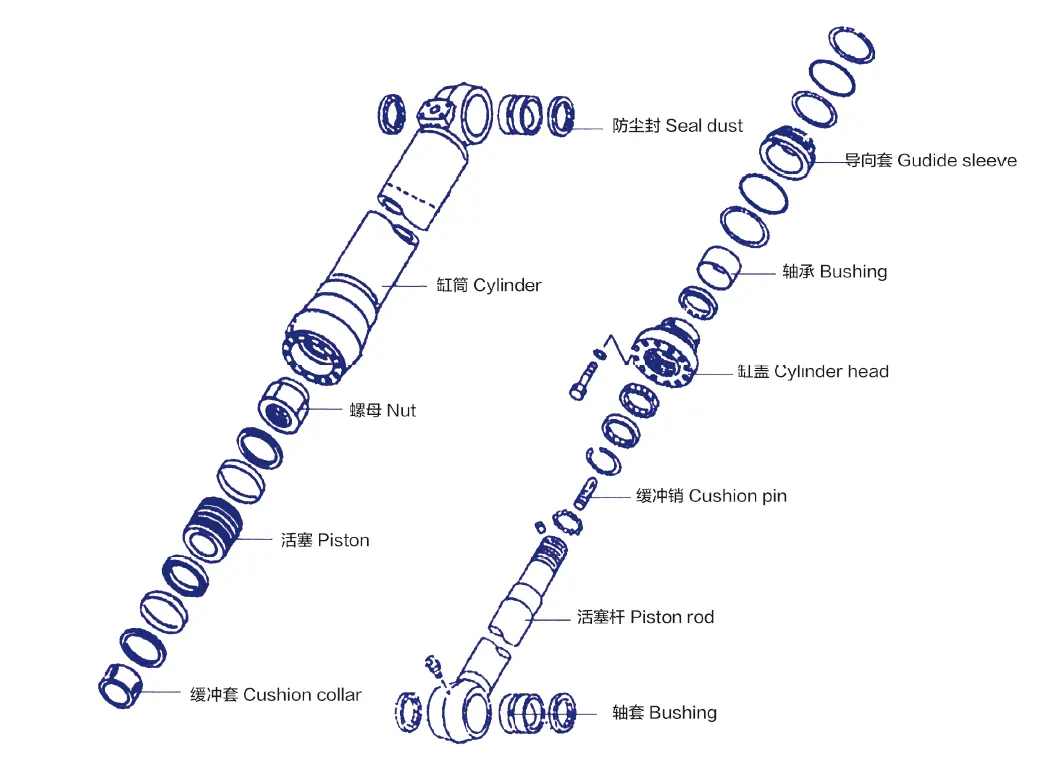
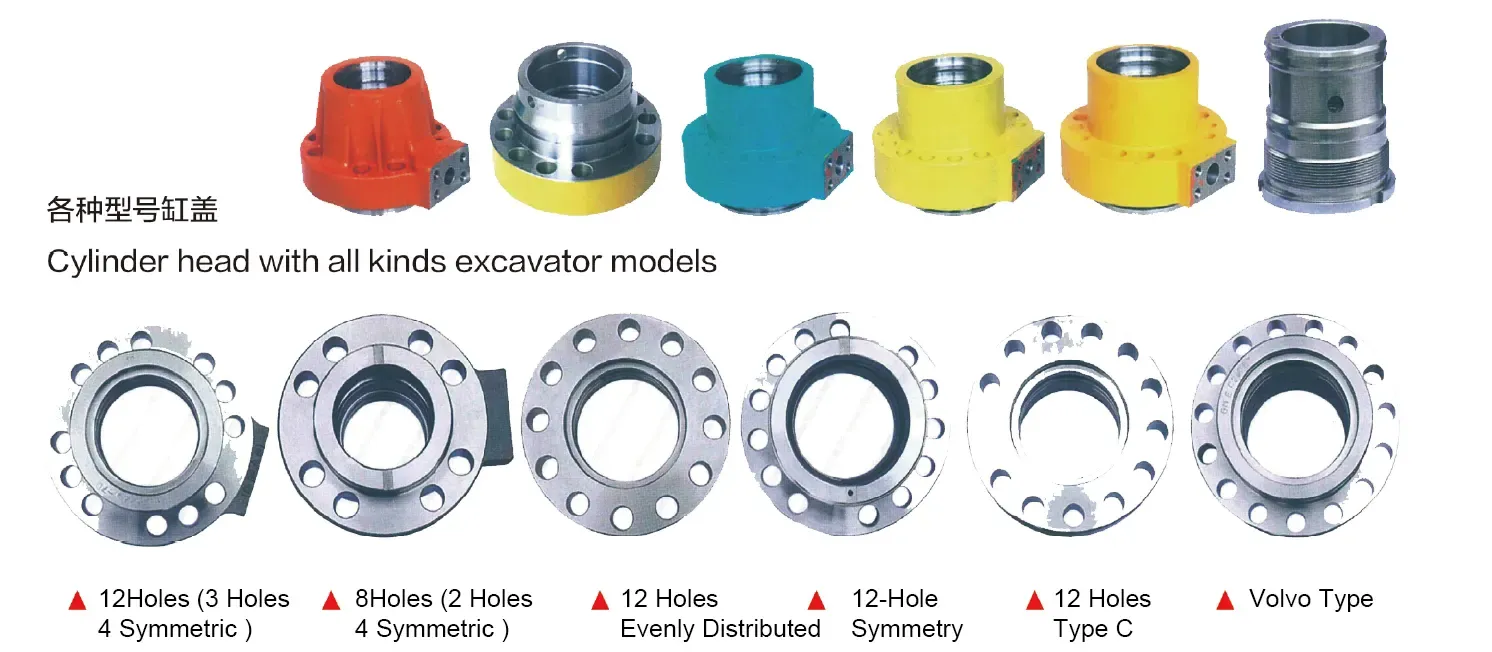
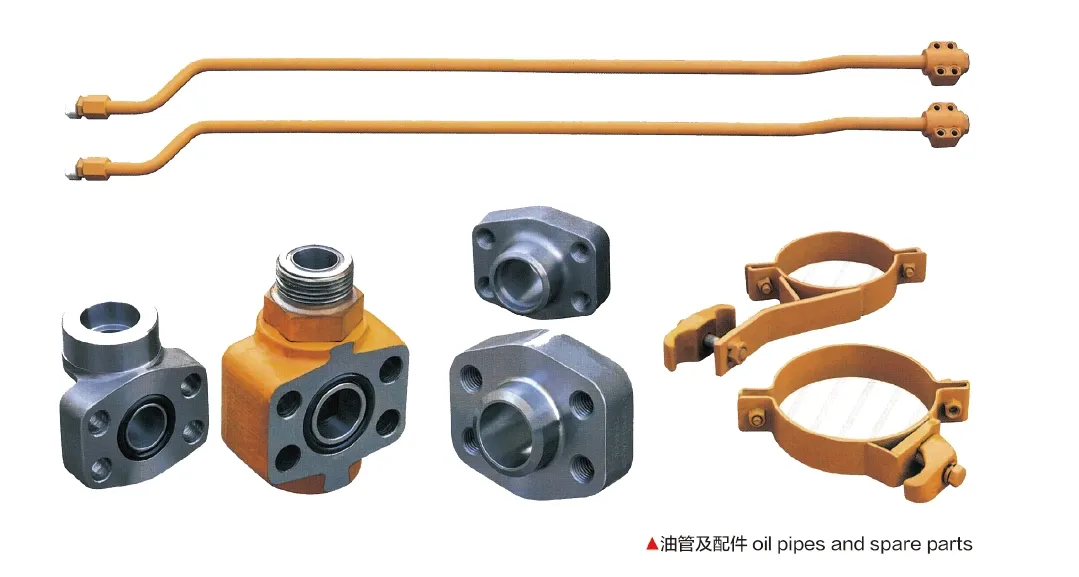
The Arm Cylinder utilizes various sealing components, such as piston seals and rod seals, made of wear-resistant materials like polyurethane and nitrile rubber. The cylinder body and threaded ends undergo precise treatment to improve wear resistance. Regular lubrication with the appropriate amount of hydraulic oil is necessary to ensure smooth operation and prevent damage.
1. Ensure the hydraulic system is properly depressurized before starting the installation process.
2. Align the Arm Cylinder with the mounting points on the machinery's arm.
3. Securely attach the cylinder using appropriate bolts or fasteners.
4. Connect the hydraulic lines to the cylinder's inlet and outlet ports, ensuring proper sealing.
5. Double-check all connections and ensure they are tight and leak-free.
6. Test the cylinder's functionality by operating the hydraulic system.
7. Make any necessary adjustments or fine-tuning to ensure optimal performance.
When working with the Arm Cylinder, it is essential to follow proper safety measures to prevent accidents and ensure operator well-being. Adequate training, the use of personal protective equipment, and adherence to safety guidelines are crucial.
Possible Cause: Damaged seals or loose fittings.
Solution: Inspect and replace any damaged seals or tighten loose fittings.
Possible Cause: Insufficient hydraulic pressure or a malfunctioning control system.
Solution: Check hydraulic pressure levels and inspect the control system for any faults. Adjust or repair as necessary.
Possible Cause: Misalignment or imbalanced load distribution.
Solution: Ensure proper alignment of the cylinder and redistribute the load to achieve balance.
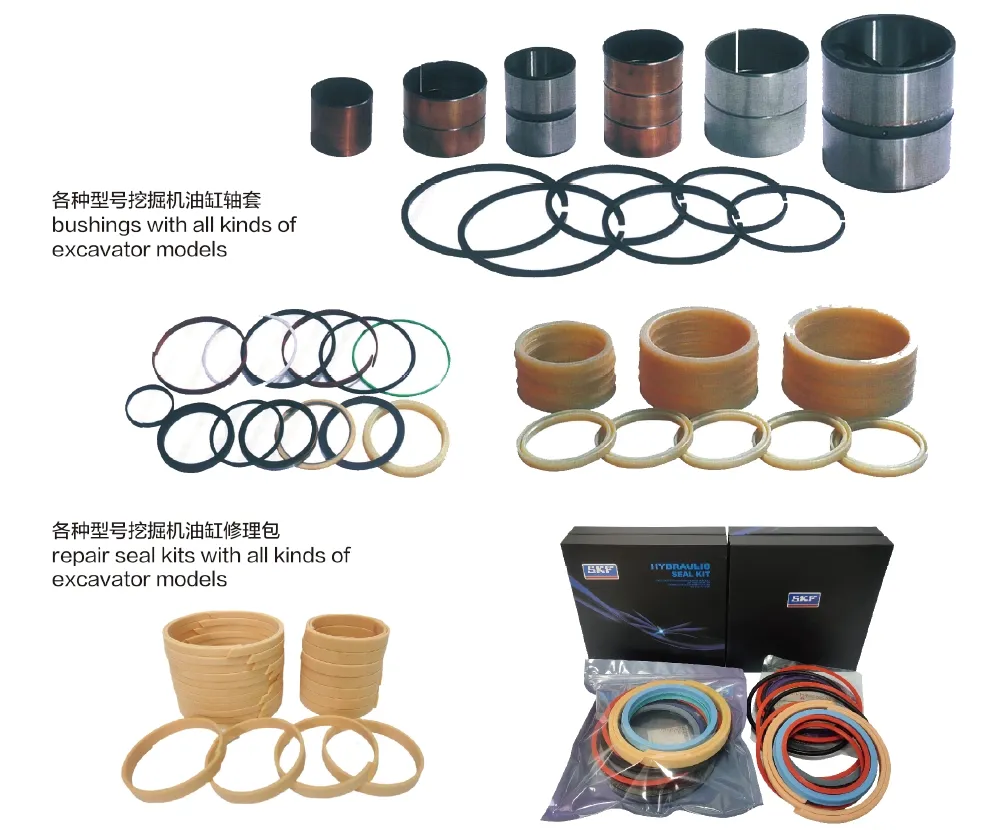
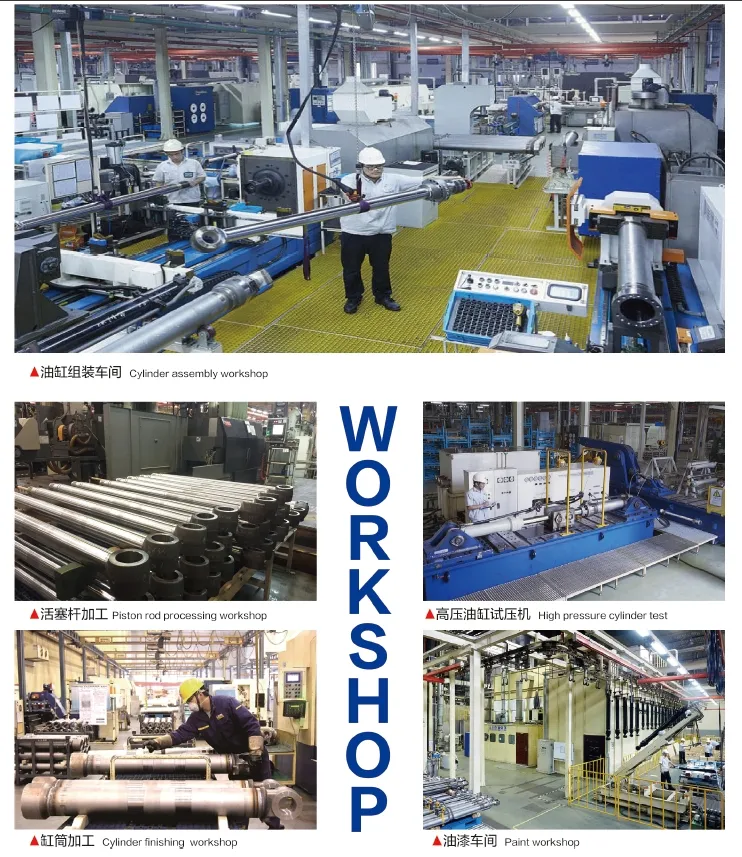
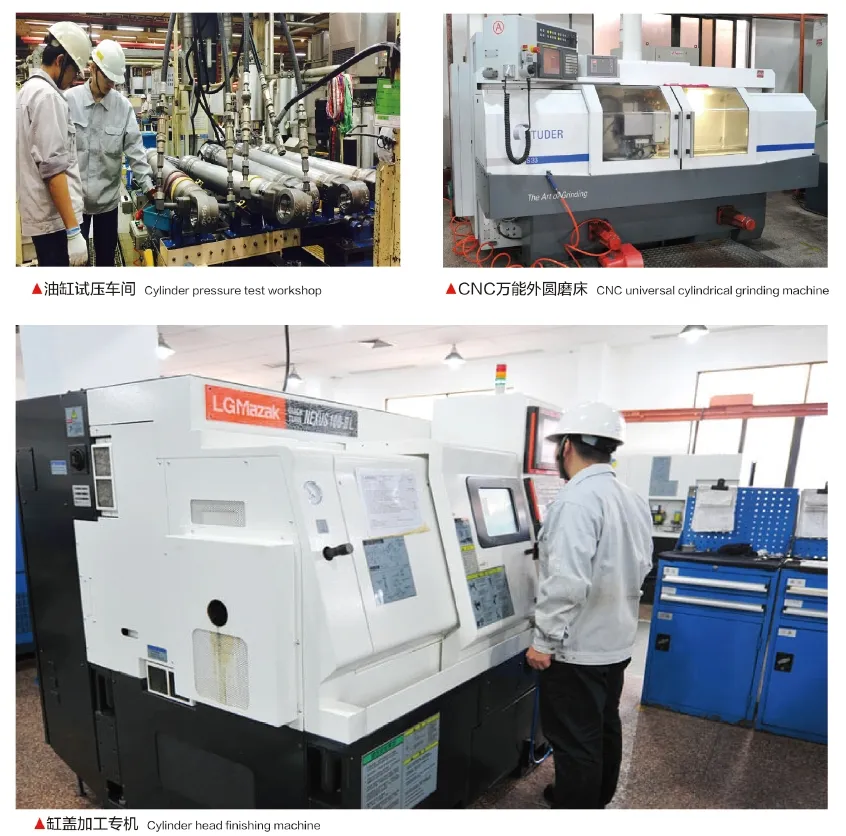
We are a manufacturer specializing in the production of replacement hydraulic cylinders. With a wide range of products, we have become one of the leading manufacturers and wholesale distributors of hydraulic cylinders in the domestic and international markets. Our company adheres to the principles of excellent quality and industrialized production management, leveraging a sophisticated manufacturing workshop, a team of technical experts, advanced digital manufacturing equipment, and professional testing systems. We continuously improve our manufacturing platform and enhance product quality by following efficient, precise, and high-quality production processes to meet the diverse needs of our customers.
Author: lyl
Address
Luotuo Industrial Area, Zhenhai District, Ningbo City, China
Tel

 Raydafon