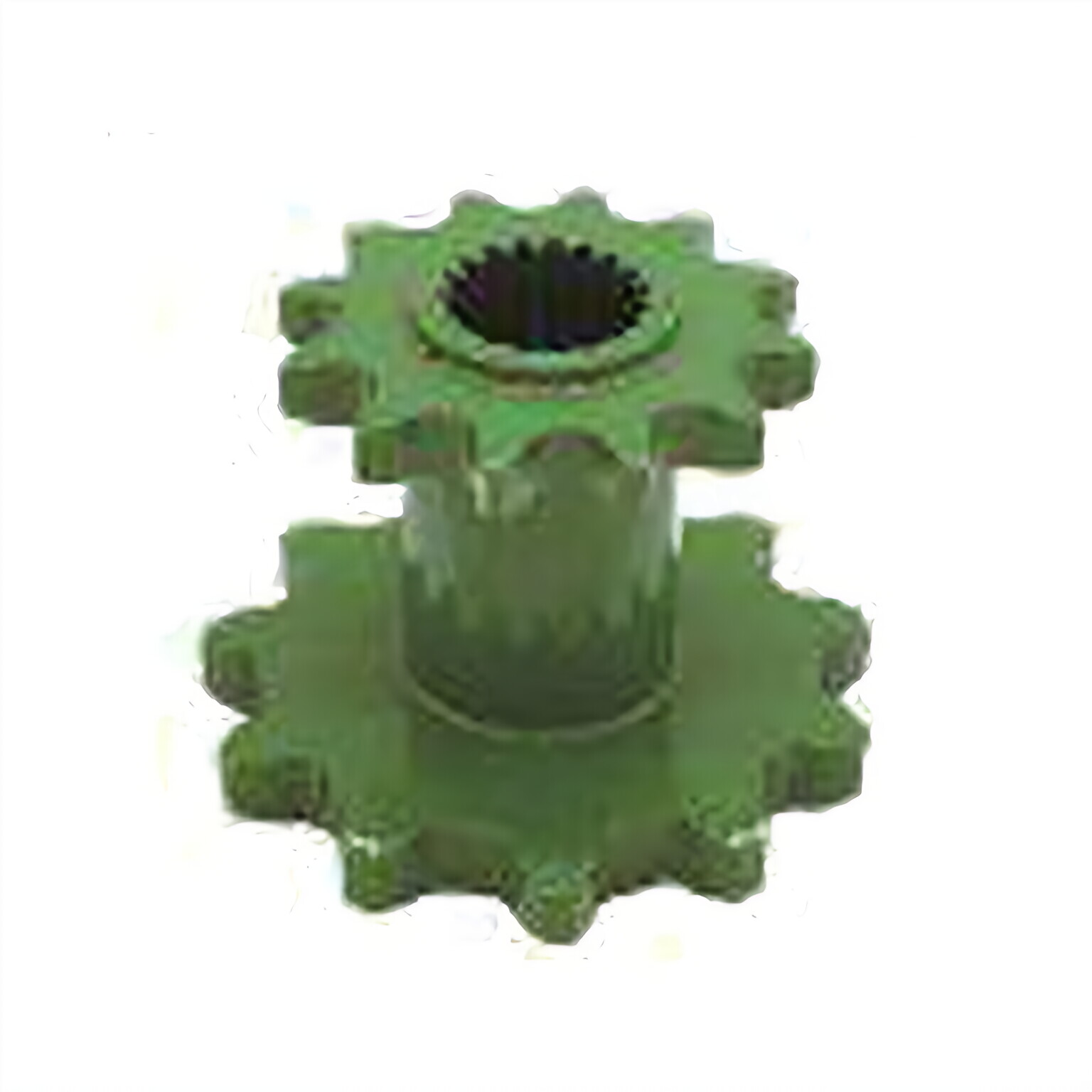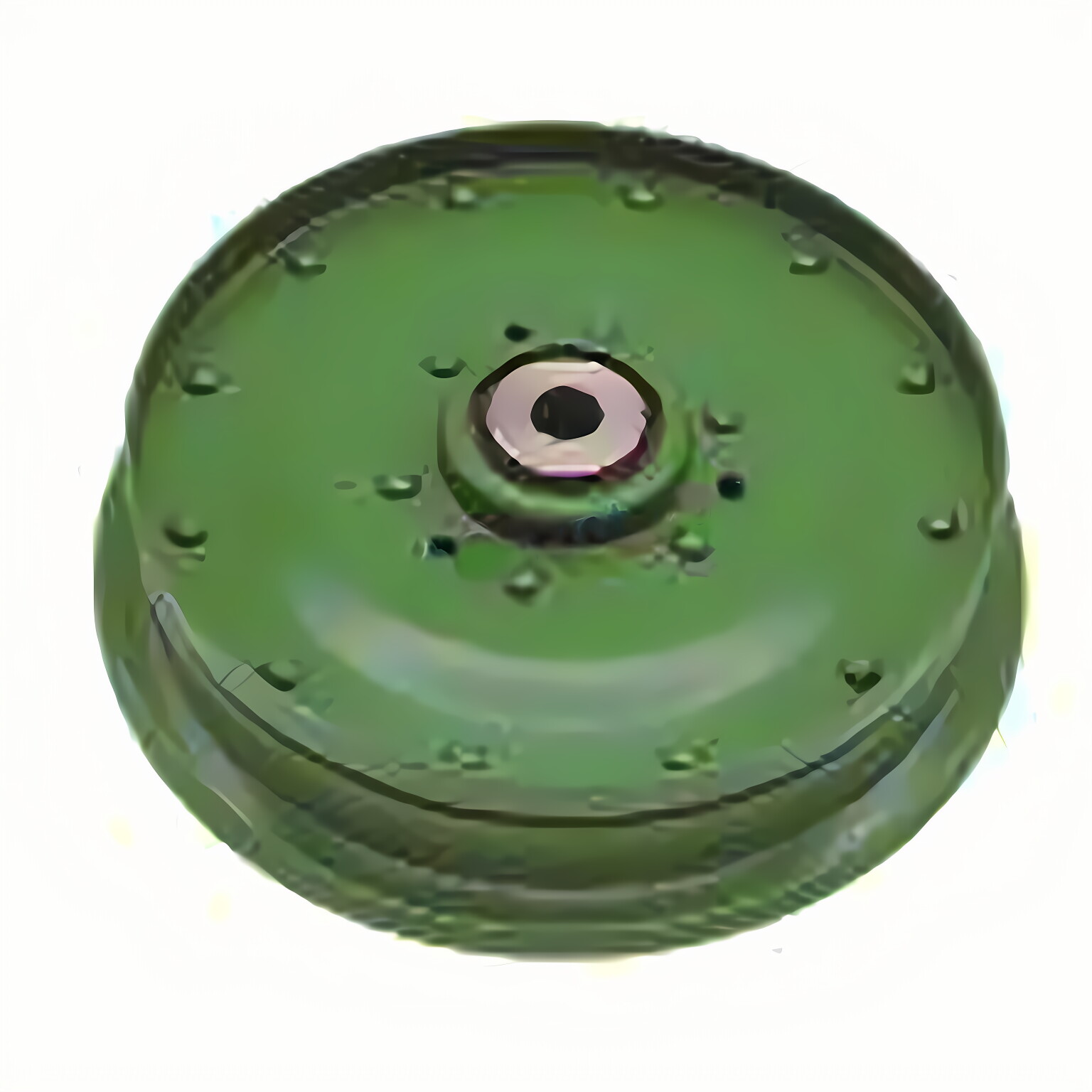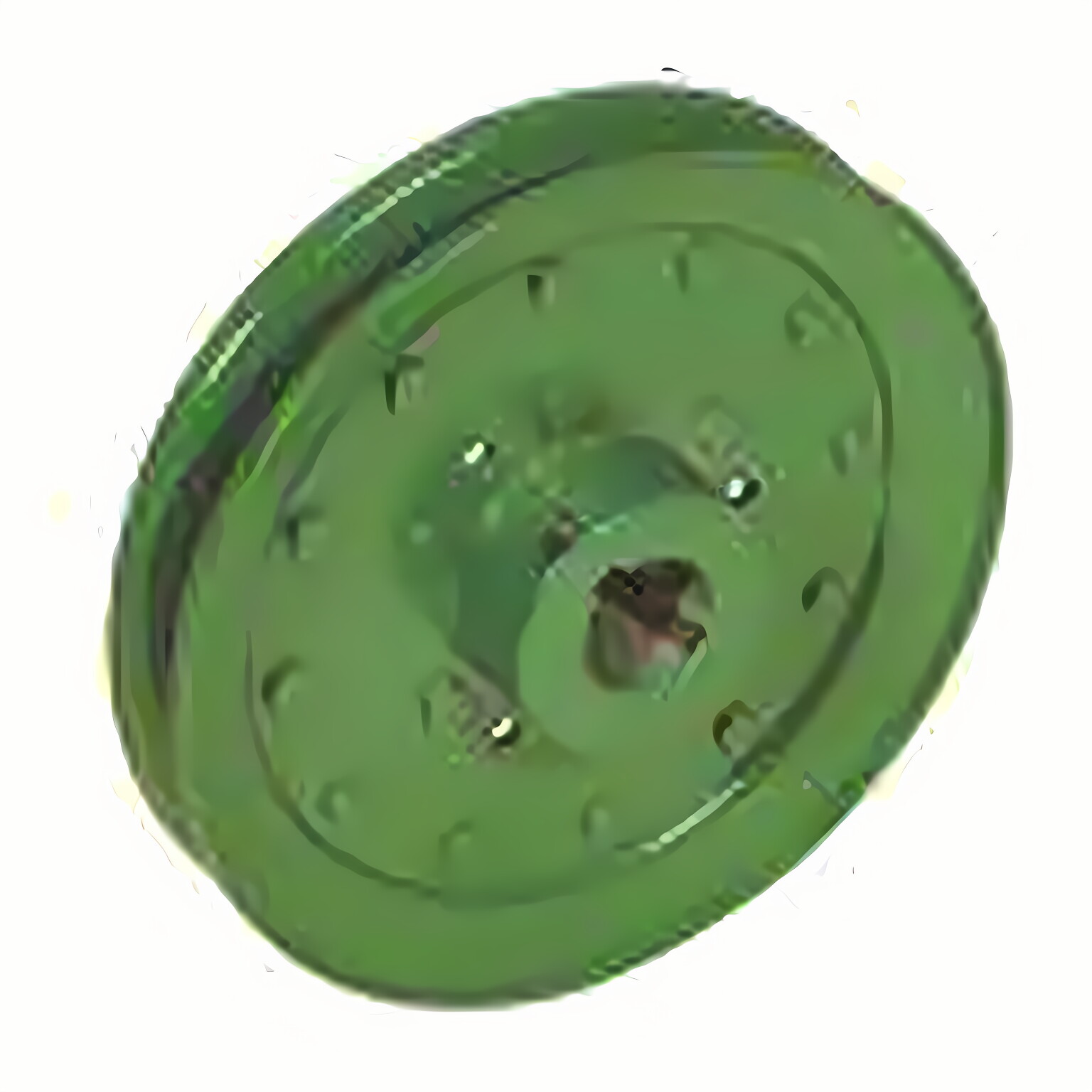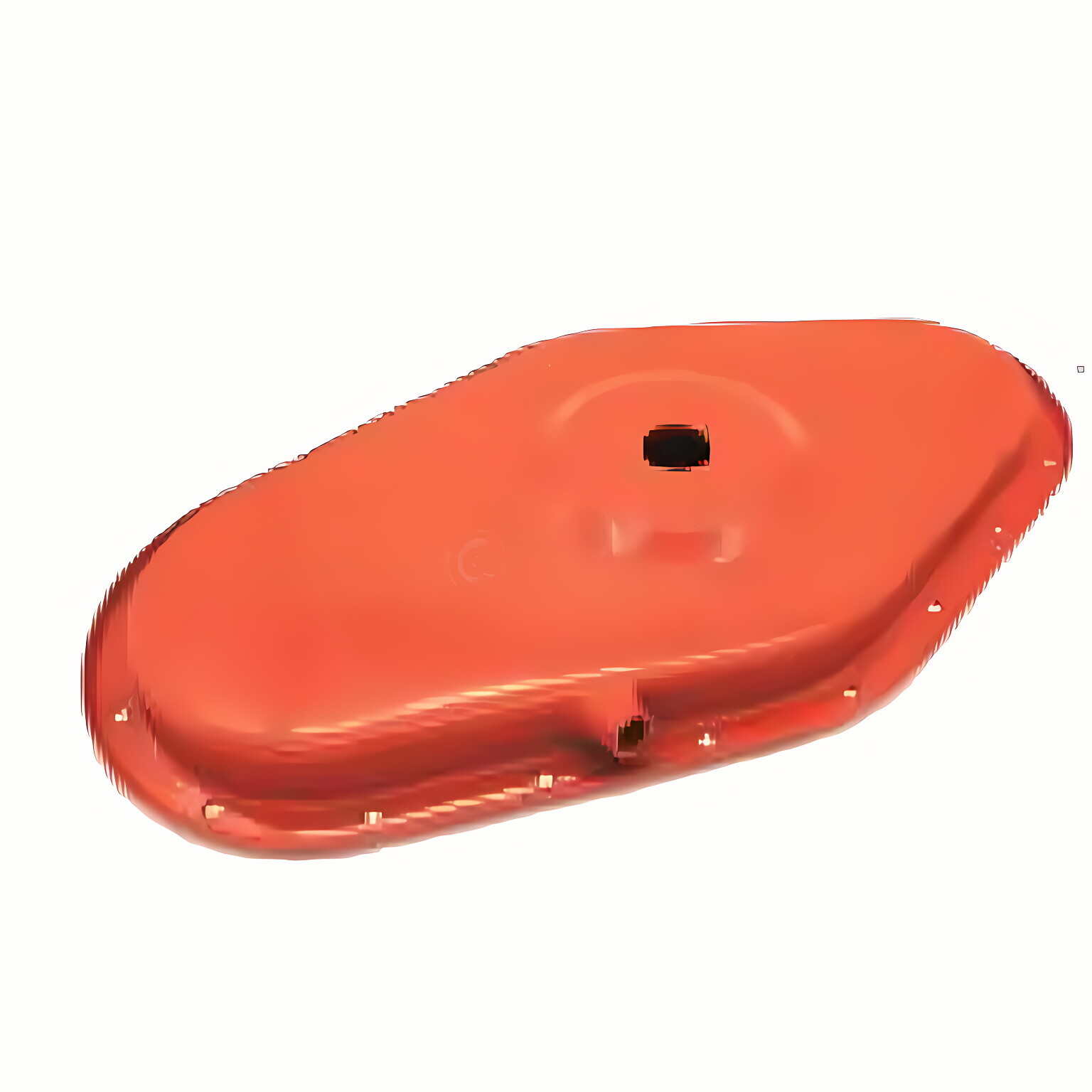
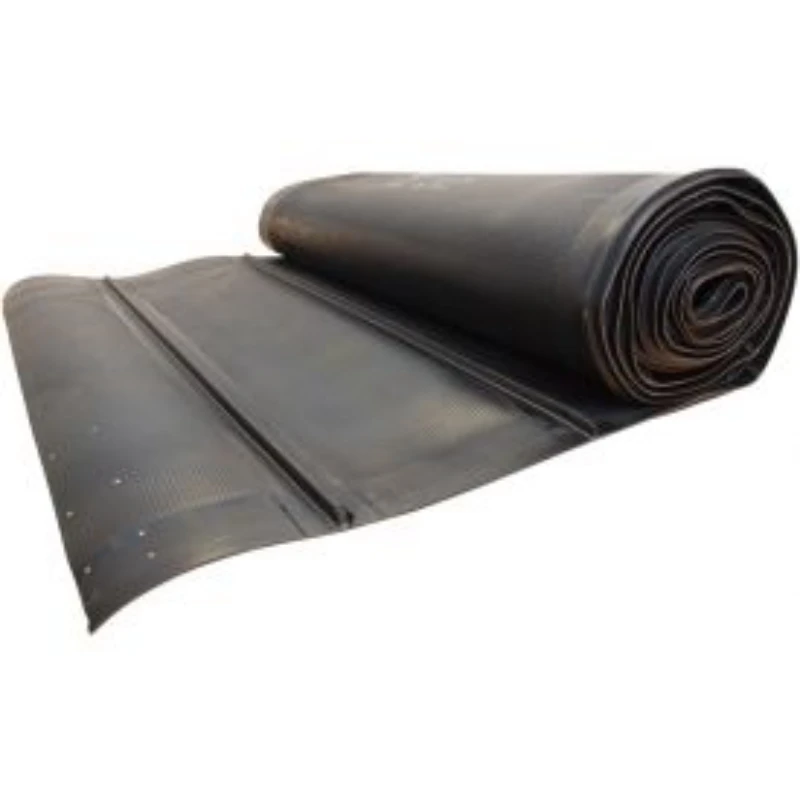
AXE12053 FLAT BELT, CENTER DRAPER BELT Fits JD Combine Models: S550, S650, S660, S670, S680, S690
Raydafon Group's AXE12053 FLAT BELT, CENTER DRAPER BELT is a durable, essential accessory designed for John Deere Combine models S550, S650, S660, S670, S680, and S690. Expertly crafted for farmers and agricultural professionals, this belt ensures smooth harvesting operations with its high-quality materials and precise fit, reducing downtime and enhancing efficiency. It solves common wear-and-tear issues, delivering reliable performance and peace of mind in demanding farm environments. Unlike generic alternatives, it's tailor-made for specific JD models, offering superior compatibility and longevity. Choose Raydafon Group for trusted, professional-grade solutions that keep your combine running at peak performance.
AXE12053 FLAT BELT, CENTER DRAPER BELT Fits JD Combine Models: S550, S650, S660, S670, S680, S690
An agricultural belt is a type of belt used in agricultural machinery to transfer power between the engine and various components of the machine. Agricultural belts are crucial components in a variety of agricultural machinery, including tractors, harvesters, cultivators, irrigation equipment, and feed processing machinery. They play a key role in ensuring that these machines function effectively and efficiently.
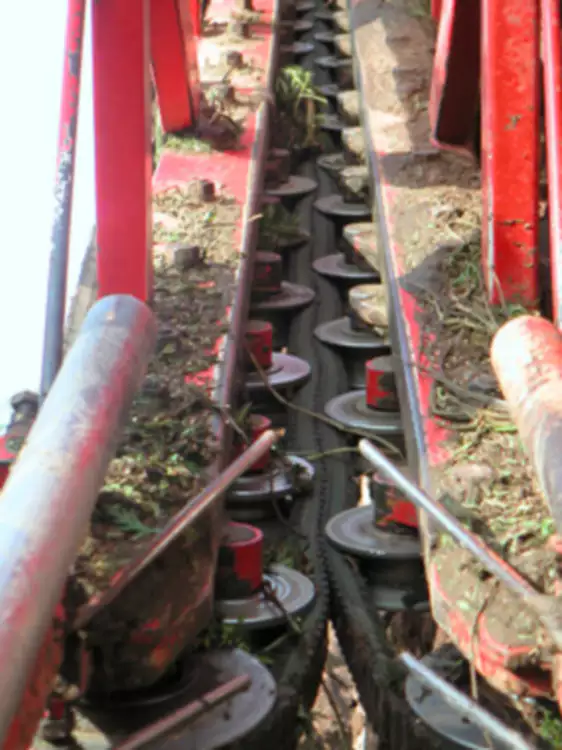
Typical Applications of Agricultural Belts in Agricultural Machinery
Tractor Transmission System
Agricultural belts are mainly used in the PTO (Power Take-Off) section of tractors, connecting the tractor to external farming equipment such as plows, seeders, harvesters, crushers, water pumps, and more.
Combine Harvester
Agricultural belts are used in the main transmission system of combine harvesters, transferring power from the engine to the threshing drum, cutting platform, cleaning system, and other moving components.
Tillage Machinery
Agricultural belts are used in tillage machinery such as rotary tillers, plows, and deep tillers. The belts are used to transfer the tractor's power to the working components of the tillage machinery.
Irrigation Equipment
In power-driven water pumps and rotating sprinkler systems, agricultural belts transfer power from the tractor to the pump or other driving components.
Feed Processing Machinery
In feed mixers, silage cutters, and other equipment, agricultural belts are used to drive mixing, cutting, and other functional modules.
Image source: https://hzpt.com/
Agricultural Belt Compatibility with Machinery Brands and Models
The AXE12053 flat belt and center draper belt fits JD combine models: S550, S650, S660, S670, S680, S690.
Other Agricultural Machinery Parts Available
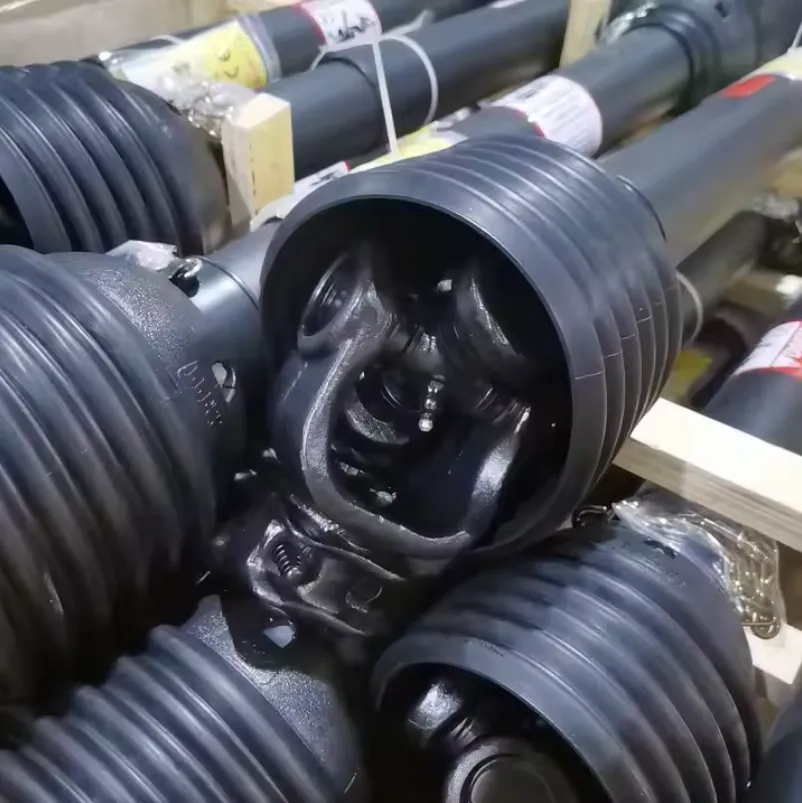
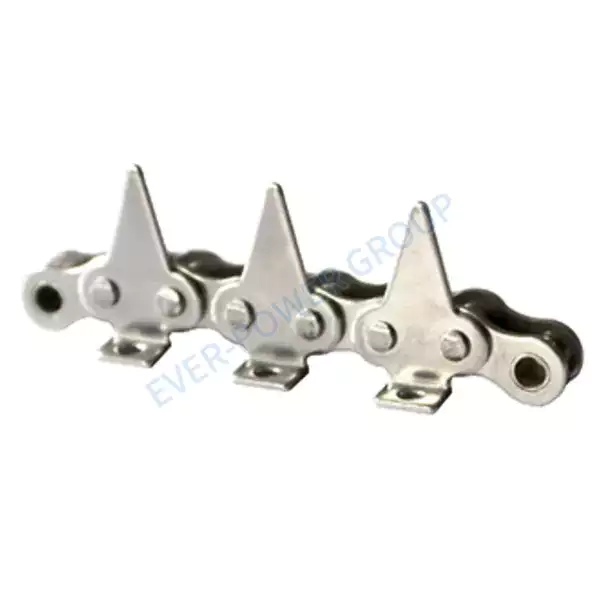
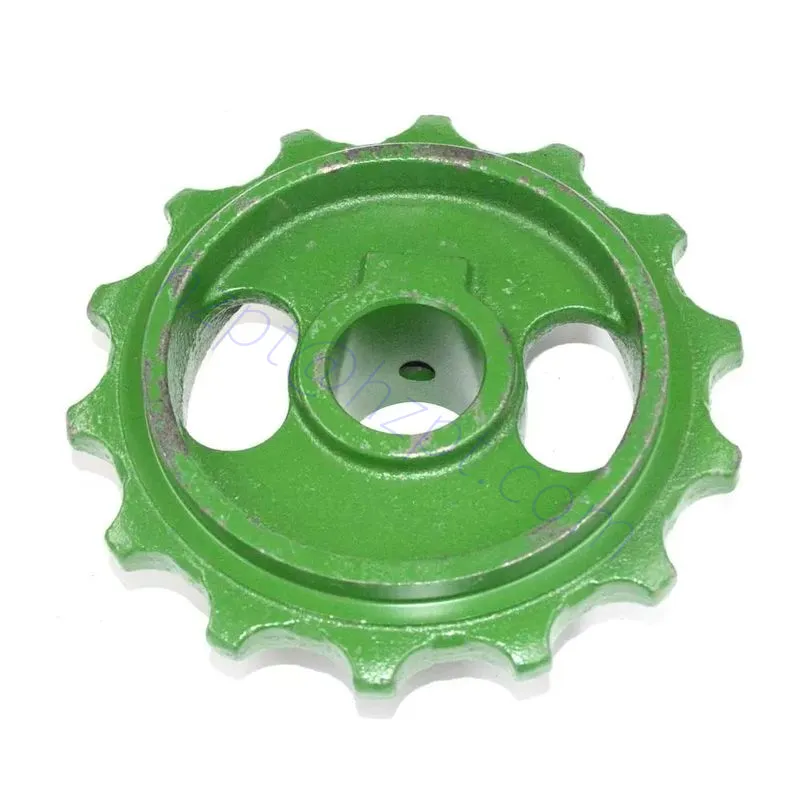
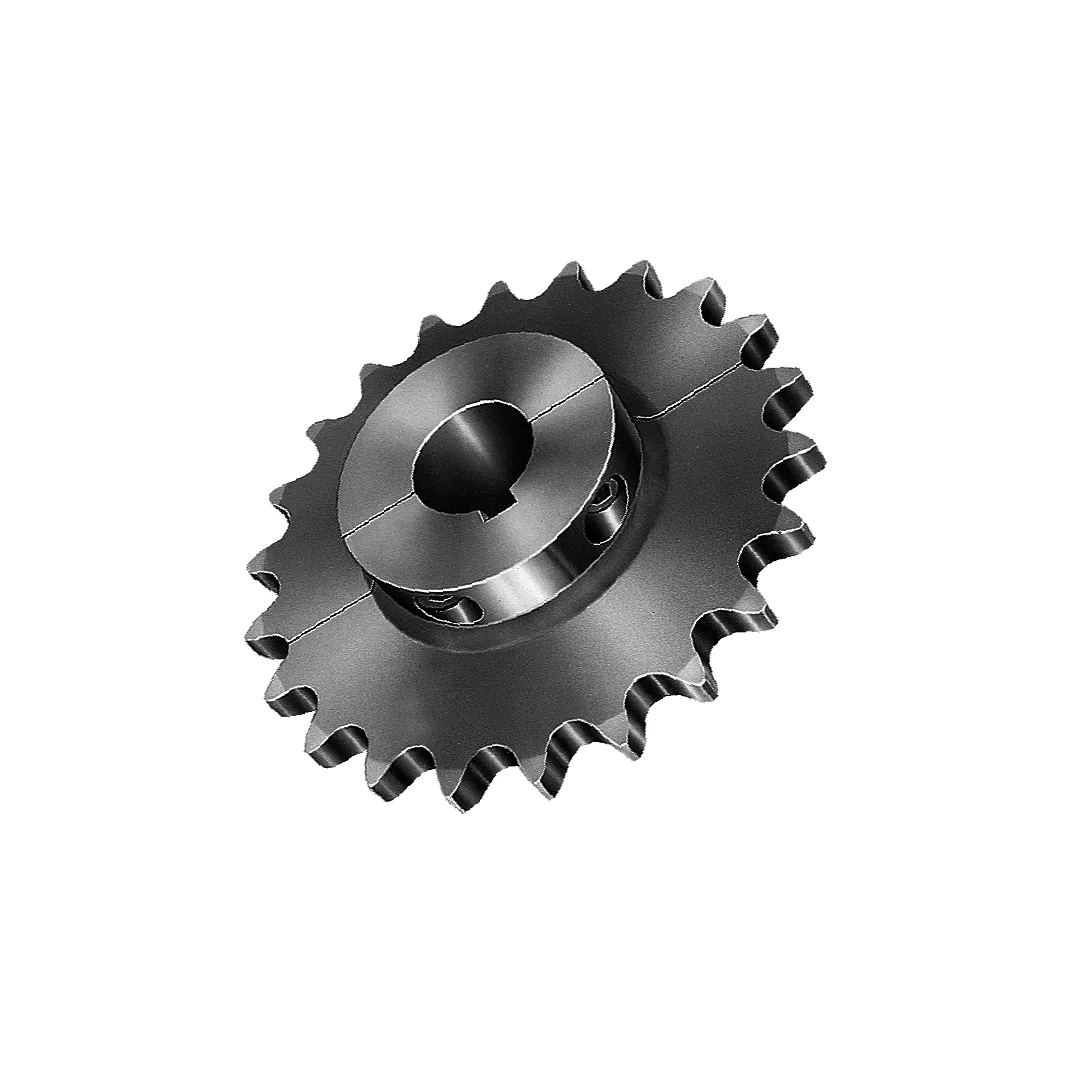
In addition to agricultural belts, we also offer a wide range of other agricultural machinery parts, including agricultural chains, agricultural gearbox, pulley, sprocket, coupling, pto shaft, concave, and more. Whatever agricultural machinery part you need, you can find it here with us.
Signs that Your Agricultural Belt Needs to Be Replaced
Obvious Wear and Tear
Check the belt surface for cracks, frayed edges, thinning, rubber block detachment, or fabric exposure. These signs indicate severe wear and tear, weakened strength, and reduced stability, necessitating immediate replacement.
Looseness
The agricultural belt should run in a suitable tension state. If the belt is too loose, sagging more than the specified value when pressed with your hand, or the belt length cannot maintain the original tension after continuous use due to stretching, it means the belt has lost elasticity and tension and needs to be replaced.
Slippage
If you hear a sharp whistling sound at the belt, or feel insufficient machine power output and decreased speed, it is likely that the belt is slipping, causing unstable driving. In this case, check the tension and sufficient friction of the belt and replace it if necessary.
Overheating
While a slight temperature rise of the belt is normal, if the belt is too hot to touch or even burn, it may be due to excessive fatigue, internal structural damage or excessive tension. This case will accelerate the aging and damage of the belt, and it needs to be replaced immediately.
Strange Smell or Burning Marks
If you smell a burnt rubber smell or see melting, scorching marks on the agricultural belt, it means that the belt is under serious overload, and partial or entire damage may have occurred. In this case, you must immediately replace the belt.
Abnormal Vibration or Noise
When the agricultural belt fails or is about to fail, it may cause additional vibration or noise during machine operation due to unstable transmission. In this case, stop the machine, check and identify the cause, and replace the problematic belt in time.
Image source: https://hzpt.com/
How to Choose the Right Agricultural Belt
Belt Type
The V-belt (also known as the triangle belt) is commonly used in agricultural machinery, with multiple models including A, B, C, and D based on width and thickness. When selecting a belt, ensure that the model matches the original equipment or follow the specifications provided by the farm implement manufacturer.
Length
Accurately measure or calculate the required length of the agricultural belt based on the farm implement manual, to ensure that the new belt can be smoothly installed and maintain appropriate tension.
Horsepower/Power Requirements
The agricultural belt needs to carry the engine output power of the farm implement, so the new belt's rated power must be greater than or equal to the transmission system's power requirements.
Material
Agricultural belts made of high-quality rubber compounds have better wear resistance, high-temperature resistance, oil resistance, and aging resistance.
Belt Pulley Groove Size
The agricultural belt must match the groove width and depth of the belt pulley to ensure good meshing and avoid slipping or premature wear.
Author: Miya
Hot Tags: Flat Belt Center Draper, AXE12053 Belt Replacement, John Deere Combine Belts
We use cookies to offer you a better browsing experience, analyze site traffic and personalize content. By using this site, you agree to our use of cookies.Privacy Policy