
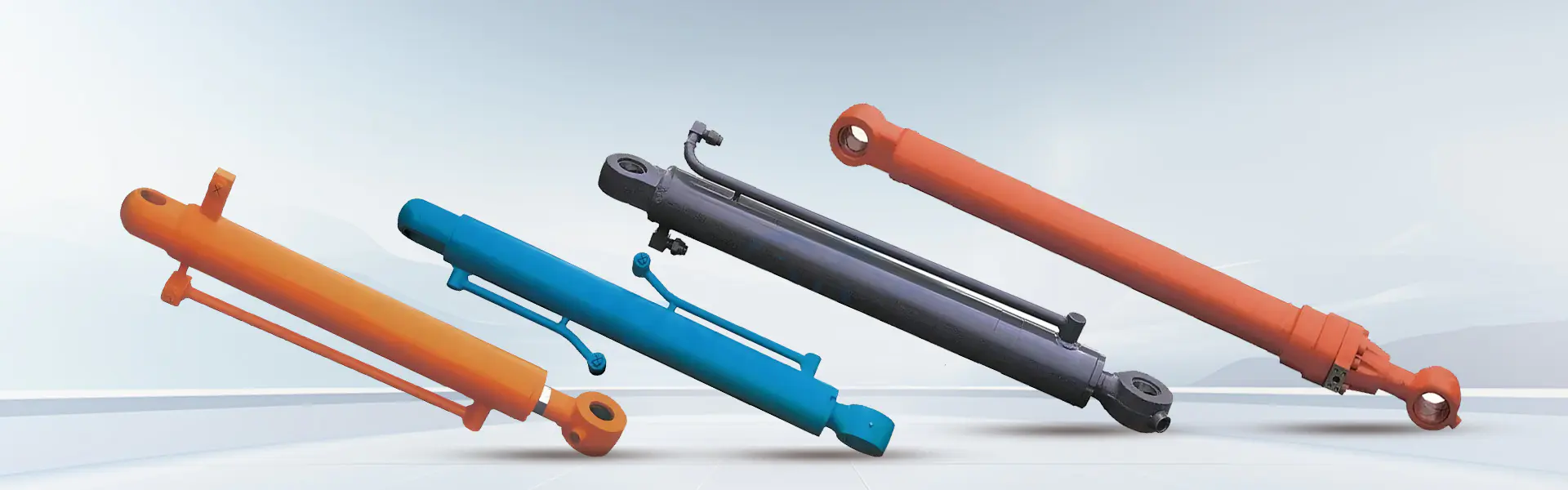
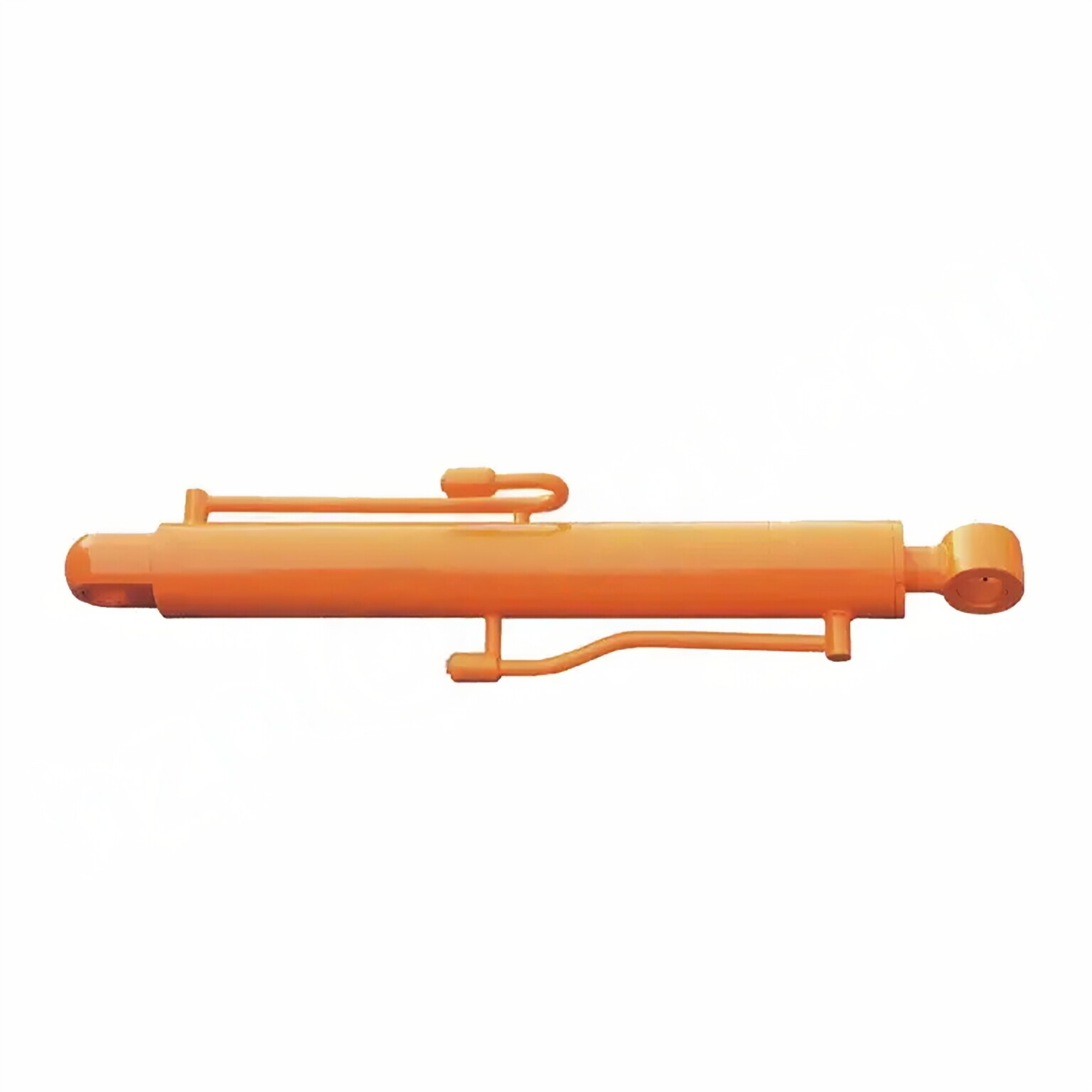
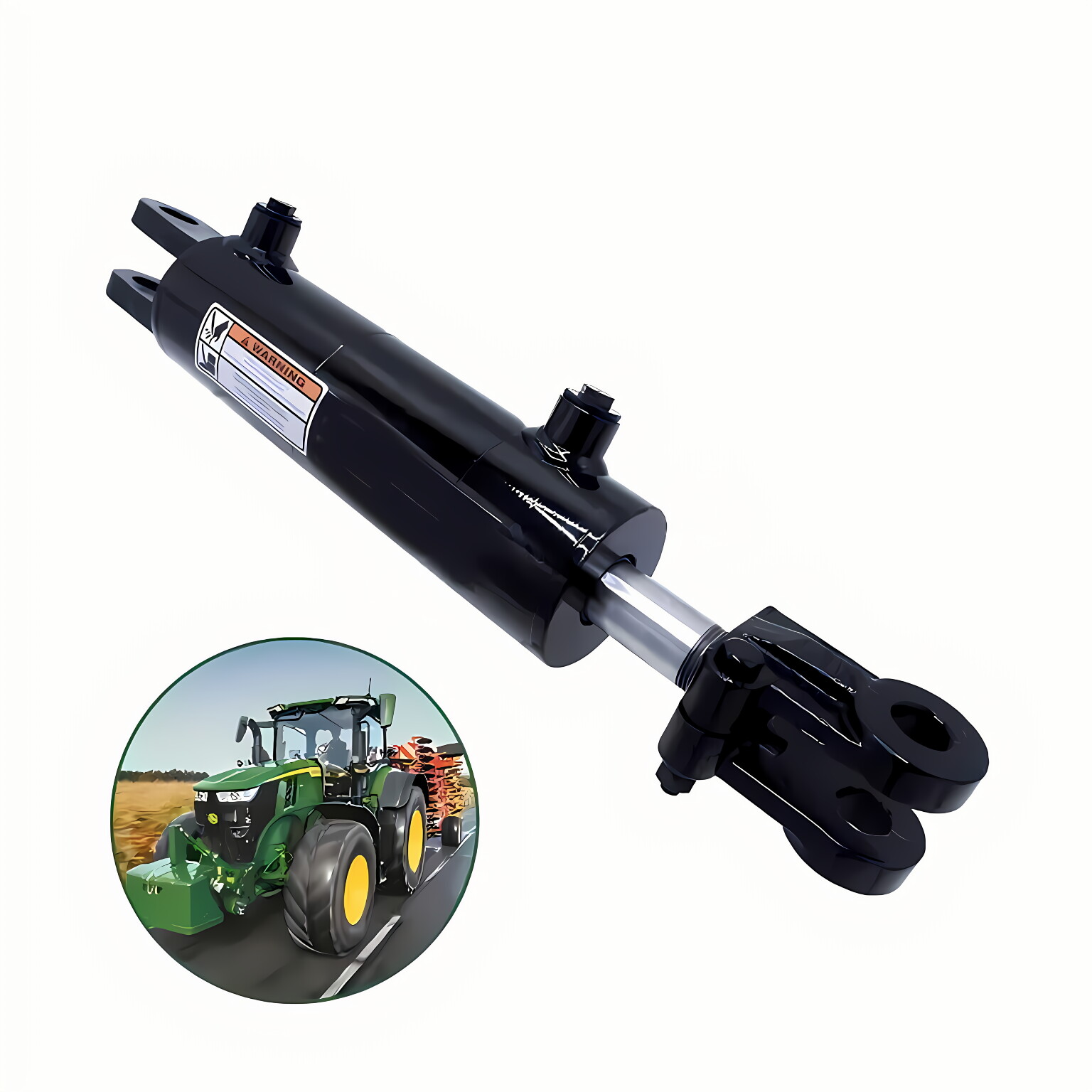
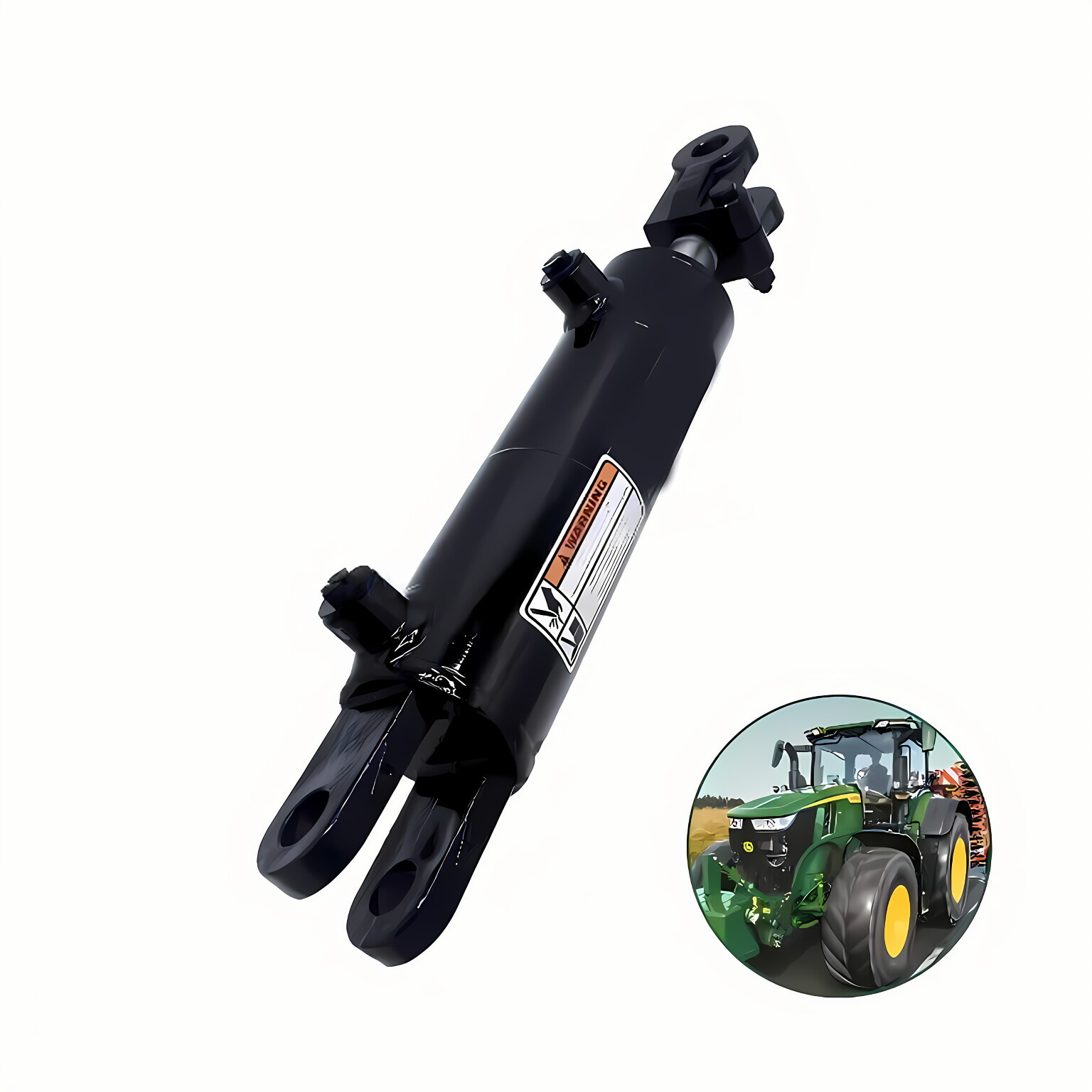
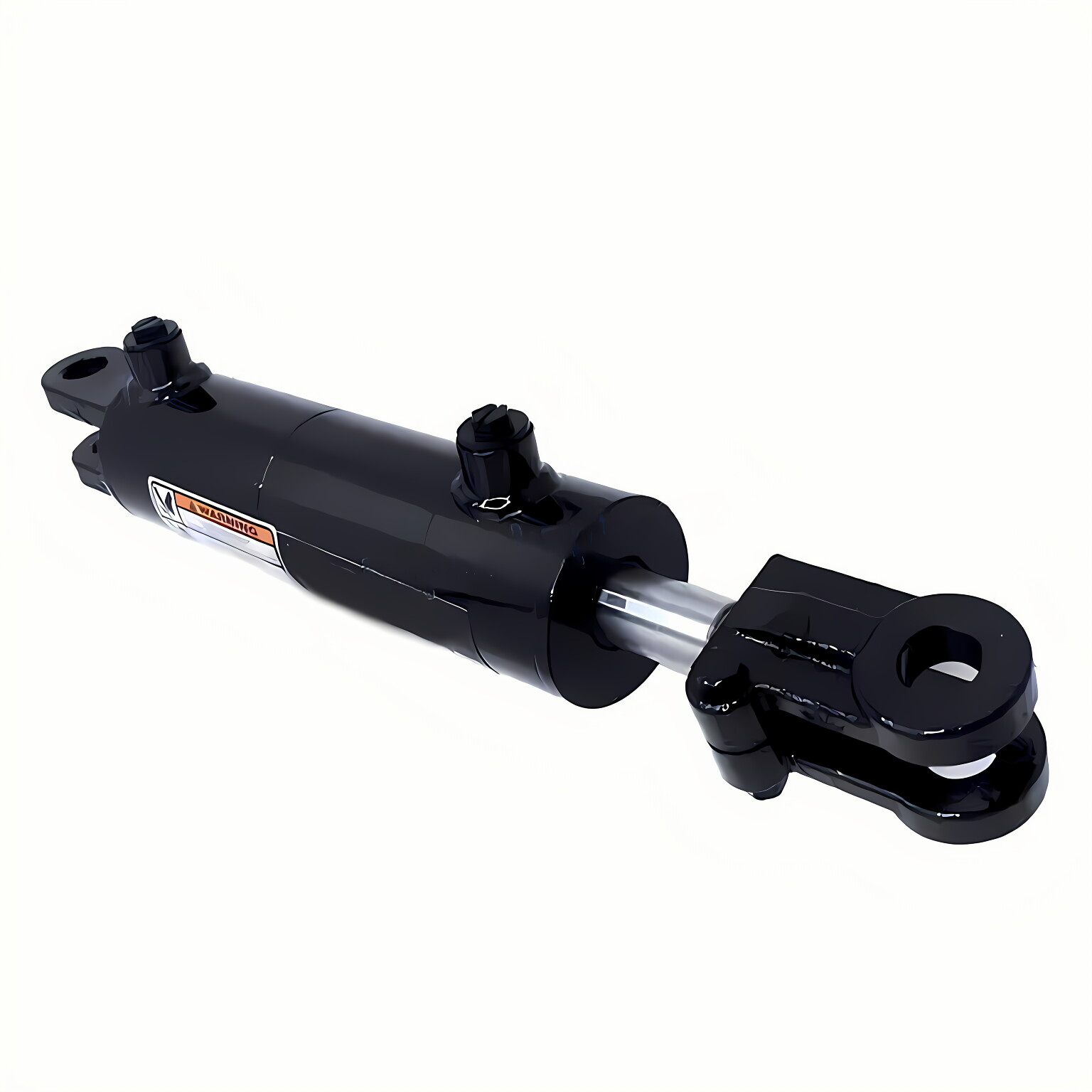
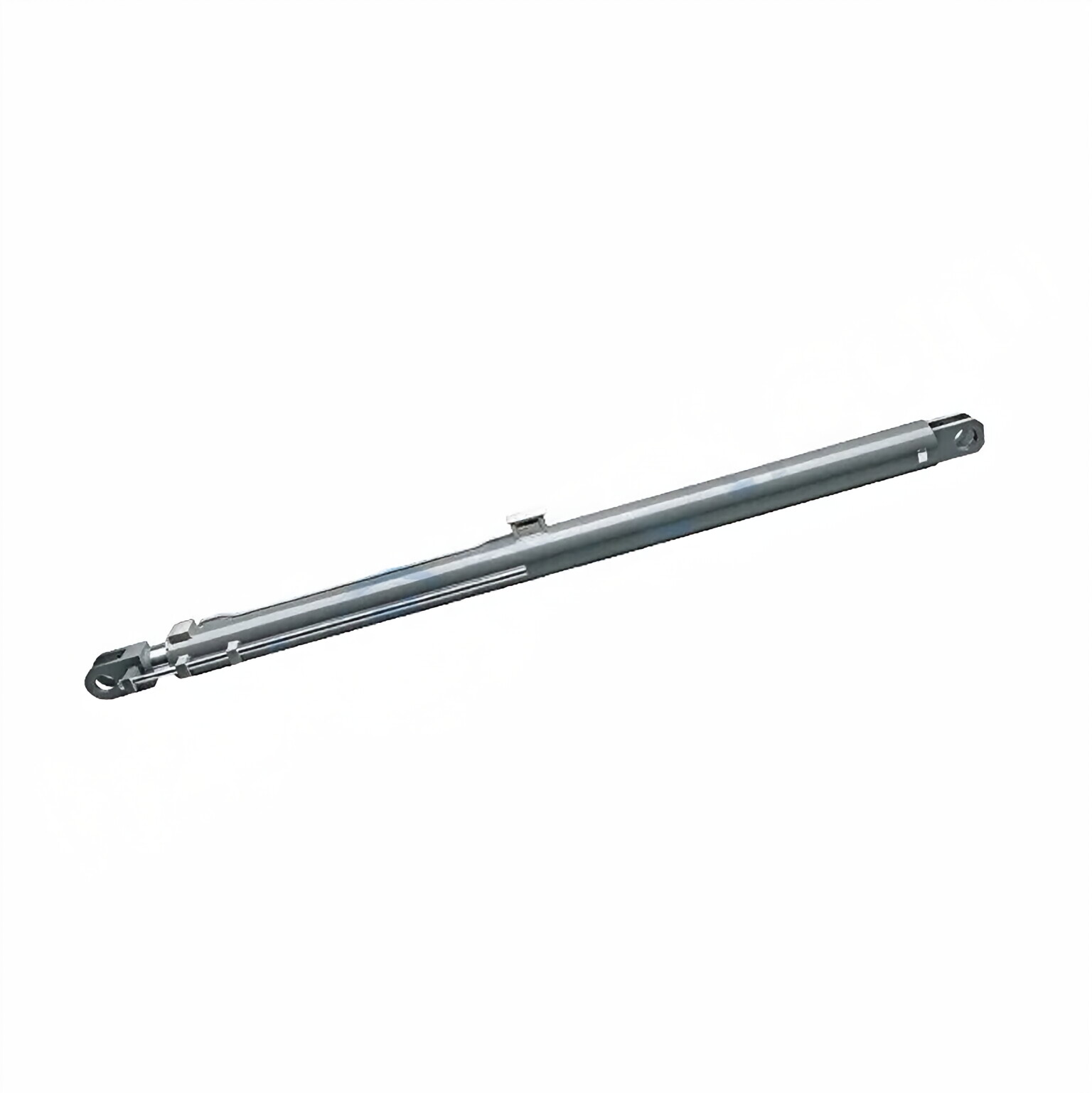
The boom cylinder for Hyundai large excavator R505LC-7 is an essential component in the hydraulic system. It plays a crucial role in the smooth operation and functionality of the excavator. This article will provide an in-depth overview of boom cylinders, their significance in the hydraulic system, and their various applications.
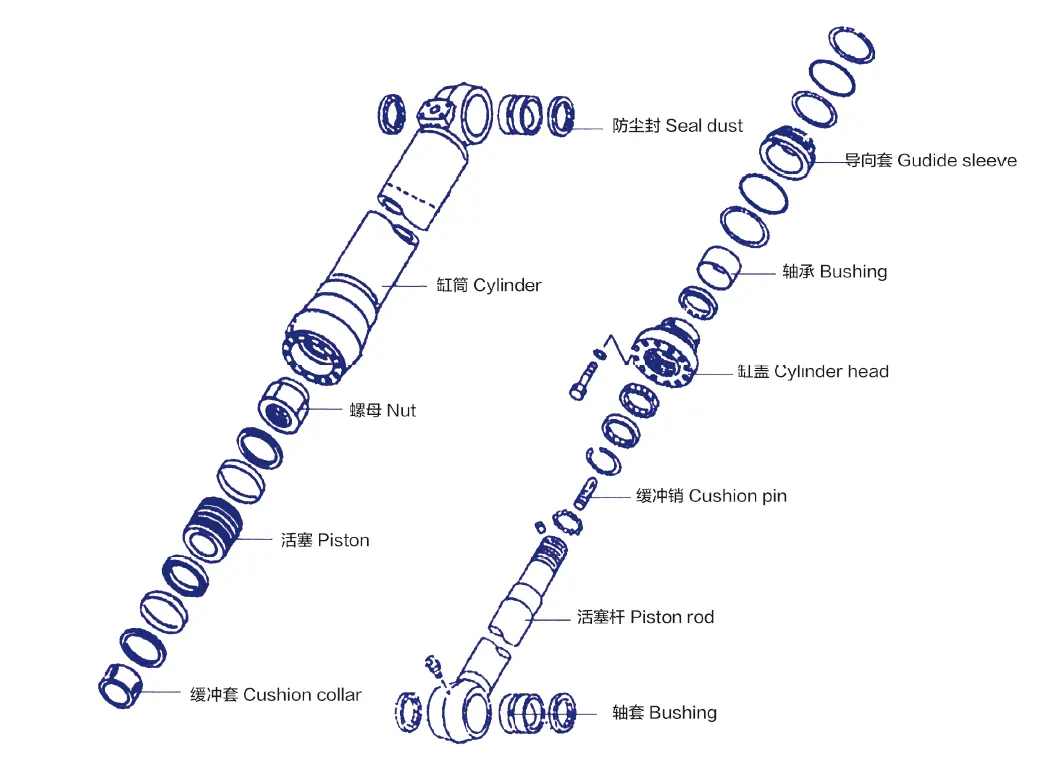
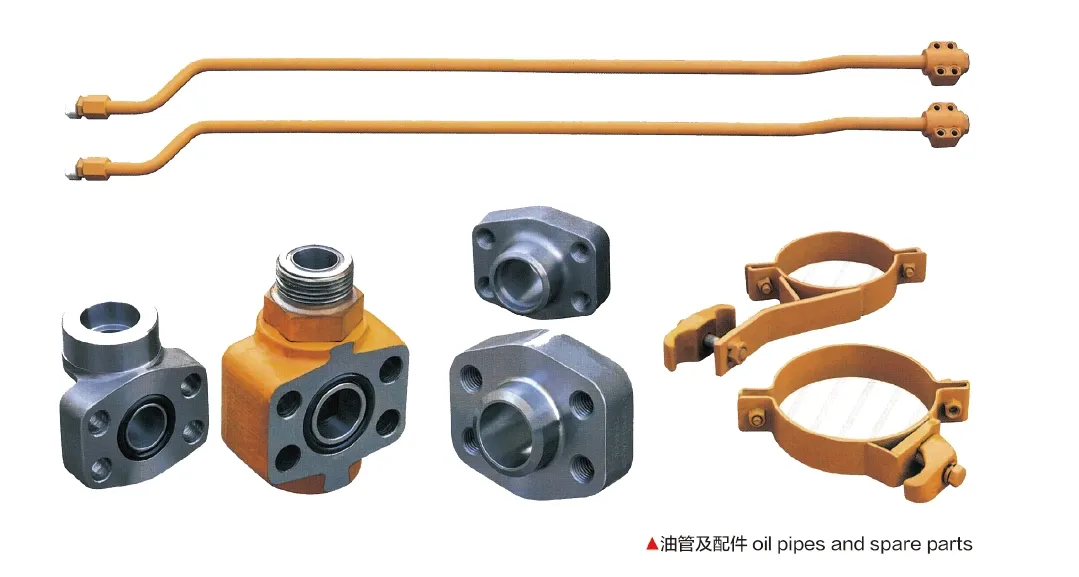
Boom cylinders find extensive use in various industries and applications:
In construction, boom cylinders are commonly found in cranes, excavators, and backhoe loaders. They are used for lifting and positioning materials.
In the forestry industry, boom cylinders are used in log loaders to extend the reach of the boom, allowing for the picking and moving of logs.
In forklifts, boom cylinder arms are employed to lift and lower forks or attachments, enhancing warehouse and loading dock efficiency.
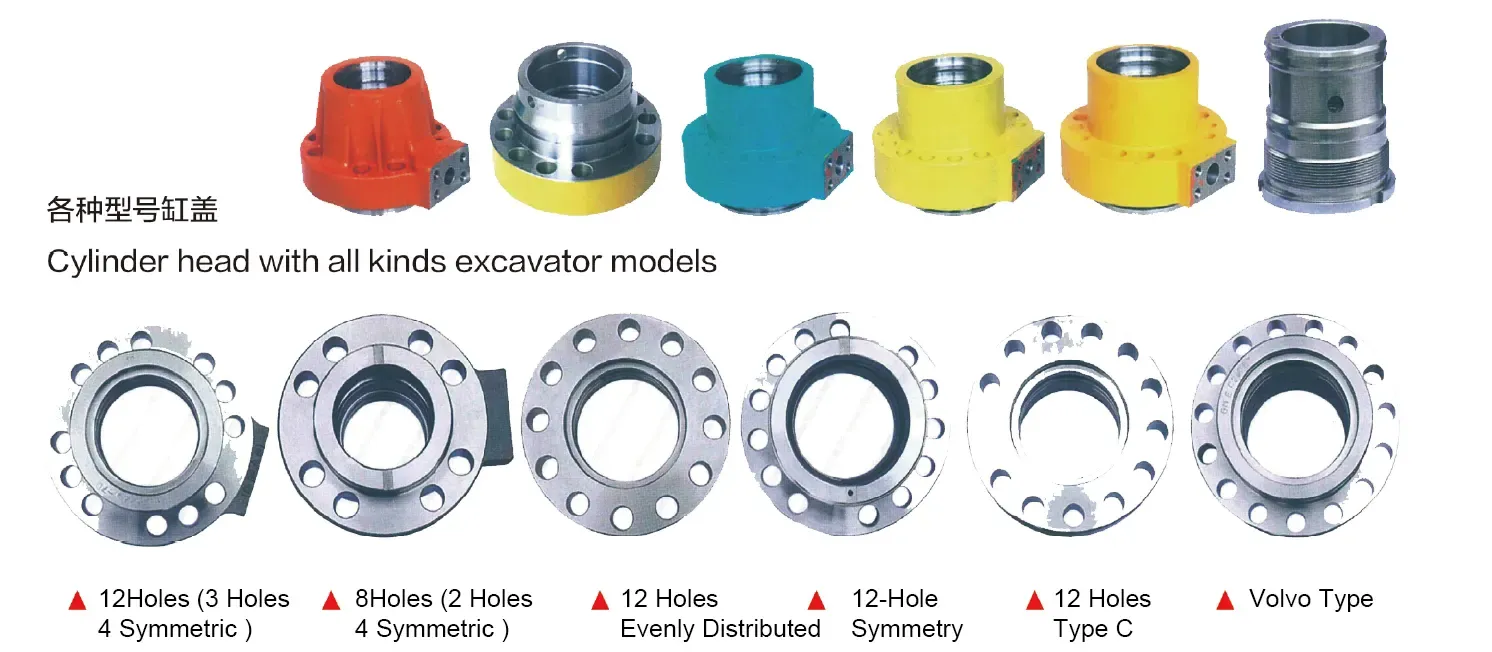
When designing boom cylinders, several factors are taken into consideration:
The boom cylinder must be designed to withstand the maximum load it will encounter during operation, ensuring safety and efficiency.
The use of various sealing components, such as piston seals and rod seals, is crucial to prevent hydraulic fluid leakage and ensure optimal performance.
Boom cylinders are constructed using high-quality materials and undergo precise surface treatments to enhance wear resistance and extend their lifespan.
Safety features, such as pressure relief valves and safety locks, are incorporated into the design to prevent accidents and protect personnel.
Easy accessibility for maintenance and repair is considered during the design process, allowing for efficient servicing and minimizing downtime.
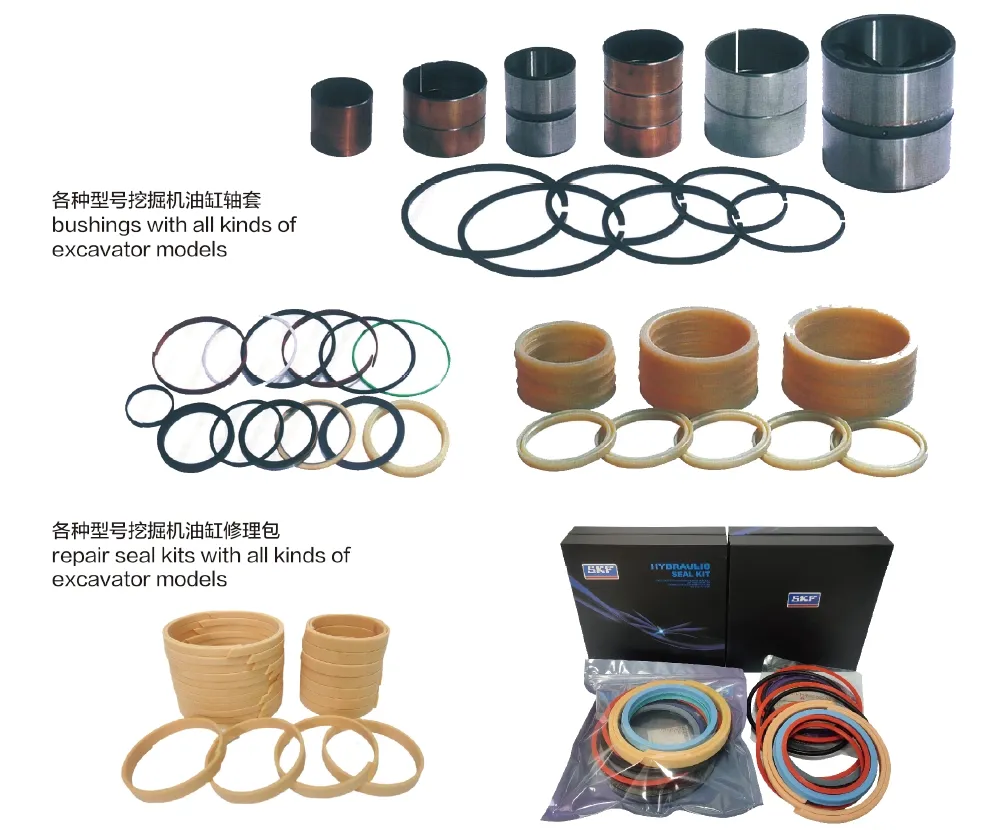
Boom cylinders utilize various sealing components, such as piston seals and rod seals, which are made from wear-resistant materials like polyurethane and nitrile rubber. The cylinder body and threaded ends undergo precise surface treatments to enhance wear resistance. Regular lubrication with the appropriate amount of hydraulic oil is necessary to ensure smooth operation.
To maintain optimal performance and extend the lifespan of the boom cylinder, regular inspections and preventive maintenance should be carried out:
- Check for signs of wear, damage, or leaks in the seals and cylinder body.
- Inspect the hydraulic connections for any loose or damaged fittings.
- Ensure proper alignment of the cylinder with the equipment.
- Keep the boom cylinder properly lubricated with the recommended hydraulic oil.
- Replace worn or damaged seals promptly to prevent leaks.
- Regularly calibrate and adjust the cylinder's control mechanisms for optimal performance.
Proper installation of the boom cylinder is crucial for its efficient operation. Here are the recommended steps:
Ensure the cylinder is correctly aligned with the equipment, following the manufacturer's guidelines.
Use appropriate installation brackets to securely fasten the cylinder in place, ensuring stability during operation.
Conduct a thorough test of the cylinder's functionality and adjust the control settings as needed for optimal performance.
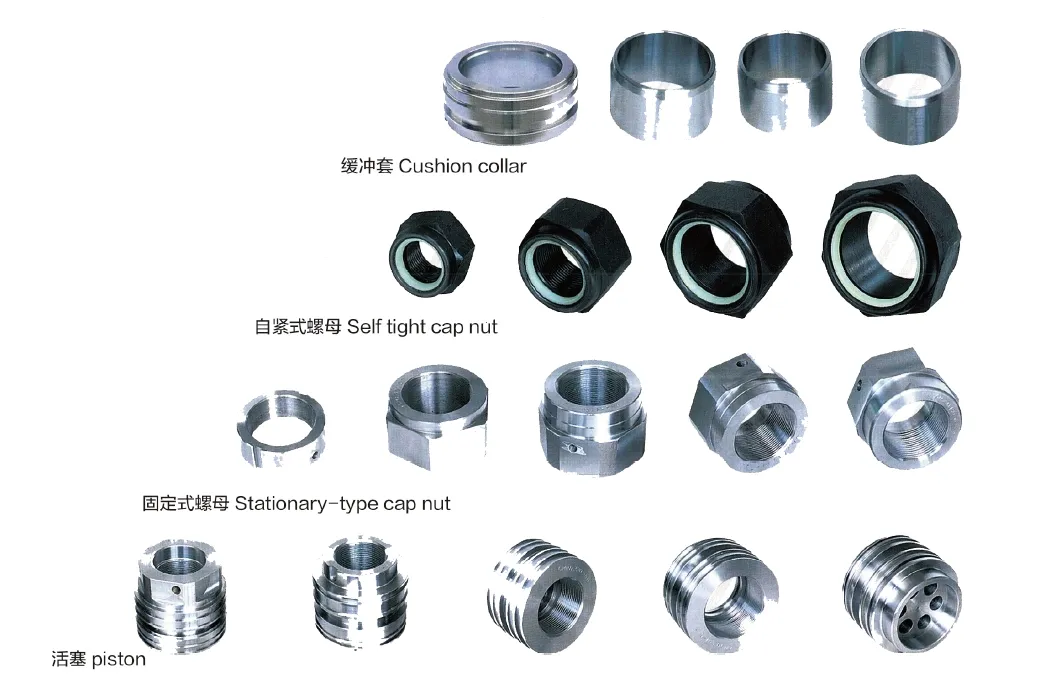
Common maintenance tasks for boom cylinders include:
Perform routine inspections to check for wear, leaks, and any signs of damage.
Ensure the boom cylinder is adequately lubricated with the recommended hydraulic oil for smooth operation.
Regularly replace worn or damaged seals and conduct calibration checks to maintain optimal performance.
Proper installation, lubrication, and adjustment are critical in maximizing the lifespan of the boom cylinder. Providing alignment guidance during installation, recommending the use of appropriate installation brackets, and suggesting inspection, repair, and replacement procedures can help improve the durability and longevity of the boom cylinder.

When using boom cylinders, it is essential to prioritize safety measures to prevent accidents and ensure personnel well-being. Adhering to safety guidelines and regulations is crucial to maintain a safe working environment. Additionally, considering environmental factors such as proper disposal of hydraulic fluids and adherence to environmental regulations contributes to sustainable practices.
While boom cylinders are designed for durability and efficient performance, they may encounter faults or issues. Some common problems include:
Leakage can occur due to worn seals or damaged cylinder walls. Prompt seal replacement and repair are necessary to address this issue.
If the boom cylinder operates slowly or inconsistently, it could indicate a problem with the hydraulic system or control mechanisms. Thorough inspection and troubleshooting are required to identify and resolve the underlying issue.
Unusual noise or excessive vibration during operation can indicate mechanical problems or misalignment. Proper inspection and maintenance are necessary to rectify the issue and ensure smooth operation.
To effectively diagnose and resolve problems related to boom cylinders, the following tips and solutions can be helpful:
- Thoroughly inspect the hydraulic system for any leaks or loose connections.
- Check the control mechanisms and ensure proper calibration.
- Examine the cylinder's seals and replace as needed.
- Promptly repair or replace any worn or damaged components.
- Conduct regular preventive maintenance to prevent potential issues.
- Follow proper installation, lubrication, and adjustment procedures.
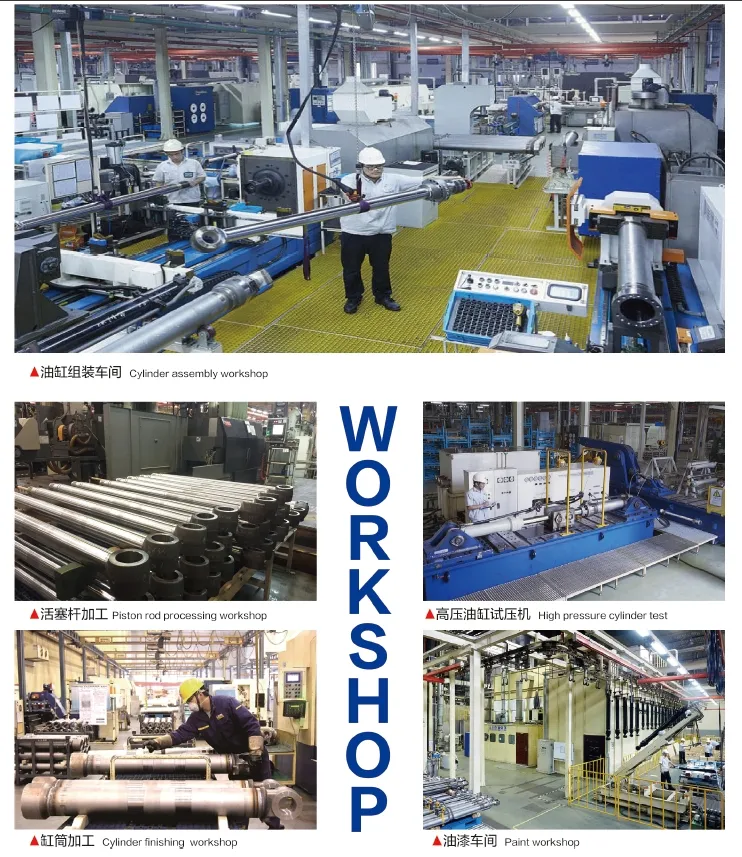
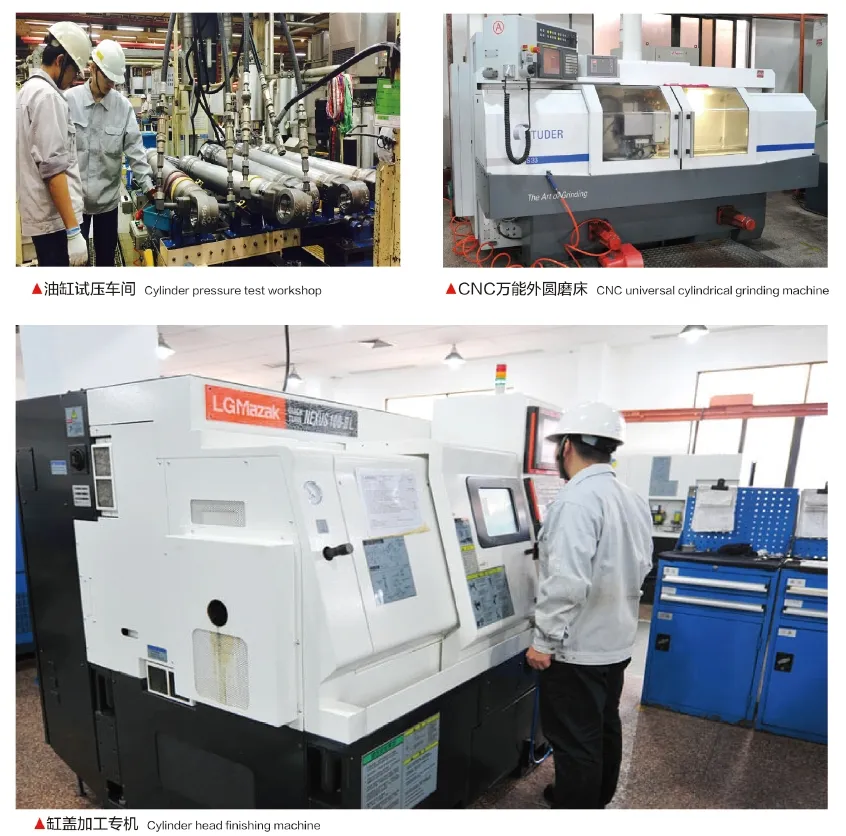
We are a leading manufacturer and wholesale distributor of hydraulic cylinders, specializing in the production of replacement cylinders. With a wide range of product offerings, we have become a trusted name in both domestic and international markets. Our company adheres to the principles of excellence, utilizing advanced manufacturing facilities and professional testing systems to ensure high-quality products. We take pride in
Address
Luotuo Industrial Area, Zhenhai District, Ningbo City, China
Tel

 Raydafon